The Impact of AI on Actors and Performances

The Impact of AI on Actors and Performances

Artificial intelligence (AI) is rapidly transforming industries across the globe, and the world of entertainment is no exception. As AI technology continues to advance, it is increasingly being integrated into the film and television industries, influencing everything from screenwriting to post-production. However, one of the most profound impacts of AI is on actors and their performances. This article explores how AI is reshaping the roles of actors, the ethical considerations that come with this shift, and what the future may hold for performers in an AI-driven world.

The Emergence of AI in Acting

The integration of AI into acting has been a gradual process, beginning with relatively simple applications and evolving into more complex and sophisticated technologies. Early uses of AI in acting included digital enhancements and visual effects that allowed actors to perform in fantastical environments or to appear younger or older on screen. As these technologies have advanced, AI has begun to take on more central roles in the creation and enhancement of performances.
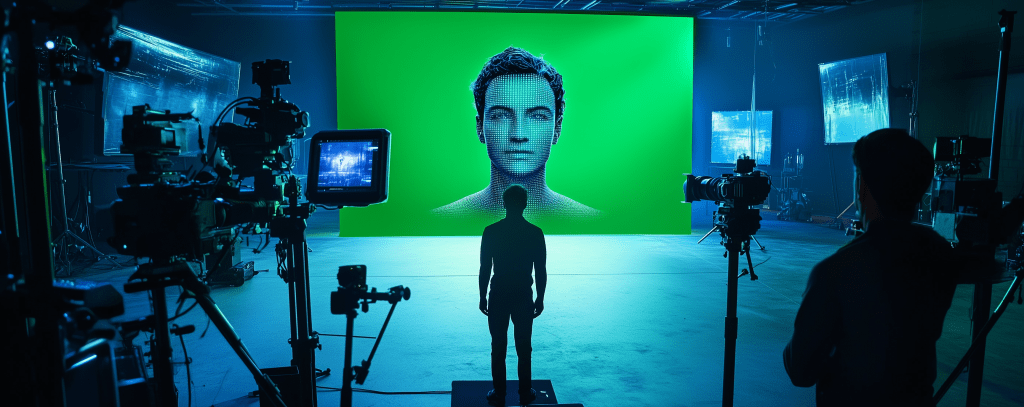
One of the most significant developments in this area is the use of AI to create digital doubles of actors. These digital doubles can be used to perform stunts, appear in scenes that are too dangerous or impractical for human actors, or even recreate the likeness of actors who are no longer living. For example, AI technology was famously used to bring Peter Cushing back to life as Grand Moff Tarkin in Rogue One: A Star Wars Story (2016), decades after the actor had passed away. This use of AI not only extends the capabilities of actors but also raises important questions about the ethics of digital resurrection.

AI-Generated Performances: A New Frontier

The evolution of AI technology has now reached a point where it can generate performances entirely from scratch. AI-generated characters, often referred to as “digital humans,” are becoming increasingly lifelike, with the ability to mimic human emotions, speech, and movements with astonishing accuracy. These digital humans can be used in various ways, from background characters to leading roles, potentially reducing the need for human actors in certain situations.

One notable example is the creation of AI-generated characters in video games and virtual reality experiences. These characters interact with players in real-time, responding to their actions and decisions in a way that feels natural and engaging. As AI continues to improve, it is conceivable that such characters could become indistinguishable from human actors in films and television shows, leading to a future where AI-generated performances are commonplace.

However, the rise of AI-generated performances also raises concerns about the future of human actors. If AI can create lifelike characters that can perform any role, what place will there be for human performers? This question is particularly relevant as AI-generated characters become more sophisticated and capable of delivering emotionally resonant performances.

The Ethical Implications of AI in Acting

The use of AI in acting brings with it a host of ethical considerations that must be carefully examined. One of the most pressing issues is the question of consent. When AI is used to create digital doubles or resurrect deceased actors, who has the right to control these digital likenesses? Should the actors themselves (or their estates) have the final say, or do the rights belong to the studios and filmmakers who created the original performances?

This issue came to the forefront with the controversy surrounding the use of AI to recreate the likeness of James Dean in a planned film decades after his death. Critics argued that using AI to “cast” Dean in a new film was disrespectful to his legacy and raised troubling questions about the potential for exploitation of deceased actors.

Another ethical concern is the impact of AI on the livelihoods of human actors. As AI-generated characters become more prevalent, there is a risk that opportunities for human performers will diminish. This could lead to a situation where only a small number of top-tier actors are able to secure work, while others find themselves replaced by digital counterparts. Additionally, the use of AI to create performances raises questions about the authenticity of those performances. Can an AI-generated character ever truly replicate the nuances and subtleties of a human performance, or will there always be something missing?

The Role of AI in Enhancing Human Performances

While there are legitimate concerns about the impact of AI on actors, it is important to recognize that AI also has the potential to enhance human performances in meaningful ways. One of the most promising applications of AI in this regard is the use of machine learning algorithms to assist actors in their craft.

For example, AI can be used to analyze an actor’s performance and provide real-time feedback on aspects such as tone, pacing, and emotion. This can help actors to refine their performances and deliver more compelling portrayals of their characters. Additionally, AI can be used to create virtual environments in which actors can rehearse their scenes, allowing them to experiment with different approaches and refine their performances before stepping on set.

AI is also being used to enhance post-production processes, allowing for greater flexibility and creativity in the editing and assembly of performances. For instance, AI can be used to seamlessly blend multiple takes of a scene, creating a final performance that incorporates the best elements of each take. This can result in a more polished and impactful performance, while also giving directors greater control over the final product.

AI and the Future of Casting

The impact of AI on casting is another area where the technology is poised to bring significant changes. Traditionally, casting directors have relied on their instincts and experience to match actors with roles. However, AI is beginning to play a role in this process as well. Machine learning algorithms can analyze a vast array of data, including an actor’s previous performances, demographic information, and even social media presence, to predict how well they might fit a particular role.

This data-driven approach to casting has the potential to reduce biases and open up opportunities for actors who might otherwise be overlooked. For example, AI could help to identify actors who are well-suited for a role based on their talent and abilities rather than relying solely on physical appearance or previous fame. However, there is also a risk that AI could reinforce existing biases if the data it is trained on reflects those biases.

Moreover, AI-driven casting could lead to a more homogenized entertainment industry, where actors are selected based on algorithms rather than creative intuition. This could result in a loss of diversity and originality in the types of performances and stories that are told.

The Blurring Line Between Human and AI Performers

As AI technology continues to evolve, the line between human and AI performers is becoming increasingly blurred. AI-generated characters are becoming more sophisticated, with the ability to deliver performances that are nearly indistinguishable from those of human actors. This raises important questions about the nature of performance itself. If an AI-generated character can evoke the same emotional response as a human actor, does it matter whether the performance is “real”?

This question is further complicated by the fact that AI can be used to enhance human performances in ways that might not be immediately apparent to the audience. For example, AI can be used to manipulate an actor’s facial expressions, voice, or movements in post-production, creating a performance that is a blend of human and machine. In this context, the concept of authorship becomes more complex, as it is no longer clear who is responsible for the final performance—the actor, the AI, or the filmmakers who directed and edited the performance.

The Impact on Actors’ Rights and Representation

As AI continues to play a larger role in the entertainment industry, it is essential to consider the implications for actors’ rights and representation. The use of AI to create digital doubles or resurrect deceased actors raises questions about intellectual property and the control that actors have over their own likenesses.

One potential solution is the development of new legal frameworks that recognize the rights of actors in the digital age. For example, actors could be granted more control over how their likenesses are used, including the right to approve or reject the use of AI-generated performances. Additionally, actors could be compensated for the use of their digital doubles or AI-generated likenesses, ensuring that they receive a fair share of the profits generated by their performances.

Another important consideration is the need for greater transparency in the use of AI in performances. Audiences should be informed when AI has been used to create or enhance a performance, allowing them to make informed decisions about the content they consume. This transparency could also help to build trust between actors, filmmakers, and audiences, ensuring that the use of AI in entertainment is ethical and respectful of the rights of all parties involved.

Conclusion: The Future of Acting in an AI-Driven World

The impact of AI on actors and performances is a complex and multifaceted issue that touches on a wide range of ethical, creative, and practical considerations. While AI has the potential to revolutionize the entertainment industry, it also poses significant challenges that must be carefully navigated.

As AI continues to evolve, it is likely that we will see a growing number of AI-generated performances and digital doubles in films and television shows. However, the unique qualities of human actors—their ability to convey deep emotion, to bring their own experiences and perspectives to their roles, and to connect with audiences on a personal level—will remain irreplaceable.

In the end, the future of acting in an AI-driven world will depend on how the industry chooses to integrate these new technologies. By embracing the potential of AI while also protecting the rights and livelihoods of human actors, the entertainment industry can create a future where technology enhances rather than diminishes the art of performance.


✍️  Whether you’re mastering the art of dialogue, structure, or character development, the power of AI can be a game-changer in your writing journey. My Free Ebook, ‘AI for Authors’ delves into how AI-powered prompts can provide a unique edge to your storytelling process. If you’re intrigued by the prospect of supercharging your fiction skills, download your free copy today and explore new horizons in creative writing. 
The Complexity of ‘City of Lost Children’: A Screenwriting Perspective

Introduction: Diving into a Dark Fantasy

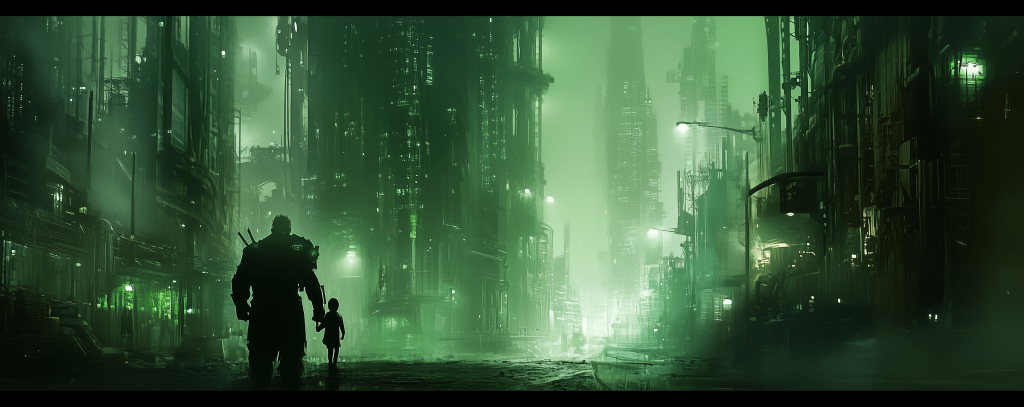
Released in 1995, The City of Lost Children (La Cité des enfants perdus) stands as a vivid testament to the power of cinematic imagination. Directed by Marc Caro and Jean-Pierre Jeunet, this French film is a visual and narrative feast that pushes the boundaries of traditional storytelling. Set in a dystopian world where children are kidnapped for their dreams, the film blends dark fantasy, science fiction, and steampunk aesthetics, creating a unique cinematic experience.

From a screenwriting perspective, The City of Lost Children is a labyrinth of complexity. Its narrative is non-linear, its characters are eccentric, and its world-building is both intricate and bizarre. In this article, we’ll explore the elements that make the screenplay of The City of Lost Children a study in complex storytelling, examining its plot structure, character development, thematic depth, and visual storytelling.

Plot Structure: A Non-Linear Narrative

At the heart of The City of Lost Children is a non-linear narrative that challenges conventional storytelling. The film does not follow a straightforward plot but instead weaves together multiple storylines that converge in unexpected ways. This approach mirrors the chaotic, dreamlike world the film inhabits, where time and reality are fluid concepts.

The central plot revolves around One, a strongman, who embarks on a quest to find his kidnapped brother, Denree. This quest leads him to a sinister scientist named Krank, who is unable to dream and thus kidnaps children to steal their dreams. The story is punctuated by surreal sequences, flashbacks, and dreamscapes, which blur the line between reality and fantasy.

From a screenwriting perspective, crafting such a narrative requires a deep understanding of pacing and structure. The film’s non-linear approach allows for the exploration of different characters and their backstories, while still maintaining a sense of urgency in One’s quest. The screenplay masterfully balances these elements, creating a narrative that is both disorienting and compelling.

Character Development: Eccentric and Complex Figures

The characters in The City of Lost Children are as bizarre as the world they inhabit. From the gentle giant One, played by Ron Perlman, to the villainous Krank, each character is richly developed and serves a specific narrative purpose.

One of the most striking aspects of the screenplay is how it uses these characters to explore themes of innocence, corruption, and the loss of childhood. One, despite his imposing physicality, is a symbol of purity and determination. His unwavering love for his brother drives the narrative forward, making him a relatable and sympathetic character.

On the other hand, Krank represents the corruption of innocence. His inability to dream, and his subsequent theft of children’s dreams, serves as a metaphor for the loss of childhood wonder and the destructive nature of adult desires. The film’s other characters, including a band of orphans, a brain in a vat, and a group of malevolent clones, further enrich the narrative, each adding layers of complexity to the story.

The screenplay’s ability to balance these diverse characters while maintaining narrative coherence is a testament to the writers’ skill. Each character’s motivations are clear, yet they are presented in a way that invites deeper analysis, making the film a rich text for exploring themes of identity, memory, and the human condition.

Thematic Depth: Exploring Dreams and Memory

Dreams and memory are central themes in The City of Lost Children. The film delves into the nature of consciousness, the fragility of memory, and the importance of dreams in shaping our identity. These themes are not just explored through dialogue but are deeply embedded in the film’s visual and narrative structure.

Krank’s inability to dream and his obsession with stealing the dreams of children is a powerful metaphor for the loss of innocence and the perils of unchecked ambition. The film suggests that dreams are not just a function of the subconscious but are essential to our humanity. Without them, we lose a vital part of ourselves.

From a screenwriting perspective, incorporating such abstract themes into a coherent narrative is a formidable challenge. The screenplay of The City of Lost Children handles this by intertwining these themes with the characters’ personal journeys. One’s quest to rescue his brother is not just a physical journey but a metaphorical one, representing the struggle to reclaim lost innocence and protect the purity of childhood.

Moreover, the film’s use of memory—particularly how memories can be manipulated or lost—adds another layer of complexity to the narrative. This is exemplified in the character of Miette, an orphan with a mysterious past, whose memories play a crucial role in the unfolding of the story. The screenplay deftly uses these elements to create a narrative that is both emotionally resonant and intellectually stimulating.

Visual Storytelling: A Dark and Richly Textured World

The City of Lost Children is a film where visual storytelling plays a crucial role in conveying the narrative. The world created by Caro and Jeunet is dark, industrial, and filled with grotesque yet fascinating details. The film’s visual style, heavily influenced by steampunk and surrealism, is not just a backdrop but an integral part of the story.

The screenplay makes full use of this visual richness, with scenes meticulously designed to enhance the narrative. The film’s opening sequence, where a young boy is haunted by a series of nightmarish Santa Clauses, sets the tone for the film, immediately immersing the audience in its surreal world. This sequence, like many others in the film, relies heavily on visual cues to communicate its themes and emotions, a technique that requires careful planning in the screenplay.

The use of color, lighting, and set design in the film is also noteworthy. The greenish, sickly hue that permeates many scenes adds to the sense of unease and otherworldliness. The screenplay’s description of these elements would have been essential in guiding the film’s visual direction, ensuring that the world of The City of Lost Children was as much a character in the story as the people who inhabit it.

The screenplay’s emphasis on visual storytelling is a reminder of the importance of the “show, don’t tell” principle in screenwriting. In a film where dialogue is often minimal, the visuals carry much of the narrative weight. The film’s complex themes and emotions are conveyed through its imagery, from the eerie laboratory where Krank conducts his experiments to the claustrophobic streets of the dystopian city.

The Role of Symbolism: Layers of Meaning

Symbolism is woven throughout the screenplay of The City of Lost Children, adding layers of meaning to the narrative. The use of clocks, for instance, is a recurring motif in the film, symbolizing the passage of time and the inevitability of aging—a poignant counterpoint to the film’s focus on childhood and dreams.

The character of the diver, who appears at key moments in the film, serves as a symbol of exploration and discovery. His descent into the depths mirrors One’s own journey into the dark recesses of the city, searching for his lost brother. These symbols are not just decorative but are integral to the film’s narrative and thematic structure.

The screenplay’s use of symbolism is a masterclass in subtlety. Rather than overtly explaining the significance of these symbols, the screenplay allows them to resonate naturally within the story, inviting the audience to engage with the film on a deeper level. This approach to symbolism is a powerful tool in screenwriting, adding depth and richness to the narrative without resorting to didacticism.

Conclusion: A Masterclass in Complex Screenwriting

The City of Lost Children is a film that defies easy categorization. Its blend of fantasy, science fiction, and horror, combined with its non-linear narrative and rich visual style, makes it a unique cinematic experience. From a screenwriting perspective, it is a masterclass in how to craft a complex, multi-layered narrative that engages both the intellect and the emotions.

The film’s screenplay is a testament to the power of imagination and the importance of pushing the boundaries of conventional storytelling. By embracing non-linearity, creating richly developed characters, and exploring deep thematic content through visual storytelling and symbolism, The City of Lost Children offers valuable lessons for screenwriters.

For those interested in screenwriting, the film serves as a reminder that complexity in storytelling is not about making things confusing, but about creating a narrative that is rich in meaning and open to multiple interpretations. It shows that with careful planning and a clear vision, even the most unconventional stories can be told in a way that resonates deeply with audiences.

In a world where many films follow a formulaic structure, The City of Lost Children stands out as a beacon of creativity, proving that there is still room in cinema for stories that challenge, inspire, and transport us to places we have never been before.


✍️  Whether you’re mastering the art of dialogue, structure, or character development, the power of AI can be a game-changer in your writing journey. My Free Ebook, ‘AI for Authors’ delves into how AI-powered prompts can provide a unique edge to your storytelling process. If you’re intrigued by the prospect of supercharging your fiction skills, download your free copy today and explore new horizons in creative writing. 
‘Slacker’: Crafting a Generation’s Voice Through Screenplay

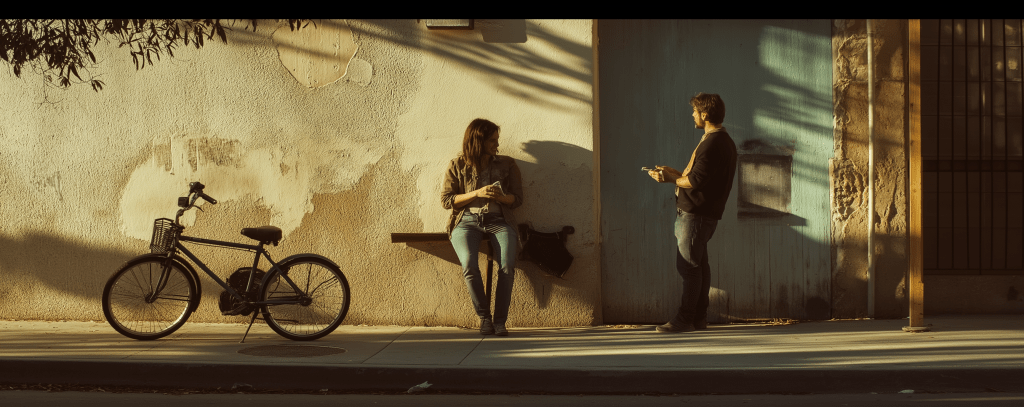
In 1991, an independent film burst onto the scene and changed the way we think about movies. Richard Linklater’s Slacker didn’t follow a traditional plot or feature high-profile actors. Instead, it showcased a series of loosely connected vignettes of eccentric characters in Austin, Texas, delivering a laid-back, stream-of-consciousness narrative. This film captured the essence of Generation X—its ambivalence, cynicism, and resistance to mainstream societal norms. At the core of this groundbreaking piece of cinema was its screenplay, which defied convention while offering a new, authentic way to tell stories.

In this article, we’ll explore how Slacker’s screenplay is a masterclass in capturing the voice of a generation, breaking down how its structure, dialogue, and characters create a narrative that resonates with the disaffected youth of its time. We’ll also delve into the film’s broader impact on screenwriting and independent filmmaking.

The Nonlinear Structure: A Story Without a Plot

One of the most striking aspects of Slacker is its complete disregard for traditional narrative structure. The film has no protagonist, no clear conflict, and no resolution. Instead, the screenplay unfolds like a casual stroll through the streets of Austin, where the audience is introduced to a revolving door of characters, each with their own slice of life to offer. The characters don’t embark on any significant journeys or personal growth arcs. They’re content to simply exist in the moment, reflecting the ethos of Generation X—a generation skeptical of the future and uninterested in conventional success.

Vignettes as a Structural Choice

Linklater’s screenplay is composed of short vignettes that serve as snapshots of a particular moment, conversation, or idea. Each scene seamlessly transitions to the next by following a character who happens to wander into the frame, only to leave as the focus shifts to another person. This method creates a chain of interconnected yet independent interactions, which mirrors the transient and fluid nature of life in a bustling urban environment.

For instance, in one memorable scene, a conspiracy theorist waxes poetic about the moon landing being faked, only for the camera to follow someone walking by, leading into a conversation with a completely different individual about a new topic. There’s no thematic resolution or neat bow to tie up the narrative. The film’s structure intentionally resists resolution because life—especially the lives of these characters—is inherently unresolved.

This unconventional approach to structure liberated filmmakers from the constraints of the three-act format. Slacker proved that a screenplay could succeed without traditional story beats. As a result, it opened the door for other films, like Pulp Fiction (1994) and Dazed and Confused (1993), to experiment with non-linear storytelling, shifting the landscape of independent cinema.

Dialogue as Characterization: Voice-Driven Storytelling

Dialogue in Slacker is the driving force of the film. Rather than advancing the plot, conversations reveal character, worldview, and attitude. The film is essentially a collection of monologues and dialogues that reflect the existential musings of the characters. Every line is carefully constructed to showcase the idiosyncrasies of each person, which gives the film its signature offbeat charm.

Conversational Philosophy

Much of the dialogue in Slacker revolves around existential and philosophical musings. Characters discuss everything from the absurdity of societal expectations to conspiracy theories and their place in the universe. These digressive conversations don’t aim to resolve any issues or reach conclusions; rather, they capture the aimlessness and disillusionment felt by many young people in the early 1990s.

One character, a man recounting his dream, illustrates this: he tells a bystander about a bizarre vision involving talking objects, showcasing his detachment from the real world. In another scene, a woman tries to sell a Madonna pap smear, reflecting both her desperation and her absurdist critique of celebrity culture. These interactions serve as reflections of a generation grappling with a post-modern world, unwilling to conform to societal norms yet unable to fully detach from them.

The dialogue in Slacker doesn’t always drive the narrative forward, but it serves to deepen our understanding of the characters. This voice-driven storytelling has become a hallmark of Linklater’s films, emphasizing the richness of everyday conversations rather than dramatic plot points.

Character as Atmosphere: The Collective Protagonist

In most screenplays, the story revolves around one or two central characters who undergo significant development. Slacker, however, rejects the idea of a singular protagonist. Instead, the city of Austin and its diverse population become the film’s collective character. The individuals we meet are not central figures in any grand narrative; they are simply part of the background noise of a generation.

The Ensemble as a Reflection of Society

The characters in Slacker range from the eccentric to the ordinary, but they all share one thing in common: a sense of disconnection from the mainstream. Whether it’s the paranoid conspiracy theorist, the anti-establishment anarchist, or the aimless college dropout, each character is a portrait of someone resisting societal expectations. The lack of a central protagonist reflects the larger sense of communal disillusionment.

In one scene, we follow a young man who has just committed a crime. We expect this to turn into a plot-driving moment, but instead, he fades into the background, and the camera shifts focus to another bystander. This de-emphasis on individual achievement or consequence encapsulates the film’s ethos. It’s not about any one person’s journey, but about the collective experience of a generation rejecting traditional narratives of success and personal growth.

By refusing to prioritize one character’s story over another, Slacker mirrors the fragmented, decentralized nature of Generation X’s worldview. This approach set the stage for future ensemble films and TV shows, like The Wire and Magnolia, which emphasize the interconnectedness of people over the singular hero narrative.

Minimalism in Production: How the Screenplay Informed the Visual Style

The low-budget, guerrilla-style production of Slacker is essential to understanding its screenplay. Linklater’s dialogue-heavy, plot-light script allowed for minimal set pieces and camera setups, which in turn gave the film its intimate, DIY feel. The simplicity of the production mirrors the film’s themes of rejection and rebellion. There’s no spectacle or high drama—just people living their lives and talking about the things that matter to them, or don’t.

A Screenplay Tailored to Indie Filmmaking

The minimalist nature of Slacker’s screenplay is reflected in the film’s visual style. Most scenes are shot with handheld cameras and feature long takes, allowing the dialogue to flow naturally. This style feels unpolished but intentional, contributing to the film’s sense of authenticity.

By keeping the screenplay simple, Linklater was able to work within the constraints of a limited budget. Scenes unfold organically, with no need for special effects or elaborate settings. This approach is a lesson in the power of writing within limitations—a screenplay can thrive on its dialogue and ideas, rather than relying on expensive set pieces or complex action sequences.

Capturing the Zeitgeist: The Cultural Impact of Slacker

Slacker didn’t just capture the voice of a generation—it helped shape it. By showcasing the existential frustrations and societal disconnection of Generation X, the film became a touchstone for young audiences in the early 1990s. Its characters—aimless, cynical, yet deeply thoughtful—resonated with viewers who saw themselves reflected in the screen.

A Template for Indie Filmmaking

Slacker’s success as an independent film demonstrated that you didn’t need a massive budget or a tightly structured plot to make a compelling film. Its success at festivals like Sundance helped pave the way for the 1990s indie film boom, influencing filmmakers like Kevin Smith (Clerks) and Quentin Tarantino (Pulp Fiction), who also embraced offbeat dialogue and non-traditional storytelling.

The screenplay of Slacker showed that screenwriting wasn’t just about crafting the perfect three-act structure or hitting every plot point. It was about capturing a voice, a mood, and a moment in time. This approach to writing has influenced countless indie films since, encouraging screenwriters to take risks and break free from Hollywood’s narrative formulas.

Conclusion: A Legacy of Authentic Storytelling

Slacker remains a vital piece of cinematic history, not just because of its impact on independent filmmaking, but because of its groundbreaking screenplay. By rejecting traditional narrative forms, focusing on voice-driven storytelling, and creating a collective protagonist through its ensemble cast, the film paved the way for new forms of screenwriting. Its influence can be seen in countless films that followed, both in the indie circuit and beyond.

For aspiring screenwriters, Slacker is a reminder that sometimes, the best stories aren’t about grand plots or heroic characters. Sometimes, they’re about capturing the spirit of the time, and letting the voices of the people tell the story. By doing just that, Slacker didn’t just reflect a generation—it became a part of its identity.


✍️  Whether you’re mastering the art of dialogue, structure, or character development, the power of AI can be a game-changer in your writing journey. My Free Ebook, ‘AI for Authors’ delves into how AI-powered prompts can provide a unique edge to your storytelling process. If you’re intrigued by the prospect of supercharging your fiction skills, download your free copy today and explore new horizons in creative writing. 

AI’s Role in Hollywood: A Turning Point for Screenwriters and the Entertainment Industry

Artificial intelligence (AI) is dramatically reshaping Hollywood, introducing both excitement and concern across various facets of the industry. From the crafting of films to the protection of performers’ rights, the influence of AI is undeniable. This article dives deep into recent AI-related developments in Hollywood, with insights drawn from four key articles, focusing on the implications for screenwriting and entertainment at large.

Megalopolis and the Rise of AI in Film Marketing

One of the most prominent recent events involving AI in Hollywood is the controversy surrounding Francis Ford Coppola’s upcoming film, Megalopolis. Scheduled for release on September 27, this highly anticipated film faced a PR storm when a trailer for the film was pulled by distributor Lionsgate. The reason? The use of fabricated quotes from critics in the teaser, which were created by an AI bot.

This event highlights the dangers of AI when it is used improperly, particularly in creative industries where authenticity is paramount. The original intent behind the trailer was to include negative reviews of previous Coppola films that later became successful, as a way of positioning Megalopolis in a similar light. However, an AI bot fabricated false reviews attributed to well-known critics such as Pauline Kael and Andrew Sarris. The result was a PR disaster, leading to the firing of Eddie Egan, a marketing consultant, who was misled by the AI-generated content.

While the use of AI for creative purposes like marketing trailers seems innovative, this incident reveals a key risk: AI’s limitations in producing reliable or context-appropriate content. For screenwriters, this serves as a cautionary tale. Although AI can assist in content creation, editing, or brainstorming, reliance on it without human oversight can lead to unintended consequences. In a field as nuanced as screenwriting, where dialogue, subtext, and tone are paramount, the creative human touch remains irreplaceable.

The Legal Battle Over AI-Generated Digital Replicas

AI’s impact extends beyond marketing blunders and reaches into performers’ rights, as seen in California’s recent legislative actions. SAG-AFTRA, the actors’ union, recently praised the passage of bill AB 1836, which restricts the usage of AI-created digital replicas of deceased performers without their estate’s consent. This legislation is part of the union’s broader strategy to protect actors’ rights in the age of AI.

For screenwriters, the implications of such legislation are profound. AI-generated digital replicas could potentially alter how characters are written and portrayed on screen, especially when AI could bring deceased actors back to life digitally. While this might seem like an innovative way to honor past talent, it raises significant ethical questions. If a character in a screenplay is modeled on a performer who has passed away, can their digital likeness truly capture the nuances of their performance? More importantly, who controls the legacy of that portrayal?

The passage of AB 1836 sets a legal precedent that could impact how screenwriters and filmmakers approach the use of AI in the creation of performances. The industry will likely see increased scrutiny on the ethical use of AI-generated content, reinforcing the need for explicit consent in every phase of the filmmaking process.

SAG-AFTRA’s Strike: AI in the Video Game Industry and the Fight for Fair Compensation

AI’s influence is also a major point of contention in the video game industry, where voice actors have been on strike since July 2023, led by SAG-AFTRA. This strike echoes concerns raised in the film industry, particularly the fear that AI will replace human actors in key roles or reduce their compensation for work. Jennifer Hale, a well-known voice actor, has been vocal in highlighting the dangers of AI in the industry, particularly how it can jeopardize jobs if not regulated.

Hale’s reflections are crucial for both screenwriters and actors. As AI becomes more prevalent in generating character voices and likenesses, writers need to consider how this technology might affect their craft. If AI can produce dialogue or replicate a character’s voice without human input, does that diminish the role of writers and performers? Hale’s emphasis on fair compensation for actors—especially given AI’s ability to replicate voices without ongoing pay—reflects a broader concern that screenwriters should share: the potential devaluation of creative work in an AI-driven industry.

Screenwriters, too, may face a similar situation if AI continues to evolve. AI writing tools are already being developed that can mimic human style and structure. While these tools may serve as valuable aids, the fear is that they could eventually reduce the need for human writers, especially in repetitive or formulaic genres. Hale’s call for fair pay is not just an actors’ issue; it’s a call to protect the integrity of all creative professionals, including writers.

AI’s Broader Impact: Oprah’s Upcoming Special on AI

Amid these controversies and legislative battles, the broader conversation about AI and its societal impact continues. Oprah Winfrey is set to host a special titled AI and the Future of Us on September 12. The special aims to shed light on the implications of AI, with guests like Sam Altman, CEO of OpenAI, and Bill Gates weighing in on AI’s potential to transform industries such as science, health, education, and entertainment.

This special provides an opportunity to reflect on how AI is already affecting Hollywood. With AI tools becoming more advanced, it’s crucial for screenwriters and other creatives to stay informed about the ethical, technical, and creative dimensions of this technology. Bill Gates, for example, will discuss how AI could disrupt the job market, including jobs in creative industries, a sobering reminder that no profession is immune from AI’s reach.

Oprah’s special also highlights the diverse perspectives surrounding AI. For instance, Tristan Harris and Aza Raskin, co-founders of the Center for Humane Technology, will advocate for mitigating the risks of superintelligent AI. Their views, along with FBI Director Christopher Wray’s warnings about AI misuse by criminals, signal the need for responsible and ethical use of AI across all sectors, including entertainment.

AI’s Promise and Peril for Screenwriters

The rise of AI in Hollywood represents both opportunities and threats for screenwriters. On one hand, AI tools can streamline some parts of the creative process, such as helping generate ideas, refine dialogue, or even predict audience reactions. On the other hand, there is a real danger that AI could devalue the role of human writers by automating parts of the writing process or undermining fair compensation models, as Jennifer Hale’s case illustrates.

As the industry continues to grapple with the implications of AI, screenwriters should prepare themselves for the potential changes AI will bring. This includes staying informed about AI’s capabilities and limitations and advocating for regulations that protect creative jobs from being eroded by technology. Ultimately, AI should be viewed as a tool to enhance creativity, not replace it.

Conclusion: Navigating AI’s Role in the Future of Hollywood

AI is here to stay in Hollywood, and its role will only grow as the technology evolves. From marketing blunders like Megalopolis’ controversial trailer to legislative efforts protecting performers’ rights, AI is changing the landscape for everyone involved in filmmaking—from actors to screenwriters. As Oprah’s special will likely emphasize, the key to navigating this future lies in balancing AI’s potential with the need for human creativity and ethical responsibility.

Screenwriters, in particular, must remain vigilant, ensuring that AI serves to assist rather than replace the nuanced, emotionally rich work that defines great storytelling. The future of Hollywood may be driven by AI, but the soul of storytelling still belongs to the people who create it.


✍️  Whether you’re mastering the art of dialogue, structure, or character development, the power of AI can be a game-changer in your writing journey. My Free Ebook, ‘AI for Authors’ delves into how AI-powered prompts can provide a unique edge to your storytelling process. If you’re intrigued by the prospect of supercharging your fiction skills, download your free copy today and explore new horizons in creative writing. 
Reimagining Storytelling: AI’s Disruptive Potential in Entertainment

Artificial intelligence (AI) has become a transformative force across multiple industries, but its potential to disrupt entertainment and storytelling is particularly intriguing. As AI evolves, its influence on creative processes, content generation, and audience interaction continues to grow, challenging traditional modes of storytelling. This article will explore AI’s disruptive potential in entertainment, examining its impact on writing, production, content personalization, and ethical considerations that arise in this new creative landscape.

The Role of AI in Screenwriting and Content Generation

AI’s most visible entry into storytelling has been through content generation, particularly in screenwriting. While AI might not yet replace human writers, tools like GPT (Generative Pre-trained Transformers) and other machine learning models are already assisting with story development, dialogue creation, and even full scriptwriting. By analyzing vast amounts of data, these tools can predict narrative structures, identify plot holes, and suggest dialogue that aligns with specific character arcs.

AI in Scriptwriting: A Complement, Not a Replacement

Despite the sophistication of these tools, AI in scriptwriting is still largely a complement rather than a replacement for human creativity. For instance, in the process of adapting complex works like American Psycho, AI could assist in maintaining narrative coherence by suggesting ways to streamline episodic content into a more linear screenplay format. Similarly, AI could help writers navigate structural challenges, as seen in films like Ex Machina, where philosophical depth is embedded into a tightly wound three-act structure.

One of the major benefits of AI in screenwriting is its ability to analyze what works in storytelling by drawing from a database of successful narratives. This capability could help writers identify recurring themes, successful plot structures, or even audience preferences, which can be useful in creating commercially viable content. However, the challenge lies in preserving the uniqueness of storytelling, as the reliance on algorithms could inadvertently lead to formulaic or overly predictable stories.

AI’s Influence on Visual Effects and Production Design

Beyond scriptwriting, AI has found applications in production, particularly in visual effects (VFX) and production design. AI-driven tools can automate time-consuming tasks such as rendering, scene composition, and even character animation. This allows filmmakers to create high-quality visual experiences at lower costs and with faster turnaround times.

For example, AI can help streamline VFX-heavy projects by automating rotoscoping, a technique used to separate actors from backgrounds in post-production. Additionally, AI tools can generate photorealistic characters and environments, as seen in films like Avatar and The Lion King (2019). These AI-driven advancements enable filmmakers to push the boundaries of what can be visualized on screen, leading to more immersive and visually stunning narratives.

Procedural Content Generation: AI as the Ultimate World Builder

In world-building, AI plays an even more transformative role. Procedural content generation, a technique where AI creates dynamic environments based on pre-set rules, is revolutionizing the creation of expansive worlds in both films and video games. For instance, AI-driven tools can automatically generate vast landscapes, cityscapes, and even entire universes based on narrative needs. This technology is already in use in video game design but is gradually making its way into film, where directors can visualize complex settings without manually designing every detail.

While this enhances efficiency, it also raises questions about the loss of the human touch in world-building. Human designers infuse their work with a personal sense of artistry, an element that AI may struggle to replicate. Thus, while AI can generate worlds, it is the human eye that still refines and perfects them.

Audience Personalization and Interactive Storytelling

AI’s impact on entertainment isn’t limited to production; it’s also reshaping how audiences experience stories. With the rise of AI-driven algorithms on streaming platforms, personalized content recommendations are becoming more precise. Streaming giants like Netflix and Amazon Prime use machine learning to curate content suggestions based on viewing habits, ensuring that viewers remain engaged.

But beyond simple recommendations, AI is increasingly used to create personalized and interactive storytelling experiences. In interactive media, such as video games and choose-your-own-adventure-style films (e.g., Black Mirror: Bandersnatch), AI can dynamically adjust the narrative based on user choices. This creates a more immersive experience, allowing audiences to influence the direction of the story in real time.

AI-Driven Personalization: Navigating Story Depth and User Control

While personalization enhances user engagement, it poses a creative challenge. How does one maintain the integrity of a narrative when each user experiences it differently? In traditional storytelling, the writer maintains full control over the story arc, but with AI-powered interactivity, users gain some degree of narrative authority. This opens up exciting possibilities but also risks diluting the depth of storytelling if not handled carefully.

As AI personalizes narratives to fit the viewer’s preferences, the core themes and emotional beats of a story might shift depending on individual choices. The key challenge is striking a balance between giving users the agency to shape their experience while ensuring that the essence of the story remains intact.

Ethical and Philosophical Considerations

AI’s rise in storytelling brings with it a host of ethical and philosophical questions. One major concern is the potential for AI to replace human creatives, not just in screenwriting but across the creative spectrum. While AI can generate stories, compose music, and even paint, can these creations truly possess the emotional depth, cultural context, and uniqueness that human artists bring?

The Ethics of AI-Created Characters and Deepfakes

Another ethical concern is the use of AI in creating digital characters and deepfakes. AI-generated characters have already appeared in films, such as the digitally resurrected Peter Cushing in Rogue One: A Star Wars Story. As the technology improves, AI could potentially create entire casts of digital actors who never physically exist. This raises questions about authenticity, intellectual property rights, and the implications for actors’ careers.

Deepfake technology, where AI manipulates video footage to create hyper-realistic imitations of real people, has sparked debate over consent and misinformation. While filmmakers might use it to enhance narratives, the potential misuse of this technology in creating false narratives or infringing on actors’ likenesses is a serious concern.

Algorithmic Bias and the Risk of Homogenization

AI is also not immune to bias. Algorithms trained on biased datasets may perpetuate stereotypes or reinforce existing inequalities in storytelling. If the data fed into AI tools reflects narrow cultural perspectives, the stories produced could lack diversity, perpetuating a homogenized entertainment landscape. This issue underscores the importance of ensuring that AI models are trained on diverse and representative datasets, so the stories they help generate are inclusive and reflective of varied human experiences.

AI’s Disruptive Future: A Tool for Innovation or a Creative Threat?

The question of whether AI will disrupt storytelling for better or worse remains open. On one hand, AI offers new tools for creative expression, allowing filmmakers, writers, and game developers to push the boundaries of their craft. By automating routine tasks, AI frees up human creators to focus on the more imaginative and emotional aspects of storytelling. This symbiotic relationship between AI and human creativity could lead to a golden age of content creation, where technology amplifies human ingenuity.

On the other hand, the increasing reliance on AI could potentially stifle creativity by favoring data-driven, formulaic narratives over bold, original ideas. There’s a risk that, in prioritizing audience engagement and personalization, storytelling becomes more about giving viewers what they want rather than challenging them with new perspectives or ideas.

Conclusion: AI as a Creative Partner

In the end, AI’s role in entertainment is likely to evolve as a creative partner rather than a replacement for human storytellers. As we’ve seen in examples like Ex Machina and Breaking Bad, the richness of storytelling lies not only in its structure but in its capacity to explore moral, philosophical, and emotional complexities. AI might help streamline the storytelling process, suggest new narrative directions, or even create worlds, but it’s unlikely to replicate the full spectrum of human creativity.

The future of storytelling will likely involve a collaboration between human creators and AI tools, where technology assists in production and personalization, but the heart and soul of the story remain firmly in human hands. By understanding AI’s potential and its limitations, creators can harness its power without losing sight of the essential human element that makes stories resonate.


✍️  Whether you’re mastering the art of dialogue, structure, or character development, the power of AI can be a game-changer in your writing journey. My Free Ebook, ‘AI for Authors’ delves into how AI-powered prompts can provide a unique edge to your storytelling process. If you’re intrigued by the prospect of supercharging your fiction skills, download your free copy today and explore new horizons in creative writing.