Elevating Emotional Depth: Can AI Enhance Character Development?

In the ever-evolving landscape of storytelling, writers are constantly seeking new tools and techniques to breathe life into their characters. With the rise of artificial intelligence (AI) in various creative fields, it’s natural to wonder: can AI play a role in enhancing character development? This article explores the potential intersection of AI and the craft of creating emotionally resonant characters, examining both the possibilities and limitations of this emerging technology in the realm of writing.

The Art of Character Development: A Brief Overview

Before delving into the potential role of AI, it’s essential to understand the fundamentals of character development. At its core, character development is the process of creating multi-dimensional, believable individuals who drive the narrative and evoke emotional responses from the audience. This process typically involves:

  1. Establishing backstories and motivations
  2. Crafting distinct voices and personalities
  3. Creating character arcs and growth throughout the story
  4. Developing relationships and conflicts between characters

Traditionally, writers have relied on their imagination, life experiences, and observational skills to craft compelling characters. But as technology advances, could AI offer new avenues for enhancing this creative process?
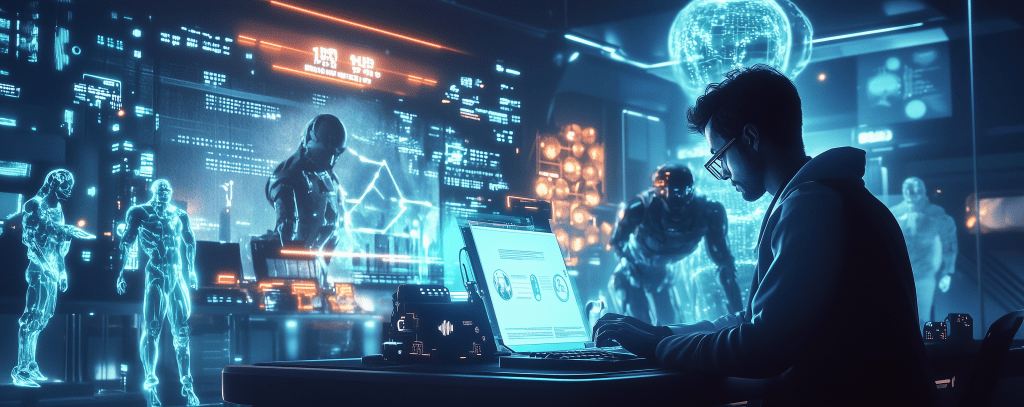
AI in Creative Writing: Current Capabilities

Artificial intelligence has made significant strides in natural language processing and generation. Today, AI systems can:

  1. Generate text based on prompts or existing content
  2. Analyze patterns in large datasets of written works
  3. Offer suggestions for word choice and sentence structure
  4. Assist in plot development and story structure

These capabilities have led to the development of various AI-powered writing tools, some of which are already being used by authors and screenwriters. However, the question remains: how can these technologies specifically contribute to character development?

Potential Applications of AI in Character Development

1. Character Profile Generation

One area where AI could potentially assist writers is in generating initial character profiles. By inputting basic information about a character’s role in the story, their background, and key traits, an AI system could potentially:

  • Suggest additional personality traits that complement the initial concept
  • Generate potential backstory elements that align with the character’s profile
  • Offer ideas for quirks, habits, or mannerisms that add depth to the character

While these AI-generated suggestions wouldn’t replace the writer’s creative input, they could serve as a springboard for further development, helping to overcome writer’s block or inspiring new directions for the character.

2. Dialogue Enhancement

Crafting authentic, character-specific dialogue is a crucial aspect of character development. AI language models, trained on vast amounts of text data, could potentially assist writers in this area by:

  • Suggesting dialogue options that align with a character’s established voice
  • Offering alternatives to common phrases to avoid repetitive language
  • Analyzing dialogue for consistency with a character’s personality and background

It’s important to note that while AI can offer suggestions, the nuanced understanding of context, subtext, and emotional resonance in dialogue would still rely heavily on the writer’s judgment and artistic vision.

3. Character Arc Mapping

AI algorithms could potentially assist in mapping out character arcs by:

  • Analyzing successful character arcs in existing stories within the same genre
  • Suggesting potential plot points that could drive character growth
  • Identifying opportunities for character development within an existing plot outline

These AI-generated insights could help writers ensure that their characters undergo meaningful transformations throughout the story, enhancing the overall narrative impact.

4. Relationship Dynamics

Complex relationships between characters are often at the heart of compelling stories. AI could potentially contribute to this aspect of character development by:

  • Suggesting potential conflicts or points of tension between characters based on their established traits and backgrounds
  • Offering ideas for how relationships might evolve over the course of the story
  • Analyzing character interactions for consistency and development opportunities

By providing an additional perspective on character dynamics, AI tools could help writers create more intricate and engaging relationship webs within their stories.

Limitations and Considerations

While the potential applications of AI in character development are intriguing, it’s crucial to recognize the limitations and potential drawbacks of relying too heavily on technology in this creative process:

1. Lack of Emotional Intelligence

Despite advancements in natural language processing, AI systems still lack true emotional intelligence. The nuanced understanding of human emotions, motivations, and psychological complexities that form the core of compelling characters remains beyond the reach of current AI capabilities.

2. Risk of Homogenization

AI systems learn from existing data, which could potentially lead to suggestions that reinforce existing tropes or character archetypes. Writers must be cautious not to over-rely on AI-generated ideas, as this could result in characters that feel derivative or lacking in originality.

3. Absence of Lived Experience

One of the most valuable assets a writer brings to character development is their own lived experience and understanding of the human condition. AI, no matter how advanced, cannot replicate the depth of human experience that informs truly authentic character creation.

4. Creative Intuition and “Happy Accidents”

Many writers speak of moments of inspiration or unexpected character developments that arise organically during the writing process. Relying too heavily on AI-generated suggestions could potentially stifle these moments of creative serendipity.

Balancing AI Assistance with Artistic Vision

If writers choose to incorporate AI tools into their character development process, it’s essential to view these technologies as supplementary aids rather than replacements for human creativity. Here are some guidelines for maintaining this balance:

  1. Use AI suggestions as starting points, not final solutions
  2. Critically evaluate AI-generated ideas against your artistic vision and story needs
  3. Prioritize your unique voice and perspective in character creation
  4. Use AI tools to overcome specific challenges (e.g., writer’s block) rather than as a crutch for the entire process
  5. Continuously refine and personalize AI-generated content to ensure authenticity

The Future of AI and Character Development

As AI technology continues to evolve, its potential applications in character development may expand. Future advancements could include:

  • More sophisticated emotional modeling in AI systems
  • Improved ability to generate character-specific dialogue and actions
  • Enhanced analysis of character consistency across long-form narratives
  • Integration of AI tools with virtual reality for immersive character exploration

However, it’s important to remember that the core of compelling character development will likely always rely on human creativity, empathy, and storytelling instinct.

Conclusion: A Tool, Not a Replacement

The question of whether AI can enhance character development doesn’t have a simple yes or no answer. Like any tool in a writer’s arsenal, AI has the potential to augment the creative process when used thoughtfully and in moderation. It can offer fresh perspectives, help overcome creative blocks, and potentially streamline certain aspects of character creation.

However, the heart of character development – the ability to create authentic, emotionally resonant individuals that captivate audiences – remains a distinctly human endeavor. The most compelling characters are born from a writer’s unique vision, empathy, and understanding of the human experience.

As AI continues to evolve, writers should remain open to its potential benefits while also recognizing its limitations. By striking a balance between technological assistance and human creativity, writers can explore new possibilities in character development while staying true to their artistic vision.

Ultimately, the goal is not to replace the writer’s role in character creation but to provide additional tools that may enhance the process. As with any aspect of the craft, the key lies in how these tools are wielded in service of telling powerful, emotionally engaging stories.


✍️  Whether you’re mastering the art of dialogue, structure, or character development, the power of AI can be a game-changer in your writing journey. My Free Ebook, ‘AI for Authors’ delves into how AI-powered prompts can provide a unique edge to your storytelling process. If you’re intrigued by the prospect of supercharging your fiction skills, download your free copy today and explore new horizons in creative writing. 
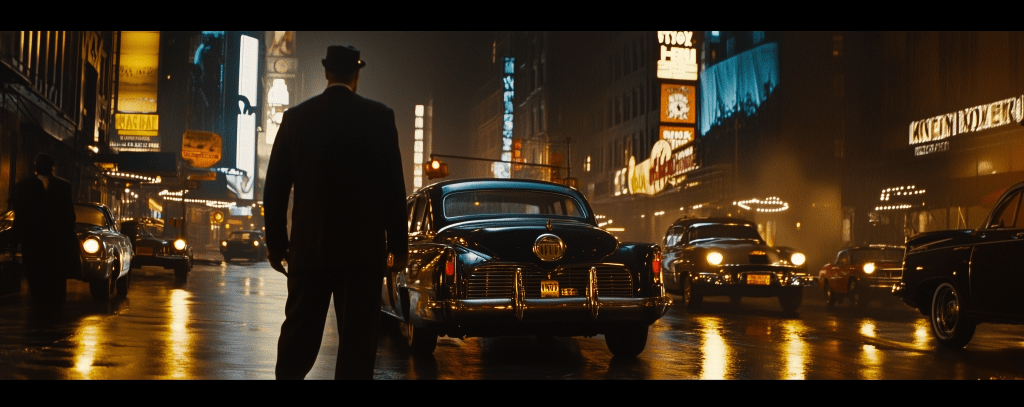
‘King of New York’: Screenwriting the Modern Gangster Film

Introduction

In the pantheon of gangster films, Abel Ferrara’s 1990 crime drama “King of New York” stands out as a pivotal work that redefined the genre for a new era. Starring Christopher Walken as drug lord Frank White, the film blends classic gangster tropes with a gritty, urban realism that would come to characterize many crime dramas of the 1990s and beyond. This article delves into the screenwriting techniques and narrative choices that make “King of New York” a seminal work in modern gangster cinema.

The Evolution of the Gangster Film

From Classic to Modern

The gangster film has been a staple of American cinema since the early days of Hollywood. Classics like “Little Caesar” (1931) and “The Public Enemy” (1931) established many of the genre’s conventions: the rise and fall of a criminal antihero, loyalty and betrayal within criminal organizations, and the allure of power and wealth.

As the genre evolved, films like “The Godfather” (1972) and “Goodfellas” (1990) added layers of complexity to these themes, exploring family dynamics, cultural identity, and the dark side of the American Dream. “King of New York” emerged at a time when the genre was ripe for reinvention, incorporating elements of urban crime dramas and blaxploitation films to create something distinctly modern.

The Influence of New York City

New York City has long been a character in its own right in gangster films, from the immigrant neighborhoods of “Once Upon a Time in America” (1984) to the five boroughs of “The French Connection” (1971). “King of New York” takes this a step further, using the city’s gritty landscape and diverse population as more than just a backdrop. The film’s New York is a crucible of ambition, corruption, and violence, reflecting the social and economic realities of the late 1980s and early 1990s.

Character Development in “King of New York”

Frank White: The Antihero Reimagined

At the center of “King of New York” is Frank White, a character that both embodies and subverts gangster film archetypes. Screenwriter Nicholas St. John crafts White as a complex figure: a ruthless criminal with a Robin Hood complex, determined to rebuild the Bronx hospital that cared for him during his prison stint.

This moral ambiguity is key to the film’s narrative tension. White’s charitable ambitions blur the line between hero and villain, challenging the audience’s expectations and moral compass. The script carefully balances White’s brutal actions with moments of vulnerability and apparent altruism, creating a character that is simultaneously repulsive and magnetic.

Supporting Characters: A Tapestry of Urban Life

While Frank White dominates the narrative, the supporting characters in “King of New York” are far from one-dimensional. The script populates its world with a diverse cast that reflects the multicultural reality of New York City:

  1. Jimmy Jump (Laurence Fishburne): White’s volatile lieutenant, embodying the streetwise swagger of the era.
  2. Dennis Gilley (David Caruso): A determined cop whose obsession with bringing down White blurs ethical lines.
  3. Thomas Flanigan (Wesley Snipes): A young detective grappling with the moral complexities of law enforcement.

These characters, and others, serve not just as foils to White but as representatives of different facets of urban life. Their interactions and conflicts drive the narrative forward while providing commentary on race, class, and power in the city.

Narrative Structure and Pacing

The Rise and Fall Arc Reimagined

“King of New York” follows the classic gangster film structure of rise and fall, but with a twist. Frank White begins the film at his lowest point – in prison – and his “rise” is actually a return to power. This structure allows the script to hit the ground running, immersing the audience immediately in White’s world of crime and ambition.

The pacing of the script is relentless, mirroring the frenetic energy of New York City itself. Scenes of violence and criminal dealings are interspersed with quieter moments that reveal character depth, creating a rhythm that keeps the audience engaged while providing necessary breathers.

Parallel Narratives: Cops and Criminals

One of the script’s strengths is its parallel focus on both the criminal underworld and the law enforcement trying to contain it. This dual narrative creates tension and allows for a more nuanced exploration of morality and justice. As Frank White’s empire grows, we see the increasing desperation of the police force, particularly through the eyes of Dennis Gilley and Thomas Flanigan.

This structure also serves to blur the lines between law and crime, a common theme in modern gangster films. As the police become more ruthless in their pursuit of White, the distinction between cop and criminal becomes increasingly murky.

Dialogue and Subtext

The Power of Silence

While “King of New York” features its fair share of memorable lines, much of the film’s power comes from what is left unsaid. Christopher Walken’s portrayal of Frank White is marked by long silences and enigmatic expressions, leaving the audience to interpret his thoughts and motivations.

This use of subtext in the script creates an air of unpredictability and menace. White’s silence often speaks louder than words, a technique that would influence many subsequent crime dramas.

Street Vernacular and Poetic Violence

When characters do speak, the dialogue crackles with authenticity. The script captures the street vernacular of New York’s criminal underworld, with each character having a distinct voice that reflects their background and position.

Particularly notable is the poetic quality given to scenes of violence. The script elevates what could be standard action sequences into almost balletic displays of brutality, often underscored by surprisingly eloquent dialogue that contrasts sharply with the violent acts being committed.

Themes and Social Commentary

Power and Corruption

At its core, “King of New York” is an exploration of power – who has it, how they use it, and what it costs. The script delves into the corrupting influence of power on both criminals and law enforcement, suggesting that the line between the two is often thinner than we’d like to believe.

Frank White’s journey is not just about reclaiming his criminal empire, but about reshaping the city in his image. His charitable acts serve as a critique of a system that has failed its most vulnerable citizens, even as they highlight the moral bankruptcy of his methods.

Race and Class in Urban America

The film’s diverse cast allows for a nuanced exploration of race and class dynamics in New York City. Frank White’s multiracial gang and his efforts to help underprivileged communities touch on issues of racial solidarity and economic disparity that were (and remain) pressing concerns in urban America.

The script doesn’t shy away from the complexities of these issues, presenting a world where racial allegiances are often secondary to power and economic interests.

The American Dream Corrupted

Like many gangster films before it, “King of New York” offers a dark take on the American Dream. Frank White’s rise to power is a twisted version of the rags-to-riches story, highlighting the limited options available to those born into poverty and the allure of criminal life as a means of escape.

The script’s portrayal of White’s ambitions – to rebuild hospitals and “do more for the poor than all the politicians put together” – serves as a biting commentary on the failures of legitimate institutions to address social inequalities.

Visual Storytelling and Set Pieces

The City as a Character

While primarily focusing on the screenplay, it’s worth noting how the script of “King of New York” lays the groundwork for the film’s distinctive visual style. The screenplay calls for a New York City that is both glamorous and gritty, juxtaposing glittering penthouses with run-down housing projects.

This visual contrast serves the narrative by highlighting the vast economic disparities within the city and the different worlds inhabited by the characters. The script’s descriptions of locations are vivid and purposeful, each setting chosen to reveal something about the characters or the themes of the story.

Iconic Scenes and Set Pieces

Several scenes in “King of New York” have become iconic, thanks in part to their careful construction in the screenplay. The opening sequence, where Frank White is released from prison, immediately establishes his power and the loyalty of his crew. The famous subway confrontation between White and the police officers is another masterclass in building tension through setting and dialogue.

These set pieces are not just action sequences but pivotal moments that drive the narrative forward and reveal character. The script balances these high-intensity scenes with quieter, character-driven moments, creating a rhythm that keeps the audience engaged throughout.

Legacy and Influence

Impact on the Gangster Genre

“King of New York” left an indelible mark on the gangster film genre. Its gritty realism, morally ambiguous protagonist, and unflinching portrayal of urban crime set a new standard for crime dramas in the 1990s and beyond. Films like “New Jack City” (1991) and “Carlito’s Way” (1993) would follow in its footsteps, exploring similar themes of power, redemption, and the cost of the criminal lifestyle.

The film’s influence can also be seen in the rise of hip-hop crime dramas, which often draw on the visual and thematic elements established in “King of New York.” The blending of crime drama with social commentary has become a hallmark of modern gangster films, a trend that can be traced back to Ferrara and St. John’s groundbreaking work.

Cultural Impact

Beyond its influence on cinema, “King of New York” has permeated popular culture in numerous ways. The film has been referenced in hip-hop lyrics, with artists like The Notorious B.I.G. and Nas drawing inspiration from Frank White’s character. This cultural crossover speaks to the authenticity and resonance of the film’s portrayal of urban life and criminal ambition.

The enduring fascination with Frank White as a character – complex, charismatic, and ultimately tragic – has ensured the film’s place in the canon of great crime dramas. His moral ambiguity and the questions the film raises about power, justice, and urban decay continue to resonate with audiences decades after its release.

Conclusion

“King of New York” represents a pivotal moment in the evolution of the gangster film genre. Through its nuanced character development, innovative narrative structure, and unflinching exploration of urban themes, the screenplay created a template for the modern crime drama.

The film’s lasting impact is a testament to the power of bold, uncompromising storytelling. By reimagining familiar tropes and infusing them with gritty realism and social commentary, “King of New York” pushed the boundaries of what a gangster film could be. It remains a masterclass in screenwriting for the genre, demonstrating how to create complex characters, build tension, and explore weighty themes within the framework of a crime narrative.

As we continue to see new iterations and subversions of the gangster film, the influence of “King of New York” can still be felt, a reminder of the enduring power of innovative, thoughtful screenwriting in shaping cinematic genres.


✍️  Whether you’re mastering the art of dialogue, structure, or character development, the power of AI can be a game-changer in your writing journey. My Free Ebook, ‘AI for Authors’ delves into how AI-powered prompts can provide a unique edge to your storytelling process. If you’re intrigued by the prospect of supercharging your fiction skills, download your free copy today and explore new horizons in creative writing. 

‘The Cook, the Thief, His Wife & Her Lover’: Subversive Screenwriting

In the realm of cinema, few films have managed to shock, provoke, and captivate audiences quite like Peter Greenaway’s 1989 masterpiece, ‘The Cook, the Thief, His Wife & Her Lover’. This audacious work of art stands as a testament to the power of subversive screenwriting, challenging conventional storytelling norms and pushing the boundaries of what cinema can achieve. In this article, we’ll delve into the intricate layers of Greenaway’s screenplay, exploring how it exemplifies subversive writing techniques that continue to influence filmmakers and writers today.

The Art of Subversion: Defying Expectations

At its core, subversive screenwriting is about defying expectations and challenging the status quo. Greenaway’s screenplay for ‘The Cook, the Thief, His Wife & Her Lover’ does this on multiple levels, from its structure to its themes and character development.

Unconventional Structure

Unlike traditional three-act structures, Greenaway’s screenplay unfolds in a series of tableaux, each centered around elaborate meals in a high-end restaurant. This structure mirrors the ritualistic nature of fine dining while simultaneously subverting it by juxtaposing refinement with grotesque violence and base human desires.

The film’s pacing is deliberate and unhurried, allowing tension to build slowly and inexorably. This defies the conventional wisdom of maintaining a brisk pace to keep audiences engaged. Instead, Greenaway creates a sense of mounting dread and fascination that keeps viewers transfixed.

Blurring Genre Lines

‘The Cook, the Thief, His Wife & Her Lover’ resists easy categorization, blending elements of drama, dark comedy, crime thriller, and even surrealism. By refusing to adhere to genre conventions, Greenaway creates a unique viewing experience that keeps the audience off-balance and engaged.

This genre-defying approach allows the screenplay to explore its themes from multiple angles, creating a rich tapestry of meaning that resists simple interpretation.

Characters as Symbols: Archetypes and Allegory

Greenaway’s characters are far from the rounded, psychologically realistic portrayals often found in mainstream cinema. Instead, they function as potent symbols and archetypes, each representing different aspects of society and human nature.

The Thief: Tyranny and Excess

Albert Spica, the titular thief, is a brutish, vulgar gangster who represents the worst excesses of consumer capitalism and authoritarian power. His grotesque behavior and outbursts serve as a critique of unchecked greed and the corruption of power.

The Cook: Art and Civilization

The French chef, Richard Borst, stands as a symbol of art, culture, and civilization. His meticulously prepared dishes contrast sharply with the thief’s crude behavior, highlighting the tension between refinement and barbarity.

The Wife: Rebellion and Awakening

Georgina, the wife, undergoes a transformation from a passive victim to an agent of revenge. Her journey represents the awakening of the oppressed and the potential for rebellion against tyranny.

The Lover: Intellect and Passion

Michael, the lover, is a quiet bookshop owner who represents intellect and passion. His relationship with Georgina symbolizes the liberating power of knowledge and desire.

By crafting characters that function on both literal and symbolic levels, Greenaway’s screenplay invites viewers to engage with the film on multiple levels, encouraging deeper analysis and interpretation.

Visual Storytelling: The Screenplay as Blueprint

While a screenplay is primarily a written document, Greenaway’s script for ‘The Cook, the Thief, His Wife & Her Lover’ demonstrates a keen understanding of cinema as a visual medium. The writing provides a detailed blueprint for the film’s striking visual style, which is integral to its subversive nature.

Color Coding

One of the most memorable aspects of the film is its use of color coding. The screenplay specifies different color schemes for various locations within the restaurant, with characters’ costumes changing color as they move between spaces. This visual device serves multiple purposes:

  1. It creates a sense of unreality, distancing the audience from conventional realism.
  2. It emphasizes the artificial, constructed nature of the film world.
  3. It provides a visual representation of the characters’ psychological states and transformations.

Tableau Compositions

Greenaway’s screenplay calls for carefully composed shots that often resemble Renaissance paintings. These static, painterly compositions subvert the expectation of dynamic, action-driven cinema, forcing the audience to engage with each frame as they would a work of art.

By incorporating these visual elements directly into the screenplay, Greenaway demonstrates how writers can think beyond dialogue and action to create a truly cinematic experience.

Dialogue as Weapon: The Power of Words

In ‘The Cook, the Thief, His Wife & Her Lover’, dialogue is not merely a tool for exposition or character development. Instead, it becomes a weapon, a means of asserting power, and a way to explore the film’s themes.

Contrasting Speech Patterns

The screenplay establishes distinct speech patterns for different characters, highlighting the class and power dynamics at play:

  • Albert Spica’s dialogue is crude, peppered with profanity and malapropisms, reflecting his lack of refinement and education.
  • The cook and the lover speak in more measured, eloquent tones, emphasizing their cultured backgrounds.
  • Georgina’s dialogue evolves throughout the film, from near-silence to increasingly assertive speech, mirroring her character arc.

Monologues as Set Pieces

Greenaway’s screenplay features several extended monologues that serve as powerful set pieces. These speeches often combine erudite references with visceral imagery, creating a dissonance that unsettles the audience and reinforces the film’s themes.

For example, Spica’s long, rambling speeches about food and digestion conflate the acts of eating and violence, underscoring the film’s exploration of consumption, both literal and metaphorical.

Themes and Symbolism: Layers of Meaning

Subversive screenwriting often deals with challenging themes, and ‘The Cook, the Thief, His Wife & Her Lover’ is no exception. The screenplay weaves together multiple layers of symbolism and allegory to create a rich tapestry of meaning.

Power and Corruption

At its core, the film is a scathing critique of power structures and the corruption that often accompanies them. Spica’s domineering presence and the way he terrorizes both staff and patrons of the restaurant serve as a microcosm for broader societal issues.

Consumption and Excess

Food and eating are central motifs in the screenplay, serving as metaphors for various forms of consumption:

  • Literal consumption through the elaborate meals prepared in the kitchen
  • Cultural consumption, represented by Michael’s books and knowledge
  • Sexual consumption, explored through the various relationships in the film
  • Societal consumption, exemplified by Spica’s rapacious behavior

Art and Resistance

The film posits art and culture as forms of resistance against tyranny and vulgarity. This is represented through:

  • The cook’s culinary creations
  • Michael’s books and learning
  • The overall aesthetic of the film itself

By layering these themes and symbols throughout the screenplay, Greenaway creates a work that rewards multiple viewings and deep analysis.

Breaking Taboos: Pushing Boundaries

Subversive screenwriting often involves pushing boundaries and addressing taboo subjects. ‘The Cook, the Thief, His Wife & Her Lover’ does this unflinchingly, tackling themes of violence, sexuality, and cannibalism in ways that challenge audience expectations and comfort levels.

Graphic Violence

The screenplay doesn’t shy away from depicting brutal violence, but it does so in a stylized manner that comments on the nature of violence itself. The contrast between the refined setting and the savage acts committed within it serves to heighten the impact of these scenes.

Explicit Sexuality

The sexual relationship between Georgina and Michael is portrayed openly and unapologetically. However, rather than being titillating, these scenes are presented in a matter-of-fact manner that subverts typical Hollywood depictions of sex.

Cannibalism as Metaphor

The film’s shocking climax, involving an act of cannibalism, serves as the ultimate subversion of the food motif that runs throughout the screenplay. This scene, while difficult to watch, encapsulates the film’s themes of consumption, revenge, and the dark potential of human nature.

By incorporating these taboo elements, Greenaway’s screenplay challenges viewers to confront uncomfortable truths about society and human nature.

The Legacy of Subversion

‘The Cook, the Thief, His Wife & Her Lover’ stands as a landmark in subversive screenwriting, influencing filmmakers and writers in the decades since its release. Its impact can be seen in various ways:

Inspiring Bold Storytelling

The film’s success demonstrated that there was an audience for challenging, unconventional narratives, encouraging other filmmakers to take risks with their storytelling.

Elevating Cinema as Art

Greenaway’s meticulous attention to visual composition and symbolism helped to elevate perceptions of cinema as a true art form, capable of the same depth and complexity as literature or painting.

Expanding Thematic Possibilities

By tackling difficult themes head-on, the screenplay opened up new possibilities for exploring complex ideas in cinema, paving the way for future filmmakers to address challenging subject matter.

Conclusion: The Continuing Relevance of Subversive Screenwriting

In an era of formulaic blockbusters and algorithm-driven content, the principles of subversive screenwriting exemplified by ‘The Cook, the Thief, His Wife & Her Lover’ remain as relevant as ever. As writers, we can learn much from Greenaway’s bold approach:

  1. Don’t be afraid to challenge conventions and audience expectations.
  2. Use structure, characterization, and dialogue in innovative ways to support your themes.
  3. Think visually, even in the screenplay stage, to create a truly cinematic experience.
  4. Layer your work with symbolism and allegory to create depth and encourage multiple interpretations.
  5. Be willing to tackle difficult subjects and push boundaries when it serves your story.

By embracing these principles, we can continue to create screenplays that not only entertain but also challenge, provoke, and ultimately enrich our cultural landscape. ‘The Cook, the Thief, His Wife & Her Lover’ remains a masterclass in subversive screenwriting, reminding us of the power of cinema to shock, move, and transform its audience.


✍️  Whether you’re mastering the art of dialogue, structure, or character development, the power of AI can be a game-changer in your writing journey. My Free Ebook, ‘AI for Authors’ delves into how AI-powered prompts can provide a unique edge to your storytelling process. If you’re intrigued by the prospect of supercharging your fiction skills, download your free copy today and explore new horizons in creative writing. 
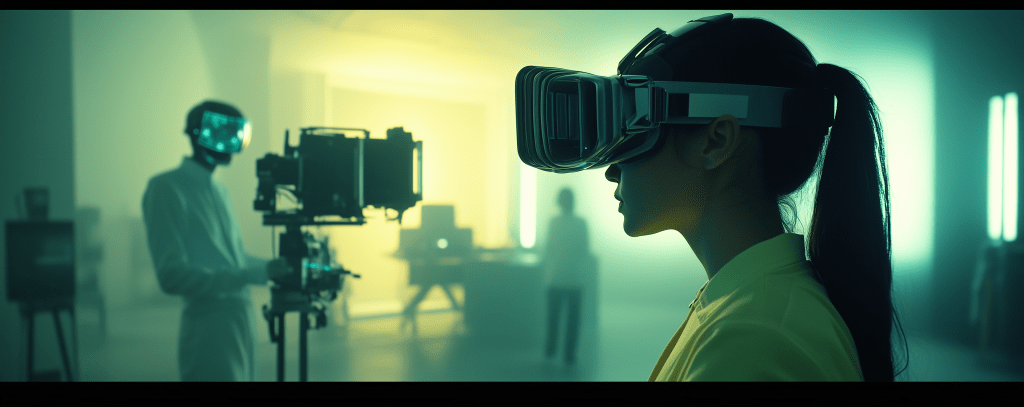
AI in Hollywood: Weekly News, October 10, 2024

In recent years, the film industry has been abuzz with discussions about the integration of artificial intelligence (AI) into various aspects of moviemaking. From screenwriting to post-production, AI is making its presence felt in Hollywood and beyond. As someone who closely follows the intersection of AI and screenwriting, I’ve been fascinated by the recent developments and debates surrounding this topic. In this article, we’ll explore the current state of AI in the film industry, its potential benefits and drawbacks, and what it might mean for the future of cinema.

The AI Revolution in Cinema: A New Era Begins

Transforming the Filmmaking Landscape

At the recent Zurich Summit, a panel of industry experts gathered to discuss the impact of AI on cinema. The consensus was largely positive, with panelists comparing the integration of AI to transformative moments in film history. David Unger, CEO of Artist International Group, went so far as to liken it to the “birth of sound” in cinema, suggesting that AI will create a new cinematic language and redefine storytelling, celebrity, and content structure.

This comparison is not to be taken lightly. Just as the introduction of sound revolutionized the way films were made and experienced, AI has the potential to fundamentally alter the filmmaking process from start to finish.

AI Tools in Action: From Development to Post-Production

One of the companies at the forefront of this revolution is Flawless, an AI production company that has developed tools like TrueSync for dubbing performances and modifying scenes. Jim Rivera, Chief Product Officer at Flawless, highlighted how these tools can streamline production and reduce costs, particularly for indie filmmakers.

Producer Sara Murphy noted that AI tools can save hundreds of thousands of dollars in reshoots for indie films. This cost-saving potential could be a game-changer for smaller productions, allowing for greater creative freedom and risk-taking.

Chris Jacquemin, Partner & Head of Strategy at WME, compared the current phase of AI tools to the early days of the iPhone. While they may seem like toys now, these tools have the potential to become essential elements of the filmmaking process in the near future.

The Promise and Perils of AI in Filmmaking

Enhancing Creativity or Replacing Human Input?

While many in the industry are excited about the possibilities AI brings, others are more cautious. At the Iberseries & Platino Industria event in Madrid, screenwriter Curro Royo expressed concern that AI could negatively impact creators. He criticized AI for “recycling and regurgitating” existing content and warned that if machines wrote movies, only machines would want to watch them.

This sentiment highlights a crucial debate in the industry: Should AI be seen as a tool to enhance human creativity, or is it a potential threat to the artistic process?

Ignacio Lacosta of XReality Studios emphasized that AI tools should be used to enhance creativity rather than feared as job threats. This perspective suggests a middle ground where AI and human creativity can coexist and complement each other.

Ethical Concerns and the Need for New Frameworks

As with any new technology, the integration of AI into filmmaking raises important ethical questions. Jim Rivera of Flawless highlighted that quality control remains a challenge with AI, and modifying performances requires consent due to the potential significant impact on the original work.

The need for new legal frameworks to address these concerns was a recurring theme in discussions. Clara Ruipérez of Telefonica stated that the current legal framework is insufficient for AI, while Carmen Páez, Undersecretary of Culture, noted that content owners should be financially compensated for the use of their work in AI training and applications.

AI and the Future of Storytelling

The Rise of AI Movie Stars?

One of the most intriguing possibilities discussed at the Zurich Summit was the potential emergence of “AI movie stars.” The panel agreed that this could become a reality in the near future, with digital characters potentially gaining celebrity status similar to video game characters.

This concept raises fascinating questions about the nature of stardom and audience connection. Could audiences form emotional attachments to completely artificial performers? How would this impact the careers of human actors?

AI in Screenwriting: Friend or Foe?

As a blog focused on AI in screenwriting, it’s crucial to address the potential impact on the writing process. While AI tools are already being used to assist in script analysis and even generate story ideas, the question remains: Can AI truly capture the nuance and emotional depth required for compelling storytelling?

Curro Royo’s concerns about AI “recycling and regurgitating” existing content highlight the fear that AI-generated scripts might lack originality and genuine human insight. However, proponents argue that AI could be used to overcome writer’s block, generate new plot twists, or even adapt stories for different cultural contexts more efficiently.

Case Studies: AI in Action

Jia Zhang-Ke’s “Caught by the Tides”

While not directly related to AI, the production of Jia Zhang-Ke’s latest film, “Caught by the Tides,” offers an interesting parallel to the potential of AI in filmmaking. The film, which spans over two decades with filming done intermittently between 2001 and 2023, showcases how technology can be used to create a cohesive narrative across time.

Jia’s focus on presenting contemporary China accurately, including the use of robots as an element of daily life, demonstrates how filmmakers are already grappling with the integration of advanced technology into storytelling.

“Artificial Justice”: Exploring AI’s Ethical Implications

The screening of “Artificial Justice” (Justicia Artificial) at the Iberseries & Platino Industria event provides a perfect example of how filmmakers are using the medium to explore the ethical implications of AI. Set in a future where judges are replaced by AI, the film raises the provocative question: Would you prefer to be judged in court by a human or by artificial intelligence?

This kind of speculative storytelling is crucial in helping audiences and industry professionals alike grapple with the potential consequences of widespread AI adoption.

The Road Ahead: Navigating the AI Revolution

Collaboration Between Humans and Machines

As we move forward, it’s clear that the key to successful integration of AI in filmmaking will be finding the right balance between human creativity and machine efficiency. Óscar Olarte of Mr Factory warned against a bubble-like situation similar to the metaverse and advised a rational approach to AI adoption.

This measured approach suggests that the future of filmmaking is likely to be a collaborative effort between human artists and AI tools, each bringing their unique strengths to the table.

The Need for Adaptive Regulation

As AI continues to evolve and integrate into the filmmaking process, it’s crucial that legal and ethical frameworks keep pace. The discussions at both the Zurich Summit and the Iberseries & Platino Industria event highlighted the need for new rights around consent, control of one’s image and likeness, and fair compensation for content used in AI training.

Industry bodies and policymakers will need to work closely with technologists and creatives to ensure that the rights of all stakeholders are protected as we enter this new era of filmmaking.

Conclusion: Embracing the AI-Powered Future of Cinema

As we’ve explored in this article, the integration of AI into the film industry is both exciting and challenging. From potentially revolutionizing the production process to raising complex ethical questions, AI is set to play a significant role in shaping the future of cinema.

For screenwriters, directors, and other creative professionals, the key will be to approach AI as a tool to enhance their craft rather than a replacement for human creativity. By embracing the possibilities while remaining mindful of the potential pitfalls, the film industry can harness the power of AI to tell even more compelling and diverse stories.

As we move forward, it’s clear that the conversation around AI in filmmaking is just beginning. As someone passionate about the intersection of technology and storytelling, I’ll be watching closely as this revolution unfolds, ready to adapt and evolve alongside the industry.

What are your thoughts on the role of AI in filmmaking? Do you see it as a threat to creativity or an exciting new tool? Share your opinions in the comments below, and let’s continue this important discussion.


✍️  Whether you’re mastering the art of dialogue, structure, or character development, the power of AI can be a game-changer in your writing journey. My Free Ebook, ‘AI for Authors’ delves into how AI-powered prompts can provide a unique edge to your storytelling process. If you’re intrigued by the prospect of supercharging your fiction skills, download your free copy today and explore new horizons in creative writing. 

AI and the Commodification of Art: Protecting Creative Integrity

In the ever-evolving landscape of creative industries, a new player has emerged that’s stirring up conversations and controversies alike: Artificial Intelligence (AI). As writers, screenwriters, and artists, we find ourselves at a crossroads where technology intersects with creativity, raising questions about the future of our craft. This article delves into the complex relationship between AI and art, exploring how this technology is reshaping the creative process and the marketplace for artistic works.

The Rise of AI in Creative Industries

Artificial Intelligence has made significant strides in recent years, penetrating various sectors, including the arts. From AI-generated scripts to computer-composed music, the technology is making its presence felt across all creative domains. In the world of writing and screenwriting, AI tools are being used for tasks ranging from story outlining to dialogue generation.

These advancements have led to a surge in AI-assisted and AI-generated content, flooding the market with a new category of creative works. While this technological leap offers exciting possibilities, it also raises concerns about the potential commodification of art and the protection of creative integrity.

Understanding AI’s Role in Art Creation

Before delving deeper into the implications, it’s crucial to understand how AI functions in the creative process. AI systems, particularly those used in art and writing, are trained on vast datasets of existing works. They use complex algorithms to analyze patterns, styles, and structures, then generate new content based on this learned information.

For writers and screenwriters, AI can serve various purposes:

  1. Idea generation and brainstorming
  2. Plot development and story structuring
  3. Character creation and dialogue writing
  4. Proofreading and editing

While these tools can be invaluable aids in the creative process, they also blur the lines between human-generated and machine-generated content, raising questions about authorship and originality.

The Commodification of Art in the AI Era

The term “commodification” refers to the transformation of goods, services, ideas, or other entities into commodities or objects of trade. In the context of art and AI, this concept takes on new dimensions.

Mass Production of “Unique” Works

AI’s ability to generate vast amounts of content quickly and efficiently has led to a flood of AI-created or AI-assisted works in the market. This abundance can lead to a perception of art as a mass-produced commodity rather than a unique expression of human creativity.

For screenwriters and authors, this means competing not just with other human creators, but with an ever-growing pool of AI-generated content. The challenge lies in distinguishing one’s work in a market that may be increasingly saturated with algorithmically produced material.

Standardization of Creative Output

Another aspect of commodification is the potential standardization of creative output. AI models, trained on existing works, may inadvertently perpetuate certain tropes, styles, or narrative structures. This could lead to a homogenization of creative content, where originality and unique voices become harder to find and appreciate.

Writers may find themselves pressured to conform to AI-identified “successful” formulas, potentially stifling innovation and personal expression in the pursuit of market success.

Devaluation of Creative Labor

As AI tools become more sophisticated and widely available, there’s a risk of devaluing the skills and efforts of human creators. If AI can produce a “good enough” script or story in a fraction of the time it takes a human writer, it may lead to downward pressure on compensation and opportunities for professional writers.

This devaluation extends beyond monetary aspects. The intrinsic value of human creativity, with its nuances, experiences, and emotions, may be underappreciated in a market flooded with AI-generated alternatives.

Protecting Creative Integrity in an AI-Driven World

While the challenges posed by AI in the creative industries are significant, they are not insurmountable. There are several ways writers and artists can protect their creative integrity and continue to thrive in this changing landscape.

Embracing Human Uniqueness

One of the most powerful ways to maintain creative integrity is to lean into what makes human creativity unique. AI, despite its capabilities, lacks lived experiences, emotions, and the ability to draw unconventional connections that often lead to groundbreaking art.

Writers can focus on infusing their work with personal experiences, cultural insights, and emotional depth that AI cannot replicate. Authentic voices and perspectives will always have a place in art, regardless of technological advancements.

Ethical Use of AI Tools

Rather than viewing AI as a threat, writers can approach it as a tool to enhance their creative process. By using AI ethically and transparently, creators can harness its benefits while maintaining the integrity of their work.

This might involve:

  1. Using AI for research and inspiration rather than direct content creation
  2. Clearly disclosing the use of AI tools in the creative process
  3. Focusing on tasks where AI complements rather than replaces human creativity

Advocacy and Education

As the guardians of creative integrity, writers and artists have a role to play in shaping the discourse around AI and art. This involves educating audiences about the value of human creativity and advocating for policies that protect artists’ rights in the age of AI.

Writers’ organizations and guilds can play a crucial role in this regard, pushing for clear guidelines on AI use in creative industries and fair compensation for human creators.

Developing AI-Resistant Skills

While AI continues to evolve, there are aspects of the creative process that remain firmly in the human domain. Writers can focus on developing skills that are less likely to be replicated by AI in the near future:

  1. Complex character development
  2. Nuanced exploration of themes and ideas
  3. Cultural commentary and satire
  4. Innovative narrative structures

By honing these skills, writers can create works that stand out in an AI-saturated market.

The Legal and Ethical Landscape

As AI becomes more prevalent in creative industries, legal and ethical questions are coming to the forefront. These issues are crucial for writers to understand and engage with.

Copyright and Intellectual Property

The use of AI in art creation raises complex questions about copyright and intellectual property rights. Who owns the rights to an AI-generated script? How do we attribute works that are co-created by humans and AI?

These questions are still being debated in legal and creative circles. Writers should stay informed about developments in this area and advocate for policies that protect their rights and the value of their creative contributions.

Ethical Considerations

The use of AI in art also raises ethical concerns. Is it ethical to use AI trained on other artists’ works without their explicit consent? How do we ensure diversity and representation in AI-generated content?

Writers have a role to play in shaping ethical guidelines for AI use in creative industries. By engaging in these discussions, we can help ensure that the integration of AI into our field is done responsibly and ethically.

The Future of Writing in an AI World

As we navigate this new terrain, it’s clear that the relationship between AI and human creativity will continue to evolve. While AI presents challenges to traditional notions of art and authorship, it also offers opportunities for innovation and growth.

Collaboration, Not Competition

The future of writing may lie in finding ways to collaborate with AI rather than competing against it. Writers who can effectively leverage AI tools while maintaining their unique creative voice may find themselves at an advantage in the changing marketplace.

New Forms of Storytelling

AI could also open doors to entirely new forms of storytelling. Interactive narratives, personalized stories, and other innovative formats may emerge from the intersection of human creativity and AI capabilities.

Emphasis on Human Touch

As AI-generated content becomes more common, there may be a renewed appreciation for works that clearly showcase human creativity and insight. The “human touch” in writing may become a valuable differentiator in the market.

Conclusion: Navigating the AI Revolution

The integration of AI into the creative process is not just a passing trend, but a fundamental shift in how art can be produced and consumed. For writers and screenwriters, this presents both challenges and opportunities.

By understanding the implications of AI in our field, embracing our unique human perspectives, and engaging actively in shaping the future of our industry, we can navigate this AI revolution while protecting the integrity and value of human creativity.

The key lies in viewing AI not as a replacement for human creativity, but as a tool that can enhance our capabilities. As we move forward, it will be crucial to strike a balance between leveraging the benefits of AI and preserving the irreplaceable value of human imagination and expression.

In this evolving landscape, one thing remains certain: stories that resonate on a deeply human level will always find their audience. As writers, our task is to continue crafting these stories, using all the tools at our disposal while staying true to our unique creative visions.


✍️  Whether you’re mastering the art of dialogue, structure, or character development, the power of AI can be a game-changer in your writing journey. My Free Ebook, ‘AI for Authors’ delves into how AI-powered prompts can provide a unique edge to your storytelling process. If you’re intrigued by the prospect of supercharging your fiction skills, download your free copy today and explore new horizons in creative writing.