In recent years, the film industry has been abuzz with discussions about the integration of artificial intelligence (AI) into various aspects of moviemaking. From screenwriting to post-production, AI is making its presence felt in Hollywood and beyond. As someone who closely follows the intersection of AI and screenwriting, I’ve been fascinated by the recent developments and debates surrounding this topic. In this article, we’ll explore the current state of AI in the film industry, its potential benefits and drawbacks, and what it might mean for the future of cinema.
The AI Revolution in Cinema: A New Era Begins
Transforming the Filmmaking Landscape
At the recent Zurich Summit, a panel of industry experts gathered to discuss the impact of AI on cinema. The consensus was largely positive, with panelists comparing the integration of AI to transformative moments in film history. David Unger, CEO of Artist International Group, went so far as to liken it to the “birth of sound” in cinema, suggesting that AI will create a new cinematic language and redefine storytelling, celebrity, and content structure.
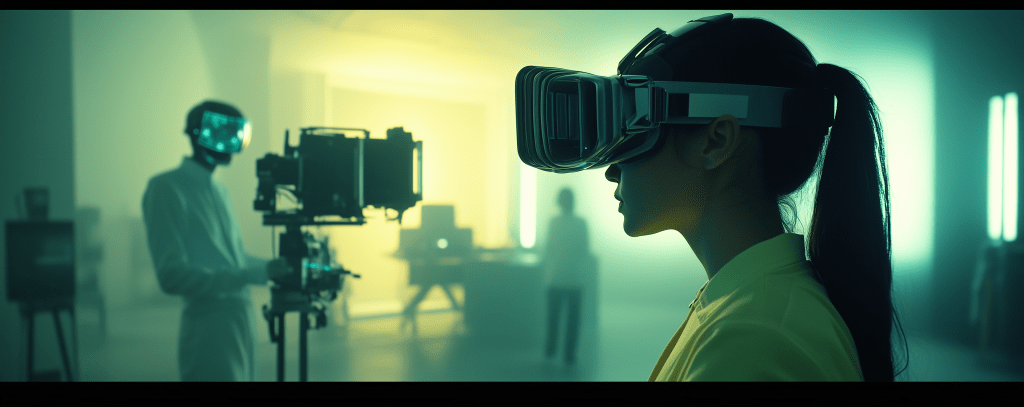
This comparison is not to be taken lightly. Just as the introduction of sound revolutionized the way films were made and experienced, AI has the potential to fundamentally alter the filmmaking process from start to finish.
AI Tools in Action: From Development to Post-Production
One of the companies at the forefront of this revolution is Flawless, an AI production company that has developed tools like TrueSync for dubbing performances and modifying scenes. Jim Rivera, Chief Product Officer at Flawless, highlighted how these tools can streamline production and reduce costs, particularly for indie filmmakers.
Producer Sara Murphy noted that AI tools can save hundreds of thousands of dollars in reshoots for indie films. This cost-saving potential could be a game-changer for smaller productions, allowing for greater creative freedom and risk-taking.
Chris Jacquemin, Partner & Head of Strategy at WME, compared the current phase of AI tools to the early days of the iPhone. While they may seem like toys now, these tools have the potential to become essential elements of the filmmaking process in the near future.
The Promise and Perils of AI in Filmmaking
Enhancing Creativity or Replacing Human Input?
While many in the industry are excited about the possibilities AI brings, others are more cautious. At the Iberseries & Platino Industria event in Madrid, screenwriter Curro Royo expressed concern that AI could negatively impact creators. He criticized AI for “recycling and regurgitating” existing content and warned that if machines wrote movies, only machines would want to watch them.
This sentiment highlights a crucial debate in the industry: Should AI be seen as a tool to enhance human creativity, or is it a potential threat to the artistic process?
Ignacio Lacosta of XReality Studios emphasized that AI tools should be used to enhance creativity rather than feared as job threats. This perspective suggests a middle ground where AI and human creativity can coexist and complement each other.
Ethical Concerns and the Need for New Frameworks
As with any new technology, the integration of AI into filmmaking raises important ethical questions. Jim Rivera of Flawless highlighted that quality control remains a challenge with AI, and modifying performances requires consent due to the potential significant impact on the original work.
The need for new legal frameworks to address these concerns was a recurring theme in discussions. Clara Ruipérez of Telefonica stated that the current legal framework is insufficient for AI, while Carmen Páez, Undersecretary of Culture, noted that content owners should be financially compensated for the use of their work in AI training and applications.
AI and the Future of Storytelling
The Rise of AI Movie Stars?
One of the most intriguing possibilities discussed at the Zurich Summit was the potential emergence of “AI movie stars.” The panel agreed that this could become a reality in the near future, with digital characters potentially gaining celebrity status similar to video game characters.
This concept raises fascinating questions about the nature of stardom and audience connection. Could audiences form emotional attachments to completely artificial performers? How would this impact the careers of human actors?
AI in Screenwriting: Friend or Foe?
As a blog focused on AI in screenwriting, it’s crucial to address the potential impact on the writing process. While AI tools are already being used to assist in script analysis and even generate story ideas, the question remains: Can AI truly capture the nuance and emotional depth required for compelling storytelling?
Curro Royo’s concerns about AI “recycling and regurgitating” existing content highlight the fear that AI-generated scripts might lack originality and genuine human insight. However, proponents argue that AI could be used to overcome writer’s block, generate new plot twists, or even adapt stories for different cultural contexts more efficiently.
Case Studies: AI in Action
Jia Zhang-Ke’s “Caught by the Tides”
While not directly related to AI, the production of Jia Zhang-Ke’s latest film, “Caught by the Tides,” offers an interesting parallel to the potential of AI in filmmaking. The film, which spans over two decades with filming done intermittently between 2001 and 2023, showcases how technology can be used to create a cohesive narrative across time.
Jia’s focus on presenting contemporary China accurately, including the use of robots as an element of daily life, demonstrates how filmmakers are already grappling with the integration of advanced technology into storytelling.
“Artificial Justice”: Exploring AI’s Ethical Implications
The screening of “Artificial Justice” (Justicia Artificial) at the Iberseries & Platino Industria event provides a perfect example of how filmmakers are using the medium to explore the ethical implications of AI. Set in a future where judges are replaced by AI, the film raises the provocative question: Would you prefer to be judged in court by a human or by artificial intelligence?
This kind of speculative storytelling is crucial in helping audiences and industry professionals alike grapple with the potential consequences of widespread AI adoption.
The Road Ahead: Navigating the AI Revolution
Collaboration Between Humans and Machines
As we move forward, it’s clear that the key to successful integration of AI in filmmaking will be finding the right balance between human creativity and machine efficiency. Óscar Olarte of Mr Factory warned against a bubble-like situation similar to the metaverse and advised a rational approach to AI adoption.
This measured approach suggests that the future of filmmaking is likely to be a collaborative effort between human artists and AI tools, each bringing their unique strengths to the table.
The Need for Adaptive Regulation
As AI continues to evolve and integrate into the filmmaking process, it’s crucial that legal and ethical frameworks keep pace. The discussions at both the Zurich Summit and the Iberseries & Platino Industria event highlighted the need for new rights around consent, control of one’s image and likeness, and fair compensation for content used in AI training.
Industry bodies and policymakers will need to work closely with technologists and creatives to ensure that the rights of all stakeholders are protected as we enter this new era of filmmaking.
Conclusion: Embracing the AI-Powered Future of Cinema
As we’ve explored in this article, the integration of AI into the film industry is both exciting and challenging. From potentially revolutionizing the production process to raising complex ethical questions, AI is set to play a significant role in shaping the future of cinema.
For screenwriters, directors, and other creative professionals, the key will be to approach AI as a tool to enhance their craft rather than a replacement for human creativity. By embracing the possibilities while remaining mindful of the potential pitfalls, the film industry can harness the power of AI to tell even more compelling and diverse stories.
As we move forward, it’s clear that the conversation around AI in filmmaking is just beginning. As someone passionate about the intersection of technology and storytelling, I’ll be watching closely as this revolution unfolds, ready to adapt and evolve alongside the industry.
What are your thoughts on the role of AI in filmmaking? Do you see it as a threat to creativity or an exciting new tool? Share your opinions in the comments below, and let’s continue this important discussion.
✍️ Whether you’re mastering the art of dialogue, structure, or character development, the power of AI can be a game-changer in your writing journey. My Free Ebook, ‘AI for Authors’ delves into how AI-powered prompts can provide a unique edge to your storytelling process. If you’re intrigued by the prospect of supercharging your fiction skills, download your free copy today and explore new horizons in creative writing.

