In the ever-evolving landscape of creative industries, a new player has emerged that’s stirring up conversations and controversies alike: Artificial Intelligence (AI). As writers, screenwriters, and artists, we find ourselves at a crossroads where technology intersects with creativity, raising questions about the future of our craft. This article delves into the complex relationship between AI and art, exploring how this technology is reshaping the creative process and the marketplace for artistic works.
The Rise of AI in Creative Industries
Artificial Intelligence has made significant strides in recent years, penetrating various sectors, including the arts. From AI-generated scripts to computer-composed music, the technology is making its presence felt across all creative domains. In the world of writing and screenwriting, AI tools are being used for tasks ranging from story outlining to dialogue generation.
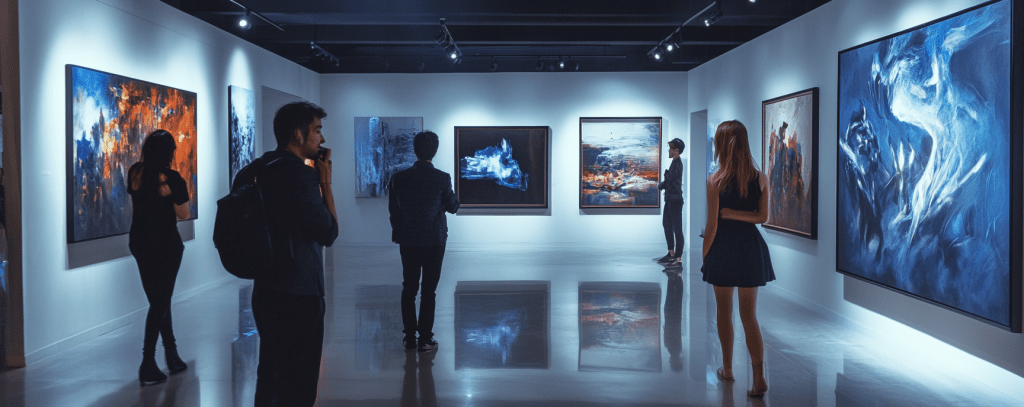
These advancements have led to a surge in AI-assisted and AI-generated content, flooding the market with a new category of creative works. While this technological leap offers exciting possibilities, it also raises concerns about the potential commodification of art and the protection of creative integrity.
Understanding AI’s Role in Art Creation
Before delving deeper into the implications, it’s crucial to understand how AI functions in the creative process. AI systems, particularly those used in art and writing, are trained on vast datasets of existing works. They use complex algorithms to analyze patterns, styles, and structures, then generate new content based on this learned information.
For writers and screenwriters, AI can serve various purposes:
- Idea generation and brainstorming
- Plot development and story structuring
- Character creation and dialogue writing
- Proofreading and editing
While these tools can be invaluable aids in the creative process, they also blur the lines between human-generated and machine-generated content, raising questions about authorship and originality.
The Commodification of Art in the AI Era
The term “commodification” refers to the transformation of goods, services, ideas, or other entities into commodities or objects of trade. In the context of art and AI, this concept takes on new dimensions.
Mass Production of “Unique” Works
AI’s ability to generate vast amounts of content quickly and efficiently has led to a flood of AI-created or AI-assisted works in the market. This abundance can lead to a perception of art as a mass-produced commodity rather than a unique expression of human creativity.
For screenwriters and authors, this means competing not just with other human creators, but with an ever-growing pool of AI-generated content. The challenge lies in distinguishing one’s work in a market that may be increasingly saturated with algorithmically produced material.
Standardization of Creative Output
Another aspect of commodification is the potential standardization of creative output. AI models, trained on existing works, may inadvertently perpetuate certain tropes, styles, or narrative structures. This could lead to a homogenization of creative content, where originality and unique voices become harder to find and appreciate.
Writers may find themselves pressured to conform to AI-identified “successful” formulas, potentially stifling innovation and personal expression in the pursuit of market success.
Devaluation of Creative Labor
As AI tools become more sophisticated and widely available, there’s a risk of devaluing the skills and efforts of human creators. If AI can produce a “good enough” script or story in a fraction of the time it takes a human writer, it may lead to downward pressure on compensation and opportunities for professional writers.
This devaluation extends beyond monetary aspects. The intrinsic value of human creativity, with its nuances, experiences, and emotions, may be underappreciated in a market flooded with AI-generated alternatives.
Protecting Creative Integrity in an AI-Driven World
While the challenges posed by AI in the creative industries are significant, they are not insurmountable. There are several ways writers and artists can protect their creative integrity and continue to thrive in this changing landscape.
Embracing Human Uniqueness
One of the most powerful ways to maintain creative integrity is to lean into what makes human creativity unique. AI, despite its capabilities, lacks lived experiences, emotions, and the ability to draw unconventional connections that often lead to groundbreaking art.
Writers can focus on infusing their work with personal experiences, cultural insights, and emotional depth that AI cannot replicate. Authentic voices and perspectives will always have a place in art, regardless of technological advancements.
Ethical Use of AI Tools
Rather than viewing AI as a threat, writers can approach it as a tool to enhance their creative process. By using AI ethically and transparently, creators can harness its benefits while maintaining the integrity of their work.
This might involve:
- Using AI for research and inspiration rather than direct content creation
- Clearly disclosing the use of AI tools in the creative process
- Focusing on tasks where AI complements rather than replaces human creativity
Advocacy and Education
As the guardians of creative integrity, writers and artists have a role to play in shaping the discourse around AI and art. This involves educating audiences about the value of human creativity and advocating for policies that protect artists’ rights in the age of AI.
Writers’ organizations and guilds can play a crucial role in this regard, pushing for clear guidelines on AI use in creative industries and fair compensation for human creators.
Developing AI-Resistant Skills
While AI continues to evolve, there are aspects of the creative process that remain firmly in the human domain. Writers can focus on developing skills that are less likely to be replicated by AI in the near future:
- Complex character development
- Nuanced exploration of themes and ideas
- Cultural commentary and satire
- Innovative narrative structures
By honing these skills, writers can create works that stand out in an AI-saturated market.
The Legal and Ethical Landscape
As AI becomes more prevalent in creative industries, legal and ethical questions are coming to the forefront. These issues are crucial for writers to understand and engage with.
Copyright and Intellectual Property
The use of AI in art creation raises complex questions about copyright and intellectual property rights. Who owns the rights to an AI-generated script? How do we attribute works that are co-created by humans and AI?
These questions are still being debated in legal and creative circles. Writers should stay informed about developments in this area and advocate for policies that protect their rights and the value of their creative contributions.
Ethical Considerations
The use of AI in art also raises ethical concerns. Is it ethical to use AI trained on other artists’ works without their explicit consent? How do we ensure diversity and representation in AI-generated content?
Writers have a role to play in shaping ethical guidelines for AI use in creative industries. By engaging in these discussions, we can help ensure that the integration of AI into our field is done responsibly and ethically.
The Future of Writing in an AI World
As we navigate this new terrain, it’s clear that the relationship between AI and human creativity will continue to evolve. While AI presents challenges to traditional notions of art and authorship, it also offers opportunities for innovation and growth.
Collaboration, Not Competition
The future of writing may lie in finding ways to collaborate with AI rather than competing against it. Writers who can effectively leverage AI tools while maintaining their unique creative voice may find themselves at an advantage in the changing marketplace.
New Forms of Storytelling
AI could also open doors to entirely new forms of storytelling. Interactive narratives, personalized stories, and other innovative formats may emerge from the intersection of human creativity and AI capabilities.
Emphasis on Human Touch
As AI-generated content becomes more common, there may be a renewed appreciation for works that clearly showcase human creativity and insight. The “human touch” in writing may become a valuable differentiator in the market.
Conclusion: Navigating the AI Revolution
The integration of AI into the creative process is not just a passing trend, but a fundamental shift in how art can be produced and consumed. For writers and screenwriters, this presents both challenges and opportunities.
By understanding the implications of AI in our field, embracing our unique human perspectives, and engaging actively in shaping the future of our industry, we can navigate this AI revolution while protecting the integrity and value of human creativity.
The key lies in viewing AI not as a replacement for human creativity, but as a tool that can enhance our capabilities. As we move forward, it will be crucial to strike a balance between leveraging the benefits of AI and preserving the irreplaceable value of human imagination and expression.
In this evolving landscape, one thing remains certain: stories that resonate on a deeply human level will always find their audience. As writers, our task is to continue crafting these stories, using all the tools at our disposal while staying true to our unique creative visions.
✍️ Whether you’re mastering the art of dialogue, structure, or character development, the power of AI can be a game-changer in your writing journey. My Free Ebook, ‘AI for Authors’ delves into how AI-powered prompts can provide a unique edge to your storytelling process. If you’re intrigued by the prospect of supercharging your fiction skills, download your free copy today and explore new horizons in creative writing.
 A.I. in Screen Trade