AI screenwriting is an emerging field at the intersection of storytelling and technology, one that leverages the power of machine learning screenwriting and AI writing tools to assist in the creative process. AI scriptwriting software uses complex algorithms to analyze vast amounts of data, including existing scripts, to generate new content. It’s a fascinating and, for some, disconcerting development. The question on many minds is: can AI-generated scripts ever match the nuance and depth of human-written ones? And more importantly, is the aim of AI to replace human screenwriters or to augment their creative process?
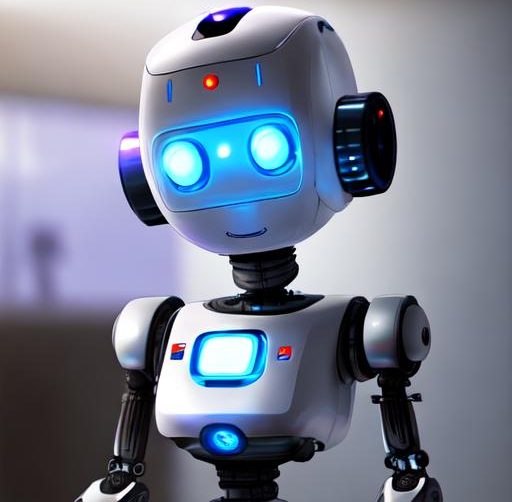
One way to approach this question is to view AI not as a replacement, but as an artistic tool, much like a paintbrush or a musical instrument. AI, with its ability to process and analyze large amounts of data, can provide fresh perspectives and insights, uncovering patterns and connections that may not be immediately apparent to human writers. This is particularly relevant in the early stages of the writing process, when writers are brainstorming ideas and trying to build complex narrative structures. Machine learning screenwriting tools can be used to generate a wealth of ideas, providing a starting point for writers to explore and develop into a full-fledged script.
For instance, AI writing software can analyze the structure of successful films and TV shows to identify the elements that make them work. This can provide invaluable insights for writers, helping them understand the mechanics of storytelling and how to create compelling narratives. It can also aid in the development of character arcs, another key aspect of storytelling. By analyzing the progression of characters in various scripts, AI can help writers craft dynamic and believable characters that engage audiences.
However, it’s important to note that AI-generated scripts are not meant to be finished products. They are starting points, raw material that writers can mold and shape into a compelling story. The real magic of storytelling—the emotion, the depth, the subtlety—still comes from the human mind. AI can provide the framework, but it’s the human writer who brings the story to life.
Moreover, AI can serve as a powerful tool for efficiency in the writing process. Screenwriting involves a great deal of revision and editing, and AI can assist in this process by providing feedback and suggestions. AI screenwriting software can analyze a script for structure, pacing, and other elements, and provide feedback that can help writers improve their work. This can save writers a great deal of time, allowing them to focus more on the creative aspects of their work.
The potential of AI in screenwriting extends beyond individual writers. In a collaborative setting, such as a writers’ room, AI can serve as a valuable tool for generating ideas and providing insights. It can help keep the narrative consistent across multiple episodes and seasons, a task that can be challenging in a collaborative environment.
The future of screenwriting with AI is still being written, and it’s up to us, the human writers, to shape that future. AI can provide the data, the algorithms, and the computational power, but it’s the human imagination that breathes life into a story. It’s the human heart that infuses a script with emotion and depth. And it’s the human spirit that strives to tell stories that resonate with others, that make us feel seen and understood.
✍️ Whether you’re mastering the art of dialogue, structure, or character development, the power of AI can be a game-changer in your writing journey. My Free Ebook, ‘AI for Authors’ delves into how AI-powered prompts can provide a unique edge to your storytelling process. If you’re intrigued by the prospect of supercharging your fiction skills, download your free copy today and explore new horizons in creative writing.

