Since the genesis of the cinematic arts, storytelling has remained a profoundly human endeavour. Whether through poignant dramas that expose the raw human condition or through thrilling action films that tease the bounds of imagination, it has always been human minds steering the narratives. However, the advent of Artificial Intelligence (AI) and its subsequent incursion into the realm of storytelling marks a new epoch in the evolution of the screen trade.
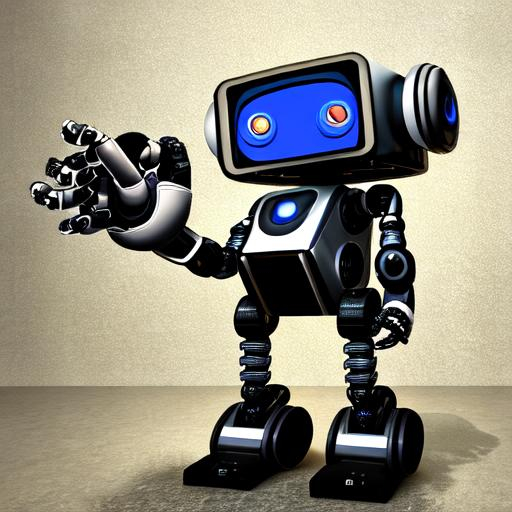
The earliest inklings of AI’s storytelling potential emerged with simple rule-based systems. Designed around a fixed set of parameters, these early AI systems could churn out rudimentary narratives, yet they lacked the nuance and creativity that characterize great storytelling.
The rise of machine learning, however, revolutionized the game. A notable early innovation was “SHELLEY,” an AI developed by researchers at MIT’s Media Lab. Named after Mary Shelley, the creator of Frankenstein, this AI was capable of writing horror stories by learning from a dataset of chilling tales. Although the narratives weren’t perfect, they showcased AI’s potential to piece together plot points and generate a cohesive (if not entirely polished) story.
Then there was Benjamin, an AI screenwriter that gained recognition for its short film, “Sunspring.” Written entirely by the AI, the script was confusing and often hilarious, providing an absurdist take on traditional sci-fi tropes. The film proved to be an intriguing experiment, demonstrating that AI could indeed participate in the act of narrative creation, albeit in a somewhat unconventional manner.
This was also the time when AI made significant strides in video games. Gaming companies began to deploy AI to create responsive, dynamic narratives that altered based on the player’s decisions. AI had shown itself capable not only of contributing to the narrative but of actively shaping it in real-time.
While these early examples were imperfect, they signaled the immense potential of AI. If machine learning algorithms could read, interpret, and then generate their own narratives, they could, in theory, mimic the creative processes of human storytellers. This sparked both excitement and fear within the screen trade, stirring debates around creativity, authorship, and the future of the industry.
As we venture further into this new era, the relationship between AI and screenwriting continues to evolve. In many ways, AI has moved from being a mere tool to becoming a collaborator in the creative process. As we’ll explore in subsequent articles, this newfound partnership carries both immense promise and perplexing paradoxes, shaping a future where AI’s role in cinematic storytelling will only grow more prominent.


 A.I. in Screen Trade