The Current State of the WGA Strike: An Update

The ongoing Writers Guild of America (WGA) strike continues to escalate with more aggressive tactics being employed by guild members, differing significantly from the last major strike 15 years ago​. The strike, which began on May 2, 2023, has centered around the steady erosion of writers’ incomes during the streaming era. The major studios and networks, represented by the Alliance of Motion Picture and Television Producers (AMPTP), have countered the WGA’s claims by stating they have offered generous increases in compensation and improvements in streaming residuals. However, disagreements over mandatory staffing levels and duration of employment remain unresolved​.

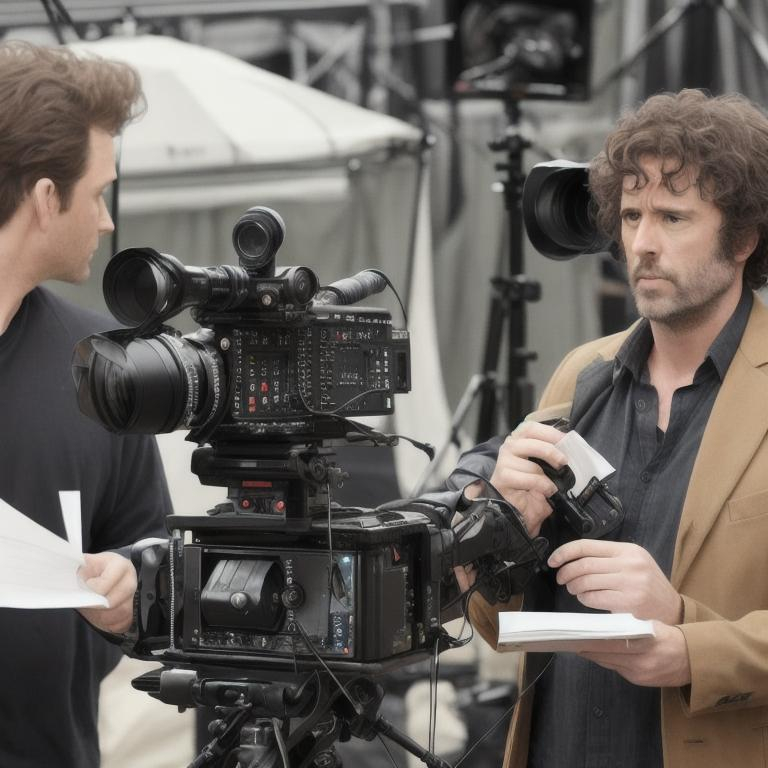
One noteworthy development is the intensification of picketing activities. Instead of large-scale protests intended to build union solidarity, as seen in previous strikes, WGA members are now focusing on halting individual productions. These efforts include impromptu pickets that one writer described as “guerrilla tactics​”. Over the last 48 hours, WGA pickets have shut down Showtime’s coming-of-age drama “The Chi” in Chicago, and halted production on other high-profile shows and movies across the country, including Showtime’s “Billions”, Max’s “The Penguin”, and Apple TV+’s “Severance” on the East Coast, as well as Apple TV+’s “Loot”, “Good Trouble”, and the Lionsgate movie “Good Fortune” in Los Angeles​.

While the strike has led to a halt or delay in dozens of productions, the impact is not universal across all projects. Some shows have been able to continue production due to showrunners refusing to participate in the strike, while others have halted production due to pickets​.

Simultaneously, negotiations between the Directors Guild of America (DGA) and the studios, led by the AMPTP, have been underway. As of now, these negotiations have not led to any significant agreements​, but the outcome of these negotiations could have a profound impact on the trajectory of the WGA strike. The DGA’s current contract with the studios and producers expires on June 30, and there is speculation that the DGA could join the WGA on the picket lines if an agreement is not reached, although this would break with tradition​.

Despite the differences in issues between what the WGA and DGA seek from the AMPTP, there has been public support between the two guilds, with a number of individual directors joining the picket lines with the writers over the past three weeks​.

This article has provided an overview of the current state of the WGA strike, but the situation is evolving rapidly. The ultimate outcomes of both the WGA strike and the DGA negotiations with the AMPTP remain uncertain and could profoundly affect the future of the entertainment industry.

[Please note that this article is a summary of the situation as it stands at the time of writing, May 25, 2023, and the situation may have changed by the time you read this.]

When Bytes Meet Scripts: The Role of AI Screenwriting in Hollywood’s Unfolding Narrative

The 21st century has ushered in a thrilling epoch of innovation in the form of AI screenwriting. Yet, as we delve into the paradoxes and potentials of this new technology, we also find ourselves entwined in the ongoing human struggles within the industry. The current Writers Guild of America (WGA) strike underscores the enduring battle for fair compensation and recognition of writers’ contributions, illuminating a dichotomy between the advance of AI and the human condition within screenwriting.

Artificial intelligence in screenwriting, or AI screenwriting, offers potential in brainstorming plot ideas, creating character arcs, and increasing efficiency. Machine learning algorithms can scan vast databases of scripts, learning the patterns, structures, and tropes that drive narratives, and then generate new content based on these patterns. It’s an approach that could potentially streamline the development process and aid in the generation of original stories. Yet, the products of AI scriptwriting are currently a far cry from a human-written script. AI’s limitations become evident in attempts such as the AI-generated trailer for a Wes Anderson-style “Lord of the Rings”, which, while amusing, hardly pass for a professionally produced piece.

The immediate future of AI film writing seems to lean towards assisting with formulaic content, such as long-running television series or straight-to-streaming sequels, rather than producing high-concept, auteur-driven cinema. However, as AI continues to evolve, it’s possible we might see more sophisticated AI-generated scripts in the future.

Paradoxically, as we entertain the future possibilities of AI in screenwriting, we find ourselves in the midst of a human struggle in the industry. The WGA strike, now in its fourth week, represents a cry for fair compensation, especially concerning residual pay for streaming programs and industry standards on the number of writers assigned to each show. Moreover, the union is calling for regulations preventing the use of artificial intelligence technology to write or rewrite any literary material, a clear sign of the tension between the advent of AI writing and the protection of writers’ work.

The strike has significantly impacted television viewing, forcing shows into reruns and halting numerous television and film productions. With the actors’ union, SAG-AFTRA, commencing a strike-authorization vote among its members and planning negotiations with the Alliance of Motion Picture and Television Producers (AMPTP), the repercussions of the strike could be far-reaching.

“I believe that AI has the potential to be a great partner to artists, helping us to create more meaningful and impactful work.”

Hiroshi Sugimoto

The future of screenwriting software and AI story generation is unfolding against the backdrop of these human struggles. The interaction between AI and humans in the field of storytelling is not just about technology replacing or assisting humans; it’s also about the industry’s ability to recognize and value the unique human contribution to storytelling. As we move forward, the role of AI in screenwriting will undoubtedly continue to evolve, influenced not just by technological advancements, but also by the ongoing negotiation between human creativity and artificial intelligence.

As we reflect on the current state of AI in screenwriting and the ongoing WGA strike, we are reminded that while AI holds great potential, it is not a panacea. It can aid and enhance the creative process, but it cannot replace the human element that lies at the heart of storytelling. The narrative of Hollywood and the future of storytelling is one that continues to unfold, a tale of bytes and scripts, of machine learning and human struggle, of paradoxes and potentials.

(Note: Due to the ongoing nature of the WGA strike, this article focused on the most recent developments up to May 23, 2023.)

Paradox and Potential: Screenwriting Amid Box Office Decline

In the rapidly evolving world of screenwriting, two significant trends are reshaping the industry: the implementation of artificial intelligence (AI) in the craft and the ongoing box office decline. Both present paradoxes and potentials that challenge the traditional dynamics of Hollywood storytelling and the cinema industry at large.

AI: A New Frontier in Screenwriting

AI has begun to make significant inroads in the screenwriting profession, often referred to as AI screenwriting, AI writing, or AI scriptwriting. This technology uses machine learning to offer assistance in brainstorming plot ideas, crafting character arcs, and increasing overall efficiency in the scriptwriting process. AI screenwriting software can analyze vast amounts of data to suggest plot developments and character interactions that a writer may not have considered. This can be an invaluable tool for writers to push the boundaries of their creativity.

AI-generated scripts, created through machine learning screenwriting models, have the potential to bring new perspectives and ideas to the table, opening up a world of possibilities in storytelling. However, it is important to note that while AI can generate content, the human touch in storytelling remains crucial. The nuances, emotions, and complexities of human experience cannot be entirely replicated by a machine, highlighting the importance of maintaining a balance between AI and human input in screenwriting.

The Declining Box Office: A Stumbling Block

While AI holds promise for screenwriting, the industry faces a significant challenge with the steady box office decline over the past several years. In 2022, box office earnings were around $7.4 billion domestically and $26 billion worldwide, significantly lower than projected figures. This has resulted in a decline of about 50% in theatrical attendance over the last four years. Additionally, major film exhibitors experienced substantial stock drops throughout 2022, further highlighting the dire state of the cinema industry.

This decline can be attributed to various factors, including an increase in streaming services and a reduced number of theatrical releases. Despite the success of a few blockbuster hits like “Avatar: The Way of Water,” the overall decrease in box office revenue suggests a shifting preference among audiences towards home entertainment.

The Human Struggles in the Industry

Amid these transformations, human struggles persist in the screenwriting industry. The Writers Guild of America (WGA) has been advocating for fair compensation and recognition of writers’ contributions. Recently, the question of how AI’s role in content creation impacts writers’ compensation and recognition has become a topic of debate. However, despite extensive research, I was unable to find specific information on the impact of AI on the recent WGA writer’s strike and the struggle for fair compensation.

“Innovation in art is often a technological evolution in disguise.”

Unknown

Conclusion

As we move forward, the screenwriting profession will need to adapt to these emerging trends and challenges. Balancing the potentials of AI screenwriting with the authentic human touch in storytelling, while addressing the box office decline and advocating for writers’ rights, will be crucial in shaping the future of Hollywood storytelling.

While AI offers exciting new possibilities for screenwriting, it should serve as a tool to augment human creativity, not replace it. Furthermore, the industry must navigate the decline in box office revenue by exploring innovative distribution strategies and maintaining a robust dialogue with audiences. Amid all these changes, the recognition and fair compensation of writers remain paramount, as their stories form the heartbeat of the industry.

This article is part of an ongoing series on “AI in Screen Trade: Hollywood and the Future of Storytelling,” stay tuned for future updates as we delve deeper into the fascinating intersection of AI and Hollywood.

Please note: This is an ongoing topic, and while every effort has been made to ensure accuracy, new information may emerge that could further illuminate or alter the current understanding of these issues.

✍️  Whether you’re mastering the art of dialogue, structure, or character development, the power of AI can be a game-changer in your writing journey. My Free Ebook, ‘AI for Authors’ delves into how AI-powered prompts can provide a unique edge to your storytelling process. If you’re intrigued by the prospect of supercharging your fiction skills, download your free copy today and explore new horizons in creative writing. 

Structuring the Script: AI Screenwriting and the Enduring Human Quandary

Screenwriting, a craft steeped in tradition, is facing a dramatic upheaval. The rise of artificial intelligence, in particular AI screenwriting, is forging a new path in an industry notorious for its high barriers to entry and rigid conventions. This development carries a paradoxical duality; on the one hand, it heralds a wealth of opportunities for innovation and efficiency, while on the other, it intensifies the human struggles inherent in the industry.

The AI Pen: Innovation and Efficiency

Machine learning screenwriting models, like the renowned ChatGPT, have demonstrated their capacity to generate entire scripts, presenting a groundbreaking potential for screenplay structure. AI writing software does not suffer from writer’s block, it doesn’t require sleep, and it can consistently deliver content at a rapid pace, thereby significantly increasing efficiency.

The application of artificial intelligence in screenwriting extends beyond mere generation of text. AI can also foster creativity by serving as a powerful brainstorming tool. In this vein, AI story generation can assist in the conception of unique plot ideas, not confined by conventional thinking or personal biases. It can create surprising character arcs, weaving intricate narrative webs that captivate audiences in unexpected ways.

In addition, AI scriptwriting can even analyze existing content, drawing from a wealth of data to help avoid cliches or overused tropes. This ability of AI screenwriting to facilitate a comprehensive understanding of audience preferences, trends, and narrative devices is unprecedented. It has the potential to transform the ways in which screenplays are structured, written, and eventually produced.

“The intersection of AI and art reveals the infinite possibilities of human imagination.”

Sarah Kenderdine

The Human Quandary: Fair Compensation and Recognition

Yet, despite these technological advancements, the screenwriting profession continues to grapple with the human struggles that have long plagued it. The recent WGA writer’s strike serves as a stark reminder of these ongoing issues. The fight for fair compensation, adequate recognition of writers’ contributions, and equitable treatment persists. While AI-generated scripts may streamline the writing process, they can also exacerbate these existing problems by undermining the perceived value of human screenwriters.

The introduction of screenwriting software into the industry invites a host of ethical and legal questions. Who, for instance, should be credited for an AI film writing piece? Should it be the AI, the developers who created it, or perhaps the users who provided the initial input? These questions have yet to find satisfactory answers, and as AI continues to evolve, they only become more pressing.

The Future of Storytelling: A Merging of Paths

The paradoxical relationship between AI screenwriting and human writers hints at a future where both coexist and co-create. As AI and machine learning continue to advance, they will inevitably shape the way we approach screenplay structure. The incorporation of AI-generated scripts may streamline the writing process, augment creative ideation, and reshape audience expectations.

At the same time, the human element in screenwriting, with its nuance, passion, and intricate understanding of the human condition, remains irreplaceable. The human struggles in the industry serve as a poignant reminder that despite technological advancements, the essence of storytelling still lies in human experiences and emotions.

The rise of AI screenwriting marks an exciting era for the film industry. Yet, it also necessitates a reassessment of how we value human contribution and creativity in a field increasingly influenced by artificial intelligence.

This merging of paths could lead to a new age of storytelling, where AI and human screenwriters work symbiotically, each bringing their unique strengths to the table. As we venture further into this uncharted territory, let us remember the enduring value of the human voice in storytelling, even as we harness the powerful capabilities of AI.

PrediCine: The Quantum Leap of AI in Foreseeing Audience Resonance

The advent of artificial intelligence (AI) has proven to be a disruptive force in numerous industries, revolutionizing how businesses function and interact with consumers. Notably, the film industry, a sphere renowned for its intricacies and the elusive pursuit of audience approval, is beginning to feel the palpable impacts of AI. One area particularly under the spotlight is movie marketing. By harnessing AI, studios and marketers can now predict audience reactions, tailoring their promotional strategies to maximize appeal and optimize revenues. This blog post explores the evolving role of AI in this exciting frontier.

Understanding Audience Emotions: AI’s Secret Weapon

Predicting audience reactions is an art and a science, combining a nuanced understanding of human emotions with empirical analysis of audience behaviors and trends. Traditionally, audience response has been gauged through focus groups and surveys, methods that can be time-consuming and, in some cases, imprecise. AI changes this by analyzing vast amounts of data at a pace that’s simply beyond human capabilities. Sentiment analysis, a popular AI technique, scrutinizes social media posts, reviews, and comments to gauge public sentiment about a film even before its release.

The Magic of Predictive Analytics

AI predictive analytics can delve into past audience preferences and behaviors, identifying patterns and trends that can inform future outcomes. These predictive models are instrumental in fine-tuning a film’s marketing strategy, providing insights about when to release trailers, what scenes to highlight, and even which demographics to target. For example, AI algorithms can analyze the performance of previous superhero films to anticipate the success of an upcoming release in the same genre.

Personalization: The Key to Audience Engagement

One of the most potent tools in AI’s arsenal is personalization. By understanding individual preferences, AI can provide customized recommendations that greatly enhance audience engagement. Using machine learning algorithms, AI systems can analyze viewing histories, reviews, and ratings to predict what a viewer might enjoy next, thereby driving viewer engagement and loyalty.

AI and the Future of Movie Marketing

As AI continues to evolve, its role in predicting audience reactions is likely to become even more prominent. Future advancements could see AI creating personalized trailers based on viewers’ preferences, or even crafting virtual reality experiences that immerse potential audiences into a film’s universe before its release. The possibilities are both exciting and potentially game-changing.

Artificial intelligence is transforming the landscape of movie marketing, offering unprecedented predictive capabilities and personalization options that resonate with audiences. As we delve deeper into the age of AI, filmmakers and marketers alike will need to adapt to these technological advancements, leveraging them to create more targeted, impactful marketing campaigns. As we have seen, the AI revolution in movie marketing is not just about efficiency—it’s about understanding and connecting with audiences in ways never before possible. Indeed, we are in the throes of a fascinating new chapter in the annals of cinema, where AI serves as the crystal ball foretelling audience resonance.