Exploring the Genius of Virginia Woolf: A Dive into Her Most Iconic Works

The Enigmatic Virginia Woolf: Life and Literary Evolution

Virginia Woolf, a titan of modern literature, embodied the epitome of the phrase ‘ahead of her time’. Her work continues to inspire a legion of writers and readers across the globe. Today, we’ll embark on a journey to explore the life of this enigmatic writer and the profound influence it had on her literary evolution.

Born in 1882 into an intellectual and affluent Victorian family, Woolf was exposed to a rich literary environment from an early age. Her father, Sir Leslie Stephen, was an eminent critic and historian, while her mother, Julia Stephen, was known for her beauty and nurturing spirit. Woolf’s early years were marked by private tutoring, free access to her father’s expansive library, and the stimulating discussions of the intellectual circles that frequented their home.

Tragically, the formative years of Woolf’s life were also punctuated with a series of traumatic experiences. The premature deaths of her mother and half-sister, followed by her father’s passing a few years later, led Woolf into periods of profound despair that would recur throughout her life. These experiences cultivated in her a keen sensitivity towards human emotions, an awareness that would later become the bedrock of her novelistic explorations.

After her father’s death, Woolf moved with her siblings to the bohemian neighborhood of Bloomsbury. Here, the ‘Bloomsbury Group,’ a collective of intellectuals, artists, and writers, congregated to discuss art, literature, and philosophy, challenging the staid norms of Victorian society. This intellectual and cultural milieu had a profound influence on Woolf, cultivating her iconoclastic views on literature, society, and gender roles.

As a writer, Woolf was not a product of traditional academia. Her extensive reading, coupled with the intellectual discussions of the Bloomsbury Group, were her true schooling. This unconventional educational background allowed her the freedom to innovate and experiment, rather than being confined to established writing traditions.

Virginia Woolf’s literary career evolved through stages of rigorous experimentation. She started with journalism and essays before venturing into novel-writing, where she truly found her voice. Influenced by the modernist literary movement, she broke away from traditional narrative methods and experimented with stream-of-consciousness and interior monologue, focusing on the psychological reality that underpins the facade of life.

Woolf’s body of work exhibits a unique signature, reflecting her unending fascination with the complexities of human consciousness. In her writings, she interrogated the structures of society and the roles imposed upon individuals, particularly women. She challenged narrative conventions and embraced non-linearity, emphasizing how each person’s perspective shapes their reality. Her profound understanding of the human mind’s intricacies allowed her to portray her characters with a psychological depth rarely seen in the literature of her time.

In Woolf’s novels, time is a malleable construct. She believed that the ‘cotton wool of daily life’ often obscures our most profound experiences. To her, moments of ‘being’—those fleeting, intense moments of awareness—are more significant than the unrecorded, ordinary instants of ‘non-being.’ Woolf’s ‘moments of being’ disrupt linear time, allowing her characters’ consciousness to flow between past, present, and future.

In her poignant essay “A Room of One’s Own,” Woolf argued that a woman must have a personal income and a quiet, private space in order to write. This was a radical concept in an era where women were generally denied the financial independence and social space to develop as individuals, let alone as writers. She believed that this lack of ‘space’ distorted women’s representation in literature, which was primarily controlled by a male perspective.

Woolf’s approach to writing was characterized by her ‘lighthouse’ method, as described in her letters and diaries. Instead of planning her novels rigidly, she would have a general direction or a ‘lighthouse’ towards which she would navigate. The journey, filled with spontaneous discoveries and improvisations, was as crucial as the destination.

The Art of Storytelling: Unpacking Virginia Woolf’s Writing Style

If we look closely at the literary landscape of the 20th century, Virginia Woolf stands as a lighthouse in the fog, her contributions illuminating the way for future generations of writers. But what exactly is it about Woolf’s style that sets her apart? How did she weave her narratives so masterfully that they still resonate powerfully today? In this section, we will explore Woolf’s distinctive writing style and the invaluable writing tips that aspiring writers can glean from her works.

Virginia Woolf was a pioneer of modernist literature, a movement characterized by a deliberate departure from traditional storytelling methods. The modernists believed that traditional narrative structures could not fully capture the complexities and subtleties of human experience. As such, Woolf made a radical shift towards interiority and subjectivity, focusing on her characters’ inner lives, thoughts, and emotions, rather than the external events that occur to them.

A key feature of Woolf’s style is her use of the stream-of-consciousness technique. This approach allows the reader to delve into the character’s consciousness, experiencing their thought processes in a raw, unfiltered manner. The narrative flow mirrors the character’s thoughts and emotions in their most natural state, free from the constraints of logical or chronological order. This narrative technique brings a dynamic realism to her characters, conveying the constantly shifting terrain of human consciousness.

Woolf’s stream-of-consciousness narratives are an excellent example of creative writing at its finest. They provide a masterclass in how to breathe life into characters, investing them with a depth and complexity that makes them vividly real to the reader.

An aspiring writer can learn from Woolf’s daring experimental style. While it’s important to understand the basic principles and techniques of writing, it’s equally crucial to remember that rules can be bent, stretched, and even broken to create compelling narratives. Emulating Woolf’s style might not be everyone’s cup of tea, but the essence of her approach – her courage in challenging conventions and her commitment to portraying the rich tapestry of human consciousness – offers valuable lessons for any writer seeking to sharpen their craft.

As a writer, Woolf was deeply attentive to the nuances of language and sought to convey the unspoken, the subtle, and the evanescent. She was fascinated by the challenge of expressing the ineffable – the vague, elusive impressions and emotions that often elude definition. She believed that conventional language often fails to capture these nuances, and so she sought to ‘tunnel’ behind words, striving to articulate the fleeting moments of ‘being’ that illuminate our existence.

Woolf’s attention to the minutiae of life’s experiences is a fundamental writing tip for aspiring authors. Her novels remind us that the smallest details often hold the greatest significance, that a single moment can encapsulate a world of emotion, thought, and memory. Her works teach us to be observant, to attune ourselves to the subtle shifts of the human psyche, and to find beauty and profundity in the mundane.

In her writing, Woolf made extensive use of symbolism and metaphor to convey her characters’ inner lives. In “To the Lighthouse,” the lighthouse serves as a multifaceted symbol – it represents an ideal, a goal, a beacon of guidance, a source of artistic inspiration. Woolf’s use of the lighthouse also demonstrates her skill in using recurring motifs to add depth and cohesion to her narrative.

Woolf also made innovative use of narrative perspective. In her novels, the narrative voice often shifts between characters, providing multiple viewpoints on the same event or experience. This technique, known as free indirect discourse, allows Woolf to present the world as a kaleidoscope of subjective realities, emphasizing the complexity and diversity of human experience.

The nuanced exploration of gender dynamics and societal roles is another distinguishing feature of Woolf’s style. Her characters, particularly her female characters, often struggle against the constraints imposed by society. Through their experiences, Woolf delves into the limitations and prejudices that women face, highlighting the need for autonomy and self-expression.

Masterpieces Unveiled: A Deep Dive into Woolf’s Iconic Works

Virginia Woolf’s oeuvre comprises an array of influential novels, short stories, and essays that continue to captivate readers and scholars alike. Through her masterful storytelling, she has bequeathed a legacy that offers rich insights into the craft of writing. By examining her major works, we can glean precious lessons to improve our writing skills and discover novel ways to approach the daunting task of writing a novel.

Woolf’s magnum opus, “To The Lighthouse”, stands as a testament to her innovative narrative style. It eschews traditional plot, focusing instead on the psychological landscapes of its characters. The novel takes place predominantly in the minds of the characters, drawing readers into a world shaped by perceptions, emotions, and introspection. The novel employs Woolf’s signature stream-of-consciousness technique to capture the fluidity of human thought and experience, offering aspiring writers a masterclass in character development.

“To The Lighthouse” also provides a blueprint for structuring a novel innovatively. The narrative is segmented into three parts, each distinctive in its focus and tempo. The middle section, “Time Passes,” uses lyrical, impressionistic prose to portray the inexorable march of time, demonstrating how structure can be used to mirror thematic content. Woolf’s innovative use of structure serves as a reminder that a novel need not adhere to a linear or conventional plot; instead, it can be a mosaic of interconnected moments, ideas, and impressions.

In her novel “Mrs. Dalloway”, Woolf presents a day in the life of Clarissa Dalloway, a high-society woman in post-World War I England. Yet, within the mundanity of a single day, Woolf weaves a rich tapestry of thoughts, memories, and encounters, exploring themes of mental health, existential angst, and the dichotomy between our public personas and private selves. From this work, writers can learn how ordinary events can serve as a canvas for exploring profound and complex themes.

“Mrs. Dalloway” is an exemplar of Woolf’s use of free indirect discourse. The narrative seamlessly transitions between the consciousness of different characters, providing a multi-faceted view of a single day. For writers, it showcases how shifting perspectives can be used to construct a more holistic and layered narrative.

Woolf’s “A Room of One’s Own” is an extended essay based on a series of lectures she delivered at two women’s colleges at Cambridge University. It is an examination of women’s role in literature and a critique of the limitations imposed on them by society. The piece underscores the necessity for women to have literal and figurative space to create. For writers, “A Room of One’s Own” serves as a potent reminder of the societal contexts that influence our narratives, prompting us to consider whose voices are heard in our stories and why.

In Woolf’s exploration of character consciousness, writers can find inspiration for writing prompts to deepen their understanding of character development. A prompt could be: ‘Write a scene from the perspective of a character’s stream of consciousness. How does their subjective reality color their perception of the world?’ Another prompt could draw from Woolf’s focus on the ordinary: ‘Write about a day in the life of your character. How can their thoughts, memories, and encounters in this single day reveal their personality, desires, and conflicts?’

In studying Woolf’s iconic works, we can discover new ways to bring depth and complexity to our narratives. By adopting her focus on interiority and subjectivity, we can create characters that resonate with authenticity. Her innovative use of structure teaches us to think beyond the confines of a linear plot, while her exploration of societal contexts challenges us to consider the wider implications of our narratives. By applying these insights, we can cultivate our skills and approach the task of writing a novel with a fresh, nuanced perspective. After all, as Woolf reminds us, every individual’s mind is a unique prism, refracting its own rainbow of reality — a reality that we, as writers, have the power to capture and share with the world.


✍️  Whether you’re mastering the art of dialogue, structure, or character development, the power of AI can be a game-changer in your writing journey. My Free Ebook, ‘AI for Authors’ delves into how AI-powered prompts can provide a unique edge to your storytelling process. If you’re intrigued by the prospect of supercharging your fiction skills, download your free copy today and explore new horizons in creative writing. 

Breaking Down the Complexity of ‘Arrival’ (2016): Screenplay Analysis

Introduction: The Masterful Screenwriting of ‘Arrival’

Any film aficionado who appreciates intelligent storytelling will surely admire the cinematic prowess of ‘Arrival’. As a blogger specializing in screenwriting analysis, today, I delve into the intricacies of this masterful film that earned widespread acclaim, not least for its screenplay. The 2016 science fiction film, directed by Denis Villeneuve, is renowned for its intellectual narrative that challenges conventional storytelling while stimulating profound contemplation on language and time.

The crux of ‘Arrival’ rests on its intelligently crafted screenplay, penned by Eric Heisserer, based on Ted Chiang’s novella ‘Story of Your Life.’ This screenplay won the Ray Bradbury Award and was nominated for Best Adapted Screenplay at the 89th Academy Awards. The accolades serve as testimony to the movie’s exceptional quality of storytelling and the sophistication of its script, warranting an in-depth analysis.

‘Arrival’ presents a nuanced narrative that ventures beyond the traditional confines of the science fiction genre. It fuses elements of psychological drama, linguistics, and philosophical introspection, taking the audience on a cerebral journey that is as mystifying as it is enlightening. The film grapples with a complex plot, elevated by a screenplay that doesn’t shy away from asking its viewers to question their perceptions of time, language, and human connection. This is one of the primary reasons ‘Arrival’ resonates with viewers and stands the test of time; it is the hallmark of excellent screenwriting.

Central to the film’s narrative is Dr. Louise Banks, a linguistics expert portrayed with palpable intensity by Amy Adams. Her character brings a distinct perspective to the narrative, anchoring the plot in her personal experiences and challenges, adding depth to the overall story. This is a clear demonstration of the power of well-developed characters in screenwriting, especially when they serve as the vehicle through which complex ideas are conveyed.

‘Arrival’ also showcases the power of subtext in screenwriting, using it to build an intricate layer of meaning beneath the spoken dialogue. The exchanges between the characters often carry hidden implications, providing a deep well of interpretation for the audience to delve into. This is one of the qualities that differentiates a good screenplay from a great one: the ability to convey meaning beyond the literal words spoken by the characters.

Another aspect of ‘Arrival’ worth noting is its sophisticated use of foreshadowing, enhancing the narrative’s depth and complexity. The script drops subtle hints throughout the film, engaging viewers and inviting them to piece together the story’s overarching puzzle. This technique adds suspense, anticipation, and depth to the plot, enriching the viewer’s experience.

As we unravel ‘Arrival,’ we encounter an outstanding example of high-concept storytelling. The script, while grounded in concrete, tangible elements, explores abstract themes such as time non-linearity, the Sapir-Whorf hypothesis, and the importance of effective communication. Such conceptual exploration encourages viewers to think and engage with the film beyond its runtime, marking the screenplay’s enduring impact.

Dissecting the Screenplay Structure: An Unconventional Linear Storytelling

When it comes to understanding the innovative nature of ‘Arrival’s’ screenplay, one has to delve into the unique structural choices the script adopts. ‘Arrival’ employs an unconventional take on linear storytelling that boldly subverts narrative expectations.

At first glance, the screenplay structure of ‘Arrival’ appears to follow a non-linear narrative due to the interspersed sequences of Dr. Louise Banks’ daughter’s life. However, a closer inspection reveals a unique form of linear storytelling—one that operates on a concept of time that is non-sequential, where past, present, and future exist concurrently. This is fundamentally different from the majority of films that utilize flashbacks or flash-forwards as narrative devices to break the linearity of their stories.

Typically, screenplays adhere to a three-act structure, consisting of the setup, confrontation, and resolution. This conventionally linear approach is designed to introduce the audience to the characters and their world, present the characters with conflicts that drive the plot, and finally resolve these conflicts, leading to a satisfying conclusion. While ‘Arrival’ fundamentally adheres to this three-act structure, it masterfully subverts it by manipulating the audience’s perception of time, courtesy of its screenplay’s ingenuity.

The film introduces us to the protagonist, Dr. Louise Banks, through scenes that we assume are flashbacks, detailing the life and tragic death of her daughter. However, as the story progresses, we learn these aren’t flashbacks at all, but rather glimpses into Louise’s future, granted by her newly acquired alien language skills. This is the film’s climactic revelation, a twist that recontextualizes the entire narrative, showcasing the screenplay’s brilliant manipulation of the typical three-act structure.

The narrative structure of ‘Arrival’ takes its cue from the film’s central theme—the concept of language shaping our perception of reality. As Louise learns the alien language, her perception of time shifts, allowing her to experience past, present, and future simultaneously. This shift is not merely a plot device but is inherently tied to the story’s structure, creating a seamless fusion of form and content.

While the core of the film is undoubtedly science fiction, the structure of the screenplay gives ‘Arrival’ a deeply emotional, humanistic layer. The interspersed scenes of Louise’s daughter’s life and death, initially assumed to be flashbacks, create a poignant emotional thread that runs throughout the movie. This intimate subplot not only deepens Louise’s character but also effectively disguises the screenplay’s primary twist, holding the audience’s interest until the shocking revelation.

Screenwriting Tips and Techniques Inspired by ‘Arrival’

As we move from a broader dissection of ‘Arrival’s’ structure, let’s narrow our focus to some key script writing techniques evident in this screenplay and how these can inspire your own writing. The beauty of analyzing screenplays like ‘Arrival’ lies in the abundant writing tips we can derive from them.

One significant lesson from ‘Arrival’ is the marriage of form and content. The script effectively uses its narrative structure to mirror its thematic concerns, especially the perception of time. Here, we see how an abstract idea can shape a story’s format. As you set out on writing a screenplay, consider how your script’s structure can reflect its themes. This mirroring can elevate your screenplay from being merely a story to being an intricate exploration of ideas.

The characterization in ‘Arrival’ is another area ripe for study. Dr. Louise Banks is a complex, well-developed character whose personal journey underpins the entire narrative. This brings to light the importance of creating compelling characters that anchor the audience’s engagement. When writing your screenplay, invest time in crafting multifaceted characters that drive the plot and engage viewers on a deeper, emotional level.

‘Arrival’ is also a masterclass in subtext, using dialogue that carries weight beyond the literal meaning of the words. Consider the conversations between Louise and physicist Ian Donnelly, where discussions about language and science subtly reflect their developing relationship and differing worldviews. As you hone your script writing techniques, strive to incorporate subtext into your dialogue. It enriches character interactions and adds depth to your narrative.

The use of foreshadowing in ‘Arrival’ showcases another potent narrative device. The script subtly plants clues throughout the film, which, in hindsight, unveil the story’s central twist. This script writing technique can engage your audience, encouraging them to actively piece together the narrative puzzle. While writing your screenplay, strategically place hints that foreshadow key events or twists, thereby enhancing your story’s suspense and depth.

Lastly, ‘Arrival’ serves as a reminder of the power of high-concept storytelling. The script, while grounded in tangible elements, ventures into abstract themes and thought-provoking concepts. This blend of realism and abstraction results in a script that provokes discussion long after the film has ended. In your screenplay, don’t be afraid to tackle complex ideas. These can set your script apart and provide it with enduring relevance.

Let’s conclude with some writing prompts inspired by ‘Arrival’:

  1. Write a scene where a character’s understanding of a particular concept changes their perception of reality.
  2. Develop a dialogue where the spoken words convey a different meaning from the intended message.
  3. Write a story where the structure mirrors the theme.

‘Arrival’ provides invaluable lessons for scriptwriters. Its innovative approach to narrative structure, character development, dialogue, foreshadowing, and high-concept themes offers a wealth of inspiration. As you embark on your screenwriting journey, look to scripts like ‘Arrival’ to guide you in crafting narratives that not only entertain but also provoke thought and discussion.


✍️  Whether you’re mastering the art of dialogue, structure, or character development, the power of AI can be a game-changer in your writing journey. My Free Ebook, ‘AI for Authors’ delves into how AI-powered prompts can provide a unique edge to your storytelling process. If you’re intrigued by the prospect of supercharging your fiction skills, download your free copy today and explore new horizons in creative writing. 

The Tragedy and Comedy of ‘Bojack Horseman’ (2014-2020)

I: The Ingenious Writing of ‘Bojack Horseman’: A Deep Dive into Tragedy and Comedy

What happens when an animated show about anthropomorphic animals tackles the complexities of human existence with a depth often unseen in television? You get ‘Bojack Horseman’, a masterclass in tragicomic storytelling that has left an indelible mark on pop culture. From 2014 to 2020, this groundbreaking series served as a platform for examining life’s biggest questions, offering poignant commentary on mental health, addiction, celebrity culture, and personal growth. It achieved this while making its audience both laugh and cry—often within the span of a single episode.

This blend of tragedy and comedy wasn’t just a stylistic choice; it was integral to the show’s DNA and contributed significantly to its narrative success. Tragedy and comedy are traditionally considered separate, distinct genres. However, ‘Bojack Horseman’ blurred these lines, weaving them together to create a tapestry of human experience that feels whole, messy, and real.

The show’s title character, Bojack Horseman, is a washed-up actor from a 90’s sitcom who grapples with addiction, loneliness, and self-loathing. Simultaneously, the show uses biting satire, absurdist humor, and witty one-liners to explore the ridiculousness of Hollywoo (the ‘D’ was stolen in a humorous storyline, hence the spelling), a stand-in for Hollywood. The narrative structure of ‘Bojack Horseman’ provides an intimate look at the characters’ struggles while also punctuating the narrative with moments of levity.

The dichotomy between tragedy and comedy isn’t merely a narrative construct but a reflection of life’s inherent complexity. Our lives are not exclusively comedic or tragic; instead, they are an intricate blend of both. ‘Bojack Horseman’ captures this truth with exceptional grace, demonstrating that our most profound moments of pain can coexist with absurd, laugh-out-loud situations.

The writing team behind ‘Bojack Horseman’ was keenly aware of this, effectively using this understanding to create narratives that were both heartrending and hilarious. They managed to take universally relatable feelings—like the gnawing sense of regret, the struggle with personal demons, the quest for redemption—and depict them in a unique, irreverently funny context.

This unique blend wasn’t accidental but the result of careful and thoughtful writing. The writers knew that using comedy without trivializing tragedy is a delicate balancing act. Their success in this area can offer valuable writing tips to aspiring writers who want to create narratives that resonate deeply with readers while also entertaining them. To successfully blend tragedy and comedy, writers must develop a keen understanding of their characters and the world they inhabit. They need to approach their characters with empathy, understanding that humor often arises from pain, and that the ability to laugh at oneself can be a powerful coping mechanism.

Take, for example, the episode ‘Free Churro.’ The entire episode consists of a eulogy Bojack delivers for his mother, and it’s as heartrending as it is hilarious. Bojack ruminates on his complicated relationship with his mother, using humor as a defense mechanism to cope with his profound sense of loss. His poignant monologue is interspersed with humorous anecdotes and absurdist moments, like the revelation that he’s been delivering this emotionally charged eulogy at the wrong funeral. This episode is an excellent example of how ‘Bojack Horseman’ seamlessly blends comedy and tragedy to create narratives that are deeply resonant.

Another writing tip that we can glean from ‘Bojack Horseman’ is the importance of foreshadowing. The writers were meticulous in setting up narrative arcs and plot twists, planting seeds that bore fruit in later episodes or even seasons. They skillfully used visual cues, dialogues, and character development to hint at future events. This attention to detail not only rewarded observant viewers but also contributed to the show’s overall narrative coherence.

II: Harnessing the Power of Tragedy and Comedy in Creative Writing

As we’ve previously established, the beauty of ‘Bojack Horseman’ lies in its ability to flawlessly incorporate elements of tragedy and comedy into its narrative structure. This perfect blend not only enriches the storyline but also endears the characters to viewers by presenting a mirror of the complex human experience. The lessons learned from this brilliant series can be particularly useful in creative writing, offering vital insights to improve writing skills and breathe life into characters when you’re crafting a novel or a short story.

One of the show’s most powerful tools is its characters. ‘Bojack Horseman’ offers an assortment of unique, well-rounded characters that help accentuate the tragedy-comedy duality. Bojack himself is a deeply flawed character grappling with personal demons, yet his self-deprecating humor and sarcastic wit provide comic relief. On the other hand, characters like the consistently optimistic Mr. Peanutbutter or the determined, self-improving Princess Carolyn further demonstrate how diverse personality traits can serve as sources of both humor and emotional depth.

Such detailed character development is crucial in any form of creative writing. In a novel, for example, characters must feel real and multifaceted to engage readers. They should possess their own strengths, weaknesses, quirks, dreams, and fears. ‘Bojack Horseman’ shows us that even characters who exist in an anthropomorphic world should be as complex and unique as people in real life.

Consider the show’s nuanced portrayal of mental health issues. Bojack’s struggles with depression and substance abuse are a recurring theme throughout the series. Yet, these dark elements are often juxtaposed with absurd and comedic situations. The result is a narrative that highlights the harsh realities of mental health without ever feeling overly bleak or didactic.

Similarly, when you’re writing a novel, you can use comedy to add depth to serious issues. Comedy can humanize your characters, making them relatable and endearing to readers. It can also provide relief in a narrative heavy with serious or dark themes. At the same time, it’s essential to handle such issues with care and respect, ensuring that the humor doesn’t undermine the severity of the subject matter.

The relationship between tragedy and comedy in ‘Bojack Horseman’ also contributes to the show’s thematic richness. Through its narrative, the show tackles a wide array of themes such as self-destruction, forgiveness, redemption, and the struggle for genuine connection. It explores these themes through both tragic and comedic lenses, revealing different facets of the same issue. This interplay enriches the narrative and prompts viewers to consider these themes from multiple perspectives.

When writing creatively, employing both tragedy and comedy to explore your themes can enhance your narrative’s depth and complexity. It can provide fresh perspectives on familiar issues and help you avoid clichéd or one-dimensional representations. Moreover, it can guide your readers towards a deeper, more nuanced understanding of your themes.

Let’s examine the episode ‘Stupid Piece of Sh*t,’ an exemplary display of tragicomic writing. In this episode, we hear Bojack’s inner monologue, a relentless barrage of self-loathing and negativity, highlighting his struggle with intrusive thoughts. While this portrayal of Bojack’s mental state is gut-wrenchingly tragic, it’s contrasted with ridiculous situations such as a doll set subplot or a Todd’s mishap with Clown dentists. The episode navigates these tonal shifts effortlessly, creating a realistic depiction of living with mental illness while ensuring that the narrative remains engaging.

Ultimately, the ‘Bojack Horseman’ team’s ability to balance tragedy and comedy offers a roadmap for those wishing to improve writing skills in their creative endeavors. It teaches us the value of detailed character development, the power of comedy to humanize serious issues, and the effectiveness of using tragedy and comedy to explore themes. Most importantly, it underscores that these two elements, though seemingly opposed, can coexist harmoniously in a narrative, reflecting the reality of the human experience. As writers, we can learn from these techniques to create narratives that not only entertain but also provide profound, poignant insights into the world we live in.

III: From ‘Bojack Horseman’ to Your Own Stories: Tragicomic Writing Prompts for Practice

Having examined the ingenious interweaving of tragedy and comedy in ‘Bojack Horseman’ and how it can be applied in creative writing, it’s time to put these insights into practice. One of the most effective ways to hone your writing skills is through consistent practice. To that end, I present a set of writing prompts inspired by ‘Bojack Horseman.’ These prompts are designed to encourage you to explore the tragicomic spectrum, draw from the lessons we’ve gleaned from the show, and apply them to your creative writing.

  1. The Inner Monologue: Inspired by the episode ‘Stupid Piece of Sh*t’, write a story where we can hear the protagonist’s inner thoughts. The thoughts should reflect their deepest insecurities and fears, but remember to infuse humor into the narrative to balance the heavy emotional content.
  2. Character’s Past and Present: Write a story about a character who was once famous and is now struggling to remain relevant. How do they navigate their current reality contrasted with their past glory? Can they find humor in their predicament, or does it lead to existential crises?
  3. Coping Mechanism: Create a character who uses humor as a coping mechanism for dealing with their problems. How does this trait influence their interactions with others and their perception of the world around them?
  4. A Tragic Misunderstanding: Inspired by the episode ‘Free Churro,’ write a story about a character who delivers a heartfelt monologue in an utterly inappropriate setting due to a misunderstanding. How does the character react when they discover their mistake?
  5. Personal Demons: Write a story about a character battling their personal demons. Introduce comedic elements through the character’s various attempts to overcome these challenges.

Remember, the objective of these writing prompts is not merely to imitate ‘Bojack Horseman,’ but to help you explore the tragicomic realm in your unique voice and style. You can apply these prompts to various forms of creative writing, including short stories, novellas, or even as the basis for a novel.

The magic of ‘Bojack Horseman’ lies in its balance—its ability to make you laugh one moment and tug at your heartstrings the next. As writers, striking a similar balance in our stories can create a powerful emotional connection with our readers. Comedy humanizes our characters, makes them more relatable, and adds a layer of authenticity to our narratives. Simultaneously, incorporating elements of tragedy allows us to explore profound themes and provide meaningful commentary on the human condition.

Writing, like any other skill, improves with practice. These writing prompts, inspired by ‘Bojack Horseman,’ offer a foundation for exploring the tragicomic style. They challenge you to create characters as complex and nuanced as those in the show and weave narratives that expertly blend humor with emotional depth.

In conclusion, ‘Bojack Horseman’s’ unique blend of tragedy and comedy has redefined television storytelling, offering a masterclass in tragicomic writing. Its lessons are a treasure trove for writers looking to enrich their narratives and create multidimensional characters. By studying the show and practicing with these writing prompts, we can incorporate its insights into our creative writing, crafting stories that not only entertain but also resonate deeply with readers.


✍️  Whether you’re mastering the art of dialogue, structure, or character development, the power of AI can be a game-changer in your writing journey. My Free Ebook, ‘AI for Authors’ delves into how AI-powered prompts can provide a unique edge to your storytelling process. If you’re intrigued by the prospect of supercharging your fiction skills, download your free copy today and explore new horizons in creative writing. 
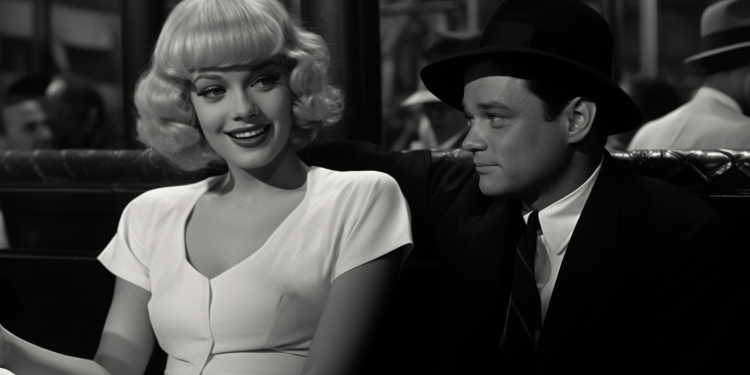
Master of the Craft: Top 10 Writing Tips Inspired by Billy Wilder

I: Introduction: Celebrating the Literary Genius of Billy Wilder

Billy Wilder was a man of many talents. An Austrian-American filmmaker, producer, and screenwriter, he has been credited with some of the greatest classics in the world of cinema. Among the most successful filmmakers in Hollywood history, Wilder had an uncanny ability to craft stories that resonated deeply with his audience. His writing style was innovative and expressive, making him a significant figure in the annals of filmmaking and writing. While most commonly associated with film, Wilder’s writing acumen crosses mediums, offering lessons relevant for not only screenwriters but also authors and writers in a broad range of fields.

Born Samuel Wilder in 1906 in the city of Sucha, part of the Austro-Hungarian empire, Wilder’s life was steeped in narrative from a young age. Named for his father’s favorite writer, Samuel Clemens—more commonly known as Mark Twain—Wilder was destined to make a name for himself in the realm of storytelling. After the end of World War I, Wilder began his writing journey as a journalist in Vienna, quickly progressing to become one of the youngest theatre managers in Berlin. However, his life took a dramatic turn with the rise of the Nazi regime. A Jew, Wilder fled Germany in 1933, eventually landing in Hollywood.

Hollywood offered Wilder the opportunity to dive into filmmaking, first as a writer and later as a director. The novelist in him found a new canvas on the big screen, penning narratives that made viewers laugh, cry, and ponder the complexities of life. His filmography is awe-inspiring, with classics like “Some Like it Hot” (1959), “Double Indemnity” (1944), and “Sunset Boulevard” (1950) credited to his name.

Throughout his career, Wilder garnered immense respect for his storytelling abilities, winning numerous awards, including six Academy Awards. But beyond his accolades, it was his masterful command of the written word and his keen understanding of the human condition that set him apart as a writer.

Wilder’s approach to storytelling is just as relevant today as it was during Hollywood’s Golden Age, making him an endless well of inspiration for anyone seeking to improve writing skills. While his medium of choice was film, his principles of storytelling, character development, and tension building are universally applicable. In essence, whether one is writing a novel, drafting a screenplay, or crafting a short story, Wilder’s wisdom can guide the way.

The stories Wilder wrote were rich and multi-layered, the characters complex, and the dialogue sharp and witty. His writing was full of contrast, fluctuating between light-hearted comedy and intense drama. He mastered the art of juxtaposition, often placing humorous moments right beside poignant ones. He had the uncanny ability to explore the darkest corners of human nature while maintaining a level of levity and humor that was unique to his storytelling style.

Wilder’s writing transcended cultural and linguistic barriers, appealing to a wide audience. The reason was simple: he wrote about universal human experiences – love, ambition, despair, and redemption. He had an intuitive understanding of people, which he translated into his characters, making them relatable and compelling. His deep insights into human nature resulted in narratives that were not only entertaining but also thought-provoking.

In essence, Wilder’s genius lay in his ability to combine intellectual depth with emotional appeal. He crafted narratives that made viewers think and feel, engaging both their minds and hearts. The writing tips we derive from his work aren’t merely mechanical strategies or narrative techniques. They are, at their core, lessons about the human experience and the art of storytelling.

In today’s world of creative writing, where storytelling has expanded beyond traditional platforms and genres, Wilder’s principles of crafting a narrative remain timeless. They can help writers across mediums develop compelling stories, create complex characters, and engage their audience.

It’s also worth noting that Wilder’s writing philosophy aligns perfectly with the evolving landscape of modern writing. With the rise of digital platforms and various forms of narrative (including blogs, podcasts, and web series), writers now have more opportunities than ever to tell their stories. As a result, the demand for engaging content is at an all-time high, making Wilder’s storytelling strategies incredibly relevant.

To appreciate Wilder’s writing style and the lessons it offers, we must dive deep into his work and analyze the principles that guided his storytelling. It’s through this exploration that we can extract valuable tips to enhance our own writing. These lessons from a master of the craft can act as a compass, helping us navigate the complex world of creative writing with confidence and finesse.

II: In the Footsteps of a Master: Top 10 Writing Tips Inspired by Billy Wilder

Wilder’s work is a treasure trove of lessons for anyone who wants to elevate their writing craft. Let’s delve into the top 10 writing tips we can glean from his work, and understand how these nuggets of wisdom can enhance our creative writing skills and influence us in the process of writing a novel or crafting a compelling narrative in any form.

1. Know Your Audience

In all his works, Wilder demonstrated a deep understanding of his audience. From the dark, fatalistic “Double Indemnity” to the light-hearted, comedic “Some Like it Hot“, Wilder knew precisely what his audience would appreciate. He was aware of their expectations and pushed the right emotional buttons at the right time. For any writer, understanding the audience is crucial. It informs every aspect of the writing process, from the selection of themes to the style of narration.

2. Craft Memorable Characters

Wilder had an exceptional knack for crafting unforgettable characters. Whether it’s the faded silent movie star Norma Desmond in “Sunset Boulevard” or the quick-witted insurance salesman Walter Neff in “Double Indemnity”, Wilder’s characters are complex, flawed, and incredibly human. The same principle applies to writing a novel or any narrative. Characters are the lifeblood of a story; make them compelling and relatable.

3. Dialogue Should Drive the Story Forward

Wilder’s dialogue was not mere conversation; it was a tool to drive the story forward. Each line served a purpose, either revealing character traits or advancing the plot. When it comes to writing, less is often more. Each dialogue should be essential and impactful, adding value to the overall narrative.

4. Create Conflict

Wilder believed that conflict was the key to an engaging story. He often placed his characters in uncomfortable situations, creating tension and conflict that captivated his audience. Conflict is the engine that drives a story, keeping the readers hooked. It can be internal, stemming from the characters’ own struggles, or external, arising from the circumstances around them.

5. Use Visual Storytelling

Despite being a screenwriter, Wilder was a master of visual storytelling. His scripts were filled with vivid descriptions that painted a clear picture of the scenes. This principle translates beautifully into writing a novel. Show, don’t tell. Use evocative descriptions to create vivid images in the readers’ minds, helping them visualize the events and feel connected to the story.

6. Humor is a Powerful Tool

One of Wilder’s trademarks was his ability to infuse humor into his stories. Even in the darkest plots, he found a way to insert wit and comedy. Humor can make a narrative more relatable and enjoyable. It can also be used to highlight important points and make them more memorable.

7. Balance is Essential

Wilder’s works often oscillated between comedy and tragedy, light and dark. He had the uncanny ability to balance different elements, ensuring that one aspect did not overpower the others. This is an important lesson for writers, too. Balance your narrative. Too much of anything – be it action, dialogue, or description – can make a story monotonous and tiring.

8. Themes are the Soul of Your Story

Wilder’s movies were not just entertaining; they were thought-provoking. He tackled deep themes like ambition, corruption, and despair, making his stories resonate with the audience on a deeper level. When writing a novel or any form of narrative, consider what themes you want to explore. These themes should be universal and meaningful, offering the readers food for thought.

9. Be Original

Wilder’s originality was one of the keys to his success. He wasn’t afraid to break conventions and take risks. His stories were unique and fresh, making them stand out in a sea of repetitive narratives. This is a crucial lesson for any writer. Strive for originality. Don’t be afraid to experiment with new ideas and styles.

10. Master the Art of the Twist

Wilder was a master of the twist, often surprising his audience with unexpected turns of events. The twist in “Sunset Boulevard” still remains one of the most iconic in cinematic history. A well-executed twist can make a story unforgettable. However, it’s not an easy feat to achieve. It requires careful planning and clever foreshadowing.

Wilder’s principles not only apply to screenwriting but also to any form of narrative writing. The ability to capture the essence of human nature, craft compelling characters, and tell a captivating story is universal. These ten tips inspired by Billy Wilder can greatly help in honing our creative writing skills and embarking on the journey of writing a novel or any engaging narrative. As we reflect on these, let’s remember that the true magic of writing lies in bringing the characters to life, making the readers laugh and cry with them, and leaving them with something to think about long after the story is over. That’s the power of true storytelling.

III: Bringing Wilder’s Wisdom into Your Work: Application and Exercises

Having dived into the depths of Wilder’s narrative genius, let’s now explore how to apply these lessons to our own writing. Equipped with these insights, we can better navigate the literary landscape, whether we’re diving into the world of creative writing or taking on the monumental task of writing a novel. This section also includes writing prompts inspired by Wilder’s themes and style to stimulate your creative process.

1. Understanding Your Audience

Start by conducting research about your potential readers. What are their interests, preferences, or concerns? Knowing your audience’s demographics, psychographics, and expectations can help you tailor your writing to suit their taste.

Exercise: Take a short story you’ve written and rewrite it for a different demographic, keeping their interests and preferences in mind. Observe how your writing changes in tone, style, and content.

2. Crafting Memorable Characters

Create a character sketch before writing your story. Define their personality traits, backgrounds, aspirations, and flaws. Ensure each character serves a purpose in your narrative, contributing to the storyline and themes.

Writing Prompt: Write a short story about a flawed character who, despite their shortcomings, evokes empathy in the reader, much like Wilder’s Norma Desmond in “Sunset Boulevard“.

3. Dialogue That Drives the Story Forward

Dialogue should never be used as filler. Ensure that every dialogue in your narrative serves a purpose, either by revealing something about the character or advancing the plot.

Exercise: Rewrite a dialogue-heavy scene from a novel or a short story you’ve written. Make sure every line adds value to the story or reveals something about the characters.

4. Creating Conflict

Conflict is a vital ingredient for an engaging narrative. It drives the plot and helps shape the characters. Make sure your story has an overarching conflict and minor conflicts that add layers to your narrative.

Writing Prompt: Write a scene where two characters have a disagreement about a crucial issue. Show how this conflict impacts their relationship and advances the story.

5. Using Visual Storytelling

Enhance your descriptions by employing sensory details. Show your readers what’s happening instead of telling them. Use metaphors and similes to create vivid images in the reader’s mind.

Exercise: Write a description of a location central to your story. Use sensory language to paint a picture in the reader’s mind.

6. Harnessing the Power of Humor

Experiment with using humor in your writing. It can be a dialogue, a situation, or a character trait. Remember, humor can be a powerful tool to highlight significant points and make them memorable.

Writing Prompt: Write a comedic scene that also reveals a critical piece of information about the plot or the character.

7. Balancing Your Narrative

Ensure your narrative has a balance of dialogue, action, and description. Too much of any element can make the narrative monotonous.

Exercise: Revise a piece of your writing where one element dominates. Rewrite it to achieve a balance between dialogue, action, and description.

8. Exploring Deep Themes

Identify the themes you want to explore in your story. Make sure these themes resonate with your audience on a deeper level.

Writing Prompt: Write a story that explores the theme of ambition and its consequences, inspired by Wilder’s “Sunset Boulevard“.

9. Being Original

Push the boundaries of your creativity. Experiment with new styles, forms, and genres. Don’t be afraid to take risks.

Exercise: Rewrite a story you’ve written, but change its genre. Observe how the plot, characters, and writing style evolve.

10. Mastering the Art of the Twist

Surprise your reader with an unexpected twist. However, ensure it makes sense within the context of the story and doesn’t feel forced.

Writing Prompt: Write a story with an unexpected twist at the end. Make sure it is surprising yet believable within the context of your narrative.

By applying these principles and exercises, you can incorporate the wisdom of Billy Wilder into your own writing. Remember, writing is a craft that requires patience, practice, and persistence. The journey may be challenging, but with the guidance of a master like Wilder, you can make it an enlightening and enjoyable process.


✍️  Whether you’re mastering the art of dialogue, structure, or character development, the power of AI can be a game-changer in your writing journey. My Free Ebook, ‘AI for Authors’ delves into how AI-powered prompts can provide a unique edge to your storytelling process. If you’re intrigued by the prospect of supercharging your fiction skills, download your free copy today and explore new horizons in creative writing. 

Bringing the Past to Life: The Translation of ‘The Great Gatsby’ (2013) to the Silver Screen

I. The Craft of Adaptation: An Interplay Between Novel Writing and Screenwriting

Writing, in its many forms, is a versatile and multifaceted craft. It’s a medium through which we can express our most profound ideas, transport readers to other worlds, and evoke powerful emotions. Among the varied genres of writing, two stand out for their unique interplay and mutual influence – novel writing and screenwriting.

One is a venerable, centuries-old practice, allowing for the deep exploration of inner consciousness and the painting of expansive narrative landscapes. The other is a comparatively young craft, shaped by the advent of the cinematic medium, focusing on visual storytelling and the dramatic interplay of characters on-screen. Both forms possess their own structures, techniques, and norms. However, when these two writing disciplines intersect—as they often do in the world of film adaptations—interesting creative dynamics arise.

Take, for example, the adaptation of F. Scott Fitzgerald’s classic novel, “The Great Gatsby” into the 2013 movie directed by Baz Luhrmann. This adaptation was not simply a task of transcription but one of translation—taking the prose of Fitzgerald and reimagining it within the visual language of cinema. This delicate operation required a deep understanding of the source material, a respect for its unique spirit, and yet, the courage to reconceptualize it in a new medium.

At the heart of this process lies a central question that every writer, whether crafting a novel or a screenplay, grapples with: how do you bring a world to life? The creative writing process, in both forms, involves an intricate weaving together of narrative threads, character arcs, thematic depth, and evocative imagery. However, the way these elements are expressed differs in important ways between the novel and the screenplay.

In novel writing, the author is afforded a great deal of freedom. They can take the reader inside a character’s mind, portray their thoughts and feelings directly, and elaborate on the nuances of the setting and situation with detailed description. Take for instance the opening pages of “The Great Gatsby,” where Fitzgerald luxuriates in his description of the opulent world of 1920s New York and offers a glimpse into the enigmatic character of Jay Gatsby. The prose is lush, laden with metaphors and symbolism, capturing the extravagance and the deceptive allure of the Jazz Age.

On the other hand, a screenplay primarily operates in the realm of the visible and the spoken. It leans on dialogue, action, visual cues, and the use of cinematic techniques to tell the story. These constraints might seem limiting at first glance. However, they can also stimulate creative solutions, inspiring writers to show rather than tell, thereby engaging the audience’s senses and imagination more actively.

In translating “The Great Gatsby” to the screen, Luhrmann and his co-writer Craig Pearce, were faced with the daunting task of conveying the novel’s themes, emotional depth, and narrative complexity, while also creating a visually compelling cinematic experience. The adaptation was not about replicating every scene and line verbatim but rather identifying the essence of the novel—its underlying conflicts, its enduring themes of love, wealth, and disillusionment, and its narrative arc—and distilling that essence into a cinematic format.

Adaptation is, therefore, a form of reinterpretation, a process that necessitates a deep understanding of both novel writing and screenwriting. The exercise of translating a novel to the silver screen is not merely a task of “copying” one medium onto another. It’s a creative endeavor that requires the ability to understand the strengths and constraints of both mediums, their different narrative techniques, and their potential to communicate the story in unique ways.

In the end, what makes the transition from page to screen a success is not how faithfully the film mirrors the novel’s plot, but how effectively it captures the novel’s spirit. In this sense, the craft of adaptation becomes an exercise in creative interpretation, where the writer must find new ways to tell an old story, illuminating its timeless truths in fresh, captivating ways.

The interplay between novel writing and screenwriting in the context of film adaptations is an intriguing subject, ripe with lessons for writers in both fields. By studying successful adaptations like “The Great Gatsby” (2013), writers can glean insights into the transformative power of narrative, how to effectively translate complex themes and characters into different mediums, and the delicate art of balancing fidelity to the original text with creative reinterpretation.

This exploration of adaptation opens up new ways of thinking about the craft of writing, whether it involves crafting a novel or a screenplay. It underscores the importance of understanding the narrative possibilities of different mediums and how they can enrich each other. It highlights the potential of adaptation as a creative endeavor, not merely an act of translation but a process of reimagining and reinventing stories in compelling ways.

This dynamic between novel writing and screenwriting serves as a testament to the universality and adaptability of storytelling, reminding us of the power of stories to transcend mediums, to morph, to adapt, and yet retain their core essence. Indeed, by diving into the intricate process of adaptation, writers can deepen their understanding of their craft, open new avenues of creative expression, and unlock fresh perspectives in their work.

II. Bridging the Gap: How ‘The Great Gatsby’ (2013) Managed the Transition

One of the most compelling instances of a successful novel to film adaptation is the 2013 cinematic rendition of “The Great Gatsby”, directed by Baz Luhrmann. This adaptation, though met with mixed critical responses, provides an intriguing study into the process of translation from text to screen. It’s a bold example of how filmmakers can leverage the distinct language of cinema to recreate the essence of a literary masterpiece, while also interpreting it in ways that resonate with contemporary audiences.

At its core, Luhrmann’s adaptation of “The Great Gatsby” is an exploration of the central themes that animate Fitzgerald’s novel. These include the corrosive effects of wealth, the elusive nature of the American Dream, the power of past memories, and the destructive force of obsessive love. The film managed to capture these themes through cinematic means while retaining the core narrative structure of the novel.

One of the major challenges in this adaptation was to portray the opulence and decadence of the 1920s that Fitzgerald meticulously detailed in his novel. Luhrmann, known for his flamboyant visual style, embraced this challenge by using extravagant set designs, lavish costumes, and an anachronistic soundtrack that blended Jazz Age standards with contemporary pop music. This amalgamation of old and new not only captured the zeitgeist of the Roaring Twenties but also drew parallels to the extravagance of modern times, thereby making the film more relatable to the 21st-century viewer.

Moreover, the film brought the characters of “The Great Gatsby” to life, imbuing them with a complexity that resonated with the depth of Fitzgerald’s characterizations. The central character, Jay Gatsby, played by Leonardo DiCaprio, embodied the charm, determination, and tragic desperation of a man clinging to an unattainable dream. His portrayal offered a visual representation of Gatsby’s persona – embodying the charisma, ambition, and the ultimate pathos of his character.

Narratively, Luhrmann and his co-writer Craig Pearce found creative ways to translate the novel’s key plot points into cinematic sequences. One such instance was the choice to use Nick Carraway’s perspective as a framing device, presenting the story as a recollection penned down by Nick in a sanitarium. This served a dual purpose. It retained the narrative structure of the novel, which is essentially Nick’s recounting of his encounter with Gatsby, and it also provided a dramatic impetus for the film, revealing Nick as a deeply affected character, attempting to make sense of his experiences.

Also crucial was the movie’s treatment of symbols from the novel. In the book, Fitzgerald employed a range of symbolic motifs such as the green light at the end of Daisy’s dock, the billboard eyes of Dr. T. J. Eckleburg, and the ‘Valley of Ashes.’ In the movie, these symbols were retained but were represented visually, in ways that could be immediately recognized by the audience. The green light, for example, was frequently shown as an almost mystical beacon in the distance, drawing Gatsby towards his unfulfilled dream.

The dialogue in the film was another aspect where the screenwriters had to negotiate the transition from page to screen. While the film incorporated many direct quotes from the novel, it also crafted new dialogue that preserved the lyrical quality of Fitzgerald’s prose while serving the demands of the cinematic format.

What emerges from this examination of Luhrmann’s adaptation of “The Great Gatsby” is an illustration of the complex, creative process that goes into translating a novel to the silver screen. The process demands not just a faithful replication of the narrative, characters, and themes, but also a creative reinterpretation that accounts for the specific requirements and potential of the cinematic medium.

The film’s writers had to distill the essence of Fitzgerald’s richly layered text and translate it into a visual and dramatic format. They had to find cinematic equivalents for the novel’s themes and symbols, and they had to adapt the narrative structure to suit the temporal dynamics of film. In essence, they had to reimagine “The Great Gatsby” in a way that retained the spirit of the novel while also realizing its potential as a cinematic experience.

In this endeavor, they drew on a deep understanding of both novel writing and screenwriting, highlighting the interplay between the two disciplines. They demonstrated how the techniques of one could inform the other, and how the strengths of each medium could be leveraged to tell the story in a unique and compelling way.

By examining this process, writers can gain insights into how the transition from novel to film works. They can understand how narrative elements from the novel—such as plot structure, character development, thematic depth, and symbolism—can be translated into the visual language of film. And they can learn how this process of translation requires not just a deep understanding of the source material but also a keen sense of the distinct possibilities offered by the cinematic medium.

“The Great Gatsby” (2013) stands as an intriguing case study in the art of film adaptation. It’s a testament to the power of cinema to bring the past to life, to reinterpret classic texts in visually stunning and emotionally impactful ways, and to draw out the timeless relevance of stories that continue to resonate with audiences, decades after they were first written.

The film’s success in managing this transition offers valuable lessons for writers in both novel writing and screenwriting. It demonstrates the importance of understanding the unique demands and potential of each medium, and it highlights the power of creative interpretation in bridging the gap between text and screen.

By engaging with these insights, writers can learn how to navigate the process of adaptation more effectively, bringing their stories to life in new and exciting ways. They can learn how to infuse their narratives with the richness of both mediums, enhancing their storytelling skills, and creating works that engage readers and viewers on a deeper level.

III. Lessons From Gatsby: How to Improve Writing Skills Through Cross-Media Understanding

The task of translating a narrative from one medium to another, as we’ve seen in the case of “The Great Gatsby” (2013), is an endeavor steeped in creativity, innovation, and a deep understanding of storytelling across different platforms. For writers seeking to improve their writing skills, analyzing such adaptations offers a wealth of insights and lessons. Here, we delve into how a cross-media understanding can enhance our narrative capabilities, whether we’re writing a novel, a screenplay, or any other form of storytelling.

The first key insight from studying adaptations like “The Great Gatsby” is the importance of narrative structure. Whether you’re penning a novel or drafting a screenplay, the sequence of events and the rhythm of storytelling are paramount. Fitzgerald’s novel employed a classic three-act structure, which the film adaptation maintained, illustrating how a well-structured narrative can successfully transition across mediums. Writers should pay attention to how the pacing, tension, and character development are distributed across the narrative arc. Understanding this fundamental element of storytelling can significantly improve your writing skills, lending your narratives a solid framework to build upon.

Character development is another aspect where the transition from novel to film can offer valuable lessons. In “The Great Gatsby”, Fitzgerald’s characters are richly drawn, with internal conflicts, evolving relationships, and intricate backstories. In the film, these complex characters were brought to life through visual cues, dialogue, and the actors’ performances. Observing how these characters were translated from page to screen underscores the need for well-rounded, compelling characters in any narrative, irrespective of the medium. As a writer, investing in your characters, understanding their motivations, and tracing their growth throughout the story can elevate your narrative, making it resonate more deeply with your readers or viewers.

Thematic depth is a hallmark of great literature, and “The Great Gatsby” is no exception. It touches upon themes like the corruption of wealth, the illusion of the American Dream, and the power of unfulfilled love. In the film adaptation, these themes were visually symbolized and woven into the narrative structure. This reminds writers of the power of themes in providing a narrative with depth and resonance. Incorporating themes into your writing, whether through symbolism, character arcs, or narrative motifs, can make your story more meaningful and thought-provoking.

The use of symbols and motifs is another area where writers can learn from adaptations. In “The Great Gatsby,” the green light, the eyes of Dr. T. J. Eckleburg, and the Valley of Ashes are symbols that carry significant thematic weight. In the film, these symbols were visually represented, enriching the narrative and providing a link to the source material. As a writer, employing symbols and motifs in your work can provide layers of meaning, enhancing the complexity of your narrative and engaging your audience on a deeper level.

Language is perhaps where the novel and film diverge the most. Novels can luxuriate in the beauty of prose, with intricate descriptions and internal monologues. Films, on the other hand, rely on visual language, dialogues, and cinematic techniques. Seeing how “The Great Gatsby”‘s lyrical prose was translated into the visual spectacle of the film can teach writers the importance of adapting their language to suit their chosen medium. It underlines the need to show more and tell less in screenwriting, and conversely, the power of detailed, evocative descriptions in novel writing.

Finally, the creative liberty in adaptations underscores the power of reinterpretation. The 2013 adaptation of “The Great Gatsby” was not a scene-by-scene reproduction of the novel. It was an interpretation that retained the core essence of the novel while infusing it with a unique vision. As a writer, do not be afraid to exercise creative liberty. Stories can be told in myriad ways, and each retelling can offer a fresh perspective. Learning to be flexible, innovative, and creative in your storytelling can greatly improve your writing skills.

In conclusion, understanding the process of adaptation from novel to film can offer a wealth of insights for writers. It underscores the need to appreciate the unique demands and possibilities of different mediums. Whether you’re a novelist seeking to enrich your narrative technique or a screenwriter looking to infuse your script with depth, the lessons from successful adaptations like “The Great Gatsby” (2013) can provide valuable guidance. By exploring these lessons, you can improve your writing skills, learn to think flexibly about narratives, and create stories that engage, entertain, and resonate, regardless of the medium in which they are told.


✍️  Whether you’re mastering the art of dialogue, structure, or character development, the power of AI can be a game-changer in your writing journey. My Free Ebook, ‘AI for Authors’ delves into how AI-powered prompts can provide a unique edge to your storytelling process. If you’re intrigued by the prospect of supercharging your fiction skills, download your free copy today and explore new horizons in creative writing.