Exploring Science and Comedy in ‘The Big Bang Theory’

The Convergence of Science and Humor

“The Big Bang Theory” (TBBT) has become a cultural phenomenon since it first aired in 2007, largely due to its unique blend of comedy and scientific authenticity. This delightful sitcom brought to life the nerdy world of physicists, offering humor that was both universally relatable and deeply rooted in intellectual wit.

For many shows, the challenge lies in avoiding the pitfall of becoming too niche, especially when dealing with subject matters such as theoretical physics or complex mathematical concepts. Yet, TBBT found its rhythm by not shying away from using scientific jargon or real-world phenomena, but rather incorporating them into comedic situations. Remember when Sheldon tried to teach Penny about Schrodinger’s Cat, and it became a classic representation of the uncertainty principle in the world of sitcoms?

But why is it so crucial to get the science right, and how does it benefit the screenplay structure?

Building Authenticity with Real Science

Every good screenplay lives and dies by its authenticity. Authenticity breeds relatability. When audiences watch Leonard passionately explain the intricacies of string theory, or when they chuckle at Howard’s space toilet mishaps on the International Space Station, they’re engaging with genuine scientific principles and real-life scenarios.
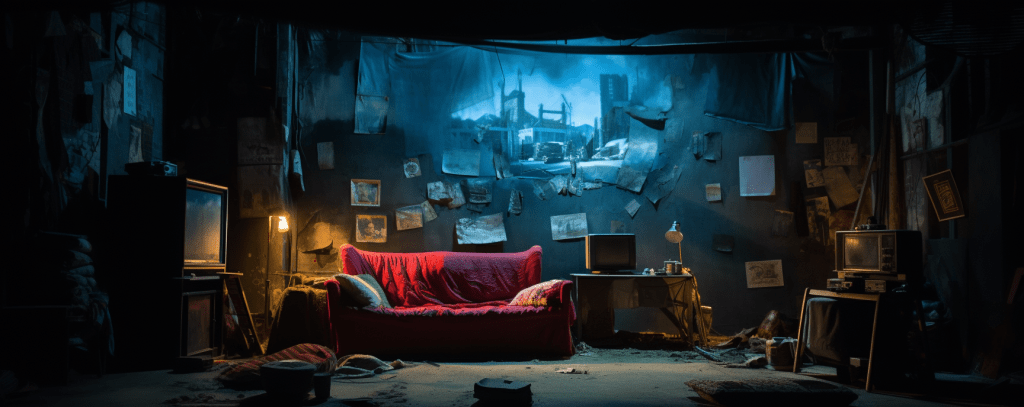
Screenwriters on TBBT knew that their audience included not just general comedy lovers, but also students, professionals, and enthusiasts of the scientific community. By ensuring the accuracy of their content, the showrunners were telling their audience, “We respect your intelligence.” As a result, TBBT became not just a comedy, but a bridge between mainstream entertainment and the world of science.

Science as a Tool for Comedy

Most traditional sitcoms rely heavily on character dynamics and situational comedy. While TBBT did have its fair share of these elements, it also found humor in the most unexpected of places: complex scientific principles. But it wasn’t just about throwing in science-related jokes; it was about weaving science into the fabric of the storyline.

Consider the episode where Sheldon and Amy attempt to use the scientific method to enhance their relationship. The juxtaposition of an emotion-driven aspect of human nature with a rigid, formulaic approach to problem-solving was comedic gold. By structuring their screenplay around such unique narrative choices, the writers kept the audience both entertained and educated.

Another fascinating angle was how scientific debates and discussions became a source of conflict, driving the story forward. A debate about the merits of loop quantum gravity vs. string theory might be a scholarly discussion in a university. But in the TBBT world, it was a battleground of egos, misunderstandings, and hilarious one-upmanship.

Unpacking the Screenplay Structure

The beauty of TBBT’s structure lies in its seamless blend of the episodic and serialized formats. Each episode presented a self-contained story, often revolving around a scientific concept or event. However, woven through these individual tales was the larger narrative arc of character growth, relationships, and personal discoveries.

For example, the journey of Sheldon Cooper from an emotionally stunted genius to someone who understands love, friendship, and compromise mirrors the unpredictable and wondrous nature of scientific exploration. His character arc is layered with nods to his field of study, drawing parallels between his personal growth and the ever-evolving nature of scientific understanding.

In a screenplay structure, such intertwining narratives offer dual benefits. First, they cater to viewers who may drop in for just an episode or two, giving them a complete story to enjoy. Simultaneously, they reward loyal fans with the slow burn of character evolution, rooted in the very essence of what makes the show unique: its scientific foundation.

The screenwriting of TBBT is a masterclass in integrating theme with narrative. The science wasn’t just a backdrop; it was the heartbeat of the show. From humorous takes on quantum entanglement and its implications on human relationships, to the more profound moments where science provided solace in times of personal turmoil, the show was a reminder of the beauty and wonder of the world around us.

Screenwriting Tips from “The Big Bang Theory”

In the world of sitcoms, it’s not just about the laughs. A show’s success hinges on its ability to seamlessly integrate its core themes with relatable characters and memorable storylines. “The Big Bang Theory” (TBBT) stands out as a beacon of this harmonious marriage between theme, character, and plot. For those looking to delve into writing a screenplay, the show offers a treasure trove of insights and practices to emulate.

Balance Between Education and Entertainment

At its heart, TBBT is a comedy show, yet it never shies away from presenting complex scientific concepts. But how did the writers strike this delicate balance without alienating a significant portion of their audience?

They utilized a technique known as exposition. Instead of dry, textbook-like explanations, they cleverly wove scientific principles into character interactions. Remember Sheldon’s “Fun with Flags” webisodes? These quirky, hilarious segments were a perfect vehicle to educate viewers about vexillology (the study of flags) while keeping them entertained.

For those drafting their own screenplays, this approach offers a valuable lesson. Exposition doesn’t have to be tedious; when packaged correctly, it can be both enlightening and delightful.

Creating Relatable Characters

At the heart of TBBT’s success is its ensemble of diverse characters. From the socially awkward Sheldon Cooper to the ever-evolving Penny, each character brings a unique flavor to the narrative. What’s remarkable is that while they all hail from different backgrounds and possess varying levels of scientific knowledge, they’re all deeply relatable.

How did the writers achieve this? They invested time in character development. Each member of the TBBT gang was given a rich backstory, personal challenges, dreams, and idiosyncrasies. This meticulous attention to detail meant that whether you were a physicist or a waitress, you could see a bit of yourself in at least one of the characters.

For screenwriters, this underscores the importance of creating multidimensional characters. Audiences resonate with authenticity. If your characters are merely caricatures or stereotypes, it’s unlikely they’ll evoke a strong emotional connection from the viewer.

Crafting Witty Dialogue

TBBT is renowned for its sharp, witty dialogue. The rapid-fire exchanges between characters aren’t just amusing; they often serve to advance the plot or shed light on character relationships.

Writing such dialogue requires a keen understanding of each character’s voice and perspective. Sheldon’s verbose, often pedantic way of speaking contrasts starkly with Penny’s straightforward, colloquial style. This contrast in dialogue not only serves comedic purposes but also reinforces character identities.

When writing a screenplay, it’s crucial to ensure that each character’s dialogue remains consistent with their established personality. This consistency helps in building a believable world and ensures that viewers remain invested in the story.

The Art of Conflict

Conflict is the lifeblood of any narrative, and TBBT masterfully employs it, often using science as its catalyst. Whether it’s a heated debate over who’s the better scientist or differing opinions on a scientific concept, these conflicts drive the story forward.

One iconic example is the running feud between Sheldon and Wil Wheaton. While their skirmishes cover various topics, they’re rooted in Sheldon’s deep-seated feelings of betrayal when Wheaton missed a convention Sheldon had eagerly awaited.

Drawing from TBBT’s playbook, budding screenwriters should focus on organically integrating conflict into their narratives. It should stem from characters’ personalities, beliefs, or circumstances, ensuring it doesn’t feel forced or artificial.

Research is Paramount

The writers of TBBT ensured that the science referenced in the show was authentic. They frequently consulted with physicists to ensure accuracy in their scripts. This dedication to authenticity elevated the show from a mere comedy to a respected representation of the scientific community.

For screenwriters, the lesson is clear: research is paramount. If your screenplay delves into specific subjects or professions, ensure you’ve done your homework. Authenticity adds depth to your narrative and shows respect for your audience’s intelligence.

Embracing Change and Growth

One of the defining features of TBBT is its ability to showcase character growth. Over its twelve seasons, viewers witnessed Sheldon evolving from a socially inept genius into a loving husband, Leonard overcoming his insecurities, and Penny transitioning from an aspiring actress to a successful pharmaceutical sales representative.

These evolutions weren’t just for character arcs; they also kept the storyline fresh and engaging. When writing a screenplay, especially one that spans multiple seasons or sequels, it’s essential to allow characters room to grow. Stagnation can lead to a bored audience, while growth and change can keep them hooked.

Writing Tips and Prompts Inspired by “The Big Bang Theory”

“The Big Bang Theory” (TBBT) wasn’t just a show; it was an inspiration. For many budding writers and enthusiasts, the sitcom provided not only entertainment but also invaluable lessons on how to craft a compelling narrative. Let’s delve into the writing tips and prompts that this iconic series has inspired, helping both novices and experts refine their craft.

Embrace the Unknown

TBBT often found humor in the unknown, from the mysteries of the universe to Sheldon’s bewildering social interactions. The series encouraged viewers to see beauty and wonder in the uncertainties of life.

Writing Tip: Don’t be afraid to venture into uncharted territories in your narrative. Whether it’s a unique setting, a groundbreaking theme, or an unconventional character, stepping out of your comfort zone can lead to a richer, more intriguing story.

Prompt: Write a scene where a character encounters a concept or culture they are entirely unfamiliar with. How do they react? What missteps do they make, and what do they learn?

Highlight the Contrast

One of the show’s core strengths was its ability to contrast characters and ideas. Leonard and Penny’s relationship, for instance, constantly juxtaposed the worlds of science and popular culture. Sheldon, with his strict routines and logical approach, often clashed with the more spontaneous and emotional members of the group.

Writing Tip: Utilize contrasts to amplify tension, drama, and comedy. Differences in character beliefs, backgrounds, or behaviors can offer a plethora of narrative opportunities.

Prompt: Create two characters with polar opposite backgrounds or beliefs. Place them in a situation where they must cooperate to achieve a shared goal. What conflicts arise, and how do they overcome them?

Find Humor in Everyday Situations

TBBT was a masterclass in finding humor in mundane daily activities. From Sheldon’s infamous “roommate agreement” to the group’s heated discussions over the best superhero, the show turned everyday situations into comedic gold.

Writing Tip: You don’t always need a grand setting or an epic event to craft an engaging scene. Often, the most relatable and hilarious moments can be drawn from everyday life.

Prompt: Choose a mundane daily task (e.g., grocery shopping, waiting for a bus) and craft a scene where something unexpected or humorous occurs.

Build a Strong Supporting Cast

While TBBT had its main ensemble, characters like Stuart, Bert, or even Amy’s harp, added depth and diversity to the narrative. These supporting characters brought their own quirks and dynamics, enriching the story landscape.

Writing Tip: While your main characters will drive the narrative, don’t neglect your supporting cast. They offer fresh perspectives, create subplots, and can even steal the show with their unique charm.

Prompt: Introduce a new supporting character into an existing story. How do they interact with the main cast? What unique dynamics or conflicts do they bring to the table?

Ground Fiction in Reality

TBBT was fictional but firmly rooted in real scientific principles. This grounding in reality lent authenticity to the show and made it appealing to a broader audience.

Writing Tip: Even if you’re writing a fantastical tale, grounding elements of your story in real-world facts or principles can make it more believable and relatable. Whether it’s accurate historical details in a period drama or scientific principles in a space opera, authenticity can elevate your narrative.

Prompt: Choose a real-world fact, principle, or event. Craft a fictional narrative around it, ensuring that the story, while fictional, stays true to the real-world element you’ve chosen.

Evolve with Your Characters

Characters in TBBT grew over the years, evolving in response to experiences and relationships. This evolution kept the show fresh and allowed viewers to journey with the characters.

Writing Tip: Allow your characters room for growth. Let their experiences shape them, and don’t be afraid to deviate from their initial trajectory if the story calls for it.

Prompt: Choose a character from a previous piece you’ve written or from a favorite book. Place them in a completely new situation or challenge. How have they evolved to handle it? What has changed in their approach or perspective?

Celebrate the Niche

TBBT celebrated the niche, from comic book obsessions to astrophysics debates. It was a show that didn’t shy away from geek culture but embraced and celebrated it.

Writing Tip: Don’t be afraid to delve deep into niche topics or cultures in your writing. What’s niche for some might be a passion for others. Your detailed exploration can introduce new worlds to your readers and create a dedicated fan base.

Prompt: Write a scene set in a niche club or group gathering (e.g., a rare stamp collectors’ meeting, a medieval reenactment group). What are the dynamics, the passions, and the conflicts in such a unique setting?

In closing, “The Big Bang Theory” isn’t just a series to be enjoyed; it’s a lesson in storytelling. For writers, it offers an array of tools, techniques, and insights to draw from. By integrating these lessons into their craft, writers can create narratives that are both compelling and memorable, much like the adventures of Sheldon, Leonard, Penny, and the gang.


✍️  Whether you’re mastering the art of dialogue, structure, or character development, the power of AI can be a game-changer in your writing journey. My Free Ebook, ‘AI for Authors’ delves into how AI-powered prompts can provide a unique edge to your storytelling process. If you’re intrigued by the prospect of supercharging your fiction skills, download your free copy today and explore new horizons in creative writing. 

The Wizardry of Adaptation: Translating ‘Harry Potter’ to the Silver Screen

From Page to Script: Challenges and Triumphs

Adapting any piece of literature to film is no easy feat. For screenwriters, this task often feels akin to translating a dense, complex language into a more succinct, yet equally evocative form. And when that piece of literature is as beloved and sprawling as J.K. Rowling’s ‘Harry Potter’ series, the challenge magnifies tenfold.

Imagine, for a moment, the weight on Steve Kloves’ shoulders, the primary screenwriter for the Harry Potter films. The books, collectively, span over a million words, filled with intricate subplots, a plethora of characters, and the richly detailed universe of the wizarding world. The question arises: How does one condense these vast and sprawling narratives into a two to three-hour cinematic experience?

1. The Integrity of the Source Material

One of the primary challenges in adapting ‘Harry Potter’ was preserving the integrity of the source material. After all, the books had captivated the minds and hearts of millions across the globe. When screenwriters embark on such a journey, they often lean on Screenwriting Tips from seasoned professionals to strike that delicate balance between loyalty to the original text and the requirements of a visual medium.

For instance, an entire chapter in the book dedicated to Peeves the poltergeist might be incredibly engaging for readers, but in the cinematic universe, where pacing is crucial, such side narratives can easily distract from the main plot. Choices have to be made about what stays, what’s modified, and what’s left out entirely. A good adaptation acknowledges the spirit of the original while understanding the distinct language and rhythm of film.

2. Visualizing the Magical World

The wizarding world Rowling paints in her books is rich with fantastical elements: talking portraits, flying cars, and giant three-headed dogs. But written words allow readers to use their imagination, to visualize these elements as they see fit. A film doesn’t have that luxury. Everything must be explicitly shown, interpreted, and designed.

When translating these vivid descriptions to screen, the screenwriter often has to think in terms of visual storytelling. Instead of a detailed exposition about the magical qualities of the Marauder’s Map, the film demonstrates its use through a sequence, offering a more immediate, visual connection for the audience. Herein lies an essential writing tip: Show, don’t tell. The ‘Harry Potter’ films are rife with examples where actions speak louder than words, a testament to how visual storytelling can elevate the source material.

3. Streamlining for Pacing and Engagement

A significant difference between reading a book and watching a film is the pace at which the narrative unfolds. In a book, readers can spend hours, days, or even weeks diving deep into the world, relishing every detail at their own pace. A movie, however, operates under time constraints. This means subplots, while essential to the books, might need trimming or amalgamation in the films.

Take the example of the ‘House-elf Rights’ subplot. While the books explore this theme in depth, particularly through characters like Dobby and Winky, the films streamline this narrative to fit within their time frame. Such decisions are never easy, but they’re crucial for maintaining momentum and ensuring the narrative remains focused on its core plot points.

4. Capturing the Emotional Essence

Finally, and perhaps most importantly, is the challenge of capturing the emotional essence of the source material. While events can be modified, merged, or omitted for the sake of pacing and visual storytelling, the emotional beats must remain true. If readers felt a particular emotion at a significant moment in the book, the movie needs to evoke a similar sentiment.

One might recall the poignant moment in ‘The Order of the Phoenix’ when Harry learns about the prophecy, foretelling either his death or Voldemort’s. The raw emotion that scene elicits in readers is replicated with finesse in the film, thanks in no small part to the meticulous screenplay that understood the gravity of that revelation.

Deciphering the Spell: The Screenplay Structure of ‘Harry Potter’

The structure of a screenplay is akin to the skeleton of a body: it provides the necessary framework upon which the narrative is built, ensuring its movement and flow align with cinematic demands. Understanding the intricacies of screenplay structure is crucial for any screenwriter, and in the case of the ‘Harry Potter’ film series, this structure was of paramount importance in seamlessly translating Rowling’s sprawling tales into digestible cinematic portions.

1. The Classic Three-Act Structure

One of the fundamental tenets of screenplay writing is the classic three-act structure, consisting of the Setup, Confrontation, and Resolution. These acts are not merely random divisions; they’re designed to facilitate the natural progression of a story.

When considering the adaptation of ‘Harry Potter’, it’s evident that the films, on the whole, adhere to this three-act structure. For instance, in ‘Harry Potter and the Sorcerer’s Stone’, the Setup introduces us to Harry’s mundane life with the Dursleys, the revelation of his wizardry, and his entry into Hogwarts. The Confrontation dives into his discovery of the Sorcerer’s Stone and the looming threat of Voldemort, and the Resolution culminates in the battle to prevent the dark lord from obtaining immortality.

2. The Hero’s Journey

Joseph Campbell’s concept of The Hero’s Journey, a narrative pattern prevalent in myths from around the world, can also be observed in the structural choices of the ‘Harry Potter’ screenplays. This pattern has been adapted by Hollywood and utilized in various forms, encompassing stages like the Ordinary World, Call to Adventure, Refusal of the Call, Crossing the First Threshold, and so forth.

Harry’s narrative fits this mold with striking precision. His Ordinary World is his life at Privet Drive, the Call to Adventure is his Hogwarts letter, and the Refusal comes in the form of his initial disbelief and the Dursleys’ resistance. As the films progress, Harry faces numerous Trials, confronts his Innermost Demons, and eventually returns transformed, ready to face and defeat Voldemort.

3. Subplots and Parallel Narratives

Rowling’s series is known for its vast ensemble of characters, each with their unique arcs and subplots. The challenge in writing a screenplay for such a layered narrative is weaving these subplots into the central story without causing narrative fragmentation.

Consider the progression of Hermione’s S.P.E.W. initiative. In the books, this subplot is a significant part of Hermione’s character development, showcasing her empathy and drive for justice. In the films, however, while this subplot doesn’t receive the same level of detailed exploration, its essence is captured in moments that highlight Hermione’s concern for house-elf rights.

By integrating these subplots, the screenwriters ensured that characters retained their depth and complexity, even if every subplot from the books didn’t make it to the screen. This is a valuable screenwriting tip — the essence of a subplot can often be communicated through smaller moments or gestures, ensuring character consistency without overloading the narrative.

4. Sequences: Breaking Down the Acts

Another vital aspect of screenplay structure is the idea of sequences, smaller units of narrative that fit within the broader acts. These sequences are often organized around specific goals or conflicts, providing the narrative with a sense of momentum and direction.

Throughout the ‘Harry Potter’ films, sequences play a pivotal role in managing the density of the source material. The Triwizard Tournament in ‘The Goblet of Fire’, for instance, is broken down into distinct sequences — each task representing a mini-narrative with its own set of challenges and resolutions. Such compartmentalization aids in clarity and ensures the audience remains engaged without feeling overwhelmed by the multitude of events.

5. Thematic Consistency

Above all structural choices, what stands out in the ‘Harry Potter’ screenplays is their thematic consistency with the books. Themes of friendship, sacrifice, the battle between good and evil, the corrupting influence of power, and the importance of choice permeate both the books and the films.

A powerful instance of this is Dumbledore’s iconic line in ‘The Chamber of Secrets’: “It is our choices, Harry, that show what we truly are, far more than our abilities.” This line, while being an essential part of the book’s narrative, resonates deeply within the film’s context, emphasizing the thematic depth that the screenwriters were keen on preserving.

Magic Behind the Quill: The Writing Process of ‘Harry Potter’ Adaptations

The adaptation of the beloved ‘Harry Potter’ series is not just a testament to the narrative’s enduring appeal, but also to the meticulous, labor-intensive writing process that went into bringing Rowling’s magical world to the big screen. A dive into this process unveils numerous writing tips and techniques that budding screenwriters can employ in their endeavors.

1. Collaboration: Rowling and Kloves

One of the defining elements of the ‘Harry Potter’ film adaptations was the collaborative spirit between the primary screenwriter, Steve Kloves, and J.K. Rowling. Kloves often mentioned how he’d regularly communicate with Rowling, ensuring that his interpretations and the changes he proposed were in line with the broader vision of the Potter universe.

This dynamic exemplifies the importance of open dialogue between the original author and the screenwriter. By maintaining such communication, the essence of the story remains intact, and the transition from page to screen becomes more organic. Kloves had access to Rowling’s deeper understanding, even regarding characters and subplots that weren’t fully explored in the books. This insight undoubtedly enriched the screenplay and ensured that even omitted details subtly influenced the film narrative.

2. Choosing Key Moments: Scene Selection

When faced with vast source material, one of the principal tasks for screenwriters is determining which scenes are essential for the film adaptation. Scene selection is a complex process, involving an understanding of narrative flow, character arcs, and thematic consistency.

For instance, the decision to include the Mirror of Erised scenes in ‘The Philosopher’s Stone’ film was pivotal. It not only emphasized Harry’s deep longing for his parents but also introduced viewers to the idea of desire — a theme that would recur throughout the series in various forms. Such scenes are chosen for their thematic weight and character development potential, even if they might not seem central to the primary plot.

3. Condensation and Confluence

Often, while adapting a long narrative, it becomes essential to condense events or conflate multiple incidents into one for the sake of brevity and pacing. However, doing so without losing the narrative’s essence is an art in itself.

A notable example from the Potter series is the portrayal of the Quidditch matches. While the books elaborate on numerous matches with detailed play-by-plays, the films often depict only the key moments or outcomes of these matches, condensing the action and focusing on the most cinematically gripping sequences.

Furthermore, certain characters’ actions or lines might be given to others in the film. This confluence ensures that vital information or character dynamics are retained without introducing every single character from the books.

4. Visual Translations: Action Over Words

Screenwriting is as much about visualizing the narrative as it is about the actual dialogues or events. While books can luxuriate in internal monologues or descriptive passages, films need to translate these into tangible, visual sequences. It’s where the adage “show, don’t tell” becomes paramount in writing a screenplay.

The pensieve sequences in the films are an apt illustration of this principle. In the books, readers get a detailed internal reflection from Harry as he navigates the memories. In the films, these are translated into immersive visual dives into the past, with minimal dialogue, relying on the visual medium to convey emotion and information.

5. Writing Prompts: Gleaning Insights from the Unwritten

Occasionally, the adaptation process might involve creating scenes or dialogues that weren’t in the original material. Such additions aren’t arbitrary but arise from an in-depth understanding of the characters and the narrative needs of the cinematic medium.

One of the memorable moments in the ‘Harry Potter’ films that wasn’t in the books is the scene in ‘The Half-Blood Prince’ where Harry and Hermione discuss love and loneliness. This scene wasn’t a direct lift from the books but felt organic to the characters’ journeys and the emotional atmosphere of that particular film installment.

Such additions exemplify how screenwriters, armed with insights into characters and themes, can create moments that feel authentic to the narrative, even if they weren’t part of the original text. These moments can be seen as writing prompts — instances where the screenwriter fills gaps or explores uncharted territories, inspired by the source material.

In summation, the writing process behind the ‘Harry Potter’ film adaptations offers a rich tapestry of techniques, challenges, and solutions, providing a veritable treasure trove of lessons for aspiring screenwriters. From the importance of collaboration and open dialogue to the art of visual translation and scene selection, this journey from the magical pages to the silver screen stands as a testament to the craft of screenwriting at its finest.


✍️  Whether you’re mastering the art of dialogue, structure, or character development, the power of AI can be a game-changer in your writing journey. My Free Ebook, ‘AI for Authors’ delves into how AI-powered prompts can provide a unique edge to your storytelling process. If you’re intrigued by the prospect of supercharging your fiction skills, download your free copy today and explore new horizons in creative writing. 

Mastering the Craft: Top Screenwriting and Novel Writing Tips for Aspiring Authors

The Essentials of Screenwriting: From Ideas to Structure

Screenwriting is a distinct and specialized form of storytelling that demands mastery of both narrative and technical aspects. Crafting a screenplay is about more than just writing; it’s about visualizing, pacing, and orchestrating a symphony of scenes to engage and captivate an audience. In this deep dive, we’ll explore the foundational elements of a great screenplay, provide actionable screenwriting tips, and examine the pivotal role of screenplay structure.

The Anatomy of a Great Screenplay

Every aspiring screenwriter needs to understand that at the core of every screenplay lies a compelling story. This story should be original, emotionally resonant, and visually engaging. But what sets a great screenplay apart from a mere good one?

  1. Characters that Resonate: A story is only as compelling as its characters. The most memorable films often have characters that audiences can root for, identify with, or even despise. Characters should be multi-dimensional, having strengths, flaws, desires, and obstacles. Consider classics like “The Godfather” or newer films such as Lady Bird, where characters aren’t just performing actions; they’re undergoing transformations.
  2. A Central Conflict: Every screenplay needs a central conflict that drives the plot. This conflict can be internal, external, or often a combination of both. It serves as the engine that pushes the story forward and offers characters opportunities for growth or change.
  3. Unique Voice and Perspective: While there are countless movies about love, war, friendship, and betrayal, what makes each standout is the unique voice of its screenwriter. This voice infuses the screenplay with a distinct flavor, making it recognizable and unforgettable.

Screenwriting Tips for Ideation and Character Creation

Getting started can often be the most daunting part of the process. Here are some tips to help budding screenwriters during the ideation phase:

  1. Write What You Know: While it’s a cliché, there’s truth in the advice to “write what you know.” This doesn’t mean you need to have lived the experiences you’re writing about. Instead, infuse your script with emotions, places, or relationships you’re familiar with.
  2. Draw from Real-Life: Real life is a goldmine for unique and compelling characters. Observe the people around you, jot down intriguing snippets of overheard conversations, or recollect memorable personal experiences. These can all serve as inspiration.
  3. Employ Writing Prompts: Stuck in a creative rut? Writing prompts can be an excellent tool to kickstart your imagination. They can range from situational cues (“Write a scene where a character finds an old photograph that reveals a family secret”) to thematic ideas (“Explore the concept of redemption in a dystopian world”).

The Importance of Screenplay Structure

Understanding and mastering screenplay structure is crucial for any screenwriter. A well-structured screenplay serves as a roadmap, ensuring that your story remains coherent, engaging, and impactful.

  1. The Three-Act Structure: The most common and widely recognized structure is the three-act format, which divides the screenplay into the setup, confrontation, and resolution. Renowned screenwriting guru Syd Field popularized this structure, emphasizing the importance of plot points that act as narrative anchors.
    • Act 1 (Setup): This is where you introduce your main characters, establish the world of your story, and set up the central conflict.
    • Act 2 (Confrontation): Often the longest act, this is where the core of your story lies. Characters face challenges, the stakes are raised, and the narrative tension builds.
    • Act 3 (Resolution): All conflicts come to a head, and the story reaches its climax. This act provides resolution, tying up loose ends and providing an emotional payoff.
  2. Subplots and Secondary Characters: While the three-act structure provides the backbone, subplots and secondary characters flesh out the story. They add depth, offer alternative perspectives, and often serve to reinforce or contrast the main narrative.
  3. Pacing: Equally important as structure is pacing. A well-paced screenplay ensures that the audience remains engaged throughout. Be conscious of scene lengths, the balance between dialogue and action, and the rhythm of your story. Films like Whiplash are examples of impeccable pacing, where tension rises and falls in a rhythm that mirrors its thematic core.

Writing a Screenplay vs. Writing a Novel: Key Differences

Navigating the vast world of storytelling can be daunting. Two of the most common mediums through which stories are told are screenplays and novels. At a glance, they might seem similar; after all, both revolve around character arcs, plots, and themes. Yet, the process of writing a screenplay stands in contrast to penning a novel in several fundamental ways. This section delves into these distinctions, providing insights and writing tips to help writers transition between the two.

The Medium is the Message: A Comparison of Screenplays and Novels

  1. Visual vs. Descriptive: A screenplay is primarily a blueprint for a visual medium. It requires the writer to think in terms of what can be seen and heard. Actions are described succinctly, and everything written has a potential cost in terms of screen time. A novel, on the other hand, is a direct line to the reader’s imagination. It allows for in-depth descriptions, internal monologues, and a much broader scope in terms of world-building. Think of the sprawling world of J.R.R. Tolkien’s Middle-Earth versus the concise visual narrative of a film like Gravity.
  2. Length and Pace: Novels can range from novellas of 30,000 words to epic tales exceeding 200,000 words. They allow for slow burns, extensive character explorations, and subplots galore. Screenplays, especially for feature films, usually confine themselves to 90-120 pages, translating to a similar number of minutes on screen. This tight frame mandates a keen focus on pacing and often necessitates sacrificing some character depth or subplot exploration.
  3. Point of View (POV): Novels offer the flexibility of presenting a story from multiple POVs. This could be first-person, third-person limited, or even third-person omniscient. Screenplays, being visual, present an objective POV. While voiceovers and subjective camera work can offer glimpses into a character’s inner world, they can’t replicate the depth of insight a novel can provide into a character’s psyche, like in F. Scott Fitzgerald’s “The Great Gatsby”, where Nick Carraway’s narrative lens is pivotal.

Writing Tips for Transitioning Between Prose and Script

Switching between the formats? Here’s some advice:

  1. Think in Scenes: Whether writing a novel or a screenplay, visualizing your story in scenes can be beneficial. For novelists, it helps in creating vivid imagery. For screenwriters, it’s essential. Remember, in screenwriting, if it can’t be shown or heard, it shouldn’t be in the script.
  2. Dialogue is King in Screenplays: In a screenplay, dialogue does heavy lifting. It conveys character, advances the plot, and often, reveals backstory. While novels allow for more narrative exposition, in screenplays, exposition must be minimal and organic. Watch Aaron Sorkin’s work, such as The Social Network, to see masterful dialogue in action.
  3. Adaptation is a Skill: If you’re transitioning a novel into a screenplay or vice versa, recognize that it’s not a direct translation. Some scenes might be cut, characters merged, or new sequences added to fit the format’s demands. Appreciate the strengths and limitations of each medium. For instance, Stephen King’s “The Shining” and Stanley Kubrick’s film adaptation are both masterpieces but have distinct differences.

Using Writing Prompts for Both Formats

Writing prompts aren’t just tools for breaking writer’s block. They can be instrumental in practicing the transition between prose and script:

  1. Situation-Based Prompts: Take a prompt like “Two estranged siblings meet at a crossroad in a post-apocalyptic world.” Try writing this as a screenplay scene, focusing on visuals and dialogue. Then, attempt it as a novel excerpt, delving into the characters’ internal thoughts and the world’s detailed description.
  2. Character-Driven Prompts: Using a prompt such as “A detective with a phobia of the dark,” script a short film scene that showcases this trait. Then, write a chapter of a novel that dives deep into the detective’s past, exploring the root of this phobia.
  3. Thematic Prompts: Take a broad theme, like “betrayal.” First, pen a screenplay scene where two characters confront a betrayal. Next, draft a short story that delves into the emotional and psychological ramifications of such an act.

Honing Your Craft: Advanced Techniques and Continued Learning

Crafting an enthralling story, whether in the format of a screenplay or novel, is a continuous journey of growth, refinement, and adaptation. True mastery of the art doesn’t come solely from understanding the basics but by delving into the nuances and intricacies of storytelling. This section delves into advanced techniques, the benefits of analyzing existing works, and the importance of being a perpetual student in the world of writing.

The Value of Reading and Analyzing Existing Scripts and Novels

  1. Deep Dives into Masterworks: Immersing yourself in exemplary works offers invaluable lessons. By dissecting the dialogue in Quentin Tarantino’s Pulp Fiction, or the intricate plotting of Agatha Christie’s novels, you garner insights into effective storytelling techniques. These masterworks serve as benchmarks and sources of inspiration.
  2. Script Breakdowns: There’s a difference between watching a film and reading its screenplay. Breaking down a script—examining its structure, character arcs, and pacing—provides a clearer understanding of the translation from page to screen. Websites like Script Slug offer a treasure trove of scripts from various genres.
  3. Novel Annotations: As you read novels, make annotations. Note down compelling character descriptions, effective use of foreshadowing, or passages that evoke strong emotions. Over time, this annotated collection becomes a reservoir of techniques to incorporate into your writing.

Mastering Dialogue, Scene Transitions, and Pacing

  1. Authentic Dialogue: Dialogue should reflect a character’s background, motivations, and current state of mind. It needs to sound authentic. This means getting rid of exposition-heavy dialogue or “on-the-nose” lines. Instead, embrace subtext. Films like Before Sunrise thrive on layered dialogue where what’s unsaid is as crucial as the spoken words.
  2. Seamless Transitions: Especially relevant for screenwriting, transitions between scenes should be fluid. Whether it’s a cut, dissolve, or a match cut, how you move from one scene to the next affects the narrative’s rhythm. A master of this is Edgar Wright, whose filmography is filled with clever, thematic, and rhythmic transitions.
  3. Pacing and Rhythm: Whether in a novel’s chapter or a film’s scene, pacing is pivotal. Consider the suspenseful pacing of Hitchcock’s “Rear Window” compared to the deliberate, contemplative pace of Kazuo Ishiguro’s “Never Let Me Go”. Recognizing when to speed up or slow down is key to maintaining audience engagement.

Staying Updated and Seeking Feedback

  1. Industry Trends: The world of storytelling is dynamic. New narratives emerge, and old ones evolve. By keeping an eye on current film festivals, literary awards, or screenplay contests, you’ll gain insights into prevailing trends and narrative styles.
  2. Workshops and Courses: Continual learning is essential. Consider attending workshops, enrolling in courses, or joining writing groups. Platforms like MasterClass offer sessions by industry giants, providing insights that can elevate your writing.
  3. Peer Reviews: Never underestimate the value of feedback. Share your work with peers, join writing groups, or seek out mentors. Fresh eyes can spot inconsistencies, pacing issues, or character anomalies that you might have missed.
  4. Script Doctors and Beta Readers: Professionals like script doctors for screenplays or beta readers for novels offer critical analysis, ensuring that your work is polished. While there’s a cost involved, their expertise can be invaluable, especially if you’re aiming for publication or production.

In essence, mastery in screenwriting and novel writing is not a destination but an ever-evolving journey. It’s about honing skills, being open to feedback, and staying updated with the ever-shifting landscape of storytelling. Remember, each story you write, each script you draft, and each novel you pen brings you one step closer to the pinnacle of your craft. Stay curious, stay passionate, and never stop learning.


✍️  Whether you’re mastering the art of dialogue, structure, or character development, the power of AI can be a game-changer in your writing journey. My Free Ebook, ‘AI for Authors’ delves into how AI-powered prompts can provide a unique edge to your storytelling process. If you’re intrigued by the prospect of supercharging your fiction skills, download your free copy today and explore new horizons in creative writing. 
The Immortal Prose of Jane Austen: An Analysis of Her Influence on Literature

The Artistry Behind Austen’s Timeless Novels

Jane Austen, born in 1775 in the quiet village of Steventon, Hampshire, remains one of the most renowned authors in English literary history. Her tales, set predominantly against the backdrop of rural England, have charmed readers for generations. Austen, however, wasn’t just a teller of romantic tales. Her astute observations on society, manners, and relationships offer a profound understanding of human nature. So, what makes her works stand out? And how does her prose connect with today’s creative writing endeavors?

To begin with, it’s crucial to recognize Austen’s refined narrative style. Her prose, peppered with wit and irony, stands as an epitome of literary elegance. A unique blend of free indirect discourse and detailed characterization made her novels groundbreaking during her time. This technique allowed readers to gain intimate insights into the consciousness of her characters. For instance, in Pride and Prejudice, Austen artfully employs this method to lay bare the prejudices of her protagonist, Elizabeth Bennet, as well as the societal pressures that shaped her judgments. Such intimate character studies offer invaluable writing tips for budding authors looking to add depth to their narratives.

Another feature that distinguishes Austen’s prose is her balance between detailed exposition and dialogue. Her novels are conversationally rich, which brings the characters to life, anchoring the plots in their interactions. The conversations in her novels aren’t merely for forwarding the narrative; they act as windows into the deeper layers of her characters’ personalities, their values, and the world they inhabit. This exquisite interplay of dialogue and exposition is a technique worth emulating for anyone venturing into writing a novel.

Furthermore, Austen’s creative choices in structuring her narratives are exemplary. She often employs a central protagonist, usually a strong-willed woman, around whom the tale unfolds. This ‘central consciousness’ approach provides the readers with a consistent perspective, making the narrative both intimate and relatable. It’s a technique that resonates particularly with the tenets of modern creative writing. By consistently maintaining a focal perspective, writers can foster a deeper connection between their readers and the story.

While some critics argue that Austen’s themes primarily revolve around the domestic, a closer look reveals a rich tapestry of socio-political commentary. Issues of class, gender roles, and economic disparity feature prominently in her works. Austen’s novel, Mansfield Park, for instance, delves into the moral complexities of British colonialism, albeit subtly. By weaving these commentaries into engaging tales of romance and personal growth, Austen showcases the power of literature to mirror and critique society. Such integration of broader themes into a focused narrative can serve as an inspiration for those looking to enhance their creative writing pursuits.

No discussion of Austen’s artistry can be complete without touching upon her unparalleled wit. Her razor-sharp irony shines in her character portrayals and narrative voice. For example, the opening line of Pride and Prejudice – “It is a truth universally acknowledged, that a single man in possession of a good fortune, must be in want of a wife” – exemplifies this. Such clever use of language not only captivates readers but also instructs writers on the nuances of sarcasm and wit in prose.

Jane Austen’s relevance in the contemporary literary landscape isn’t merely a testament to the timeless appeal of her stories. It’s equally about the sophistication of her narrative techniques and her mastery over the English language. To a budding writer, Austen’s novels are more than just compelling reads; they’re a treasure trove of writing tips waiting to be unearthed. Delving into her works can offer insights into character development, dialogue crafting, and the subtle art of irony, all essential tools for anyone aiming to improve writing skills.

Jane Austen’s Influence on Modern Literature

The profound mark that Jane Austen left on the literary world is undeniable. While the specifics of balls, curtsies, and mannered courtships may seem distant to the modern reader, the core themes, character dynamics, and social critiques remain as poignant as ever. This, perhaps, explains why her narratives resonate so deeply with contemporary authors and readers alike. However, Austen’s influence isn’t just evident in the countless adaptations of her stories; her narrative techniques and unique voice have shaped the bedrock of modern literature in more ways than one might imagine.

Arguably, one of the most significant contributions of Austen to the contemporary literary landscape is the complex, multi-dimensional female protagonist. Before Austen, female characters often existed within limited archetypes in literature. However, with characters like Elizabeth Bennet, Emma Woodhouse, and Anne Elliot, Austen painted a more nuanced picture of womanhood. Today, in the diverse and expansive universe of modern fiction, protagonists, especially female ones, are portrayed with a depth and authenticity that echo Austen’s pioneering character sketches. Writers, consciously or subconsciously, draw from her technique, ensuring that their characters are not just one-dimensional but are products of their circumstances, experiences, and choices.

Furthermore, Austen’s intricate explorations of societal norms, especially those related to class and marriage, paved the way for literature that reflects and critiques society. Consider, for instance, novels like The Great Gatsby by F. Scott Fitzgerald or The Age of Innocence by Edith Wharton. Both these works, though set in a different era and culture, delve deep into the social intricacies of their time. They dissect the norms, much like Austen did, presenting a narrative that’s both a reflection and a critique of society. It’s a testament to Austen’s influence that even after centuries, writers continue to use literature as a lens to scrutinize the social constructs of their epochs.

From a structural standpoint, Austen’s novels exemplify a balance that many contemporary authors aspire to achieve. The pacing in her works, the seamless interplay between dialogue and narrative, and the crescendos leading to character revelations are masterclasses in storytelling. For writers aiming to improve writing skills, analyzing the structure of an Austen novel can provide invaluable insights. Consider the slow, simmering tension between Elizabeth Bennet and Mr. Darcy in Pride and Prejudice. The nuanced evolution of their relationship, replete with misunderstandings, realizations, and ultimate acceptance, offers a lesson in pacing and character development. Such techniques have become foundational for anyone venturing into the domain of writing a novel in today’s world.

Another hallmark of Austen’s influence is the rise in the popularity of domestic novels. While she wasn’t the sole pioneer of this genre, her emphasis on the everyday, the familial, and the internal world of her characters played a significant role in its establishment. Contemporary literature, with its widespread focus on personal journeys, familial dynamics, and intimate evolutions, owes a lot to the path paved by Austen. Think of celebrated works like To Kill a Mockingbird by Harper Lee or Little Fires Everywhere by Celeste Ng. Both these novels, in different ways, capture the essence of human relationships and societal reflections within the confines of a seemingly ‘ordinary’ setting, much like Austen’s rural English backdrop.

Yet, it would be a misstep to assume that Austen’s influence is solely confined to novels that explore societal norms or are set in domestic environments. Even genres like fantasy, science fiction, or thrillers, which might seem far removed from the drawing rooms of Regency-era England, can trace some elements of character dynamics or societal critique back to Austen’s influence. Her emphasis on character-driven narratives, as opposed to mere plot-driven tales, has permeated nearly all genres of modern literature.

Channeling Austen: Using Her Work as a Tool for Writers

Literature, like any art form, has an ebb and flow, influenced by its antecedents. Jane Austen’s oeuvre not only holds intrinsic value as a testament to her genius but also serves as a guidepost for those treading the path of literary creation. Whether you’re a seasoned writer or someone just beginning their journey, Austen’s works offer invaluable tools. Let’s delve into how her prose can be transformed into a writer’s arsenal, encompassing everything from writing prompts to deeper narrative exploration.

First and foremost, character development. Austen’s characters are a masterclass in depth and nuance. Taking a leaf from her book (quite literally) can enable writers to craft multi-dimensional characters. For instance, charting the transformation of Emma Woodhouse from a self-assured, slightly condescending young woman to someone who gains self-awareness can serve as a guide. Writers can dissect her character to understand how external events and internal realizations converge to drive character growth. Analyzing the likes of Mr. Knightley, and understanding his role as a mirror to Emma’s flaws, can also assist writers in designing secondary characters that push protagonists towards evolution. This is an essential exercise for those keen to improve writing skills in the realm of character crafting.

But Austen’s novels aren’t just about the people; they’re about the world these people inhabit. Her depiction of Regency-era England, with its intricate societal norms and unspoken codes of conduct, is meticulous. For writers, this offers a lesson in world-building. One doesn’t need to be writing an epic fantasy to understand the importance of a well-constructed setting. Every story has its own world, whether it’s a small town in 19th-century England or a sprawling metropolis in the 21st. Examining how Austen places her characters within the larger societal fabric, and how she uses settings — from ballrooms to parsonages — to forward her narrative, can be instrumental.

For those battling the notorious writer’s block or seeking a fresh perspective, Austen’s works can be a source of inspiring writing prompts. Imagine modernizing a classic Austen dilemma: How would the misunderstandings between Elizabeth and Darcy play out in the age of social media? Or consider a role reversal — what if Fanny Price from Mansfield Park was born with privilege and wealth, while Mary Crawford faced a life of humility? These prompts, rooted in Austen’s narratives but twisted with fresh perspectives, can ignite creativity. Websites like Reedsy regularly curate such prompts, drawing from classics to spur modern tales.

Another aspect where Austen’s works shine is conflict resolution. The climax of her novels isn’t marked by grand events but by personal realizations. Emma’s recognition of her feelings for Mr. Knightley, or Elizabeth Bennet’s acknowledgment of her prejudice, serves as the pinnacle of the narrative. This is an essential lesson for writers — conflicts don’t always need external cataclysms for resolution; sometimes, the most profound battles are fought within. Writers can dissect Austen’s climaxes to understand how character arcs and narrative tensions converge, offering a satisfying conclusion. This is a key aspect of writing a novel that feels both true to its characters and satisfying to its readers.

Lastly, Austen’s dialogues are a treasure trove for writers keen to hone their skills in crafting conversations. The banter between her characters, the unsaid emotions, the wit, the sarcasm, and the underlying tensions are all conveyed through dialogues that seem effortless. By studying her dialogues, writers can grasp the subtleties of crafting conversations that are both revealing and engaging. Sites like The Write Practice often emphasize the importance of authentic dialogues, and Austen’s novels serve as a prime example in this domain.

In essence, Jane Austen’s novels are not just for readers but are a goldmine for writers. They encapsulate lessons in character development, world-building, conflict resolution, and dialogue crafting. For writers keen to channel the magic of Austen into their works, immersing in her novels isn’t just an exercise in reading, but an exploration of the craft itself. Her timeless narratives, while set in a bygone era, are replete with insights and techniques that are profoundly relevant to contemporary storytelling. And in this way, Austen’s legacy lives on, not just in the hearts of readers but in the pens (or keyboards) of countless writers she continues to inspire.


✍️  Whether you’re mastering the art of dialogue, structure, or character development, the power of AI can be a game-changer in your writing journey. My Free Ebook, ‘AI for Authors’ delves into how AI-powered prompts can provide a unique edge to your storytelling process. If you’re intrigued by the prospect of supercharging your fiction skills, download your free copy today and explore new horizons in creative writing. 

Interstellar Adventure: The Transformation of ‘2001: A Space Odyssey’ from Novella to Screen

From Literary Roots to Cinematic Vision

In the vast realm of science fiction literature, few names stand out as prominently as that of Arthur C. Clarke. An accomplished writer, futurist, and visionary, Clarke penned the novella “The Sentinel,” which would later serve as the catalyst for one of the most groundbreaking films in cinematic history, “2001: A Space Odyssey.”

The metamorphosis of Clarke’s modest novella into a cinematic masterpiece showcases the intricacies of translating written words into visual narratives. It’s a vivid example that budding screenwriters can learn from, offering screenwriting tips that are both timeless and innovative.

The Genesis of an Interstellar Tale

Arthur C. Clarke’s “The Sentinel” was originally penned as an entry for a BBC competition in 1948, though it didn’t win. The novella orbits around the discovery of a mysterious alien artifact on the moon. This artifact, a beacon of sorts, sends a signal once humanity stumbles upon it, alerting extraterrestrial civilizations of mankind’s newfound spacefaring capabilities.

As intriguing as this premise was, it was the meeting of two artistic minds that elevated “The Sentinel” to new dimensions. Enter Stanley Kubrick, the iconic director known for his meticulous attention to detail and his penchant for redefining genres. When Kubrick sought to create the “proverbial good science fiction movie,” he collaborated with Clarke. Their partnership exemplified how synergistic collaborations can be more than the sum of their parts, leading to the birth of “2001: A Space Odyssey.”

Adapting the Narrative: Challenges and Triumphs

Converting a novella to a screenplay is no easy feat. One must distill the essence of the prose, reshaping and expanding it to fit a visual medium. Here, screenwriting tips gleaned from Kubrick and Clarke’s collaborative efforts come to the fore.

  1. Embrace the Visual: Kubrick understood the potency of cinema as a visual medium. Instead of a verbose exposition, he leaned on imagery to tell the story. The mysterious monoliths, the dance of spaceships in a cosmic ballet, HAL’s ever-watchful red eye – these aren’t just visual treats but narrative devices, offering clues, progressing the plot, and setting the mood.
  2. Maintain the Core, Expand the Horizon: While “The Sentinel” was the seed, “2001: A Space Odyssey” expanded the story to chronicle humanity’s evolution, from primordial beings to space travelers, and possibly, beyond. This narrative growth, while straying from the original story, retains the core ethos of Clarke’s vision.
  3. Crafting Dialogue for Impact: In “2001”, dialogue is sparse. However, when characters speak, it’s purposeful and impactful. Screenwriting, unlike prose, often has limited real estate for dialogue. Ensuring that each line has weight and advances the narrative is crucial. It’s a vital writing tip to remember, especially for those adapting from more verbose mediums.

An Ongoing Synergy

While the process of adaptation commenced, a unique dynamic unfolded. Instead of a linear process where the novella was transformed into a screenplay, and subsequently a film, Kubrick and Clarke worked symbiotically. As Kubrick filmed, Clarke penned a novel version. The film and the novel, both titled “2001: A Space Odyssey,” were developed concurrently.

This parallel development allowed for mutual influence. Kubrick’s vision for certain sequences altered Clarke’s narrative in the book, and vice versa. Such a dynamic interplay between the written word and visual interpretation is rare but illuminates the potential for creative flexibility and cohesion when translating a story across mediums.

Dissecting Screenplay Structure: The Evolution of ‘2001’

The world of cinema offers diverse storytelling techniques, each as varied and dynamic as the tales they convey. But few films defy traditional narrative constructs as boldly as “2001: A Space Odyssey.” For budding screenwriters and cinephiles alike, understanding the screenplay structure of “2001” can provide enlightening insights into the art of writing a screenplay that defies the norm yet retains an undying allure.

The Unique Act Structure of ‘2001’

In most screenplays, the narrative is divided into three acts: the setup, confrontation, and resolution. This tripartite structure, rooted in Aristotelian drama, gives a sense of rhythm and progression to the story. However, “2001” offers a structure that is both unique and intriguing.

The film doesn’t neatly fit into the traditional three-act paradigm. Instead, it can be viewed as a series of vignettes or epochs that flow into each other. These epochs, while distinct, are interconnected by the recurring motif of the monolith, a mysterious black structure that seems to guide or observe humanity’s evolution.

  1. The Dawn of Man: Here, we witness our early ancestors and their first brush with tools—a leap in evolution. This leap is suggested to have been instigated by the monolith. The act concludes with the iconic bone-to-spaceship transition, suggesting a rapid progression in human evolution.
  2. The Space Age: This epoch showcases humanity’s technological prowess, space travel, and the dynamics between man and machine. This segment beautifully captures the routine, and at times, the isolation of space, while the monolith’s discovery on the moon bridges the gap to the next epoch.
  3. Jupiter Mission: The relationship between humans and AI, personified by HAL 9000, takes center stage. The tension culminates in HAL’s malfunction (or rebellion) and the subsequent quest for survival by astronaut Dave Bowman.
  4. Star Child: In a confounding, visually rich sequence, Bowman’s journey through the star gate and his eventual transformation into the Star Child forms the climactic epoch. It’s a metaphysical exploration of existence, rebirth, and evolution.

While each segment could be its standalone tale, together they form a cohesive narrative on human evolution, technology, and the cosmos.

Subverting the Expected

“2001” doesn’t just challenge the traditional screenplay structure; it subverts various narrative expectations:

  • Pacing: The film isn’t rushed. Long, contemplative shots, like the shuttle’s docking sequence, allow viewers to marinate in the scene’s ambiance. While this may defy some screenwriting tips about maintaining pace, it accentuates the film’s theme of vastness and isolation in space.
  • Minimal Dialogue: Large sections of the film have no dialogue, making the visuals and score the primary narrative drivers. This bold choice emphasizes the film’s show-don’t-tell ethos.
  • Ambiguity: Traditional screenplay structure often emphasizes clarity, with characters and plot points clearly established. However, “2001” thrives in ambiguity, allowing multiple interpretations and inviting the audience to be active participants in deciphering its meaning.

The Power of Symbolism

No analysis of “2001’s” screenplay structure is complete without touching upon its rich symbolic tapestry:

  • The Monolith: Representing the unknown, or possibly a guiding force, the monolith is a blank slate onto which viewers can project various meanings—from a marker of evolutionary leaps to an emblem of cosmic mysteries.
  • HAL 9000: More than just an AI, HAL mirrors human fears, vulnerabilities, and flaws. It’s a commentary on the relationship between man and machine, and perhaps, the dangers of over-reliance on technology.
  • Star Child: Symbolizing rebirth, evolution, or ascension, the Star Child’s emergence concludes the film on a note of hope, wonder, or even apprehension, depending on one’s interpretation.

For screenwriters, “2001” is a testament to the power of symbolism in crafting layered narratives. It demonstrates that sometimes, subtext and allegory can be more potent than on-the-nose exposition.

Harnessing the Cosmic Muse: Techniques and Prompts for Aspiring Writers

“2001: A Space Odyssey” is not merely a cinematic marvel; it’s a muse, a catalyst, and an educator for those who seek to craft narratives that resonate with a universal audience. Its vastness, depth, and enigmatic allure provide a rich reservoir of writing tips and inspiration for writers, regardless of genre or medium. In this segment, we’ll unearth the lessons embedded within this interstellar odyssey and provide writing prompts inspired by its motifs to kindle the creative flames in budding writers.

The Essence of Crafting a Cosmic Narrative

Writing a story that encompasses the grandeur of the universe, the evolution of humanity, and the intricacies of technology is no small feat. However, “2001” offers a masterclass in achieving just that. Here are some writing tips drawn from its narrative fabric:

  • Scale vs. Intimacy: One of the pivotal successes of “2001” is its ability to juxtapose the vastness of space with intimate human (and non-human) experiences. Writers should remember that even in a sprawling cosmos, the heart of a story lies in personal journeys, conflicts, and transformations.
  • Mystery as a Tool: Not everything needs an explanation. In fact, mystery can be a potent narrative device. Like the enigmatic monolith, elements that defy immediate understanding can captivate readers, prompting them to engage more deeply with the narrative.
  • Layered Symbolism: “2001” thrives on its symbols, from HAL’s unblinking eye to the Star Child overlooking Earth. Incorporating symbols that resonate with universal themes—birth, death, evolution, rebirth—can add depth and universality to a story.
  • Visual Storytelling: Even in written narratives, visual imagery plays a vital role. Descriptions that evoke vivid imagery, akin to the stargate sequence, can transport readers into the heart of the tale, providing a cinematic experience through prose.

Drawing Inspiration from ‘2001’

For writers, whether seasoned or novice, “2001” offers a treasure trove of themes and motifs to explore. Here are some writing prompts inspired by the film to stimulate creativity and encourage expansive, interstellar thinking:

  1. The Beacon: Much like the monolith in “2001”, imagine a story where humanity discovers an ancient beacon on Mars. Instead of signaling extraterrestrials, this beacon connects with ancient Earth, revealing hidden histories and civilizations. How would this revelation reshape our understanding of our past and future?
  2. AI Evolution: Delve deeper into the realm of AI, inspired by HAL. Picture a world where AIs have evolved beyond their human creators, forming their own society. How do they perceive their creators? What myths, legends, or religions might they develop based on their coded “ancestors”?
  3. Interstellar Odyssey: Channel the exploratory spirit of “2001” and craft a tale of a crew journeying to a distant star. However, instead of external threats, the challenges they face are psychological and philosophical, prompted by an onboard virtual reality system that can simulate any scenario. What truths or revelations emerge from these simulated realities?
  4. Rebirth: Drawing from the Star Child motif, imagine a civilization where rebirth is not just a spiritual concept but a tangible, scientific reality. People can choose to be reborn, retaining select memories from their past lives. How does this shape society, relationships, and personal aspirations?

Tapping Into the Universal Muse

“2001” reminds writers that stories, regardless of their setting or scale, are reflections of universal truths, aspirations, fears, and curiosities. By tapping into these universal themes, writers can craft tales that, though rooted in their times, have a timeless appeal.

For those who seek to embark on their own odysseys of storytelling, “2001” stands as a beacon, illuminating the path. By harnessing its lessons, embracing its spirit of exploration, and leveraging the power of symbolism and mystery, writers can craft narratives that, much like the Star Child, illuminate minds and touch hearts across the vastness of time and space.


✍️  Whether you’re mastering the art of dialogue, structure, or character development, the power of AI can be a game-changer in your writing journey. My Free Ebook, ‘AI for Authors’ delves into how AI-powered prompts can provide a unique edge to your storytelling process. If you’re intrigued by the prospect of supercharging your fiction skills, download your free copy today and explore new horizons in creative writing.