Inspirational Writing Prompts for Every Genre

The Magic of Writing Prompts in Fueling Creativity

The blank page—simultaneously a canvas of endless possibilities and a daunting abyss of white space. You’re staring at it, and it’s staring back at you, tauntingly. Sounds familiar? Well, you’re not alone. Whether you’re writing a novel, penning a screenplay, or crafting a short story, creativity often feels like an elusive muse that comes and goes as she pleases. But what if you could lure her back whenever you wished? Enter the magic of writing prompts.

Writing prompts are like a shot of espresso for your imagination. They give you a starting point—a sentence, a situation, or even a single word—and let you run wild with it. If you’re skeptical, think about it this way: Have you ever been in a conversation where someone poses an interesting question, and suddenly, you’re off to the races with your thoughts and theories? Writing prompts do precisely that, except this conversation is between you and your inner storyteller.
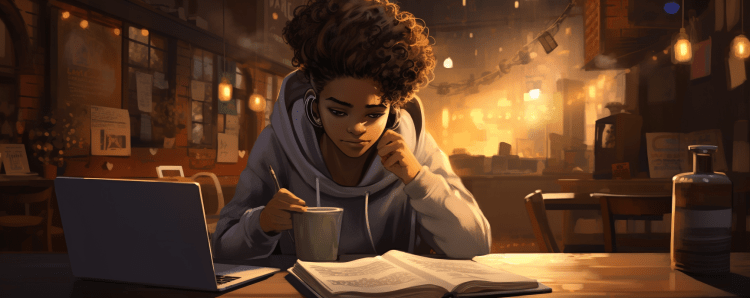
So why are writing prompts such a vital tool in a writer’s arsenal? For one, they break down the intimidating barrier of the blank page. Staring down an empty document can be paralyzing, even for seasoned writers. But when you have a prompt, you’re no longer starting from scratch. You have a seed, and your job is to water it. Even the great Stephen King once mentioned that ideas are like fossils—you unearth them bit by bit. A writing prompt can serve as your shovel.

It’s not just newbies who can benefit from a good prompt; even established authors have their dry spells. Think of J.K. Rowling, who famously came up with the idea for Harry Potter during a train ride. Ideas can come from anywhere, but sometimes, they need a little nudge. In Rowling’s case, the train ride, the scenery, and the people-watching acted as ‘real-world’ prompts. If writing prompts can work for someone who gave us the Wizarding World, why not for the rest of us?

Now, there’s also a psychological perk to using prompts: they make you commit. You see, the more you ruminate over your writing, the more likely you are to procrastinate. By committing to a prompt, you’re essentially giving yourself a mini-assignment. This changes your mental frame from “I have to write something perfect” to “I have to write something.” That shift can be liberating.

It’s also worth mentioning that writing prompts are the ultimate creative workout. Just as you would do some stretches before a strenuous exercise, prompts can act as a warm-up for your writing muscles. They prepare you for the more extensive writing projects you may have, effectively helping you improve your writing skills.

But let’s talk about the fun part: the sheer unpredictability of it all. You never know where a prompt might take you. One moment you could be writing about a mysterious door that appears in your living room, and the next, you find yourself crafting a complex fantasy world with its own set of rules. Prompts are also versatile; they can fit into various genres and styles, accommodating your creative whims.

What’s beautiful about prompts is that they aren’t just for solo writers. They can be a fantastic tool for writing groups or classes, creating a shared space for creativity. Remember the Iowa Writers’ Workshop? This world-renowned program has been known to use prompts to inspire its students, which have included the likes of Flannery O’Connor and John Irving. If it’s good enough for a Pulitzer Prize winner, it’s good enough for us mere mortals.

Finally, the best thing about writing prompts? They’re everywhere! From dedicated prompt books to online communities, you’ll find a plethora of options tailored to every genre, style, and mood.

In short, writing prompts aren’t just an exercise; they’re a celebration of what makes writing such an adventure—the thrill of the unknown, the joy of discovery, and the sheer exhilaration of creating something out of nothing. Whether you’re a novice looking for writing tips or a seasoned author stuck in a rut, never underestimate the power of a good prompt. It might just be the key to unlocking your creative treasure chest.

Writing Prompts for Every Genre: Sparking Your Imagination

You’re raring to go, fingers itching to dance across the keyboard. You’ve got your steaming cup of coffee, a playlist of ambient noise—or maybe you’re a ‘silence is golden’ type. Regardless, you’re settled in your favorite writing spot, but wait… what are you actually going to write about? Before you spiral into the writer’s block abyss, let me introduce you to a treasure trove of writing prompts designed for every genre.

Let’s kick things off with fiction. Ah, the genre of unlimited scope, where you can conjure worlds with the stroke of a pen. One of my favorite writing prompts for fiction is: “Write a story that starts and ends with the same sentence, but make the sentence have a completely different meaning by the end.” This challenge does wonders for developing your storytelling skills. It pushes you to consider narrative arc, character development, and most importantly, how to structure your screenplay or novel in a way that it comes full circle.

If you’re more into non-fiction, don’t feel left out; we’ve got something for you too. Try tackling a prompt like: “Write about a moment in history from the perspective of a forgotten bystander.” This can be a phenomenal way to hone your research skills while lending a fresh angle to known events. Think about those everyday citizens in the backdrop of Martin Luther King’s “I Have a Dream” speech or the local Parisians witnessing Marie Curie’s ground-breaking experiments. The world is full of unsung heroes and unnoticed witnesses; why not give them a voice?

For those who are deep in the labyrinthine corridors of creative writing, let’s not forget the beloved realm of fantasy and sci-fi. How about this for a prompt: “Write a story where magic is a finite resource, and the world is running out.” This isn’t just an imaginative playground; it’s an exercise in world-building and perhaps even a subtle nod to themes of environmentalism and scarcity. Are you the next Ursula K. Le Guin or Philip K. Dick in the making? You won’t know until you try.

I can hear my mystery and thriller aficionados asking, “What about us?” Have no fear! Imagine crafting a story based on this prompt: “Write a mystery where the detective solves the case but decides to let the criminal go.” The possibilities here are electrifying. You could delve into the complexities of morality, explore the psychology of your characters, and keep your readers on the edge of their seat, all in one go.

If romance is where your heart lies, then bask in the glory of prompts like “Write a love story where the main characters are from different timelines.” This kind of prompt not only lets you play with romantic tension but also gets you juggling with high-concept ideas. It’s like mashing together the DNA of “Outlander” and “The Notebook”, and who wouldn’t want to read that?

Let’s not forget our poets—oh, the lyrically gifted souls who can say so much with so little. A simple prompt like “Write a poem about the moment night turns to dawn, without using the words ‘sun,’ ‘moon,’ ‘night,’ or ‘day'” can be an enlightening exercise in metaphor and abstraction.

And for our screenwriters, you know the unique challenges you face in writing a screenplay: limited space, the visual storytelling, the tight arcs. Why not try a prompt aimed at this medium like: “Write a 5-minute screenplay about two people stuck in an elevator, but they can only communicate through song lyrics.” This could be a quirky exercise to think about dialogue, pacing, and let’s face it, it just sounds like a lot of fun.

For writers interested in exploring self, memoir prompts can be deeply therapeutic. Try writing to this prompt: “Describe the room where you spent most of your childhood in extreme detail, then reveal why you can never go back there.” It’s not just about the room; it’s about your past, your emotional fabric, and how space and time have shaped who you are.

So, how do you make the most of these prompts? Well, the first step is to choose one that resonates with you. Once you’ve made your pick, set aside dedicated time to write. Go where your imagination leads you, but also don’t be afraid to veer off course. These are merely starting points, so feel free to break the rules a little. And don’t forget to read and revise; every draft brings you one step closer to your masterpiece.

In sum, the right writing prompt can be more than just a nudge; it can be the catalyst that transforms a fleeting thought into a compelling story. So, go ahead and seize these sparks of inspiration. After all, every fire starts with a single spark.

Making Prompts Your Own: How to Customize and Elevate Your Writing

So, you’ve picked a prompt that tickles your imagination. You’re ready to tackle it head-on, but there’s this lingering question: How do you truly make a writing prompt your own? How do you extract its maximum potential and translate it into a piece that’s uniquely you? Let’s explore some techniques that can propel your creativity to soaring heights.

First off, know that the best writing is authentic writing. Even if you’re borrowing a writing prompt from a list, you have to infuse it with your own experience, beliefs, and even your idiosyncrasies. For instance, say you’re working with the prompt: “Write a story where magic is a finite resource, and the world is running out.” Now, it might be tempting to think of Hogwarts on the brink of an energy crisis, but what if you frame this magical world around, say, indigenous myths or your local folklore? It’s like taking the initial framework of “Pan’s Labyrinth” and steeping it in the culture of your choice. Unique, powerful, and authentically yours.

One of the finest writing tips you’ll ever hear is to bring your own emotional truths into your narrative. Take a seemingly straightforward prompt like “Write about a moment in history from the perspective of a forgotten bystander.” Now, fill it with the emotions of someone who has been overlooked their entire life, or conversely, someone who chose to be anonymous for reasons known only to them. Suddenly, you’ve got layers of complexity that didn’t exist in the original prompt. You can capture the frustration or the serenity of your character with as much poignancy as Virginia Woolf did in “Mrs Dalloway”.

Let’s talk about voice. This is your stylistic signature, the literary equivalent of your spoken accent. A prompt is a skeleton; your voice is the flesh and blood. When writing a novel or even a short story, always remember to give prominence to your unique style of storytelling. If your narrative voice leans toward the dry humor of Kurt Vonnegut, let that shine through, even if the prompt seems dead serious. On the flip side, if you lean towards melancholic beauty like Kazuo Ishiguro, even the most cheerful prompt can be colored with a tinge of sadness. The point is, bend the prompt, don’t let it bend you.

If you’re dabbling in poetry or creative writing, experiment with form to elevate your prompt. Take something as simple as “Write a poem about the moment night turns to dawn,” and structure it as a sestina or a haiku. The constraints of the form will force you to think in ways you haven’t before, enriching your original idea. The magic really begins when limitations meet imagination.

For screenwriters, you’ve got the unique task of thinking visually. A prompt for you is more than just a storytelling challenge; it’s an opportunity to improve writing skills that make scenes come alive. So, when you pick a screenwriting prompt like “Write a 5-minute screenplay about two people stuck in an elevator,” think about camera angles, think about the lighting, think about how the actors would convey emotion through expression rather than dialogue. Your script is a blueprint for another form of art; make sure it’s a good one.

Customizing your prompts extends into the realm of research too. Your take on a prompt like “Write a love story where the main characters are from different timelines” can become infinitely more intriguing when you dive deep into the eras you’re contrasting. Learn the lingo, understand the social mores, and get a grasp on the fashion and technologies of the time. You’re essentially taking a leaf out of the extensive research tactics used by authors like Ken Follett in epics such as “The Pillars of the Earth”.

Lastly, engage with your audience. One of the most direct ways to improve writing skills is to share your work, especially when based on common prompts. Writing communities, both online and offline, can provide feedback, alternative approaches, and even the kind of constructive criticism that makes your work better.

In essence, a writing prompt is a seed. Your creativity, your experiences, your skills—they’re the soil, the sunlight, and the water that will nurture that seed into a full-fledged tree, unique in its splendor. So go ahead, take that writing prompt and make it unequivocally yours. Because the best stories are not just well-written; they’re well-lived.


✍️  Whether you’re mastering the art of dialogue, structure, or character development, the power of AI can be a game-changer in your writing journey. My Free Ebook, ‘AI for Authors’ delves into how AI-powered prompts can provide a unique edge to your storytelling process. If you’re intrigued by the prospect of supercharging your fiction skills, download your free copy today and explore new horizons in creative writing. 

The Defiant Prose of Chimamanda Ngozi Adichie: Celebrating Her Contribution to Contemporary Fiction

Introduction to Chimamanda Ngozi Adichie: An Icon of Modern Literature

When you enter the world of contemporary fiction, few names resonate with the potent urgency and palpable humanity of Chimamanda Ngozi Adichie. An author whose work crosses borders, her narratives are more than just stories; they are tapestries interwoven with complex characters, intricate sociopolitical landscapes, and unforgettable dialogues.

Hailing from Nigeria, Adichie is a writer who encapsulates the true essence of modern literature. With works that defy easy categorization, she touches on multiple genres without becoming confined to any. Her storytelling prowess catapults her into a realm of writers like Toni Morrison and Alice Walker, masters of using prose as both an art form and an instrument of change.

She came into global prominence with her breakthrough novel, “Purple Hibiscus,” which was shortlisted for the Booker Prize. Set against the backdrop of post-colonial Nigeria, the book gave voice to characters who were equally endearing and flawed. Adichie’s skill in crafting such multifaceted individuals was evident, and the literary world took notice.

If “Purple Hibiscus” was her first substantial contribution, “Half of a Yellow Sun” was her magnum opus. This novel brought her the Orange Prize for Fiction and captured the agonizing complexities of the Nigerian Civil War. Her characters—whether intellectuals, servants, or rebels—navigate through morally ambiguous terrains, making decisions that haunt the reader long after the last page.

Then came “Americanah,” a novel that not only explored the intricacies of race but also took an intimate look at love and personal evolution. It garnered numerous awards, making Adichie a household name for readers seeking complex, relevant storytelling. “Americanah” was a departure from her previous works, yet it carried the same core Adichie-ness: a compassionate but unflinching look at human behavior.

Of course, who could forget her iconic TED Talk, “The Danger of a Single Story”? In this globally acknowledged discourse, she warned against understanding cultures, nations, and people based on single narratives, advocating instead for a more inclusive, multi-faceted view. The speech was such an instant hit that it became integrated into educational curriculums, serving as a pillar in contemporary cultural studies.

Not merely satisfied with long-form narratives, Adichie has also shown her mastery in the art of the essay. Her collection, “We Should All Be Feminists,” adapted from another seminal TED Talk, serves as a straightforward yet profound manifesto for modern feminism. Similarly, her recent work, “Dear Ijeawele, or A Feminist Manifesto in Fifteen Suggestions,” adds another critical piece to the ever-growing puzzle of what it means to engage in gender politics today.

The question then arises: what makes Adichie’s approach to storytelling so powerful? Her works often navigate complex human emotions and existential crises without sacrificing nuance. In a landscape increasingly defined by binaries, her stories offer a grey area where right and wrong are not absolute but dependent on circumstance and perspective. Characters aren’t merely vehicles for plot progression; they’re fleshed-out individuals who could very well exist outside the book’s pages.

So, what do we mean when we say Chimamanda Ngozi Adichie is an icon of modern literature? Well, icons redefine the space they occupy. They challenge norms, question the status quo, and leave an indelible impact on both their field and the wider world. In using literature as a tool for social inquiry, cultural critique, and above all, empathetic exploration, Adichie fulfills all these criteria and more.

With an oeuvre that keeps on giving, she is not merely an author to read, but an author to experience. The tales she weaves are not meant to be passive entertainment but rather catalysts for introspection and change. At a time when the world feels increasingly polarized, her work serves as a reminder that storytelling can indeed bridge gaps, foster understanding, and perhaps, if we’re lucky, make the world a little bit better.

The Craftsmanship Behind Adichie’s Storytelling: A Study in Narrative Nuance

What sets Chimamanda Ngozi Adichie apart in the realm of contemporary fiction isn’t just her compelling stories, but her artful construction of those stories. The mastery of craftsmanship, from narrative structure to character development, is what makes her novels not just readable, but unforgettable. She isn’t simply telling stories; she’s building cathedrals of prose, intricate and bold, designed to house complex conversations about race, love, identity, and politics.

To truly appreciate Adichie’s contribution, we need to dissect her approach to storytelling and, in particular, examine how she shapes narrative to achieve her thematic goals. It’s like peeling back the layers of an onion, each layer revealing another aspect of her prowess. When it comes to writing tips for aspiring novelists, understanding how a virtuoso like Adichie crafts her stories is equivalent to a masterclass in creative writing.

One of her most striking skills is her ability to craft relatable yet complex characters. Think about Ifemelu from “Americanah.” On the surface, she’s navigating the immigrant experience and the labyrinthine world of racial dynamics in America. But deeper than that, she’s a woman in search of herself, a quest that resonates with many of us. This character complexity isn’t accidental; it’s deliberately woven into the fabric of the story. The way Ifemelu’s persona unfolds on the pages provides aspiring writers with a blueprint for how to craft characters with depth and humanity. If you’re struggling with character development, take notes from Adichie: make your characters human, with strengths and weaknesses that play off each other.

Adichie’s structural approach to her novels offers another masterclass in crafting a compelling story. She often employs non-linear storytelling, with “Half of a Yellow Sun” serving as a prime example. This technique is effective for allowing readers to understand characters in various temporal settings, lending the story a richness that linear storytelling could miss. This is more than just an aesthetic choice; it’s a narrative decision that significantly impacts how the story unfolds and how characters are understood. If you’re looking to improve your writing skills, understanding how to employ narrative structures that serve your story’s needs is key. So when writing a novel, experiment with structure; sometimes the most impactful tales don’t follow a straight line.

Yet, it’s not just character and structure; Adichie’s stories come to life through her specific choice of language. She has a knack for harnessing colloquialisms, idiomatic expressions, and even entire phrases in Igbo, her native language, to convey cultural nuances. The dialogues in her stories do more than advance the plot; they offer a glimpse into the characters’ worlds, their values, and the social constructs they navigate. It’s a lesson in how dialogues can serve multiple functions within a story, making them not just elements of communication but of characterization and world-building.

While we’re on the topic of language, Adichie’s prose itself serves as a toolkit for those interested in creative writing. She employs imagery, metaphor, and allegory to layer her stories with additional meanings. The “Purple Hibiscus” in her first novel isn’t just a plant; it’s a symbol of both the beauty and the violence that exist within the family it represents. It’s her skill in symbolism and imagery that gives her stories depth, creating a playground for literary analysts and a richer experience for casual readers alike. And if you’re short on writing prompts, just think about a simple object or concept that could represent something larger in your story. You’d be amazed at how this can inject more substance into your narrative.

At the heart of it all is Adichie’s exceptional ability to make readers feel. She capitalizes on narrative pace, tension, and release to keep readers emotionally invested. We cringe, laugh, cry, and ponder as her characters undergo trials, make mistakes, and eventually find some form of resolution or understanding. Her storytelling is participatory; it invites readers to become emotionally invested, to question their preconceptions, and to engage in dialogue long after the book is closed.

Chimamanda Ngozi Adichie and the Power of Representation: How Her Work Inspires a New Generation of Writers

When you pick up a book by Chimamanda Ngozi Adichie, whether it’s “Americanah” or “We Should All Be Feminists,” you’re not just engaging with a work of fiction or non-fiction. You’re also stepping into a broader discourse about identity, social justice, and the complexities of the human experience. But beyond the scope of the literary community, Adichie’s work has substantial ripple effects, particularly on the next generation of writers who see themselves in her characters and narratives. If you’re looking to improve your writing skills, especially in representing diverse characters and stories, Adichie is a beacon of what’s possible.

Many authors attempt to create multi-dimensional characters and culturally rich narratives, but it takes a special talent to do so with the finesse and authenticity that Adichie brings. Young writers, especially those from underrepresented communities, often look for relatable narratives as both a form of representation and inspiration. And here, Adichie delivers exceptionally. Her work stands as a formidable testament to the power of well-told stories that reflect the lived experiences of people from various backgrounds, offering not just representation but validation. This is more than just creative writing; it’s a form of social commentary.

Take her TED Talk “The Danger of a Single Story,” for example. Here, Adichie dives into the destructive power of only having one perspective represented in media and literature, elaborating on how such limitations distort understanding and perpetuate stereotypes. For writers, this is a call to action: the inclusion of multiple stories, diverse characters, and varied settings is not just enriching but necessary. This gives aspiring writers writing prompts on a silver platter, encouraging them to question what perspectives are missing and how they can be a part of broadening that scope.

Speaking of aspiring writers, Adichie’s impact is perhaps most palpable in writing workshops, online forums, and literary festivals where young talent gather to hone their skills. The frequent discussions about her narrative choices, character complexities, and ethical concerns in storytelling provide a hands-on curriculum that extends far beyond mere writing tips. It’s a holistic approach to storytelling, one that encourages writers to consider the ramifications of their words and the stories they choose to tell—or not to tell.

Additionally, her exploration into themes of gender, race, and post-colonial identity offers not just plot points but launchpads for deeper conversations. Take the character of Kambili in “Purple Hibiscus,” whose life provides a lens into authoritarian households and religious extremism, but also invites questions about rebellion and self-discovery. When writing a novel, you must think not only about what the story is but what it could be, and how it can spark broader conversations. Adichie’s novels exemplify this level of depth, making them rich resources for writers aspiring to achieve more than just a captivating plot.

But what’s most inspiring about Adichie’s works is the way she challenges conventional norms, both in society and in literature. Her heroines are not passive recipients of fate but active players, often going against the grain and disrupting the status quo. This, for any writer, is a lesson in courage—courage to push boundaries, defy stereotypes, and be a bit defiant with your prose. If your aim is to make a real impact, especially in a landscape cluttered with recycled plots and clichéd characters, you’ll need to summon a bit of that Adichie audacity.

The legacy Chimamanda Ngozi Adichie leaves for aspiring writers is multi-faceted. Her works serve as both a lesson in exemplary craftsmanship and a reminder of the responsibilities a writer carries. They challenge us to improve our writing skills, broaden our perspectives, and dare to venture where mainstream narratives often fall short. Most importantly, they remind us of the transformative power stories can have, not just on individual readers, but on an entire generation that sees their hopes, struggles, and dreams reflected back at them through her words. As writers, that’s the pinnacle we aim for: to touch lives, shift paradigms, and perhaps, even make history. With Adichie as an example, the roadmap to doing just that seems a little less daunting.


✍️  Whether you’re mastering the art of dialogue, structure, or character development, the power of AI can be a game-changer in your writing journey. My Free Ebook, ‘AI for Authors’ delves into how AI-powered prompts can provide a unique edge to your storytelling process. If you’re intrigued by the prospect of supercharging your fiction skills, download your free copy today and explore new horizons in creative writing. 

From Southern Gothic Novel to Oscar Winner: The Making of ‘No Country for Old Men’

Introduction and Background

“No Country for Old Men” is more than just a film; it’s a captivating piece of cinema that meticulously weaves together elements of the Southern Gothic tradition, providing audiences with a relentless thrill ride from start to finish. Based on Cormac McCarthy’s novel of the same name, the film inherits a robust narrative structure that it then translates into a visual masterpiece, making it indispensable for anyone keen on learning about writing a screenplay.

The Southern Gothic tradition, from which the film draws inspiration, is known for its intricate characterizations, moody settings, and the exploration of society’s darker facets, all embedded within the American South’s complex cultural tapestry. This literary genre plays a pivotal role in crafting the atmospheric essence and thematic depth of both McCarthy’s novel and the subsequent adaptation.

The Novel’s Foundation

“No Country for Old Men,” published in 2005, immediately struck a chord with readers, inviting them to dive deep into a tense, unpredictable world where moral compasses are incessantly tested. McCarthy’s prose is dense and evocative, giving life to characters and settings that linger long after the novel is closed. His writing tips the scales of conventional storytelling, offering a narrative that is both haunting and mesmerizing in its depth and complexity.

His narrative unveils a dangerous cat-and-mouse game set against the barren landscapes of Texas. The novel’s protagonist, Llewelyn Moss, finds himself ensnared in a violent chase after stumbling upon the aftermath of a drug deal gone wrong and making off with a suitcase full of cash. The relentless antagonist, Anton Chigurh, embodies the randomness and inevitability of death, marking him as one of the most memorable villains in contemporary literature.

Importance in Cinema

The transition from page to screen is often perilous, with many adaptations failing to capture the source material’s essence. However, the Coen Brothers, esteemed for their directorial prowess and screenwriting finesse, undertook the challenge of bringing McCarthy’s vision to life with an understanding and reverence rarely seen in Hollywood. The film not only mirrors the novel’s narrative strength but also integrates the directors’ unique stylistic touches, making it a standout piece in the realm of cinema.

“No Country for Old Men” swiftly garnered critical acclaim upon its release in 2007, ultimately securing the Academy Award for Best Picture among other accolades. Its triumph at the Oscars underscores the film’s remarkable achievement in translating a compelling narrative into a visual format that retains the story’s complexity and emotional depth while offering a fresh, cinematic perspective.

Connecting Literature and Film

For budding screenwriters and filmmakers, “No Country for Old Men” serves as an invaluable case study that illuminates the path from conceptualization to realization. McCarthy’s novel provides the foundational blueprint, laden with intricate character development, atmospheric descriptions, and a storyline that keeps readers on the edge of their seats. The Coen Brothers took these elements and, through a process of careful adaptation and creative innovation, produced a film that resonates with audiences and critics alike.

The film’s screenplay structure is a testament to the importance of remaining true to the source material while also understanding the nuances of cinematic storytelling. It’s a brilliant example for those working on writing a screenplay, showcasing how to effectively translate literary devices, tone, and themes into the visual language of film without losing the story’s essence.

Understanding and studying this adaptation process can significantly improve writing skills for both novice and experienced screenwriters. The film serves as a guide, offering writing tips that help in crafting narratives that are as compelling on screen as they are on paper. Its legacy is not merely confined to its accolades and box office success; it’s also etched in the invaluable lessons it imparts to those venturing into the domains of screenplay writing and filmmaking.

The Crafting of a Screenplay Masterpiece

When it comes to analyzing “No Country for Old Men” and its successful transition from novel to film, understanding the crafting of its screenplay becomes essential. This section delves into the diligent process that brought the vision of McCarthy’s Southern Gothic tale to life on the silver screen.

The Coen Brothers’ Approach

The first crucial element of this adaptation success story lies in the hands of the film’s creators, Joel and Ethan Coen. Known for their meticulous approach to screenwriting, the Coen Brothers embraced McCarthy’s source material with reverence, ensuring that the script reflected the novel’s tone, style, and thematic richness.

The process of writing a screenplay requires a fine balance between preserving the integrity of the original text and making necessary adjustments for cinematic appeal. In the case of “No Country for Old Men”, the Coens managed to retain the dialogue’s starkness and precision, bringing the characters to life with an authenticity that mirrors their literary counterparts. This dedication to faithful representation contributed significantly to the film’s critical and commercial success.

Dialogue and Characterization

Dialogue in “No Country for Old Men” serves as a driving force, providing insight into characters’ psyches while propelling the narrative forward. The Coen Brothers understood the importance of McCarthy’s sharp, concise dialogue, incorporating substantial portions of it verbatim into the screenplay. This decision not only preserved the story’s distinct voice but also facilitated performances that were grounded and compelling.

Anton Chigurh, played by Javier Bardem, is a testament to the power of well-crafted dialogue and nuanced characterization. Bardem’s portrayal, guided by the screenplay’s insightful character construction, earned him an Academy Award for Best Supporting Actor. The dialogue’s chilling directness and philosophical depth allowed the character to embody the inexorable force of fate and chaos, striking fear and fascination in audiences worldwide.

Themes and Symbolism

Adapting a novel into a screenplay requires more than mere transcription; it demands an understanding of the underlying themes and symbols that define the narrative’s essence. The Coen Brothers excelled in this regard, maintaining the novel’s exploration of fate, morality, and the inexorable passage of time, while also embedding their stylistic nuances and visual storytelling techniques.

For example, the film’s screenplay structure mirrors the novel’s non-linear narrative, allowing for a deep immersion into a world where characters grapple with existential dilemmas amidst a backdrop of violence and despair. The film also utilizes symbolism and visual metaphors to enhance its thematic depth, providing audiences with a multi-layered experience that invites contemplation and discussion.

The Value of Minimalism

One of the standout features of “No Country for Old Men” is its minimalistic style, characterized by sparse dialogue, limited music, and a reliance on visual storytelling. This approach aligns with the novel’s terse, atmospheric prose, creating a filmic experience that is as haunting and immersive as the source material.

Minimalism in screenwriting and filmmaking, when executed with precision, can lead to a powerful impact. “No Country for Old Men” demonstrates the potency of restraint, allowing moments of silence and tension to speak volumes, drawing viewers into a narrative that is as unsettling as it is mesmerizing. For those seeking screenwriting tips to enhance their storytelling skills, studying the Coen Brothers’ approach to minimalism offers invaluable insights.

Tying it All Together

Successfully adapting a novel, particularly one as nuanced and complex as McCarthy’s “No Country for Old Men”, into a screenplay requires a deep understanding of both mediums’ distinct characteristics. The Coen Brothers navigated this challenge with finesse, producing a screenplay that is faithful to the source material while also thriving as a standalone cinematic masterpiece.

Their approach to dialogue, characterization, themes, and minimalism serves as a master class in screenplay writing, providing aspiring screenwriters with practical examples and insights to inform their craft. Whether you’re working on writing a screenplay yourself or simply wish to appreciate the intricacies of a well-crafted film, “No Country for Old Men” stands as a shining example of adaptation done right. With its compelling characters, tight dialogue, and thematic depth, it continues to captivate and educate audiences, underscoring the timeless appeal of masterful storytelling.

Lessons for Aspiring Screenwriters: Absorbing the Genius

Amidst the vast expanse of cinematic history, “No Country for Old Men” illuminates the screen with its understated brilliance, serving as a beacon for individuals eagerly navigating the sea of screenplay writing. For the novices or seasoned professionals seeking invaluable screenwriting tips, the journey of this Academy Award-winning masterpiece offers myriad lessons to absorb and implement in crafting stories destined for the silver screen.

Harnessing the Power of Silence

In a realm often dominated by grandiose dialogues and dramatic musical scores, “No Country for Old Men” stands apart, embracing silence as a potent storytelling tool. This meticulous approach echoes the minimalistic, yet powerful prose of McCarthy’s novel, creating an atmosphere brimming with tension and suspense. For those endeavoring in writing a screenplay, appreciating the gravity silence can wield in sculpting emotional landscapes is crucial.

Faithful, Yet Inventive Adaptation

While the term ‘adaptation’ inherently implies transformation, maintaining allegiance to the source material’s soul is imperative. The Coen Brothers exhibited this delicate balancing act with finesse, encapsulating the novel’s essence while infusing their unique storytelling flavor. For those embroiled in the challenge of adaptation, respecting the original narrative while not fearing to imprint one’s creative signature is a lesson worth heeding.

Developing Memorable Characters

Crafting characters that resonate, engage, and linger within the audience’s consciousness long after the credits roll is an art the Coens have mastered. From the enigmatic menace of Anton Chigurh to the weary resilience of Sheriff Ed Tom Bell, each character is intricately designed, reflecting the complexities and contradictions of humanity. For aspiring writers, delving deep into the psyche, motivations, and contradictions of your characters can offer audiences mirrors reflecting fragments of their essence.

Implementing Visual Storytelling

Screenplays are the blueprints of films, necessitating a visualization of scenes unfolding on celluloid. The visual storytelling in “No Country for Old Men” is nothing short of poetic, with each frame meticulously composed to convey emotion, tension, and thematic depth. This emphasis on visual language is a vital screenwriting tip, urging writers to envision their story through the lens of a camera, crafting a narrative that’s as visually captivating as it is emotionally engaging.

Crafting Dialogues that Echo

With dialogues plucked from the novel and seamlessly integrated into the screenplay, the film’s language is sparse, direct, and laden with subtext. Writing dialogues that are reflective of the character’s psyche and the narrative’s thematic core, while also being engaging, is a craft that demands practice and precision. For those seeking to improve their dialogue-writing skills, studying the film’s script offers invaluable insights.

Exploring Themes with Depth

“No Country for Old Men” doesn’t shy away from exploring profound, often disconcerting themes ranging from fate and morality to the incessant march of time. These thematic explorations offer audiences not just entertainment, but also avenues for introspection and discourse. As writers, delving into themes that resonate with the human condition, while subtly weaving them into the narrative tapestry, can elevate a screenplay from good to unforgettable.

Concluding Insights

Diving deep into the cinematic tapestry of “No Country for Old Men” is akin to embarking on a pilgrimage for anyone with a fervor for writing a screenplay. From the silence that speaks volumes, characters that breathe life, to themes that echo the symphony of existence — every facet of this film offers lessons, insights, and inspiration for those eager to craft stories that leave indelible marks on the canvas of cinema.

As you immerse yourself in the art and craft of screenwriting, let the journey of “No Country for Old Men” from ink to screen serve as a guiding star, illuminating the path with its subdued brilliance and uncompromising depth. In absorbing its genius, you take a step closer to scripting tales that captivate, resonate, and ultimately, stand the test of time in the annals of cinematic history.


✍️  Whether you’re mastering the art of dialogue, structure, or character development, the power of AI can be a game-changer in your writing journey. My Free Ebook, ‘AI for Authors’ delves into how AI-powered prompts can provide a unique edge to your storytelling process. If you’re intrigued by the prospect of supercharging your fiction skills, download your free copy today and explore new horizons in creative writing. 

Demystifying the Horror Genre: A Look at ‘Buffy the Vampire Slayer’

Setting the Stage: The Unique Appeal of Buffy

Buffy the Vampire Slayer‘ swept across television screens in the late ’90s with an unprecedented amalgamation of horror, comedy, and drama that left viewers enthralled. Beyond the captivating performances and witty dialogues, its innovative approach to the horror genre warrants meticulous exploration.

Unpacking the Horror Genre

To understand Buffy’s allure, one must first be acquainted with the fabric of horror storytelling. The horror genre, traditionally steeped in eliciting fear, suspense, and a sense of the uncanny, thrives on the unpredictability of its narrative. It weaves a tapestry where the normal is juxtaposed with the abnormal, the mundane with the extraordinary. Yet, it’s a genre often burdened by predictable tropes and cliches.

The Buffy Effect

‘Buffy’ breezily waltzed into this terrain with an avant-garde spirit, keen on not just occupying but renovating the horror space. The series’ creator, Joss Whedon, sculpted a universe where horror was not merely a tool for cheap thrills but a canvas expressing a spectrum of human emotions and experiences. The show’s unique screenplay structure allowed each episode to be a self-contained narrative while contributing to a larger, overarching story, facilitating a blend of episodic and serial storytelling.

While horror was its home ground, ‘Buffy’ wasn’t shy to incorporate hearty laughs and deep, introspective moments within its narrative framework, thereby subverting and expanding the genre’s boundaries. This subversion was not a rebellion but a harmonious integration of elements that elevated the storytelling experience.

Screenwriting Tips Derived from Buffy

For the budding screenwriter, ‘Buffy’ is a treasure trove of inspiration and practical screenwriting tips. One of the paramount lessons is the mastery in genre-blending. Writing a screenplay that marries horror with other genres without diminishing its impact is a tightrope walk, and ‘Buffy’ performs this with unparalleled grace.

The series teaches writers the art of crafting dialogues that are not mere exchanges but reflections of character personalities and the world around them. Whedon’s characters communicate in a language that is as casual and relatable as it is poetic and profound. The ‘Buffy Speak’, as it’s affectionately known, is a linguistic dance of informal slang, metaphors, and pop culture references, making the dialogues an entity in themselves.

Creating a sense of familiarity and investment in characters is crucial when meandering through the lanes of horror, as the genre’s impact is profoundly felt when the audience cares for the characters enveloped within its grasp. ‘Buffy’ meticulously constructs characters that are not mere archetypes but flesh and blood, endowed with strengths, vulnerabilities, and the capacity for growth.

Through its seven-season run, the show exhibited a remarkable understanding of pacing. Horror, while reliant on atmosphere, is significantly enhanced by the rhythm of its narrative. ‘Buffy’ illustrated how to build tension, when to unleash horror, and when to let the audience breathe, offering invaluable lessons to screenwriters on maintaining narrative flow without losing grip on the audience’s pulse.

A Storytelling Beacon: Multifaceted Characters and Relatable Themes

‘Buffy the Vampire Slayer’ served as an undeniable beacon, illuminating the potency of well-rounded characters embedded within the treacherous, yet enticing, realm of horror. In delving into the creative underpinnings of the series, one witnesses a cauldron where horror, drama, and humor meld seamlessly, offering a myriad of takeaways for aspiring writers navigating the horror genre’s slippery slopes.

Breathing Life into Characters

Crafting characters that resonate, enchant, and occasionally, terrify, is an undertaking of immense skill and nuance. Buffy’s canvas is adorned with characters who are more than their supernatural affiliations or high school stereotypes; they are mirrors reflecting the viewer’s hopes, anxieties, and dilemmas. Whether it’s Buffy, Willow, Xander, or the extensive gallery of friends and foes, each character is carved with depth, complexity, and a generous dash of humanity.

For those diving into writing a screenplay, ‘Buffy’ exemplifies the magic born out of characters who are products of their choices, rather than slaves to the plot’s whims. The series shines a spotlight on characters navigating through their personal and supernatural challenges with grit, vulnerability, and a smattering of humor, rendering them palpable and endearing to audiences across the board.

Navigating Themes with Nuance

The undercurrents of ‘Buffy’ ripple with themes universally relatable, traversing the terrains of love, loss, identity, and the perennial battle between good and evil. While it flaunts its horror lineage with pride, the series never shies away from delving deep into the human psyche, unraveling its characters’ fears and desires with a tenderness rarely seen in the genre.

Buffy’s journey, from a carefree teenager to the ‘Slayer’, is not just a narrative arc; it’s a tapestry of growing pains, responsibility, and the relentless pursuit of hope amidst darkness. Her trajectory offers writing tips to those crafting coming-of-age stories within the horror framework, providing invaluable insights into balancing character growth with genre demands.

Crafting Authentic Dialogue

Dialogues within ‘Buffy’ aren’t mere narrative devices; they are the heartbeat of the series, encapsulating its spirit and ethos. The characters communicate with a unique linguistic style – colloquially dubbed ‘Buffy Speak’ – where conventional language is twisted, turned, and occasionally, inverted, yielding dialogues that are refreshingly authentic and strikingly memorable.

The beauty of ‘Buffy Speak’ lies in its ability to convey depth through simplicity, crafting dialogues that echo with the audience long after they’ve been spoken. For writers, it’s a lesson in creating a distinctive narrative voice that doesn’t merely serve the plot but elevates it, crafting a symphony of words that is as endearing as it is effective.

Weaving in Humor and Wit

Humor is a potent, yet often overlooked, element within the horror genre, and ‘Buffy’ wields it with mastery. The series’ humor isn’t ancillary; it is intricately woven into its narrative fabric, serving as a relief, a commentator, and occasionally, a poignant reminder of the characters’ humanity amidst their supernatural escapades.

For screenwriters looking to infuse humor into horror, ‘Buffy’ serves as an exemplary blueprint. It showcases how wit and horror can dance together, crafting a narrative symphony that is as engaging as it is reflective of the human condition. The humor in ‘Buffy’ is not just about eliciting laughs; it’s a narrative device subtly underscoring the series’ thematic depth and character dynamics.

The Writing Craft: Lessons from “Buffy’s” Storytelling Mastery

Distinctive Screenplay Structure

The artful construction of ‘Buffy’s’ screenplay structure imparts significant lessons for anyone immersed in the creative process of writing a screenplay. Each episode, while being a self-contained narrative, meticulously contributes to the season’s overarching storyline. This intricate dance between micro and macro-narratives crafts a viewing experience that’s both satisfying and anticipatory.

‘Buffy’ employed a ‘monster-of-the-week’ format, intertwining it seamlessly with long-term character and plot development. This structure offers writers flexibility, allowing them to explore various themes and characters depth within a broader narrative context. It’s an enlightening study in maintaining narrative consistency and momentum, making each episode crucial to the larger tapestry, thereby keeping the audience hooked.

Harnessing Genre Tropes Creatively

Delving into ‘Buffy’s’ episodes, writers witness a playful yet respectful treatment of horror tropes. The series adeptly uses familiar horror elements as starting points, only to subvert, comment on, or deconstruct them as the story unfolds. This innovative approach to genre conventions keeps the narrative unpredictable and engaging, providing both homage and critique to the well-trodden paths of horror fiction.

For writers, this practice emphasizes the importance of understanding genre expectations while not being afraid to challenge and reinterpret them. This balance between adherence and innovation crafts stories that are familiar yet refreshing, offering audiences a delightful dance of expectation and surprise.

Effective Use of Writing Prompts

Every writer experiences the daunting glare of a blank page. During these moments, writing prompts can serve as invaluable sparks igniting the creative process. ‘Buffy’ demonstrates the power of using prompts or themes as starting points for crafting engaging narratives.

Writers can derive inspiration from the series’ use of mythical creatures, folklore, and supernatural elements as narrative engines driving character development and thematic exploration. Engaging with prompts creatively can lead to stories that are not mere exercises but meaningful explorations of the human condition through the lens of horror and fantasy.

Unveiling Characters Through Conflict

Conflict is the lifeblood of narrative, and ‘Buffy’ is a masterclass in using external and internal conflicts to unveil the depth and complexity of characters. The series’ characters grapple with supernatural threats and personal demons, providing a rich canvas for exploring themes of identity, morality, and belonging.

For writers looking to craft multidimensional characters, ‘Buffy’ offers valuable screenwriting tips, demonstrating how characters responding to and evolving through conflict make for compelling storytelling. Through its narrative arcs, the series shows that characters are not static but dynamic entities, constantly shaped and reshaped by the crucible of conflict.

Crafting Dialogues that Resonate

Dialogues in ‘Buffy’ serve multiple functions – they drive the narrative, reveal character, provide humor, and often, offer insightful commentary on life and society. Writing dialogues that achieve this multiplicity is no small feat, and studying the series’ scripts can provide aspiring writers with invaluable insights.

The series’ dialogue is sharp, witty, and laden with subtext, reflecting the characters’ unique voices and the show’s thematic depth. For writers, ‘Buffy’ illustrates the importance of crafting dialogues that are not merely functional but are also music to the ears, encapsulating the story’s soul and the characters’ heartbeat.

Concluding Thoughts: Learning from the Best

‘Buffy the Vampire Slayer’ is more than a beloved series; it’s a trove of wisdom for writers navigating the challenging terrain of horror and supernatural fiction. From its innovative screenplay structure to its creative use of genre tropes, from its insightful deployment of writing prompts to its nuanced exploration of character and conflict, and its mastery in dialogue writing – ‘Buffy’ is a beacon illuminating the path for writers seeking to craft stories that thrill, resonate, and endure in the hearts of audiences.

Whether you are a seasoned writer or a novice stepping into the enthralling world of words, immersing yourself in the narrative brilliance of ‘Buffy’ can offer not only enjoyment but also invaluable lessons in the craft of writing. With its legacy etched in the annals of television history, ‘Buffy’ continues to be a guiding star for storytellers, beckoning them to explore, innovate, and above all, to tell stories that matter.


✍️  Whether you’re mastering the art of dialogue, structure, or character development, the power of AI can be a game-changer in your writing journey. My Free Ebook, ‘AI for Authors’ delves into how AI-powered prompts can provide a unique edge to your storytelling process. If you’re intrigued by the prospect of supercharging your fiction skills, download your free copy today and explore new horizons in creative writing. 
10 Steps to Writing a Screenplay that Hollywood Will Love

Introduction: The Importance of Crafting a Compelling Screenplay

So, you’ve been bitten by the screenwriting bug, have you? That irresistible urge to bring your stories to the silver screen isn’t just a fleeting impulse; it’s a call to arms—or should I say, a call to pens? Before you start fantasizing about walking the red carpet and having A-list actors breathe life into your characters, let’s talk about the cornerstone of any successful film: the screenplay.

Now, why is the screenplay so crucial? If a film were a building, the screenplay would be its architectural blueprint. You wouldn’t construct a skyscraper without meticulously crafted plans, and similarly, no sensible filmmaker would shoot a movie without a well-constructed screenplay. This piece of writing serves as a guide for everyone involved in the filmmaking process: from directors and actors to the gaffers and set designers. And don’t underestimate the power of a great screenplay to attract top talent. When Aaron Sorkin wrote “The Social Network”, it wasn’t long before David Fincher and Jesse Eisenberg jumped aboard. Sorkin’s incisive dialogue and compelling characters were the hooks that landed these big fish.

Alright, let’s say you’re more of a cinephile who worships at the altar of Stanley Kubrick or the Coen Brothers. These auteur directors often get the lion’s share of the credit, but even they can’t escape the immutable fact: a movie starts with a script. Take “No Country for Old Men”, for example. The Coen Brothers expertly adapted Cormac McCarthy’s novel, but it’s their screenplay that transformed it into a cinematic masterpiece.

For a screenplay to resonate within the intricate ecosystem of Hollywood, it needs to be more than just “good”; it needs to be extraordinary. There’s an overwhelming amount of scripts circulating around agencies, script competitions, and studios. According to The Black List, an annual survey of Hollywood executives’ favorite unproduced screenplays, less than 5% of scripts received by agencies are of professional quality. That’s a minuscule slice of the pie. So, how do you make sure your screenplay doesn’t just end up as another paperweight on an agent’s desk?

The answer is deceptively simple yet exceptionally hard to pull off: Your screenplay has to tell a compelling story in a unique way, filled with characters who are both believable and captivating. Oh, is that all? Well, no, but that’s where the 10 crucial steps come in. From finding a unique concept to mastering screenplay structure to marketing your finished product, these steps are the golden ticket to not just getting noticed, but getting produced.

One can’t discuss the importance of crafting a compelling screenplay without acknowledging the role it plays in one’s career. In Hollywood, a great screenplay can serve as your calling card, a tangible representation of your talent and storytelling prowess. Remember Diablo Cody, who went from unknown blogger to Academy Award-winning screenwriter thanks to “Juno”? Her unique voice shone through every page, catching the eye of industry professionals.

To truly understand how a screenplay operates, think of it as the ultimate marriage between form and function. Here, writing tips usually aimed at novelists or journalists take on a whole new dimension. While prose allows you the freedom to explore your character’s innermost thoughts or paint elaborate settings, screenwriting is a lesson in economy. Every word on the page should serve a purpose, moving the story forward or revealing character. It’s this tightrope walk between being concise yet evocative that challenges even the most experienced writers.

Screenwriting is not just an exercise in storytelling but also a test of your ability to communicate your vision in the most effective and engaging manner. You’re not merely writing a screenplay; you’re crafting an experience. This experience starts from the moment someone picks up your script, and believe me, you want to make every moment count.

So, now that we’ve established the ‘why,’ let’s delve into the ‘how.’ Crafting a screenplay that Hollywood will love is no small feat, but it’s also not an insurmountable challenge. With the right approach, a sprinkle of creativity, and a dash of perseverance, you could be well on your way to seeing your name flash across the end credits. And trust me, nothing beats that feeling.

The Five Initial Steps: From Concept to First Draft

Every writer has their own unique process, but when it comes to screenwriting, there are some universally acknowledged steps that help transform your killer idea into a finished screenplay. Let’s dig into the first half of these ten crucial steps.

1. Generate a Unique Idea

Before you start writing your screenplay, you need a compelling idea that sets you apart. Think of it as your Hollywood elevator pitch; the summary of your story that could hook anyone in under a minute. Quentin Tarantino got the idea for “Pulp Fiction” by wanting to create a nonlinear narrative that broke all the rules. The essence of your idea doesn’t have to revolutionize cinema, but it should offer a fresh perspective.

Sometimes, it’s useful to use writing prompts to spark ideas. While prompts are more commonly associated with short stories or novels, they can be incredibly useful in the screenplay world too. A single line or scenario can set your imagination on fire, and before you know it, you’re fleshing out characters and plotting story arcs.

2. Research, Research, Research

Once you have your idea, it’s time to dive deep into research. This is a critical step that many aspiring screenwriters overlook, but it’s absolutely essential. Let’s say you’re writing a courtroom drama; you need to know the legal procedures and lingo, the dynamics between a defense attorney and a prosecutor, and even the layout of a courtroom. The more you know, the more authentic and engaging your screenplay will be.

3. Outline Your Story

Mapping out your story before you start writing is invaluable. A well-thought-out outline can save you hours, if not days, of revisions down the line. Here’s where understanding screenplay structure comes into play. Familiarize yourself with the Three-Act Structure, which is widely used in screenwriting. Your outline doesn’t have to be set in stone; think of it as a roadmap that you can deviate from if you discover a more exciting route.

4. Develop Your Characters

Remember when Heath Ledger’s Joker in “The Dark Knight” captivated audiences worldwide? Well, that character leapt off the pages of Jonathan and Christopher Nolan’s screenplay before Ledger brought him to life. You need to know your characters inside and out: their motivations, weaknesses, quirks, and relationships with other characters.

There are a lot of techniques and screenwriting tips for developing deep and complex characters, but a good rule of thumb is to make them relatable yet flawed. Flawed characters are not only more realistic but also provide room for growth and transformation, which is key for audience engagement.

5. Write Your First Draft

Finally, we arrive at the writing stage. One of the most pertinent writing tips I can give you is to just get it all down on paper. Your first draft is not going to be a masterpiece, and that’s okay. The key here is to let your creative juices flow without being hindered by self-doubt or perfectionism. Programs like Final Draft or Celtx can help you format your screenplay professionally, which is crucial because industry professionals can spot an amateurishly formatted script a mile away.

In screenwriting, your first draft is commonly called the “vomit draft” for a reason. It’s you emptying all your thoughts onto the page. You’ll have plenty of time to go back, revise, and polish. The important thing is to complete that first draft.

Beyond the First Draft: Polishing, Pitching, and Networking

We’re in the home stretch of this journey toward crafting a screenplay that’s not just good, but Hollywood-worthy. In this section, we’ll dive into the crucial steps that can make or break your script’s chances in the fiercely competitive world of filmmaking. These steps focus on everything that happens after you’ve put down that “Fade to Black” on your first draft.

6. Revise, Revise, Revise

The saying goes that “writing is rewriting,” and nowhere is this more true than in screenwriting. Even Oscar-winning scripts like “Little Miss Sunshine” underwent numerous drafts before they hit the silver screen. Once your first draft is complete, take a step back. Give yourself a week or two before revisiting your script with fresh eyes. This cooling-off period allows you to view your work more objectively, helping you spot inconsistencies, weak dialogue, and structural flaws that you may have missed initially.

One tip to take your script to the next level is to read it aloud. You’d be surprised how many awkward lines or confusing bits of action you can catch when you hear them spoken. Screenplays are, after all, the blueprints for films that are meant to be seen and heard. This is a tried-and-true screenwriting tip that can make a world of difference.

7. Get Feedback

You’re way too close to your script to see all of its nuances and potential shortcomings. That’s where feedback comes in. Share your screenplay with trusted friends, family, or ideally, other writers or industry professionals. Use their insights to revise and polish your script further. Online platforms like The Black List allow you to upload your script and receive professional feedback. Use it as a learning experience to hone your craft.

8. Master the Art of the Pitch

Having a great script is one thing, but being able to sell it is another. You could have written the next “Citizen Kane”, but if you can’t effectively convey its brilliance in a pitch, you’re at a dead end. The pitch is where you distill your complex, multi-layered story into a concise, engaging, and irresistibly intriguing summary. Think of it as your screenplay’s elevator pitch: short, snappy, and straight to the point.

A practical tip here is to practice your pitch on people who know nothing about your story. If you can grab their attention and make them want to hear more, you’re on the right track.

9. Network Like a Pro

Now, with a polished script and a compelling pitch, it’s time to get out there and network. Go to industry events, join screenwriting groups online, and don’t hesitate to reach out to professionals in the field. If you can afford it, consider attending big-name screenwriting conferences like the Austin Film Festival. Networking isn’t just about selling your current screenplay; it’s about establishing relationships that could be beneficial for your entire career.

10. Submit to Competitions and Agents

Last but not least, submit your polished, feedback-infused, much-worked-on script to competitions, agencies, and studios. Winning or even just placing in renowned competitions like Nicholl Fellowships can open doors and provide crucial industry exposure.

Submitting to agents is another route you can take. Remember to adhere strictly to submission guidelines and to include a query letter that’s as well-crafted as your screenplay. It’s your first impression, so make it count.

And there you have it. These steps aren’t a guarantee of Hollywood stardom, but they’ll put you on the right track. Writing a screenplay is an intricate, challenging, but incredibly rewarding endeavor. It’s a craft that demands both artistic flair and a good bit of business savvy. So, embrace the complexity, enjoy the process, and never stop learning. You’re not just writing scripts; you’re creating worlds. Now go forth and let those worlds be seen.


✍️  Whether you’re mastering the art of dialogue, structure, or character development, the power of AI can be a game-changer in your writing journey. My Free Ebook, ‘AI for Authors’ delves into how AI-powered prompts can provide a unique edge to your storytelling process. If you’re intrigued by the prospect of supercharging your fiction skills, download your free copy today and explore new horizons in creative writing.