First-Person vs. Third-Person: Choosing the Right Narrative Perspective

In the realm of storytelling, the choice between a first-person and third-person narrative perspective isn’t merely a stylistic one; it’s a crucial decision that shapes the reader’s experience and connection with the story. This initial exploration into narrative perspectives will set the foundation for understanding how each viewpoint can be leveraged to craft compelling narratives.

First-Person Narrative: A Window to the Mind

The first-person narrative is an intimate, diary-like confessional that directly bridges the gap between protagonist and reader. Using pronouns like “I” and “my,” it places the audience inside the character’s head, privy to their innermost thoughts and feelings. This perspective is prevalent in novels such as “The Catcher in the Rye” and “To Kill a Mockingbird,” where the protagonists’ distinctive voices are as much a part of the story as the plot itself.

In the first-person narrative, readers don’t just observe the character’s journey; they live it. They are given a front-row seat to the character’s biases, misunderstandings, and self-deceptions, which can create a deeply personal connection. When writing a novel or delving into creative writing exercises, employing the first-person can offer a level of immediacy and urgency that other perspectives may not.

However, first-person is not without its limitations. The narrative is confined to what the protagonist knows, sees, and experiences, potentially narrowing the scope of the story. For writers looking to improve their skills in first-person narration, it’s crucial to remember that this perspective requires a strong and engaging character voice. It’s not enough to tell the reader what is happening; the character must offer a unique lens through which the story is filtered.

Third-Person Narrative: The Power of “He” and “She”

Contrastingly, the third-person narrative employs pronouns such as “he,” “she,” and “they,” allowing the writer to step back from the immediacy of the first-person to provide a broader view of the world they’ve created. Third-person can come in several flavors: omniscient, limited, and objective, each with its own strengths and appropriate use cases.

The omniscient third-person narrator is all-seeing and all-knowing, reminiscent of a god-like presence. They can dip into the minds of any character, offering insights into multiple perspectives and internal landscapes. This omnipresent voice can be found in classics like “Pride and Prejudice” and more modern works such as “The Book Thief.” For those looking to enhance their writing, the omniscient perspective requires a delicate balance to avoid overwhelming the reader with too much information.

Third-person limited, on the other hand, sticks closely to one character, similar to first-person but with the pronoun shift. It can offer a more objective view of that character, observing their actions and reactions with a certain degree of separation. This is the technique employed by J.K. Rowling in the “Harry Potter” series—a story primarily focused through Harry’s experiences, but without the use of “I.”

Lastly, the objective perspective, often used in journalism and noir fiction, presents actions and dialogue without delving into the inner thoughts of characters. It challenges the writer—and reader—to infer emotions and motives from behavior alone, exemplified by works like Ernest Hemingway’s “Hills Like White Elephants.”

Narrative Influence on Storytelling

The influence of narrative perspective extends beyond character insight; it shapes the reader’s entire journey through the story. First-person can offer a sense of immediacy and alignment with the protagonist, while third-person can provide a comprehensive view of the world and its inhabitants.

For writers, choosing between first and third person can be as much about the story they want to tell as the way they wish to tell it. Writing prompts often encourage experimentation with perspective to explore how the narrative changes with the point of view. For instance, retelling a familiar tale from a different character’s perspective can unearth new plot possibilities and emotional depth.

In narrative perspective, the world of a story is not just presented through events, but also through the eyes of its beholder. As writers aim to improve their writing skills, it’s vital to understand not only the mechanics of each perspective but also the subtle nuances they bring to a story’s unfolding.

Pros and Cons: Diving Deeper into First-Person and Third-Person Narratives

Navigating the narrative perspective is akin to choosing the lens through which a camera will capture a film. The lens, or in our case, the narrative perspective, inherently influences the intimacy and scope of the story. Each narrative perspective offers its unique set of advantages and challenges that can significantly impact character development and plot progression.

First-Person Narrative: The Intimate Lens

The first-person narrative is an exercise in intimacy. It provides an unparalleled depth to character development because the readers are granted access to the protagonist’s innermost thoughts and feelings. It’s a firsthand account that can make the narrative feel immediate and personal.

The advantages of this perspective are multifold. Firstly, it can create a strong empathetic link between the character and the reader. When Holden Caulfield laments his experiences, the readers are not merely observers; they share his disdain and sense of alienation. Similarly, when Scout Finch narrates her childhood in “To Kill a Mockingbird,” readers are not just understanding the plot; they’re reliving her formative years.

Moreover, the first-person narrative can be an excellent tool for unreliable narrators. A stellar example is the narrator of “Fight Club,” whose skewed perception of reality deeply affects the twist and turns of the plot. It is this unreliable narration that becomes a tool for unexpected revelations and plot twists.

However, the challenges are significant. Writers must create a compelling and distinct narrative voice. Every element of the story is filtered through the protagonist’s perspective, which can be both limiting and demanding. The character must be engaging enough to maintain the reader’s interest throughout the entire narrative. Moreover, the writer is confined to the knowledge and experiences of the protagonist, which can restrict the plot.

Third-Person Narrative: The Expansive View

Shifting the narrative lens to third-person opens up a world of possibilities. This perspective affords a narrative flexibility that the first-person does not.

The third-person omniscient narrator can provide a panoramic view of the world and delve into multiple characters’ thoughts, akin to the sweeping narrative voice found in “Middlemarch” by George Eliot. This perspective allows for a complex and layered understanding of the plot and character motivations. The advantages here are the breadth and depth that a writer can provide to the narrative.

Then there’s the third-person limited perspective, which offers a focused and deep exploration of a single character, without the restrictions of the first-person narrative. It allows readers to connect with the character while providing the author with the freedom to step back and offer a broader context. J.K. Rowling’s use of this perspective in the “Harry Potter” series allows readers to experience the magical world through Harry’s experiences while still providing a wider view of the world he inhabits.

The challenges of writing in third-person include maintaining consistency and avoiding head-hopping, which can confuse readers. Writers must balance the omniscience of the narrative voice to ensure it doesn’t deflate tension or give away too much too soon.

Impact on Character Development and Plot Progression

The choice of perspective has profound implications for character development and plot progression. First-person narratives can offer a deep dive into a character’s psyche, which can be instrumental in character-driven stories. However, this can also limit the plot to the protagonist’s experiences, potentially sidelining secondary characters and subplots.

Conversely, the third-person narrative can flesh out a tapestry of characters and subplots, weaving them into a rich, complex narrative. It can provide a multifaceted view of events that a first-person narrative simply cannot. But, it requires a deft hand to balance and ensure each character’s arc is given due diligence without sprawling uncontrollably.

Making the Choice: Tips and Strategies for Selecting the Right Perspective for Your Story

Choosing the right narrative perspective for your story can be a pivotal decision in the writing process, akin to a painter choosing the right brush or a director casting the perfect actor for a lead role. Your choice of narrative voice can determine how readers experience your story, shaping their engagement, understanding, and emotional response. As a writer, there are several factors to consider, strategies to employ, and writing exercises to undertake, which can enhance your skill and confidence in selecting the appropriate narrative perspective for your creative writing.

Factors to Consider When Choosing Narrative Perspective

  1. Proximity to the Character(s): The first-person perspective offers a close, subjective experience, letting readers see through the eyes of the character. If your story aims for a deeply personal, confessional, or biased account, first-person may be your best choice.
  2. Scope of the Story: Third-person, especially the omniscient variety, can provide a wider lens on the world of your story, offering multiple viewpoints and a broader understanding of the setting and secondary characters.
  3. Reliability of the Narrator: Unreliable narration can be effectively utilized in the first person, offering a twisted or distorted view of events, perfect for certain genres like psychological thrillers.
  4. Tension and Suspense: Third-person can often better facilitate suspense since the narrator can withhold the thoughts of various characters, whereas first-person narrators are more likely to reveal their own thoughts and intentions.
  5. Genre Expectations: Certain genres lean towards specific perspectives; for instance, noir fiction often employs first-person for its gritty, personal feel, while epic fantasies frequently utilize a third-person omniscient voice to build extensive worlds.

Writing Prompts to Experiment With Perspectives

To understand the unique advantages of each perspective, consider these writing prompts as exercises:

  1. First-Person Prompt: Write a confessional letter from a character who is hiding a significant secret. Explore the character’s justifications and emotions.
  2. Third-Person Omniscient Prompt: Describe a bustling city scene from the viewpoints of three different characters, emphasizing how each perceives the environment and the others.
  3. Third-Person Limited Prompt: Write a scene where a character is lying to another. Present the scene from the deceiver’s point of view, focusing on their internal struggle and what they choose to externally show.

Techniques to Improve Writing Skills and Adaptability

  1. Reading Widely: Immerse yourself in books written in various perspectives to understand how seasoned authors make their choices and the effects of those choices on the narrative.
  2. Practice Switching Perspectives: Take a scene you’ve written and rewrite it in a different perspective. Notice how the change affects the tone, depth of insight into characters, and presentation of events.
  3. Study Films and Plays: Screenwriting and playwriting often use third-person perspective due to the visual medium, but they can teach you about handling multiple character arcs and viewpoints.
  4. Journaling: Keeping a journal in first-person can fine-tune your ability to capture personal voice and character nuances which is invaluable for writing in first-person.
  5. Feedback Loop: Share your perspective experiments with writing groups or a mentor. Feedback can highlight your strengths and weaknesses in handling different perspectives.
  6. Writing Exercises: Assign yourself tasks such as writing a day in your life from a third-person perspective or telling a well-known story from the antagonist’s first-person viewpoint.
  7. Literary Analysis: When reading, pause to analyze how the perspective impacts the storytelling. What is gained or lost with the chosen narrative perspective?
  8. Character Interviews: Interview your characters in first-person to better understand their voice, then describe them from an external viewpoint to practice third-person narration.
  9. Cross-Genre Writing: Write a short story in a genre you’re unfamiliar with, using a perspective that challenges you. It’s a way to push the boundaries of your comfort zone.
  10. Workshops and Classes: Attend writing workshops that focus on narrative perspective. Expert guidance can be invaluable.

In conclusion, the decision of which narrative perspective to use is an integral part of the storytelling process. First-person can provide an intimate, visceral experience, while third-person can offer a grand, multifaceted view of your story’s world. The choice should align with the story you want to tell, the emotional journey you wish to craft for your readers, and the technical challenges you’re ready to tackle.

By utilizing the tips and strategies outlined here, and engaging with the provided writing prompts, you can hone your ability to select and utilize the narrative perspective that best serves your story. With practice, the decision of perspective can become not just an informed choice, but an instinctive element of your writing process.


✍️  Whether you’re mastering the art of dialogue, structure, or character development, the power of AI can be a game-changer in your writing journey. My Free Ebook, ‘AI for Authors’ delves into how AI-powered prompts can provide a unique edge to your storytelling process. If you’re intrigued by the prospect of supercharging your fiction skills, download your free copy today and explore new horizons in creative writing. 
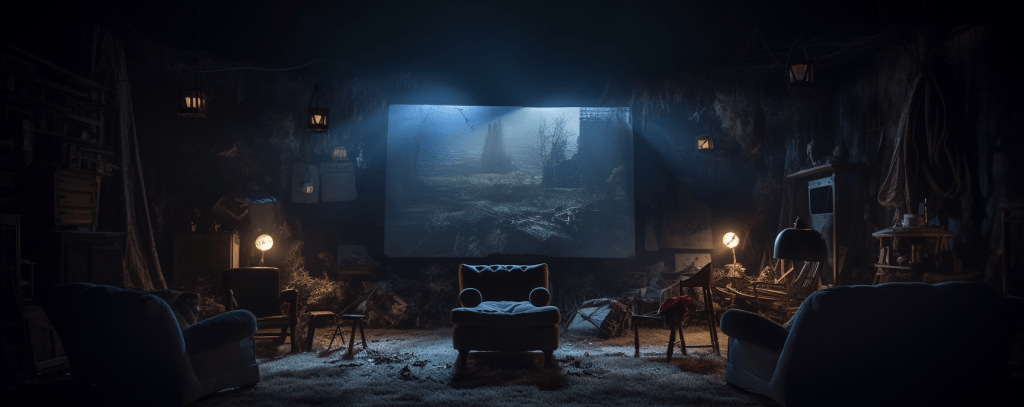
Genre Mash-ups: The Craft Behind ‘Shaun of the Dead’s’ Horror Comedy

Understanding the Essence of Both Genres

Horror and comedy, two realms that seemingly lie on opposite ends of the emotional spectrum. One aims to petrify, making our hairs stand on end, while the other seeks to elicit joy, forcing laughter out of even the sternest faces. But what happens when these seemingly diametric worlds collide? The idea is as intriguing as it is complex. In screenwriting, merging these genres requires a precise understanding of the elements that define them individually and the finesse to fuse them cohesively.

Firstly, let’s explore the heart of the horror genre. Horror, in essence, delves into our primal fears, confronting us with the unthinkable and often the inexplicable. It makes the intangible tangible, be it in the form of ghosts, monsters, or the inherent darkness within humans. Atmosphere is paramount. A dense fog, the flickering of a light bulb, or an eerie silence can all herald impending doom. It plays on tension, suspense, and the unexpected.

On the other hand, comedy is an art of timing, wit, and often, relatability. It is rooted in the absurdities of life, the incongruities, and the unexpected turns. Comedy frequently leverages exaggeration, slapstick, and irony. It’s the banana peel on the floor, the quick-witted retort, or the situational irony of a vegan winning a year’s supply of sausages.

Now, merging horror and comedy? That’s where the challenge lies. It’s akin to a tightrope act, where leaning too much on one side can result in a script that is neither horrifying nor funny. If you’re wondering how complex this blend can be, just think about a joke told at the wrong moment. The scene might either fall flat, ruining the tension, or the comedy might feel forced and out of place. Achieving the perfect balance necessitates impeccable timing, finesse, and a deep respect for both genres.

When blending genres, especially ones as distinct as horror and comedy, screenwriters often encounter unique challenges. One of the fundamental challenges is tone. The tone of a narrative can dictate audience expectations. In a purely horror screenplay, audiences brace themselves for jump-scares and spine-chilling sequences. Conversely, in a comedic screenplay, the audience anticipates laughter and lighter moments. Blending the two requires a tone that sets clear expectations while continuously subverting them.

Another challenge is character development. In horror, characters often undergo a transformation, usually driven by their attempts to survive against malevolent forces. Their arcs are defined by their evolving relationship with fear. In contrast, comedic characters often find themselves in ridiculous situations, and their growth (or lack thereof) is driven by their responses to these situations. Thus, when writing a screenplay that merges these genres, creating multi-dimensional characters that can seamlessly fit into both worlds is crucial.

Lastly, there’s pacing to consider. Horror thrives on pacing; the gradual buildup of tension leading to a terrifying climax. Comedy, especially slapstick, often relies on rapid-fire jokes or visual gags. The pacing of a horror-comedy needs to accommodate the slow-burn tension of horror while leaving room for comedic relief without dissipating the fear.

A mastery of these screenwriting tips is necessary for anyone wishing to venture into the exhilarating world of genre-blending. The union of horror and comedy isn’t just about throwing in a few laughs amidst the scares. It’s about understanding the core of each genre, respecting their rules, and then artfully breaking them to create something unique.

In examining films that have successfully combined horror and comedy, “Shaun of the Dead” stands out as a masterclass. It offers invaluable lessons for screenwriters on how to navigate the treacherous waters of genre-blending. But before diving into its intricacies, it’s imperative to grasp the foundational principles that govern its parent genres. Only then can one truly appreciate the craft and creativity that went into penning such a genre-defying work.

“Shaun of the Dead”: A Masterclass in Balancing Horror and Humor

“Shaun of the Dead” is more than just a cult classic—it’s a film school compressed into 99 minutes. Directed by Edgar Wright and co-written with lead actor Simon Pegg, this film masterfully merges the horrifying with the hilarious, leaving audiences in a delightful limbo between screams and guffaws. How did Wright and Pegg manage to hit this sweet spot? Let’s dissect.

  1. Screenplay Structure and Pivotal Scenes
    At its core, “Shaun of the Dead” follows the classic three-act structure of setup, confrontation, and resolution, but with ingenious tweaks. The beauty of the film lies in its subversion of expectations. Take, for instance, the scene where Shaun, blissfully ignorant, goes about his morning routine, unaware of the zombie apocalypse unfolding around him. This scene is a masterful blend of horror and humor, showcasing a zombified world in broad daylight, with Shaun remaining hilariously oblivious.

Another standout scene is the ill-fated rescue of Shaun’s mother and stepfather. Wright and Pegg take a moment that should be filled with dread—a zombie confrontation—and inject it with comedy, as the group argues about the best record to throw at the approaching zombies.

  1. The Genius Screenwriting Tips Behind the Curtain
    What’s evident when watching “Shaun of the Dead” is the meticulous planning that went into the writing process. Wright and Pegg adhered to the golden rule of comedy writing: set up and payoff. Early moments in the screenplay subtly set the stage for hilarious payoffs later on. For example, Ed’s offhand comment about the day’s plan (“A Bloody Mary first thing, a bite at the King’s Head, couple at The Little Princess, stagger back here and bang… back at the bar for shots.”) eerily and hilariously foreshadows the events of their zombie-filled day.

Another invaluable tip is the use of character-driven comedy. While the scenarios are absurd, the reactions and interactions of Shaun, Ed, and the ensemble feel genuine. Their personalities, flaws, and quirks drive the comedy, ensuring that amidst the fantastical zombie apocalypse, human relationships remain at the heart of the story.

  1. Flipping Horror Tropes with Comedic Twists
    “Shaun of the Dead” is a love letter to the zombie horror genre, but with a wink. Wright and Pegg took beloved horror tropes and turned them on their heads. Zombies in horror are often unstoppable, menacing forces, but in Shaun’s world, they’re often slow, clueless, and a source of amusement. Remember the scene where the group tries to mimic zombie movements to blend in? Classic horror setup, but the execution is pure comedy.

The film also takes the classic horror setting—the isolated, besieged location (in this case, the Winchester pub)—and makes it a central hub for humor. Instead of solely focusing on defending the pub, the characters grapple with mundane problems, like the malfunctioning jukebox playing “Don’t Stop Me Now” during a zombie beatdown.

What’s more, “Shaun of the Dead” doesn’t shy away from gore. But even in its goriest moments, humor isn’t far behind. A disemboweled zombie might be a moment of pure horror in another film, but here, it’s paired with a slapstick fight sequence and Queen’s thumping beats.

Crafting Your Own Horror Comedy Narrative

Creating a hybrid genre, especially one as intricate as horror comedy, is no easy task. It demands a knack for understanding the nuances of both genres and the art of gracefully blending them. But fear not (or maybe do, just a little), because the very challenge of crafting a horror comedy narrative can lead to some genuinely original stories. With the right writing tips and a pinch of audacity, you can embark on a journey to create a tale that makes your audience laugh out loud one minute and scream the next.

  1. Writing Tips and Screenwriting Prompts for Mixing Genres
    Tip: Use incongruity. The heart of comedy lies in the unexpected. Take a typical horror situation and twist it. Think of a vampire with a phobia of blood or a zombie who’s a vegetarian. These incongruities provide ample opportunities for humor. Prompt: Write a scene where a haunted house’s ghost gets annoyed because the new human inhabitants are messier than he is.

Tip: Character-driven humor. As with “Shaun of the Dead,” make sure the humor emerges from the characters’ personalities, quirks, and relationships. This will not only elicit genuine laughs but will also strengthen the bond between your characters and the audience. Prompt: Develop a duo: one believes in all things supernatural, the other is a staunch skeptic. They decide to spend a night in a notoriously haunted location. Capture their dialogues and antics.

  1. Understanding the Balance: Laughter and Fear
    It’s essential to gauge when to draw a laugh and when to induce fear. Too much of one can overshadow the other, tilting the balance.

Tip: Use pacing to your advantage. Comedy often benefits from rapid-fire dialogue and quick situational shifts. On the other hand, building tension, a horror staple, requires lingering shots and drawn-out moments. By mastering pacing, you can effectively transition between these opposing tones.

Tip: Visual and auditory cues play a significant role. A shadowy figure can be terrifying in the dim light. But, introduce a quirky, upbeat soundtrack, and the mood can instantly turn comedic. The juxtaposition of visual horror with auditory humor can produce delightful results.

  1. The Value and Potential Pitfalls of Genre Combinations
    The allure of mixing genres, especially horror and comedy, lies in the vast creative landscape it offers. It allows writers to challenge conventions, surprise audiences, and create memorable moments that might not fit within a single genre’s confines.

However, genre blending is not without its risks. The biggest potential pitfall is tonal inconsistency. A story that doesn’t balance its genres can come across as jarring. Imagine a deeply emotional scene where a character mourns the loss of a loved one, immediately followed by slapstick comedy. If not handled deftly, such shifts can disorient the audience and diminish the story’s emotional impact.

Tip: Workshop your screenplay. Testing it in front of an audience, whether it’s a screenwriting group or trusted friends, can help gauge which scenes strike the desired balance and which might need tweaking.

In conclusion, while the task of weaving horror and comedy might seem daunting, it’s this very challenge that can lead to screenwriting gold. Drawing inspiration from masterpieces like “Shaun of the Dead” and armed with a keen understanding of both genres, any budding writer can embark on this thrilling journey. It’s about pushing boundaries, understanding your audience, and, most importantly, having fun with your narrative. After all, if you’re enjoying the writing process, chances are your audience will relish the final product. So, why not take a chance and dive into the exhilarating world of horror comedy? The pen, as they say, is mightier than the sword (or even the zombie’s bite!).


✍️  Whether you’re mastering the art of dialogue, structure, or character development, the power of AI can be a game-changer in your writing journey. My Free Ebook, ‘AI for Authors’ delves into how AI-powered prompts can provide a unique edge to your storytelling process. If you’re intrigued by the prospect of supercharging your fiction skills, download your free copy today and explore new horizons in creative writing. 

Authenticity in Fantasy: World-building Lessons from Brandon Sanderson

The Importance of Authenticity in Fantasy Writing

Let’s start with a question that seems counterintuitive at first: Why does authenticity matter in a genre that is built on the fabric of the unreal? You’re writing about dragons, talking animals, or alternate dimensions—so why should “authenticity” even be in your vocabulary?

In truth, it’s because the very concept of fantasy is a paradox. It’s an exploration of the unreal, sure, but it’s also a reflection of our own very real fears, desires, and complexities. Great fantasy doesn’t just take you to another world; it makes that other world feel as real as your own, engaging your emotions and intellect.

Firstly, let’s delineate between what is “believable” and what is “realistic.” In fantasy, you might argue that realism is a moot point. After all, it’s not “realistic” for a teenage wizard to vanquish an evil sorcerer, right? But it is believable within the context of the magical world of Harry Potter. The key lies in internal consistency. If your world has established rules—like J.K. Rowling’s laws of magic—then adhering to those rules makes the unbelievable occurrences within that world believable. Therefore, one of the best writing tips for aspiring fantasy authors centers around robust rule-making.

So, how do you create this much-coveted believability? It starts with the small stuff. Think about how people in your world talk, what idioms they use, what their folklore sounds like. This might sound like minutiae—and it is—but it’s the minutiae that rounds out the corners of your universe and makes it feel worn-in and lived-in. Tolkien didn’t just create languages for his races in Middle-earth; he created etymologies, histories, and dialects for those languages. These aspects are often overlooked but they create a backdrop that feels as rich as tapestry.

But it’s not just about the small stuff; it’s also about the big questions. A well-crafted fantasy world interacts with themes that are as complex and nuanced as those we wrestle with in our own world: questions of good and evil, of corruption, of the role of the individual in society. These aren’t just good vs. evil battles; they’re layered, intricate moral questions that provide fodder for the soul as much as for the imagination.

So, let’s talk about culture. Just like our world, your fantasy world should have diversity. Different regions should have different traditions, different modes of dress, and even different systems of magic or technology. Why? Because it adds depth. It adds conflict. And most importantly, it adds authenticity. George R.R. Martin’s “A Song of Ice and Fire” series is rife with distinct cultures, from the horse lords of the Dothraki to the Ironborn reavers. This isn’t just set dressing; it’s central to the story’s themes of power, honor, and morality.

Let’s also touch on the issue of representation and inclusivity, which is very much part of building an authentic world. Representation shouldn’t be an afterthought; it should be integral to the world you’re creating. Readers are increasingly seeking worlds that reflect the diversity of the one they live in, which is something that can certainly help improve writing skills and broaden your narrative scope.

And speaking of improving your writing skills, remember to do your research. If your fantasy world has a monetary system, make sure it makes sense. If it has a system of governance, know how it works. You don’t have to include every detail in the story—that could quickly become overwhelming—but you should know them. Your confidence in your world will translate to your reader’s confidence in it, too.

Finally, one of the best ways to test the authenticity of your world is to write short stories or vignettes that take place within it. This is where writing prompts can come in handy. They can help you explore the hidden nooks and crannies of your world, fleshing out details you might never have considered otherwise.

Brandon Sanderson’s World-building Genius

When it comes to the concept of building authentic, intricate fantasy worlds, one name tends to rise above the rest: Brandon Sanderson. His ability to create believable, compelling universes isn’t just about talent; it’s about adherence to principles that he’s meticulously formulated over years of practice.

First on the docket is Sanderson’s Laws of Magic. You’ve probably heard of them if you’re a fantasy buff, and for good reason. These are not just rules; they’re practically commandments that help maintain the internal consistency of a fictional world. The first law states that an author’s ability to solve conflict with magic is directly proportional to how well the reader understands said magic. This is key to building a believable world. If magic can do anything, then there’s no tension, no stakes. Sanderson’s meticulous crafting of magical systems, whether it’s Allomancy in the “Mistborn” series or Surgebinding in “The Stormlight Archive,” helps to ground these fantastical elements in a framework that the reader can understand and appreciate. In simpler terms: it makes the unbelievable believable.

The second law builds on the first, advising that limitations are more interesting than powers. The restrictions that characters operate under make them relatable and the challenges they face more engaging. And the third law encourages us to expand what we already have before adding something new. This ensures that every element, magical or not, serves multiple purposes and adds layers to the world and its characters.

Now, let’s dive into something even bigger: the Cosmere universe. For those uninitiated, the Cosmere is Sanderson’s overarching universe wherein most of his books take place. It’s a masterclass in interconnected storytelling and an example of how to make a fictional universe feel real. The worlds within the Cosmere—from Scadrial in “Mistborn” to Roshar in “The Stormlight Archive”—each have unique systems of magic, culture, and history. Yet, they share thematic elements, moral quandaries, and even characters. They adhere to a grander set of cosmic rules, some of which are still a mystery to even the most dedicated fans. These layered intricacies make the Cosmere not just a setting but a character in itself, teeming with untapped potential and unanswered questions.

This brings us to the realm of creative writing insights one can glean from Sanderson’s approach. One of the first lessons is about the economy of detail. Sanderson doesn’t dump information; he weaves it into the narrative. This integration of detail is something every writer should strive for when crafting their world. You don’t have to give your readers a history lesson (unless it serves the story); instead, sprinkle those details organically as the narrative unfolds.

Another lesson involves the concept of ‘progression’ in world-building. Sanderson doesn’t lay out all his cards at once. The world expands as the characters explore it, which mimics how we, as humans, come to understand our own world. It’s okay if not every aspect of your world is revealed in the first chapter or even the first book. As long as there’s consistency, your readers will appreciate the slow unfurling of your universe’s mysteries.

Also, let’s not forget about the stakes. Sanderson often integrates the fate of the world into the personal growth of his characters. Take Vin from “Mistborn,” for example. Her internal struggles with trust and identity are intrinsically tied to the broader conflict against a god-like dictator. This dual approach makes both the characters and the world feel authentic, thus giving the reader more reasons to invest emotionally.

Last but not least, Sanderson is an advocate for planning but also for adaptability. He’s known for outlining his stories meticulously, but he also allows room for spontaneity. This balance between planning and improvisation is something every writer should consider, whether you’re writing a novel or a shorter piece.

Applying the Sanderson Method to Your Own Writing

So you’ve marveled at the intricate universes spun by Brandon Sanderson and you’re itching to apply some of that genius to your own works. Whether you’re a seasoned writer or a newbie looking for ways to improve writing skills, there’s much to be learned from the “Sanderson Method.”

Improve Writing Skills through Fantasy World-building

First, let’s talk about the skeleton of your world—the rules and limitations. Similar to Sanderson’s Laws of Magic, it’s essential to establish the framework early on. It doesn’t have to be as detailed from the get-go; sometimes starting with a broad idea can lead to more organic development. But you need to understand your world’s limitations before your characters can. Remember, limitations aren’t roadblocks; they’re narrative tools. In practical terms, make a ‘World Bible.’ Document the mechanics of magic, the political structure, even the flora and fauna. This not only keeps your story consistent but serves as a valuable resource when you’re stuck in the quagmire of writer’s block.

Let’s also discuss pacing in world-building. Just as Sanderson gives a measured dose of his worlds, don’t overwhelm your reader with information. Reveal elements of your world naturally, as they become relevant to the story. This is a classic show-don’t-tell strategy that works exceptionally well in complex fantasy settings.

Writing Prompts for Your Fantasy Realms

Okay, let’s move on to something fun—writing prompts designed to help you flex your world-building muscles. These exercises can be invaluable for fleshing out the depths of your fantasy realms.

  1. The Rule of Three: Create a magical system based on the number three. Maybe there are three sources of magic or perhaps three limitations. Write a scene where a character navigates these rules to resolve a conflict.
  2. A Day in the Life: Pick a non-heroic character in your world, maybe a merchant or a scholar. Write a day in their life to reveal the world through their eyes.
  3. Cultural Clash: Create two distinct cultures in your world and then write a scene where representatives of each have to resolve a misunderstanding. This will help you think about the different norms and values in your world.
  4. The Forbidden: Every world has taboos. Write a story where a character breaks a taboo and faces the consequences. How do other characters react? What does this reveal about your world?
  5. Natural Phenomena: Imagine a unique natural event that only occurs in your world—like a bioluminescent rainfall or a floating island that appears once a decade. Write a scene around this event.

Use these writing prompts as jumping-off points. They’re not just tasks; they’re tools to deepen your world, enrich your characters, and yes, even solve narrative problems.

Conclusion and Encouragement for the Journey Ahead

Now, let’s get a bit sentimental. World-building is a labor of love and attention to detail. The complexity and depth of your world should serve your story and your characters. If you manage that, you’re more than halfway there.

Creating an authentic fantasy world, especially one that can stand shoulder to shoulder with the Cosmere, might seem daunting. But remember that even Sanderson didn’t create his universe overnight. Your world will grow, change, and deepen over time, just like you will as a writer. So, start small if you need to. Even a single, well-crafted city can be the gateway to an entire universe waiting to unfold.

The essential takeaway here is that you have the tools and the insights to make your imaginary realms come alive. Embrace the complexities, revel in the details, and remember: every world started with a single word. So go ahead, write yours.


✍️  Whether you’re mastering the art of dialogue, structure, or character development, the power of AI can be a game-changer in your writing journey. My Free Ebook, ‘AI for Authors’ delves into how AI-powered prompts can provide a unique edge to your storytelling process. If you’re intrigued by the prospect of supercharging your fiction skills, download your free copy today and explore new horizons in creative writing. 

Pacing the Page-Turner: A Look at Dan Brown’s Thrilling Narratives

The Dan Brown Phenomenon: Setting the Stage

In a world awash with literature spanning myriad genres, a few authors manage to make an indelible mark that transcends borders, ages, and even languages. One such author is Dan Brown, whose name has become synonymous with intricate conspiracy theories, pulse-pounding pacing, and a seamless blend of fact and fiction. Best known for the Robert Langdon series—particularly the international sensation “The Da Vinci Code”—Brown has mastered the art of the thriller novel. But what’s the secret sauce? It’s all in the pacing, my friends.

Pacing isn’t just about how quickly a story progresses; it’s about the rhythmic ebb and flow of tension, the heart-racing suspense, and the moments of reprieve that give readers the breathing room they need before plunging into the next whirlpool of mystery and intrigue. And when it comes to thrillers, few are better at nailing this delicate balance than Dan Brown.

So what’s the magic formula? Well, a few key ingredients contribute to this alchemy. Firstly, there’s the tension that threads through his narrative, keeping you on the edge of your seat. Brown doesn’t give his readers a moment’s respite. From the first sentence to the last, there’s always something happening, some puzzle to solve, or some threat looming just beyond the horizon. This doesn’t mean every page is an action scene straight out of a Michael Bay film. Oh no, it’s far subtler than that. The tension can stem from interpersonal dynamics, internal conflicts, or intellectual challenges. It’s omnipresent, but not always explosive, and that’s what makes it so engaging.

Moreover, Brown’s novels often incorporate real historical events, artworks, or theories, grounding them in a semblance of reality that enhances the tension. Take, for example, the Vitruvian Man in “The Da Vinci Code” or Dante’s “Inferno” in the book of the same name. By weaving these elements into his stories, he not only educates but also adds layers to the narrative, making it more compelling. It’s an ingenious way to improve writing skills that bring depth to a thriller.

Suspense is another key element in the pacing of Dan Brown’s novels. He is a master of the cliffhanger, often ending chapters at a point that leaves readers anxious to know what happens next. Imagine being a kid waiting for the magician to reveal his trick; that’s how Brown keeps his readers glued to his pages. Suspense in his books comes from plot uncertainties, puzzles, and the overarching question: “What will happen next?”

But that’s not all. Brown also uses pacing as a tool for emphasizing the gravity or levity of specific situations. By manipulating the speed at which information is divulged, or actions unfold, he adjusts the readers’ emotional state. For instance, during high-stakes action sequences, the pacing is so rapid it feels like you’re sprinting through the pages. Conversely, during moments of introspection or exposition, the pace slows, allowing the reader to absorb information or catch their breath.

In many ways, mastering pacing is akin to composing a symphony, where different instruments (or elements of the story) come into play to create an overarching harmony. If you’re interested in creative writing or even writing a novel yourself, studying Dan Brown’s approach to pacing could offer invaluable lessons.

By understanding the nuances of pacing in Brown’s work, you gain not only a greater appreciation for his craftsmanship but also pick up essential writing tips that can elevate your own narrative, be it a short story, a novel, or even a screenplay. It’s all about creating that gripping, unputdownable story that keeps your readers, or viewers, coming back for more.

The Mechanics of Dan Brown’s Pacing

Pacing in a novel is an art form, a calculated science that can make or break the reader’s engagement. It’s akin to the tempo in music or the speed of a movie’s cuts; get it wrong, and you risk losing your audience. So, how does Dan Brown manage to keep the pacing so tight? Let’s delve into the mechanics, shall we?

Use of Short Chapters and Cliffhangers

Short chapters are Dan Brown’s bread and butter. While the average chapter length in novels can vary wildly, Brown tends to keep his pretty concise. What this accomplishes is a sense of rapid progression, giving the reader that “just one more chapter” feeling. Each chapter often presents a small piece of the puzzle, leaving you hungry for the next bit. It’s the “Zeigarnik Effect” in action, a psychological principle stating that people remember uncompleted tasks better than completed ones. Brown exploits this brilliantly, making you itch to resolve the cliffhanger he just dropped on you.

Now, about those cliffhangers. Brown has a knack for ending his chapters not just mid-scene, but often mid-action or even mid-sentence. It’s like a serial TV show that ends with a character in peril or a revelation that flips the narrative, making waiting for the next episode agonizing. Remember the moment in “Angels & Demons” when Robert Langdon realizes he’s running out of time to prevent a catastrophe? Brown cuts the chapter right there, and you’re flipping to the next page before you know it.

Structuring Parallel Narratives for Maximum Impact

Dan Brown doesn’t just follow the protagonist; he often provides a parallel narrative that either complements or contrasts the main storyline. These could be antagonists, side characters, or even unrelated parties whose actions will later intersect with the main plot. By doing so, he maintains a dynamic pacing structure, similar to the way cross-cutting works in film editing. It’s a trick also seen in movies like “The Godfather”, where multiple storylines are threaded together to create a richer narrative tapestry.

For instance, while Langdon is trying to solve a puzzle in the Vatican Archives, we might cut to an assassin preparing his next move or a political power play unfolding behind closed doors. This serves two purposes: it enriches the world and keeps the pacing varied, ensuring that there’s always a sense of movement, even if one of the threads hits a quieter moment.

The Role of Puzzles and Codes in Maintaining Pace

Ah, the puzzles and codes, Dan Brown’s signature. They are more than just plot devices; they are pacing tools. Each puzzle solved or code cracked leads to another clue, another layer of the mystery, propelling the narrative forward at breakneck speed. It’s not unlike the “breadcrumb” technique used in video game design, where solving one challenge immediately presents another, keeping the player engaged.

These puzzles are usually intricate but accessible, requiring just enough mental gymnastics to engage the reader without frustrating them. It’s a delicate balance, similar to what you might find in a good crossword puzzle. They are plot landmarks that give the story a rhythmic pulse, and mastering this technique can drastically improve writing skills, particularly in the thriller genre.

Each puzzle isn’t just a hurdle but an opportunity for character development. Langdon’s solutions often reveal his ingenuity and depth of knowledge, making him a more compelling protagonist. It’s a multi-purpose tool that not only advances the story but also deepens our connection with the characters.

Your Turn: Crafting Your Own Thrilling Narrative

Alright, folks, we’ve dissected Dan Brown’s art of pacing—now it’s your turn to try your hand at creating a pulse-pounding narrative! Whether you’re diving into writing a novel or just looking for ways to improve your writing skills, pacing is an indispensable element. Here’s how you can emulate the master of page-turning thrillers.

Writing Tips to Improve Your Pacing

  1. The Hook: It’s the first impression, the opening line or scene that snags the reader. It doesn’t have to be a high-octane action sequence; it could be a mysterious statement, a paradoxical situation, or an intriguing character. Think of the famous lines like “Call me Ishmael” from “Moby-Dick” or “It was a bright cold day in April, and the clocks were striking thirteen” from “1984”.
  2. Variable Chapter Lengths: While Brown favors shorter chapters, varying chapter lengths can add a sense of unpredictability. Longer chapters could explore characters and settings, while shorter chapters can accelerate the pacing, especially during action sequences or cliffhangers.
  3. Be Mindful of Subplots: Too many subplots can dilute the main action. Aim for balance. Make sure every subplot ties back to the central plot or character development, like in “Gone Girl” where the subplots either advance the mystery or deepen our understanding of the characters.
  4. Time Constraints: A ticking clock can work wonders. Whether it’s an actual bomb timer or a metaphorical deadline, time constraints heighten tension. Time is a resource neither your characters nor your readers can get back.
  5. Show, Don’t Tell: It’s one of the oldest writing tips in the book. Instead of telling the reader someone is anxious, show their fidgeting, their stuttering speech, or their restlessness. Showing provides action, which propels the story forward.

Creative Writing Exercises for Tension and Suspense

  1. Cliffhanger Roulette: Write a sequence of five mini-scenes, each ending with a cliffhanger. This will help you practice the art of leaving a scene unresolved yet enticing.
  2. Two Timelines: Write parallel stories—one focusing on your protagonist, the other on your antagonist—eventually converging them for a climactic confrontation. Practicing this can help you understand how to juggle multiple storylines.
  3. Dialogue Tension: Take a mundane conversation and add an undercurrent of tension. Maybe the characters are talking about breakfast while a hidden envelope full of cash sits on the table. What aren’t they saying?

Writing Prompts to Practice Your Newfound Pacing Skills

  1. The Clock is Ticking: Your character has 24 hours to accomplish a near-impossible task. Go!
  2. The Unexpected Visitor: Someone from the protagonist’s past shows up without warning. This visitor has information that sets the protagonist on a new path. How does this propel the story forward?
  3. The Betrayal: Just when things seem to be going well for your protagonist, they are betrayed by someone they trust. Write the scene leading up to the betrayal and the immediate aftermath.
  4. The Secret Keeper: Your protagonist finds out a major revelation that changes the game. How do you pace the lead-up to the revelation, the reveal itself, and the aftermath?

Mastering pacing is a skill that will serve you in any genre, not just thrillers. It affects how your reader engages with your story, how they connect with your characters, and ultimately, whether they consider your work a page-turner or a snoozer. So take these writing tips and prompts, sit down at your writing desk, and let the thrilling narrative unfold.


✍️  Whether you’re mastering the art of dialogue, structure, or character development, the power of AI can be a game-changer in your writing journey. My Free Ebook, ‘AI for Authors’ delves into how AI-powered prompts can provide a unique edge to your storytelling process. If you’re intrigued by the prospect of supercharging your fiction skills, download your free copy today and explore new horizons in creative writing. 

Music as a Storytelling Device: From ‘Hamilton’ to ‘A Star is Born’

The Power of Music in Storytelling

Music and storytelling: two ancient art forms that have captivated the human imagination for millennia. Individually, each has the power to move us, but when combined, they create a narrative experience that transcends the sum of its parts. The interplay between music and storytelling has evolved significantly through time, giving us unforgettable creations from opera and musical theater to film scores and beyond.

Let’s start with the fundamentals. At its core, storytelling aims to engage an audience, whether you’re writing a novel, crafting a screenplay, or composing a song. Music, by its very nature, can intensify this engagement. You see, it’s not just words that tell a story; melodies, harmonies, and rhythms can paint emotional landscapes that words alone cannot fully capture.

Why Music Elevates Storytelling

  1. Mood Setting: Ever notice how a perfectly timed musical score can magnify the emotional intensity of a scene? Just think about the romantic climax in a film, made all the more poignant with a swelling orchestral piece, or how the tension in a thriller skyrockets with the crescendo of sharp, dissonant notes. Music has a powerful ability to set or amplify mood, and a finely tuned playlist can guide a reader or viewer through a narrative’s emotional ebb and flow.
  2. Character Development: Ever listened to a concept album where each song tells a part of a larger story or delves into a specific character? This kind of layered storytelling can be a gold mine for character development. For instance, a character’s leitmotif—a recurring musical theme—can offer a nuanced understanding of their personality or emotional state that words might struggle to convey.
  3. Pacing and Timing: One of the critical elements in storytelling is pacing. The speed at which a story unfolds can make or break audience engagement. Music serves as a brilliant pacing device. A rapid tempo can hasten the narrative’s flow, while a slow, melodic tune can encourage the audience to soak in the details. If you’re looking to improve writing skills, studying the pacing in musical storytelling can offer some invaluable lessons.

Establishing Emotional Resonance Through Music

Emotional resonance is that intangible quality that makes a story stick with you long after the last page is turned or the credits roll. Music can establish this emotional connection in a heartbeat (sometimes literally, as our hearts may sync with a song’s rhythm). Music and lyrics have an uncanny ability to resonate with our own experiences and emotions, making the narrative more relatable and impactful.

Consider the iconic musical, “Les Misérables.” Its rousing anthems and heartbreaking ballads allow us to step into the worn shoes of its characters, making their struggles and triumphs our own. It’s more than a gimmick; it’s a mastery of storytelling that uses music to enrich the narrative’s thematic elements.

It’s not only in musicals or films where music can aid storytelling. Authors, particularly those engaged in creative writing, can integrate musical elements into their work. Ever read a book that references specific songs or musical pieces that you find yourself listening to as you read? This interweaves another layer of sensory experience into the storytelling, making it more vivid and memorable.

Case Studies: ‘Hamilton’ and ‘A Star is Born’

When we dive into the world of storytelling where music takes center stage, two remarkable examples come to mind: Lin-Manuel Miranda’s Broadway sensation “Hamilton” and the perennial film favorite “A Star is Born,” the 2018 version starring Lady Gaga and Bradley Cooper. Both are creative masterpieces that artfully use music as an integral narrative tool, but the way they employ this tool is as different as night and day.

Hamilton: The Musicality of History and Character

“Hamilton” is not just a musical; it’s a historical narrative sung through the hip-hop and R&B genres. The story of Alexander Hamilton, one of America’s founding fathers, is brought to life in vibrant colors and unforgettable tunes. But beyond the catchy songs and quotable lyrics, the music serves a much larger role: it’s the lifeblood of the characters and the engine propelling the story forward.

Take the opening number, “Alexander Hamilton,” for example. In just under four minutes, the song sets up the protagonist’s backstory, his ambitions, and gives us a glimpse of the conflicts to come. Lin-Manuel Miranda brilliantly uses different musical motifs and lyrical styles to represent characters. Hamilton’s own theme is restless and relentless, much like the man himself.

In “Hamilton,” each character has their own musical identity, ranging from the lyrical sophistication of Hamilton to the laid-back jazz influences defining Thomas Jefferson. It’s an innovative way to use music for character development. Even if you’re not writing a musical, studying the way “Hamilton” uses songs to deepen its characters can offer a treasure trove of creative writing tips.

A Star is Born: Music as Emotional Catalyst

“A Star is Born” takes a different but equally effective approach. The story of two musicians falling in love while grappling with fame is not new, but its 2018 iteration takes storytelling through music to a whole new level. The songs aren’t just fluff; they’re integral to the narrative and the characters.

The original song “Shallow” is a prime example. It serves as an emotional turning point in the film, marking the moment when the characters’ lives change irrevocably. The music in the film goes beyond mere entertainment; it serves as an emotional catalyst, offering a window into the characters’ souls. This is something you don’t want to overlook when you’re engaged in any storytelling medium. Songs like “Shallow” provide more than just melody; they serve as pillars holding up the emotional arc of the narrative.

Compare and Contrast: Differing Musical Languages

While “Hamilton” uses music to deliver historical facts and complex political ideas, “A Star is Born” uses it to delve deep into raw, emotional storytelling. Hamilton’s music provides a lens through which we can examine history, adding layers of complexity to real-life figures. “A Star is Born,” on the other hand, uses music as an emotional shorthand. A single song can encapsulate a character’s emotional journey, something that might take pages of dialogue to achieve otherwise.

If you’re keen to improve your writing skills, taking a note from these contrasting approaches can be invaluable. “Hamilton” teaches us that even complex concepts can be made digestible and engaging through music, turning what could have been a history lesson into a visceral experience. “A Star is Born” showcases how you can use music to quickly establish character and emotion, creating a connection with the audience almost instantly.

In summary, “Hamilton” and “A Star is Born” both leverage music as a potent storytelling device but do so in uniquely effective ways. “Hamilton” leans on musical variety to carry historical weight and nuanced character development, while “A Star is Born” employs its original songs as emotional landmarks that guide us through the characters’ journeys. Whether you’re writing a novel, a screenplay, or even just tinkering with some writing prompts, understanding these approaches can elevate your craft. Each offers a compelling argument for why music should be considered not as an afterthought, but as a co-star in the storytelling process.

Incorporating Music into Your Own Writing

So, you’re dazzled by the musical storytelling in ‘Hamilton’ and ‘A Star is Born,’ and you’re wondering, “How can I get some of that magic into my own writing?” Fantastic, because I’m about to drop some writing tips that could help you incorporate musical elements into your narratives, whether you’re engaged in creative writing, working on writing a novel, or even just practicing with writing prompts.

Writing Tips: Musically-Themed Story Elements

  1. Musical Motifs for Characters: Inspired by ‘Hamilton,’ consider giving your characters unique musical motifs or themes. While you might not literally compose a tune for them, you can describe the kind of music that follows them around. Is it a haunting melody, a pumping rock tune, or maybe even a jazzy number? This can serve as a unique character identifier and offers readers an additional layer to the storytelling.
  2. Songs as Emotional Milestones: Drawing from ‘A Star is Born,’ you could use songs or specific music as emotional milestones in your story. Even without writing an actual song, you can describe the impact of a musical piece at key moments. For example, a love theme could play during your characters’ first kiss and reprise during a heartbreaking goodbye.
  3. Lyrics as Dialogue: Why not let your characters express themselves through song lyrics? Think of it as dialogue on steroids. If you’re adept at writing lyrics, this can be a dynamic way to reveal inner thoughts, conflicts, and emotions that might take paragraphs to describe otherwise.
  4. Setting a Rhythm: Your story’s pacing can also take cues from musical composition. Faster-paced action scenes can have a ‘presto’ tempo, while slower, emotional scenes can adopt an ‘adagio’ pace. You can literally set the rhythm of your story by paying attention to sentence length, syntax, and the ebb and flow of action and dialogue.

Creative Writing Strategies: Learning from the Pros

  1. The Playlist Technique: Create a playlist that mimics the emotional arc of your story. Listen to it while writing and let it guide the mood for each scene. Stephen King, for instance, often listens to rock music while writing. Music can serve as a constant source of inspiration and help you maintain a consistent tone.
  2. Narrative Resonance: Take a page from Lin-Manuel Miranda’s playbook and revisit musical elements, whether they be themes, lyrics, or motifs, later in your story. This repetition can make your narrative more cohesive and add layers of meaning that reward attentive readers or viewers.
  3. Music as Character: Consider making music an actual ‘character’ in your story. It could be a mysterious radio station that only plays when something significant is about to happen, or a musical instrument with mystical powers. The possibilities are endless.

Writing Prompts to Jump-Start Your Musical Storytelling

  1. Write a scene where two characters communicate solely through song lyrics.
  2. Describe a moment where a character hears a song that changes their course of action.
  3. Write a story revolving around a magical instrument that grants wishes but at a significant cost.
  4. Create a character who perceives the world as different genres of music. Write a day in their life.

Conclusion: Make Your Stories Sing

Music has the power to elevate storytelling in complex and emotive ways. From the historic landscape of ‘Hamilton’ to the deeply personal journey in ‘A Star is Born,’ the integration of musical elements provides not just a soundtrack but a rich, multi-dimensional narrative tapestry. As you experiment with these techniques, don’t forget that like any form of art, the rules are there to be bent or even broken. The key is to make your story sing, in whatever form that takes. Whether you’re a seasoned writer or someone just looking to improve your writing skills, understanding and harnessing the power of music in your storytelling can offer a harmonious blend of emotive force and narrative depth.


✍️  Whether you’re mastering the art of dialogue, structure, or character development, the power of AI can be a game-changer in your writing journey. My Free Ebook, ‘AI for Authors’ delves into how AI-powered prompts can provide a unique edge to your storytelling process. If you’re intrigued by the prospect of supercharging your fiction skills, download your free copy today and explore new horizons in creative writing.