The Art of the Heist: Structuring ‘Ocean’s Eleven’

Setting the Stage: The Planning of the Heist

In the pantheon of heist films, “Ocean’s Eleven” occupies a distinguished place, offering a refreshing take on the genre with its sophisticated plot, charismatic ensemble, and a blend of suspense and humor. Directed by Steven Soderbergh and penned by Ted Griffin, the film revisits the 1960 classic, transplanting it into the 21st century with a suave aesthetic and a cleverly intricate narrative. At its core, “Ocean’s Eleven” is not merely a story about stealing money; it’s a meticulous exploration of strategy, character dynamics, and the art of deception.

The film begins with Danny Ocean, freshly paroled, orchestrating one of the most ambitious heists in cinematic history: robbing three Las Vegas casinos simultaneously. This endeavor, however, isn’t a solo mission. It necessitates the assembly of a diverse team, each member a specialist in their domain, reflecting the heist’s complexity and the multifaceted approach required to breach the seemingly impenetrable vaults.

The character assembly phase is pivotal, serving as the foundation upon which the heist’s success rests. Ocean’s recruitment strategy is both deliberate and insightful, targeting individuals not only for their unique skills but also for their ability to function within a team under high-stakes conditions. This selection process is emblematic of real-world project management, where team composition can significantly influence outcomes. The screenplay takes its time to introduce each character, from the agile acrobat Yen to the tech-savvy Livingston Dell, crafting a tapestry of personalities that enriches the narrative and endears the audience to the ensemble.

The meticulous planning of the heist unfolds against a backdrop of significant obstacles and stakes, magnifying the tension and drawing the audience deeper into the film’s world. These challenges range from bypassing state-of-the-art security systems to navigating the complexities of Las Vegas’ underworld, each obstacle meticulously detailed to showcase the heist’s audacity. The screenplay ingeniously presents these hurdles not as mere plot devices but as opportunities to delve deeper into the characters’ psyches, revealing their ingenuity, resolve, and moral flexibility.
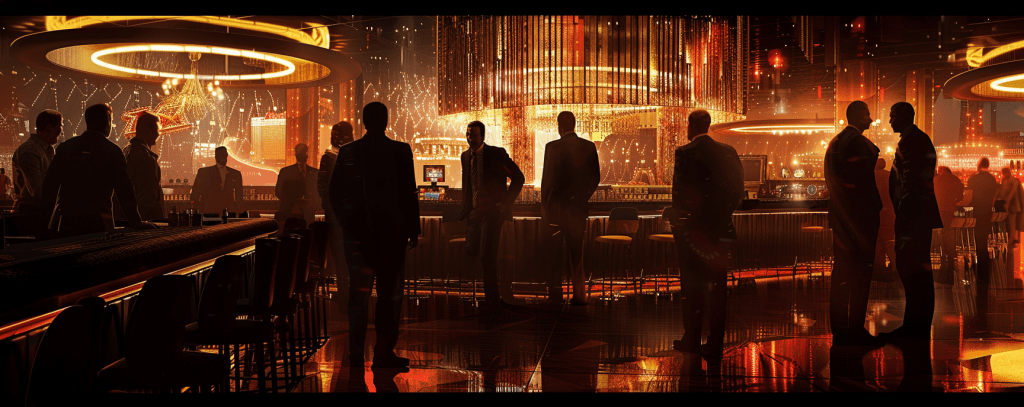
One of the film’s standout features is its realistic portrayal of the heist’s technical aspects. The use of technology and reconnaissance is depicted with a level of detail that lends authenticity to the narrative, avoiding the common pitfall of over-reliance on deus ex machina. The planning phase, therefore, becomes a high-tension puzzle, with each piece—be it a piece of technology, a moment of character development, or a snippet of dialogue—serving a purpose in the grand scheme. This attention to detail ensures that the audience remains engaged and invested in the outcome, appreciating the heist’s complexity rather than merely awaiting its conclusion.


The Execution: A Study in Tension and Teamwork

The execution phase is where the narrative either solidifies its genius or reveals its flaws. In “Ocean’s Eleven,” this critical juncture is handled with a finesse that transforms the heist from a mere plot mechanism into a ballet of precision, tension, and unexpected camaraderie. The sequence, a tightrope walk of timing, skill, and sheer audacity, is emblematic of the film’s grasp on what makes the heist genre perpetually captivating.

The pacing of the heist sequence is meticulously calibrated, propelling the story forward with a momentum that mirrors the ticking clock the team races against. Each phase of the execution is delineated with clarity, yet the screenplay manages to weave these stages together in a tapestry that feels both inevitable and fraught with peril. The suspense is not merely a product of whether the team will succeed, but how they navigate the unforeseen complications that arise. This suspense is cultivated through a masterful control of pacing, ensuring that the audience remains on the edge of their seats, not just by the unfolding action, but through an investment in the characters’ fates.

The film employs a variety of narrative techniques to maintain high stakes and viewer investment. One such technique is the intercutting between the heist’s progress and the reactions of those outside the immediate action, such as Terry Benedict and the casino’s security team. This not only heightens the suspense but enriches the narrative’s texture, offering a multifaceted perspective on the events unfolding. Furthermore, the screenplay’s adept use of visual storytelling—through the strategic deployment of surveillance footage, the clever use of disguises, and the intricate layout of the casino itself—serves to amplify the tension. These elements are not merely decorative but are integral to the story’s progression, providing both obstacles and solutions for the team.

Key moments within the heist sequence reveal the team’s adaptability and cohesion under pressure. One pivotal scene involves a sudden power outage that threatens to derail the entire operation. The team’s response, a blend of quick thinking and mutual trust, underscores the heist’s reliance not just on planning, but on the ability to improvise. Another moment of note is the use of a replica vault for rehearsal, a clever narrative device that underscores the heist’s complexity while also highlighting the team’s dedication to their craft. These moments are not just demonstrations of skill but serve as critical character development, revealing the depth of trust and mutual reliance necessary for such a daring endeavor.

The screenplay navigates twists and maintains suspense through a judicious use of misdirection and reveals. One of the film’s most memorable twists—the revelation that the team had fabricated footage of an empty vault to deceive Benedict—serves as a masterclass in misdirection. This reveal not only subverts the audience’s expectations but recontextualizes earlier scenes, inviting viewers to reevaluate what they thought they knew. Such twists not only serve to elevate the tension but enrich the narrative, offering a layered, engaging experience that rewards attentive viewing.

Furthermore, the heist’s execution is a study in teamwork, with each member playing a vital role in the operation’s success. This interdependence is highlighted through the diverse skill sets of the team members, from Linus’ pickpocketing to Basher’s demolitions expertise. The film celebrates this diversity of talent, presenting it as a microcosm of a harmonious society where differences are not just tolerated but are essential for collective success. This emphasis on teamwork extends beyond the heist itself, offering a commentary on the nature of collaboration and the strength found in unity.

Aftermath and Impact: Beyond the Heist

In the aftermath of the meticulously executed heist that forms the heart of “Ocean’s Eleven,” the narrative seamlessly transitions into an exploration of consequences, both personal and collective. This final phase of the story is as crucial to the film’s impact as the planning and execution stages, offering a resolution that is both satisfying and thought-provoking. The aftermath is where the true weight of the characters’ actions comes to bear, presenting a nuanced examination of their motivations, relationships, and futures.

The resolution of character arcs in “Ocean’s Eleven” is handled with a deftness that speaks to the screenplay’s layered approach. Danny Ocean’s journey, from a recently paroled convict to the mastermind of an audacious casino heist, culminates in a moment of introspection and reconciliation. His reunion with Tess, his estranged wife, is not just a personal victory but a narrative acknowledgment of his complex motivations—love, revenge, and redemption. Similarly, the film carefully resolves the tensions between characters, particularly between Danny and his right-hand man, Rusty, and the young pickpocket, Linus. These resolutions underscore the theme of loyalty that permeates the film, suggesting that trust, once earned, forms an unbreakable bond.

The heist’s aftermath also invites a deeper analysis of the film’s central themes. Loyalty, betrayal, and moral ambiguity are woven into the fabric of the narrative, challenging the audience to consider the ethics of the protagonists’ actions. The film poses a question that is central to the heist genre: Can illegal acts be justified if they are committed for the “right” reasons, such as love or justice? “Ocean’s Eleven” does not provide easy answers but instead presents its characters’ choices with a nuanced understanding of human complexity. This moral ambiguity is a hallmark of the film’s sophistication, elevating it beyond a simple tale of crime and punishment.

Reflecting on “Ocean’s Eleven” within the broader cultural and cinematic context reveals its significant impact on the heist genre. The film rejuvenated the genre, blending classic heist elements with a modern sensibility that appealed to a new generation of viewers. Its success spawned a franchise and inspired numerous other films and television shows, testament to its enduring appeal. The film’s clever combination of humor, suspense, and character-driven narrative set a new standard for heist movies, emphasizing the importance of smart, engaging storytelling over mere spectacle.

The legacy of “Ocean’s Eleven” is evident in its continued relevance and popularity. The film’s innovative approach to the heist genre, characterized by its emphasis on character development and ethical complexity, has influenced both filmmakers and audiences. It demonstrated that a heist film could be about more than just the thrill of the robbery; it could also be a canvas for exploring deeper themes of loyalty, redemption, and the human capacity for both good and ill. This legacy is a testament to the film’s quality and its place in the pantheon of cinema’s most memorable and enjoyable experiences.

In conclusion, the enduring appeal of “Ocean’s Eleven” lies in its masterful storytelling, charismatic ensemble, and the depth of its themes. The film transcends its genre trappings to offer a compelling narrative that is as intellectually engaging as it is entertaining. Through its exploration of the aftermath of the heist, “Ocean’s Eleven” achieves a resonance that extends beyond the immediate thrill of the heist itself, inviting viewers to reflect on the nature of morality, loyalty, and the complexities of human relationships. Its impact on the cinematic landscape is undeniable, reshaping the heist genre and leaving a legacy that continues to influence filmmakers and captivate audiences. In the final analysis, “Ocean’s Eleven” is not just a film about a casino heist; it is a story about the human condition, told with wit, style, and an understanding of the intricacies of both the heart and the mind.


✍️  Whether you’re mastering the art of dialogue, structure, or character development, the power of AI can be a game-changer in your writing journey. My Free Ebook, ‘AI for Authors’ delves into how AI-powered prompts can provide a unique edge to your storytelling process. If you’re intrigued by the prospect of supercharging your fiction skills, download your free copy today and explore new horizons in creative writing. 
The Art of War and Peace: Scripting ‘Dr. Strangelove’

Genesis and Adaptation: From Thriller to Satire

In the midst of the Cold War’s tensest moments, Stanley Kubrick embarked on a cinematic journey that would lead to the creation of one of the most profound satires in film history: “Dr. Strangelove or: How I Learned to Stop Worrying and Love the Bomb.” This film, released in 1964, stands as a testament to Kubrick’s genius, transforming the grim prospects of nuclear annihilation into a dark comedy that continues to resonate with audiences. The genesis and adaptation of “Dr. Strangelove” from a thriller novel to a satirical masterpiece is a fascinating tale of creative evolution, marked by Kubrick’s visionary approach and his collaboration with writer Terry Southern and novelist Peter George.

Initially, Kubrick was drawn to the serious subject matter of nuclear war during the early 1960s, a period rife with geopolitical tensions, notably the Cuban Missile Crisis. His interest led him to Peter George’s novel “Red Alert,” a suspenseful narrative that explored the terrifying possibility of an accidental nuclear conflict between the United States and the Soviet Union. The novel’s chilling realism and detailed exploration of military protocols in the face of an existential threat captivated Kubrick, inspiring him to adapt it into a film.

However, as Kubrick delved deeper into the subject, consulting experts and immersing himself in military strategy and nuclear policy, he encountered a profound realization: the logic underpinning nuclear deterrence was inherently absurd. The doctrine of mutually assured destruction (MAD), intended to prevent war, seemed to Kubrick to be paradoxical and ripe for satire. It was this epiphany that pivoted the film’s direction from a tense thriller to a black comedy. Kubrick saw the potential to use humor as a tool to highlight the absurdity of the geopolitical situation, believing that satire could more effectively critique the Cold War mentality than a straightforward drama.

The transformation of “Dr. Strangelove” required a delicate balance between maintaining the tension inherent in the subject of nuclear war and infusing the narrative with comedic elements. Kubrick, alongside Peter George and Terry Southern, reimagined the story, keeping the framework of “Red Alert” but significantly altering its tone and characters. Terry Southern, known for his sharp wit and satirical edge, was instrumental in this transition. His contributions added a layer of biting humor to the screenplay, enriching the characters with a grotesque yet strangely believable absurdity that would define the film.

The characters of “Dr. Strangelove” are exaggerated representations of Cold War archetypes, each embodying the irrationality Kubrick sought to critique. General Jack D. Ripper, obsessed with protecting his “precious bodily fluids” from Communist contamination, initiates the plot’s central crisis based on delusional paranoia. This character, alongside others like the bombastic General Buck Turgidson and the titular Dr. Strangelove, a former Nazi scientist turned American adviser, showcased the potential for rational systems to be subverted by irrational individuals. Through these characters, Kubrick and his co-writers illustrated the precarious nature of nuclear command and control systems, emphasizing the thin line between sanity and madness in the context of global annihilation.

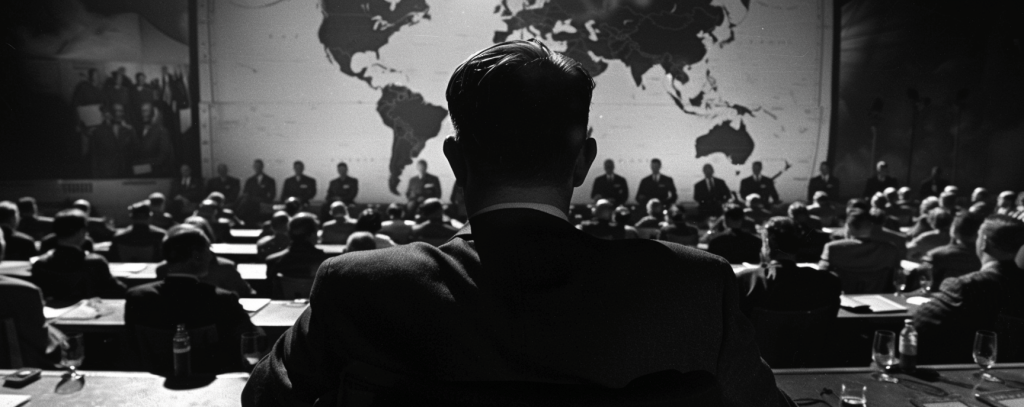
One of the most striking adaptations in the screenplay is the introduction of the War Room, a fictional space that became an iconic symbol of Cold War absurdity. The War Room, with its vast, circular table and imposing maps, served as a stage for the film’s most critical and satirical discussions on the impending nuclear apocalypse. Kubrick’s depiction of the War Room, combined with the screenplay’s sharp dialogue, underscored the surreal nature of military strategy and international diplomacy under the shadow of the bomb.

The shift to satire also allowed Kubrick to explore themes of sexual anxiety and machismo as metaphors for Cold War tensions. The film’s full title, including the phrase “How I Learned to Stop Worrying and Love the Bomb,” suggests a perverse embrace of the very instruments of destruction humanity fears. This theme is further explored through the character of Major T.J. “King” Kong, who rides a nuclear bomb like a rodeo cowboy in the film’s climactic moment—a scene that has since become emblematic of “Dr. Strangelove’s” satirical critique.

Crafting the Satire: Characters and Narrative Devices

In the heart of “Dr. Strangelove’s” enduring appeal lies its masterful deployment of satire, achieved through brilliantly crafted characters and ingenious narrative devices. Stanley Kubrick, alongside co-writers Terry Southern and Peter George, constructed a narrative that sharply critiques the Cold War mentality, the absurdity of nuclear strategies, and the bizarre nature of military and political bureaucracies. By examining the film’s characters and narrative techniques, we can uncover the layers of satire that contribute to its profound commentary on war and peace.

Characters as Satirical Archetypes

Each character in “Dr. Strangelove” is meticulously designed to represent and satirize various aspects of Cold War society and the military-industrial complex. General Jack D. Ripper, portrayed with intense paranoia and obsession, initiates a nuclear attack based on delusional beliefs about Communist conspiracies. His character mocks the extreme anti-Communist sentiment prevalent during the Cold War, highlighting how personal irrationality can have cataclysmic consequences.

Brigadier General Buck Turgidson, with his bombastic patriotism and blatant disregard for human life outside the American context, caricatures the hawkish attitudes of military leaders. His enthusiasm for nuclear war, under the guise of national security, satirizes the dangerous levels of jingoism and the dehumanization of the “enemy” that can pervade military thinking.

President Merkin Muffley, the rational yet impotent leader, embodies the political establishment’s inability to control or mitigate the military’s more destructive impulses. His attempts to maintain peace and reason in the face of impending doom satirize the inefficacy of diplomatic efforts when confronted with the machinery of war. The character’s name itself, Merkin Muffley, carries a satirical edge, with “merkin” referring to a pubic wig, suggesting a façade or cover-up of impotence.

Dr. Strangelove, perhaps the most iconic character, is a former Nazi scientist turned American adviser. His grotesque appearance and uncontrollable Nazi salutes serve as a dark reminder of the post-war recruitment of Nazi scientists by both the Soviet Union and the United States. Dr. Strangelove’s advocacy for a post-apocalyptic society where select individuals would live underground to repopulate the Earth encapsulates the ultimate absurdity of planning for survival after nuclear annihilation.

Major T.J. “King” Kong, the bomber pilot who ultimately delivers the nuclear payload, exemplifies the blind obedience and machismo often associated with military culture. His joyous ride atop a nuclear bomb, descending to oblivion, is a vivid image of the perverse embrace of nuclear weapons, turning a symbol of death into a moment of triumph.

Narrative Techniques and Satirical Elements

“Dr. Strangelove” employs a range of narrative techniques to amplify its satirical tone, using irony, exaggeration, and juxtaposition to critique the logic of nuclear deterrence and the possibility of accidental war. The film’s irony is evident in the portrayal of advanced technological systems, designed to prevent war, instead facilitating its outbreak. The War Room discussions, where military leaders and politicians debate the morality and logistics of nuclear war, are steeped in irony, as the characters seem more concerned with protocol and personal pride than with the millions of lives at stake.

Exaggeration is another key tool. The characters’ behaviors and ideologies are heightened to absurd levels, exposing the folly of their beliefs and actions. General Ripper’s obsession with bodily fluids and purity, General Turgidson’s casual acceptance of mass casualties, and Dr. Strangelove’s bizarre proposals for human survival post-nuclear war are all exaggerated to reveal the underlying madness of their logical extensions.

Juxtaposition further enriches the film’s satirical impact. Scenes of domestic tranquility or bureaucratic normalcy are contrasted with the surreal discussions of global annihilation. The mundane and the catastrophic collide, highlighting the absurdity of conducting discussions about the end of the world in calm, reasoned tones, as if planning a routine military exercise.

Through its characters and narrative techniques, “Dr. Strangelove” masterfully satirizes the Cold War era’s paranoia, political incompetence, and military excess. The film exposes the absurdity of the nuclear age’s precarious logic, where humanity’s survival hinged on the rationality of individuals who are anything but rational. Kubrick’s satirical lens magnifies the madness inherent in treating nuclear war as just another policy option, urging audiences to recognize the folly of entrusting the fate of the world to fallible human institutions. In doing so, “Dr. Strangelove” not only entertains but also delivers a potent critique of the human condition in the nuclear era.

Legacy and Influence: Echoes in Cinema and Culture

“Dr. Strangelove or: How I Learned to Stop Worrying and Love the Bomb” is not just a landmark in the annals of cinema; it is a cultural artifact that captures the zeitgeist of its era while remaining alarmingly relevant in the present day. Its legacy extends far beyond its initial release, influencing countless filmmakers and embedding itself deeply within the fabric of popular culture. This section delves into the film’s enduring impact on cinema and its significant cultural resonance.

Impact on Cinema

“Dr. Strangelove” has left an indelible mark on the landscape of cinematic history, particularly within the genre of political satire. Its innovative approach to tackling the grim subject matter of nuclear war through dark comedy and satire set a new benchmark for filmmakers. The film’s ability to blend humor with serious political commentary inspired a wave of subsequent works that sought to critique society and politics with a similar tonal balance. Its influence can be seen in a variety of films, from the anarchic humor of “MAS*H” (1970) to the satirical bite of “Wag the Dog” (1997), which explores media manipulation and political spin in the context of an international crisis.

Moreover, “Dr. Strangelove” significantly contributed to the discourse on Cold War cinema, providing a counter-narrative to the era’s prevalent propaganda films. Its skepticism towards military authority and political leadership challenged the dominant narratives of the time, offering a cynical yet insightful perspective on the absurdities of the Cold War. The film’s critical stance inspired filmmakers to explore more nuanced and critical approaches to political and military subjects, paving the way for a more skeptical and questioning cinema in the subsequent decades.

Cultural Significance

Beyond its cinematic achievements, “Dr. Strangelove” has become a cultural touchstone, its phrases, characters, and scenes infiltrating the collective consciousness. The iconic image of Major T.J. “King” Kong joyously riding a nuclear bomb to his doom has become a symbol of absurd heroism and the ultimate folly of war. Phrases from the film, such as “Gentlemen, you can’t fight in here! This is the War Room!” have entered the lexicon as shorthand for pointing out the irony and absurdity in various situations.

The film’s influence extends into various realms of popular culture, including television, music, literature, and even political discourse. References to “Dr. Strangelove” are often used to critique political decisions and military policies, demonstrating the film’s continued relevance in discussions about war, peace, and security. The character of Dr. Strangelove himself, with his outlandish proposals for surviving a nuclear apocalypse, serves as a potent metaphor for the lengths to which humanity might go to justify and rationalize its self-destructive tendencies.

The satirical portrayal of Cold War politics and the concept of mutually assured destruction in “Dr. Strangelove” resonates with contemporary audiences facing new global challenges and geopolitical tensions. The film’s enduring appeal lies in its ability to provoke thought and reflection on the nature of power, authority, and the human capacity for self-destruction. As such, it serves as a reminder of the importance of skepticism, critical thinking, and the questioning of political and military orthodoxies.

“Dr. Strangelove” also demonstrates the power of satire as a tool for social and political commentary. Through its exaggerated characters and absurd scenarios, the film offers a critique that is at once humorous and deeply serious, a balancing act that few films have managed to achieve with such efficacy. This dual capacity to entertain and provoke makes “Dr. Strangelove” a quintessential example of how cinema can influence and reflect societal attitudes and anxieties.

As we continue to navigate the complexities of the modern world, “Dr. Strangelove” remains a beacon of satirical brilliance, reminding us of the dangers of unchecked power and the absurdity inherent in the mechanisms of war. Its legacy is a testament to Stanley Kubrick’s genius and the film’s capacity to challenge, amuse, and inspire generations of viewers and filmmakers alike. In an era where the threat of global conflict and the proliferation of nuclear weapons still loom large, “Dr. Strangelove” endures as a crucial cultural artifact, offering both a warning and a wry commentary on the human condition.


✍️  Whether you’re mastering the art of dialogue, structure, or character development, the power of AI can be a game-changer in your writing journey. My Free Ebook, ‘AI for Authors’ delves into how AI-powered prompts can provide a unique edge to your storytelling process. If you’re intrigued by the prospect of supercharging your fiction skills, download your free copy today and explore new horizons in creative writing. 

The Dramatic Intensity of Tennessee Williams’ Adaptations: ‘A Streetcar Named Desire’

Introduction to Tennessee Williams and ‘A Streetcar Named Desire’

Tennessee Williams, born Thomas Lanier Williams III on March 26, 1911, remains one of the most significant American playwrights of the twentieth century. His works are celebrated for their intense emotional depth, complex characters, and an unflinching examination of reality and human nature. Among his extensive repertoire, “A Streetcar Named Desire” stands out as a monumental work that not only earned Williams the Pulitzer Prize for Drama in 1948 but also significantly influenced American theater and culture.

“A Streetcar Named Desire” premiered on December 3, 1947, at the Ethel Barrymore Theatre in New York City, directed by Elia Kazan and starring Marlon Brando, Jessica Tandy, Kim Hunter, and Karl Malden. The play was an immediate success, praised for its powerful narrative, profound themes, and the raw intensity of its characters. It has since been regarded as a masterpiece of American literature, continuously performed worldwide and adapted into various formats, including films, television, and other stage productions.

The play’s setting is the vibrant, yet decaying, French Quarter of New Orleans in the late 1940s, a post-World War II era that is pivotal for understanding the socio-economic backdrop against which the story unfolds. The choice of New Orleans, with its rich cultural heritage and historical significance, adds a layer of complexity and authenticity to the narrative. The setting serves as a perfect backdrop for the collision of cultures, ideals, and personalities that Williams so masterfully portrays in his work.

At the heart of “A Streetcar Named Desire” are its characters, each intricately drawn with their desires, fears, and flaws. Blanche DuBois, the play’s tragic protagonist, arrives in New Orleans to stay with her sister Stella and Stella’s husband, Stanley Kowalski. Blanche is a former schoolteacher from Mississippi who has lost her ancestral home, Belle Reve, and with it, her social standing and sense of identity. Her arrival and subsequent interactions with Stella and Stanley set off a chain of events that lead to her eventual psychological breakdown.

Blanche represents the fading grandeur of the American South and its rigid social hierarchies. She clings to the past and her notions of propriety and class, which starkly contrast with the gritty realism of her surroundings and Stanley’s brute force. Blanche’s delusions of grandeur and her desperate attempts to cling to a semblance of dignity and sanity in the face of her dwindling fortunes form the emotional core of the play.

Stanley Kowalski, on the other hand, embodies the raw, primal force of modern America. He is a working-class man, a Polish immigrant who served in World War II and is now struggling to find his footing in a rapidly changing society. Stanley’s physicality and animalistic tendencies represent a direct challenge to Blanche’s old-world values. His suspicion of Blanche and her past leads to a conflict that is as much about class and social change as it is about personal animosity.

Stella Kowalski, trapped between her sister and her husband, represents the bridge between two worlds—the decaying aristocracy of the Old South and the vibrant, but harsh, reality of the New America. Her choices and actions reflect the struggle of many post-war Americans, torn between tradition and progress, between the comforting lies of the past and the brutal truths of the present.

The complex relationships between these characters are what drive the narrative’s tension and emotional depth. Williams’ exploration of themes such as desire, delusion, and the clash between romanticism and realism is articulated through the interactions and conflicts that arise among Blanche, Stanley, and Stella. The play delves deep into the human psyche, exposing the vulnerabilities and strengths of its characters in a way that resonates with audiences even today.

“A Streetcar Named Desire” also makes significant use of symbolism and motifs to enrich its narrative. The streetcar named Desire, which Blanche takes to reach Stella’s apartment, symbolizes the relentless pursuit of pleasure that ultimately leads to destruction. The motif of light and darkness, with Blanche’s aversion to bright lights symbolizing her fear of truth and reality, adds layers of meaning to her character and her fate. Williams’ adept use of these and other symbolic elements provides a deeper understanding of the characters’ inner lives and the themes of the play.

The play’s impact on American theater and culture cannot be overstated. “A Streetcar Named Desire” challenged contemporary social norms and expectations, presenting a raw, unvarnished look at the complexities of human nature and the societal changes taking place in America at the time. It broke new ground in terms of character development, thematic depth, and the use of language and symbolism, setting a new standard for American drama.

In examining “A Streetcar Named Desire,” it is essential to appreciate not only the brilliance of its writing and the complexity of its characters but also the historical and cultural context in which it was created. Tennessee Williams’ masterpiece is a poignant exploration of the human condition, offering a timeless commentary on the nature of desire, the illusion of the past, and the harsh realities of the modern world. Through its vivid characters, evocative setting, and profound themes, “A Streetcar Named Desire” continues to captivate and inspire, remaining one of the most important and influential works in the canon of American literature and drama.

Exploring the Core of ‘A Streetcar Named Desire’

In the heart of Tennessee Williams’ seminal work, “A Streetcar Named Desire,” lies a rich tapestry of themes and character dynamics, set against the backdrop of a post-war New Orleans. The play is a poignant exploration of desire, delusion, and the inevitable clash between the bygone era’s romanticism and the stark realism of the present. This section delves into the core elements that give “A Streetcar Named Desire” its enduring power and dramatic intensity.

The central theme of desire is the driving force of the narrative, embodied most prominently in the character of Blanche DuBois. Blanche’s arrival in New Orleans, aboard the metaphorical streetcar named Desire, marks the beginning of her tumultuous journey towards destruction. Her desires are multifaceted, encompassing a yearning for love, acceptance, and a return to her aristocratic roots, which have been irreversibly tarnished by the loss of Belle Reve, her family’s ancestral home. Blanche’s pursuit of these desires sets her on a collision course with the harsh realities of the world she finds herself in, epitomized by the character of Stanley Kowalski.

Stanley represents the antithesis of Blanche’s old-world ideals. He is the embodiment of raw, untamed realism, a product of the post-war era that values physicality and pragmatism over the genteel manners of the Southern aristocracy. Stanley’s skepticism towards Blanche and her mysterious past leads to a series of confrontations that underline the play’s central conflict—the clash between the fading illusions of the past and the unyielding truth of the present. This conflict is further intensified by Stanley’s relationship with Stella, Blanche’s sister, who is caught in the middle of their ideological and emotional battle.

Stella serves as the bridge between Blanche’s delusional romanticism and Stanley’s brutal realism. Her decision to leave the aristocratic world of Belle Reve and embrace a life with Stanley in the French Quarter symbolizes a broader societal shift from the genteel traditions of the Old South to the gritty reality of modern America. Stella’s struggle to reconcile her loyalty to Blanche with her love for Stanley mirrors the internal conflict faced by many individuals in the aftermath of World War II, as they grappled with the rapidly changing social and economic landscape of the United States.

The setting of “A Streetcar Named Desire” in the vibrant, yet decaying, French Quarter of New Orleans is no mere backdrop; it is a character in its own right. The city’s unique blend of beauty and squalor, tradition and progress, mirrors the internal and external conflicts of the characters. The sultry, oppressive atmosphere of New Orleans serves to heighten the play’s sense of confinement and inevitability, as Blanche’s past slowly catches up with her and the boundaries between reality and illusion begin to blur.

Williams uses the setting to explore themes of decay and renewal, both in the physical landscape of New Orleans and in the lives of his characters. The post-war era is depicted as a time of profound change, where the scars of the past are still visible, but the promise of the future remains uncertain. This era of transition provides the perfect stage for the play’s exploration of human resilience and vulnerability, as its characters navigate the treacherous waters of desire and delusion in their search for meaning and redemption.

The complex relationships among Blanche, Stanley, and Stella are the engine that drives the narrative forward. Through their interactions, Williams examines the nature of human connection, the destructive power of secrets, and the fragile line between sanity and madness. The play’s dramatic intensity is rooted in these character dynamics, as each scene peels back another layer of their complex psyches, revealing the hopes, fears, and desires that propel them towards their ultimate fates.

Blanche’s tragic trajectory from a woman of fragile beauty and charm to a broken figure, lost in her delusions, is a testament to Williams’ mastery of character development. Her downfall is not just a personal tragedy but a reflection of the larger themes of loss and disenchantment that pervade the play. Similarly, Stanley’s aggressive assertion of dominance and Stella’s quiet acceptance of her compromised happiness speak volumes about the human capacity for cruelty and compromise.

In “A Streetcar Named Desire,” Tennessee Williams has created a world that is at once vividly real and poignantly symbolic. The play’s enduring appeal lies in its unflinching portrayal of the human condition, its exploration of themes that are as relevant today as they were in the post-war era. Through the lens of a few deeply flawed, yet undeniably compelling characters, Williams invites us to reflect on our own desires, delusions, and the eternal struggle between the beauty of our dreams and the harshness of reality.

Adaptations and Their Impact on the Story’s Intensity

The phenomenon of adapting Tennessee Williams’ “A Streetcar Named Desire” into various forms of media underscores the narrative’s enduring appeal and versatility. The most iconic adaptation is undoubtedly the 1951 film directed by Elia Kazan, which stars Marlon Brando as Stanley Kowalski and Vivien Leigh as Blanche DuBois. This film set a high benchmark for future adaptations, capturing the raw emotional intensity and complex character dynamics of Williams’ original play. However, the journey of “A Streetcar Named Desire” from the stage to the screen and beyond has been marked by a diverse array of interpretations, each bringing its unique perspective to the story while grappling with the inherent challenges of translating such a layered text into different media.

The 1951 adaptation by Elia Kazan remains a critical and commercial success, largely due to its faithful rendering of the play’s emotional depth and the powerhouse performances of its cast. Marlon Brando’s portrayal of Stanley introduced a level of brute physicality and brooding sexuality that was revolutionary at the time, permanently altering the character’s perception in popular culture. Vivien Leigh’s Blanche, while more closely aligned with the genteel fragility of the character as written by Williams, was imbued with a palpable sense of tragedy and delusion, making her eventual downfall all the more poignant. The film’s use of lighting, set design, and music further amplified the story’s dramatic intensity, creating an immersive experience that was both a product of its time and timeless in its thematic relevance.

However, the transition from stage to screen was not without its compromises. The censorship codes of the time necessitated alterations to some of the play’s more controversial elements, notably the explicitness of Stanley’s aggression and the nuances of Blanche’s past. These changes, while subtle, impacted the narrative’s complexity, demonstrating the challenges inherent in adapting stage works for the screen, where visual and auditory elements can both enhance and constrain the storytelling.

Subsequent adaptations of “A Streetcar Named Desire” have each sought to capture the essence of Williams’ work while reflecting the sensibilities of their respective times. Stage productions, free from the constraints of film censorship, have often delved deeper into the psychological and sexual undercurrents of the story, exploring the characters’ motivations and vulnerabilities with greater intensity. Modern reinterpretations have also experimented with setting, casting, and directorial vision, offering new perspectives on the play’s central themes of desire, delusion, and destruction.

One notable aspect of adapting “A Streetcar Named Desire” is the challenge of translating its internal monologues and symbolic elements for different audiences. Blanche’s delicate mental state, represented through her fear of harsh light and longing for the gentility of a bygone era, requires a nuanced portrayal that balances the overt with the subtle. Similarly, the symbolic use of motifs such as the streetcar, the polka music, and the varsouviana tune that haunts Blanche offers rich opportunities for creative interpretation, allowing each adaptation to leave its mark on the narrative’s legacy.

The impact of visual and auditory cues in film and stage productions cannot be understated. In Kazan’s film, for example, the claustrophobic set design of the Kowalski apartment amplifies the sense of entrapment and escalating tension between the characters. The use of music and sound effects, such as the haunting strains of the “Varsouviana,” heighten the emotional impact of key scenes, providing a sensory bridge to Blanche’s internal world. These elements, when skillfully employed, can deepen the audience’s engagement with the story, making the characters’ struggles more vivid and relatable.

Adapting “A Streetcar Named Desire” for different media presents a unique set of challenges and opportunities. Each adaptation must navigate the delicate balance between remaining faithful to the source material and bringing a fresh perspective to the narrative. The play’s complex characters, rich thematic content, and atmospheric setting offer a fertile ground for creative exploration, allowing directors, actors, and designers to engage with the work in innovative ways.

Reflecting on the myriad adaptations of “A Streetcar Named Desire,” it is evident that the play’s dramatic intensity and emotional depth have a universal appeal that transcends the confines of its original medium. Whether through the stark realism of Kazan’s film, the raw power of stage performances, or the varied interpretations in modern adaptations, Williams’ masterpiece continues to resonate with audiences around the world. Each version of “A Streetcar Named Desire” serves as a testament to the enduring relevance of its themes and the indelible impact of its characters, ensuring that Tennessee Williams’ vision will continue to captivate and challenge viewers for generations to come.

In the end, the legacy of “A Streetcar Named Desire” lies not only in its profound exploration of human desires and frailties but also in its adaptability to the changing landscapes of art and society. As each new adaptation reimagines Williams’ New Orleans for its audience, “A Streetcar Named Desire” reaffirms its place as a cornerstone of American drama, as vibrant and compelling today as it was on its debut over seventy years ago.


✍️  Whether you’re mastering the art of dialogue, structure, or character development, the power of AI can be a game-changer in your writing journey. My Free Ebook, ‘AI for Authors’ delves into how AI-powered prompts can provide a unique edge to your storytelling process. If you’re intrigued by the prospect of supercharging your fiction skills, download your free copy today and explore new horizons in creative writing. 

Balancing Fact and Fiction: The Storytelling of ‘Argo’

The Foundation of Truth: The Historical Context of ‘Argo’

“Argo” is not merely a film; it’s a cinematic reconstruction of a pivotal moment in history that intertwines the fates of the United States, Canada, and Iran amidst the turmoil of the 1979 Iranian Revolution. This historical backdrop is not just a setting for the film but the very essence of its narrative, providing a profound understanding of the complexities and sensitivities involved in adapting such a significant event for the big screen.

In 1979, the Iranian Revolution reached its zenith, culminating in the overthrow of Mohammad Reza Shah Pahlavi, the last Shah of Iran, and the establishment of an Islamic Republic under Ayatollah Khomeini. The revolution was marked by widespread upheaval, as millions of Iranians took to the streets in a series of events that dramatically altered the country’s social, political, and economic fabric. Amid this chaos, the United States’ embassy in Tehran was besieged by Iranian students and militants, leading to the hostage crisis that would hold the world’s attention for 444 days.

The crisis began on November 4, 1979, when militants stormed the U.S. embassy, taking 52 American diplomats and citizens hostage. This act was primarily motivated by the United States’ refusal to extradite the deposed Shah, who had been admitted to the U.S. for cancer treatment. The siege was a dramatic statement against the Shah’s regime and the perceived American complicity in his authoritarian rule, which had been marked by repression and human rights abuses.

However, amidst this well-documented crisis lay a lesser-known story of ingenuity, courage, and international cooperation, which “Argo” seeks to bring to the forefront. On the day of the embassy siege, six American diplomats managed to evade capture, finding refuge in the residences of Canadian diplomats in Tehran. This group, known as the “Canadian Six,” became the focal point of a covert operation to safely extricate them from a country now hostile to Americans.

The plan, dubbed the “Canadian Caper,” was a joint effort between the Canadian government and the CIA. The operation’s mastermind, CIA operative Tony Mendez, devised an audacious plan to create a fake Hollywood film production company, complete with a script, storyboards, and publicity, to provide a plausible cover for the six diplomats to leave Iran. The cover story positioned them as Canadian filmmakers scouting locations in Iran for a science-fiction film named “Argo.”

This narrative framework is not just a thrilling plot device but a reflection of the real-life creativity and daring that characterized the operation. The attention to detail was meticulous, with Mendez and his team going to great lengths to establish the film’s legitimacy. They set up offices in Hollywood, took out advertisements in trade publications, and even held a script reading to bolster the facade.

The operation’s success hinged on the believability of this narrative and the ability of the six diplomats to convincingly inhabit their assumed roles. It was a high-stakes gamble that relied as much on the art of deception as on the execution of traditional espionage techniques. The ruse was audacious, not only because of its reliance on the fabrication of an entire film production but also due to the geopolitical tensions of the time. The diplomats’ escape on January 27, 1980, was a testament to the operation’s ingenuity, marking a rare moment of triumph amid the broader crisis.

“Argo,” as a film, stands on the shoulders of this intricate historical event, drawing from detailed government records, memoirs, and firsthand accounts to recreate the tension, uncertainty, and sheer improbability of the Canadian Caper. However, it is not just the operation itself that provides the film’s historical context; it is also the detailed portrayal of the 1979 Iranian Revolution and the subsequent hostage crisis. These events are crucial for setting the stage, providing the audience with a glimpse into the volatile atmosphere in which the operation was conceived and executed.

The film’s depiction of Tehran during the revolution is marked by chaos and fervor, capturing the fervent anti-American sentiment that fueled the embassy siege. It portrays the revolution not just as a political upheaval but as a societal transformation, where the clash of ideologies and the struggle for power had tangible consequences for both Iranians and foreigners caught in the crossfire.

The historical context of “Argo” is fundamental to its narrative, providing a backdrop that is both rich and complex. The film navigates the delicate balance between recounting historical events and weaving a narrative that is engaging and accessible to audiences unfamiliar with the nuances of the Iran hostage crisis. It underscores the importance of understanding history not just as a series of events but as a tapestry of human experiences, decisions, and, sometimes, improbable victories.

Artistic Liberties vs. Historical Accuracy: The Storytelling Choices in ‘Argo’

In “Argo,” the interplay between fact and fiction is a carefully orchestrated dance that underscores the film’s narrative drive and emotional resonance. While rooted in the historical episode of the Canadian Caper, the filmmakers’ storytelling choices—spanning the dramatization of events, character development, and the deliberate inclusion of fictional elements—serve not only to heighten the film’s tension but also to deepen the audience’s engagement with the story.

Dramatization of Events to Enhance Narrative Tension

One of the most pronounced storytelling liberties in “Argo” lies in its dramatization of events, particularly those leading up to and including the climactic escape from Tehran. While the real-life operation was fraught with tension and uncertainty, the film amplifies these aspects to create a palpable sense of danger and urgency. For instance, the film portrays the departure from Tehran as a nail-biting sequence of close calls and near misses, with Iranian authorities on the brink of uncovering the ruse as the plane takes off. In reality, the departure was far less dramatic, with the group passing through immigration and boarding their flight with no such last-minute suspense.

This embellishment serves a dual purpose: it not only keeps the audience on the edge of their seats but also encapsulates the broader geopolitical tensions of the era. By focusing on the heightened drama of the escape, “Argo” distills the essence of the Iranian hostage crisis and the Cold War anxieties into a microcosm of conflict and resolution. This narrative choice, while deviating from the historical record, allows the film to convey the stakes involved in a manner that is both accessible and emotionally compelling to viewers.

Character Development and the Use of Composite Characters

Character development in “Argo” also benefits from creative liberties, with the film employing composite and fictionalized characters to streamline the story and enhance its thematic depth. Tony Mendez, played by Ben Affleck, serves as the narrative’s anchor, with the film delving into his personal stakes and emotional journey more deeply than the historical record might suggest. This approach provides audiences with a relatable protagonist whose motivations and challenges drive the story forward.

Moreover, the film employs composite characters—such as the film producer Lester Siegel and makeup artist John Chambers—to encapsulate the Hollywood aspect of the operation. While Chambers was indeed involved in the real-life mission, Siegel’s character is a fictional amalgamation designed to represent the broader film industry’s contribution to the operation. These characters add layers of humor, tension, and insight into the unlikely collaboration between the worlds of espionage and filmmaking, highlighting the operation’s audaciousness.

The use of composite characters is a storytelling technique that allows “Argo” to condense complex real-life figures and dynamics into more manageable and narratively coherent representations. This approach, while diverging from the factual accuracy, enables the film to explore themes of identity, artifice, and heroism with greater nuance and clarity.

Inclusion of Fictional Elements for Emotional Impact

“Argo” further enhances its narrative through the inclusion of fictional elements designed to evoke a strong emotional response from the audience. For example, the film’s depiction of the tension within the group of six Americans, and their initial skepticism of the CIA’s plan, is amplified for dramatic effect. These interpersonal dynamics, while based on the real pressures and fears experienced by the individuals involved, are heightened in the film to explore themes of trust, fear, and resilience under extraordinary circumstances.

Similarly, the film introduces scenarios that did not occur, such as the dramatic bazaar scene where the group’s cover is nearly blown, to underscore the constant threat of discovery they faced. These moments, though fabricated, serve to underscore the precarity of their situation and the courage required to undertake such a perilous escape.

The inclusion of these fictionalized elements is a testament to the filmmakers’ understanding of cinema as a medium of emotional storytelling. By crafting scenes and dynamics that, while not historically accurate, resonate with universal themes of courage, solidarity, and the will to survive, “Argo” transcends the specifics of its historical setting to deliver a compelling human drama.

The Impact of Blending Fact with Fiction: Audience Perception and Historical Memory

The crafting of “Argo” stands as a fascinating study in the intersection of cinema and history, showcasing the profound impact that blending fact with fiction can have on audience perception and historical memory. Through its creative liberties, the film not only crafts a riveting narrative but also navigates the complex ethical terrain of representing real events and people on screen. This final section explores the consequences of such narrative choices, delving into the broader implications for how history is remembered and understood through the lens of popular culture.

Influence on Audience Perception of Historical Events

Films like “Argo” play a pivotal role in shaping public understanding of historical events, particularly for audiences who may not be familiar with the intricacies of the events depicted. By dramatizing the Canadian Caper and the Iranian hostage crisis, the film brings a significant, though less-known, chapter of history to a wide audience, potentially influencing how these events are perceived and remembered. The power of cinema to evoke emotion and create a lasting impression means that for many, “Argo” may serve as a primary source of information about this period, highlighting the responsibility filmmakers bear in handling historical subjects.

The dramatic embellishments and narrative simplifications necessary for cinematic storytelling can, however, lead to a skewed or incomplete understanding of history. While “Argo” succeeds in capturing the essence of the geopolitical tensions and the audacity of the CIA’s operation, its selective portrayal and heightened dramatization might obscure the broader context of the Iranian Revolution and the complexities of U.S.-Iran relations. Such portrayals risk reducing complex historical narratives to binary good vs. evil paradigms, thereby oversimplifying the multifaceted realities of international conflict and diplomacy.

Ethical Considerations for Filmmakers Telling True Stories

The ethical considerations inherent in adapting true stories for the screen form a critical aspect of the filmmaking process. “Argo” treads this ethical line by balancing respect for the real-life participants with the demands of creating an engaging cinematic experience. Filmmakers must navigate the tension between artistic expression and historical fidelity, ensuring that their creative liberties do not distort the fundamental truth of the events depicted or disrespect those who lived through them.

This balancing act raises important questions about the obligations of filmmakers to their subjects and to history itself. How far can and should filmmakers go in altering facts for the sake of narrative cohesion or emotional impact? Where is the line between respectful tribute and exploitative entertainment? “Argo” confronts these questions head-on, crafting a narrative that is at once a gripping thriller and a thoughtful reflection on a complex historical episode. However, the film’s success in this regard does not absolve filmmakers of the need for careful consideration and ethical mindfulness in depicting real events and people.

Consequences for Historical Memory and Understanding

The legacy of a film like “Argo” extends beyond its runtime, influencing not only how individual events are remembered but also how history itself is understood. By immortalizing the Canadian Caper in cinematic form, the film contributes to the collective memory of the Iranian hostage crisis, highlighting aspects of the event that might otherwise be overlooked or forgotten. However, this contribution also carries the risk of cementing a particular narrative at the expense of a more nuanced understanding, potentially leading to misconceptions or oversimplifications that become ingrained in public consciousness.

Moreover, the film’s impact on historical understanding underscores the importance of critical engagement with cinematic portrayals of history. Audiences must navigate the blurred lines between fact and fiction, recognizing the distinction between historical documentary and narrative cinema. This critical lens is essential for fostering a sophisticated appreciation of history as a complex tapestry of narratives, rather than a series of isolated events to be passively consumed.

Encouragingly, “Argo” has sparked discussions and debates about the events it portrays, demonstrating the potential of film to engage audiences with history in meaningful ways. It prompts viewers to seek out more information, to question and to reflect, thereby enriching their understanding of the past. In this way, the blending of fact and fiction, while fraught with challenges, can also serve as a powerful catalyst for exploration and learning.

Conclusion

“Argo” exemplifies the profound influence cinema can wield in shaping perceptions of history, weaving together fact and fiction to craft a narrative that is both compelling and thought-provoking. The film’s exploration of the Canadian Caper illuminates a lesser-known facet of the Iranian hostage crisis, inviting audiences to delve deeper into a critical period of recent history. However, the ethical considerations and potential consequences for historical memory underscore the responsibilities filmmakers bear when bringing true stories to the screen.

In blending fact with fiction, “Argo” navigates the delicate balance between entertainment and education, between artistic license and historical accuracy. It serves as a reminder of the power of storytelling to both reflect and shape our understanding of the world, highlighting the enduring importance of engaging critically with cinematic portrayals of history. Ultimately, “Argo” stands not only as a testament to the bravery and ingenuity of those involved in the Canadian Caper but also as a case study in the complexities of representing real-life events in the realm of fiction, challenging audiences to ponder the intricate interplay between cinema, history, and memory.


✍️  Whether you’re mastering the art of dialogue, structure, or character development, the power of AI can be a game-changer in your writing journey. My Free Ebook, ‘AI for Authors’ delves into how AI-powered prompts can provide a unique edge to your storytelling process. If you’re intrigued by the prospect of supercharging your fiction skills, download your free copy today and explore new horizons in creative writing. 

1999: Top 10 Performances in a Supporting Role

As we look back on the cinematic landscape of the late 20th century, few years shine as brightly as 1999. This year was not just the end of a millennium but a remarkable moment in film history, showcasing innovation, depth, and performances that have since become legendary. While the spotlight often falls on lead actors, the supporting roles of 1999 brought depth and gravitas to their films, often stealing scenes and sometimes the whole show. Here, we celebrate the Top 10 Performances in a Supporting Role from that iconic year, each a vital piece of the cinematic mosaic that made 1999 a landmark year for movies.

10. John Malkovich in “Being John Malkovich”

Malkovich’s performance as a version of himself trapped within the surreal, meta-fictional universe of Charlie Kaufman’s script was nothing short of a revelation. His ability to be both the puppet and the puppeteer, offering a nuanced portrayal of vulnerability, confusion, and ego, set a high bar for the year.

9. Toni Collette in “The Sixth Sense”

Collette’s portrayal of Lynn Sear, the struggling, single mother of a boy who “sees dead people,” is deeply moving. Her raw, emotional depth grounds the film’s supernatural elements in profound human experience, making the film’s twists all the more impactful.

8. Michael Clarke Duncan in “The Green Mile”

As John Coffey, the gentle giant with a mysterious healing gift, Duncan brought tenderness and gravity to a role that could have easily become clichéd. His performance was a critical element in one of the year’s most emotionally resonant films.

7. Haley Joel Osment in “The Sixth Sense”

Though arguably the lead alongside Bruce Willis, Osment’s role feels integral yet supporting, given Willis’s character’s arc. His delivery of the iconic line, “I see dead people,” is chillingly mature, anchoring the film’s haunting atmosphere.

6. Catherine Keener in “Being John Malkovich”

Keener’s Maxine is a masterclass in manipulation, seduction, and the complexities of desire. Her performance adds an essential layer of intrigue and darkness to the film’s already twisted premise.

5. Samantha Morton in “Sweet and Lowdown”

As Hattie, the mute laundry woman who becomes the object of a self-absorbed musician’s affection, Morton delivers a performance of captivating silence. Her expressive face communicates volumes, providing a poignant counterpoint to Sean Penn’s verbose guitar virtuoso.

4. Tom Cruise in “Magnolia”

As the misogynistic self-help guru Frank T.J. Mackey, Cruise took on a role far removed from his typical hero persona. His portrayal of vulnerability, anger, and sorrow beneath a veneer of confidence and charisma is both shocking and deeply moving.

3. Angelina Jolie in “Girl, Interrupted”

Jolie’s Oscar-winning turn as the charismatic, manipulative Lisa Rowe is electric. She embodies the chaos and danger of mental illness while also conveying an underlying pain and fragility that’s hard to ignore.

2. Philip Seymour Hoffman in “Magnolia”

Hoffman’s role as the compassionate nurse Phil Parma exemplifies his ability to bring warmth and humanity to every character he played. In a film filled with larger-than-life performances, his subtlety and depth provide a grounding presence.

1. Christopher Plummer in “The Insider”

In a film about truth and the heavy costs of uncovering it, Plummer’s portrayal of “60 Minutes” journalist Mike Wallace is a towering achievement. He captures the complexities of journalism ethics, ambition, and the personal toll of the profession with unparalleled skill and nuance.

As we conclude our journey through 1999’s most unforgettable supporting performances, it’s clear that these actors not only enriched their films but also helped define a year that remains a high watermark in cinema. Their contributions remind us that supporting roles are often the heart and soul of storytelling, providing the layers and textures that make good films great. The year 1999 will forever be remembered for its bold narratives, innovative storytelling, and the depth of talent that graced the screen, with these ten performances standing as a testament to the enduring power of film.


✍️  Whether you’re mastering the art of dialogue, structure, or character development, the power of AI can be a game-changer in your writing journey. My Free Ebook, ‘AI for Authors’ delves into how AI-powered prompts can provide a unique edge to your storytelling process. If you’re intrigued by the prospect of supercharging your fiction skills, download your free copy today and explore new horizons in creative writing.