Writing for Underdogs: The Emotional Pull of ‘The Pursuit of Happyness’

Introduction: Why We Cheer for the Underdog

There’s something timeless and universally magnetic about the underdog story. From Rocky Balboa to Rudy Ruettiger, audiences have long gravitated toward tales where the odds are stacked high and the fight seems insurmountable. One modern film that stands out in this lineage is Gabriele Muccino’s The Pursuit of Happyness (2006), starring Will Smith. This real-life tale of Chris Gardner’s struggle from homelessness to becoming a successful stockbroker is not just inspirational—it’s a masterclass in emotionally resonant screenwriting.

In this article, we’re diving deep into the storytelling elements that make The Pursuit of Happyness a compelling example of underdog cinema. We’ll explore its emotional core, character arc, structure, and writing choices that screenwriters can learn from when crafting stories that tug at the heart.


1. Grounding Emotion in Reality: The True Story Behind the Film

Before a single line of dialogue is written, the foundation of any story matters. The Pursuit of Happyness is rooted in the real-life story of Chris Gardner, who, in the early 1980s, struggled with homelessness while raising his young son and pursuing a prestigious internship at a stock brokerage firm.

This real-world backdrop isn’t just context—it’s part of the emotional architecture of the film. The stakes aren’t theoretical. The poverty is real. The child depending on Gardner is real. The very title, a deliberate misspelling found on a daycare sign in the film, reflects the real and flawed environment in which hope must bloom.

For screenwriters, this underscores a key lesson: emotional resonance often comes from specificity. By rooting the story in grounded, tangible detail—such as Gardner selling bone density scanners or sleeping in a subway bathroom—the audience is drawn closer to the character’s world.


2. The Underdog Formula: Structure and Stakes

Let’s break down the classic underdog narrative structure:

  • Act I: Introduce the character’s normal world and inciting struggle.
  • Act II: Escalating challenges and near-breaking points.
  • Act III: The breakthrough moment, often earned through persistence, self-sacrifice, and growth.

The Pursuit of Happyness hits these beats with precision.

In Act I, we meet Chris as a struggling salesman whose financial woes are fracturing his marriage. The inciting incident comes early: he decides to pursue a highly competitive unpaid internship at Dean Witter.

Act II is where the film truly earns its emotional weight. Chris is evicted, forced to sleep in shelters, and must juggle full-time unpaid work with full-time single parenting. Each setback doesn’t just make the audience sympathize—they empathize, often asking themselves, What would I do in his place?

The film culminates in Act III with a hard-won victory. There is no grand speech. No rousing montage. Just a quiet moment when Chris is offered the job. The silence is deafening. His tears say what words cannot.

For writers, this reminds us: it’s not about manufacturing drama. It’s about earning it.


3. The Power of the Personal: Fatherhood as Emotional Core

At the heart of The Pursuit of Happyness is not finance or social mobility. It’s fatherhood.

Chris Gardner’s relationship with his son (played by Will Smith’s real-life son, Jaden Smith) gives the story its heartbeat. Unlike many stories where children are passive burdens or background noise, here the child is central. Chris isn’t just fighting for his dream—he’s fighting for his son’s sense of stability and security.

The emotional scenes between father and son—whether sharing jokes, sleeping in a subway bathroom, or racing to a homeless shelter—are never manipulative. They feel lived-in. Raw. Honest.

For screenwriters, this is a critical takeaway: relationships give stakes their true meaning. It’s not just what a character wants—it’s why they want it. And in Chris’s case, it’s so his son doesn’t lose faith in him—or in life.


4. Show, Don’t Tell: Writing Without Preaching

The screenplay by Steven Conrad is a masterclass in restraint. There are no long-winded speeches about dreams or justice. Instead, the story unfolds in action and image.

Take the now-iconic scene of Chris and his son playing basketball. Chris discourages his son from dreaming too big, only to catch himself moments later and say:

“Don’t ever let somebody tell you… you can’t do something. Not even me.”

It’s brief. Simple. Earned. And unforgettable.

The scene works because it’s unexpected. Chris isn’t a perfect hero. He’s exhausted, frustrated, and human. And when he corrects himself, it feels like real growth—something screenwriters should aim for in every character arc.


5. The Economic Reality of Dreams: Subtext as Social Commentary

While not overtly political, the film subtly critiques systemic issues: housing insecurity, unpaid labor, the precariousness of the American Dream. Yet it does so without soapboxing.

Instead, these themes are woven into the fabric of Chris’s daily life. Sleeping in a bathroom stall. Running to make daycare pickup. Standing in line at a homeless shelter in a suit.

The film makes a quiet but powerful statement: in America, chasing a dream can cost everything—even your dignity. That’s what makes the eventual payoff so moving.

For writers, this shows how theme and subtext can be embedded into plot and setting. If you want to say something about the world, show it through how your character lives.


6. Performance and Writing: When Words Meet Acting

Will Smith’s performance elevates the writing, but it’s the writing that gives him room to shine. The dialogue is sparse, deliberate, and often silent where lesser scripts might explain too much.

One of the most powerful moments comes without dialogue: when Chris is finally offered the job. He thanks the executives, walks out, and—outside their earshot—lets out a guttural sob of joy.

That moment wasn’t about clever writing. It was about trusting the character’s journey. As screenwriters, we should remember that sometimes the most powerful line is no line at all.


7. Hope Is a Muscle: Why This Story Endures

Audiences return to The Pursuit of Happyness not because it’s a fairy tale, but because it reflects a hard truth: hope isn’t handed out—it’s earned. Chris Gardner doesn’t succeed despite the struggle; he succeeds through it.

There’s no deus ex machina. No lucky break. Just persistence, resourcefulness, and grit.

In screenwriting terms, this is where the emotional payoff truly lands. You can throw your character into the pit—but they have to claw their own way out. When they do, the audience feels it with them.


Final Thoughts: Writing for the Ones Who Keep Going

Underdog stories aren’t just about beating the odds—they’re about surviving long enough to get a chance. The Pursuit of Happyness reminds us that stories rooted in personal stakes, emotional truth, and quiet resilience can hit harder than the loudest blockbusters.

As screenwriters, we can learn a lot from this film:

  • Root your characters in reality.
  • Let relationships drive emotion.
  • Trust the audience to feel without being told.
  • Let hope cost something.

In the end, when you write for the underdog, you write for the audience’s better angels—the part of them still willing to believe that effort matters, that love sustains, and that happiness, no matter how elusive, is worth the pursuit.


  Whether you’re mastering the art of dialogue, structure, or character development, the power of AI can be a game-changer in your writing journey. My Free Ebook, ‘AI for Authors’ delves into how AI-powered prompts can provide a unique edge to your storytelling process. If you’re intrigued by the prospect of supercharging your fiction skills, download your free copy today and explore new horizons in creative writing. 
How The Handmaid’s Tale Adapts Dystopia for Modern Audiences

Dystopian fiction is uniquely powerful because it transforms our deepest fears about society, politics, and human nature into compelling storytelling. Margaret Atwood’s landmark novel, The Handmaid’s Tale, first published in 1985, has seen renewed relevance through the groundbreaking Hulu adaptation that premiered in 2017. With critical acclaim, widespread cultural resonance, and deep emotional impact, the series demonstrates how screenwriters can adapt classic dystopian narratives to resonate with modern audiences.

Below, we’ll explore exactly how The Handmaid’s Tale achieves this remarkable feat, focusing specifically on screenwriting techniques and storytelling strategies that make dystopian themes resonate in the contemporary moment.


Updating a Classic: Dystopia in Context

When Margaret Atwood penned The Handmaid’s Tale in the mid-1980s, the dystopian vision she portrayed—a patriarchal theocracy, environmental collapse, and a rollback of women’s rights—was already chillingly familiar to readers concerned about the growing cultural conservatism and political uncertainty of the era. Yet, in adapting the novel for modern television, showrunner Bruce Miller and the series’ writers faced the task of connecting this prescient but era-specific vision to contemporary anxieties.

Addressing Modern Issues

The brilliance of the adaptation is how carefully it selects elements from today’s political and social climate—reproductive rights battles, authoritarian tendencies, climate anxiety, gendered violence—and seamlessly integrates them into Atwood’s original framework. By updating subtle details (such as characters referencing recent technological advancements or real-world legislation), the series underscores the timelessness of Atwood’s warnings.

A powerful example appears in Season 1, where the series explicitly references digital surveillance technologies, creating a tangible modern threat. The series amplifies audience anxiety by reflecting back their real-world fears about the erosion of privacy, freedom, and bodily autonomy in ways Atwood’s original readers could never have anticipated.


Character Development for Emotional Impact

For dystopia to resonate deeply with modern audiences, it’s not enough to paint a bleak societal landscape—viewers must emotionally invest in individual journeys. Here, The Handmaid’s Tale excels through nuanced character development.

Complexity of the Protagonist: June Osborne

Atwood’s unnamed protagonist (“Offred”) takes on greater emotional depth and agency in the series adaptation as June Osborne (Elisabeth Moss). Screenwriters embraced this expanded character space, allowing June’s inner monologue from the novel—so vital for emotional immersion—to be vividly externalized through performance and dialogue.

June’s character arc is masterfully paced, showing her transformation from passive survival to active resistance. Modern audiences, accustomed to complex protagonists with morally ambiguous edges, find June’s mixture of strength, vulnerability, courage, and occasional ruthlessness compelling. This layered characterization is a hallmark of contemporary storytelling, aligning perfectly with audience expectations for sophisticated television narratives.

Expanded Secondary Characters

In adapting the book, writers also flesh out secondary characters, providing audiences multiple perspectives on Gilead’s horror. Figures like Serena Joy (Yvonne Strahovski), Aunt Lydia (Ann Dowd), and Emily (Alexis Bledel) move from novelistic sketches into fully realized individuals, each with distinct motivations and backstories.

These expansions are a crucial lesson for screenwriters: Dystopia is richer and more believable when characters possess complexity and ambiguity, reflecting real human contradictions and emotional conflicts.


Visual and Cinematic Storytelling

A key consideration for adapting dystopia to modern audiences is how screenwriters and directors translate thematic content visually. The Handmaid’s Tale is a masterclass in visual storytelling, leveraging symbolic color palettes, cinematography, and production design to amplify its emotional and thematic power.

The Power of Symbolism

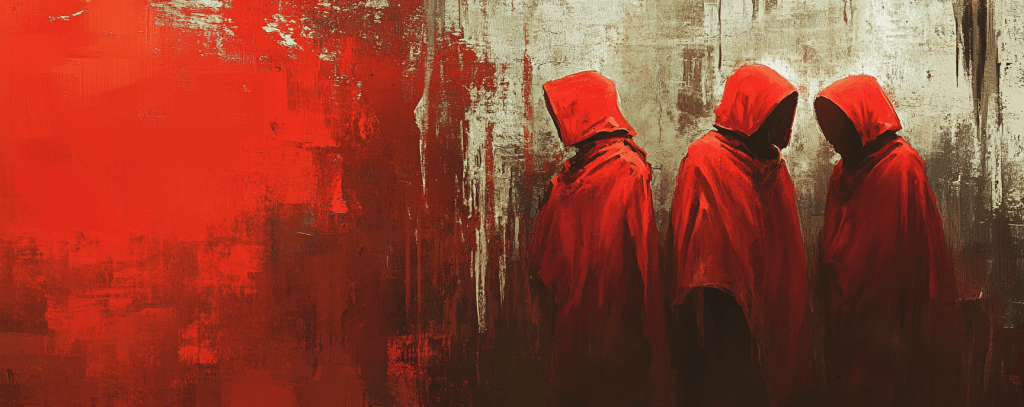
The iconic red cloaks and white bonnets worn by Handmaids create a striking visual metaphor, instantly recognizable and powerfully symbolic of oppressive conformity and erasure of individuality. The careful visual coding—blue for Wives, green for Marthas, gray for the working class—provides visual storytelling shortcuts for audiences to instantly grasp social hierarchies without exposition-heavy dialogue.

Framing Oppression Visually

Directors frequently frame shots through tight, oppressive compositions, often emphasizing characters’ lack of space or freedom visually. Close-ups on faces behind windows, fences, or doors underscore themes of isolation, captivity, and powerlessness.

Writers crafting dystopia can learn from the effective synergy between script and visual choices: showing, not telling, enhances audience empathy and visceral engagement with oppressive realities.


Balancing Brutality and Hope

Dystopian storytelling risks becoming emotionally overwhelming or unrelentingly bleak, alienating audiences rather than engaging them. The adaptation carefully balances graphic, harrowing portrayals of violence and oppression with glimmers of hope, resistance, and human dignity.

Nuanced Portrayals of Violence

Though notoriously difficult to watch, scenes of brutality are presented deliberately, neither gratuitously nor sensationally. The violence always serves narrative and thematic purposes, illustrating power dynamics and the personal cost of rebellion or complicity. This careful treatment prevents desensitization and continually shocks the audience into emotional awareness.

Infusing Narrative with Hope

Crucially, writers give audiences emotional relief by showing meaningful moments of resistance, kindness, and solidarity. June’s relationships with fellow Handmaids and Marthas, and the underground resistance network, provide brief respites of warmth and humanity amid overwhelming darkness. These moments make the series emotionally sustainable, showing audiences hope can persist even in despair.


Adapting Structure for Serialized Television

Adapting dystopian fiction to serialized television requires structural adjustments that differ significantly from novel writing. The episodic and seasonal format of television enables deeper exploration of character arcs, societal backstory, and thematic complexity.

Episodic Structure and Pacing

Screenwriters skillfully distribute plot twists, revelations, and character turning points across episodes and seasons, pacing the narrative to maintain suspense and emotional engagement. Each episode functions as a coherent story within the larger narrative framework, while cliffhangers and unresolved storylines keep viewers invested.

This adaptation choice differs substantially from the novel, which is inherently constrained by its format. Modern viewers, accustomed to binge-watching, demand sustained narrative tension and evolving character journeys that serialized storytelling can provide.

Using Flashbacks and Backstory

The extensive use of flashbacks—another significant adaptation choice—enriches the storytelling by providing contrast between pre-Gilead normalcy and post-collapse horror. Flashbacks deepen characters’ motivations, reinforce emotional stakes, and illustrate the gradual erosion of freedoms that resonate strongly with contemporary anxieties.


Cultural Impact and Real-World Resonance

Finally, The Handmaid’s Tale owes much of its modern relevance to cultural timing. Premiering during a period of heightened political polarization and increasing anxiety about women’s rights globally, the series tapped into broader cultural conversations.

Connecting with Modern Movements

The series became a cultural touchstone, with imagery from the show becoming iconic in real-world protests related to women’s rights and reproductive freedoms. Writers aiming for cultural resonance should recognize the value of connecting fictional narratives with real-world social movements and anxieties.

Lessons for Screenwriters

For screenwriters, the lasting impact of the series demonstrates that dystopian fiction thrives when it intersects authentically with genuine fears and issues confronting contemporary society. The adaptation’s writers remained mindful that dystopia is not merely escapist entertainment—it is a mirror held up to our collective anxieties and potential futures.


Final Thoughts: Crafting Relevant Dystopia

The success of The Handmaid’s Tale adaptation offers screenwriters a vital lesson: dystopia remains compelling not because it is futuristic fantasy, but precisely because it feels frighteningly possible. By integrating nuanced character development, sophisticated visual storytelling, balanced emotional content, serialized structure, and authentic cultural resonance, screenwriters can craft dystopian narratives that profoundly resonate with modern audiences.

The Handmaid’s Tale not only succeeds as entertainment; it achieves something more ambitious—sparking conversations, challenging assumptions, and remaining emotionally and culturally relevant long after the credits roll. For screenwriters and storytellers alike, there could hardly be a higher aspiration.


  Whether you’re mastering the art of dialogue, structure, or character development, the power of AI can be a game-changer in your writing journey. My Free Ebook, ‘AI for Authors’ delves into how AI-powered prompts can provide a unique edge to your storytelling process. If you’re intrigued by the prospect of supercharging your fiction skills, download your free copy today and explore new horizons in creative writing. 

AI in Hollywood: Weekly News, April 3, 2025

The Intersection of AI, Screenwriting, and Hollywood: Latest Developments Shaping the Industry

The entertainment industry is undergoing a seismic shift as artificial intelligence (AI) continues to redefine the creative and production processes in Hollywood. Over the past week, several major developments have emerged, shedding light on how AI is influencing screenwriting, content creation, and the broader media landscape. From debates over copyright protection to groundbreaking funding for generative AI startups, these stories highlight both opportunities and challenges in integrating AI into the world of storytelling.

AI and Copyright: Protecting Creativity in a Digital Age

The Motion Picture Association (MPA), which represents major Hollywood studios such as Netflix, Disney, and Warner Bros., has taken a clear stance on the coexistence of AI and copyright. In a 10-page submission to the White House Office of Science and Technology Policy, the MPA emphasized that while AI holds immense potential for enhancing creativity, it must operate within a robust copyright framework to protect creators and incentivize original content.

This balanced approach reflects the MPA’s moderate tone: supporting innovation while safeguarding intellectual property. The organization opposes excessive labeling requirements for AI-assisted content, such as marking visual effects scenes with “MADE WITH AI,” arguing that such measures could stifle creative freedom and raise First Amendment concerns. Instead, the MPA advocates for leveraging existing U.S. copyright laws to address AI-related challenges without introducing sweeping regulatory changes.

The stakes are high. Copyright industries contribute approximately $2 trillion to the U.S. GDP—around 8% of the economy—and generate billions in audiovisual export sales. The MPA’s position underscores the necessity of protecting this economic engine while fostering innovation in AI-powered storytelling.


Hollywood’s Uneasy Relationship with AI

While the MPA strikes a moderate tone, other corners of Hollywood are voicing stronger concerns about AI’s impact on creative rights. Guilds and A-list talent have criticized studios for not doing enough to prevent unauthorized use of copyrighted material by AI firms. Lawsuits have already been filed by high-profile figures like Sarah Silverman and organizations like The New York Times.

Adding to this tension, an open letter signed by prominent artists such as Paul McCartney, Ava DuVernay, and Cate Blanchett called on the White House to enforce stricter copyright protections against AI misuse. These voices reflect growing fears that generative AI could undermine traditional creative roles by replicating or synthesizing copyrighted works without proper authorization or compensation.


AI Protections Lagging in UK Actor Contracts

Across the Atlantic, debates over AI safeguards are also unfolding but with less progress. The BBC and ITV recently finalized new contracts with actors union Equity—but notably excluded any provisions addressing AI use. While both broadcasters stated that discussions on AI remain ongoing, their decision to delay protections has drawn criticism from Equity, which had initially sought safeguards against practices like facial “synthesization.”

This contrasts sharply with developments in the U.S., where SAG-AFTRA has successfully secured AI protections in its agreements with studios. Equity has even warned major players like Disney and Pact (the UK producers’ trade body) of potential legal action if actors’ rights continue to be violated through AI model training.

The lack of immediate action by UK broadcasters highlights a significant gap in how different regions are addressing AI’s impact on creative professionals. For screenwriters and actors alike, these delays raise concerns about how their work might be used—or misused—in an era of increasingly sophisticated generative models.


Runway’s Vision for a New Media Ecosystem

In stark contrast to these concerns about regulation and rights protection, some companies are embracing AI as a transformative force in media creation. Generative AI startup Runway recently announced a $308 million Series D funding round, bringing its total funding to $545 million and valuing the company at approximately $3 billion.

Runway’s ambitions extend far beyond traditional content creation tools. The company envisions building “world simulators” that enable entirely new approaches to storytelling across film and animation. Its latest Gen-4 model focuses on generating consistent characters, objects, and locations across media scenes—a capability that could revolutionize how screenwriters and filmmakers conceptualize their narratives.

Runway’s partnership with Lionsgate exemplifies this potential. By training custom AI models on Lionsgate’s content library, Runway aims to reduce production costs while enhancing creative possibilities. This collaboration signals a future where generative tools become integral to Hollywood workflows—not just as cost-saving measures but as engines for innovation.


Balancing Innovation with Ethical Concerns

As exciting as these technological advancements are, they also raise ethical questions about authorship and originality in storytelling. Runway CEO Cristóbal Valenzuela has framed his company’s work as foundational for a new media ecosystem—but what does this mean for traditional screenwriters? Will tools like Gen-4 complement their craft or compete with it?

Hollywood guilds have already expressed fears that generative models could replace human creativity rather than augment it. For example, if an AI can generate entire scenes or scripts based on existing IPs, where does that leave human writers? These questions are not just theoretical; they strike at the heart of what it means to create art in an age increasingly dominated by algorithms.


The Path Forward: Collaboration or Conflict?

The developments from this past week illustrate two divergent paths for integrating AI into Hollywood:

  1. Collaboration: Companies like Runway showcase how generative tools can empower creators by streamlining workflows and expanding creative horizons. When used ethically and transparently, these technologies could usher in a golden age of storytelling.
  2. Conflict: On the other hand, unresolved issues around copyright infringement, actor rights, and transparency threaten to create friction between technology firms and creative communities. Without clear guidelines or protections, trust between stakeholders could erode—jeopardizing both innovation and artistic integrity.

For screenwriters specifically, these trends underscore the importance of staying informed about how AI is reshaping industry norms. Whether through partnerships with tech companies or advocacy within guilds like WGA or SAG-AFTRA, writers must play an active role in shaping policies that protect their craft while embracing new opportunities.


Conclusion: Navigating an Uncertain Future

The intersection of AI and Hollywood remains a dynamic—and often contentious—space. While organizations like the MPA advocate for balanced approaches to copyright protection, others warn of existential threats posed by unchecked technological advances. Meanwhile, startups like Runway push forward with bold visions for reimagining media production altogether.

For those working in screenwriting or other creative fields within Hollywood, these developments offer both promise and peril. By engaging with these issues proactively—whether through advocacy or experimentation—creatives can help ensure that AI serves as a tool for empowerment rather than disruption.

As we move deeper into this era of technological transformation, one thing is clear: the stories we tell about ourselves—and how we tell them—will never be quite the same again.


✍️  Whether you’re mastering the art of dialogue, structure, or character development, the power of AI can be a game-changer in your writing journey. My Free Ebook, ‘AI for Authors’ delves into how AI-powered prompts can provide a unique edge to your storytelling process. If you’re intrigued by the prospect of supercharging your fiction skills, download your free copy today and explore new horizons in creative writing. 
AI in the Writers’ Room: Exploring the Pros and Cons

The entertainment industry is experiencing a seismic shift as artificial intelligence (AI) continues to reshape the landscape of content creation. From video games to newsrooms, AI’s impact is being felt across all sectors, prompting both excitement and concern among writers and industry professionals. As we delve into the world of AI in the writers’ room, let’s explore the advantages and disadvantages of this transformative technology.

The Rise of AI in Screenwriting

AI has made significant strides in the realm of screenwriting, offering tools that promise to streamline the creative process and enhance productivity. Writers now have access to cutting-edge AI tools that can assist with brainstorming, improve dialogue flow, and generate creative ideas with remarkable efficiency2.

AI Writing Assistants

One of the most notable developments in AI screenwriting is the emergence of sophisticated writing assistants. Tools like Final Draft AI, Sudowrite, and Jasper AI have become increasingly popular among writers seeking to enhance their craft2. These AI-powered platforms offer features such as:

  • Predictive text for character names and dialogue patterns
  • Intelligent dialogue analysis for natural and emotionally engaging conversations
  • Plot twist suggestions and character development tools
  • Scene description generators

Enhanced Efficiency and Productivity

AI writing tools can significantly boost productivity by automating repetitive tasks and streamlining the writing process. Writers can generate content at a faster pace, allowing for quicker script development and potentially reducing production costs45.

Consistency in Style and Tone

AI algorithms can maintain a consistent tone and style throughout a script, which is particularly beneficial for branding and messaging in serialized content3. This consistency can help writers create a cohesive narrative voice across multiple episodes or seasons.

Data-Driven Insights

AI tools can analyze vast amounts of data, providing writers with insights into market trends and audience preferences. This capability allows for more targeted storytelling that resonates with specific viewer demographics4.

Overcoming Writer’s Block

AI-powered brainstorming tools can help writers overcome creative blocks by suggesting plot ideas, character arcs, and dialogue options. This feature can be particularly useful during the early stages of script development2.

Lack of Human Creativity and Emotional Depth

While AI can generate content quickly, it often lacks the nuanced creativity and emotional depth that human writers bring to their work. AI may struggle to interpret complex emotions or accurately convey subjective themes3.

Potential for Errors and Inconsistencies

Despite advances in natural language processing, AI writing tools are not infallible. They may produce errors or inconsistencies that require human intervention and editing3.

Ethical Concerns and Job Security

The integration of AI in the writers’ room raises ethical questions about authorship and intellectual property. There are also concerns about job security, as some fear AI could potentially replace human writers in certain capacities1.

Limitations in Specialized Content

AI may struggle with highly specialized subjects or unique creative visions that require deep human understanding and experience5.

SAG-AFTRA Video Game Strike

The ongoing SAG-AFTRA video game strike, which has lasted for over seven months, highlights the growing concerns surrounding AI in the creative industries. The union is demanding stricter AI protections, including the right to withdraw consent for AI-generated replicas during strikes and more transparent disclosures about how these digital doubles are used1.

Writers Guild of America (WGA) Negotiations

The WGA has been proactive in addressing AI concerns in the entertainment industry. Following their 2023 strike, which secured historic provisions defining a writer as a human, the union is now using their recent contract with ABC News as a model for negotiations with other networks. This contract includes crucial AI-related clauses such as:

  • Mandatory notification to the union before AI implementation
  • Job protections for permanent staff
  • The right for journalists to decline bylines on AI-assisted content
  • A requirement for AI-generated content to meet the same journalistic standards as human-written work1

The Future of AI in Screenwriting

As AI technology continues to evolve, its role in the writers’ room is likely to expand. However, the key to successful integration lies in finding the right balance between human creativity and AI assistance.

Collaborative Approach

The future of screenwriting may involve a collaborative approach where AI serves as a tool to enhance human creativity rather than replace it. Writers could use AI for initial drafts, research, and idea generation, while focusing their efforts on refining the narrative, developing complex characters, and infusing the script with emotional depth.

Personalization and Adaptation

AI tools are becoming increasingly sophisticated in their ability to adapt to individual writing styles and preferences. This personalization could lead to more tailored assistance, helping writers enhance their unique voices rather than homogenizing content4.

Ethical Guidelines and Industry Standards

As AI becomes more prevalent in the entertainment industry, it will be crucial to establish clear ethical guidelines and industry standards for its use. This may include regulations on AI-generated content, transparency in AI usage, and protections for writers’ intellectual property rights.

Conclusion

The integration of AI in the writers’ room presents both exciting opportunities and significant challenges. While AI tools can enhance efficiency, provide data-driven insights, and assist with creative blocks, they also raise concerns about the preservation of human creativity, job security, and ethical considerations.

As the entertainment industry continues to grapple with these issues, it’s clear that the role of AI in screenwriting will be a topic of ongoing debate and negotiation. The key to successful integration will likely lie in finding a balance that leverages AI’s strengths while preserving the irreplaceable value of human creativity and emotional intelligence in storytelling.

Ultimately, the future of AI in the writers’ room will depend on how well the industry can adapt to these technological advancements while safeguarding the essence of what makes great storytelling truly human.


✍️  Whether you’re mastering the art of dialogue, structure, or character development, the power of AI can be a game-changer in your writing journey. My Free Ebook, ‘AI for Authors’ delves into how AI-powered prompts can provide a unique edge to your storytelling process. If you’re intrigued by the prospect of supercharging your fiction skills, download your free copy today and explore new horizons in creative writing. 

Citations:

  1. https://aiinscreentrade.com/2025/03/14/ai-in-hollywood-weekly-news-march-14-2025/
  2. https://buddyxtheme.com/top-ai-tools-for-script-writing/
  3. https://aicontentfy.com/en/blog/ai-writing-vs-traditional-writing-pros-and-cons
  4. https://glcoverage.com/2024/11/26/ai-screenwriting/
  5. https://mailchimp.com/resources/ai-writing-tools/
  6. https://aiscreenwriter.com
  7. https://msutoday.msu.edu/news/2023/ask-the-expert-how-can-ai-support-writing-and-student-learning
  8. https://arxiv.org/pdf/2502.16153.pdf
  9. https://www.siegemedia.com/strategy/ai-writing-statistics
  10. https://www.latimes.com/entertainment-arts/business/story/2025-02-12/hollywood-writers-say-ai-is-ripping-off-their-work-they-want-studios-to-sue
  11. https://matchboxdesigngroup.com/pros-and-cons-of-using-ai-for-content-writing/
  12. https://cte.ku.edu/ethical-use-ai-writing-assignments
  13. https://www.thestrategyinstitute.org/insights/the-role-of-ai-in-business-strategies-for-2025-and-beyond
  14. https://pittnews.com/article/182563/opinions/opinion-ai-writing-is-not-the-answer/
  15. https://www.synthesia.io/post/ai-tools
  16. https://www.squibler.io/ai-script-writer/
  17. https://kindlepreneur.com/best-ai-writing-tools/
  18. https://www.bu.edu/com/articles/2025-writer-in-residence-talks-advertising-ai-and-the-joys-of-writing/
  19. https://phoenixscreenwriters.org/ai-and-screenwriting-nault-brown/
  20. https://www.reddit.com/r/Screenwriting/comments/13msegi/do_you_think_ai_can_eventually_become_a_real/
  21. https://www.forbes.com/councils/theyec/2023/05/30/14-benefits-and-drawbacks-of-using-ai-tools-to-write-business-content/
  22. https://10web.io/ai-tools/ai-screenwriter/
  23. https://www.youtube.com/watch?v=FdGqy6FFBr0
  24. https://www.reddit.com/r/WritingWithAI/comments/1ccjvqo/best_ai_for_tvfilm_screenwriting_claude_chatgpt/
  25. https://www.storywork.io
  26. https://zapier.com/blog/best-ai-writing-generator/
  27. https://www.rit.edu/news/screenwriters-vs-machine-embracing-ai-storytelling-process
  28. https://www.stage32.com/blog/the-impact-of-artificial-intelligence-on-screenwriting-2299
  29. https://www.morganstanley.com/insights/articles/ai-trends-reasoning-frontier-models-2025-tmt
  30. https://www.yomu.ai/resources/best-ai-writing-assistants-in-2025-which-one-should-you-use
  31. https://support.zendesk.com/hc/en-us/articles/9019896467482-Announcing-simplify-and-custom-prompt-generative-AI-writing-tools
  32. https://www.winssolutions.org/jobs-ai-will-replace-challenge-opportunities/
  33. https://beverlyboy.com/artificial-intelligence/pros-and-cons-of-an-ai-generated-film-script/
  34. https://www.thezenagency.com/latest/the-pros-and-cons-of-using-ai-as-a-writing-tool/
  35. https://ineducationonline.org/2023/09/06/ai-usage-for-content-writing-research-and-other-written-tasks-understand-the-pros-and-cons-of-using-ai/
  36. https://buffer.com/resources/ai-writing-tools/
  37. https://www.nichepursuits.com/ai-script-writer/
  38. https://www.cbsnews.com/news/ai-experts-on-chatgpt-artificial-intelligence-writing-program/

The Poetics of Violence in Tarantino’s Scripts

Quentin Tarantino’s screenplays have long fascinated, shocked, and inspired audiences and critics alike. Renowned for his distinct dialogue, non-linear storytelling, and explosive character dynamics, Tarantino’s most controversial yet critically acclaimed signature remains his poetic use of violence. Far from gratuitous, the violence in his scripts serves narrative depth, character exploration, and thematic resonance, creating its own complex form of cinematic poetry.

In this article, we’ll delve into how Quentin Tarantino scripts violence not merely as spectacle, but as a profound and symbolic narrative element. We’ll dissect his approach, examining what makes his violent scenes both artistically compelling and dramatically essential.


Violence as Dialogue: Communication through Conflict

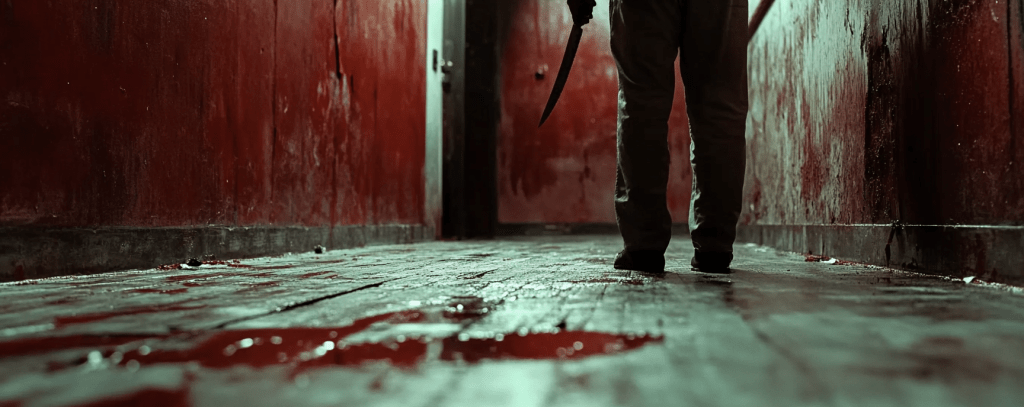
Tarantino’s films often showcase violence as an alternative form of dialogue, a visceral means of expressing power dynamics, character motivations, and inner truths. Where other screenwriters use physical conflict primarily as spectacle or climax, Tarantino embeds meaning within each violent action. Consider the interrogation scene in Reservoir Dogs, where Mr. Blonde’s infamous ear-cutting sequence unfolds with startling brutality. This violence isn’t arbitrary; it communicates Mr. Blonde’s twisted moral compass, establishing a chilling power dynamic between captor and captive.

In Pulp Fiction, the accidental shooting of Marvin by Vincent Vega doesn’t just shock—it speaks volumes about Vincent’s careless detachment and the absurdity of random violence. Thus, violence becomes a nuanced layer of storytelling, functioning much like dialogue—filled with subtext, irony, and dark humor.

Screenwriters can learn from Tarantino’s approach by using violent moments to enrich character arcs or underscore thematic elements, rather than simply propelling action forward.


Rhythm and Tempo: The Musicality of Violence

One defining characteristic of Tarantino’s violence is its rhythmic quality. His scripts choreograph violence as meticulously as dance sequences, using rhythm, pacing, and timing to build tension and release. In Kill Bill: Vol. 1, the Bride’s legendary showdown with the Crazy 88 is not only hyper-stylized but is paced like a symphony, featuring slow crescendos, rapid bursts, and deliberate pauses.

This rhythm also applies to dialogue surrounding violence. Conversations preceding violent acts are often elongated, mundane, or humorous, creating contrast with the sudden eruption of brutality. For example, in Inglourious Basterds, the tavern scene steadily builds tension through deceptively calm dialogue and carefully measured pacing before exploding into swift, chaotic violence.

Screenwriters studying Tarantino can incorporate rhythmic elements—such as varying sentence length, tempo, and tension—to maximize emotional impact, turning violent sequences into dramatic punctuation marks within the narrative.


Symbolism and Metaphor: Violence Beyond Literalism

Tarantino’s violence frequently operates on metaphorical and symbolic levels, reflecting broader themes like revenge, redemption, or moral ambiguity. His violent scenes aren’t just acts of aggression; they’re visual metaphors that deepen narrative resonance. In Django Unchained, violence symbolizes historical trauma and collective vengeance, portraying the brutality of slavery and the catharsis of revenge through exaggerated, visceral imagery.

Similarly, The Hateful Eight explores violence as an allegory for America’s persistent racial tension, suspicion, and mistrust, with brutality becoming the externalization of hidden societal conflicts. Each violent act or confrontation is embedded with layers of historical and thematic meaning, forcing audiences to confront deeper moral questions.

For screenwriters, approaching violence symbolically rather than literally can offer richer, more meaningful narratives. Violence becomes not just spectacle, but poetry, echoing central ideas that resonate long after the credits roll.


Stylized Realism: Balancing Authenticity with Hyperbole

While Tarantino’s violence often feels exaggerated or stylized, it paradoxically remains emotionally authentic. This balance—hyperbole paired with authenticity—is essential to the poetic quality of his scripts. The bloodbath in the finale of Once Upon a Time in Hollywood is both absurdly exaggerated and deeply cathartic, providing an alternate history where justice feels poetically satisfying.

Screenwriters can achieve this balance by grounding stylized elements in authentic emotions and believable character motivations. The audience will accept heightened violence if it emotionally aligns with character objectives or thematic integrity. Violence, when grounded in character truths, can speak authentically even in exaggerated scenarios.


Character Arcs and Transformation Through Violence

Violence in Tarantino’s scripts often acts as a catalyst for profound character transformation. Characters frequently enter scenes one way and emerge permanently altered after experiencing or inflicting violence. Consider Jules Winnfield in Pulp Fiction: his near-death encounter and subsequent act of violence lead directly to an existential awakening, transforming his trajectory forever.

Likewise, Shosanna in Inglourious Basterds evolves through traumatic violence inflicted upon her family, emerging as a symbol of defiant vengeance. Violence doesn’t merely shape her—it defines her.

Screenwriters looking to emulate Tarantino’s approach should ensure violent acts directly impact characters, triggering genuine change or revelation. Violence thus becomes a narrative turning point, integral to character development rather than mere spectacle.


Ethical Ambiguity: Challenging the Audience’s Morality

Another poetic dimension of Tarantino’s violence is its deliberate ethical ambiguity. His screenplays rarely deliver straightforward moral judgments. Instead, they invite audiences to question their own responses. Is cheering for Django’s violent retribution justified? Is the catharsis experienced during the violent resolution in Inglourious Basterds ethically defensible?

By presenting violence without clear moral framing, Tarantino compels audiences to grapple with discomfort, introspection, and debate. Screenwriters interested in engaging audiences deeply can embrace ethical complexity, refusing to simplify morality and instead letting violence provoke thoughtful reflection.


Influences and Homages: Intertextuality in Violent Expression

Tarantino openly references cinema history in his violent scenes, paying homage to Spaghetti Westerns, exploitation films, and Asian martial arts cinema. His violence is often intertextual, borrowing visually and narratively from filmmakers like Sergio Leone, Sam Peckinpah, and John Woo. These cinematic homages provide additional layers of meaning, creating dialogues between Tarantino’s scripts and cinematic history.

The iconic ear-slicing in Reservoir Dogs echoes Peckinpah’s exploration of brutality in Straw Dogs, while Kill Bill’s sword fights consciously recall classic samurai films by Akira Kurosawa. For screenwriters, recognizing and thoughtfully incorporating influences can enrich their own work, adding depth and cultural resonance.


Violence as Meta-Narrative Commentary

Finally, Tarantino uses violence to comment explicitly on storytelling itself, often employing meta-narratives. Films like Death Proof and Once Upon a Time in Hollywood actively deconstruct cinematic violence, questioning audiences’ attraction to brutality. By foregrounding violence within a critical, self-aware framework, Tarantino invites audiences to recognize their complicity in consuming violent media.

Screenwriters can similarly employ violence as meta-commentary, not only enhancing narrative layers but also prompting audiences to reflect critically on violence’s pervasive role in entertainment.


Conclusion: The Poetic Power of Violence

Quentin Tarantino’s scripts illustrate that violence, when handled thoughtfully, can be an essential and poetic storytelling device. His use of violence as dialogue, rhythmic composition, symbolic metaphor, character catalyst, ethically ambiguous provocation, intertextual homage, and meta-narrative critique elevates violence beyond mere sensationalism.

For screenwriters and storytellers, Tarantino’s scripts provide a powerful blueprint: violence should always be purposeful, emotionally authentic, and integrated into the thematic heart of the narrative. Far from simple spectacle, cinematic violence can speak profoundly, resonating as deeply as poetry itself.


  Whether you’re mastering the art of dialogue, structure, or character development, the power of AI can be a game-changer in your writing journey. My Free Ebook, ‘AI for Authors’ delves into how AI-powered prompts can provide a unique edge to your storytelling process. If you’re intrigued by the prospect of supercharging your fiction skills, download your free copy today and explore new horizons in creative writing.