Latest AI News: Transforming Screenwriting and Filmmaking

The intersection of artificial intelligence (AI) and the entertainment industry continues to evolve rapidly, bringing about significant advancements and raising crucial ethical questions. This month, several notable developments highlight the transformative potential and challenges of AI in screenwriting and filmmaking.

AI Writing Tools Enhancing Screenwriting

AI writing tools are increasingly becoming indispensable for screenwriters. Among these, Jasper AI stands out for its ability to enhance scene descriptions, create vivid imagery, and provide narrative immersion. Jasper AI supports over 30 languages and integrates with multiple tools, offering features like plagiarism and grammar checks to ensure scripts are both original and linguistically polished. With customizable narrative voices, Jasper AI is well-suited for both individual screenwriters and small teams, making it a versatile tool in the industry​ (All About AI)​.

Industry Adoption and Ethical Considerations

Major film studios such as Paramount and Disney are exploring the integration of generative AI throughout their production pipelines. AI is being used for tasks like lip-syncing actors’ performances in multiple languages and creating special effects. A notable example is the de-aged deepfake of Harrison Ford in “Indiana Jones and the Dial of Destiny.” However, this rapid adoption of AI has sparked ethical concerns, particularly around the potential misuse of the technology. Last year, the SAG-AFTRA strikes highlighted these issues, emphasizing the need for responsible AI use in the industry​ (MIT Technology Review)​​ (Screenwriting Research Network)​.

AI Film Festivals Showcasing Innovation

Runway, a company known for its generative video models, has established an annual AI film festival that showcases experimental movies made with AI tools. This festival, with a $60,000 prize pot, is a testament to the growing recognition of AI-driven content in the film industry. Such events are crucial for exploring the creative possibilities AI brings to screenwriting and filmmaking, offering a platform for innovation and experimentation​ (MIT Technology Review)​.

Educational and Research Initiatives

The Screenwriting Research Network (SRN) is actively exploring the integration of AI into script production. They are discussing various initiatives, including working groups and online discussion forums, focused on the role of AI in screenwriting. These efforts aim to support screenwriters in navigating the challenges and opportunities presented by AI technologies, fostering a community that embraces responsible and innovative AI use​ (Screenwriting Research Network)​.

Conclusion

The dynamic relationship between AI and the entertainment industry is reshaping screenwriting and filmmaking. While AI tools like Jasper AI enhance script quality and efficiency, the industry’s adoption of AI raises important ethical considerations. Festivals and research initiatives are crucial for exploring AI’s creative potential while ensuring responsible use. As AI continues to evolve, it promises to bring both exciting advancements and significant challenges to the world of screenwriting.

Stay tuned for more updates as we continue to explore the fascinating world of AI in entertainment. For further insights and detailed discussions, visit our blog at AI in Screen Trade.


References

Screenwriting and Genre-Blending: The Success of ‘Get Out’

Introduction to Genre-Blending in ‘Get Out’

Overview of ‘Get Out’ as a Genre-Blending Masterpiece

Jordan Peele’s Get Out stands out as a quintessential example of genre-blending in contemporary cinema. Released in 2017, this film captivated audiences and critics alike with its innovative narrative that seamlessly merges elements of horror, social thriller, and dark comedy. Peele, previously known for his work in comedy, showcased his versatility and keen understanding of genre conventions, creating a film that not only entertains but also provokes thought and discussion on important societal issues.

The success of Get Out can be attributed to its masterful combination of these distinct genres, which allows the film to explore complex themes with depth and nuance. By intertwining horror with social commentary and dark humor, Peele crafts a narrative that is both engaging and deeply unsettling. This genre-blending approach not only enhances the film’s storytelling but also broadens its appeal, making it accessible to a diverse audience.

Importance of Genre in Screenwriting and the Film Industry

Genres play a pivotal role in the film industry, acting as a framework that guides both audience expectations and storytelling techniques. Each genre comes with its own set of conventions and tropes, which screenwriters use to evoke specific emotions and responses from the audience. Understanding these conventions is crucial for any screenwriter aiming to craft a compelling narrative.

In traditional filmmaking, sticking to a single genre is often seen as a safer bet, as it allows for clear marketing strategies and predictable audience reactions. However, genre-blending offers an opportunity to innovate and push the boundaries of conventional storytelling. By combining elements from multiple genres, screenwriters can create more dynamic and layered narratives that resonate on different levels.

Get Out exemplifies the potential of genre-blending to elevate a film’s impact. By mixing horror, social thriller, and dark comedy, Peele transcends the limitations of each genre, creating a film that is both unique and universally relevant. This approach not only distinguishes Get Out from other films but also sets a precedent for future filmmakers to explore the possibilities of genre fusion.

Brief Synopsis of ‘Get Out’

At its core, Get Out is a story about Chris Washington (Daniel Kaluuya), a young African American photographer who is apprehensive about visiting the family of his white girlfriend, Rose Armitage (Allison Williams). Despite his initial unease, Chris agrees to the trip, and they set off to Rose’s family estate in a secluded, picturesque location.

Upon arrival, Chris is greeted by Rose’s parents, Dean (Bradley Whitford) and Missy (Catherine Keener), who go out of their way to assure him of their progressive attitudes. However, as the weekend progresses, Chris notices increasingly disturbing behaviors and unsettling incidents, particularly involving the family’s black servants, Georgina (Betty Gabriel) and Walter (Marcus Henderson).

The narrative takes a chilling turn when Chris discovers the horrifying truth behind the Armitage family’s seemingly benign exterior. He learns that the family is involved in a sinister conspiracy to transplant the consciousness of white individuals into the bodies of black people, exploiting their physical abilities while suppressing their identities.

This revelation propels the film into a gripping and intense climax, as Chris fights to escape the nightmarish situation. The film’s ending is both cathartic and thought-provoking, leaving audiences to ponder the deeper implications of its themes.

The Importance of Genre-Blending in ‘Get Out’

The genius of Get Out lies in its ability to seamlessly blend horror, social thriller, and dark comedy, creating a multi-dimensional narrative that is as entertaining as it is thought-provoking. Each genre element plays a crucial role in enhancing the film’s overall impact.

The horror aspects of Get Out are expertly crafted to evoke a sense of dread and suspense. From the eerie isolation of the Armitage estate to the terrifying concept of the “Sunken Place,” the film employs classic horror tropes to great effect. These elements create an atmosphere of unease that keeps audiences on edge, while also serving as metaphors for deeper societal issues.

The social thriller components are equally important, as they ground the film in real-world concerns about racism and cultural appropriation. Peele uses the thriller genre’s conventions to build tension and highlight the insidious nature of these issues. The film’s social commentary is woven seamlessly into the narrative, making it an integral part of the story rather than a heavy-handed message.

Dark comedy and satire also play a significant role in Get Out. Peele’s background in comedy is evident in the film’s sharp wit and biting humor. Characters like Rod Williams (Lil Rel Howery), Chris’s best friend, provide comic relief while also offering insightful commentary on the absurdity of the situation. The satirical elements not only add levity to the film but also underscore its critique of societal norms.

The Mechanics of Genre-Blending

One of the key strengths of Get Out is its ability to balance these genres without diluting the impact of any one element. This requires a deep understanding of genre conventions and a careful approach to blending them. Peele achieves this through a combination of clever writing, precise direction, and strong performances from the cast.

The screenplay of Get Out is meticulously crafted to integrate horror, social thriller, and dark comedy in a cohesive manner. Each scene is designed to serve multiple purposes, advancing the plot while also reinforcing the film’s themes and tone. For example, the “garden party” scene is a masterclass in genre-blending, as it combines elements of social satire with suspense and psychological horror. The seemingly benign conversations and microaggressions experienced by Chris build a sense of dread, culminating in the revelation of the Armitage family’s true intentions.

Peele’s direction further enhances the genre-blending. His use of visual storytelling, such as the contrast between the idyllic exterior of the Armitage estate and the sinister events taking place within, adds depth to the narrative. The film’s pacing is also crucial, with carefully timed moments of tension and release that keep the audience engaged.

The performances, particularly Daniel Kaluuya’s portrayal of Chris, anchor the film’s genre-blending. Kaluuya’s ability to convey a range of emotions, from unease and suspicion to outright terror, allows the audience to fully immerse themselves in the story. The supporting cast, including Allison Williams, Bradley Whitford, and Catherine Keener, deliver nuanced performances that enhance the film’s complex tone.

Dissecting the Genres in ‘Get Out’

Analysis of Horror Elements in ‘Get Out’

Get Out is fundamentally rooted in the horror genre, using its conventions to create a sense of unease and fear that permeates the entire film. One of the most effective horror elements in Get Out is the setting of the Armitage family estate. The secluded, rural location, isolated from the rest of society, immediately establishes a sense of vulnerability and entrapment. The eerie calm of the estate contrasts sharply with the underlying malevolence, heightening the tension.

The film also employs psychological horror to great effect. The concept of the “Sunken Place,” a hypnotic state where the victim’s consciousness is trapped and powerless, is a chilling metaphor for control and oppression. This imagery is deeply unsettling, not only because of its visual impact but also due to its symbolic representation of the historical and ongoing marginalization of African Americans. The horror is amplified by the realization that Chris’s mind and body are being co-opted by the Armitage family’s sinister intentions.

Moreover, Get Out uses traditional horror techniques such as jump scares and suspenseful pacing to keep viewers on edge. The unexpected behavior of the family’s black servants, Georgina and Walter, and the bizarre interactions Chris experiences at the garden party contribute to a growing sense of dread. These elements build up to the film’s climactic revelation, creating a horror experience that is both psychological and visceral.

Examination of Social Thriller Components

The social thriller aspects of Get Out are intricately woven into the fabric of the narrative, using the thriller genre to explore and critique racial dynamics in contemporary society. Unlike traditional thrillers that focus solely on crime or espionage, Get Out delves into the subtler, yet equally terrifying, manifestations of racism.

Peele constructs a narrative where the horror stems from social realities. The Armitage family’s outwardly progressive facade masks a deep-seated exploitation and commodification of black bodies. This duality is central to the social thriller genre, where the true horror is revealed through layers of deception and hypocrisy.

The tension in Get Out is not just about physical danger but also the psychological stress of navigating a world where one’s identity is constantly under threat. Chris’s interactions with the Armitage family and their friends are fraught with microaggressions and veiled racism, illustrating the everyday struggles faced by African Americans. This adds a layer of realism to the thriller elements, making the audience keenly aware of the societal issues being depicted.

Additionally, the film’s use of suspense and mystery enhances its social thriller credentials. The slow unveiling of the Armitage family’s true intentions keeps viewers engaged and invested in Chris’s fate. This narrative technique is a hallmark of effective thrillers, creating a sense of urgency and danger that drives the plot forward.

Integration of Dark Comedy and Satire

Dark comedy and satire play a crucial role in Get Out, providing moments of levity while simultaneously deepening the film’s social commentary. Peele’s background in comedy is evident in his sharp, witty dialogue and his ability to find humor in the most disturbing situations.

One of the primary sources of dark comedy in Get Out is the character of Rod Williams, played by Lil Rel Howery. Rod’s humorous skepticism and blunt observations provide a counterbalance to the escalating tension. His role as the comic relief does more than just entertain; it also serves to highlight the absurdity of the situation and the often overlooked perspective of those outside the immediate narrative.

The film’s satirical elements are evident in its critique of liberal racism and the fetishization of black culture. The Armitage family’s overly enthusiastic admiration for Chris’s physical attributes and cultural background is both humorous and unsettling. This satirical portrayal of “well-meaning” racism exposes the hypocrisy and superficiality of performative allyship, making a powerful statement through humor.

Furthermore, Peele uses satire to underscore the film’s horror elements. Scenes that initially seem humorous, such as Dean Armitage’s awkward attempts to connect with Chris, later reveal a more sinister undercurrent. This interplay between comedy and horror keeps the audience off-balance, enhancing the overall impact of the film.

How These Genres Interact and Enhance Each Other

The interplay of horror, social thriller, and dark comedy in Get Out is seamless, with each genre element reinforcing and amplifying the others. The horror elements create a backdrop of fear and suspense that heightens the impact of the social thriller narrative. The social thriller components ground the horror in real-world issues, making the fear more immediate and relevant. Dark comedy and satire provide a necessary release of tension while also offering critical insights into the film’s themes.

This genre-blending approach allows Get Out to tackle complex subjects in a way that is both engaging and thought-provoking. By integrating these genres, Peele creates a multifaceted narrative that resonates on multiple levels, appealing to a wide range of audiences.

For example, the horror of the “Sunken Place” is intensified by the social thriller’s focus on racial exploitation, while the dark comedy of Rod’s commentary provides a poignant critique of societal attitudes. This dynamic interaction between genres ensures that Get Out is more than just a horror film or a social thriller; it is a powerful exploration of contemporary racial issues, presented in an entertaining and accessible format.

The Impact of Genre-Blending on ‘Get Out’s’ Success

Audience Reception and Critical Acclaim

Get Out was met with widespread acclaim from both audiences and critics, quickly establishing itself as a cultural phenomenon. Upon its release, the film garnered a 98% rating on Rotten Tomatoes and an 85% score on Metacritic, indicating universal praise. This critical success is a testament to Jordan Peele’s skillful genre-blending, which allowed Get Out to stand out in a crowded film landscape.

Audiences were particularly struck by the film’s ability to balance genuine scares with sharp social commentary. Many viewers found the horror elements to be not only thrilling but also thought-provoking, as they were rooted in real-world issues of racism and cultural appropriation. This unique combination of entertainment and relevance resonated deeply, leading to a strong word-of-mouth campaign that helped propel the film to box office success.

Financially, Get Out was a major triumph, grossing over $255 million worldwide on a modest $4.5 million budget. This impressive return on investment highlights the commercial viability of genre-blending films that offer fresh and innovative storytelling. The film’s success also demonstrated that there is a substantial audience for horror films that challenge traditional genre conventions and address contemporary social issues.

Influence on the Horror Genre and Broader Film Industry

Get Out has had a profound influence on the horror genre, inspiring a wave of socially conscious horror films that explore complex themes through the lens of fear and suspense. Peele’s success with Get Out paved the way for other filmmakers to experiment with genre-blending and to use horror as a means of addressing societal issues.

Films like Us (2019), also directed by Peele, and The Invisible Man (2020) have followed in Get Out’s footsteps by combining horror with sharp social commentary. These films have expanded the boundaries of the horror genre, proving that it can be a powerful vehicle for exploring and critiquing the human condition. The trend towards genre-blending has also been evident in television, with shows like Lovecraft Country and The Haunting of Hill House incorporating elements of social thriller and dark comedy into their narratives.

Beyond the horror genre, Get Out has influenced the broader film industry by demonstrating the potential of diverse storytelling. The film’s success has highlighted the importance of representation both in front of and behind the camera, encouraging Hollywood to invest in projects that reflect a wider range of experiences and perspectives. This shift towards inclusivity has led to a more vibrant and dynamic film landscape, with audiences increasingly demanding stories that are both unique and relevant.

Legacy and Lessons for Screenwriters

The legacy of Get Out extends far beyond its immediate impact on audiences and the industry. For screenwriters, the film offers valuable lessons in the art of genre-blending and innovative storytelling.

One of the key takeaways from Get Out is the importance of understanding and manipulating genre conventions to create a compelling narrative. Peele’s mastery of horror, social thriller, and dark comedy conventions allowed him to craft a film that is both entertaining and thought-provoking. Screenwriters can learn from this approach by studying the mechanics of different genres and experimenting with ways to combine them in their own work.

Another lesson from Get Out is the power of socially relevant storytelling. By addressing contemporary issues through the lens of horror, Peele created a narrative that resonated deeply with audiences. Screenwriters should consider how they can incorporate meaningful themes into their stories, using genre elements to enhance their impact and relevance.

Get Out also underscores the importance of character development in genre-blending films. The film’s success is largely due to its well-drawn characters, particularly Chris, whose journey is both relatable and compelling. Screenwriters should focus on creating multidimensional characters whose experiences and perspectives enrich the narrative.

Finally, Get Out demonstrates the value of originality and boldness in screenwriting. Peele’s willingness to push boundaries and challenge conventions resulted in a film that is both innovative and impactful. Aspiring screenwriters should take inspiration from this example, embracing their unique voice and perspective to create stories that stand out in a crowded marketplace.

Conclusion

The impact of Get Out on the film industry is undeniable. Its innovative genre-blending, sharp social commentary, and compelling storytelling have set a new standard for what horror films can achieve. By resonating with audiences and critics alike, Get Out has proven the power of combining entertainment with relevance, inspiring a new wave of genre-blending films that explore important societal issues.

For screenwriters, Get Out offers a wealth of lessons on the art of genre-blending, the importance of meaningful storytelling, and the value of originality. As the film’s legacy continues to influence the industry, it serves as a reminder of the limitless potential of creative and daring storytelling.


✍️  Whether you’re mastering the art of dialogue, structure, or character development, the power of AI can be a game-changer in your writing journey. My Free Ebook, ‘AI for Authors’ delves into how AI-powered prompts can provide a unique edge to your storytelling process. If you’re intrigued by the prospect of supercharging your fiction skills, download your free copy today and explore new horizons in creative writing. 

Writing Realistic Dialogue: The Conversational Mastery in ‘Pulp Fiction’

Introduction to Realistic Dialogue

Overview of Realistic Dialogue

Realistic dialogue is the lifeblood of compelling screenwriting. It’s the tool through which characters come to life, their personalities, backgrounds, and motivations revealed through the words they choose and the way they speak. Authentic dialogue mimics real-life conversations, providing a sense of immediacy and believability that draws audiences into the story. Achieving this authenticity, however, is no small feat. Writers must navigate the delicate balance between naturalism and narrative needs, ensuring dialogue is engaging without feeling contrived or overly expository.

In screenwriting, realistic dialogue serves several critical functions. It advances the plot, develops characters, establishes relationships, and creates the film’s tone and atmosphere. Unlike real conversations, which can be meandering and filled with trivialities, cinematic dialogue must be purposeful and precise, delivering information efficiently while maintaining a sense of spontaneity. This requirement presents a significant challenge: writing dialogue that feels both true to life and dramatically effective.

Tarantino’s Signature Style

Quentin Tarantino stands as a master of dialogue in modern cinema. His scripts are renowned for their witty, rapid-fire exchanges that blend humor, tension, and cultural references into a seamless flow. Tarantino’s dialogue often defies the conventions of traditional screenwriting, opting instead for extended conversations that reveal character depth and build narrative momentum in unexpected ways.

Tarantino’s signature style is characterized by its rhythmic cadence and the juxtaposition of the mundane with the profound. His characters frequently engage in seemingly trivial discussions that, upon closer inspection, serve to enhance the narrative and deepen the audience’s understanding of the characters. This approach allows Tarantino to inject realism into his films, capturing the ebb and flow of real conversations while ensuring that every word serves a purpose.

Setting the Scene: ‘Pulp Fiction’

Released in 1994, ‘Pulp Fiction’ is widely regarded as one of Tarantino’s masterpieces and a seminal work in independent cinema. The film’s non-linear narrative, eclectic ensemble cast, and groundbreaking dialogue have cemented its status as a cultural touchstone. ‘Pulp Fiction’ weaves together multiple interconnected stories, each featuring characters whose lives intersect in unexpected and often violent ways.

At the heart of ‘Pulp Fiction’ is its dialogue, which drives the narrative forward and provides insight into the complex, often contradictory natures of its characters. From hitmen discussing fast food to a boxer negotiating his escape, the film’s dialogue is both rich in subtext and replete with memorable lines that have become ingrained in popular culture. Tarantino’s ability to craft dialogue that is simultaneously entertaining and revealing is a testament to his skill as a writer and his deep understanding of human interaction.

The characters in ‘Pulp Fiction’ are vividly brought to life through their distinctive voices and the way they communicate with one another. Each character’s dialogue is meticulously tailored to reflect their unique background, personality, and motivations. For instance, Jules Winnfield (Samuel L. Jackson) uses eloquent, almost philosophical language, contrasting sharply with his violent profession, while Vincent Vega (John Travolta) employs a more casual, laid-back vernacular. This attention to detail ensures that every line of dialogue feels authentic to the character speaking it.

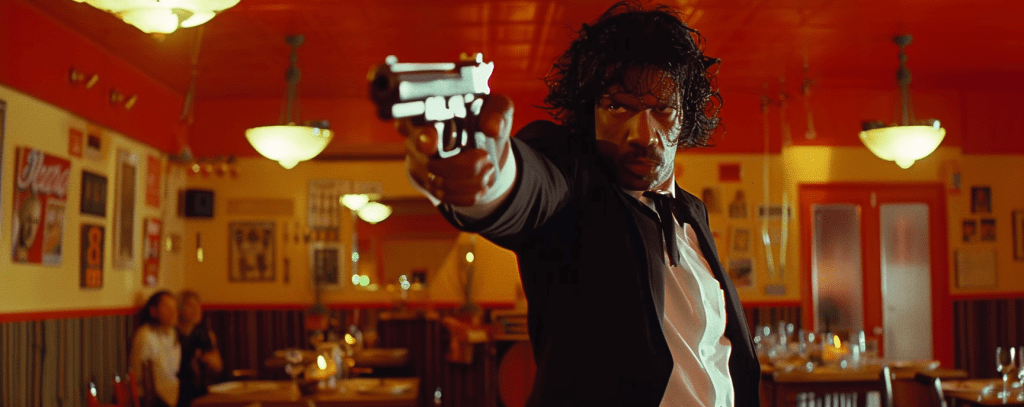
One of the key features of Tarantino’s dialogue in ‘Pulp Fiction’ is its ability to blend humor with tension, creating scenes that are as unpredictable as they are engaging. The film’s opening scene, set in a diner, exemplifies this approach. A seemingly innocuous conversation between a couple, Honey Bunny (Amanda Plummer) and Pumpkin (Tim Roth), quickly escalates into a tense standoff, setting the tone for the rest of the film. This scene, like many others in ‘Pulp Fiction,’ showcases Tarantino’s talent for crafting dialogue that keeps audiences on the edge of their seats while simultaneously providing critical character and plot information.

Another hallmark of Tarantino’s dialogue is his use of cultural references and pop culture trivia, which serve to ground his characters in a recognizable reality while also adding layers of meaning to their interactions. In ‘Pulp Fiction,’ characters often engage in discussions about movies, music, and other aspects of popular culture, lending an air of authenticity to their conversations. This technique not only makes the dialogue feel more natural but also allows Tarantino to explore broader themes and social commentary through the lens of his characters’ everyday interactions.

Tarantino’s dialogue in ‘Pulp Fiction’ is also notable for its subtext and the way it reveals information indirectly. Characters often speak in coded language or use metaphor and analogy to convey their true intentions and emotions. This layered approach to dialogue adds depth to the film, encouraging audiences to read between the lines and engage more actively with the story. For example, in the famous “Royale with Cheese” scene, the seemingly trivial conversation about fast food in Europe serves as a vehicle for exploring the characters’ personalities and establishing their rapport.

Analysis of Key Dialogue Scenes in ‘Pulp Fiction’

The Opening Scene: Honey Bunny and Pumpkin

‘Pulp Fiction’ begins with a deceptively simple conversation in a diner between a couple, Honey Bunny (Amanda Plummer) and Pumpkin (Tim Roth). This scene is a masterclass in dialogue-driven storytelling, setting the stage for the film’s tone and introducing key thematic elements.

The conversation starts with Pumpkin lamenting the dangers and diminishing returns of robbing liquor stores. This seemingly mundane topic quickly transitions into a spontaneous decision to rob the diner they are sitting in. Tarantino uses this dialogue to immediately establish the characters’ relationship and personalities. Honey Bunny’s transformation from affectionate partner to aggressive accomplice is marked by her sudden switch in demeanor, illustrated through her dialogue: “Any of you fucking pricks move, and I’ll execute every motherfucking last one of you!”

This dialogue serves multiple purposes. It introduces the audience to Tarantino’s signature style of blending casual conversation with sudden violence, creating an unsettling yet intriguing dynamic. The scene also sets up the film’s non-linear narrative structure, as this couple reappears later in the story, tying different plot threads together. Through their dialogue, we learn about the impulsiveness and volatility of these characters, setting the stage for the unpredictability that characterizes the rest of the film.

The Iconic “Royale with Cheese” Scene

One of the most memorable scenes in ‘Pulp Fiction’ is the “Royale with Cheese” conversation between Vincent Vega (John Travolta) and Jules Winnfield (Samuel L. Jackson). This scene epitomizes Tarantino’s talent for turning mundane topics into compelling dialogue that reveals character and context.

The conversation takes place as Vincent and Jules drive to an assignment. They discuss the differences between American and European fast food, focusing on the fact that in France, a Quarter Pounder with Cheese is called a “Royale with Cheese.” This seemingly trivial discussion does more than provide comic relief; it serves to humanize the characters, showing them as ordinary people with everyday interests despite their violent profession.

This scene also subtly builds the world of ‘Pulp Fiction.’ Through their dialogue, we get a sense of the characters’ experiences and personalities. Vincent’s enthusiasm for sharing his knowledge about Europe reveals his love for travel and curiosity about different cultures, while Jules’ responses showcase his wit and grounded nature. The casual, yet engaging dialogue makes the characters relatable and endears them to the audience, enhancing the impact of their actions later in the film.

Moreover, this scene highlights Tarantino’s skill in using dialogue to set a relaxed, conversational tone that contrasts sharply with the violent events that follow. This juxtaposition keeps the audience engaged and on edge, as the casual banter lulls them into a false sense of security before the narrative takes a darker turn.

The “Ezekiel 25:17” Monologue

Another standout moment in ‘Pulp Fiction’ is Jules Winnfield’s “Ezekiel 25:17” monologue. Delivered with intense conviction, this speech is both a narrative anchor and a character-defining moment. Jules recites the passage before executing his victims, using it to justify his actions and assert his moral authority.

The monologue serves multiple functions. On a surface level, it adds to the menacing persona of Jules, making him a formidable and memorable character. However, its deeper significance lies in its role as a turning point in Jules’ character arc. By the end of the film, Jules reinterprets the passage as a reflection on his own life, seeing himself not as the righteous man but as the tyranny of evil men. This realization leads to his decision to leave his life of crime, illustrating his internal struggle and growth.

Tarantino’s use of this monologue also showcases his ability to blend humor, tension, and philosophical inquiry. The initial delivery of the speech is both terrifying and oddly humorous, given Jules’ dramatic flair and the absurdity of quoting scripture before a murder. As the film progresses, the speech takes on a more profound meaning, reflecting themes of redemption and moral ambiguity.

The dialogue in this scene exemplifies how Tarantino uses language to explore complex themes while keeping the audience captivated. Jules’ transformation, underscored by his evolving interpretation of the monologue, adds depth to his character and highlights the film’s exploration of morality and change.

Techniques for Crafting Realistic Dialogue

Character Voice and Consistency

One of the most critical aspects of writing realistic dialogue is ensuring that each character has a unique and consistent voice. This involves crafting dialogue that reflects their background, personality, and motivations. In ‘Pulp Fiction,’ Quentin Tarantino excels at creating distinctive voices for his characters, making each conversation memorable and true to the individual speaking.

For example, Jules Winnfield (Samuel L. Jackson) speaks with a blend of street-smart wisdom and philosophical depth, often quoting biblical passages with dramatic flair. His partner, Vincent Vega (John Travolta), has a more laid-back, casual style, reflecting his easygoing nature and experience as a seasoned hitman. This contrast is evident in their conversations, where Jules’ intensity plays off Vincent’s relaxed demeanor, creating dynamic and engaging exchanges.

Tarantino’s commitment to character voice and consistency helps to build a believable world where each character feels real and fully realized. This technique ensures that dialogue not only advances the plot but also deepens the audience’s understanding of each character. Writers can learn from this approach by developing detailed character profiles and staying true to these profiles when writing dialogue, ensuring that each character’s speech patterns and word choices align with their personality and background.

Subtext and Implication

Subtext—the underlying meaning behind the spoken words—is a powerful tool in crafting realistic dialogue. It allows characters to convey deeper emotions and intentions without explicitly stating them, adding complexity and depth to their interactions. Tarantino is a master of subtext, using it to enrich his dialogue and engage the audience on multiple levels.

In ‘Pulp Fiction,’ the “Royale with Cheese” conversation between Vincent and Jules is a prime example of subtext at work. While the surface topic is a trivial discussion about fast food in Europe, the underlying subtext reveals much about their relationship and worldviews. This seemingly casual conversation establishes their camaraderie and highlights their differing perspectives, with Vincent’s curiosity and Jules’ grounded pragmatism coming to the fore.

Tarantino also uses subtext to create tension and foreshadow future events. In the scene where Mia Wallace (Uma Thurman) and Vincent dine at Jack Rabbit Slim’s, their flirtatious banter is laden with unspoken implications and sexual tension. This subtext adds a layer of complexity to their interaction, making the dialogue more engaging and suspenseful.

For writers, mastering subtext involves thinking about what the characters are really trying to communicate beneath their words. This requires a deep understanding of the characters’ motivations and relationships, as well as careful attention to the context in which the dialogue takes place. By incorporating subtext, writers can create dialogue that resonates on multiple levels, drawing the audience deeper into the story.

Pacing and Rhythm in Conversation

The pacing and rhythm of dialogue are crucial for maintaining the flow and realism of conversations. Natural dialogue has a rhythm that can be fast-paced and energetic or slow and deliberate, depending on the situation and the characters involved. Tarantino’s dialogues in ‘Pulp Fiction’ exemplify how varied pacing and rhythm can enhance the narrative.

In the “Ezekiel 25:17” monologue, Jules’ delivery is methodical and deliberate, building tension with each word. This careful pacing heightens the scene’s intensity, making his speech more impactful. In contrast, the banter between Vincent and Jules in the “Royale with Cheese” scene is quick and playful, reflecting their familiarity and ease with each other.

Tarantino’s ability to adjust the pacing and rhythm of dialogue to suit the scene and characters keeps the audience engaged and ensures that the conversations feel authentic. Writers can achieve similar results by paying attention to the natural flow of speech and varying the pacing to match the emotional tone and stakes of each scene. This approach helps to create dialogue that feels spontaneous and real, enhancing the overall storytelling.

Incorporating Humor and Tension

Balancing humor and tension in dialogue is a hallmark of Tarantino’s writing. His ability to seamlessly blend these elements keeps the audience entertained and invested in the characters’ fates. ‘Pulp Fiction’ is filled with moments where humor and tension coexist, making the dialogue rich and multifaceted.

The opening diner scene with Honey Bunny and Pumpkin starts with a humorous conversation about the perils of robbing liquor stores, only to escalate into a tense and violent situation. This sudden shift from humor to tension sets the tone for the film and showcases Tarantino’s skill in manipulating audience expectations.

Similarly, the conversation between Vincent and Mia at Jack Rabbit Slim’s is peppered with light-hearted banter, creating a relaxed atmosphere. However, underlying this humor is a palpable tension, as both characters navigate the boundaries of their relationship and the potential consequences of their actions.

For writers, incorporating humor and tension into dialogue involves finding the right balance and ensuring that each element enhances the other. Humor can provide relief in tense moments, while tension can add weight to comedic exchanges. By blending these elements, writers can create dialogue that is engaging, dynamic, and memorable.


✍️  Whether you’re mastering the art of dialogue, structure, or character development, the power of AI can be a game-changer in your writing journey. My Free Ebook, ‘AI for Authors’ delves into how AI-powered prompts can provide a unique edge to your storytelling process. If you’re intrigued by the prospect of supercharging your fiction skills, download your free copy today and explore new horizons in creative writing. 
Narrative Voice in Screenwriting: The Role of the Narrator in ‘The Shawshank Redemption’

The Concept of Narrative Voice in Screenwriting

In the world of screenwriting, the narrative voice is a crucial element that can define the entire viewing experience. It is the lens through which the story is told, offering insights, guiding the audience’s emotions, and often providing a deeper understanding of the characters and events unfolding on screen. Understanding the concept of narrative voice is essential for any screenwriter aiming to craft a compelling and engaging film.


Definition and Significance of Narrative Voice in Films

The narrative voice in films refers to the perspective from which the story is told. This can be achieved through various means, including a character’s voiceover, a third-person omniscient narrator, or even an unseen, abstract entity that provides commentary. The narrative voice serves multiple functions, such as setting the tone, establishing the mood, and delivering exposition. It can create intimacy, build suspense, or provide comic relief, depending on how it is utilized.

One of the primary functions of the narrative voice is to bridge the gap between the audience and the story. It offers context that might not be immediately apparent through dialogue and action alone. For instance, a narrator can reveal a character’s inner thoughts, motivations, and backstory, enriching the narrative and adding layers of complexity. This is particularly valuable in adaptations of literary works, where internal monologues and detailed descriptions are prevalent.

Different Types of Narrators

Narrative voice can take several forms, each bringing a unique flavor to the storytelling process. The most common types include first-person narrators, third-person omniscient narrators, and third-person limited narrators.

1. First-Person Narrators:
In first-person narration, the story is told from the perspective of a character within the film, using pronouns like “I” and “me.” This type of narrator offers a subjective view, allowing the audience to experience the events and emotions closely tied to the character. The first-person narrative is highly personal and can create a strong emotional connection with the audience. It allows for deep exploration of the narrator’s thoughts, feelings, and motivations, making the storytelling intimate and engaging.

2. Third-Person Omniscient Narrators:
A third-person omniscient narrator has an all-knowing perspective, providing insights into the thoughts, feelings, and backgrounds of all characters. This type of narrator can move freely across time and space, offering a comprehensive view of the story’s world. The omniscient narrator can reveal information that characters themselves might not be aware of, creating dramatic irony and enhancing the storytelling’s depth.

3. Third-Person Limited Narrators:
Similar to the omniscient narrator, the third-person limited narrator tells the story from an outsider’s perspective but focuses on the experiences and thoughts of a single character. This allows for a balance between the intimacy of first-person narration and the broader scope of third-person omniscient narration. The audience gains a deep understanding of the protagonist while still observing the wider narrative context.

The Unique Impact of a Strong Narrative Voice on Storytelling

A strong narrative voice can significantly impact the storytelling by adding a unique flavor and depth to the narrative. It acts as a guide, leading the audience through the film’s events and ensuring they are engaged and invested in the story. Here are some ways in which a powerful narrative voice enhances storytelling:

1. Establishing Tone and Mood:
The narrative voice sets the tone and mood of the film from the very beginning. Whether it’s a gritty noir detective story, a whimsical fantasy, or a heart-wrenching drama, the narrator’s voice can immediately convey the film’s atmosphere. For example, a somber and reflective tone in the narrator’s voice can set the stage for a film dealing with serious themes, while a lighthearted and humorous voice can prepare the audience for a comedy.

2. Delivering Exposition:
One of the key roles of the narrative voice is to deliver exposition in an engaging and digestible manner. Exposition provides the necessary background information about the characters, setting, and plot. A skilled narrator can weave this information seamlessly into the story, avoiding clunky dialogue or awkward scenes that solely serve to explain the context. Instead, the exposition becomes part of the narrative flow, enriching the audience’s understanding without interrupting the story’s momentum.

3. Building Emotional Connection:
A well-crafted narrative voice can forge a strong emotional connection between the audience and the characters. By sharing the narrator’s thoughts, feelings, and personal insights, the audience becomes more invested in their journey. This emotional bond is crucial for creating empathy and ensuring that the audience cares about the characters’ fates.

4. Enhancing Thematic Depth:
The narrative voice can highlight and reinforce the film’s themes, providing commentary and reflections that add depth to the story. For instance, a narrator might offer philosophical musings on the nature of freedom, justice, or love, prompting the audience to think more deeply about the film’s underlying messages. This thematic richness elevates the film from mere entertainment to a thought-provoking experience.

5. Creating Dramatic Irony:
By having access to information that the characters do not, the narrative voice can create dramatic irony. This occurs when the audience knows something that the characters are unaware of, leading to tension and anticipation. The narrator can hint at future events or provide insights that foreshadow upcoming twists, keeping the audience engaged and eager to see how the story unfolds.

In conclusion, the narrative voice is a powerful tool in screenwriting that shapes the entire viewing experience. By carefully selecting the type of narrator and crafting a strong narrative voice, screenwriters can create films that are engaging, emotionally resonant, and thematically rich. The narrative voice serves as the audience’s guide, offering insights, establishing tone, and deepening the connection between the viewer and the story. Understanding its significance and mastering its use is essential for any screenwriter aiming to craft memorable and impactful films.

The Role of Red as the Narrator in ‘The Shawshank Redemption’

Introduction of Red as the Narrator

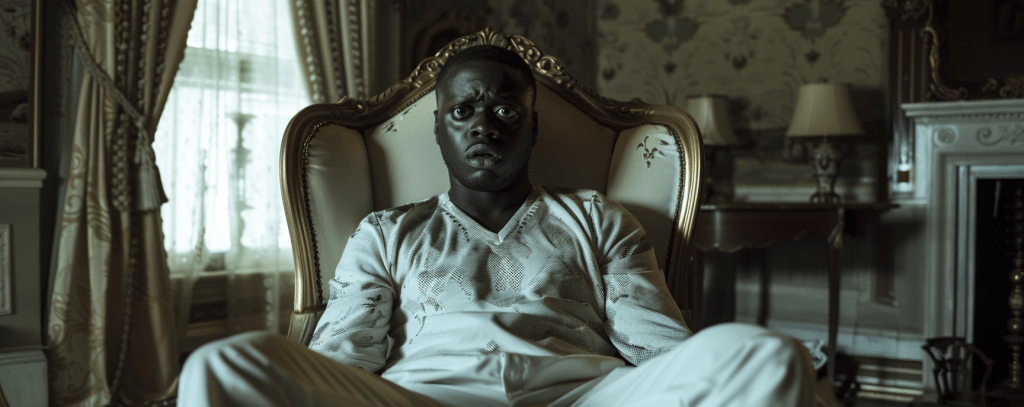
In “The Shawshank Redemption,” the narrative voice is provided by Ellis Boyd “Red” Redding, played by Morgan Freeman. Red’s role as the narrator is not merely a storytelling device; it is integral to the film’s structure and emotional depth. His voiceover narration frames the entire story, providing context, insight, and a personal touch that draws the audience into the world of Shawshank Prison. Red’s narration offers a unique perspective, blending his personal experiences with observations of other characters, particularly Andy Dufresne, the film’s protagonist.

Analysis of Red’s Perspective and Reliability

Red’s perspective as the narrator is one of a seasoned inmate who has spent decades behind bars. This vantage point allows him to provide a nuanced and authoritative account of life within Shawshank. His insights are grounded in his own experiences and the relationships he has formed over the years. As a long-term prisoner, Red understands the unspoken rules, the dynamics of power, and the impact of incarceration on the human spirit.

Red’s reliability as a narrator is a significant aspect of his role. Unlike some unreliable narrators who may deceive or mislead the audience, Red is portrayed as a trustworthy and honest figure. His narration is characterized by a reflective and contemplative tone, often infused with a sense of wisdom gained through hardship. This reliability helps the audience to trust his accounts and interpretations of events, making his voice a steady guide through the story.

However, Red’s perspective is not entirely objective. His close friendship with Andy Dufresne means that his views are inevitably colored by personal affection and admiration. While this does not undermine his reliability, it adds a layer of subjectivity that enriches the narrative. Red’s loyalty to Andy and his belief in Andy’s innocence influence how he recounts events, infusing the story with emotional depth and empathy.

How Red’s Narration Shapes the Viewer’s Understanding of Andy Dufresne

Red’s narration is pivotal in shaping the viewer’s understanding of Andy Dufresne, played by Tim Robbins. Through Red’s eyes, we see Andy as a calm, composed, and enigmatic figure who stands out from the other inmates. Red’s initial skepticism about Andy gradually transforms into profound respect and admiration, a journey that mirrors the audience’s evolving perception of Andy.

From the moment Andy arrives at Shawshank, Red’s observations guide us in interpreting his actions and character. Red describes Andy as a man of quiet dignity and resilience, someone who refuses to be broken by the harsh realities of prison life. This portrayal is crucial in establishing Andy as a sympathetic and compelling protagonist. Red’s narration helps us to see beyond Andy’s stoic exterior, revealing his inner strength, intelligence, and unwavering sense of hope.

One of the key ways Red’s narration shapes our understanding of Andy is by highlighting his acts of defiance and kindness. For instance, when Andy plays Mozart’s “The Marriage of Figaro” over the prison’s PA system, Red’s narration captures the profound impact of this act on the inmates. He describes it as a moment of transcendence, a fleeting experience of freedom that reminds everyone of the beauty that exists beyond the prison walls. Red’s words convey the significance of this gesture, emphasizing Andy’s role as a beacon of hope and humanity within Shawshank.

Examples of Key Scenes Where Red’s Narration is Pivotal

Several key scenes in “The Shawshank Redemption” are elevated by Red’s narration, which provides context, emotional resonance, and deeper meaning. Here are a few notable examples:

  1. Andy’s Arrival at Shawshank:
    Red’s narration during Andy’s first day at Shawshank sets the tone for their relationship and introduces Andy as an intriguing new inmate. Red’s description of the “new fish” ritual and his bet on Andy’s endurance offers insight into prison life and establishes Red as a seasoned observer. His reflections create a sense of anticipation and curiosity about Andy’s character.
  2. The Rooftop Scene:
    When Andy offers to help the guards with their financial problems in exchange for beer for his fellow inmates, Red’s narration underscores the significance of this act. Red explains how this moment brought a sense of normalcy and camaraderie to the inmates, portraying Andy as a figure who brings light into their bleak existence. Red’s words capture the poignancy of the scene, highlighting Andy’s ability to uplift those around him.
  3. The Library and Education:
    As Andy tirelessly works to expand the prison library and educate his fellow inmates, Red’s narration provides context and commentary on these efforts. Red’s admiration for Andy’s dedication and his reflections on the transformative power of education deepen our appreciation for Andy’s contributions. Red’s narrative voice makes these achievements feel personal and impactful.
  4. Andy’s Escape:
    Perhaps the most pivotal moment where Red’s narration shines is during Andy’s escape. Red recounts the details of Andy’s meticulously planned breakout with a mixture of awe and pride. His narration enhances the suspense and emotional weight of the scene, culminating in the revelation of Andy’s triumph over the system. Red’s reflections on Andy’s final act of defiance and his own sense of loss and hope add layers of emotional depth to the climax.

In conclusion, Red’s role as the narrator in “The Shawshank Redemption” is central to the film’s storytelling. His perspective, reliability, and emotional connection to Andy Dufresne enrich the narrative, providing the audience with a deeper understanding of the characters and themes. Through Red’s eyes, we experience the highs and lows of life in Shawshank, ultimately finding inspiration in Andy’s unyielding hope and resilience.

The Impact of the Narrator on the Film’s Emotional and Thematic Depth

Exploration of How Red’s Narration Adds Emotional Resonance

Red’s narration in “The Shawshank Redemption” plays a pivotal role in adding emotional resonance to the film. His voiceover provides an intimate and reflective commentary that deepens the audience’s emotional engagement with the story. Red’s personal reflections and insights create a sense of empathy and connection, drawing viewers into the world of Shawshank Prison and the lives of its inmates.

One of the most significant ways Red’s narration adds emotional resonance is through his expressions of vulnerability and introspection. Red’s candid reflections on his own experiences, regrets, and hopes make him a relatable and sympathetic character. His narration allows the audience to see the human side of a man who has spent decades behind bars, fostering a deeper understanding of the emotional toll of incarceration.

Red’s emotional journey, as narrated by himself, parallels the story’s progression. His initial cynicism and resignation give way to a renewed sense of hope and purpose, mirroring Andy Dufresne’s influence on him and the other inmates. This transformation is powerfully conveyed through Red’s words, allowing the audience to experience his emotional growth firsthand.

The Thematic Contributions of the Narrator

Red’s narration is instrumental in highlighting the film’s central themes of hope, friendship, and redemption. Through his perspective, these themes are not only articulated but also embodied, making them more impactful and relatable to the audience.

  1. Hope:
    The theme of hope is central to “The Shawshank Redemption,” and Red’s narration emphasizes its significance. Initially, Red is skeptical of hope, describing it as a dangerous thing that can drive a man insane. However, through his observations of Andy’s unwavering hope and determination, Red gradually comes to understand and embrace the power of hope. His narration eloquently captures this transformation, culminating in his iconic line, “Hope is a good thing, maybe the best of things, and no good thing ever dies.” This profound statement encapsulates the film’s message and resonates deeply with the audience.
  2. Friendship:
    The bond between Red and Andy is at the heart of the film, and Red’s narration highlights the depth and significance of their friendship. Through his reflections, Red conveys the mutual respect, trust, and loyalty that define their relationship. His narration brings to life the moments of camaraderie and support they share, emphasizing the importance of human connection and solidarity in the face of adversity. Red’s words allow the audience to feel the warmth and strength of their friendship, making their journey all the more poignant.
  3. Redemption:
    Redemption is another key theme explored through Red’s narration. As a man who has spent most of his life in prison, Red grapples with his past mistakes and the possibility of redemption. His narration provides a window into his internal struggle and his eventual realization that redemption is attainable, both for himself and for Andy. Red’s reflections on his parole hearings and his ultimate decision to seek out Andy in Mexico illustrate his journey towards self-forgiveness and renewal. His narration underscores the film’s message that it is never too late to seek redemption and make amends.

The Effectiveness of the Narration in Enhancing the Film’s Storytelling

Red’s narration is highly effective in enhancing the film’s storytelling. It serves as a unifying thread that ties together various plot points and character arcs, providing continuity and coherence to the narrative. Red’s voiceover helps to clarify the passage of time, explain complex events, and offer context for the characters’ actions and decisions.

One of the key strengths of Red’s narration is its ability to provide insight without overshadowing the visual storytelling. Director Frank Darabont skillfully balances Red’s voiceover with the film’s visuals, allowing the narration to complement and enhance rather than dominate the narrative. This interplay between the spoken word and visual imagery creates a rich and immersive storytelling experience.

Moreover, Red’s narration adds a layer of authenticity and realism to the film. His voice is characterized by a genuine and heartfelt tone, reflecting his lived experience and emotional depth. This authenticity makes the story more believable and relatable, drawing the audience into the world of Shawshank Prison and its inhabitants.

Comparison with Other Films That Use Narration Effectively

“The Shawshank Redemption” is not the only film to utilize narration effectively; several other films have successfully employed this technique to enhance their storytelling. Comparing Red’s narration with narrators in other films can provide further insight into the unique impact of narration.

  1. “Fight Club” (1999):
    In “Fight Club,” the unnamed protagonist’s narration provides a darkly humorous and introspective commentary on his life and the events that unfold. Like Red’s narration, it offers insight into the protagonist’s thoughts and emotions, creating a sense of intimacy and connection with the audience. However, unlike Red, the narrator in “Fight Club” is unreliable, adding a layer of complexity and intrigue to the story.
  2. “Goodfellas” (1990):
    In “Goodfellas,” Henry Hill’s narration offers a first-person account of his life in the mob. His voiceover provides context, background information, and personal reflections, much like Red’s narration in “The Shawshank Redemption.” The effectiveness of Henry’s narration lies in its ability to humanize the characters and offer a glimpse into the inner workings of the criminal world.
  3. “American Beauty” (1999):
    In “American Beauty,” Lester Burnham’s posthumous narration offers a reflective and philosophical commentary on the events leading up to his death. His voiceover provides a unique perspective, blending humor, irony, and insight to explore themes of beauty, mortality, and the search for meaning. Like Red’s narration, Lester’s voice adds depth and resonance to the film’s storytelling.

In conclusion, Red’s narration in “The Shawshank Redemption” is a masterful example of how a strong narrative voice can enhance a film’s emotional and thematic depth. Through his reflections, insights, and personal journey, Red brings the story to life, making it more engaging and impactful for the audience. His narration not only provides context and continuity but also highlights the film’s central themes of hope, friendship, and redemption. By comparing Red’s narration with other effective narrators in film, we can appreciate the unique contributions and power of the narrative voice in storytelling.


✍️  Whether you’re mastering the art of dialogue, structure, or character development, the power of AI can be a game-changer in your writing journey. My Free Ebook, ‘AI for Authors’ delves into how AI-powered prompts can provide a unique edge to your storytelling process. If you’re intrigued by the prospect of supercharging your fiction skills, download your free copy today and explore new horizons in creative writing. 
The Psychology of the Anti-Hero: Understanding Tony Soprano

The Evolution of the Anti-Hero

The concept of the anti-hero has evolved significantly over time, reflecting changing societal norms, values, and complexities. Traditionally, heroes in literature and storytelling were paragons of virtue, embodying qualities such as bravery, honor, and moral integrity. These classical heroes, like Odysseus and King Arthur, represented idealized versions of humanity, their journeys and actions serving as moral exemplars for audiences. However, as storytelling evolved, so too did the types of protagonists that captivated audiences. Enter the anti-hero, a character who defies conventional heroic attributes and often exhibits morally ambiguous or outright unethical behavior.

The emergence of the anti-hero can be traced back to the early 19th century with the advent of the Romantic movement in literature. Romantic writers, such as Lord Byron, introduced characters who were complex, brooding, and deeply flawed. The “Byronic hero,” named after Byron himself, was characterized by traits like cynicism, arrogance, and a troubled past. These characters were often alienated from society, grappling with internal conflicts and existential dilemmas. The Byronic hero paved the way for future anti-heroes by highlighting the appeal of characters who were not bound by traditional moral constraints.

As the 20th century progressed, the anti-hero became a more prominent figure in literature and film. The existentialist movement, particularly in the works of writers like Albert Camus and Jean-Paul Sartre, further developed the anti-hero archetype. Characters such as Meursault in Camus’ “The Stranger” and Roquentin in Sartre’s “Nausea” were embodiments of existential angst and moral ambiguity. These protagonists were often detached, indifferent to societal norms, and struggling to find meaning in a seemingly absurd world.

In the realm of cinema, the anti-hero gained significant traction in the post-war era. Film noir of the 1940s and 1950s introduced audiences to morally ambiguous characters navigating a world rife with corruption and betrayal. Protagonists like Sam Spade in “The Maltese Falcon” and Philip Marlowe in “The Big Sleep” were detectives who operated on the fringes of legality, employing morally dubious methods to achieve their goals. These characters were emblematic of a growing disillusionment with traditional heroism, reflecting societal anxieties and the complexities of the human condition.

The 1960s and 1970s saw a further evolution of the anti-hero in both literature and film, influenced by the cultural upheavals and political turmoil of the era. The counterculture movement challenged established norms and celebrated rebellion and individualism. Characters like Alex DeLarge in Anthony Burgess’ “A Clockwork Orange” and Travis Bickle in Martin Scorsese’s “Taxi Driver” epitomized this shift. Alex, with his love for “ultraviolence,” and Travis, with his descent into vigilante justice, were deeply unsettling yet compelling figures. They defied easy categorization, forcing audiences to confront uncomfortable questions about morality, free will, and the nature of evil.

Television also began to explore the complexities of the anti-hero, particularly in the latter half of the 20th century. Characters like J.R. Ewing in “Dallas” and Al Swearengen in “Deadwood” were charismatic yet ruthless, their actions often driven by self-interest and a Machiavellian sense of pragmatism. These characters added depth to the television landscape, showcasing that protagonists did not need to be purely virtuous to be engaging.

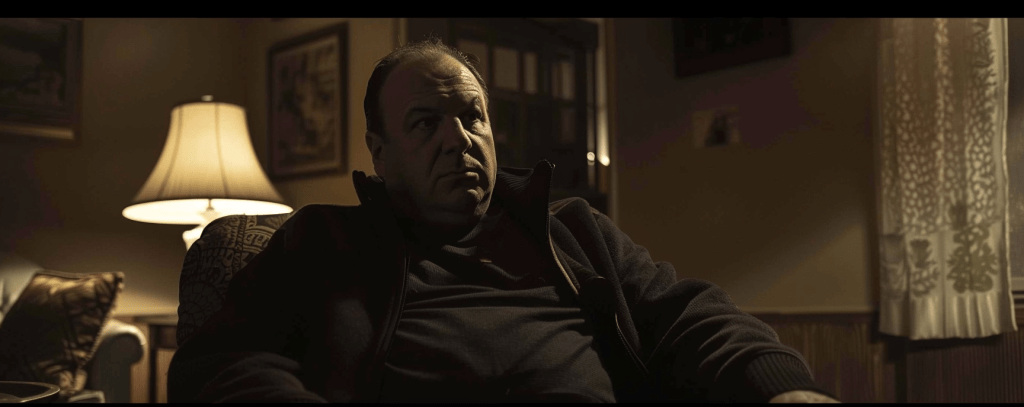
The turn of the 21st century brought a new wave of anti-heroes who redefined the television landscape. Tony Soprano, the protagonist of HBO’s “The Sopranos,” emerged as a quintessential anti-hero, blending traits from his literary and cinematic predecessors with new layers of psychological complexity. Tony is both a ruthless mob boss and a deeply flawed human being, struggling with issues of identity, power, and morality. His character is emblematic of the modern anti-hero, a figure who operates in shades of grey rather than in black and white.

Tony Soprano’s characterization draws from the rich history of anti-heroes while adding unique elements that resonate with contemporary audiences. Unlike the classical hero who is often on a quest for external validation and honor, Tony’s journey is largely internal, marked by his sessions with his therapist, Dr. Melfi. These sessions reveal his vulnerabilities, insecurities, and internal conflicts, humanizing a character who might otherwise be seen as a mere villain. This introspection and psychological depth are crucial components of the modern anti-hero, making characters like Tony Soprano relatable and compelling.

Tony Soprano also embodies the duality that defines many anti-heroes. On one hand, he is a loving father and husband, striving to provide for his family and maintain some semblance of normalcy. On the other hand, he is a violent criminal, orchestrating and executing acts of brutality to maintain his power and control within the mob. This duality creates a constant tension within his character, a hallmark of the anti-hero narrative. Audiences are drawn to this tension, finding themselves both repelled by and empathetic towards Tony’s struggles.

In essence, the evolution of the anti-hero reflects broader changes in societal values and storytelling techniques. From the brooding Byronic heroes of the Romantic era to the morally complex figures of modern television, the anti-hero has become a central figure in contemporary narratives. Tony Soprano stands out as a pinnacle of this evolution, a character who encapsulates the contradictions and complexities that define the anti-hero archetype. His legacy has paved the way for a new generation of protagonists who challenge our perceptions of morality and heroism, making the anti-hero an enduring and dynamic figure in storytelling.

The Psychological Complexity of Tony Soprano

Tony Soprano, the central figure in HBO’s “The Sopranos,” is a character who embodies a profound psychological complexity. As a mob boss navigating the treacherous underworld of organized crime while simultaneously striving to fulfill the roles of a devoted family man, Tony’s character is a study in contrasts. This duality is at the heart of his psychological struggles, making him one of the most compelling anti-heroes in television history.

At first glance, Tony Soprano appears to be a typical patriarch, concerned with providing for his family and ensuring their well-being. He is often seen engaging in mundane family activities, such as attending his children’s school events or having dinner with his wife, Carmela. However, beneath this facade lies a ruthless and calculating mob boss, capable of extreme violence and moral transgressions. This stark contrast between his roles as a family man and a criminal creates a continuous tension within Tony, driving much of the series’ narrative.

A significant aspect of Tony’s character development is his therapy sessions with Dr. Jennifer Melfi. These sessions provide a window into Tony’s psyche, revealing his deep-seated insecurities, fears, and unresolved childhood issues. Through his interactions with Dr. Melfi, viewers gain insight into the psychological turmoil that defines Tony’s existence. He grapples with anxiety attacks, feelings of inadequacy, and the burden of maintaining his dual identities. The therapy sessions serve as a narrative device to explore Tony’s internal conflicts, making his character more relatable and human.

One of Tony’s primary struggles is his search for identity. Caught between his loyalty to the mob and his desire for a normal family life, Tony is often torn between conflicting desires and responsibilities. This internal conflict is exacerbated by his awareness of the moral contradictions in his life. He seeks validation and approval from both his criminal associates and his family, yet he knows that the two worlds he inhabits are fundamentally incompatible. This dichotomy leads to a sense of cognitive dissonance, a psychological theory that describes the discomfort one feels when holding two contradictory beliefs or values.

Tony’s quest for power and control is another source of psychological tension. As the head of the DiMeo crime family, he must constantly assert his dominance and navigate the dangerous politics of the mob world. This quest for power often puts him at odds with his own ethical boundaries, leading to actions that cause him significant emotional distress. Despite his ruthless exterior, Tony is not immune to guilt and remorse, particularly when his actions negatively impact those he cares about.

The impact of Tony’s upbringing and environment on his psyche cannot be understated. Raised by a domineering mother, Livia, and a father who was also involved in organized crime, Tony’s formative years were marked by instability and emotional neglect. Livia’s manipulative and emotionally abusive behavior left deep scars on Tony, contributing to his issues with trust, intimacy, and self-worth. His father’s criminal activities normalized violence and illegal behavior, shaping Tony’s worldview and career choices.

Freud’s psychoanalytic theory provides a useful framework for understanding Tony’s behavior. According to Freud, human behavior is influenced by unconscious desires, repressed memories, and internal conflicts among the id, ego, and superego. Tony’s actions can be seen as manifestations of these internal conflicts. His id drives his impulsive and violent tendencies, seeking immediate gratification without considering the consequences. His superego, representing his moral conscience, is often in conflict with his id, leading to feelings of guilt and anxiety. The ego attempts to mediate between these opposing forces, resulting in the complex and often contradictory behavior that characterizes Tony.

Cognitive dissonance theory further explains Tony’s psychological struggles. Developed by psychologist Leon Festinger, this theory posits that individuals experience psychological discomfort when they hold conflicting cognitions, such as beliefs, attitudes, or behaviors. To reduce this discomfort, people often attempt to rationalize their actions or change their beliefs. Tony frequently engages in such rationalizations to reconcile his criminal activities with his desire to see himself as a good person. This ongoing struggle to maintain a coherent self-image amidst conflicting values is a central theme in Tony’s character arc.

Tony Soprano’s psychological complexity is what makes him a compelling anti-hero. His duality as a loving family man and a ruthless mob boss, his internal conflicts and moral dilemmas, and the impact of his upbringing and environment all contribute to a richly layered character. By exploring these psychological dimensions, “The Sopranos” offers a nuanced portrayal of an anti-hero who is both deeply flawed and profoundly human. Through Tony’s character, the series delves into the complexities of identity, power, and morality, providing a captivating study of the human condition.

Tony Soprano’s Impact on Modern Television

Tony Soprano’s impact on modern television cannot be overstated. As the protagonist of “The Sopranos,” Tony redefined what it means to be a leading character in a television series. Prior to his emergence, TV protagonists were often clear-cut heroes or, at the very least, morally upright individuals who adhered to societal norms. Tony Soprano shattered these conventions, paving the way for a new breed of complex, morally ambiguous characters who dominate today’s television landscape.

One of the most significant ways Tony Soprano changed television was by making it acceptable, even desirable, for a leading character to possess deeply flawed and often reprehensible qualities. Tony’s character was a masterful blend of contradictions: a loving father and husband who is also a violent mob boss; a man who seeks therapy to deal with his psychological issues but is unapologetic about his criminal lifestyle. This duality made Tony a groundbreaking figure, as it allowed audiences to see the human side of someone who would traditionally be cast as a villain. By doing so, “The Sopranos” challenged viewers to grapple with their own moral judgments and empathy, blurring the lines between right and wrong.

The influence of Tony Soprano on subsequent TV anti-heroes is profound. Following the success of “The Sopranos,” many television shows introduced protagonists with similar complexities. Characters like Walter White in “Breaking Bad,” Don Draper in “Mad Men,” and Dexter Morgan in “Dexter” all owe a debt to Tony Soprano. These characters, much like Tony, are deeply flawed individuals whose questionable actions drive their narratives. They are often charismatic and compelling, drawing viewers into their world and making them root for characters who, in a traditional sense, would be considered villains.

Walter White, in particular, shares many traits with Tony Soprano. Both characters start their journeys with ostensibly noble intentions—Tony to protect and provide for his family, and Walter to secure his family’s financial future after being diagnosed with terminal cancer. However, as their respective series progress, both characters reveal darker aspects of their personalities, becoming increasingly ruthless and morally compromised. The audience’s relationship with these characters evolves as they transform from sympathetic figures to menacing anti-heroes, a narrative arc that Tony Soprano helped to pioneer.

The audience reception and cultural impact of Tony Soprano’s character were monumental. “The Sopranos” became a cultural phenomenon, resonating with audiences around the world and garnering critical acclaim. Tony’s complexity and humanity made him a relatable figure despite his criminal activities. Viewers were drawn to his struggles, both personal and professional, and the authenticity with which these struggles were portrayed. The show’s exploration of Tony’s psyche through his therapy sessions added a layer of depth that was rare for television at the time, making the series not just a crime drama, but a psychological exploration of its protagonist.

Critically, Tony Soprano’s role in “The Sopranos” has been analyzed extensively. Scholars and critics have lauded the show for its sophisticated storytelling, character development, and its departure from traditional narrative structures. Tony’s character is often seen as a turning point in television history, marking the beginning of the so-called “Golden Age of Television.” This era is characterized by high-quality, character-driven dramas that explore complex themes and feature morally ambiguous protagonists. Tony’s influence can be seen in the narrative depth and character complexity that have become hallmarks of modern television.

The legacy of Tony Soprano in television storytelling is enduring. He set a new standard for character complexity and depth, influencing not just subsequent characters but the entire approach to television narrative. “The Sopranos” demonstrated that audiences were hungry for sophisticated, challenging storytelling that did not shy away from moral ambiguity or psychological depth. This has led to a more mature and nuanced approach to television, where shows are not just vehicles for entertainment but also platforms for exploring intricate human experiences and ethical dilemmas.

Moreover, Tony Soprano’s character has influenced how writers and creators develop their protagonists. The success of “The Sopranos” proved that audiences could engage with and even root for characters who are far from perfect. This has encouraged writers to take risks with their characters, crafting protagonists who are multifaceted and relatable in their imperfections. The impact of this shift is evident in the diverse range of anti-heroes that populate today’s television landscape.

In conclusion, Tony Soprano’s character revolutionized modern television by introducing a new archetype of the anti-hero—one that is deeply flawed, morally ambiguous, and profoundly human. His influence extends beyond “The Sopranos,” shaping the development of numerous subsequent television series and characters. Tony Soprano’s legacy is a testament to the power of complex storytelling and the enduring appeal of characters who reflect the multifaceted nature of the human experience. Through Tony, “The Sopranos” not only entertained but also challenged and expanded the possibilities of television narrative, leaving an indelible mark on the medium.


✍️  Whether you’re mastering the art of dialogue, structure, or character development, the power of AI can be a game-changer in your writing journey. My Free Ebook, ‘AI for Authors’ delves into how AI-powered prompts can provide a unique edge to your storytelling process. If you’re intrigued by the prospect of supercharging your fiction skills, download your free copy today and explore new horizons in creative writing.