Disney’s Strategies and Paramount’s Future Unveiled at Sun Valley 2024

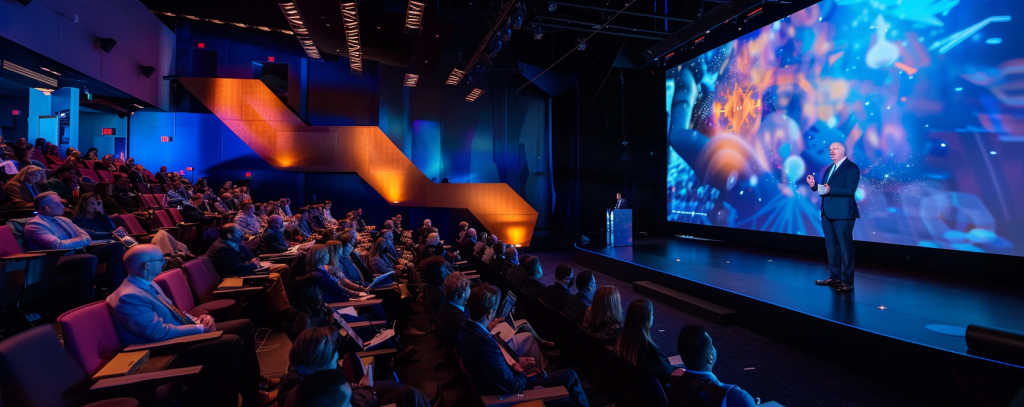
The Sun Valley Conference 2024 brought together some of the most influential figures in the media, technology, and political arenas, generating significant buzz with discussions on AI’s transformative role in entertainment and beyond. As a blogger focused on AI in screenwriting and Hollywood, it’s thrilling to see how AI is poised to reshape the industry.

Disney’s AI Integration: Enhancing Content Creation and Distribution

One of the standout topics at the conference was Disney’s forward-thinking approach to integrating AI into its operations. CEO Bob Chapek underscored how AI is being leveraged to enhance both content creation and distribution. For screenwriters and creatives, this presents a dual-edged sword: on one hand, AI tools can streamline the writing process, offering new ways to generate and refine content; on the other, it raises questions about the future role of human creativity in a landscape increasingly dominated by technology.

Disney’s use of AI goes beyond mere automation. The company is exploring advanced AI-driven analytics to understand audience preferences better, thus tailoring content more precisely to viewer tastes. This could revolutionize how stories are told and delivered, making the viewing experience more personalized and engaging.

Sam Altman’s Vision for AI: Balancing Innovation and Ethics

Sam Altman, CEO of OpenAI, also made a compelling presentation at Sun Valley, sharing his vision for AI’s future. Altman emphasized the need for a balanced approach that fosters innovation while addressing ethical considerations. For those of us in the screenwriting and entertainment industry, Altman’s insights are particularly relevant. As AI continues to evolve, the ethical implications of its use in creative fields cannot be ignored. Issues such as intellectual property rights, bias in AI-generated content, and the potential displacement of creative jobs are critical areas that need thoughtful regulation and industry-wide discourse.

Paramount’s Potential Sale: A Media Giant in Transition

Another hot topic was the potential sale or restructuring of Paramount Pictures. While this development is still speculative, it underscores the volatility and rapid change within the media landscape. For screenwriters, the implications are significant. A change in ownership or corporate strategy could lead to shifts in content priorities, funding opportunities, and creative direction. Keeping an eye on these developments can provide valuable insights into future trends and opportunities within the industry.

Reshet 13’s AI-Powered News Dubbing: A Glimpse into the Future

Switching gears to another intriguing development, Israeli broadcaster Reshet 13 is pioneering the use of Deepdub’s AI technology to dub local news content into various languages. This initiative aims to make news content more accessible to a global audience, breaking down language barriers without the need for traditional dubbing methods. While this technology is currently focused on news, its potential applications in screenwriting and entertainment are vast. Imagine a world where movies and TV shows are seamlessly dubbed in real-time, making them instantly available to international audiences without the delay of traditional translation processes.

This innovative use of AI not only broadens the reach of content but also opens new revenue streams and audience engagement opportunities for creators. For screenwriters, this means greater exposure and the ability to connect with a more diverse audience than ever before.

Conclusion

The Sun Valley Conference 2024 highlighted the transformative power of AI across various sectors, with significant implications for the screenwriting and entertainment industry. Disney’s integration of AI, Sam Altman’s vision for ethical AI development, the potential shifts at Paramount Pictures, and Reshet 13’s groundbreaking dubbing technology all point to a future where AI plays a pivotal role in shaping content creation, distribution, and consumption.

As we navigate this evolving landscape, it’s crucial to stay informed and adapt to these technological advancements. By embracing AI while remaining vigilant about its ethical and creative implications, we can ensure that the future of screenwriting and entertainment remains vibrant and innovative.


✍️  Whether you’re mastering the art of dialogue, structure, or character development, the power of AI can be a game-changer in your writing journey. My Free Ebook, ‘AI for Authors’ delves into how AI-powered prompts can provide a unique edge to your storytelling process. If you’re intrigued by the prospect of supercharging your fiction skills, download your free copy today and explore new horizons in creative writing. 
Writing Witty Banter: Dialogue Lessons from ‘Gilmore Girls’

The Art of Crafting Clever Dialogue

The Foundation of Witty Banter: Rhythm and Timing

One of the hallmarks of ‘Gilmore Girls’ is its rapid-fire dialogue, which sets the tone for the show’s dynamic storytelling. The rhythm and timing of the dialogue play crucial roles in making the banter effective and engaging. Amy Sherman-Palladino, the creator of ‘Gilmore Girls,’ is known for her fast-paced scripts, where characters speak quickly and with precision. This technique not only keeps the audience attentive but also adds a layer of realism to the interactions, mimicking the way conversations often happen in real life.

Consider a scene where Lorelai and Rory are discussing their plans for the weekend while walking through Stars Hollow. Their dialogue overlaps and interweaves seamlessly, creating a sense of natural, spontaneous conversation. The quick exchanges and sharp comebacks keep the energy high and the audience engaged. For example:

Lorelai: “So, what’s the plan for Friday night?”
Rory: “Study, dinner, and then maybe a movie.”
Lorelai: “You know, you’re the only teenager in America who thinks studying is a fun Friday night activity.”
Rory: “Well, you can always come and help me with my geometry homework.”
Lorelai: “Oh, fun! Math, my favorite!”

In this exchange, the quick back-and-forth not only conveys the close relationship between Lorelai and Rory but also highlights their shared sense of humor and intellectual chemistry. The timing of the responses is crucial; there are no pauses or delays, which keeps the conversation lively and entertaining.

Developing Character Through Dialogue

Dialogue in ‘Gilmore Girls’ is not merely about exchanging information; it’s a tool for character development. Each character’s way of speaking is distinctive and helps to build their personality. Lorelai’s witty, often sarcastic remarks reflect her rebellious and independent nature, while Rory’s thoughtful and articulate dialogue showcases her intelligence and maturity.

For instance, Lorelai’s conversations are often filled with pop culture references and humorous exaggerations, which highlight her playful and sometimes irreverent attitude. In contrast, Emily Gilmore, Lorelai’s mother, speaks with a more formal and authoritative tone, reflecting her traditional and affluent background. This contrast is evident in a scene where Lorelai and Emily argue about Rory’s education:

Emily: “Rory needs structure and discipline, something you never had.”
Lorelai: “Right, because what I really needed as a kid was more rules and less fun.”
Emily: “This is not about fun, Lorelai. This is about ensuring Rory’s future.”
Lorelai: “Her future’s fine, Mom. It’s her present you’re trying to control.”

Through their dialogue, we see the fundamental differences in their values and personalities. Lorelai’s casual and defiant tone versus Emily’s rigid and commanding speech patterns illustrate their ongoing conflict and differing worldviews.

Balancing Humor and Substance

‘Gilmore Girls’ excels in balancing humor with substance, ensuring that the witty banter never detracts from the emotional weight of the story. The show’s dialogue often combines lighthearted humor with deeper, more poignant moments, creating a rich and layered narrative.

A prime example of this balance can be seen in a scene where Lorelai comforts Rory after a breakup. While the conversation begins with humor, it gradually shifts to a more serious tone, allowing the characters to express their vulnerabilities:

Lorelai: “So, do we need ice cream, pizza, or both?”
Rory: “Both. Definitely both.”
Lorelai: “Okay, and do we need to make fun of him to feel better?”
Rory: “Probably.”
Lorelai: “Good. Let’s start with his hair. What was he thinking?”
Rory: (laughs) “It was pretty awful.”
Lorelai: “There we go. Now, tell me how you’re really feeling.”

This dialogue starts with humor, using it as a way to break the ice and lighten the mood. However, it quickly transitions into a more heartfelt conversation, allowing Rory to open up about her feelings. The humor serves as a bridge to the deeper emotional content, making the scene both entertaining and meaningful.

Key Techniques for Crafting Clever Dialogue

  1. Pacing and Overlapping Speech: The fast pace and overlapping speech in ‘Gilmore Girls’ create a sense of realism and urgency. Writers can achieve this by keeping dialogue concise and allowing characters to interrupt or talk over each other.
  2. Character-Specific Speech Patterns: Ensure that each character has a unique voice. Pay attention to their background, personality, and relationship dynamics when crafting their dialogue.
  3. Humor with Heart: Blend humor with emotional depth. Use witty remarks to introduce or diffuse tension and then transition to more serious conversations to explore character vulnerabilities and relationships.
  4. Cultural References: Incorporate cultural references to add layers of meaning and connect with the audience. These references should be relevant to the characters and enhance the dialogue without overshadowing it.

Case Studies of Effective Scenes

In a memorable scene from Season 1, Lorelai and Rory attend a Friday night dinner at Emily and Richard’s house. The conversation starts with small talk but quickly escalates into a debate about Rory’s future. The dialogue is sharp, fast-paced, and filled with subtext, revealing the underlying tensions between the characters:

Emily: “So, Rory, how’s Chilton?”
Rory: “It’s great. Lots of homework, though.”
Lorelai: “Which she loves. She’s a regular homework junkie.”
Emily: “Well, that’s what a good education requires.”
Lorelai: “And here I thought it was all about learning.”
Emily: “It’s about discipline, Lorelai. Something you could have used more of.”
Lorelai: “Oh, here we go.”

This scene illustrates how dialogue can simultaneously advance the plot, develop character relationships, and infuse humor. The subtext in Emily and Lorelai’s exchange highlights their ongoing power struggle and differing parenting philosophies, while Rory’s responses show her attempt to navigate the tension.

Another example is the banter between Lorelai and Luke, the grumpy diner owner. Their exchanges are filled with sarcasm and playful jabs, masking their deeper feelings for each other. In one scene, Lorelai tries to persuade Luke to participate in a town event:

Lorelai: “Come on, Luke, it’s for the kids.”
Luke: “I don’t do kids.”
Lorelai: “You were a kid once.”
Luke: “That was a long time ago.”
Lorelai: “But you still look like one.”
Luke: “Flattery won’t work.”
Lorelai: “Oh, so you admit it’s flattery.”

The witty banter here not only entertains but also subtly builds the romantic tension between them. Lorelai’s persistence and humor contrast with Luke’s gruff exterior, highlighting their chemistry and hinting at their deeper connection.

Techniques for Writing Engaging Banter

The Role of Pop Culture References

One of the defining features of ‘Gilmore Girls’ is its extensive use of pop culture references. These references serve multiple purposes: they add humor, create a shared cultural experience with the audience, and deepen the characters’ personalities. By drawing on a wide array of cultural touchstones, from classic literature to contemporary music, the dialogue becomes rich and textured, appealing to a broad audience.

For example, in one scene, Lorelai references the classic movie ‘Casablanca’ while talking to Rory:

Lorelai: “We’ll always have Paris.”
Rory: “What?”
Lorelai: “Casablanca? Remember? We watched it last month?”
Rory: “Oh, right. Well, we’ll always have our couch and popcorn.”

This exchange does more than just name-drop a famous film; it reinforces the bond between Lorelai and Rory through a shared cultural memory. It also highlights Lorelai’s tendency to use humor and cultural references to navigate life’s challenges.

These references are often quick and subtle, requiring the audience to be attentive and culturally literate to catch them all. This creates a unique viewing experience where the dialogue feels like a treasure hunt, with viewers rewarded for their knowledge and attention.

Layering Subtext and Double Entendres

Subtext and double entendres are powerful tools in writing dialogue that goes beyond the surface level. In ‘Gilmore Girls,’ these elements add layers of meaning and complexity to the banter, allowing characters to communicate on multiple levels simultaneously.

Subtext is the underlying meaning behind the words spoken, often revealing true feelings and intentions without being explicitly stated. A classic example of subtext in ‘Gilmore Girls’ is the recurring banter between Lorelai and Luke. Their conversations are often filled with playful insults and sarcasm, but the subtext reveals their mutual affection and growing romantic tension.

In one scene, Luke helps Lorelai with some repairs at her inn:

Lorelai: “I knew you were good for something other than coffee.”
Luke: “I’m a man of many talents.”
Lorelai: “I bet you are.”

On the surface, this is a light-hearted exchange about Luke’s handyman skills, but the subtext suggests flirtation and a deeper connection. The double entendres (“many talents”) allow the characters to express interest without overtly acknowledging it, maintaining the banter’s playful tone.

Crafting Distinct Voices for Characters

Ensuring each character has a unique and authentic voice is crucial for engaging dialogue. In ‘Gilmore Girls,’ every character speaks in a way that reflects their personality, background, and relationship dynamics. This distinctiveness helps the audience easily differentiate between characters and adds depth to their interactions.

For example, Rory’s dialogue is characterized by her intelligence and thoughtfulness. She often references books and academic subjects, reflecting her studious nature. In contrast, Lorelai’s dialogue is more spontaneous and filled with pop culture references, showcasing her quick wit and irreverent attitude.

Consider this comparison between Rory and Paris Geller, Rory’s competitive classmate:

Rory: “I stayed up all night reading ‘Moby-Dick.’ It’s actually pretty fascinating once you get past the first hundred pages.”
Paris: “Of course it is. It’s a literary classic. If you want to get ahead, you need to read more than just the required texts.”

Rory’s tone is enthusiastic and exploratory, reflecting her genuine love of learning, while Paris is more aggressive and driven, emphasizing her ambition and competitive nature. Their distinct voices highlight their differing motivations and approaches to their education.

To craft distinct voices for characters, writers should consider their backgrounds, personalities, and relationships. Here are some strategies:

  1. Background and Education: Characters’ speech patterns should reflect their upbringing and education. A character who grew up in a wealthy, educated household will likely speak differently from one who grew up in a working-class environment.
  2. Personality Traits: Infuse dialogue with traits that define each character. A sarcastic character might use humor and irony, while a straightforward character might speak in clear, direct terms.
  3. Relationship Dynamics: The way characters speak to each other should reflect their relationship. Friends might use slang and inside jokes, while a more formal relationship might feature polite, measured dialogue.

By focusing on these aspects, writers can create a cast of characters whose dialogue feels authentic and varied, enhancing the overall narrative.

Practical Tips for Screenwriters

Writing Exercises for Developing Witty Banter

Crafting witty banter like that in ‘Gilmore Girls’ requires practice and a keen sense of timing, rhythm, and character voice. Here are some exercises to help develop these skills:

  1. Dialogue Prompts: Create dialogue prompts that require quick, sharp exchanges. For example:
  • Two friends arguing about the best movie of all time.
  • A customer trying to return a ridiculous item at a store.
  • A parent and teenager negotiating weekend plans. Write these scenes with a focus on keeping the dialogue fast-paced and filled with humor. The goal is to develop a natural flow and a sense of rhythm.
  1. Character Voice Exercise: Choose two characters from different shows or books and write a dialogue scene between them. This will help you practice creating distinct voices and maintaining character consistency. For instance, imagine Lorelai Gilmore having a conversation with Chandler Bing from ‘Friends.’
  2. Pop Culture Reference Challenge: Write a scene that incorporates at least five pop culture references seamlessly. This exercise will help you practice weaving references into dialogue naturally without making them feel forced.
  3. Subtext and Double Entendre: Create a scene where the characters are discussing one thing on the surface, but their dialogue carries a deeper, unspoken meaning. This helps in practicing the layering of dialogue with subtext.

Practicing these exercises regularly can help refine your ability to write engaging, witty banter.

Editing and Refining Dialogue

Once you’ve written your dialogue, the next step is to polish it to ensure it flows naturally and effectively. Here are some tips for editing and refining dialogue:

  1. Read Aloud: Reading dialogue aloud can help identify awkward phrasing and unnatural rhythms. If a line doesn’t sound right when spoken, it likely needs revision.
  2. Cut the Fluff: Witty banter relies on brevity. Eliminate unnecessary words and focus on keeping the exchanges sharp and concise. Every line should serve a purpose, whether it’s to reveal character, advance the plot, or provide humor.
  3. Pacing and Timing: Ensure the timing of the dialogue maintains the desired pace. Fast-paced banter should have quick exchanges, while more dramatic moments might benefit from well-placed pauses.
  4. Consistency in Voice: Make sure each character’s dialogue remains consistent with their established voice. A character who is typically sarcastic should maintain that tone throughout, unless there’s a deliberate reason for a change.
  5. Feedback and Revisions: Share your dialogue with others and get feedback. Fresh eyes can catch issues you might have missed. Be open to revising based on constructive criticism.

Common Pitfalls to Avoid

  • Overuse of References: While pop culture references can add depth, overusing them can make the dialogue feel forced and alienate audiences who might not get the references.
  • Forced Humor: Humor should feel natural and character-driven. Avoid inserting jokes that don’t fit the situation or the characters.
  • One-Note Characters: Ensure that witty banter isn’t the only defining trait of your characters. They should have depth and complexity beyond their quick wit.

Applying ‘Gilmore Girls’ Lessons to Other Genres

The techniques used in ‘Gilmore Girls’ for witty banter can be adapted to various genres, enhancing dialogue in different storytelling contexts. Here are a few examples:

  1. Dramas: Even in serious dramas, moments of witty banter can provide relief and make characters more relatable. Shows like ‘The West Wing’ incorporate sharp, intelligent dialogue that balances the heavy political themes with humor.
  2. Action/Adventure: In action-packed narratives, witty banter can break the tension and showcase character camaraderie. The Marvel Cinematic Universe often uses humor to balance intense action sequences, as seen in the banter between Tony Stark and Peter Parker.
  3. Romantic Comedies: Witty dialogue is a staple in rom-coms, where it helps build chemistry between characters. ‘When Harry Met Sally’ is a classic example, with its quick, humorous exchanges driving the romantic tension.
  4. Fantasy/Sci-Fi: Even in fantastical settings, witty banter can ground characters and make them more accessible. ‘Buffy the Vampire Slayer’ is known for its sharp, humorous dialogue that adds charm to its supernatural storyline.

Examples from Other Shows and Films

  • ‘The Marvelous Mrs. Maisel’: Created by Amy Sherman-Palladino, this show employs similar techniques to ‘Gilmore Girls’ with its rapid-fire dialogue and cultural references, enriching the characters and the narrative.
  • ‘Sherlock’: The modern adaptation of Arthur Conan Doyle’s detective stories uses witty banter between Sherlock Holmes and Dr. John Watson to highlight their contrasting personalities and deepen their friendship.
  • ‘Parks and Recreation’: This comedy series utilizes sharp, character-driven dialogue to create memorable, humorous interactions. The banter between Leslie Knope and Ron Swanson, for example, showcases their differing philosophies while building mutual respect.

By studying these examples and practicing the outlined exercises, screenwriters can develop their own style of witty banter that enhances their storytelling across various genres. The lessons from ‘Gilmore Girls’ provide a foundation for creating dialogue that is not only entertaining but also rich in character development and emotional depth.


✍️  Whether you’re mastering the art of dialogue, structure, or character development, the power of AI can be a game-changer in your writing journey. My Free Ebook, ‘AI for Authors’ delves into how AI-powered prompts can provide a unique edge to your storytelling process. If you’re intrigued by the prospect of supercharging your fiction skills, download your free copy today and explore new horizons in creative writing. 

Screenwriting in Silence: The Narrative Techniques of ‘The Artist’

Introduction to Silent Storytelling in ‘The Artist’

‘The Artist,’ directed by Michel Hazanavicius and released in 2011, is a groundbreaking film that revitalizes the silent film genre for a contemporary audience. The film, starring Jean Dujardin as silent film star George Valentin and Bérénice Bejo as rising star Peppy Miller, received widespread acclaim, including five Academy Awards. ‘The Artist’ stands out not only for its technical brilliance but also for its profound narrative that speaks volumes without the use of spoken dialogue. To understand the narrative techniques employed in ‘The Artist,’ it is crucial to appreciate the historical context of silent films and the unique storytelling challenges and opportunities they present.

Overview of ‘The Artist’

‘The Artist’ tells the story of George Valentin, a silent film superstar whose career faces obsolescence with the advent of talking pictures. Simultaneously, it chronicles the rise of Peppy Miller, an aspiring actress who embraces the new era of sound in cinema. The film is set in late 1920s Hollywood, capturing the tumultuous period of transition from silent films to “talkies.” Through its narrative and aesthetic choices, ‘The Artist’ pays homage to the silent film era while exploring themes of change, adaptation, and the relentless march of technological progress.

Historical Context

The silent film era, spanning from the late 19th century to the late 1920s, was a formative period in the history of cinema. During this time, filmmakers developed many of the visual storytelling techniques that remain foundational to the medium today. Silent films relied heavily on expressive acting, visual composition, and innovative uses of editing to convey narrative and emotion. The transition to sound in the late 1920s, marked by the release of ‘The Jazz Singer’ in 1927, revolutionized the industry. However, this shift also posed significant challenges to actors, directors, and studios accustomed to the silent format.

Importance of Silence in Storytelling

Creating a compelling narrative in a silent film requires filmmakers to exploit the full potential of visual storytelling. Without spoken dialogue, the burden of narrative clarity and emotional depth falls on the visual and auditory elements of the film. ‘The Artist’ masterfully demonstrates how silence can be a powerful narrative tool, enhancing the audience’s engagement and emotional investment.

Visual Expression

In silent cinema, the visual aspect of storytelling is paramount. ‘The Artist’ employs meticulous cinematography, set design, and costume design to communicate its narrative. The black-and-white color palette and the 4:3 aspect ratio are deliberate choices that evoke the aesthetic of classic silent films, immersing the audience in the era the film depicts. Each frame is composed with a painterly attention to detail, ensuring that every visual element contributes to the storytelling.

The mise-en-scène in ‘The Artist’ is rich with period details, from the opulent movie premieres to the bustling film sets and the glamorous Hollywood parties. These settings are not merely backdrops but active elements in the narrative, reflecting the changing fortunes of the characters. For example, the contrast between George Valentin’s lavish mansion and his later, more modest living conditions visually underscores his professional decline.

Character Expression and Physical Acting

Actors in silent films must rely on physicality and facial expressions to convey their characters’ emotions and intentions. In ‘The Artist,’ Jean Dujardin and Bérénice Bejo deliver performances that are both nuanced and exaggerated, capturing the expressive style of silent film acting. Dujardin’s portrayal of George Valentin is marked by grand gestures and expressive eyes, effectively communicating the character’s charisma, pride, and eventual despair without a single spoken word.

Bejo’s Peppy Miller, on the other hand, exudes youthful exuberance and ambition through her animated physicality and radiant smile. Her evolution from a starstruck fan to a confident leading lady is depicted through subtle changes in her posture, movement, and expressions. The chemistry between Dujardin and Bejo is palpable, and their interactions are charged with meaning, conveyed through body language and eye contact rather than dialogue.

Use of Title Cards and Intertitles

While visual expression and physical acting are crucial, silent films also use title cards and intertitles to convey essential dialogue and exposition. ‘The Artist’ strategically employs these devices to enhance the storytelling without disrupting the visual flow. The title cards are designed in a style consistent with the silent era, further immersing the audience in the film’s historical context.

Intertitles in ‘The Artist’ are sparingly used, ensuring that the visual narrative remains the primary focus. When they do appear, they are concise and impactful, providing key pieces of dialogue or information that drive the story forward. For instance, a simple intertitle might reveal a crucial plot point or a character’s inner thoughts, adding depth to the visual action on screen.

Challenges and Opportunities of Silent Filmmaking

Silent filmmaking demands a heightened level of creativity and precision from directors, actors, and the entire production team. Without the crutch of dialogue, every visual and auditory element must be meticulously crafted to ensure the audience can follow the story and connect with the characters. This constraint, however, also presents unique opportunities to innovate and engage viewers in ways that sound films might not.

Enhanced Audience Engagement

One of the most significant opportunities in silent filmmaking is the potential for enhanced audience engagement. By removing spoken dialogue, silent films require viewers to pay closer attention to visual cues and to actively interpret the narrative. This active engagement can lead to a deeper emotional connection with the story and characters. ‘The Artist’ leverages this by creating visually rich scenes that invite the audience to immerse themselves fully in the cinematic experience.

Narrative Techniques in ‘The Artist’

Visual Storytelling

In ‘The Artist,’ visual storytelling is the cornerstone of its narrative technique, leveraging cinematography, set design, and costumes to convey the story without spoken dialogue. Cinematographer Guillaume Schiffman employs a rich black-and-white palette that not only evokes the silent film era but also enhances the film’s emotional depth. The use of light and shadow is particularly striking, creating a visual language that conveys the characters’ emotional states and narrative progression.

One of the most iconic visual elements in ‘The Artist’ is its meticulous set design. The film’s settings, from the grandeur of Hollywood studios to the intimate spaces of the characters’ homes, are crafted to reflect the internal journeys of George Valentin and Peppy Miller. For example, the opulent sets of George’s successful days in silent cinema contrast sharply with the sparse, dimly lit spaces of his downfall, visually narrating his decline without a single word spoken.

Costume design by Mark Bridges also plays a crucial role in the storytelling. The evolution of Peppy Miller’s wardrobe, from simple, modest attire to glamorous, stylish dresses, mirrors her rise to stardom. Similarly, George’s transition from the dapper, elegant suits of his heyday to more disheveled and worn outfits underscores his fall from grace. These visual cues, integral to the film’s narrative, communicate character development and plot shifts effectively.

Character Expression and Physical Acting

The performances of Jean Dujardin and Bérénice Bejo in ‘The Artist’ exemplify the art of physical acting, a vital narrative technique in silent films. Dujardin’s portrayal of George Valentin is a masterclass in expressive acting, using exaggerated gestures, facial expressions, and body language to convey a wide range of emotions. His charming smile, confident strut, and the expressive use of his eyes establish his character as a beloved silent film star.

As George’s fortunes wane, Dujardin’s performance evolves to reflect his despair and vulnerability. His movements become slower, his posture more slumped, and his expressions more subdued, effectively portraying his inner turmoil and decline. This physical transformation communicates George’s emotional journey, making the audience empathize deeply with his character.

Bérénice Bejo’s performance as Peppy Miller is equally compelling. Her energetic and lively physicality captures Peppy’s enthusiasm and determination. Bejo’s expressive eyes and infectious smile light up the screen, making Peppy’s rise to fame both believable and engaging. The chemistry between Dujardin and Bejo is palpable, driven by their adept use of non-verbal communication. Their dance sequences, in particular, are beautifully choreographed to tell a story of their evolving relationship through movement alone.

Use of Title Cards and Intertitles

While ‘The Artist’ relies heavily on visual storytelling and physical acting, it also employs title cards and intertitles to deliver essential dialogue and exposition. These title cards are designed to be period-appropriate, seamlessly integrating into the film’s silent era aesthetic.

Title cards in ‘The Artist’ are used sparingly but effectively. They appear at crucial moments to provide context, clarify dialogue, or emphasize significant plot points. For instance, when George Valentin first meets Peppy Miller, the brief exchange of dialogue through title cards establishes their connection and foreshadows their intertwined destinies. These intertitles are crafted to be concise, ensuring they support rather than overshadow the visual narrative.

One of the film’s most poignant uses of intertitles occurs during George’s emotional breakdown. As he burns his old film reels, an intertitle appears with the simple yet powerful word, “Why?” This moment encapsulates his despair and loss, using minimal text to convey a deep emotional impact. The restraint in the use of intertitles allows the visual and physical elements to dominate, maintaining the immersive experience of a silent film.

Thematic and Emotional Depth in ‘The Artist’

Themes of Change and Adaptation

‘The Artist’ masterfully tackles the themes of change and adaptation, particularly the seismic shift in the film industry from silent movies to talkies. This transition is mirrored in the personal transformations of the characters, especially George Valentin and Peppy Miller. The film poignantly captures George’s struggle to adapt to the new era of sound cinema. His resistance to change and subsequent downfall are depicted through his increasing isolation and the loss of his status and fortune. This narrative arc resonates with broader themes of obsolescence and the fear of the unknown, common human experiences that extend beyond the film industry.

Peppy Miller’s journey, in contrast, is one of adaptation and ascension. Her willingness to embrace the new technology of sound symbolizes the forward march of progress. The juxtaposition of George’s decline with Peppy’s rise emphasizes the inevitability of change and the importance of adaptability. This thematic contrast is conveyed through visual storytelling techniques, such as the lighting and set designs, which shift from the bright, bustling world of silent cinema to the more somber, solitary spaces occupied by George as he grapples with his fading relevance.

Emotional Engagement

‘The Artist’ evokes deep emotional responses from its audience through a combination of music, editing, and visual composition. The score, composed by Ludovic Bource, is integral to the film’s emotional impact. Music in silent films often serves as a narrative device, guiding the audience’s emotions and highlighting dramatic moments. In ‘The Artist,’ the score dynamically shifts to reflect the changing moods of the characters and the narrative. From the exuberant, jazzy tunes accompanying Peppy’s rise to the melancholic strains underscoring George’s despair, the music enriches the storytelling and enhances the emotional resonance of the scenes.

Editing also plays a crucial role in building emotional engagement. The pacing of the film is meticulously crafted to align with the characters’ emotional journeys. Rapid cuts and energetic sequences mark the vibrant, optimistic moments of Peppy’s career, while slower, lingering shots emphasize George’s moments of introspection and sorrow. The use of cross-cutting, particularly in scenes that parallel George and Peppy’s contrasting experiences, creates a compelling emotional narrative that draws the audience into their intertwined destinies.

Visual composition further amplifies the emotional depth of ‘The Artist.’ Cinematographer Guillaume Schiffman uses light and shadow to express the inner worlds of the characters. High-contrast lighting highlights the dramatic highs and lows of George’s career, while softer, more diffused lighting accompanies Peppy’s ascent, creating a visual metaphor for their respective journeys. The careful framing of scenes, often using close-ups to capture the actors’ expressive faces, allows the audience to connect intimately with the characters’ emotions.

Symbolism and Metaphor

‘The Artist’ employs rich symbolism and metaphor to deepen its narrative and emotional impact. One of the most prominent symbols in the film is the dog, Uggie, who serves as a constant companion to George Valentin. The dog symbolizes loyalty and the remnants of George’s former life. Uggie’s presence provides comfort and continuity for George, even as his career crumbles around him. The scenes where Uggie performs tricks or saves George from a fire add layers of meaning, highlighting themes of fidelity and hope amidst despair.

Mirrors are another recurring symbol in the film, used to reflect the characters’ self-perception and transformation. In several key scenes, George is shown gazing into mirrors, confronting his own image as he contemplates his fading stardom. These reflective moments underscore his internal struggle with identity and obsolescence. Conversely, Peppy’s scenes with mirrors often show her practicing dance moves or trying on new costumes, symbolizing her growth and adaptation to the changing film landscape.

The silent film motif itself is a powerful metaphor for communication and connection. The absence of spoken dialogue forces characters and viewers alike to engage with the narrative on a more intuitive, emotional level. This silence highlights the universal nature of the film’s themes, transcending language and cultural barriers. The climactic moment when George finally speaks, breaking the silence, serves as a poignant metaphor for acceptance and adaptation, marking his reconciliation with the new era of sound.

The use of black-and-white cinematography is also symbolic, representing a bygone era and the stark contrasts in the characters’ lives. The choice to remain in black-and-white throughout the film reinforces the thematic focus on the silent era while drawing a visual parallel between past and present struggles with change and progress.

Conclusion

Through its themes of change and adaptation, ‘The Artist’ explores the profound impact of technological and personal transformation without uttering a word. The film’s ability to engage viewers emotionally through music, editing, and visual composition, combined with its rich use of symbolism and metaphor, exemplifies the narrative power of silent cinema. By masterfully weaving these elements together, ‘The Artist’ not only pays homage to a pivotal era in film history but also delivers a timeless story about resilience, adaptation, and the human spirit.


✍️  Whether you’re mastering the art of dialogue, structure, or character development, the power of AI can be a game-changer in your writing journey. My Free Ebook, ‘AI for Authors’ delves into how AI-powered prompts can provide a unique edge to your storytelling process. If you’re intrigued by the prospect of supercharging your fiction skills, download your free copy today and explore new horizons in creative writing. 
The Role of Setting in Storytelling: Atmospheric Writing in ‘Blade Runner’

The Futuristic Urban Landscape

Ridley Scott’s 1982 film “Blade Runner” stands as a seminal work in science fiction cinema, largely due to its extraordinary setting. The film’s portrayal of a dystopian future Los Angeles in 2019 is not merely a backdrop but a character in its own right, deeply intertwined with the narrative and themes. This section delves into the intricacies of “Blade Runner’s” setting and how it contributes to the film’s tone and themes, providing specific examples that showcase the mastery of atmospheric writing.

The World of “Blade Runner”

“Blade Runner” presents a future Los Angeles that is a far cry from the sunny, sprawling city known today. Instead, it is a dark, rain-soaked metropolis, dominated by towering skyscrapers, neon lights, and perpetual night. This vision of the future is heavily influenced by the cyberpunk aesthetic, which combines high-tech advancements with a gritty, decayed urban environment. The city’s architecture, influenced by art deco and futurism, alongside the omnipresent advertisements, creates a visual landscape that is both mesmerizing and oppressive.

The film’s setting reflects a world where technological advancements coexist with societal decay. The Tyrell Corporation’s headquarters, an imposing pyramid-like structure, symbolizes technological dominance and corporate power. In contrast, the crowded and decrepit streets below signify the widespread poverty and neglect experienced by the general populace. This juxtaposition is crucial in understanding the film’s exploration of themes such as corporatism, class disparity, and the dehumanizing effects of technology.

Setting as a Reflection of Tone and Themes

The oppressive atmosphere of “Blade Runner” is central to its tone, establishing a sense of foreboding and melancholy that permeates the entire film. The relentless rain and darkness create a claustrophobic feeling, enhancing the narrative’s tension and sense of hopelessness. This environmental bleakness mirrors the internal struggles of the characters, particularly the protagonist, Rick Deckard, whose own sense of disillusionment and existential questioning aligns with the world’s decaying state.

One of the primary themes of “Blade Runner” is the nature of humanity and what it means to be human. The setting plays a pivotal role in this exploration. The omnipresent artificiality of the environment, from synthetic animals to genetically engineered replicants, blurs the line between natural and artificial life. This blurring is exemplified in scenes such as the one in which Deckard visits the Tyrell Corporation, where he meets the replicant Rachael. The opulence and sterile perfection of Tyrell’s office starkly contrast with the chaotic, polluted city outside, underscoring the artificiality and moral ambiguity that define the film’s world.

Examples of Setting Enhancing the Narrative

Several scenes in “Blade Runner” exemplify how the setting enhances the narrative and deepens the audience’s understanding of the film’s themes. One notable example is the opening sequence, which introduces the cityscape through a series of aerial shots. The viewer is immediately immersed in the sprawling urban jungle, with its industrial sprawl, colossal buildings, and fiery explosions from factories. This visual bombardment sets the stage for a story that is as much about the environment as it is about the characters.

Another significant scene is Deckard’s first encounter with Rachael at the Tyrell Corporation. The grandiose, almost cathedral-like setting of Tyrell’s office, filled with soft, artificial light, contrasts with the grim reality of the outside world. This scene not only establishes the stark divide between the elite and the rest of society but also highlights the film’s preoccupation with artificiality and the illusion of perfection.

The use of neon lights and advertisements throughout the city further enhances the setting’s narrative function. Giant screens display advertisements for off-world colonies, promising a better life, which starkly contrasts with the bleak reality of Earth. These advertisements serve as a constant reminder of the unfulfilled promises of technological progress and the escape that remains out of reach for most inhabitants. This visual motif reinforces the theme of escapism and the pervasive sense of entrapment experienced by the characters.

Atmospheric Elements and World-Building

Atmospheric Elements and World-Ridley Scott’s “Blade Runner” is renowned for its meticulously crafted atmosphere, which plays a pivotal role in creating the film’s immersive experience. Through the careful use of lighting, weather, and architecture, Scott constructs a world that feels both alien and disturbingly familiar. This section explores how these atmospheric elements contribute to the film’s realism and immersion, and examines the importance of world-building in engaging the audience and reinforcing the story’s themes.

Lighting: The Play of Shadows and Neon

Lighting in “Blade Runner” is a masterclass in creating mood and atmosphere. Scott employs a high-contrast lighting scheme that emphasizes shadows and highlights, often referred to as chiaroscuro. This technique, borrowed from film noir, enhances the sense of mystery and danger that permeates the film. The interplay of light and shadow not only defines the physical spaces within the film but also symbolizes the moral ambiguity of its characters and their actions.

Neon lighting is another significant element, dominating the cityscape with its vibrant, artificial glow. The pervasive neon lights serve multiple purposes: they illuminate the dark, rain-soaked streets, create a sense of bustling urban life, and reinforce the theme of artificiality. The omnipresent neon advertisements, often promoting escapism through off-world colonies, add a layer of irony and critique, contrasting the harsh reality of life on Earth with the unattainable promises of a better future.

Weather: The Eternal Rain

The constant rain in “Blade Runner” is one of its most memorable atmospheric elements. The incessant downpour adds to the film’s oppressive mood, symbolizing a world in perpetual decay and stagnation. The rain-soaked streets reflect the lights of the city, creating a shimmering, almost surreal visual effect that enhances the film’s otherworldly ambiance.

Weather in “Blade Runner” is not just a background detail; it actively shapes the environment and the characters’ interactions with it. The rain serves as a physical manifestation of the world’s bleakness and the characters’ internal struggles. For example, Deckard’s pursuit of the replicants often takes place in the pouring rain, reinforcing the challenges and moral complexities he faces. The relentless rain also emphasizes the film’s themes of entrapment and the inescapable nature of the dystopian society depicted.

Architecture: Monuments of Power and Decay

The architecture in “Blade Runner” is a critical component of its world-building, reflecting the film’s themes of power, decay, and disparity. The towering skyscrapers and massive structures of the cityscape convey a sense of overwhelming scale and dominance. The Tyrell Corporation’s pyramid-like headquarters, with its grandiose design, symbolizes corporate power and the hubris of its creator, Dr. Eldon Tyrell.

In contrast, the lower levels of the city, where most of the population lives, are characterized by cramped, dilapidated buildings. The stark contrast between the luxurious, well-maintained structures of the elite and the decaying urban sprawl inhabited by the masses highlights the social and economic divides within this dystopian society. This architectural dichotomy not only provides visual interest but also underscores the film’s critique of capitalism and social inequality.

Realism and Immersion: Creating a Believable Future

Scott’s attention to detail in crafting the atmospheric elements of “Blade Runner” contributes significantly to the film’s sense of realism and immersion. Every aspect of the setting, from the cluttered interiors to the expansive cityscapes, is meticulously designed to create a believable and fully realized world. The film’s production design, led by Lawrence G. Paull and art director David Snyder, combines futuristic technology with a worn, lived-in aesthetic that makes the setting feel both plausible and tangible.

This commitment to realism extends to the film’s sound design as well. The ambient sounds of the city, from the hum of machinery to the chatter of different languages, further immerse the audience in the world of “Blade Runner.” The combination of visual and auditory details creates a multisensory experience that draws viewers into the film’s universe, making it easy to suspend disbelief and engage with the story on a deeper level.

The Role of World-Building in Supporting Themes

World-building in “Blade Runner” is not just about creating an impressive setting; it serves a vital role in supporting the film’s themes and narrative. The detailed and immersive world helps to convey the film’s exploration of identity, humanity, and the impact of technology on society. By grounding these themes in a richly textured environment, Scott enables the audience to experience the story’s philosophical questions in a visceral way.

For instance, the replicants’ struggle for identity and freedom is mirrored in the artificial and fragmented nature of the city itself. The pervasive sense of decay and artificiality in the setting reflects the replicants’ own existential dilemmas and their quest for meaning in a world that denies them humanity. The immersive world-building thus enhances the thematic depth of the film, making its philosophical explorations more impactful and resonant.

In conclusion, the atmospheric elements and world-building in “Blade Runner” are essential to its success as a film. Through the masterful use of lighting, weather, and architecture, Ridley Scott creates a richly detailed and immersive world that not only captivates the audience but also reinforces the film’s themes. This attention to atmospheric detail and world-building exemplifies the power of setting in storytelling, demonstrating how a well-crafted environment can elevate a narrative and deepen its thematic resonance.

Thematic Resonance and Character Interaction with Setting

The setting of “Blade Runner” is not merely a backdrop but a dynamic and integral component that significantly influences the film’s thematic depth and character development. This section delves into how the setting reflects and reinforces the film’s core themes, examines the characters’ interactions with their environment, and analyzes the impact of setting on the audience’s perception and emotional response.

Reflecting and Reinforcing Themes

“Blade Runner” explores profound themes such as identity, humanity, and dystopia, with its setting playing a crucial role in conveying and reinforcing these ideas. The dystopian Los Angeles of 2019 is a visual and thematic embodiment of societal decay and the consequences of unchecked technological advancement. The oppressive, polluted, and overpopulated cityscape reflects the film’s grim outlook on the future, serving as a constant reminder of the cost of progress.

One of the central themes of “Blade Runner” is the exploration of identity and what it means to be human. The setting, with its blend of organic decay and technological sophistication, mirrors the replicants’ own struggle for identity and recognition. The stark contrasts within the city—from the opulent interiors of the Tyrell Corporation to the squalid living conditions of the general populace—underscore the film’s examination of social and existential disparities. This juxtaposition highlights the replicants’ plight as beings who possess human-like consciousness yet are denied human rights and dignity.

The pervasive artificiality of the environment, where synthetic animals replace extinct species and neon signs dominate the skyline, reinforces the theme of blurred boundaries between the real and the artificial. This blurring is central to the replicants’ existential crisis, as they grapple with their constructed identities in a world that refuses to acknowledge their humanity. The setting thus becomes a metaphor for the replicants’ search for meaning and their quest to assert their individuality.

Character Interaction with the Setting

The characters in “Blade Runner” interact with their environment in ways that shape their experiences and development, reflecting their inner conflicts and evolving identities. Rick Deckard, the film’s protagonist, is a prime example of this dynamic interaction. As a “blade runner” tasked with hunting down replicants, Deckard’s journey through the city’s labyrinthine streets and towering skyscrapers mirrors his internal struggle with his own moral and ethical boundaries.

Deckard’s apartment, a dimly lit and cluttered space, contrasts sharply with the sterile, high-tech environments of the Tyrell Corporation. This contrast highlights Deckard’s isolation and the ambiguity of his own identity, raising questions about his humanity and emotional detachment. His interactions with Rachael, a replicant who initially believes herself to be human, further complicate his perception of self and others. The intimate, almost melancholic scenes in Deckard’s apartment serve as a counterpoint to the cold, impersonal city, emphasizing the emotional and ethical dilemmas he faces.

Rachael’s transformation over the course of the film is also closely tied to her interaction with the setting. Initially, she exists within the confines of the Tyrell Corporation, surrounded by the trappings of wealth and technological prowess. As she begins to question her own nature and memories, her journey with Deckard through the city’s underbelly symbolizes her growing awareness and quest for autonomy. The stark, often hostile environment she navigates underscores the harsh realities of her existence and the tenuous nature of her identity.

Roy Batty, the leader of the replicants, embodies the most direct confrontation with the setting’s oppressive elements. His final moments on the rain-soaked rooftop, where he saves Deckard and delivers his poignant monologue about lost memories, encapsulate the film’s exploration of mortality and the ephemeral nature of life. The juxtaposition of the brutal, industrial setting with Batty’s profound reflections highlights the tragic beauty of his character, underscoring the film’s meditation on the human condition.

Impact on Audience Perception and Emotional Response

The meticulously crafted setting of “Blade Runner” profoundly impacts the audience’s perception and emotional response, enhancing the film’s immersive quality and thematic resonance. The visual and auditory elements of the setting—such as the constant rain, the neon-lit streets, and the ambient sounds of the city—create a sensory experience that draws viewers into the film’s world. This immersion allows the audience to engage more deeply with the characters’ struggles and the film’s philosophical questions.

The setting’s oppressive and often claustrophobic atmosphere evokes a sense of unease and melancholy, mirroring the characters’ own feelings of entrapment and existential dread. This emotional resonance is heightened by the contrast between the grandiose, almost surreal visuals of the city and the intimate, human moments shared by the characters. The interplay of light and shadow, sound and silence, creates a dynamic and emotionally charged environment that enhances the storytelling.

Furthermore, the setting’s role in blurring the lines between the real and the artificial challenges the audience’s own perceptions and biases. As viewers navigate the film’s complex world alongside the characters, they are prompted to question their own assumptions about identity, humanity, and the nature of reality. This introspective engagement is a testament to the power of atmospheric writing and world-building in shaping not just the narrative but also the audience’s understanding and emotional connection to the story.

In conclusion, the setting of “Blade Runner” is integral to its thematic depth and character development. By reflecting and reinforcing the film’s exploration of identity, dystopia, and humanity, and by shaping the characters’ interactions and experiences, the setting elevates the narrative and enhances the audience’s engagement. Ridley Scott’s masterful use of atmospheric elements and world-building demonstrates the profound impact that a well-crafted setting can have on storytelling, making “Blade Runner” a timeless and influential work in the realm of science fiction cinema.


✍️  Whether you’re mastering the art of dialogue, structure, or character development, the power of AI can be a game-changer in your writing journey. My Free Ebook, ‘AI for Authors’ delves into how AI-powered prompts can provide a unique edge to your storytelling process. If you’re intrigued by the prospect of supercharging your fiction skills, download your free copy today and explore new horizons in creative writing. 

Non-Traditional Narrative Structures: ‘Memento’ and the Art of Puzzle Films

The Structure of “Memento”

“Memento,” directed by Christopher Nolan and released in 2000, stands as a masterclass in non-traditional narrative structure. Its innovative approach to storytelling, particularly through its unique structure, sets it apart from conventional cinema and establishes it as a seminal work in the puzzle film genre. The film’s narrative structure is not merely a stylistic choice but is intricately tied to the story’s themes of memory, identity, and perception. To fully appreciate the brilliance of “Memento,” one must delve into the mechanics of its structure and understand how it serves to enhance the film’s core narrative and thematic elements.

Overview of “Memento” and Its Unique Narrative Structure

“Memento” employs a dual narrative structure, where one storyline is presented in color and runs backward in time, while the other is in black-and-white and runs forward. This non-linear approach reflects the protagonist Leonard Shelby’s condition—anterograde amnesia, which prevents him from forming new short-term memories. As Leonard attempts to uncover the truth about his wife’s murder, the audience is immersed in his fragmented and disorienting world, experiencing the same confusion and disarray he feels.

Chronological vs. Reverse Chronological Order

The colored sequences in “Memento” unfold in reverse chronological order, starting from the end of the story and moving backward to its beginning. This technique places the audience in Leonard’s shoes, as they, too, lack context and must piece together the narrative from fragmented segments. Each scene reveals what happened immediately before the previous one, creating a puzzle that the viewer must solve alongside Leonard.

In contrast, the black-and-white sequences follow a chronological progression. These scenes provide a more traditional narrative flow, gradually revealing Leonard’s backstory and his motivations. As the film progresses, these two narrative threads converge, culminating in a revelation that recontextualizes the entire story.

The Significance of Black-and-White vs. Color Sequences

The use of black-and-white and color sequences in “Memento” is not just an aesthetic choice but a narrative device that delineates the different timelines. The black-and-white segments represent Leonard’s moments of clarity and objective reasoning, as he meticulously records information to compensate for his memory loss. In contrast, the color sequences, presented in reverse, symbolize the chaotic and subjective nature of his existence, where he is constantly grappling with incomplete memories and distorted truths.

Analysis of How the Structure Serves the Story and Themes

The structure of “Memento” is intricately tied to its central themes of memory, identity, and the nature of truth. By mirroring Leonard’s cognitive disarray, the film forces the audience to engage actively with the narrative, piecing together clues and questioning the reliability of what they see and hear.

Memory and Identity

Leonard’s struggle with memory loss is not just a plot device but a profound exploration of identity. In the absence of a continuous memory, Leonard relies on notes, tattoos, and Polaroid photos to construct a sense of self and purpose. This reliance on external aids to remember and define himself raises questions about the nature of identity and how it is constructed. The backward narrative structure underscores this theme, as the audience, like Leonard, must rely on fragmented information to make sense of the story.

The film also delves into the fallibility of memory. Leonard’s tattoos and notes, intended to be reliable records, are subject to misinterpretation and manipulation. This idea is reinforced through the reverse chronology, which reveals that Leonard’s understanding of events is often based on incomplete or erroneous information. The fragmented narrative thus becomes a metaphor for the unreliability of human memory and the subjective nature of truth.

Unreliable Narration

“Memento” is a prime example of unreliable narration in cinema. Leonard, the protagonist and the film’s narrator, is inherently unreliable due to his amnesia. This unreliability is compounded by the film’s structure, which constantly challenges the audience’s perceptions and assumptions. As viewers piece together the narrative, they are forced to question the veracity of Leonard’s beliefs and the information presented.

The convergence of the black-and-white and color sequences at the film’s climax serves as a pivotal moment where the full extent of Leonard’s unreliability is revealed. It becomes clear that Leonard has been manipulating his own memories to maintain a sense of purpose, leading to a revelation that upends the audience’s understanding of the story. This twist not only redefines the narrative but also highlights the theme of self-deception and the lengths to which individuals will go to preserve their sense of identity.

Thematic Resonance and Audience Engagement

The non-linear structure of “Memento” serves to immerse the audience in Leonard’s disoriented reality, fostering a deeper connection to his plight. This engagement is not passive; viewers are invited to become active participants in the narrative, constantly re-evaluating their understanding of events as new information is revealed. This interactive aspect of the film enhances its emotional and intellectual impact, making the audience’s experience of the story as fragmented and challenging as Leonard’s own.

By disrupting the conventional flow of time and narrative, “Memento” challenges viewers to rethink the nature of storytelling itself. It demonstrates how structure can be used not just to tell a story but to embody the themes and experiences it seeks to convey. In doing so, “Memento” elevates the act of watching a film into an immersive, puzzle-solving experience that lingers long after the credits roll.

The Art of Puzzle Films

Puzzle films represent a distinctive and intellectually engaging genre of cinema. These films are characterized by their complex narrative structures, which often require active participation from the audience to piece together the story. By defying traditional storytelling conventions, puzzle films create rich, multi-layered viewing experiences that challenge perceptions and provoke deeper thought.

Definition and Characteristics of Puzzle Films

Non-linear Storytelling

One of the defining characteristics of puzzle films is their non-linear storytelling. Unlike traditional narratives that follow a straightforward, chronological order, puzzle films often disrupt the temporal sequence of events. This can involve flashbacks, flash-forwards, and other techniques that jumble the timeline, requiring viewers to actively reconstruct the narrative in their minds. This non-linear approach not only heightens the mystery and suspense but also allows filmmakers to explore themes such as memory, identity, and the nature of reality in more nuanced ways.

Fragmented Narratives

Puzzle films frequently employ fragmented narratives that present pieces of the story in a disjointed manner. These fragments might be shown out of sequence, from multiple perspectives, or interspersed with seemingly unrelated scenes. This fragmentation mirrors the process of solving a puzzle, where individual pieces must be examined and understood before the complete picture emerges. By withholding key information and gradually revealing it throughout the film, puzzle films maintain a sense of intrigue and engagement, prompting viewers to continually reassess their understanding of the plot.

Active Audience Engagement

Puzzle films demand active engagement from the audience. Unlike passive viewing experiences, where the narrative unfolds clearly and coherently, puzzle films require viewers to participate in the storytelling process. Audiences must pay close attention to details, draw connections between disparate elements, and often rewatch the film to fully grasp its intricacies. This active engagement creates a more immersive and rewarding viewing experience, as audiences are intellectually and emotionally invested in uncovering the film’s mysteries.

Examples of Notable Puzzle Films

“Inception”

Christopher Nolan’s “Inception” (2010) is a quintessential puzzle film that explores the nature of dreams and reality. The film’s narrative structure is both complex and layered, featuring multiple levels of dreams within dreams. Each level operates on a different time scale, further complicating the narrative. As the protagonist, Dom Cobb, navigates these dreamscapes to perform corporate espionage, the audience is drawn into a labyrinthine plot that requires them to piece together the rules and logic of the dream world. “Inception” exemplifies how puzzle films can blend non-linear storytelling with high-concept ideas to create a captivating cinematic experience.

“Mulholland Drive”

David Lynch’s “Mulholland Drive” (2001) is another iconic puzzle film known for its surreal and enigmatic narrative. The film blurs the line between reality and illusion, presenting a fragmented storyline that challenges viewers to discern what is real and what is fantasy. Lynch’s use of dreamlike sequences, disjointed chronology, and symbolic imagery creates a narrative that is open to multiple interpretations. “Mulholland Drive” exemplifies the puzzle film’s ability to engage audiences through ambiguity and emotional resonance, leaving a lasting impact that encourages repeated viewings and in-depth analysis.

“The Prestige”

Christopher Nolan’s “The Prestige” (2006) offers a masterful example of a puzzle film that intertwines themes of obsession, sacrifice, and deception. The story revolves around two rival magicians whose lives are entangled in a deadly game of one-upmanship. Nolan employs a non-linear narrative, with frequent shifts in time and perspective, to gradually unveil the secrets behind the magicians’ tricks. The film’s structure mirrors the art of illusion, with each twist and turn meticulously crafted to keep the audience guessing. “The Prestige” demonstrates how puzzle films can effectively use narrative complexity to enhance thematic depth and character development.

The Role of the Director and Writer in Crafting Puzzle Films

Creating a successful puzzle film requires a delicate balance of complexity and clarity. Directors and writers play a crucial role in this process, employing various techniques to craft narratives that are challenging yet coherent.

Techniques to Create Complexity

To achieve the intricate narrative structures characteristic of puzzle films, filmmakers often use techniques such as non-linear timelines, unreliable narrators, and multiple perspectives. Non-linear timelines disrupt the conventional flow of events, prompting viewers to piece together the chronology themselves. Unreliable narrators add layers of uncertainty, forcing audiences to question the veracity of the information presented. Multiple perspectives provide a multifaceted view of the story, revealing different angles and insights that gradually coalesce into a cohesive whole.

Visual and auditory cues are also essential in puzzle films. Filmmakers use recurring motifs, symbolic imagery, and subtle clues to guide the audience’s interpretation. These elements are carefully planted throughout the film, rewarding attentive viewers who notice and connect them. By integrating these techniques, directors and writers can create a narrative that is both intellectually stimulating and emotionally engaging.

Balancing Ambiguity and Clarity

One of the key challenges in crafting a puzzle film is striking the right balance between ambiguity and clarity. While the narrative should be complex and thought-provoking, it must also provide enough clarity to prevent viewers from becoming frustrated or disengaged. This balance can be achieved by ensuring that the central themes and character motivations are clearly defined, even if the plot itself remains ambiguous.

Filmmakers must also consider the pacing of information revelation. Gradual disclosure of key details keeps the audience intrigued without overwhelming them. Strategic use of exposition can help clarify essential plot points without disrupting the narrative flow. By carefully calibrating the level of ambiguity, directors and writers can maintain the audience’s interest and satisfaction, leading to a more impactful and memorable film.

The Impact and Legacy of Puzzle Films

Puzzle films, with their intricate narratives and demand for active audience engagement, have left an indelible mark on the cinematic landscape. Their unique storytelling approaches not only challenge traditional narrative structures but also foster a deeper connection between the viewer and the film. The impact of puzzle films can be seen in their reception, their influence on other media, and their potential future evolution.

Audience Reception and Critical Analysis

Cognitive Engagement and Emotional Impact

One of the most significant aspects of puzzle films is the level of cognitive engagement they require from the audience. Unlike traditional linear narratives, puzzle films compel viewers to actively participate in the storytelling process. This active engagement leads to a more immersive and intellectually stimulating viewing experience. Films like “Memento” and “Inception” invite audiences to piece together the narrative puzzle, enhancing their emotional investment in the story and its characters.

The emotional impact of puzzle films is also profound. By placing viewers in the position of the protagonist, as seen in “Memento,” these films create a sense of empathy and connection that is often stronger than in more straightforward narratives. The process of uncovering the truth alongside the characters fosters a deeper understanding of their struggles and motivations, leading to a more emotionally resonant experience.

Discussion of Audience Satisfaction and Frustration

While puzzle films can be highly rewarding, they also carry the risk of frustrating viewers who may struggle to follow their complex narratives. The satisfaction of solving the narrative puzzle can be immensely gratifying, but the ambiguity and complexity inherent in these films can leave some audiences feeling confused or unsatisfied. This dichotomy is evident in the mixed reactions to films like “Mulholland Drive,” where some viewers revel in the interpretive freedom, while others are left perplexed by its enigmatic storyline.

Critical analysis of puzzle films often highlights this balance between satisfaction and frustration. Critics praise these films for their ingenuity and the intellectual challenge they present, but they also note that the same qualities can alienate viewers who prefer more straightforward storytelling. Despite this, the critical acclaim and enduring popularity of puzzle films suggest that their strengths far outweigh their potential drawbacks.

Influence on Subsequent Films and Storytelling

Trends in Modern Cinema

The influence of puzzle films extends beyond their immediate reception, shaping trends in modern cinema and storytelling. The success of films like “Memento” and “Inception” has inspired a new wave of filmmakers to experiment with non-linear narratives and complex storytelling techniques. This trend can be seen in movies such as “Arrival” (2016) and “Annihilation” (2018), which incorporate fragmented narratives and ambiguous endings to create thought-provoking cinematic experiences.

Puzzle films have also encouraged the blending of genres, resulting in hybrid films that combine elements of mystery, science fiction, and psychological thriller. This genre-blending approach has led to the creation of unique and innovative films that push the boundaries of traditional storytelling.

Influence on Television and Other Media

The impact of puzzle films is not limited to cinema; it has also permeated television and other media. Television series such as “Westworld” and “Dark” draw heavily on the narrative techniques popularized by puzzle films, featuring intricate plots, non-linear storytelling, and thematic complexity. These shows have garnered critical acclaim and a dedicated fan base, demonstrating the appeal and effectiveness of puzzle film elements in long-form storytelling.

Video games, too, have embraced the puzzle film ethos, with titles like “Her Story” and “The Witness” offering players fragmented narratives that require active engagement to piece together. These games create immersive experiences that mirror the cognitive challenges and rewards of puzzle films, further extending the genre’s influence into interactive media.

Future of Puzzle Films

Potential Evolution of the Genre

As technology and audience preferences evolve, so too will the genre of puzzle films. The increasing availability of digital filmmaking tools and the rise of streaming platforms provide filmmakers with new opportunities to experiment with narrative structure and storytelling techniques. Interactive films, such as “Bandersnatch” from the “Black Mirror” series, represent a potential future direction for the genre, where viewers can influence the storyline and experience multiple narrative paths.

The evolution of puzzle films may also involve a greater emphasis on multi-platform storytelling. Transmedia narratives, which span across films, television, video games, and other media, offer a way to expand the puzzle film experience beyond a single medium. By creating interconnected stories that unfold across different platforms, filmmakers can craft even more complex and engaging narratives that challenge and captivate audiences.

Emerging Technologies and Storytelling Techniques

Emerging technologies, such as virtual reality (VR) and augmented reality (AR), present exciting possibilities for the future of puzzle films. VR and AR can create immersive environments where viewers are not just passive observers but active participants in the narrative. This shift from passive to active engagement aligns perfectly with the core principles of puzzle films, offering new ways to involve audiences in the storytelling process.

Artificial intelligence (AI) also holds potential for the genre. AI-driven narratives can adapt in real-time to audience choices and interactions, creating personalized and dynamic storytelling experiences. This could lead to the development of puzzle films that are unique for each viewer, enhancing the sense of discovery and engagement.


✍️  Whether you’re mastering the art of dialogue, structure, or character development, the power of AI can be a game-changer in your writing journey. My Free Ebook, ‘AI for Authors’ delves into how AI-powered prompts can provide a unique edge to your storytelling process. If you’re intrigued by the prospect of supercharging your fiction skills, download your free copy today and explore new horizons in creative writing.