‘Repo Man’: Blending Punk Rock and Satire in Screenwriting

“Repo Man,” directed by Alex Cox and released in 1984, is a film that defies easy categorization. It blends elements of science fiction, punk rock ethos, and biting social satire, creating a unique cinematic experience. The movie follows the adventures of Otto, a young punk in Los Angeles, who gets involved with a group of eccentric repo men while dealing with an alien conspiracy. This article explores how “Repo Man” uses its punk rock attitude and satirical edge to craft a memorable narrative, highlighting key aspects of its screenwriting.
The Punk Rock Influence: An Aesthetic and Attitude

Setting and Characters

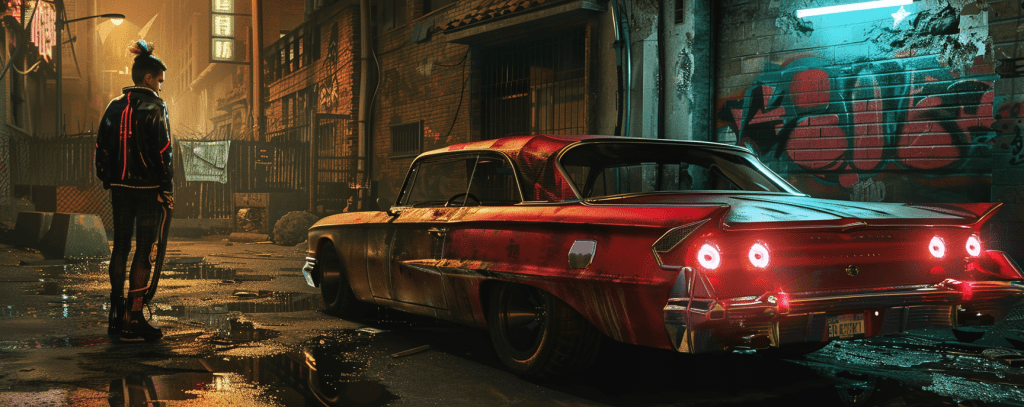
“Repo Man” is deeply embedded in the punk rock culture of the 1980s. The film’s protagonist, Otto (played by Emilio Estevez), embodies the disaffected youth typical of the punk scene. Disillusioned with society, Otto drifts aimlessly until he encounters Bud (Harry Dean Stanton), a veteran repo man who introduces him to the chaotic world of repossession. The setting—gritty, urban Los Angeles—is reflective of the alienation and decay that punk rock often addresses. The characters, from the nihilistic Otto to the jaded Bud, are anti-heroes, rejecting conventional societal norms.

Dialogue and Music

The dialogue in “Repo Man” is sharp, irreverent, and often laced with dark humor, reflecting the punk rock attitude of challenging authority and societal norms. Lines like “The more you drive, the less intelligent you are” encapsulate the film’s critique of consumerism and conformity. The soundtrack, featuring punk bands like Iggy Pop and Black Flag, complements the film’s rebellious tone, reinforcing its themes and enhancing its atmosphere.

Satirical Elements: Critiquing Society and Consumerism

Consumer Culture

One of the most striking aspects of “Repo Man” is its critique of consumer culture. The film uses its setting—a landscape littered with generic, brand-less products—as a visual metaphor for the homogenization of society. This is epitomized by the recurring sight of cans simply labeled “Food,” highlighting the absurdity and emptiness of consumerism. The repo men themselves are agents of this consumer-driven world, reclaiming cars from those who can’t keep up with their payments, underscoring the relentless cycle of debt and consumption.

Authority and Alienation

The film also satirizes various forms of authority, from the government to the corporate world. The subplot involving a Chevy Malibu containing alien corpses serves as a metaphor for governmental secrecy and the absurdity of bureaucratic control. The mysterious and ubiquitous figure of the “Lattice of Coincidence” further mocks the idea of an all-controlling power, suggesting that randomness and chaos govern our lives more than any structured authority.

Blending Genres: A Unique Narrative Style

Science Fiction and Mystery

While “Repo Man” is often classified as a cult classic or a punk rock film, it also incorporates elements of science fiction and mystery. The plot involving the Chevy Malibu with glowing contents that vaporize anyone who opens the trunk adds a layer of intrigue and otherworldliness. This sci-fi element is treated with a casual, almost blasé attitude by the characters, further emphasizing the film’s satirical tone. The mystery of the car’s contents drives the narrative forward, blending seamlessly with the film’s critique of consumerism and authority.

Non-linear Storytelling and Episodic Structure

The film’s structure is episodic rather than linear, reflecting the unpredictable and chaotic nature of the world it portrays. This non-linear storytelling is reminiscent of other punk rock-influenced works, which often eschew traditional narrative forms. The episodic nature allows for various vignettes and encounters, each contributing to the film’s overall themes and satirical tone. For instance, the various characters Otto meets, from the televangelist to the conspiracy theorist, each represent different facets of the societal critique the film is making.

The Role of Satire in “Repo Man”

Humor and Irony

Satire is a crucial element in “Repo Man,” used to both entertain and provoke thought. The humor often arises from the absurdity of the situations and the deadpan delivery of the characters. The film’s opening scene, where a highway patrolman is vaporized after opening the trunk of the Malibu, sets the tone for the absurd humor that pervades the film. The irony in “Repo Man” is that despite the bizarre events and outlandish characters, the film feels grounded in a recognizable reality, one that critiques the absurdities of modern life.

Cultural Critique

Through its satire, “Repo Man” offers a critique of various cultural and societal issues. The portrayal of the repo men as modern-day cowboys navigating a lawless urban landscape serves as a metaphor for the moral ambiguities of capitalism. The alien subplot, while seemingly a nod to classic sci-fi tropes, also serves as a commentary on the fears and anxieties of the nuclear age and the distrust of government.

The Legacy of “Repo Man”

Influence on Filmmaking and Pop Culture

“Repo Man” has had a lasting influence on both independent filmmaking and popular culture. Its blend of genres, irreverent tone, and unique narrative style have inspired countless films and TV shows. The movie’s critique of consumerism and authority continues to resonate, particularly in today’s climate of rampant consumerism and political disillusionment. The film’s punk rock ethos, rejecting mainstream values and norms, has also found a lasting place in the cultural landscape.

Cult Status and Reception

While not a mainstream hit upon its release, “Repo Man” has achieved cult status over the years, appreciated for its unique style and bold themes. Its quotable lines, memorable characters, and distinctive soundtrack have made it a favorite among fans of offbeat cinema. The film’s success lies in its ability to blend satire, humor, and social commentary, creating a narrative that is both entertaining and thought-provoking.

Conclusion

“Repo Man” is a quintessential example of how screenwriting can blend genres and tones to create a unique cinematic experience. Through its punk rock aesthetic and satirical edge, the film offers a scathing critique of consumerism, authority, and societal norms. Its blend of humor, irony, and cultural critique makes it a timeless piece of cinema that continues to resonate with audiences. As a case study in genre-blending and satirical storytelling, “Repo Man” stands out as a significant work in the landscape of American independent film.

For screenwriters, “Repo Man” offers valuable lessons in balancing tone, developing unique characters, and using satire to comment on contemporary issues. Its unconventional narrative structure and fearless approach to storytelling serve as a reminder that sometimes the most impactful stories are those that defy conventional expectations. In a world where conformity often reigns, “Repo Man” remains a beacon of individuality and creative freedom.


✍️  Whether you’re mastering the art of dialogue, structure, or character development, the power of AI can be a game-changer in your writing journey. My Free Ebook, ‘AI for Authors’ delves into how AI-powered prompts can provide a unique edge to your storytelling process. If you’re intrigued by the prospect of supercharging your fiction skills, download your free copy today

Surreal Storytelling in ‘Liquid Sky’: Crafting a New Wave Sci-Fi

In the landscape of 1980s cinema, “Liquid Sky” stands out as a unique and daring entry. Directed by Slava Tsukerman, this film defies conventional narrative and visual styles to present a surreal and avant-garde depiction of science fiction. “Liquid Sky” is not just a film; it’s an experience that challenges and redefines the boundaries of storytelling in the sci-fi genre. This article delves into the innovative narrative techniques, thematic explorations, and stylistic choices that make “Liquid Sky” a pioneering work of New Wave Sci-Fi.

Introduction to “Liquid Sky”

Released in 1982, “Liquid Sky” quickly became a cult classic, revered for its bold visuals, eclectic soundtrack, and its unorthodox approach to storytelling. The film is set in the vibrant, underground club scene of New York City, centering around a group of avant-garde artists and their encounters with a mysterious alien force. The plot revolves around Margaret, a bisexual model who becomes the focus of extraterrestrial interest due to the presence of a powerful substance in her brain released during orgasm.

The Setting: New York’s Underground Scene

The setting of “Liquid Sky” plays a crucial role in its narrative. The film immerses viewers in the edgy and chaotic world of 1980s New York, characterized by its punk rock aesthetics and subversive cultural undercurrents. This environment serves as the perfect backdrop for a story that explores themes of alienation, drug addiction, and the search for identity. The urban landscape is both a character and a canvas, reflecting the internal turmoil and surreal experiences of its inhabitants.

Surreal Visual Style

One of the most striking aspects of “Liquid Sky” is its visual style. Tsukerman employs a combination of vibrant colors, unconventional lighting, and innovative special effects to create a dreamlike atmosphere. The film’s use of neon lighting and stark contrasts not only captures the essence of the 1980s club scene but also enhances the surreal and otherworldly elements of the story.

Innovative Cinematography

Cinematographer Yuri Neyman deserves special mention for his work on “Liquid Sky.” The film’s visual language is defined by its bold and experimental techniques. Neyman utilizes techniques such as reverse motion and slow motion to distort reality, creating a sense of disorientation and heightened sensory experience. This approach aligns with the film’s narrative themes, blurring the lines between the real and the fantastical.

Special Effects on a Budget

Despite its limited budget, “Liquid Sky” manages to deliver compelling special effects that enhance its surreal quality. The use of practical effects, such as body paint and unconventional makeup, contributes to the film’s unique aesthetic. These choices not only compensate for budget constraints but also add to the film’s gritty, underground feel.

Narrative Structure and Themes

“Liquid Sky” eschews traditional narrative structures in favor of a more fragmented and episodic approach. This unconventional storytelling method reflects the chaotic and unpredictable nature of the characters’ lives and the alien influence that disrupts their world.

Fragmented Storytelling

The film’s narrative is non-linear, with scenes that often feel disjointed and abstract. This fragmented storytelling mirrors the disarray in the characters’ lives and emphasizes themes of confusion and disorientation. The audience is invited to piece together the story from these disparate elements, creating a more engaging and participatory viewing experience.

Themes of Alienation and Identity

At its core, “Liquid Sky” explores profound themes of alienation and identity. The characters, particularly Margaret, grapple with feelings of isolation and the search for meaning in a world that feels alien and indifferent. The alien presence serves as a metaphor for the external and internal forces that shape and disrupt their identities. This thematic exploration is enhanced by the film’s surreal and fragmented narrative, which mirrors the characters’ psychological states.

Characters and Performances

The characters in “Liquid Sky” are as unconventional as the film itself. Margaret, played by Anne Carlisle, who also portrays the male character Jimmy, stands out with a performance that is both mesmerizing and unsettling. Carlisle’s dual role highlights the fluidity of identity and the tension between gender norms.

Margaret: A Complex Protagonist

Margaret’s character is central to the film’s exploration of identity and alienation. Her interactions with the alien force and her resulting transformation serve as a powerful commentary on the search for self and the impact of external influences. Carlisle’s performance captures the complexity of Margaret’s character, portraying her as both vulnerable and powerful.

Supporting Characters

The supporting characters, including Adrian, a drug dealer and lover of Margaret, and Paul, a German scientist investigating the alien phenomenon, add depth to the narrative. Their interactions with Margaret and the alien force provide additional perspectives on the film’s themes. Each character’s journey contributes to the overall tapestry of the story, reflecting the diverse experiences of individuals in the 1980s underground scene.

The Soundtrack: A Sonic Landscape

The soundtrack of “Liquid Sky” is an integral part of its identity. Composed by Clive Smith and Brenda Hutchinson, the film’s music blends electronic sounds with punk influences, creating a sonic landscape that complements its visual style. The soundtrack not only enhances the film’s atmosphere but also serves as a reflection of the cultural milieu it depicts.

Electronic and Punk Influences

The fusion of electronic music and punk rock in the soundtrack mirrors the film’s blending of genres and styles. This musical choice reinforces the film’s themes of rebellion and experimentation. The soundtrack’s pulsating rhythms and dissonant tones echo the characters’ internal conflicts and the chaotic world they inhabit.

Music as a Narrative Device

In “Liquid Sky,” music is not just background noise; it is a narrative device that drives the story forward. The soundtrack punctuates key moments in the film, accentuating the emotional and psychological states of the characters. This use of music as a storytelling tool adds another layer of complexity to the film’s narrative.

Cultural Impact and Legacy

“Liquid Sky” has left an indelible mark on the sci-fi genre and the broader cultural landscape. Its influence can be seen in subsequent works that blend surrealism with science fiction, as well as in the continued popularity of cult cinema.

Influence on Sci-Fi and Cult Cinema

“Liquid Sky” paved the way for other films and media that explore similar themes and styles. Its innovative approach to storytelling and visual design has inspired filmmakers and artists across genres. The film’s legacy is evident in the ongoing fascination with its unique blend of sci-fi and surrealism.

Continued Relevance

Decades after its release, “Liquid Sky” remains a relevant and thought-provoking work. Its exploration of identity, alienation, and the search for meaning continues to resonate with contemporary audiences. The film’s enduring appeal lies in its ability to challenge and expand the boundaries of storytelling in cinema.

Conclusion

“Liquid Sky” is a testament to the power of innovation in filmmaking. By breaking away from conventional narrative structures and visual styles, it creates a unique and immersive experience that continues to captivate and inspire. The film’s exploration of profound themes, combined with its bold aesthetic choices, makes it a standout work in the sci-fi genre. “Liquid Sky” is more than just a film; it is a journey into the surreal and the unknown, a journey that leaves a lasting impact on all who experience it.


✍️  Whether you’re mastering the art of dialogue, structure, or character development, the power of AI can be a game-changer in your writing journey. My Free Ebook, ‘AI for Authors’ delves into how AI-powered prompts can provide a unique edge to your storytelling process. If you’re intrigued by the prospect of supercharging your fiction skills, download your free copy today and explore new horizons in creative writing. 

AI in Hollywood: Innovation, Legislation, and the Future of Creativity

The landscape of Hollywood and the entertainment industry is rapidly evolving, with artificial intelligence (AI) playing an increasingly significant role. From innovative production techniques to legislative efforts aimed at protecting artists’ rights, AI is reshaping how we create, consume, and regulate media. Let’s dive into some recent developments that highlight the intersection of AI, creativity, and law in Tinseltown.

AiMation Studios: Enhancing Creativity Through Technology

A New Frontier in Animation

AiMation Studios has emerged as a pioneer in the use of AI for creative purposes in the film industry. Unlike some AI initiatives that focus primarily on cost-cutting, AiMation’s mission is to enhance creativity and give artists more time to focus on their artistic vision.

Their first project, “Where The Robots Grow,” showcases how AI can be used to push the boundaries of storytelling and animation:

  • The plot, set in a future where robots farm a new world for Earth’s last survivors, explores themes of purpose and humanity through the eyes of an AI character.
  • The production utilizes VoCap technology to enhance human vocal performances, allowing actors to portray a wider range of characters.
  • This innovative approach demonstrates how AI can expand the creative possibilities for voice actors and animators alike.

Balancing Technology and Human Creativity

AiMation Studios’ CEO, Tom Paton, emphasizes that their goal is to merge human creativity with advanced technology. This philosophy is reflected in their work environment, which includes a 10-hour, four-day workweek to promote work-life balance for their creative team.

The company’s approach raises interesting questions for screenwriters and filmmakers:

  • How can AI tools enhance the creative process without replacing human ingenuity?
  • What new storytelling possibilities emerge when AI is integrated into the production pipeline?
  • How might the role of screenwriters evolve as AI becomes more prevalent in content creation?

Legislative Efforts: Protecting Artists in the Age of AI

The NO FAKES Act: Safeguarding Digital Identities

As AI technology advances, so does the need for legislation to protect artists and performers. The recently introduced NO FAKES Act aims to address the challenges posed by AI-generated replicas of individuals. Key points of this bipartisan bill include:

  1. Requiring explicit consent for AI-generated replicas of a person
  2. Extending rights to an individual’s likeness for 70 years after death
  3. Balancing personal rights with free speech through First Amendment carveouts

This legislation has garnered support from major industry players, including SAG-AFTRA, the Motion Picture Association, Disney, and major music labels. For screenwriters and actors, this bill could provide crucial protections against unauthorized use of their likenesses in AI-generated content.

Broader AI Regulation in Entertainment

Beyond the NO FAKES Act, there’s a growing push for comprehensive AI regulation in the entertainment industry. A bipartisan AI bill introduced in the Senate seeks to establish federal regulations governing AI use in entertainment, with a focus on:

  • Protecting artists’ rights against unauthorized replication
  • Extending digital replication rights for deceased persons
  • Balancing creator protections with First Amendment considerations

These legislative efforts highlight the complex interplay between technological innovation, creative rights, and free speech. As AI continues to advance, screenwriters and filmmakers must stay informed about these legal developments and their potential impact on the creative process.

The Future of AI in Hollywood: Opportunities and Challenges

Expanding Creative Possibilities

As exemplified by AiMation Studios, AI has the potential to significantly enhance the creative process in filmmaking. Some potential applications include:

  • Advanced storyboarding and previsualization tools
  • AI-assisted script analysis and development
  • Personalized content creation and distribution

For screenwriters, these tools could offer new ways to refine stories, explore narrative possibilities, and even tailor content for specific audiences.

Ethical Considerations and Industry Impact

While AI presents exciting opportunities, it also raises important ethical questions:

  • How do we ensure AI tools enhance rather than replace human creativity?
  • What safeguards are needed to protect artists’ rights in an AI-driven industry?
  • How might AI impact job opportunities and skills requirements in Hollywood?

The industry’s response to these challenges will shape the future of filmmaking and storytelling.

Conclusion: Embracing AI Responsibly

The integration of AI into Hollywood’s creative processes is inevitable, but how it’s implemented will determine its impact on the industry. As screenwriters and filmmakers, it’s crucial to:

  1. Stay informed about AI developments and their potential applications in storytelling
  2. Engage in discussions about AI ethics and regulation in the entertainment industry
  3. Explore how AI tools can enhance your creative process without compromising artistic integrity

By embracing AI responsibly and thoughtfully, we can harness its potential to create more engaging, innovative, and diverse stories while protecting the rights and livelihoods of creators.

As we navigate this new frontier, one thing remains clear: the heart of great storytelling will always be human creativity and emotion. AI is a powerful tool, but it’s the storytellers who will shape its use and impact in Hollywood and beyond.


✍️  Whether you’re mastering the art of dialogue, structure, or character development, the power of AI can be a game-changer in your writing journey. My Free Ebook, ‘AI for Authors’ delves into how AI-powered prompts can provide a unique edge to your storytelling process. If you’re intrigued by the prospect of supercharging your fiction skills, download your free copy today and explore new horizons in creative writing. 

The Ethical Frontier: Navigating AI’s Role in Responsible Storytelling

Artificial Intelligence (AI) is no longer a distant dream; it has become an integral part of various industries, including Hollywood. The convergence of AI and screenwriting presents both thrilling opportunities and significant ethical dilemmas. In this article, we will explore the complex landscape of AI in storytelling, addressing the promises, challenges, and ethical considerations that must be navigated to ensure responsible usage.

The Promises of AI in Storytelling

Enhancing Creativity and Efficiency

AI can enhance creativity and efficiency in the storytelling process. By analyzing vast amounts of data, AI algorithms can identify successful narrative structures, predict audience preferences, and even suggest plot twists. This can help writers craft more engaging and compelling stories, reducing the time spent on repetitive tasks.

For instance, AI tools can automate script formatting, character development analysis, and even dialogue generation. The software can sift through thousands of scripts, identifying patterns and trends that might not be evident to human writers. This allows screenwriters to focus more on the creative aspects of their work, potentially leading to more innovative and diverse storytelling.

Breaking New Ground in Narrative Possibilities

AI also opens up new avenues for narrative exploration. With AI, writers can experiment with interactive storytelling, where the plot evolves based on audience choices. This dynamic form of storytelling can provide a more personalized and immersive experience, attracting a broader audience.

In the realm of animation and special effects, AI can create realistic characters and environments, enhancing the visual storytelling experience. AI-generated characters can perform actions and display emotions that are indistinguishable from those of human actors, pushing the boundaries of what is visually possible in cinema.

The Ethical Challenges of AI in Storytelling

Authenticity and Originality

One of the significant ethical concerns with AI in storytelling is the potential loss of authenticity and originality. AI-generated scripts might rely heavily on existing data, leading to stories that are derivative rather than innovative. This raises questions about the true authorship and creative integrity of AI-assisted works.

A pertinent example is the adaptation of classic literature into AI-generated scripts. While AI can help in maintaining the essence of the original work, there is a risk of losing the unique voice and perspective that a human writer brings to the adaptation. The challenge lies in balancing AI’s efficiency with the need for genuine creativity and originality.

Bias and Representation

AI systems are trained on existing data, which can contain biases related to race, gender, and socio-economic status. If not carefully monitored, AI can perpetuate these biases, leading to problematic representations in storytelling. This issue is particularly concerning in an industry like Hollywood, which has a significant influence on societal norms and perceptions.

For instance, if an AI is trained on scripts predominantly featuring white male protagonists, it might suggest similar characters in new scripts, reinforcing existing stereotypes and limiting diverse representation. Ensuring that AI systems are trained on diverse and inclusive datasets is crucial to mitigate this risk.

Ownership and Intellectual Property

The use of AI in storytelling raises complex questions about ownership and intellectual property. If an AI generates a script, who owns the rights to that work? Is it the developer of the AI, the person who provided the input, or the AI itself? These questions are still largely unresolved and require careful consideration to ensure fair and legal practices.

The legal landscape needs to evolve to address these new challenges. Clear guidelines and regulations must be established to define ownership and protect the rights of all parties involved, including the original creators whose works might have been used to train the AI.

Navigating Ethical Storytelling with AI

Transparency and Accountability

Transparency and accountability are essential in navigating the ethical use of AI in storytelling. Filmmakers and writers should be transparent about the extent to which AI has been used in their work. This includes disclosing the use of AI in scriptwriting, character development, and other aspects of storytelling.

Accountability mechanisms should also be put in place to ensure that AI-generated content adheres to ethical standards. This can involve regular audits of AI systems to check for biases and ensure compliance with industry regulations. Stakeholders, including writers, producers, and AI developers, should collaborate to establish and uphold these standards.

Collaborative Creativity

Instead of viewing AI as a replacement for human creativity, it should be seen as a tool to enhance it. Collaborative creativity, where human writers work alongside AI, can lead to more enriched storytelling. Writers can leverage AI’s data-driven insights while infusing their unique perspectives and creativity into the narrative.

This collaborative approach was exemplified by the AI-assisted writing of the movie Morgan (2016). The AI analyzed numerous movie trailers to create its own version, which was then refined by human editors. This process highlights the potential of AI to complement human creativity, resulting in a final product that benefits from both machine efficiency and human ingenuity.

Ethical AI Development

Developers of AI tools for storytelling must prioritize ethical considerations in their design and implementation. This includes ensuring diversity in training data, minimizing biases, and creating mechanisms for human oversight. Ethical AI development also involves engaging with various stakeholders, including writers, ethicists, and representatives from diverse communities, to understand and address potential ethical issues.

For example, OpenAI’s guidelines for responsible AI development emphasize the importance of safety, transparency, and fairness. These principles should be adopted by AI developers in the storytelling industry to create tools that enhance creativity while upholding ethical standards.

Case Studies: AI in Hollywood

Sunspring: AI-Generated Screenplay

The short film Sunspring (2016) is a notable example of an AI-generated screenplay. The script was written by an AI named Benjamin, which was trained on a vast dataset of science fiction screenplays. While the resulting script was unconventional and often nonsensical, it demonstrated the potential and limitations of AI in creative writing.

The film highlighted the importance of human intervention in refining and interpreting AI-generated content. The director and actors had to make sense of the script and bring coherence to the narrative, showcasing the collaborative potential between AI and human creativity.

Zone Out: AI-Assisted Screenwriting

The sci-fi short film Zone Out (2018) utilized an AI to assist in the screenwriting process. The AI analyzed existing scripts and suggested plot points and dialogue, which were then incorporated and adapted by human writers. This approach led to a unique blend of AI-generated ideas and human creativity, resulting in a compelling and coherent story.

Zone Out exemplifies how AI can be a valuable tool for writers, providing inspiration and structure while allowing human creativity to shine. It also underscores the importance of human oversight in ensuring the final product is engaging and meaningful.

The Future of AI in Storytelling

Balancing Innovation and Ethics

The future of AI in storytelling lies in finding the right balance between innovation and ethics. As AI technology continues to evolve, it will become increasingly capable of generating complex and nuanced narratives. However, ensuring that these stories are original, unbiased, and ethically produced will remain a crucial challenge.

Continuous dialogue between technologists, writers, ethicists, and policymakers is essential to navigate this evolving landscape. By working together, these stakeholders can develop guidelines and best practices that foster responsible AI usage in storytelling.

Empowering Diverse Voices

AI has the potential to democratize storytelling by providing tools and resources to a broader range of creators. By lowering the barriers to entry, AI can empower diverse voices and promote more inclusive storytelling. However, this potential can only be realized if AI systems are designed and trained with diversity and inclusivity in mind.

Initiatives like the AI for Good project aim to harness AI for social impact, including promoting diversity and inclusion in media and entertainment. By supporting such initiatives, the industry can leverage AI to create a more equitable and representative storytelling landscape.

Educating and Engaging Audiences

Educating and engaging audiences about the role of AI in storytelling is crucial. Viewers should be aware of how AI contributes to the content they consume and understand the ethical implications involved. This can foster a more informed and critical audience that holds creators accountable for ethical storytelling practices.

Public discussions, workshops, and educational programs can help raise awareness and promote dialogue about the ethical use of AI in media. By engaging audiences in these conversations, the industry can build a more transparent and ethically conscious storytelling ecosystem.

Conclusion

AI’s role in storytelling is a double-edged sword, offering unprecedented opportunities for creativity and efficiency while posing significant ethical challenges. By embracing transparency, fostering collaborative creativity, prioritizing ethical AI development, and empowering diverse voices, the industry can navigate the ethical frontier and harness AI’s potential for responsible storytelling. As we move forward, continuous dialogue and cooperation among all stakeholders will be key to ensuring that AI contributes positively to the future of Hollywood and beyond.


✍️  Whether you’re mastering the art of dialogue, structure, or character development, the power of AI can be a game-changer in your writing journey. My Free Ebook, ‘AI for Authors’ delves into how AI-powered prompts can provide a unique edge to your storytelling process. If you’re intrigued by the prospect of supercharging your fiction skills, download your free copy today and explore new horizons in creative writing. 
The Atmospheric Horror of ‘Angel Heart’: A Screenwriting Analysis

Introduction

“Angel Heart” is a 1987 film directed by Alan Parker, based on the novel “Falling Angel” by William Hjortsberg. This film blends elements of horror, neo-noir, and psychological thriller to create an atmosphere that is both compelling and chilling. Starring Mickey Rourke, Robert De Niro, and Lisa Bonet, “Angel Heart” is a masterpiece of atmospheric horror, a genre that relies heavily on mood, setting, and psychological tension rather than overt gore or violence. This analysis will explore the screenwriting techniques used in “Angel Heart” to evoke its unique sense of dread and unease, examining how the screenplay constructs its narrative, develops its characters, and builds its atmosphere.

Setting and Atmosphere

New York to New Orleans: A Journey into Darkness

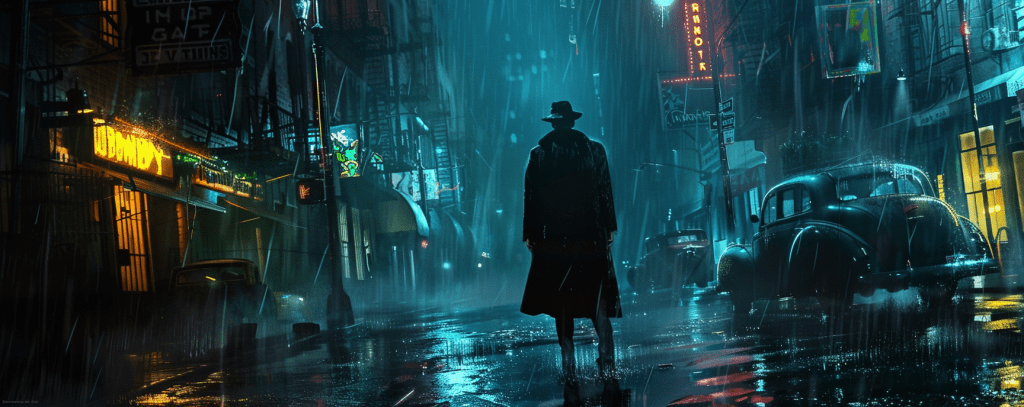
The film’s setting plays a crucial role in establishing its atmospheric horror. The story begins in the gritty, rain-soaked streets of 1950s New York City, a familiar terrain for noir narratives. As the protagonist, Harry Angel, travels to New Orleans, the film transitions to a more gothic and exotic locale. This shift in setting is not merely geographical but also psychological, reflecting Harry’s descent into a world of voodoo, black magic, and dark secrets.

The screenplay meticulously details these environments, using vivid descriptions to evoke a sense of place. For instance, New York is depicted with its cold, gray skies and urban decay, while New Orleans is portrayed with its humid, oppressive heat and vibrant, eerie nightlife. This contrast enhances the film’s sense of foreboding, as Harry moves from the familiar to the unknown.

Visual and Auditory Cues

Screenwriter Alan Parker, who also directed the film, uses visual and auditory cues to heighten the atmosphere. The screenplay includes detailed instructions for the film’s cinematography, lighting, and sound design. Dark, shadowy visuals dominate the scenes, with frequent use of low-key lighting and deep shadows to create a sense of mystery and unease. The persistent use of rain and storm sounds in New York contrasts with the unsettling silence and sudden bursts of music in New Orleans.

For example, in one scene, Harry enters a dilapidated church at night. The screenplay describes the flickering candlelight, the echoing footsteps, and the distant sound of chanting. These elements combine to create a palpable sense of dread, immersing the audience in Harry’s increasingly nightmarish reality.

Character Development and Psychological Horror

Harry Angel: The Flawed Protagonist

Harry Angel, played by Mickey Rourke, is a quintessential noir protagonist—flawed, cynical, and morally ambiguous. The screenplay carefully constructs his character through his interactions, dialogue, and internal monologues. Harry is a private detective hired to find a missing person, but as he delves deeper into the case, he becomes ensnared in a web of supernatural horror.

The screenplay uses Harry’s character to explore themes of identity, guilt, and fate. His journey is as much internal as it is external, with his growing paranoia and fear reflecting his unraveling sanity. The audience is drawn into Harry’s perspective, experiencing his confusion and terror firsthand. This subjective point of view is crucial in creating the film’s psychological horror.

Louis Cyphre: The Antagonist

Robert De Niro’s character, Louis Cyphre, is a masterstroke of screenwriting. His name itself is a play on “Lucifer,” hinting at his true nature. Cyphre is depicted with an air of calm menace, his polite demeanor masking a sinister intent. The screenplay builds his character through subtle cues and unsettling interactions with Harry.

In one memorable scene, Cyphre peels a hard-boiled egg while discussing Harry’s progress. The screenplay’s description of this action is meticulous, emphasizing the casual, almost ritualistic nature of Cyphre’s behavior. This scene encapsulates the film’s blend of the mundane with the macabre, making Cyphre a chilling and memorable antagonist.

Plot Structure and Narrative Techniques

The Mystery Unfolds

“Angel Heart” follows a classic detective narrative structure, with Harry Angel uncovering clues and interviewing suspects. However, the screenplay subverts this structure by intertwining the detective story with elements of horror and the supernatural. Each revelation leads Harry deeper into a labyrinth of dark secrets, culminating in a shocking twist.

The screenplay skillfully balances exposition with suspense. Information is revealed gradually, keeping the audience engaged and intrigued. For instance, the film’s climax—where Harry discovers his true identity and the extent of his involvement in the dark events—reinterprets the entire narrative, providing a chilling resolution to the mystery.

Flashbacks and Symbolism

The use of flashbacks and symbolism is another key aspect of the screenplay. Flashbacks are integrated seamlessly into the narrative, often triggered by sensory experiences or objects. These flashbacks provide crucial backstory and insight into Harry’s character, gradually revealing his past and his connection to the supernatural events.

Symbolism is also prevalent throughout the screenplay. Religious imagery, particularly Christian symbols, are juxtaposed with voodoo and occult elements, creating a rich tapestry of conflicting belief systems. This symbolism enhances the film’s themes of sin, redemption, and the eternal struggle between good and evil.

Themes and Motifs

The Search for Identity

One of the central themes of “Angel Heart” is the search for identity. Harry Angel’s investigation is not just about finding the missing person but also about uncovering his own forgotten past. The screenplay explores this theme through Harry’s interactions with other characters and his gradual realization of his true nature.

This theme is reinforced by the film’s title, “Angel Heart,” which suggests a duality within Harry—an angelic side and a darker, more sinister heart. The screenplay uses this duality to create tension and conflict, making Harry’s journey both a physical and a psychological quest.

The Supernatural and the Occult

The supernatural and the occult are integral to the film’s atmosphere and plot. The screenplay weaves these elements into the narrative, creating a sense of pervasive, inescapable evil. Voodoo rituals, tarot cards, and occult symbols are all meticulously described in the screenplay, enhancing the film’s eerie, otherworldly tone.

The screenplay also delves into philosophical questions about fate and free will. Harry’s journey suggests that he is being manipulated by forces beyond his control, raising questions about his autonomy and moral responsibility. These themes add depth to the narrative, elevating it beyond a simple horror story.

The Climax and Resolution

The Final Revelation

The climax of “Angel Heart” is a masterclass in screenwriting. The final revelation—that Harry Angel is, in fact, Johnny Favorite, the man he has been searching for—recontextualizes the entire narrative. This twist is foreshadowed throughout the screenplay, with subtle hints and clues leading up to the shocking conclusion.

The screenplay carefully constructs this twist, ensuring that it feels both surprising and inevitable. The use of mirrors and reflections is a recurring motif, symbolizing the duality of Harry’s identity. In the final scenes, this motif is brought to the forefront, as Harry confronts his true self.

Ambiguity and Open-Endedness

The resolution of “Angel Heart” is deliberately ambiguous, leaving the audience with lingering questions. The screenplay avoids providing clear answers, instead allowing the horror to resonate beyond the film’s conclusion. This open-endedness is a hallmark of effective atmospheric horror, as it leaves the audience pondering the implications of the story.

For instance, the final scene, where Harry descends in an elevator, is both literal and metaphorical. It suggests his descent into hell or madness, but it also leaves room for interpretation. This ambiguity is a testament to the screenplay’s sophistication, engaging the audience on multiple levels.

Conclusion

“Angel Heart” is a stellar example of atmospheric horror, achieved through masterful screenwriting. The film’s setting, character development, plot structure, and thematic depth all contribute to its haunting atmosphere and psychological intensity. By blending noir elements with supernatural horror, the screenplay creates a narrative that is both compelling and unsettling. Aspiring screenwriters can learn much from “Angel Heart,” particularly in how to use setting, character, and symbolism to build atmosphere and tension. This film stands as a testament to the power of screenwriting in crafting a truly memorable horror experience.


✍️  Whether you’re mastering the art of dialogue, structure, or character development, the power of AI can be a game-changer in your writing journey. My Free Ebook, ‘AI for Authors’ delves into how AI-powered prompts can provide a unique edge to your storytelling process. If you’re intrigued by the prospect of supercharging your fiction skills, download your free copy today and explore new horizons in creative writing.