How ‘Shrek’ Subverts Fairy Tale Tropes in Screenwriting

When Shrek hit theaters in 2001, it didn’t just entertain audiences with a green ogre and a talking donkey—it redefined how we think about fairy tales in film. While other animated features stuck closely to the Disney-fied traditions of storytelling, Shrek tore through the rulebook with a wink and a roar. From its unconventional hero to its irreverent tone, Shrek has become a masterclass in how screenwriters can subvert genre expectations to create something fresh and unforgettable.

In this article, we’ll explore how Shrek flips the script on traditional fairy tale tropes, and what screenwriters can learn from its genre-savvy approach.


Opening with Irony: The Storybook Tear-Down

The very first scene in Shrek tells you everything you need to know about the film’s attitude toward fairy tale conventions. We open with the classic voiceover and storybook motif, reminiscent of Sleeping Beauty or Cinderella. A narrator (who we later discover is Shrek himself) begins reading the familiar setup: “Once upon a time…”

Then comes the twist. With a flush, Shrek literally tears the page out and uses it as toilet paper. This moment is not just a gag—it’s a declaration. The film is telling us that it won’t be following the same path as its fairy tale predecessors. It immediately creates a metatextual distance from the genre, inviting the audience to laugh with the film at the expense of fairy tale clichés.

This is a powerful tool in screenwriting: using irony to signal to the audience that the film is self-aware. When done well, this kind of tone can feel both fresh and rebellious—especially in genres that come with a lot of baggage.


The Anti-Prince Charming: Shrek as the Unlikely Protagonist

Fairy tales often feature handsome princes or beautiful princesses as protagonists—characters who fit traditional ideals of beauty and virtue. Shrek throws this idea into the swamp.

Shrek is an ogre. He’s big, green, grumpy, and lives in isolation by choice. He doesn’t care about love, destiny, or honor. He’s motivated by self-preservation and a desire to be left alone. And yet, he’s the hero.

This reversal is key. Inverting character expectations forces audiences to confront their own biases about who “deserves” to be a hero. For screenwriters, it’s a reminder that character archetypes are not rules—they’re starting points. A well-developed character who breaks the mold can carry an entire story.

It’s also worth noting that Shrek is not without depth. His abrasiveness masks deep-seated insecurity about how the world perceives him. This emotional complexity is what grounds the comedy and makes the story resonate.


Fiona: A Princess with Layers (Like Onions)

If Shrek is an unconventional hero, Fiona is an even more unconventional princess. At first glance, she seems to tick all the boxes: locked in a tower, waiting to be rescued by a knight. But Fiona, like Shrek, has layers.

First, we see that she’s perfectly capable of defending herself—delivering high kicks and karate chops that would make Mulan proud. Second, she’s not afraid to be gross. She belches, eats rats, and embraces the less glamorous aspects of life in the wild.

Most significantly, Fiona harbors a secret curse that transforms her into an ogre at sunset. Her arc is not about escaping this curse, but rather about accepting it. This flips the classic “beauty transformation” on its head. Instead of turning into a beautiful human permanently, Fiona chooses to stay in her ogre form—because that’s who she truly is.

This is a brilliant example of theme and character alignment. The message of self-acceptance is not just stated—it’s lived through the characters’ decisions. For screenwriters, Fiona is a reminder that female leads don’t need to be paragons of perfection. They can be messy, funny, strong, and still have emotional depth.


The Hero’s Journey… with Satire

Shrek still loosely follows the “Hero’s Journey” structure popularized by Joseph Campbell and embraced by Hollywood. But it does so with a heavy dose of satire.

  • Call to Adventure? Shrek doesn’t go on a quest for glory—he just wants to get his swamp back.
  • Refusal of the Call? He’s annoyed by the intrusion, not overwhelmed by destiny.
  • Meeting the Mentor? Donkey is hardly a traditional mentor; he’s more like an emotional support animal with ADHD.
  • Trials and Tests? Sure, they happen—but they’re frequently ridiculous (a wrestling match with knights set to Joan Jett’s “Bad Reputation”? Iconic).

By playing with these beats instead of adhering to them rigidly, Shrek shows that the Hero’s Journey is a flexible framework, not a formula. Writers can use it as a backbone while still coloring far outside the lines.


Villainy Reimagined: Lord Farquaad as a Farce

The antagonist, Lord Farquaad, is as exaggerated as the protagonists are grounded. He’s a classic example of how to use satire to critique power and privilege.

Farquaad is obsessed with order, perfection, and appearances. He wants a trophy wife and a kingdom he can control. His cruelty—exiling fairy tale creatures, torturing the Gingerbread Man—is played for laughs, but it’s also a jab at the sanitized, hierarchical values embedded in traditional fairy tales.

He’s also, literally, small—a visual gag that underlines his insecurity and desire for dominance. The comedy here serves a deeper purpose: by making the villain a caricature of aristocratic snobbery, the film critiques the very systems that fairy tales often uphold.


Intertextuality and Pop Culture as Narrative Tools

One of Shrek’s most defining features is its use of pop culture references and intertextual humor. From Matrix-style fight scenes to the use of Smash Mouth’s “All Star,” the film is packed with nods to contemporary culture and other films.

This could have easily felt gimmicky, but it works because the film uses these references to subvert expectations, not just to show off. For instance, the fairy tale world is full of commercialized relics (the Magic Mirror as a dating game host, for example), reinforcing the idea that this isn’t your grandma’s bedtime story.

For screenwriters, Shrek is a case study in how intertextuality can enrich a script—if it serves the story and characters. References for the sake of references date quickly. But when they’re used with intention, they create a layered, engaging world.


Subversion with Heart: Why It Still Works

What makes Shrek endure isn’t just its cleverness or its parody—it’s that beneath all the satire is a genuinely heartfelt story about acceptance, friendship, and love.

The subversion in Shrek isn’t cynical. It’s rooted in a desire to tell a story that’s inclusive, funny, and emotionally honest. Shrek and Fiona don’t fall in love despite being ogres—they fall in love because they accept each other as they are. The film celebrates difference rather than correcting it.

For screenwriters, this is the most important takeaway: subverting tropes is most effective when it reveals truth, not just when it gets a laugh. The best satire is also sincere.


Takeaways for Screenwriters

So what can writers take from Shrek’s subversive success?

  • Use genre tropes as a sandbox, not a blueprint. Understand the rules so you can break them in meaningful ways.
  • Let your characters surprise the audience. Unconventional heroes are often the most relatable.
  • Blend satire with sincerity. Don’t be afraid to be funny—but anchor it in emotional truth.
  • Play with structure. The Hero’s Journey is a guide, not a checklist.
  • Embrace imperfection. Characters who are messy, flawed, or “ugly” often have the richest arcs.

Final Thoughts

More than 20 years later, Shrek remains a landmark in animated storytelling—not just because it made us laugh, but because it showed us what happens when you challenge the expected. In a landscape where so many scripts play it safe, Shrek proves that bold choices, irreverent humor, and genuine emotion can turn a fairy tale into something revolutionary.

For writers, it’s not just a movie—it’s a masterclass in turning tropes upside down and still landing on something true.


  Whether you’re mastering the art of dialogue, structure, or character development, the power of AI can be a game-changer in your writing journey. My Free Ebook, ‘AI for Authors’ delves into how AI-powered prompts can provide a unique edge to your storytelling process. If you’re intrigued by the prospect of supercharging your fiction skills, download your free copy today and explore new horizons in creative writing. 

Exploring Aging and Legacy in ‘The Irishman’

Martin Scorsese’s The Irishman (2019) is a film that simmers with regret, loyalty, and the slow erosion of legacy over time. Based on the book I Heard You Paint Houses by Charles Brandt, and adapted for the screen by Steven Zaillian, this three-and-a-half-hour epic trades the kinetic energy of Scorsese’s earlier mob films (Goodfellas, Casino) for a more somber, meditative tone. It’s a tale not just of organized crime, but of aging, mortality, and the story we leave behind—or fail to.

For screenwriters and storytellers, The Irishman offers a masterclass in character development, nonlinear structure, and thematic resonance. It’s a movie deeply concerned with time—not just in narrative scope, but in existential impact.


Aging as a Narrative Device

At its core, The Irishman is a film about aging—not just in terms of its characters, but in the cinematic language it employs. The story spans decades, following Frank Sheeran (Robert De Niro) from his early days as a truck driver to his final years in a nursing home. This passage of time isn’t just background texture—it is the story.

In screenwriting, aging is often handled through time jumps or character exposition. Zaillian’s script goes beyond that. The age of the characters isn’t just a fact; it’s a pressure, a ticking clock. We’re constantly reminded of the weight of years, not only through digital de-aging effects but through pacing, mood, and dialogue. Characters frequently speak in ways that underscore the burden of memory. Consider how Frank often tells his story with a sense of detachment, as if recounting events that happened to someone else.

The decision to frame the narrative through Frank’s elderly perspective—often speaking directly to the camera—gives the film an elegiac tone. As writers, this is a valuable technique to study. It allows for reflection and commentary without spoon-feeding the audience. We’re not just seeing events; we’re watching a man grapple with the meaning of his past choices.


The Structure: A Fractured Reflection

From a structural standpoint, The Irishman is a slow burn. It eschews the classic three-act structure in favor of a more literary, mosaic form. The narrative shifts fluidly between time periods, creating a cumulative emotional weight that mirrors the disorientation of old age.

Zaillian’s screenplay builds tension not through external conflict but through moral erosion. We watch Frank make decision after decision, each seemingly small, but adding up to a life defined more by obedience than agency. This mirrors the way memory works—not in clean arcs, but in fragments and regrets.

Writers can take a lot from this. It’s a reminder that structure doesn’t need to be rigid. A nonlinear approach, when tied to character psychology, can deepen thematic impact. In The Irishman, the fragmented timeline reinforces the idea that Frank’s life is a collection of disconnected moments that don’t quite add up to a legacy.


Character as Theme: The Tragedy of Frank Sheeran

Frank Sheeran is not a tragic hero in the classical sense—he’s not noble, and his downfall isn’t caused by a fatal flaw in the traditional way. But in screenwriting terms, he is a prime example of a protagonist whose internal conflict defines the narrative.

His arc is subtle and slow. He begins as a man who “follows orders,” a loyal soldier in a corrupt system. By the end, he’s alone, abandoned by family and haunted by the execution of his closest friend, Jimmy Hoffa (Al Pacino). The tragedy lies in the realization that loyalty, when unchecked, can become complicity. Frank’s life wasn’t led so much as surrendered.

Zaillian’s script is careful never to make Frank too reflective too early. He doesn’t express remorse in overt ways. Instead, his guilt is expressed through silence, through the small hesitation before he speaks, or the long pauses after he recounts a killing. For writers, this is a reminder of the power of subtext. Often what a character doesn’t say speaks louder than what they do.


Jimmy Hoffa and the Illusion of Immortality

If Frank is a character defined by passive loyalty, Jimmy Hoffa is his opposite—a man of passion, ego, and relentless control. Al Pacino’s performance brings energy and charisma to the film, but also pathos. Hoffa is a man who believes in his own myth, convinced he’s untouchable because of his contributions to the labor movement.

In many ways, Hoffa represents a different kind of legacy—the kind people try to build actively. He fights for his name, for his reputation, for permanence. But as history shows, legacy isn’t always something we can shape. It’s subject to forces beyond our control—politics, betrayal, time itself.

In screenwriting terms, Hoffa serves as a foil to Frank. Where Frank is reactive, Hoffa is proactive. Their dynamic creates rich dramatic tension, and their friendship becomes the emotional spine of the film. Their eventual rupture—culminating in Hoffa’s murder at Frank’s hands—is devastating not just for its brutality, but for its emotional betrayal.

Writers can learn here about dual-character dynamics: how contrasting desires and values can drive conflict and deepen theme. Frank and Hoffa are two sides of the same coin—men caught in systems larger than themselves, trying to matter in a world that moves on without sentiment.


The Final Act: A Study in Stillness

Perhaps the most surprising—and courageous—choice in The Irishman is how it handles its final act. Rather than ending with a violent climax or dramatic confrontation, the film fades into stillness. Frank doesn’t die on screen. He lingers.

These final scenes are a masterclass in restraint. We see Frank buying his own coffin. He’s left alone in a care facility, trying to reconcile with his estranged daughter, Peggy (Anna Paquin), and failing. The camera lingers. The pace slows. The energy drains, mirroring the slow fade of a man who once had power but now has only time.

For screenwriters, this is where form meets function. The ending isn’t about resolution—it’s about consequence. The choice not to redeem Frank or offer closure is a stark, bold move. It respects the intelligence of the audience and the integrity of the story. Sometimes, the most powerful endings are not climactic but quiet.


Legacy on the Page and Screen

One of The Irishman’s most compelling themes is the futility of legacy. Frank’s life is a trail of dead bodies, broken relationships, and forgotten service. He wants someone to remember him, to understand him—but no one does, or wants to. Even the priest at the end offers little comfort.

In screenwriting, legacy often comes in the form of message: What does this story leave behind? What emotional imprint does it make? In The Irishman, Zaillian and Scorsese craft a story that doesn’t just tell us about loss—it embodies it. Frank’s story doesn’t resonate because he was a great man. It resonates because he wasn’t. Because he was a man who lived long enough to realize the emptiness of the life he built.

This is a valuable lens for writers: What does your character believe they’re leaving behind? And what is the truth of their impact? That tension—between self-perception and reality—can form the emotional engine of a screenplay.


Final Thoughts: The Writer’s Lesson

The Irishman is not a film for everyone. Its length, pacing, and meditative tone demand patience. But for writers, it offers a profound study in long-form storytelling, subtle character arcs, and the delicate craft of writing about time.

Zaillian’s screenplay—unflashy, deliberate, and deeply human—reminds us that some of the most powerful stories are not about glory or redemption, but about reflection and regret. In a culture obsessed with youth and velocity, The Irishman is a rare film that dares to sit with the consequences of a life lived in moral compromise.

If you’re writing a story about legacy—about what remains after everything else has faded—The Irishman is essential viewing. And if you’re writing about aging, it’s a masterclass in using time not just as backdrop, but as a character in itself.


  Whether you’re mastering the art of dialogue, structure, or character development, the power of AI can be a game-changer in your writing journey. My Free Ebook, ‘AI for Authors’ delves into how AI-powered prompts can provide a unique edge to your storytelling process. If you’re intrigued by the prospect of supercharging your fiction skills, download your free copy today and explore new horizons in creative writing. 
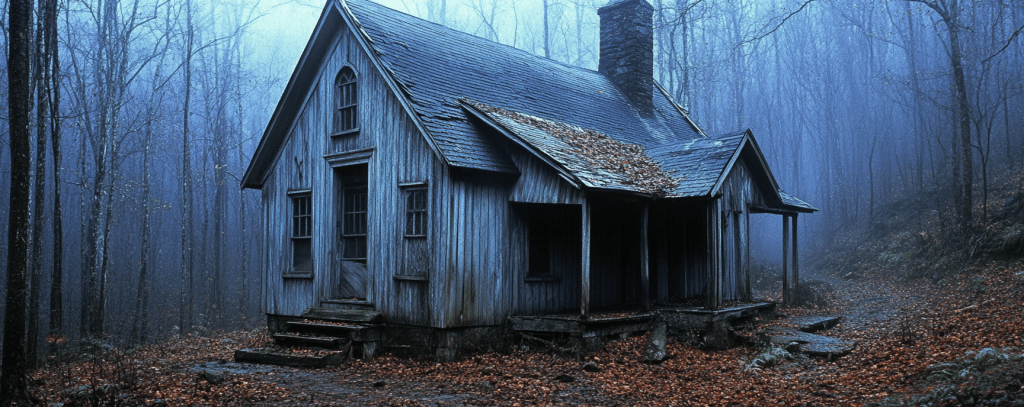
Exploring Found Footage as a Narrative Device in ‘The Blair Witch Project’

Introduction: A Low-Budget Masterclass in Storytelling

In 1999, The Blair Witch Project emerged as a cultural phenomenon. With a modest budget of around $60,000 and a box office return nearing $250 million, it became one of the most profitable independent films of all time. But beyond its financial success, what captivated both audiences and screenwriters alike was its storytelling innovation. The film didn’t just tell a story—it immersed viewers in an experience, one shaped entirely by its use of the found footage narrative device.

For screenwriters, The Blair Witch Project offers more than scares in the woods; it presents a case study in how narrative form can directly shape tone, character, tension, and audience perception. In this article, we’ll explore the found footage format as a tool for narrative immersion and creative constraint, and how The Blair Witch Project turned its limitations into its greatest strengths.


Found Footage: More Than a Gimmick

The found footage technique isn’t unique to The Blair Witch Project, nor did the film invent the form. But it did popularize and refine it for the modern era. Found footage in film is designed to appear as if the events on screen were discovered recordings, often left behind by the characters themselves. The format typically involves handheld cameras, diegetic sound, and minimal editing to preserve the illusion of raw, unfiltered reality.

For screenwriters, the found footage approach demands a shift in mindset. Traditional screenplay structure—clean transitions, neatly formatted dialogue, clear scene direction—is partially abandoned. Instead, the script becomes a blueprint for chaos. Dialogue is messier. Scenes bleed into one another. Characters aren’t delivering lines; they’re talking over each other, improvising, reacting in real-time. This format can strip storytelling down to its most primal core: truthfulness.


Immersion Through Imperfection

The raw aesthetic of The Blair Witch Project was essential to its impact. The film feels authentic because it embraces imperfection. Camera angles are awkward. Lighting is poor. The audio crackles. But these “flaws” contribute to a growing sense of dread. Screenwriters often strive for elegance, but Blair Witch reminds us that emotional truth doesn’t always come polished.

From a narrative standpoint, these imperfections generate immersion. Viewers aren’t watching actors—they’re witnessing “real people” in a terrifying situation. The sense of voyeurism is powerful. The audience isn’t just observing; they’re participating. This proximity makes the horror more visceral. Every scream, every stumble through the woods, feels disturbingly real.

For writers, the takeaway is this: don’t be afraid to let the story feel messy if that mess serves the tone. Authenticity often lies in the cracks.


Character Development Without Backstory

One of the most remarkable achievements in The Blair Witch Project is how it builds characters without relying on exposition-heavy backstories. Heather, Josh, and Mike are not introduced with detailed biographies or flashbacks. We learn who they are through how they behave under pressure.

This is a direct result of the found footage format. The story unfolds as they film it. There’s no narrator. No omniscient camera. Everything we learn comes from their interactions, decisions, and breakdowns. Heather’s determination, Josh’s sarcasm, Mike’s instability—these traits emerge organically.

As screenwriters, we often default to giving characters motivation through backstory. But Blair Witch demonstrates the power of the present moment. How a character acts in crisis can be more revealing than anything that came before.


Pacing and Structure in a Chaotic Format

A common critique of found footage films is that they can feel aimless or repetitive. The Blair Witch Project narrowly avoids this trap by anchoring its pacing in rising tension. The film may not follow a traditional three-act structure with obvious plot points, but it still creates a clear trajectory of escalation.

Each night brings a new horror. The group grows more disoriented. Tensions between characters mount. The camera work grows more frantic. Fear escalates in tandem with narrative momentum.

For writers, the lesson here is that structure doesn’t always need to be overt. What matters is that there’s a felt progression. Even in the absence of conventional acts, Blair Witch crafts a slow burn that crescendos into unforgettable horror. The trick is in layering dread—not with exposition, but with rhythm.


World-Building Through Misinformation

Before The Blair Witch Project even hit theaters, it had already begun crafting its mythology. The filmmakers created a detailed backstory for the Blair Witch legend and disseminated it through a mockumentary and an early viral website. Many audiences went into the film believing it was real, which only heightened its impact.

This technique—world-building through misdirection—is deeply instructive for screenwriters. The mythology isn’t dumped into the script. It exists around the story, allowing the characters to remain in the dark even as the world they inhabit feels rich and dangerous.

When using found footage, less truly is more. The audience gleans information the same way the characters do—piecemeal, confused, scared. The mystery becomes more unsettling when it resists full explanation. Writers should consider how much lore is necessary, and whether withholding information can actually strengthen tension.


Dialogue and Improvisation: Writing the Unwritten

Interestingly, The Blair Witch Project was largely improvised. The directors provided the actors with daily outlines and goals, but much of the dialogue was created in the moment. This technique allowed the conversations to sound natural and emotionally authentic—something incredibly difficult to fabricate in scripted form.

For screenwriters, this raises an important question: can you write dialogue that feels improvised without relying on improvisation?

The answer lies in intent. Even the most spontaneous-sounding lines should serve a purpose: revealing character, deepening conflict, or moving the story forward. One way to achieve this effect on the page is to write in “unfinished thoughts”—let characters talk over each other, change subjects mid-sentence, contradict themselves. Life is messy, and dialogue can reflect that.

Of course, not every script will benefit from this style. But when writing intimate, high-stress scenarios—especially in horror or thriller genres—it can help to loosen the structure and let the characters breathe.


Budget as Constraint, Constraint as Innovation

At its core, The Blair Witch Project is a lesson in doing more with less. No elaborate sets. No CGI. No musical score. Just three actors, a forest, and a few creepy sounds. And yet, it’s more terrifying than many high-budget horror films.

For screenwriters, the budget can often feel like a limitation. But Blair Witch shows that limitation can drive creativity. The lack of visual monsters forced the filmmakers to lean on atmosphere and implication. The unseen became more terrifying than the seen.

If you’re writing a low-budget screenplay, think about what you can do without. What happens if you strip away traditional narrative tools and focus purely on mood, character, and fear? Often, less spectacle means more storytelling.


Legacy and Lessons for Modern Writers

More than two decades later, the influence of The Blair Witch Project is still felt. Its DNA is visible in films like Paranormal Activity, Cloverfield, and Host. And yet, few have matched its raw, unnerving power.

Part of this is due to novelty, of course. But part of it is also due to commitment. Blair Witch didn’t dabble in found footage—it embraced it fully. The film understood what the format could offer and pushed it to its limits.

For modern screenwriters exploring this form, the challenge is to approach it not as a gimmick, but as a narrative philosophy. Found footage works best when it’s baked into the story’s DNA—when the camera itself is part of the conflict, the mood, the stakes.


Conclusion: Writing Like You Found It

The Blair Witch Project isn’t just a landmark horror film; it’s a reminder that storytelling doesn’t need to be glossy to be effective. Found footage, when used intentionally, can unlock a deeper level of audience connection—one that feels immediate, intimate, and unshakably real.

As screenwriters, we should consider not just what story we’re telling, but how we’re telling it. Is the format supporting the fear? Is the camera placement adding emotional weight? Are the characters acting like they don’t know they’re in a story?

Sometimes the most powerful narratives are the ones that look like they weren’t written at all. But make no mistake—every shaky frame, every half-heard scream, every panicked confession in The Blair Witch Project was supported by choices. Smart, innovative, and deeply human choices.

And that’s something every writer can learn from.


  Whether you’re mastering the art of dialogue, structure, or character development, the power of AI can be a game-changer in your writing journey. My Free Ebook, ‘AI for Authors’ delves into how AI-powered prompts can provide a unique edge to your storytelling process. If you’re intrigued by the prospect of supercharging your fiction skills, download your free copy today and explore new horizons in creative writing. 

AI in Hollywood: Weekly News, April 10, 2025

Artificial intelligence (AI) is rapidly reshaping the entertainment industry, from screenwriting and visual effects to immersive audience experiences. Recent developments highlight how AI is being integrated into Hollywood and beyond, with implications for creativity, production efficiency, and even labor relations. This week, three major stories emerged that showcase AI’s growing influence in screenwriting, filmmaking, and audience engagement.

Writers Guild Secures AI Protections in New CBS News Contract

The Writers Guild of America East and West achieved a significant milestone by ratifying a new three-year collective bargaining agreement with CBS News. This contract introduces groundbreaking protections related to the use of generative AI systems in the workplace.

AI Protections for Workers

Under the agreement, CBS must provide advance notice before implementing generative AI technologies. Additionally, the company will meet with the guild twice a year to discuss AI developments and their impact on employees. Importantly, any staff laid off due to AI will receive 1.5x severance pay—a notable safeguard in an era of increasing automation.

Compensation Improvements

The contract also includes substantial wage increases: a 3% annual hike for all pay minimums and an 11%-22% boost in first-year pay for entry-level positions like Desk Associates and Junior Writers. Per diem employees will see a 2% increase in pay overrides over the contract term.

Implications for Mergers

These workforce protections could influence regulatory evaluations of Paramount Global’s pending merger with Skydance Media. Paramount has already downsized its U.S. workforce by 15%, making the contract’s provisions especially relevant as the industry navigates consolidation.

This agreement underscores how unions are proactively addressing AI’s potential impact on creative professionals, ensuring that technological advancements do not come at the expense of human workers.

James Cameron Embraces AI for Filmmaking Efficiency

In a surprising turn of events, legendary filmmaker James Cameron has joined the Board of Directors at Stability AI. Known for his cautionary stance on AI—famously referencing The Terminator—Cameron is now exploring ways to integrate AI into filmmaking to streamline production processes without compromising artistic integrity.

AI in Visual Effects (VFX)

Cameron’s focus is on enhancing VFX workflows using Stability AI’s tools. By doubling the speed at which shots can be completed, he aims to reduce costs for big-budget films like Avatar and Dune. This approach prioritizes efficiency while empowering artists to work more creatively.

Skepticism About AI Storytelling

Despite his enthusiasm for AI in production, Cameron remains skeptical about its ability to write emotionally resonant or original screenplays. He suggested that AI would only be taken seriously as a storytelling tool if it ever wins an Oscar for Best Screenplay—a feat he believes could take decades.

Stability AI’s Vision

Stability AI CEO Prem Akkaraju emphasized the company’s mission to transform visual media by creating a full-stack AI pipeline for creators. This partnership between Cameron and Stability AI highlights how filmmakers can leverage technology to enhance creativity without replacing human ingenuity.

Cameron’s shift from anti-AI rhetoric to active collaboration reflects a broader trend in Hollywood: embracing technology as a tool rather than a threat.

“The Wizard of Oz” Reimagined with Generative AI at Las Vegas Sphere

Generative AI is not just transforming production—it’s revolutionizing how audiences experience classic films. Sphere Entertainment has announced an immersive version of The Wizard of Oz, set to debut at the Las Vegas Sphere on August 28.

AI-Powered Upscaling and Expansion

In partnership with Warner Bros. Discovery, Google Cloud, and Magnopus, Sphere Entertainment is using generative AI models like Gemini, Veo 2, and Imagen 3 to upscale and reimagine the original 1939 film. These technologies enhance resolution, expand backgrounds, and recreate characters with unprecedented detail.

Massive Data Processing

The project involves processing over 1.2 petabytes of data using Google Cloud’s high-performance computing infrastructure. This level of computational power enables seamless rendering for Sphere’s advanced display system—a 160,000-square-foot wraparound LED screen with 16K by 16K resolution.

Creative Collaboration

Sphere is working with Magnopus, a creative studio founded by Oscar-winning VFX artists Ben Grossman and Alex Henning (Hugo). Their expertise ensures that the immersive experience maintains artistic integrity while leveraging cutting-edge technology.

Long-Term Implications

This project marks the beginning of a broader collaboration between Sphere Entertainment and Google Cloud to explore new possibilities for generative AI in entertainment. As Google Cloud CEO Thomas Kurian noted, these advancements could reshape audience experiences and open new opportunities for filmmakers.

By blending classic storytelling with modern technology, The Wizard of Oz at the Sphere exemplifies how generative AI can breathe new life into beloved narratives while captivating audiences in entirely new ways.

The Broader Impact of AI on Hollywood

These developments highlight several key trends in Hollywood’s adoption of AI:

  • Protecting Creative Professionals: The Writers Guild contract demonstrates how unions can negotiate safeguards against potential job displacement due to automation.
  • Enhancing Production Efficiency: James Cameron’s collaboration with Stability AI shows how filmmakers can use technology to streamline workflows without compromising artistry.
  • Revolutionizing Audience Experiences: The immersive Wizard of Oz project illustrates how generative AI can transform storytelling into multi-sensory experiences that push creative boundaries.

While skepticism about AI’s role in screenwriting persists—particularly regarding its ability to craft emotionally resonant stories—the technology’s potential to augment creativity is undeniable. Whether through labor protections or groundbreaking collaborations, Hollywood is navigating this technological shift with cautious optimism.

Conclusion: Balancing Innovation with Integrity

AI is not just a tool—it’s becoming an integral part of Hollywood’s creative ecosystem. From securing workers’ rights to enhancing production efficiency and reimagining audience experiences, this week’s news underscores how the entertainment industry is embracing innovation while safeguarding its artistic core. As filmmakers like James Cameron explore new possibilities and unions advocate for protections, one thing is clear: the future of Hollywood lies at the intersection of human creativity and artificial intelligence.


  Whether you’re mastering the art of dialogue, structure, or character development, the power of AI can be a game-changer in your writing journey. My Free Ebook, ‘AI for Authors’ delves into how AI-powered prompts can provide a unique edge to your storytelling process. If you’re intrigued by the prospect of supercharging your fiction skills, download your free copy today and explore new horizons in creative writing. 
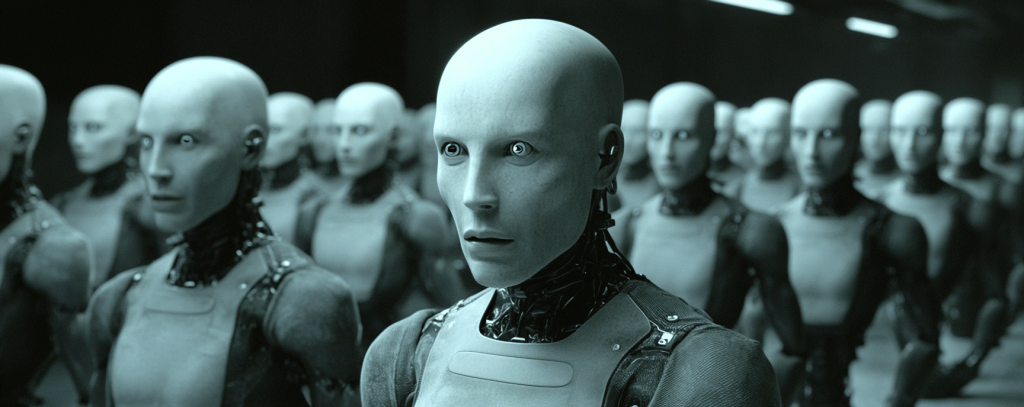
The Ethical Minefield: Navigating AI’s Role in Entertainment

The entertainment industry’s relationship with artificial intelligence has evolved from speculative curiosity to an unavoidable reality. As of March 2025, AI tools like OpenAI’s Sora and voice-cloning software such as Respeecherare reshaping filmmaking, screenwriting, and post-production—raising complex ethical questions about creativity, labor, and authenticity. This article examines the current landscape, focusing on the challenges and opportunities at the intersection of AI and entertainment.

AI’s Creative Breakthroughs: From Previsualization to Final Cuts

OpenAI’s Sora, a text-to-video model, has stunned Hollywood with its ability to generate hyper-realistic footage from simple prompts. Recent screenings like Sora Selects showcased AI-generated short films spanning medieval battles and surreal dreamscapes, attended by executives from major studios like Disney and Universal1. Studios are experimenting with AI for previsualization, VFX, and even full-scene generation, though legal restrictions currently limit commercial use13.

Similarly, AI voice tools have entered award-winning films. In 2025, Netflix’s Emilia Pérez and A24’s The Brutalistused Respeecher to enhance actors’ vocal performances—blending Karla Sofía Gascón’s voice with a singer’s for wider range and refining Adrien Brody’s Hungarian dialect3. While filmmakers argue these tools preserve artistic intent, critics question whether AI-altered performances undermine acting authenticity.

The Labor Dilemma: Job Displacement vs. Efficiency

AI’s efficiency comes at a cost. Concept artists, animators, and VFX workers are already seeing reduced roles as AI streamlines workflows1. Voice actors face similar threats, with AI-generated voices replacing human talent in ads, animations, and audiobooks2. The WGA and SAG-AFTRA strikes of 2023–24 highlighted these concerns, but by 2025, the industry’s adoption of AI has only accelerated.

Proponents argue AI can augment creativity—helping writers craft loglines, refine scripts, or generate trailer dialogue6. However, the line between assistance and replacement remains contentious. As one sound mixer noted, AI is a tool that “needs a human pilot,” but its rapid advancement risks sidelining traditional roles36.

Legal and Ethical Gray Areas

The rise of AI has sparked legal battles over copyright, consent, and compensation. Studios using AI to replicate voices or likenesses without permission face backlash from actors and unions24. For example, Respeecher’s use in Emilia Pérez and The Brutalist ignited debates over whether AI-modified performances should qualify for awards3.

Deepfakes and synthetic media pose deeper ethical risks. AI can fabricate realistic content, raising concerns about misinformation and reputational harm4. Transparency is critical: audiences and creators alike demand clarity on when and how AI is used—whether for scriptwriting, CGI, or post-production edits5.

Bias and Representation: The Algorithmic Blind Spot

AI’s reliance on existing datasets risks perpetuating historical biases. If trained on predominantly white, male-driven narratives, AI-generated scripts or characters may reinforce stereotypes45. Initiatives to “diversify” AI training data exist, but algorithmic fairness remains a work in progress.

A recent controversy involved an AI screenwriting contest for underrepresented voices. Critics argued AI judges could only assess scripts based on past Hollywood norms, failing to recognize truly innovative perspectives4. As one commentator noted, “AI has no concept of ‘new’”4.

The Path Forward: Collaboration Over Replacement

The industry’s challenge is to harness AI’s potential without eroding human creativity. Proposals include:

  • Clear labeling of AI-generated content to maintain audience trust5.
  • Consent frameworks for using actors’ likenesses or voices, with fair compensation24.
  • Hybrid workflows where AI assists—not replaces—writers, editors, and VFX teams6.

As David Cronenberg and other filmmakers experiment with AI, the consensus is clear: technology won’t replace storytellers, but storytellers who adapt will outpace those who don’t15. The question isn’t whether AI belongs in entertainment—it’s how to ensure it serves artistry, not undermines it.

Conclusion: Balancing Innovation and Integrity

AI’s integration into Hollywood is irreversible, but its ethical implications demand ongoing dialogue. From labor disputes to creative ownership, the industry must navigate this “minefield” with transparency, fairness, and respect for human artistry. As tools like Sora and Respeecher evolve, the ultimate test will be whether AI elevates storytelling—or diminishes what makes it uniquely human.


  Whether you’re mastering the art of dialogue, structure, or character development, the power of AI can be a game-changer in your writing journey. My Free Ebook, ‘AI for Authors’ delves into how AI-powered prompts can provide a unique edge to your storytelling process. If you’re intrigued by the prospect of supercharging your fiction skills, download your free copy today and explore new horizons in creative writing. 

Citations:

  1. https://aiinscreentrade.com/2025/03/27/ai-in-hollywood-weekly-news-march-27-2025/
  2. https://www.gtlaw.com/en/insights/2025/1/published-articles/5-trends-to-watch-2025-entertainment-media
  3. https://www.mastercard.com/news/perspectives/2025/ai-and-hollywood-how-artificial-intelligence-is-transforming-filmmaking/
  4. https://nofilmschool.com/ethical-ai
  5. https://photography.tutsplus.com/articles/the-ethics-of-ai-in-film-balancing-creativity-with-tech–cms-108730
  6. https://thescriptlab.com/blogs/35744-3-ways-to-use-ai-for-screenwriting/
  7. https://buffer.com/resources/ai-writing-tools/
  8. https://www.leewayhertz.com/ai-in-media-and-entertainment/
  9. https://raindance.org/ai-the-advantages-and-perils-for-filmmakers-and-screenwriters/
  10. https://www.grandviewresearch.com/industry-analysis/artificial-intelligence-ai-media-entertainment-market-report
  11. https://www.globenewswire.com/news-release/2025/03/17/3043500/28124/en/AI-Meets-Media-Research-Report-2025-Content-Personalization-at-Scale-Shifting-from-Static-to-Real-time-Hyper-personalized-Experience.html
  12. https://www.concettolabs.com/blog/ai-impact-the-entertainment-and-media-industry/
  13. https://raindance.org/artificial-intelligence-and-filmmaking-threats-and-features/
  14. https://www.forbes.com/councils/forbestechcouncil/2024/02/05/from-ai-to-z-unleashing-artificial-intelligences-impact-on-the-global-entertainment-economy/
  15. https://www.ki-company.ai/en/blog-beitraege/artificial-intelligence-in-the-film-industry-opportunities-and-challenges
  16. https://news.gsu.edu/2025/03/31/how-artificial-intelligence-can-be-a-tool-in-filmmaking/
  17. https://gritdaily.com/virtual-production-ai-new-powerhouses-of-filmmaking/
  18. https://www.nolanai.app/blog/how-ai-can-be-used-ethically-in-the-film-industry
  19. https://www.cbsnews.com/news/actors-artificial-intelligence-ai-hollywood-copyright-regulation/
  20. https://www.forbes.com/councils/forbestechcouncil/2024/11/26/ai-in-entertainment-19-practical-and-ethical-challenges/
  21. https://www.reddit.com/r/ChatGPT/comments/197hbr5/i_reviewed_a_bunch_of_ai_writing_softwares_so_you/
  22. https://www.rit.edu/news/screenwriters-vs-machine-embracing-ai-storytelling-process
  23. https://aimresearch.co/market-industry/top-companies-leveraging-ai-in-the-entertainment-industry
  24. https://www.symphonyai.com/resources/blog/media/3-ways-ai-reshaping-media-entertainment-industry/
  25. https://blog.visuals.tv/posts/the-role-of-ai-in-filmmaking-benefits-and-drawbacks
  26. https://www.linkedin.com/pulse/future-ai-film-industry-opportunities-challenges-ceylin-kocagoz-yyesc
  27. https://www.epam.com/insights/blogs/2025-media-and-entertainment-forecast-whats-next-for-content-providers-live-entertainment-and-sports
  28. https://deadline.com/2025/03/ai-studios-focus-narrative-technology-entertainment-1236327058/
  29. https://digitalcontentnext.org/blog/2025/01/28/how-ai-is-reshaping-the-entertainment-industry/
  30. https://aiinscreentrade.com/2025/03/14/ai-in-hollywood-weekly-news-march-14-2025/
  31. https://www.munckwilson.com/news-insights/current-ai-issues-in-the-entertainment-space/
  32. https://www.talentdesk.io/blog/ai-impact-on-the-entertainment-industry
  33. https://www.troutman.com/insights/who-owns-creativity-ai-in-entertainment.html
  34. https://neilmandt.com/ethics-of-artificial-intelligence-and-deepfake-in-entertainment-industry/
  35. https://www.forbes.com/sites/michaelashley/2024/06/11/ai–screenwriting-cinematic-dream-or-celluloid-nightmare/
  36. https://copywritersforum.com/viewtopic.php?t=717
  37. https://www.ultralytics.com/blog/artificial-intelligence-in-filmmaking-new-creative-possibilities
  38. https://amt-lab.org/reviews/2023/4/can-ai-screenwrite-a-review-of-3-programs
  39. https://techwireasia.com/2024/01/ai-in-the-film-industry/
  40. https://dataforest.ai/blog/a-handbook-on-ai-in-media-and-entertainment-influence