The Pitfalls of AI in Character Development: Avoiding Stereotypes

In the ever-evolving landscape of film and television, artificial intelligence (AI) has emerged as a powerful tool for screenwriters and content creators. While AI offers numerous benefits in streamlining the writing process, it also presents unique challenges, particularly in the realm of character development. One of the most significant concerns is the potential for AI to perpetuate or even exacerbate stereotypes in character creation. This article explores the pitfalls of using AI in character development and offers strategies for avoiding stereotypical portrayals.

Understanding AI in Screenwriting

Before delving into the potential pitfalls, it’s essential to understand how AI is currently being used in the screenwriting process. AI tools can assist writers in various ways, from generating plot ideas to suggesting dialogue. In character development, AI can analyze vast amounts of data from existing scripts and novels to propose character traits, backstories, and arcs.
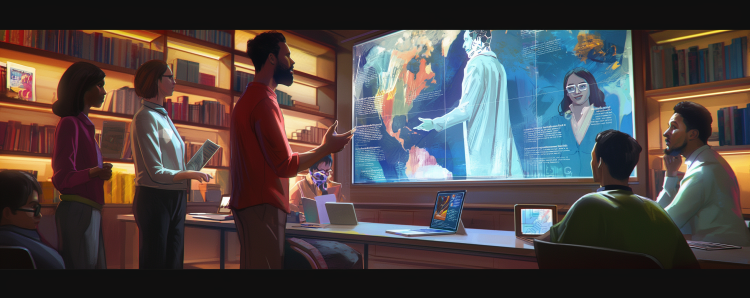
While these capabilities can be immensely helpful, they also come with inherent risks. AI models learn from existing data, which means they can inadvertently reproduce biases and stereotypes present in that data. This is particularly concerning in the context of character development, where nuanced and authentic representations are crucial.

The Stereotype Trap: How AI Can Reinforce Biases

Data-Driven Stereotypes

One of the primary ways AI can contribute to stereotypical character development is through its reliance on existing data. AI models are trained on vast datasets of scripts, books, and other media. If these sources contain stereotypical representations of certain groups, the AI may learn to reproduce these patterns.

For example, an AI trained on action movies from the 1980s and 1990s might suggest female characters who are predominantly love interests or damsels in distress, rather than complex protagonists in their own right. Similarly, it might propose ethnic minority characters who conform to outdated and offensive stereotypes prevalent in that era’s media.

Oversimplification of Complex Identities

AI models, despite their sophistication, often struggle with the nuances of human identity. They may reduce characters to a set of predefined traits based on broad categories like gender, race, or profession. This oversimplification can lead to flat, one-dimensional characters that fail to capture the complexity of real human experiences.

For instance, an AI might suggest that all lawyers in a script should be ruthless and morally ambiguous, or that all artists should be temperamental and financially unstable. These generalizations ignore the vast diversity within any given group and can result in characters that feel inauthentic or clichéd.

Reinforcing Dominant Narratives

Another pitfall of AI in character development is its tendency to reinforce dominant narratives. AI models learn patterns from the most common representations in their training data. This can lead to a perpetuation of mainstream perspectives at the expense of marginalized voices and experiences.

For example, in a historical drama set in ancient Rome, an AI might default to suggesting primarily male characters in positions of power, overlooking the potential for exploring the roles of women or slaves in that society. This not only limits the diversity of stories being told but also misses opportunities for fresh, compelling narratives.

The Importance of Authentic Character Development

Connecting with Audiences

In an era where audiences are increasingly demanding authentic and diverse representations on screen, relying too heavily on AI-generated character concepts can be detrimental. Viewers are quick to spot and criticize characters that feel stereotypical or inauthentic. This can lead to negative reception of a film or TV show, potentially impacting its commercial success and cultural relevance.

Authentic characters, on the other hand, have the power to resonate deeply with audiences. They can challenge viewers’ perspectives, evoke empathy, and create lasting impressions. This level of connection is often the result of nuanced, well-researched character development that goes beyond surface-level traits.

Ethical Storytelling

As storytellers, screenwriters have a responsibility to consider the broader impact of their work. Characters that perpetuate harmful stereotypes can reinforce societal biases and negatively affect how certain groups are perceived in real life. Conversely, well-crafted characters that defy stereotypes can contribute to greater understanding and empathy among viewers.

Strategies for Avoiding Stereotypes in AI-Assisted Character Development

While the pitfalls of using AI in character development are significant, they are not insurmountable. Here are some strategies for leveraging AI tools while avoiding stereotypical portrayals:

Human Oversight and Critical Thinking

The most crucial strategy is to maintain strong human oversight throughout the AI-assisted writing process. Writers should approach AI suggestions with a critical eye, constantly questioning whether proposed character traits or backstories are falling into stereotypical patterns.

It’s important to remember that AI is a tool, not a replacement for human creativity and judgment. Use AI-generated ideas as a starting point, but be prepared to modify, reject, or completely overhaul suggestions that don’t align with your vision for authentic character development.

Diverse Training Data

When using AI tools for character development, seek out platforms that prioritize diverse and inclusive training data. Some AI companies are making efforts to curate datasets that represent a wide range of perspectives and experiences. By using these more balanced tools, you can reduce (though not eliminate) the risk of generating stereotypical character concepts.

Intersectional Approach

Encourage a more nuanced approach to character development by considering intersectionality. This means looking at how various aspects of a character’s identity (such as race, gender, class, sexuality, and ability) interact and influence their experiences. AI tools may struggle with this level of complexity, so it’s up to the writer to layer these elements thoughtfully.

Research and Consultation

Supplement AI-generated ideas with thorough research and, when appropriate, consultation with individuals from the communities you’re representing. This is particularly important when writing characters from marginalized or underrepresented groups. No AI can replace the value of lived experiences and authentic voices.

Subverting Expectations

Use AI suggestions as a springboard for subverting audience expectations. If an AI proposes a stereotypical character trait, consider how you might flip that trait on its head or explore it in a new, unexpected way. This approach can lead to more original and compelling characters.

Character-Driven Narratives

Focus on developing character-driven narratives rather than plot-driven ones. By centering your story on the unique experiences, motivations, and growth of your characters, you’re less likely to fall back on stereotypical portrayals. AI can be helpful in generating plot points, but the deep, emotional core of a character should come from human insight.

Case Studies: AI Pitfalls and Successes in Recent Productions

To illustrate the potential pitfalls and successful applications of AI in character development, let’s examine a few hypothetical case studies based on recent trends in film and television production.

Pitfall Example: “Tech Titans”

A science fiction series about a near-future tech company relied heavily on AI to generate character profiles for its ensemble cast. The resulting characters included a socially awkward male programmer, a cutthroat female CEO with no personal life, and an Asian whiz kid with overbearing parents. These characters, while seemingly diverse on the surface, actually reinforced harmful stereotypes about gender roles in tech, Asian-American experiences, and the personality traits of those in the tech industry.

The show’s writers recognized these issues during the development process and worked to subvert these initial AI-generated profiles. They reimagined the programmer as a charismatic team leader, gave the CEO a rich personal life that informed her business decisions, and explored the Asian character’s complex relationship with his supportive but nuanced family. These changes resulted in more authentic, multi-dimensional characters that resonated with audiences.

Success Example: “Crossroads”

In contrast, the creators of a historical drama series used AI as a starting point for character ideation but relied heavily on human expertise and research to develop their cast. The AI suggested several character archetypes typical of the time period, but the writers used these as a foundation to explore lesser-known historical realities.

For instance, when the AI proposed a traditional noble lady character, the writers researched women’s roles in the era and developed her into a secret scholar who challenges societal norms. Similarly, an AI-generated concept for a gruff military commander was transformed into a complex character struggling with PTSD avant la lettre, exploring mental health issues in a historical context.

By using AI as a springboard for further research and creative development, rather than accepting its suggestions at face value, the “Crossroads” team created a cast of characters that felt both historically grounded and refreshingly original.

The Future of AI in Character Development

As AI technology continues to advance, its role in screenwriting and character development is likely to grow. Future AI tools may become more sophisticated in understanding and generating nuanced character profiles. However, the core challenges of avoiding stereotypes and creating authentic representations will remain.

The key to successfully integrating AI into the character development process lies in finding the right balance between technological assistance and human creativity. AI can be an invaluable tool for generating ideas, identifying patterns, and even challenging writers’ preconceptions. But the final decisions on character development should always rest with human writers who can infuse their creations with the depth, complexity, and authenticity that truly great characters possess.

Conclusion

The use of AI in character development presents both exciting opportunities and significant challenges for screenwriters. While AI tools can streamline the creative process and offer fresh perspectives, they also risk perpetuating stereotypes and oversimplifying complex identities. By maintaining a critical approach, prioritizing diverse inputs, and centering human creativity, writers can harness the benefits of AI while avoiding its potential pitfalls.

Ultimately, the goal of character development is to create compelling, authentic individuals who resonate with audiences and contribute to meaningful storytelling. As we navigate the integration of AI into the screenwriting process, let’s remain committed to crafting characters that challenge stereotypes, reflect the rich diversity of human experience, and push the boundaries of creative storytelling.

In the evolving landscape of AI-assisted screenwriting, the most successful writers will be those who can leverage technology as a tool while never losing sight of the human heart of great character development. By doing so, we can ensure that the stories we tell continue to inspire, challenge, and connect with audiences in profound and lasting ways.


✍️  Whether you’re mastering the art of dialogue, structure, or character development, the power of AI can be a game-changer in your writing journey. My Free Ebook, ‘AI for Authors’ delves into how AI-powered prompts can provide a unique edge to your storytelling process. If you’re intrigued by the prospect of supercharging your fiction skills, download your free copy today and explore new horizons in creative writing. 

Satirical Genius: The Screenwriting of “Bob Roberts”

“Bob Roberts,” a 1992 mockumentary film directed, written, and starred by Tim Robbins, is a satire that critiques American politics and media. The film’s screenplay stands out for its sharp wit, biting social commentary, and innovative use of the mockumentary format. This article will delve into the satirical genius behind the screenwriting of “Bob Roberts,” examining its structure, character development, thematic depth, and the techniques Robbins employs to create a lasting impact.

The Mockumentary Format: A Tool for Satire

The mockumentary style of “Bob Roberts” is integral to its satirical impact. This format allows the film to blur the lines between reality and fiction, making its social commentary more poignant and relatable.

The Origins and Evolution of Mockumentary

The mockumentary genre, which parodies the documentary format, has roots in earlier works like “This Is Spinal Tap” (1984). However, “Bob Roberts” takes the genre into the political arena, providing a fresh perspective on the American electoral process. The choice of this format is not merely stylistic but serves as a critical narrative device that enhances the film’s satire.

Breaking the Fourth Wall

One of the key features of the mockumentary is its ability to break the fourth wall. In “Bob Roberts,” this technique is used to great effect, with characters often addressing the camera directly. This not only draws the audience into the story but also creates a sense of immediacy and intimacy. It underscores the performative nature of politics, suggesting that politicians are always playing to an audience, whether in public speeches or private moments caught on camera.

Character Development: The Making of Bob Roberts

The character of Bob Roberts is central to the film’s satirical punch. He is a folk-singing conservative politician whose charm and music mask his ruthless ambition and moral ambiguity.

A Charismatic Anti-Hero

Bob Roberts is portrayed as a charismatic figure, a self-made man whose folksy demeanor and musical talent endear him to the public. However, beneath this facade lies a character driven by greed and power. This duality makes him a compelling anti-hero and a perfect vehicle for satirizing the superficial nature of political image-making.

Supporting Characters: Mirrors to Bob Roberts

The supporting characters in “Bob Roberts” serve as mirrors to the protagonist, reflecting various facets of the political and media landscape. From the sycophantic campaign staff to the cynical journalists, each character is crafted to highlight different aspects of the satirical narrative. For example, the investigative journalist Bugs Raplin, played by Giancarlo Esposito, represents the lone voice of truth in a sea of deception, further emphasizing the film’s critique of media complicity in political machinations.

Thematic Depth: Unpacking the Satire

“Bob Roberts” tackles several themes, each contributing to its overarching critique of American society. The film’s screenplay weaves these themes seamlessly into the narrative, creating a rich tapestry of satire.

The Illusion of the American Dream

One of the central themes of “Bob Roberts” is the illusion of the American Dream. Bob Roberts himself is a self-proclaimed embodiment of this dream, but his journey reveals the corrupt and manipulative tactics that often underlie such success stories. The film questions the authenticity of the American Dream, suggesting that it is often a façade maintained by those in power.

Media Manipulation and Spectacle

The film also critiques the role of media in shaping public perception. By using the mockumentary format, “Bob Roberts” exposes how media can be manipulated to construct a particular narrative. The film’s portrayal of media events, campaign ads, and interviews highlights the superficiality and spectacle that often overshadow substantive political discourse.

The Cynicism of Modern Politics

“Bob Roberts” portrays a deeply cynical view of modern politics. The film’s protagonist is not driven by ideals or a desire to serve the public but by personal ambition and a quest for power. This cynicism is reflected in the film’s tone and narrative, which suggest that modern politics is more about winning and maintaining power than about genuine public service.

Screenwriting Techniques: Crafting Effective Satire

Tim Robbins employs several screenwriting techniques to enhance the satirical impact of “Bob Roberts.” These techniques are instrumental in creating a film that is both entertaining and thought-provoking.

Use of Music and Lyrics

One of the most distinctive features of “Bob Roberts” is its use of music. Bob Roberts’ folk songs are catchy and engaging but carry subversive and often hypocritical messages. The contrast between the pleasant melodies and the sinister lyrics serves as a powerful satirical tool, exposing the manipulative power of political rhetoric.

Irony and Hyperbole

Irony and hyperbole are staples of satire, and “Bob Roberts” uses them effectively. The film is filled with ironic moments that highlight the absurdities of the political process. For instance, Bob Roberts’ earnest performances of songs that espouse conservative values, while his actions reveal his hypocrisy, create a biting irony that underscores the film’s critique.

Visual and Verbal Juxtaposition

The screenplay also makes extensive use of visual and verbal juxtaposition. Scenes that show the public persona of Bob Roberts are often juxtaposed with behind-the-scenes moments that reveal his true nature. This technique creates a stark contrast that enhances the film’s satirical impact, showing the discrepancy between image and reality in politics.

Cultural and Political Context: A Mirror to the Times

“Bob Roberts” was released in 1992, a period of significant political and cultural change in the United States. The film’s satire is deeply rooted in the context of its time, but its themes remain relevant today.

The Political Climate of the Early 1990s

The early 1990s were marked by political upheaval and a growing distrust of politicians. The end of the Cold War, economic recession, and various political scandals had created a climate of cynicism and disillusionment. “Bob Roberts” taps into these sentiments, using satire to reflect the public’s growing skepticism about the integrity of political leaders.

Ongoing Relevance

While “Bob Roberts” is a product of its time, its themes have ongoing relevance. The film’s critique of media manipulation, the illusion of the American Dream, and the cynicism of modern politics resonate with contemporary audiences. The rise of social media and the 24-hour news cycle have only intensified the issues “Bob Roberts” satirizes, making it a prescient and enduring work.

Conclusion: The Enduring Impact of “Bob Roberts”

“Bob Roberts” remains a landmark in satirical filmmaking, thanks to its sharp screenplay and innovative use of the mockumentary format. Tim Robbins’ film is a masterclass in how to use satire to critique political and social systems effectively. By blending humor with incisive commentary, “Bob Roberts” offers a powerful critique of American politics that continues to resonate with audiences today.

Lessons for Screenwriters

For aspiring screenwriters, “Bob Roberts” offers several valuable lessons. The film demonstrates the power of the mockumentary format in delivering satire and the importance of character development in creating compelling narratives. It also highlights how thematic depth and the use of techniques like irony and juxtaposition can enhance the impact of a screenplay. By studying “Bob Roberts,” screenwriters can learn how to craft stories that are not only entertaining but also thought-provoking and socially relevant.

“Bob Roberts” stands as a testament to the power of satire in film. Its enduring impact lies in its ability to entertain while simultaneously offering a scathing critique of the systems it portrays. As long as there are political machinations and media spectacles, the lessons of “Bob Roberts” will remain relevant, making it a timeless piece of cinematic satire.


✍️  Whether you’re mastering the art of dialogue, structure, or character development, the power of AI can be a game-changer in your writing journey. My Free Ebook, ‘AI for Authors’ delves into how AI-powered prompts can provide a unique edge to your storytelling process. If you’re intrigued by the prospect of supercharging your fiction skills, download your free copy today and explore new horizons in creative writing. 

The Narrative Ambiguity of ‘Jacob’s Ladder’

Jacob’s Ladder is a 1990 psychological horror film directed by Adrian Lyne, renowned for its complex narrative structure and ambiguous storytelling. The film centers around Jacob Singer, a Vietnam War veteran who experiences strange hallucinations and disturbing visions. These experiences blur the lines between reality and imagination, leaving both Jacob and the audience questioning the nature of his reality.

This article delves into the narrative ambiguity of Jacob’s Ladder, exploring its themes, narrative techniques, and the psychological and philosophical questions it raises. Through an analysis of key scenes and motifs, we will uncover how the film’s ambiguity serves as a vehicle for deeper reflection on trauma, identity, and the human experience.

The Plot: A Labyrinth of Reality and Illusion

The narrative of Jacob’s Ladder is a non-linear journey through the mind of its protagonist, Jacob Singer. The film opens with a harrowing battle sequence during the Vietnam War, where Jacob is critically wounded. The story then shifts to Jacob’s life in New York City, where he struggles with his post-war life, including his job, his relationships, and his haunting visions.

Fragmented Reality

Jacob’s experiences are fragmented and disjointed, reflecting his deteriorating mental state. The film constantly shifts between different time periods and realities, creating a sense of disorientation. This narrative structure mirrors Jacob’s own confusion and uncertainty about what is real and what is not. For instance, he experiences flashbacks to Vietnam, memories of his former life with his wife and children, and terrifying hallucinations of demonic figures.

The Duality of Worlds

Jacob’s Ladder presents two primary realms: the mundane reality of Jacob’s post-war life and the surreal, often nightmarish visions he experiences. The ambiguity between these worlds is heightened by the film’s refusal to clearly distinguish between them. Jacob’s reality is constantly undermined by inexplicable events, such as people morphing into monstrous forms or rooms suddenly changing. This duality raises questions about the nature of reality and the possibility of alternative dimensions or states of consciousness.

Themes of Trauma and Guilt

The film explores profound themes of trauma and guilt, which are central to Jacob’s character and the narrative’s ambiguity. Jacob’s visions and experiences can be seen as manifestations of his unresolved trauma from the war and his guilt over personal losses.

War and PTSD

Jacob’s hallucinations are often violent and chaotic, symbolizing the trauma he endured during the war. His experiences align with symptoms of Post-Traumatic Stress Disorder (PTSD), such as flashbacks, nightmares, and dissociation. The film uses these symptoms to blur the line between reality and illusion, making it difficult for both Jacob and the audience to discern the truth. This portrayal underscores the lasting impact of war on the psyche, where the boundaries between past and present, real and unreal, become increasingly porous.

Guilt and Redemption

Jacob’s journey is also marked by a deep sense of guilt, particularly related to the death of his son Gabe. This guilt manifests in his hallucinations and encounters with figures from his past, suggesting that his visions are a form of psychological punishment. The character of Louis, Jacob’s chiropractor and friend, serves as a spiritual guide, helping Jacob confront his guilt and move towards redemption. The film’s climax, where Jacob ascends a metaphorical ladder, hints at a possible release from his torment, though it remains unclear whether this signifies death, acceptance, or spiritual transcendence.

Narrative Techniques and Symbolism

Jacob’s Ladder employs a variety of narrative techniques and symbols to enhance its ambiguity and thematic depth.

Non-linear Storytelling

The film’s non-linear narrative structure is crucial in maintaining its ambiguity. Scenes are presented out of chronological order, with frequent shifts between different timelines and realities. This structure prevents the audience from forming a clear, cohesive understanding of the story, mirroring Jacob’s own confusion and disorientation. The use of jump cuts and sudden transitions further disorients the viewer, reinforcing the film’s exploration of unstable realities.

Religious and Mythological References

The film’s title itself, “Jacob’s Ladder,” is a reference to the Biblical story of Jacob’s dream, where he sees a ladder reaching to heaven with angels ascending and descending. This symbolism is prevalent throughout the film, suggesting themes of spiritual ascent, judgment, and redemption. The ladder represents a passage between different states of being, paralleling Jacob’s journey through various realities and possibly towards an afterlife or higher understanding.

The figure of Louis, who shares a name with Saint Louis, the patron saint of soldiers, adds another layer of religious symbolism. His role as a healer and guide for Jacob parallels the idea of spiritual guidance and salvation. The recurring motif of eyes and vision in the film, such as the demonic eyes Jacob sees or the eye surgery scene, symbolizes perception and the search for truth.

Interpretations and Theories

The ambiguity of Jacob’s Ladder has led to various interpretations and theories about its meaning and ending. One prevalent interpretation is that the entire film is a dying hallucination Jacob experiences in his final moments, as suggested by the final scene revealing his death in Vietnam. This reading frames the film as an exploration of the mind’s struggle to find peace and resolution in the face of death.

Psychological vs. Supernatural

Another interpretation considers the psychological aspects of the film, viewing Jacob’s experiences as manifestations of his PTSD and psychological trauma rather than supernatural occurrences. This perspective focuses on the film as a study of a fractured mind dealing with extreme stress and guilt.

On the other hand, some viewers interpret the film’s events as real within the narrative’s universe, involving supernatural elements such as demons and angels. This reading aligns with the religious symbolism throughout the film and the idea of Jacob undergoing a form of spiritual judgment.

The Ladder as a Metaphor

The titular ladder can also be seen as a metaphor for Jacob’s journey towards self-understanding and acceptance. The ladder represents a bridge between different states of consciousness, from confusion and torment to clarity and peace. This interpretation suggests that the film is less about determining the reality of Jacob’s experiences and more about his internal journey and the resolution of his inner conflicts.

Conclusion: The Power of Ambiguity

Jacob’s Ladder remains a compelling example of narrative ambiguity in cinema. Its refusal to provide clear answers or a definitive reality forces viewers to engage with the film on a deeper level, questioning their perceptions and interpretations. This ambiguity is not just a narrative device but a thematic exploration of the nature of reality, trauma, and the human condition.

The film’s lasting impact and the varied interpretations it inspires highlight the power of ambiguity in storytelling. By leaving certain elements open to interpretation, Jacob’s Ladder invites viewers to confront their understandings of reality, morality, and existence. It is a film that, much like its protagonist, exists in a liminal space—between life and death, sanity and madness, reality and illusion—challenging us to explore these boundaries in our own lives.


✍️  Whether you’re mastering the art of dialogue, structure, or character development, the power of AI can be a game-changer in your writing journey. My Free Ebook, ‘AI for Authors’ delves into how AI-powered prompts can provide a unique edge to your storytelling process. If you’re intrigued by the prospect of supercharging your fiction skills, download your free copy today and explore new horizons in creative writing. 

The Intersection of AI and Creativity in Filmmaking: A Look at “Telepathic Letters” and the Broader Industry Debate

The film industry has always been at the forefront of technological innovation, from the advent of sound to the rise of digital effects. Today, artificial intelligence (AI) is poised to become the next major disruptor. Edgar Pêra’s “Telepathic Letters,” showcased at the Locarno Film Festival, is a prime example of how AI is being woven into the fabric of contemporary cinema. This film, influenced by the works of H.P. Lovecraft and Fernando Pessoa, is not just a cinematic experiment but a reflection of the ongoing debate about the role of AI in the creative process.

The Emergence of AI in Filmmaking

Artificial intelligence is no longer a distant dream in the realm of science fiction; it has become an integral part of various industries, including filmmaking. The use of generative AI in “Telepathic Letters” highlights the growing trend of incorporating machine learning algorithms into the creative process. This film, directed by Edgar Pêra, serves as a case study in the possibilities and challenges of using AI to craft narratives that blend cultural and literary influences.

Pêra describes his film as opening a “Cyber-Pandora’s Box,” a fitting metaphor for the unpredictable consequences of integrating AI into art. Just as Pandora’s box unleashed unforeseen evils upon the world, the use of AI in film could potentially disrupt traditional creative practices. This disruption, however, is not necessarily negative; it could lead to new forms of expression and storytelling. The challenge lies in balancing the benefits of AI with the preservation of human creativity.

The Debate on Generative AI in Film

At the recent Locarno Pro event, the implications of generative AI in filmmaking were a hot topic of discussion. Industry experts like Alex Walton from WME Independent weighed in on the potential advantages and pitfalls of using AI in the creative process. On the one hand, AI offers significant cost-cutting benefits by streamlining production processes and even generating creative content. On the other hand, there is a growing concern that reliance on algorithms could erode the authenticity of artistic expression and potentially replace human roles in the industry.

The debate is not merely academic; it touches on the very nature of creativity. Can a machine truly create, or is it merely mimicking patterns based on data input by humans? The use of AI in “Telepathic Letters” suggests that the answer may lie somewhere in between. While AI can generate ideas and even craft elements of a narrative, the human touch—whether in directing, editing, or interpreting the material—remains crucial.

Cultural and Artistic Influence in “Telepathic Letters”

Pêra’s “Telepathic Letters” is a unique blend of cultural elements, drawing from the eerie, existential horror of H.P. Lovecraft and the introspective, philosophical musings of Fernando Pessoa. The film’s use of AI adds another layer of complexity to this already rich tapestry. By incorporating AI, Pêra is not merely using technology as a tool but as a collaborator in the creative process.

This approach reflects a broader trend in the film industry, where technology and art are increasingly intertwined. Pêra’s film exemplifies how AI can be used to explore themes that resonate with contemporary audiences, such as the tension between technology and humanity, the limits of human understanding, and the nature of existence. These are themes that both Lovecraft and Pessoa explored in their works, and “Telepathic Letters” brings them into the digital age.

The Broader Industry Impact of AI

The use of AI in “Telepathic Letters” is part of a larger conversation about the role of technology in film and television. The industry is at a crossroads, where the integration of AI could either revolutionize or undermine the creative process. As the discussions at Locarno Pro highlighted, there are both opportunities and risks associated with this technology.

AI’s potential to reduce costs and increase efficiency is undeniable. However, this comes with the risk of commodifying creativity, turning art into a product of algorithms rather than human ingenuity. The industry must grapple with these issues to find a balance that preserves the essence of storytelling while embracing the benefits of technological advancement.

Lessons from the Past: The Role of Technology in Storytelling

Looking back at the history of film, we see that every major technological innovation—from sound to color, from digital effects to streaming—has faced initial resistance before becoming an integral part of the industry. The debate around AI is no different. Just as early filmmakers were skeptical of sound and color, today’s creators are wary of AI. However, history suggests that technology, when used wisely, can enhance rather than diminish the art of storytelling.

Take, for example, the evolution of visual effects. Early CGI was often criticized for its lack of realism, but over time, it has become a powerful tool in the hands of skilled filmmakers. Similarly, AI could eventually be seen not as a threat but as a valuable resource for creators. The key is to ensure that technology serves the story, rather than the other way around.

The Future of AI in Film and Screenwriting

As AI continues to evolve, its role in film and screenwriting will undoubtedly expand. The challenge for filmmakers and writers will be to harness this technology without losing the human touch that makes storytelling so powerful. “Telepathic Letters” is an early example of how AI can be integrated into the creative process, but it is just the beginning.

For screenwriters, the rise of AI presents both challenges and opportunities. On one hand, AI could automate certain aspects of writing, such as generating plot ideas or even drafting scenes. On the other hand, the unique voice, perspective, and emotional depth that a human writer brings to a script cannot be replicated by a machine. The future of screenwriting may involve a collaboration between human writers and AI, with each bringing their strengths to the table.

Conclusion: Navigating the Cyber-Pandora’s Box

“Telepathic Letters” and the discussions at Locarno Pro are a glimpse into the future of filmmaking, where AI plays an increasingly prominent role. As the industry navigates this new landscape, the focus must remain on preserving the core of creativity—human emotion, experience, and imagination. While AI can enhance the creative process, it is the human touch that will continue to define the art of storytelling.

The integration of AI in film is not just a technological shift; it is a cultural one. It challenges us to reconsider what it means to create and what role technology should play in that process. As we move forward, the lessons learned from pioneers like Edgar Pêra will be invaluable in shaping the future of film and screenwriting in the age of AI.


✍️  Whether you’re mastering the art of dialogue, structure, or character development, the power of AI can be a game-changer in your writing journey. My Free Ebook, ‘AI for Authors’ delves into how AI-powered prompts can provide a unique edge to your storytelling process. If you’re intrigued by the prospect of supercharging your fiction skills, download your free copy today and explore new horizons in creative writing. 

The Ethics of AI in Entertainment: Ensuring Responsible Use

Artificial Intelligence (AI) has revolutionized numerous industries, including entertainment. From special effects in films to recommendation algorithms on streaming platforms, AI technologies have significantly transformed how content is created, distributed, and consumed. However, with these advancements come ethical considerations and responsibilities that must be addressed to ensure the responsible use of AI in entertainment. This article explores these ethical challenges and provides guidelines for navigating them.

The Role of AI in Entertainment

AI in Content Creation

AI has become an invaluable tool in the creation of entertainment content. It can generate scripts, compose music, and even create visual effects. For example, AI algorithms can analyze vast amounts of data to predict what type of content will be successful, guiding the creation of new shows and movies. AI tools can also assist in editing, color grading, and generating special effects, making production more efficient and cost-effective.

One notable example is the use of AI in the creation of deepfakes, where actors’ faces are convincingly superimposed onto other bodies. While this technology can be used for creative purposes, such as bringing historical figures to life in documentaries, it also raises ethical concerns, especially regarding consent and authenticity.

AI in Audience Engagement

AI is also used to enhance audience engagement through personalized recommendations, targeted advertising, and interactive experiences. Streaming platforms like Netflix and Spotify utilize AI algorithms to analyze user preferences and recommend content, increasing user satisfaction and retention. These algorithms can predict what users are likely to enjoy based on their viewing or listening history, creating a personalized entertainment experience.

Moreover, AI-powered chatbots and virtual assistants can interact with users, providing information, answering questions, and even participating in interactive narratives. This can create immersive experiences that were previously unimaginable.

Ethical Concerns in AI-Driven Entertainment

Privacy and Data Security

One of the primary ethical concerns in the use of AI in entertainment is the collection and use of personal data. AI systems often require large amounts of data to function effectively, including sensitive information about users’ preferences, behaviors, and demographics. This raises questions about privacy and data security. How is this data collected, stored, and used? Are users adequately informed and given a choice about how their data is handled?

Data breaches and misuse of personal information can have severe consequences, including identity theft and unauthorized surveillance. Therefore, entertainment companies must implement robust data protection measures and adhere to regulations like the General Data Protection Regulation (GDPR) to safeguard user data.

Consent and Authenticity

The use of AI to create digital replicas of individuals, such as through deepfake technology, poses significant ethical challenges. This technology can be used to create content featuring real people without their consent, raising concerns about identity theft, defamation, and misinformation. For instance, using AI to digitally recreate a deceased actor in a new film can be controversial, as it involves making decisions about their likeness and performance without their input.

The ethical use of AI in such cases requires obtaining clear consent from the individuals involved or their estates. Additionally, there should be transparency about the use of such technologies, ensuring that audiences are aware when they are viewing digitally altered content.

Bias and Representation

AI systems are only as good as the data they are trained on, and biased data can lead to biased outcomes. In entertainment, this can result in the reinforcement of stereotypes and exclusion of marginalized groups. For example, if an AI system is trained predominantly on data from one demographic group, it may not accurately represent or serve others.

Ensuring diversity in the datasets used to train AI systems is crucial. Entertainment companies must actively work to include diverse perspectives and voices in the data they collect and use, to promote fair and inclusive representation in the content produced.

Ensuring Responsible Use of AI in Entertainment

Ethical Guidelines and Best Practices

To address these ethical concerns, the entertainment industry must establish and adhere to ethical guidelines and best practices for the use of AI. These guidelines should cover issues such as data privacy, consent, transparency, and bias mitigation. They should also provide clear standards for the use of AI in creating digital replicas of individuals and the use of personal data for personalized content recommendations.

For instance, companies should implement privacy-by-design principles, ensuring that data protection measures are integrated into the development of AI systems from the outset. They should also ensure that users are informed about how their data will be used and obtain explicit consent before collecting or using personal information.

Transparency and Accountability

Transparency is key to building trust in AI technologies. Companies should be open about how they use AI, including the algorithms and data sources involved. This includes disclosing when AI-generated content is being used and providing users with options to opt out of data collection or personalized recommendations.

Accountability mechanisms should also be in place to address any negative consequences that may arise from the use of AI. This includes establishing processes for users to report concerns and ensuring that there are clear lines of responsibility for addressing these issues.

Promoting Diversity and Inclusion

To avoid biases and promote fair representation, entertainment companies should prioritize diversity and inclusion in their AI initiatives. This involves not only using diverse datasets but also including diverse voices in the development and oversight of AI systems. For example, involving experts from different cultural and demographic backgrounds can help identify and mitigate potential biases in AI-generated content.

Moreover, companies should actively seek to create content that reflects a wide range of experiences and perspectives, helping to ensure that AI-driven entertainment is inclusive and representative of all audiences.

Case Studies and Examples

Deepfakes in Film and Media

The use of deepfake technology in film has sparked significant debate. While it offers new creative possibilities, such as bringing deceased actors back to life or allowing actors to portray characters of different ages, it also raises ethical questions about consent and authenticity. For example, the use of AI to digitally recreate Carrie Fisher’s likeness in “Star Wars: The Rise of Skywalker” without her consent led to discussions about the ethical implications of such practices.

In another instance, deepfake technology was used to create a viral video featuring former U.S. President Barack Obama, which was later revealed to be a digital manipulation. This raised concerns about the potential for AI to be used in spreading misinformation and manipulating public opinion.

AI in Personalized Recommendations

Streaming platforms like Netflix use AI algorithms to personalize content recommendations for users. While this enhances user experience, it also raises concerns about data privacy and the potential for algorithmic bias. For instance, if the algorithms prioritize popular content or content similar to what users have previously watched, it could limit exposure to diverse perspectives and niche genres.

To address these concerns, some platforms have started to offer more transparency about how their recommendation algorithms work and have implemented measures to promote diverse content discovery.

The Future of AI in Entertainment

As AI technologies continue to evolve, their role in the entertainment industry is likely to expand. From creating entirely AI-generated films to enhancing interactive and immersive experiences, the possibilities are vast. However, this also means that the ethical challenges and responsibilities associated with AI will become increasingly complex.

Future developments may include AI systems that can create personalized storylines based on user preferences or even participate in real-time storytelling with audiences. These innovations could transform the way we consume and interact with entertainment content. However, they also raise new ethical questions about agency, control, and the impact of AI on human creativity.

Conclusion

The use of AI in entertainment presents exciting opportunities for innovation and creativity. However, it also comes with significant ethical responsibilities. As the industry continues to embrace AI, it must prioritize ethical considerations such as privacy, consent, transparency, and inclusivity. By establishing and adhering to ethical guidelines, promoting diversity, and ensuring transparency, the entertainment industry can harness the potential of AI while safeguarding the interests and rights of audiences and creators alike.

In navigating the ethical landscape of AI in entertainment, the goal should always be to balance technological innovation with responsible use, ensuring that the benefits of AI are realized without compromising ethical standards. This will not only enhance the quality and inclusivity of entertainment content but also build trust and accountability in the industry as a whole.


✍️  Whether you’re mastering the art of dialogue, structure, or character development, the power of AI can be a game-changer in your writing journey. My Free Ebook, ‘AI for Authors’ delves into how AI-powered prompts can provide a unique edge to your storytelling process. If you’re intrigued by the prospect of supercharging your fiction skills, download your free copy today and explore new horizons in creative writing.