AI in Hollywood: Weekly News, 9/19/24

AI’s Growing Influence in Hollywood: From Creation to Regulation

In recent months, the entertainment industry has seen significant developments in the adoption and regulation of artificial intelligence (AI). From major studio partnerships to legislative actions, AI is reshaping the landscape of Hollywood. Let’s dive into these changes and their implications for screenwriters, actors, and the industry at large.

Lionsgate Embraces AI for Content Creation

A Groundbreaking Partnership

Lionsgate, one of Hollywood’s major studios, has recently partnered with Runway, an applied AI research company, to create a customized AI model for film and television content. This collaboration marks Runway’s first venture with a Hollywood studio and signals a significant shift in how major players in the industry view AI technology.

Enhancing Creativity or Replacing Creators?

Lionsgate positions this AI integration as a tool to “augment, enhance, and supplement” their content creation process, particularly in pre-production and post-production. The studio anticipates substantial cost savings, especially in action films requiring expensive special effects. However, this move raises questions about the potential impact on human creativity and job security in the industry.

The Creative Community’s Response

While some Lionsgate filmmakers are excited about the potential AI applications, this development is likely to stir debate within the creative community. As AI becomes more prevalent in content creation, screenwriters and other creatives may need to adapt their skills to work alongside these new tools.

California Takes Action on AI-Generated Performances

New Legislation to Protect Performers

In response to the rapid advancement of AI in entertainment, California Governor Gavin Newsom has signed two bills regulating the use of AI-generated performances. These laws, which cover film, TV, voiceover work, commercials, and video games, aim to protect workers while allowing the industry to innovate.

Key Provisions of the New Laws

  1. AB 2602 mandates clear specifications in contracts for AI performances, preventing sweeping likeness rights unless explicitly stated.
  2. AB 1836 extends these protections to deceased performers, giving their estates control over AI replicas for 70 years after death.

Industry Reactions and Future Implications

The Screen Actors Guild-American Federation of Television and Radio Artists (SAG-AFTRA) heavily lobbied for these bills, seeing them as crucial protections in the age of AI. SAG-AFTRA President Fran Drescher believes California’s actions could set a national precedent, potentially influencing similar legislation across the country.

The Animation Industry’s AI Concerns

Ongoing Negotiations and Challenges

As the Animation Guild negotiates a new contract with studios, AI emerges as a major point of contention. Animators and writers express concerns about job losses, particularly for entry-level positions that AI could potentially replace.

Raising Awareness Through Art

Initiatives like Gene Goldstein’s animated shorts from Jellybox Studio aim to highlight the threats AI poses to the animation industry. These efforts underscore the need for balanced integration of AI that enhances creativity without displacing human talent.

The Push for AI Protections

Hollywood unions, including the Animation Guild, are not only seeking contract provisions but also lobbying for state and federal AI-related legislation. Their goal is to ensure that AI serves as a tool to enhance creativity and reduce overwork, rather than a replacement for human jobs.

Conclusion: Navigating the AI Revolution in Hollywood

As AI continues to evolve and integrate into various aspects of film and television production, the industry faces both exciting opportunities and significant challenges. From streamlining special effects to potentially replacing entry-level jobs, AI’s impact is far-reaching and complex.

For screenwriters and other creatives in Hollywood, staying informed about these developments is crucial. While AI offers new tools for storytelling and production, it also necessitates a reevaluation of creative processes and job roles. As the industry adapts to this new landscape, the key will be finding a balance that harnesses AI’s potential while preserving the irreplaceable human element of creativity.

The coming years will likely see continued debates, negotiations, and innovations as Hollywood grapples with the AI revolution. One thing is certain: the intersection of AI and entertainment will remain a hot topic for screenwriters, producers, and industry professionals for the foreseeable future.


✍️  Whether you’re mastering the art of dialogue, structure, or character development, the power of AI can be a game-changer in your writing journey. My Free Ebook, ‘AI for Authors’ delves into how AI-powered prompts can provide a unique edge to your storytelling process. If you’re intrigued by the prospect of supercharging your fiction skills, download your free copy today and explore new horizons in creative writing. 
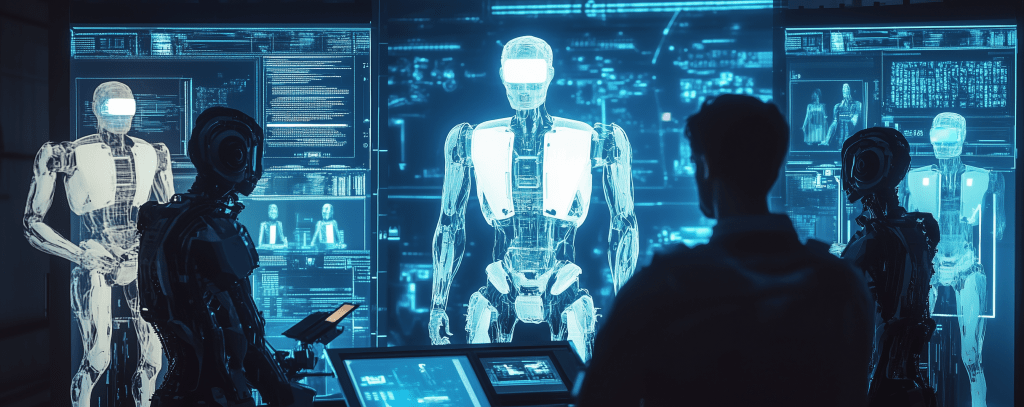
The Ethical Imperative: Ensuring Responsible AI Integration in Entertainment

In recent years, the entertainment industry has witnessed a surge in artificial intelligence (AI) integration across various facets of production, distribution, and consumption. From script analysis to visual effects, AI technologies are reshaping how content is created and delivered to audiences. As these advancements continue to evolve, it becomes increasingly crucial for industry professionals, including screenwriters, producers, and studio executives, to grapple with the ethical implications of AI adoption. This article explores the ethical considerations surrounding AI integration in entertainment and proposes frameworks for responsible implementation.

The Current Landscape of AI in Entertainment

Before delving into the ethical considerations, it’s important to understand the current state of AI integration in the entertainment industry. AI technologies are being employed in numerous ways, including:

  1. Script analysis and development
  2. Predictive analytics for audience preferences
  3. Automated video editing and post-production
  4. Character animation and visual effects
  5. Personalized content recommendations
  6. Virtual production and real-time rendering

These applications demonstrate the wide-ranging impact of AI on the creative process and the business of entertainment. As the technology continues to advance, its influence is likely to grow, making it imperative for the industry to address the ethical challenges that arise.

Ethical Considerations in AI Integration

1. Creative Autonomy and Authorship

One of the primary ethical concerns surrounding AI in entertainment is the potential impact on creative autonomy and the concept of authorship. As AI systems become more sophisticated in generating and analyzing creative content, questions arise about the role of human creativity and the attribution of artistic works.

Ethical Dilemma: How do we balance the use of AI-assisted tools in the creative process while preserving the unique voice and vision of human creators?

Potential Approach: Establish clear guidelines for AI usage in creative processes, emphasizing that AI should serve as a tool to enhance human creativity rather than replace it. Implement transparent attribution systems that acknowledge both human and AI contributions to a work.

2. Job Displacement and Workforce Transformation

The integration of AI technologies in entertainment has the potential to automate certain tasks and roles, leading to concerns about job displacement and the changing nature of work in the industry.

Ethical Dilemma: How can the industry responsibly implement AI technologies while mitigating negative impacts on employment and ensuring a just transition for affected workers?

Potential Approach: Invest in reskilling and upskilling programs for industry professionals to adapt to new AI-enhanced workflows. Encourage the development of new roles that leverage human-AI collaboration, focusing on areas where human creativity and judgment remain essential.

3. Bias and Representation in AI-Generated Content

AI systems are trained on existing data, which can perpetuate and amplify biases present in that data. This raises concerns about representation and diversity in AI-generated or AI-influenced content.

Ethical Dilemma: How can we ensure that AI systems used in content creation and curation do not reinforce harmful stereotypes or underrepresent marginalized groups?

Potential Approach: Implement rigorous testing and auditing processes for AI systems to identify and mitigate biases. Prioritize diverse representation in the teams developing and deploying AI technologies. Establish industry-wide standards for inclusive AI development in entertainment.

4. Transparency and Audience Trust

As AI becomes more prevalent in content creation and distribution, there is a risk of eroding audience trust if the use of these technologies is not transparently communicated.

Ethical Dilemma: How can the industry maintain transparency about AI usage without disrupting the audience’s engagement with the content?

Potential Approach: Develop industry-wide standards for disclosing AI involvement in content creation, similar to current practices for CGI or other special effects. Educate audiences about the role of AI in entertainment to foster understanding and maintain trust.

5. Data Privacy and Ethical Use of Audience Information

AI systems often rely on vast amounts of data, including viewer preferences and behaviors. This raises concerns about data privacy and the ethical use of personal information.

Ethical Dilemma: How can the industry balance the benefits of personalized content and targeted marketing with the protection of individual privacy and data rights?

Potential Approach: Implement robust data protection measures and transparent data usage policies. Prioritize opt-in models for data collection and give users greater control over their data. Explore privacy-preserving AI techniques that can provide insights without compromising individual privacy.

6. Creative Commons and Intellectual Property Rights

The use of AI in content creation raises complex questions about intellectual property rights, especially when AI systems are trained on existing works or generate content that closely resembles human-created art.

Ethical Dilemma: How do we navigate copyright and ownership issues in an era of AI-assisted and AI-generated content?

Potential Approach: Collaborate with legal experts to develop new frameworks for intellectual property rights that account for AI contributions. Establish clear guidelines for the use of existing works in AI training datasets. Explore the concept of “AI commons” for certain types of generated content.

Frameworks for Responsible AI Integration

To address these ethical considerations, the entertainment industry must develop comprehensive frameworks for responsible AI integration. Here are some key components that such frameworks should include:

1. Ethical AI Governance Structures

Establish industry-wide bodies dedicated to overseeing the ethical implementation of AI in entertainment. These structures should:

  • Develop and update ethical guidelines for AI use in the industry
  • Provide a forum for addressing emerging ethical challenges
  • Collaborate with policymakers to shape relevant legislation

2. Transparent AI Development and Deployment Processes

Implement processes that ensure transparency throughout the AI development and deployment lifecycle, including:

  • Clear documentation of AI system capabilities and limitations
  • Regular audits of AI systems for bias and other ethical concerns
  • Open communication with stakeholders about AI integration

3. Collaborative Human-AI Frameworks

Design workflows and creative processes that emphasize collaboration between human creators and AI systems:

  • Clearly define roles and responsibilities for human and AI contributors
  • Develop interfaces that allow for meaningful human oversight and intervention
  • Prioritize AI applications that augment rather than replace human creativity

4. Ongoing Education and Training

Invest in continuous education and training programs for industry professionals:

  • Provide resources for understanding AI capabilities and limitations
  • Offer training on ethical considerations in AI use
  • Support the development of new skills required for AI-enhanced workflows

5. Ethical AI Research Partnerships

Foster partnerships between the entertainment industry, academic institutions, and AI ethics organizations:

  • Fund research on the societal impacts of AI in entertainment
  • Collaborate on developing ethical AI solutions specific to the industry
  • Share best practices and lessons learned across sectors

The Path Forward: Balancing Innovation and Responsibility

As AI continues to reshape the entertainment landscape, the industry faces both exciting opportunities and significant ethical challenges. By proactively addressing these ethical considerations and implementing robust frameworks for responsible AI integration, the entertainment industry can harness the power of AI while upholding its creative integrity and social responsibility.

For screenwriters, producers, and other industry professionals, engaging with these ethical questions is not just a moral imperative but a practical necessity. As AI becomes more prevalent in the creative process, understanding its ethical implications will be crucial for navigating the evolving landscape of entertainment production.

The path forward requires a delicate balance between embracing technological innovation and maintaining the human-centric values that have long defined the art of storytelling. By fostering open dialogue, establishing clear ethical guidelines, and prioritizing responsible AI integration, the entertainment industry can ensure that AI serves as a tool for enhancing human creativity rather than supplanting it.

As we stand on the cusp of this AI-driven transformation, it is up to all stakeholders in the entertainment industry to actively shape the ethical framework that will guide the use of AI in the years to come. By doing so, we can create a future where AI and human creativity coexist harmoniously, producing entertainment that is not only technologically advanced but also ethically sound and socially responsible.


✍️  Whether you’re mastering the art of dialogue, structure, or character development, the power of AI can be a game-changer in your writing journey. My Free Ebook, ‘AI for Authors’ delves into how AI-powered prompts can provide a unique edge to your storytelling process. If you’re intrigued by the prospect of supercharging your fiction skills, download your free copy today and explore new horizons in creative writing. 
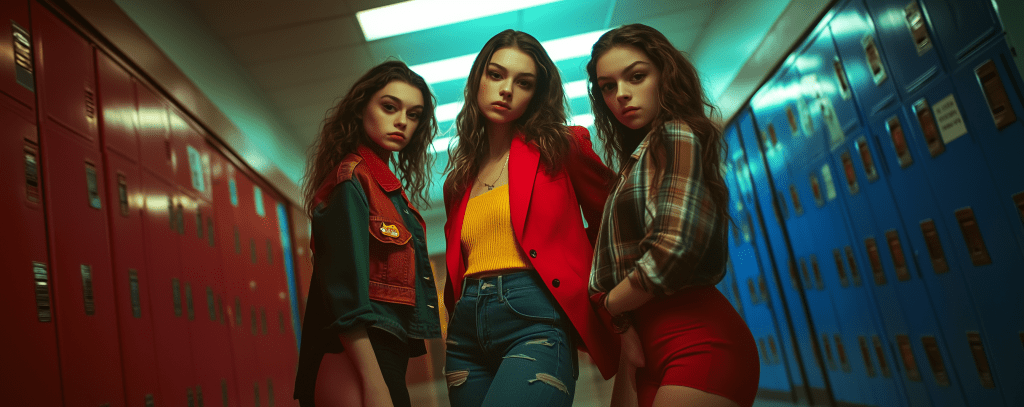
The Dark Comedy of ‘Heathers’: A Screenwriting Analysis

Introduction

Released in 1988, “Heathers” stands as a cult classic that redefined the teen movie genre with its pitch-black humor and biting social commentary. Written by Daniel Waters and directed by Michael Lehmann, this dark comedy masterpiece continues to captivate audiences decades after its initial release. In this analysis, we’ll delve into the screenwriting techniques that make “Heathers” a standout example of dark comedy, exploring how its clever dialogue, complex characters, and subversive plot elements come together to create a film that’s both hilarious and deeply unsettling.

Setting the Stage: The World of Westerburg High

A Twisted Take on the Teen Movie Formula

“Heathers” begins by presenting a familiar high school hierarchy, but quickly subverts expectations. The popular clique, led by three girls all named Heather, rules the school with an iron fist. Our protagonist, Veronica Sawyer (Winona Ryder), is part of this group but struggles with her role in it. This setup allows Waters to play with and ultimately deconstruct the tropes of typical teen movies.

Establishing Tone Through Dialogue

From the opening scenes, the film’s dialogue sets it apart. The characters speak in a heightened, almost theatrical manner, peppered with unique slang that gives the film its distinct voice. Lines like “What’s your damage, Heather?” and “How very” immediately signal to the audience that this is not your average teen comedy.

The screenwriting technique of creating a specific linguistic world helps to both ground the film in its setting and contribute to its surreal, darkly comic tone. This stylized dialogue serves multiple purposes:

  1. It creates a sense of alienation, mirroring the characters’ disconnect from reality.
  2. It adds to the humor through its absurdity and cleverness.
  3. It allows for sharp social commentary to be delivered in a palatable, entertaining way.

Character Development: Antiheroes and Antagonists

Veronica Sawyer: The Conflicted Protagonist

At the center of “Heathers” is Veronica Sawyer, a character who defies easy categorization. Waters crafts Veronica as an antihero, someone who participates in cruel behavior while simultaneously critiquing it. This complexity is key to the film’s dark comedy:

  1. It allows the audience to relate to Veronica’s struggles while also being shocked by her actions.
  2. It creates tension between Veronica’s desire to fit in and her moral compass.
  3. It sets up her character arc, which drives the plot forward in increasingly outrageous ways.

J.D.: The Charismatic Villain

The introduction of Jason “J.D.” Dean (Christian Slater) kicks the dark comedy into high gear. J.D. is written as a charismatic outsider who seduces Veronica with his rebellious attitude and seeming depth. Waters uses J.D. to explore themes of teen alienation and rage, but does so through a lens of pitch-black humor.

The screenwriting brilliance in J.D.’s character lies in how Waters balances his appeal with his psychopathy:

  1. His witty dialogue and cool demeanor make him initially attractive to both Veronica and the audience.
  2. His escalating violent tendencies are presented with a mix of horror and absurd comedy.
  3. The contrast between J.D.’s articulate philosophy and his unhinged actions creates a cognitive dissonance that fuels the dark humor.

The Heathers: Archetypes Turned on Their Head

The three Heathers (Heather Chandler, Heather Duke, and Heather McNamara) represent different aspects of the popular clique archetype. Waters takes these familiar teen movie characters and pushes them to extremes:

  1. Heather Chandler, the “mythic bitch,” is so cartoonishly cruel that her eventual demise feels both shocking and darkly satisfying.
  2. Heather Duke’s transformation from submissive follower to power-hungry leader satirizes the cyclical nature of high school politics.
  3. Heather McNamara’s vulnerability adds a layer of complexity to the group dynamic, showing the toll of maintaining a perfect facade.

By exaggerating these characters’ traits, Waters creates a satirical take on high school social structures that’s both funny and uncomfortably true.

Plot Structure: Escalation and Absurdity

The Snowball Effect of Violence

One of the most striking aspects of “Heathers” is how it escalates its dark premise. What begins as an accidental poisoning quickly spirals into a series of staged suicides and attempted mass murder. This escalation serves several purposes in the screenplay:

  1. It keeps the audience off-balance, never quite sure how far the film will go.
  2. It allows for increasingly absurd situations, pushing the boundaries of dark comedy.
  3. It raises the stakes for Veronica, forcing her to confront the consequences of her actions.

The screenwriting technique of continuous escalation maintains tension while also ramping up the satirical elements of the story.

Subverting Expectations

Waters consistently subverts audience expectations throughout the script. This is evident in several key plot points:

  1. The popular girl doesn’t reform the bad boy; instead, she gets pulled into his violent world.
  2. The accidental death of Heather Chandler doesn’t lead to guilt and confession, but to more elaborate deceptions.
  3. The film’s climax involves stopping a school bombing, a plot element that was shocking for its time and remains disturbingly relevant.

By continually defying conventional narrative expectations, “Heathers” keeps its audience engaged and uncomfortable, a hallmark of effective dark comedy.

Themes and Social Commentary

The Brutality of High School Social Dynamics

At its core, “Heathers” is a biting satire of high school social structures. Waters uses dark comedy to explore:

  1. The cruelty of popular cliques and the pressure to conform
  2. The superficiality of teen relationships and reputations
  3. The adults’ obliviousness to the real issues facing students

By exaggerating these elements to absurd degrees, the screenplay highlights the very real pain and struggle of the teen experience.

Media Sensationalism and Public Reaction

As the deaths in the film mount, Waters introduces a brilliant satirical element: the public’s reaction to the perceived suicide epidemic. This allows the screenplay to comment on:

  1. The media’s tendency to sensationalize tragedy
  2. Society’s superficial understanding of teen issues
  3. The hypocrisy of adults who suddenly care about problems they previously ignored

This aspect of the script feels particularly prescient, anticipating the media frenzies that would surround real-life school tragedies in the years to come.

The Emptiness of Rebellion

Through J.D.’s character, “Heathers” explores the idea of rebellion and its ultimate futility. The screenplay presents J.D.’s violent actions as a form of misguided revolution against society, only to reveal the emptiness behind his philosophy. This theme is handled with dark humor that:

  1. Mocks the self-seriousness of teen rebellion
  2. Highlights the absurdity of trying to change society through destruction
  3. Shows the danger of charismatic figures who preach easy solutions to complex problems

Cinematic Elements in the Screenplay

Visual Gags and Set Pieces

While a screenplay is primarily about dialogue and action, Waters includes numerous visual elements that contribute to the film’s dark comedy:

  1. The use of croquet as a visual metaphor for social dynamics
  2. The exaggerated, color-coded costumes of the Heathers
  3. The increasingly elaborate suicide notes and death scenes

These visual elements, when described in the screenplay, help to create a cohesive aesthetic that enhances the film’s satirical tone.

Dream Sequences and Fantasies

Waters incorporates several dream sequences and fantasies into the screenplay, which serve to:

  1. Illustrate Veronica’s inner conflicts
  2. Provide moments of surreal comedy
  3. Foreshadow future events in a stylized manner

These sequences add another layer of dark humor to the film, allowing for even more outrageous scenarios than the main plot permits.

The Legacy of “Heathers” in Screenwriting

Influence on Future Dark Comedies

The success of “Heathers” paved the way for other dark teen comedies and satirical looks at high school life. Its influence can be seen in films and TV shows like:

  1. “Mean Girls” (2004)
  2. “Jawbreaker” (1999)
  3. “Buffy the Vampire Slayer” (TV series, 1997-2003)

These works owe a debt to “Heathers” for showing how dark subject matter could be successfully married with comedy in a teen setting.

Tackling Taboo Subjects

Perhaps the most significant legacy of “Heathers” is its willingness to tackle taboo subjects head-on. The screenplay doesn’t shy away from issues like:

  1. Teen suicide
  2. School violence
  3. Eating disorders
  4. Sexual coercion

By addressing these topics through the lens of dark comedy, “Heathers” opened up new possibilities for how difficult subjects could be approached in film.

Conclusion

“Heathers” remains a masterclass in dark comedy screenwriting. Through its clever dialogue, complex characters, and willingness to push boundaries, the film creates a satirical world that is both hilarious and deeply unsettling. Daniel Waters’ screenplay demonstrates the power of using comedy to explore serious themes, proving that laughter can be a potent tool for social commentary.

The enduring legacy of “Heathers” lies in its perfect balance of humor and horror, its quotable lines, and its unflinching look at the darker aspects of the teen experience. As a piece of screenwriting, it stands as a testament to the power of a unique voice and a willingness to take risks. In the world of dark comedy, “Heathers” truly is “very.”


✍️  Whether you’re mastering the art of dialogue, structure, or character development, the power of AI can be a game-changer in your writing journey. My Free Ebook, ‘AI for Authors’ delves into how AI-powered prompts can provide a unique edge to your storytelling process. If you’re intrigued by the prospect of supercharging your fiction skills, download your free copy today and explore new horizons in creative writing. 

‘The Last Seduction’: Reinventing Noir in the 90s

Film noir, a genre characterized by its dark themes, cynical characters, and moral ambiguity, experienced a resurgence in the 1990s, a decade known for its experimentation and reinvention of cinematic conventions. Among the films that spearheaded this neo-noir revival, The Last Seduction (1994), directed by John Dahl, stands out as a quintessential example of how filmmakers reinterpreted the classic noir elements for a modern audience. Starring Linda Fiorentino in a career-defining role, the film reimagines the femme fatale archetype and explores the genre’s themes with a fresh perspective. This article delves into how The Last Seduction reinvented noir for the 90s, examining its characters, themes, and stylistic choices.


The Revival of Noir in the 1990s

The 1990s was a decade marked by a renewed interest in film noir, often referred to as neo-noir, where filmmakers sought to pay homage to the classic films of the 1940s and 1950s while updating their themes and aesthetics for contemporary audiences. This period saw a proliferation of films that blended the traditional elements of noir—such as crime, moral ambiguity, and complex characters—with modern sensibilities.

Films like L.A. Confidential (1997), The Usual Suspects (1995), and Se7en (1995) exemplify the 90s’ approach to noir, where the line between good and evil is blurred, and the narrative complexity is often heightened. These films explored the darker side of human nature, but with an added layer of cynicism and psychological depth that resonated with the postmodern era.

The Last Seduction fits into this landscape as a film that not only adheres to the conventions of classic noir but also subverts them. It takes the familiar tropes of the genre—such as the femme fatale, the duped male protagonist, and the theme of moral corruption—and reinterprets them in a way that feels both fresh and reflective of the 1990s’ cultural milieu.


Linda Fiorentino’s Femme Fatale: A New Standard

Central to the success and enduring appeal of The Last Seduction is Linda Fiorentino’s portrayal of Bridget Gregory, one of the most memorable femme fatales in cinematic history. Bridget is a character who embodies the cold, calculating nature of classic noir heroines, but with an added ruthlessness that makes her uniquely suited to the 90s.

In classic noir films, the femme fatale is often a complex figure, simultaneously seductive and dangerous, leading men to their doom. Characters like Barbara Stanwyck’s Phyllis Dietrichson in Double Indemnity (1944) or Rita Hayworth’s Gilda in Gilda (1946) set the template for this archetype. However, these characters were often portrayed as ultimately vulnerable or as victims of their circumstances.

Bridget Gregory, on the other hand, is entirely in control. From the opening scenes, where she manipulates her husband Clay (Bill Pullman) into a drug deal before stealing the money and fleeing, it’s clear that she is not a victim but the mastermind of her own destiny. Bridget’s motivations are unapologetically selfish; she’s driven by greed, power, and a desire for independence, and she will stop at nothing to achieve her goals.

Fiorentino’s performance is nothing short of electrifying. She brings a sharp intelligence and icy determination to the role, making Bridget not just a femme fatale but a force of nature. Her ability to manipulate those around her—particularly the hapless Mike Swale (Peter Berg), whom she uses as a pawn in her schemes—places her in a league of her own. Bridget’s character is a commentary on the evolving role of women in society, reflecting the 90s’ attitudes toward female empowerment and autonomy.


Subverting Noir Conventions

The Last Seduction is not merely a replication of classic noir; it actively subverts many of the genre’s conventions, offering a fresh take that speaks to the sensibilities of a modern audience. One of the key ways it does this is through its treatment of the male protagonist.

In traditional noir, the male lead is often a morally ambiguous character, such as a detective or a criminal, who is ultimately undone by his entanglement with the femme fatale. Think of Fred MacMurray’s insurance salesman in Double Indemnity or Humphrey Bogart’s private eye in The Maltese Falcon (1941). These characters are flawed but capable, their downfall rooted in their misguided trust in or obsession with the femme fatale.

In The Last Seduction, Mike Swale is portrayed as a much weaker, more naive character. He is not a detective or a hardened criminal but a small-town insurance adjuster who becomes hopelessly infatuated with Bridget. His role in the story is less that of an active participant and more of a victim. Mike’s gullibility and desperation are exploited by Bridget at every turn, and his ultimate fate is a direct result of his inability to see through her lies. This inversion of the typical noir male lead serves to further elevate Bridget’s character, positioning her as the true power in the narrative.

Moreover, the film’s ending starkly contrasts with traditional noir resolutions. Where classic noir often concludes with the femme fatale receiving her comeuppance—usually through death or imprisonment—The Last Seduction allows Bridget to escape unpunished. This ending is both shocking and fitting, a bold statement on the nature of morality and justice in the modern world. It reflects a 90s sensibility that is more cynical, more aware of the complexities and ambiguities of real-life justice.


Stylistic Choices: A Modern Noir Aesthetic

John Dahl’s direction in The Last Seduction also plays a significant role in reinventing noir for the 90s. The film’s visual style, while clearly influenced by classic noir, incorporates elements that make it distinctly modern.

The use of lighting, for instance, is less about the high-contrast chiaroscuro that defined the look of 40s noir and more about creating a cold, clinical atmosphere that mirrors Bridget’s personality. The film often uses naturalistic lighting, which contrasts sharply with the more stylized, shadow-heavy approach of earlier noir films. This choice grounds the film in a reality that feels both familiar and unsettling, a world where the darkness is not in the shadows but in the hearts of the characters.

The setting of the film also reflects its modern approach. Rather than the urban landscapes typical of classic noir, The Last Seduction is set in a small town in upstate New York. This suburban setting, with its deceptively peaceful exterior, provides a stark contrast to the corruption and manipulation happening beneath the surface. It’s a clever inversion of the urban jungle of traditional noir, suggesting that the darkness of human nature can flourish anywhere, even in the most seemingly idyllic places.

The film’s pacing is another departure from the traditional noir structure. While classic noir films often build tension gradually, The Last Seduction moves at a brisk pace, reflecting the 90s’ preference for faster, more dynamic storytelling. The film’s dialogue, sharp and witty, further enhances this sense of momentum. Bridget’s exchanges with the other characters crackle with energy, each line delivered with a precision that reflects her calculating nature.


Themes of Morality and Identity

At its core, The Last Seduction is a film about morality and identity, themes that have always been central to noir but are explored here with a modern twist. The film asks us to consider what it means to be good or evil in a world where traditional moral boundaries are increasingly blurred.

Bridget Gregory is a character who operates entirely outside of conventional moral frameworks. She lies, cheats, and kills without remorse, and yet she is portrayed as the protagonist of the story. The film invites the audience to sympathize with her, or at the very least, to admire her cunning and resourcefulness. This moral ambiguity is a hallmark of both classic and neo-noir, but in The Last Seduction, it is taken to an extreme. Bridget’s lack of a moral compass is not presented as a tragic flaw but as a survival mechanism, a necessary trait for navigating a world where power and wealth are the only true measures of success.

Identity is another key theme in the film, particularly in how Bridget constructs and manipulates her identity to achieve her goals. Throughout the film, she assumes multiple personas, each tailored to deceive those around her. Her ability to reinvent herself is not just a tactic but a commentary on the fluidity of identity in modern society. In the 90s, a decade marked by rapid social and technological change, the idea that identity could be something malleable, something that could be constructed and reconstructed at will, resonated deeply.


Legacy and Influence

The Last Seduction remains a landmark in the neo-noir genre, influencing a wave of films that followed. Its portrayal of a strong, unapologetically ruthless female lead paved the way for other films that challenged traditional gender roles in noir and beyond. Characters like Catherine Tramell in Basic Instinct (1992) and Amy Dunne in Gone Girl (2014) owe a debt to Bridget Gregory’s trailblazing example.

The film also contributed to the 90s’ broader cinematic trend of exploring the dark side of human nature with a sense of style and sophistication. Its blend of sharp wit, moral ambiguity, and narrative subversion has made it a touchstone for filmmakers and screenwriters interested in pushing the boundaries of genre.

The Last Seduction is not just a film that belongs to the 90s; it is a film that defines the 90s, encaps

AI in Hollywood: Embracing the Future or Threatening Creativity?

Introduction: The AI Revolution Hits Tinseltown

In recent years, the entertainment industry has been abuzz with talk of artificial intelligence (AI) and its potential to revolutionize the way we create and consume media. From animation to screenwriting, AI is making its presence felt in every corner of Hollywood. As someone who’s been closely following the intersection of AI and screenwriting, I’ve noticed a surge in discussions, concerns, and innovations surrounding this topic. Today, we’ll dive deep into the latest developments and explore what they mean for the future of the entertainment industry.

The Animation Frontier: AI’s Impact on the World of Cartoons

IATSE Local 839: Fighting for the Future of Animation

The International Alliance of Theatrical Stage Employees (IATSE) Local 839, also known as The Animation Guild, is at the forefront of the AI debate in Hollywood. As they enter negotiations with major studios, the use of AI in animation has become a hot-button issue. The Guild’s recent report, aptly titled “Critical Crossroads,” paints a picture of an industry on the brink of significant change.

According to the report, a staggering 78% of animation companies plan to be “early adopters” of generative AI within the next three years. This eagerness to embrace new technology is understandable from a business perspective, but it raises serious concerns for the workforce. The report suggests that entry-level positions are most at risk, potentially closing off vital pathways for new talent to enter the industry.

The Japanese Perspective: Shōji Kawamori’s Insights

While American animators grapple with these issues, it’s enlightening to consider the perspective of a veteran from the Japanese animation industry. Shōji Kawamori, the creative genius behind the Macross franchise, believes that the adoption of AI in animation is inevitable. With 47 years of experience under his belt, Kawamori’s views carry significant weight.

Kawamori points to the cost and speed benefits of AI as primary drivers for its adoption. He envisions AI being used for tasks like in-betweening, the process of creating transition frames between keyframes. This could potentially alleviate some of the grueling workload faced by animators, especially in Japan where long hours and low pay are unfortunately common.

However, Kawamori isn’t without reservations. He acknowledges that AI may not fully replicate the emotional impact created by human animators. This sentiment echoes a broader concern in the creative community: can AI truly capture the nuanced, human elements that make great art resonate with audiences?

The Numbers Game: AI’s Potential Impact on the Animation Workforce

The Animation Guild’s report provides some sobering statistics that highlight the potential scale of AI’s impact:

  • 51% of firms anticipate using AI for 3-D assets
  • 41% plan to use AI for 2-D artwork
  • 25% are considering AI for generating scripts

These numbers suggest that AI’s influence could extend far beyond simple task automation, potentially reshaping entire job categories within the animation industry.

Protecting the Workforce: The Animation Guild’s Stance

In response to these challenges, the Animation Guild is taking a strong stance in its ongoing contract negotiations. Their priorities include:

  1. Barring AI from displacing human work (supported by 100% of members)
  2. Prohibiting employers from using unionized work to train AI systems (87% support)
  3. Establishing staffing and employment duration minimums to offset AI-related job disruption (75% support)

These measures reflect a growing awareness that while AI may bring benefits, it also poses significant risks to job security and creative control.

Beyond Animation: AI’s Reach in Hollywood

While animation is at the forefront of the AI debate, its influence is being felt across all sectors of the entertainment industry.

Screenwriting: The Next Frontier?

As someone who focuses on AI in screenwriting, I find the report’s mention of AI being used to generate scripts particularly intriguing. While 25% might seem like a small percentage, it represents a significant shift in one of the most fundamentally human aspects of filmmaking: storytelling.

The idea of AI-generated scripts raises a host of questions:

  • Can an AI capture the nuances of human emotion and conflict that drive great stories?
  • How will this affect the creative process and the role of human screenwriters?
  • What does this mean for aspiring writers trying to break into the industry?

These are questions we’ll need to grapple with as AI continues to evolve and find its place in the creative process.

Digital Replicas and Postmortem Rights

Moving beyond the realm of creation, AI is also changing how we think about performer rights and representation. Two bills currently awaiting Governor Gavin Newsom’s signature in California highlight this:

  1. A.B. 1836 would expand postmortem right of publicity, including digital replicas.
  2. A.B. 2602 aims to enhance protections for artists in contracts involving digital likenesses.

These bills reflect growing concerns about how AI can be used to recreate or manipulate an actor’s likeness, potentially long after they’ve passed away. It’s a complex issue that touches on questions of consent, artistic integrity, and the very nature of performance in the digital age.

The Ethical Dimension: Deepfakes and Political Implications

As AI’s capabilities grow, so too do concerns about its potential for misuse. Several pending bills in California address the issue of deepfakes, particularly in the political realm:

  • S.B. 942 mandates tools to detect audio and video deepfakes.
  • Other bills aim to block political deepfakes during elections and require disclosure of AI use in political ads.

These measures highlight the broader societal implications of AI technology. As creators and consumers of media, we need to be aware of these issues and consider our role in promoting responsible use of AI.

Looking to the Future: Balancing Innovation and Protection

As we navigate this new landscape, it’s clear that we’re at a critical juncture. The potential benefits of AI in terms of efficiency and new creative possibilities are immense. However, we must balance these gains against the need to protect workers, preserve artistic integrity, and maintain the human element that makes great entertainment resonate with audiences.

The Role of Legislation

The California bills awaiting Governor Newsom’s signature represent an important step in creating a legal framework for AI in entertainment. However, they’re just the beginning. As the technology evolves, we’ll likely see more legislation aimed at addressing its impact.

The Animation Guild’s recommendation to engage legislators and advocate for tax incentives favoring human-created work is an interesting approach. It suggests a recognition that while we can’t stop the march of technology, we can shape how it’s implemented and incentivized.

Industry Adaptation

The Motion Picture Association’s shift from opposition to neutrality on some AI-related bills is telling. It suggests a growing recognition within the industry that AI is here to stay, and that a collaborative approach to regulation may be more productive than outright opposition.

As creators, we’ll need to stay informed about these developments and be prepared to adapt our skills and workflows. This might mean learning to work alongside AI tools, or developing new skills that complement rather than compete with AI capabilities.

Conclusion: Embracing Change While Preserving Creativity

As we stand at this crossroads, it’s clear that AI will play a significant role in the future of entertainment. From animation to screenwriting, from performance to post-production, AI tools are becoming an integral part of the creative process.

However, as Shōji Kawamori wisely notes, we must be cautious that in our pursuit of efficiency, we don’t sacrifice the creativity and human touch that makes great entertainment truly resonate. The challenge for us as creators, industry professionals, and policymakers is to find a way to harness the power of AI while preserving the uniquely human elements of storytelling and artistry.

As we move forward, we must remain vigilant, adaptable, and above all, committed to the craft of storytelling. AI may be able to generate scripts or animate scenes, but it’s the human experience, with all its complexity and emotion, that truly brings stories to life.

The coming years will undoubtedly bring challenges, but they also offer exciting opportunities for those willing to embrace change while staying true to the core principles of great storytelling. As we navigate this new frontier, let’s strive to use AI as a tool to enhance our creativity, not replace it.

The future of Hollywood is being written right now, and it’s up to all of us to ensure it’s a future where technology and human creativity work hand in hand to create amazing, unforgettable experiences for audiences around the world.


✍️  Whether you’re mastering the art of dialogue, structure, or character development, the power of AI can be a game-changer in your writing journey. My Free Ebook, ‘AI for Authors’ delves into how AI-powered prompts can provide a unique edge to your storytelling process. If you’re intrigued by the prospect of supercharging your fiction skills, download your free copy today and explore new horizons in creative writing.