‘Nightbreed’: Exploring the Dark Fantasy Screenplay

Introduction

In the realm of dark fantasy and horror, few works have captured the imagination quite like Clive Barker’s “Nightbreed.” Originally conceived as both a novel and a screenplay, “Nightbreed” tells a haunting tale of monsters, humanity, and the blurred lines between good and evil. This article delves into the intricacies of the “Nightbreed” screenplay, exploring its themes, characters, and the unique vision that sets it apart in the landscape of dark fantasy cinema.

The Genesis of ‘Nightbreed’

Clive Barker, already renowned for his horror fiction and the “Hellraiser” franchise, embarked on a new journey with “Nightbreed.” The project began as a novel titled “Cabal,” published in 1988, which Barker then adapted into a screenplay. This transition from page to screen allowed Barker to expand and reimagine his dark fantasy world, creating a visual spectacle that would challenge the boundaries of the genre.
Plot Overview

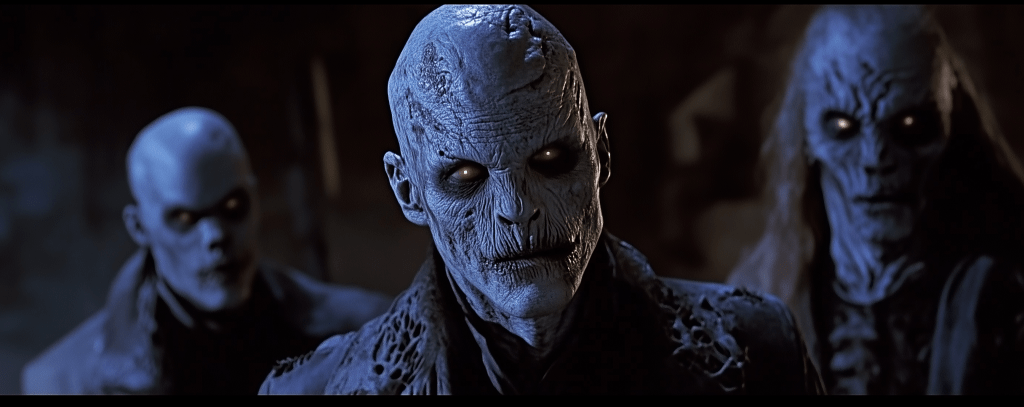
“Nightbreed” centers around Aaron Boone, a troubled young man plagued by nightmares of a hidden city called Midian. Manipulated by his psychiatrist, Dr. Decker, Boone finds himself framed for a series of brutal murders. His journey leads him to discover that Midian is real – a sanctuary for monsters and outcasts known as the “Nightbreed.”

As Boone embraces his destiny among the Nightbreed, he becomes embroiled in a conflict that pits the misunderstood creatures of Midian against the true monsters of the human world. The story unfolds as a dark fantasy epic, blending elements of horror, romance, and social commentary.

Themes and Symbolism

The Nature of Monstrosity

At its core, “Nightbreed” challenges our perception of what it means to be a monster. The screenplay presents a world where the traditional roles of monsters and humans are subverted. The Nightbreed, despite their otherworldly appearances, are portrayed with sympathy and depth. In contrast, many of the human characters, particularly Dr. Decker, embody true monstrosity through their actions and prejudices.

This inversion of expectations forces the audience to confront their own biases and consider the nature of humanity itself. Barker’s screenplay suggests that monstrosity is not defined by appearance or origin, but by one’s choices and treatment of others.

Outcasts and Belonging

The theme of outcasts finding a place to belong resonates strongly throughout “Nightbreed.” Midian serves as a sanctuary for those who don’t fit into normal society, mirroring real-world struggles of marginalized communities. Boone’s journey from an outsider in the human world to a leader among the Nightbreed explores the universal desire for acceptance and community.

This theme is particularly poignant in the context of the time the screenplay was written, serving as an allegory for various social issues, including the AIDS crisis and LGBTQ+ rights.

The Duality of Human Nature

Dr. Decker’s character embodies the duality of human nature, presenting a respectable façade to the world while harboring dark, violent impulses. This split personality serves as a chilling reminder of the capacity for evil that exists within seemingly normal individuals. The screenplay delves into the psychological aspects of this duality, creating a complex and terrifying antagonist.

Character Analysis

Aaron Boone

Boone’s transformation from a troubled human to a heroic figure among the Nightbreed forms the emotional core of the story. His character arc explores themes of self-discovery, acceptance, and the power of embracing one’s true nature. Boone serves as a bridge between the human and monster worlds, challenging the audience to reconsider their preconceptions.

Lori Winston

As Boone’s girlfriend, Lori represents the human connection to the world of the Nightbreed. Her unwavering love for Boone, even as he changes, speaks to themes of acceptance and the transcendent nature of love. Lori’s journey into the heart of Midian also serves as the audience’s gateway into this hidden world.

Dr. Philip K. Decker

One of the most chilling villains in dark fantasy, Dr. Decker is a complex character whose outward respectability masks a sadistic killer. His button-eyed mask becomes an iconic symbol of hidden evil. Decker’s crusade against the Nightbreed reflects real-world prejudices and the dangers of unchecked authority.

Narcisse

Among the memorable Nightbreed characters, Narcisse stands out for his striking appearance and tragic backstory. His self-mutilation and subsequent rebirth in Midian underscore the themes of transformation and finding strength in one’s differences.

Visual Style and Cinematography

The “Nightbreed” screenplay calls for a rich, gothic visual style that brings the world of Midian to life. Barker’s background as a visual artist is evident in the detailed descriptions of the Nightbreed and their subterranean home. The contrast between the mundane human world and the fantastical realm of Midian creates a visually striking dichotomy.

The screenplay emphasizes practical effects and makeup to create the diverse and imaginative creatures of the Nightbreed. This approach not only adds to the tangible, organic feel of the monsters but also reflects the artistry and craftsmanship inherent in practical filmmaking.

Music and Sound Design

While the screenplay itself doesn’t dictate the specifics of the soundtrack, it does suggest the importance of music and sound in creating the atmosphere of Midian. The description of the Nightbreed’s rituals and the eerie ambiance of their underground city implies a soundscape that blends primal rhythms with otherworldly tones.

The Legacy of ‘Nightbreed’

Despite facing challenges during its initial release, “Nightbreed” has cultivated a devoted following over the years. The screenplay’s unique vision and the subsequent film’s cult status have inspired ongoing discussions about monster mythology, social outsiders, and the nature of humanity.

The themes explored in “Nightbreed” continue to resonate with modern audiences, particularly in an era where discussions about identity, acceptance, and the treatment of marginalized communities are at the forefront of social discourse.

Adaptation Challenges

Translating the rich world of “Cabal” into a screenplay presented unique challenges. Barker had to condense and adapt his novel while maintaining the core themes and atmosphere that made the story compelling. The visual nature of film allowed for a more immediate impact of the Nightbreed’s appearances but required careful consideration of how to portray the inner lives and motivations of these characters.

The screenplay also had to balance the needs of a mainstream audience with the darker, more complex themes of the source material. This tension between commercial viability and artistic vision is reflected in the various cuts of the film that have been released over the years.

Comparison to Other Dark Fantasy Works

“Nightbreed” stands out in the dark fantasy genre for its sympathetic portrayal of monsters and its critique of human society. While other works like “Hellraiser” (also by Barker) explore the boundaries between pleasure and pain, and “Pan’s Labyrinth” delves into the intersection of fantasy and historical reality, “Nightbreed” uniquely focuses on the concept of a hidden society of monsters living alongside humans.

The screenplay’s approach to monster mythology can be seen as an influence on later works that humanize traditionally monstrous characters, such as certain interpretations of vampires or werewolves in contemporary fantasy.

Conclusion

The “Nightbreed” screenplay represents a bold and visionary approach to dark fantasy storytelling. By inverting traditional monster tropes and exploring complex themes of identity, belonging, and the nature of humanity, Clive Barker created a work that continues to captivate and challenge audiences.

As we explore the depths of Midian through this screenplay, we are reminded of the power of fantasy to illuminate real-world issues and the enduring appeal of stories that dare to sympathize with the outsider. “Nightbreed” stands as a testament to the potential of the dark fantasy genre to go beyond simple scares and delve into the complex nature of what it truly means to be human – or inhuman.

In an era where diversity and acceptance are increasingly celebrated, the message of “Nightbreed” resonates perhaps even more strongly today than when it was first conceived. It challenges us to look beyond appearances, to question our assumptions about good and evil, and to find the humanity in those society might deem monstrous. As such, “Nightbreed” remains not just a fascinating piece of dark fantasy cinema, but a relevant and thought-provoking work that continues to inspire and provoke discussion among film enthusiasts and social commentators alike.


✍️  Whether you’re mastering the art of dialogue, structure, or character development, the power of AI can be a game-changer in your writing journey. My Free Ebook, ‘AI for Authors’ delves into how AI-powered prompts can provide a unique edge to your storytelling process. If you’re intrigued by the prospect of supercharging your fiction skills, download your free copy today and explore new horizons in creative writing. 
AI in Hollywood: The Future of Filmmaking and Storytelling

Introduction

The film industry is on the brink of a technological revolution, with artificial intelligence (AI) poised to transform every aspect of moviemaking, from screenwriting to post-production. As a blogger focused on AI in screenwriting and Hollywood, I’ve been closely following these developments. Today, we’ll explore the latest news and trends that are shaping the future of cinema, including exciting new funding opportunities, regulatory challenges, and the perspectives of industry veterans.

Runway’s Ambitious AI Film Fund

One of the most significant recent developments in the AI-driven filmmaking space is the launch of Runway’s “The Hundred Film Fund.” This initiative by the generative AI company aims to produce and fund up to 100 short films and feature-length movies using AI technology.

Key Details of the Fund

  • Funding Range: Grants for filmmakers will range from $5,000 to $1 million.
  • Quick Turnaround: Decisions on applications will typically be made within 14 days of submission.
  • AI Credits: Runway is offering up to $2 million in credits for filmmakers to use its generative AI system.
  • No IP Ownership: Importantly, Runway will not claim ownership rights to the intellectual property created under the program.

This fund represents a significant investment in the future of AI-driven filmmaking. By providing both financial support and access to cutting-edge AI tools, Runway is lowering the barriers to entry for filmmakers looking to experiment with this technology.

Industry Support and Advisory Panel

To ensure the success of this initiative, Runway has assembled an impressive advisory panel of tech and entertainment leaders, including:

  • Jane Rosenthal, Tribeca Festival co-founder
  • Richard Kerris from Nvidia
  • will.i.am, artist and Runway investor
  • Stefan Sonnenfeld from Company 3
  • Christina Lee Storm from Asher XR

The involvement of these industry veterans lends credibility to the project and demonstrates the growing acceptance of AI in mainstream filmmaking.

will.i.am’s Perspective

will.i.am, known for his innovative approach to technology and art, expressed excitement about the potential for generative AI to enhance storytelling and character development. As both a user and investor in Runway’s AI tools, his endorsement carries significant weight in the entertainment industry.

Hollywood’s AI Regulation Efforts

While companies like Runway are pushing the boundaries of what’s possible with AI in filmmaking, the industry is also grappling with the need for regulation. A recent open letter signed by 125 industry professionals, including major names like JJ Abrams, Mark Ruffalo, and Ava DuVernay, urges California Governor Gavin Newsom to pass Senator Scott Wiener’s SB 1047.

Understanding SB 1047

This bill would require AI developers to implement security measures before training AI models. While it has faced opposition from major companies like OpenAI, proponents argue that it is necessary for public safety. The bill has already passed with overwhelming majorities in the California State Senate and Assembly, and polling indicates that 77% of Californians support it.

Recent AI-Related Bills in California

Governor Newsom has already signed two AI-related bills:

  1. AB 1836: Requires permission from an estate to use a deceased person’s voice or likeness with digital technology.
  2. AB 2602: Protects artists in contracts related to the use of their digital likeness.

These bills demonstrate the growing awareness of the potential impacts of AI on privacy and intellectual property rights in the entertainment industry.

Balancing Innovation and Safety

The open letter stresses the importance of California setting an example for the U.S. and the world in responsibly regulating AI. The goal is to balance the technology’s potential for good with the risks it presents. This approach aligns with the concerns expressed by experts from AI firms like OpenAI and Google DeepMind, who argue that powerful AI models could potentially facilitate cyberattacks or provide access to dangerous information.

Industry Veterans Embrace AI

Despite the push for regulation, many industry veterans are embracing the potential of AI in filmmaking. Two recent developments highlight this trend:

James Cameron Joins Stability AI’s Board

Acclaimed director James Cameron, known for pushing the boundaries of visual effects in films like “Avatar” and “Titanic,” has joined the board of directors at Stability AI. This company is behind the Stable Diffusion text-to-image generative AI model, which has already made waves in the creative industries.

Cameron views the intersection of generative AI and CGI as the next major wave in storytelling and visual media. He believes this convergence will unlock new possibilities for artists, potentially revolutionizing the way we create and consume visual content.

Andy Serkis’ AI Character Project

Andy Serkis, a pioneer in performance capture technology, revealed that his production company, Imaginarium, is working on a new project featuring “AI characters.” This narrative-driven story begins with 2D characters created by voice actors and then transitions into augmented reality (AR), where the characters become AI-driven and interactable.

Serkis described AI technology as a new form of “magic” that is both exciting and frightening. He drew parallels between the current reactions to AI and early reactions to the internet, suggesting that we’re at the beginning of a transformative period in filmmaking.

Challenges and Considerations

While the potential of AI in filmmaking is exciting, it also presents several challenges that the industry must address:

Copyright and Remuneration

As AI-generated content becomes more prevalent, questions about copyright and fair compensation for artists are coming to the fore. Serkis highlighted the need for clear permissions to protect actors and artists from being exploited. This echoes concerns raised by many in the industry about how to properly attribute and monetize AI-assisted creative work.

Balancing Human Creativity and AI Assistance

There’s an ongoing debate about the role of AI in the creative process. While tools like those offered by Runway can enhance and streamline various aspects of filmmaking, there’s a concern about maintaining the human element in storytelling. The challenge lies in using AI as a tool to augment human creativity rather than replace it.

Democratization of VFX

Serkis noted that individuals with limited resources are now creating impressive visual effects on par with large companies, thanks to AI tools. This democratization of VFX could lead to more diverse and innovative storytelling, but it also raises questions about the future of traditional VFX studios.

The Future of AI in Hollywood

As we look to the future, it’s clear that AI will play an increasingly significant role in Hollywood. Here are some key trends to watch:

AI-Assisted Screenwriting

While not explicitly mentioned in the articles, the potential for AI to assist in screenwriting is enormous. From generating plot ideas to helping with dialogue, AI tools could become invaluable assistants to writers, potentially speeding up the development process.

Personalized Viewing Experiences

As AI characters and interactive storytelling become more sophisticated, we may see a shift towards more personalized and immersive viewing experiences. The project described by Andy Serkis hints at this potential future.

Streamlined Production Processes

Runway’s deal with Lionsgate, allowing filmmakers to use AI tools in pre-production and post-production, suggests that AI could significantly reduce production costs and timelines. This could lead to more efficient filmmaking processes and potentially allow for more diverse stories to be told.

Ethical Considerations

As AI becomes more integrated into filmmaking, the industry will need to grapple with ethical considerations. This includes issues of representation, bias in AI algorithms, and the potential impact on employment in various sectors of the film industry.

Conclusion

The integration of AI into Hollywood is not just a passing trend but a fundamental shift in how films are conceived, produced, and experienced. From Runway’s ambitious film fund to the regulatory efforts in California and the involvement of industry veterans like James Cameron and Andy Serkis, it’s clear that AI is poised to revolutionize every aspect of filmmaking.

As we navigate this new frontier, it’s crucial to strike a balance between embracing the potential of AI and addressing the challenges it presents. The coming years will likely see continued debate, experimentation, and innovation as Hollywood adapts to this new era of AI-assisted storytelling.

For screenwriters, directors, and all creatives in the film industry, staying informed about these developments and learning to work alongside AI tools will be key to success in the evolving landscape of cinema. As your blogger focused on AI in screenwriting and Hollywood, I’ll continue to keep you updated on the latest trends and developments in this exciting field. Stay tuned!


✍️  Whether you’re mastering the art of dialogue, structure, or character development, the power of AI can be a game-changer in your writing journey. My Free Ebook, ‘AI for Authors’ delves into how AI-powered prompts can provide a unique edge to your storytelling process. If you’re intrigued by the prospect of supercharging your fiction skills, download your free copy today and explore new horizons in creative writing. 
Unlocking New Perspectives: AI’s Potential in Diverse Representation

In the ever-evolving landscape of storytelling, writers and screenwriters constantly seek new ways to bring fresh, authentic voices to their narratives. As technology advances, artificial intelligence (AI) has emerged as a tool that could potentially aid in this pursuit. This article explores the intersection of AI and diverse representation in writing, examining how this technology might influence the creative process and the stories we tell.

The Current State of Diversity in Writing

Before delving into AI’s potential impact, it’s crucial to understand the current state of diversity in writing and screenwriting. Despite increasing awareness and efforts to improve representation, many industries still struggle with portraying a wide range of perspectives authentically.

In recent years, there has been a growing demand for stories that reflect the diverse world we live in. Audiences crave narratives that represent various cultures, ethnicities, genders, sexual orientations, and experiences. However, the writing landscape often falls short of meeting these expectations.

Some common challenges in achieving diverse representation include:

  1. Limited perspectives among writers and decision-makers
  2. Unconscious biases influencing character development and storylines
  3. Lack of access to authentic experiences and voices
  4. Fear of misrepresentation or cultural appropriation

Enter AI: A New Tool in the Writer’s Arsenal

As the push for diverse representation continues, AI technology has begun to make its mark in various creative fields, including writing. While AI cannot replace human creativity and lived experiences, it may offer new avenues for writers to explore diverse perspectives and challenge their own biases.

Data-Driven Character Development

One potential application of AI in diverse representation is data-driven character development. AI algorithms can analyze vast amounts of demographic data, cultural information, and historical records to help writers create more nuanced and authentic characters.

For example, an AI tool could provide writers with insights into the lived experiences of different communities, helping to avoid stereotypes and one-dimensional portrayals. This data-driven approach could serve as a starting point for writers to conduct further research and develop more well-rounded characters.

Language and Dialect Assistance

Another area where AI could contribute to diverse representation is in language and dialect assistance. Writers often face challenges when crafting dialogue for characters from different linguistic backgrounds. AI-powered language models could help writers generate more authentic dialogue by providing suggestions based on regional dialects, colloquialisms, and speech patterns.

However, it’s important to note that while AI can offer suggestions, it should not be relied upon as the sole source for authentic dialogue. Writers should still consult with native speakers and cultural experts to ensure accuracy and avoid potential misrepresentations.

Identifying Unconscious Bias

One of the most intriguing possibilities of AI in writing is its potential to help identify unconscious biases in storytelling. AI algorithms could analyze scripts and manuscripts to flag potential issues related to representation, such as:

  • Imbalanced screen time or dialogue for characters from underrepresented groups
  • Stereotypical character traits or plot devices
  • Lack of diversity in background characters or settings

By highlighting these potential biases, AI tools could prompt writers to reconsider their choices and explore more inclusive narratives.

The Limitations and Ethical Considerations

While AI presents interesting possibilities for enhancing diverse representation in writing, it’s crucial to acknowledge its limitations and the ethical considerations that come with its use.

AI is Not a Substitute for Lived Experiences

Perhaps the most important point to emphasize is that AI cannot replace the value of lived experiences and authentic voices. While AI can provide data and suggestions, it lacks the emotional depth and personal connection that come from real-world experiences.

Writers should view AI as a supplementary tool rather than a replacement for engaging with diverse communities, conducting thorough research, and collaborating with sensitivity readers and cultural consultants.

The Risk of Algorithmic Bias

Ironically, one of the challenges in using AI to promote diverse representation is the potential for algorithmic bias. AI models are trained on existing data, which may contain historical biases and underrepresentation. As a result, these biases could be perpetuated or even amplified if not carefully monitored and addressed.

Writers and developers must be vigilant in examining the data sources and algorithms used in AI tools for writing. Continuous evaluation and refinement of these systems are necessary to ensure they contribute positively to diverse representation rather than reinforce existing inequalities.

Balancing Efficiency and Authenticity

While AI tools may offer efficiency in generating ideas or analyzing scripts, there’s a risk of over-relying on technology at the expense of authentic storytelling. Writers must strike a balance between leveraging AI’s capabilities and maintaining their unique creative vision and voice.

It’s essential to use AI as a starting point for exploration rather than a definitive guide. The most compelling and authentic stories will always come from a writer’s imagination, empathy, and ability to connect with diverse perspectives on a human level.

The Future of AI and Diverse Representation in Writing

As AI technology continues to evolve, its potential impact on diverse representation in writing remains a topic of ongoing discussion and exploration. Here are some possible future developments:

Personalized Reading Experiences

AI could potentially help create more personalized reading experiences by tailoring content to individual readers’ backgrounds and preferences. This could lead to a more diverse range of stories reaching audiences who may not have encountered them otherwise.

Enhanced Collaboration Tools

AI might facilitate better collaboration between writers from different backgrounds by providing real-time translation, cultural context, and feedback. This could lead to more diverse writing teams and a richer exchange of ideas.

Expanding Creative Possibilities

As AI becomes more sophisticated, it may inspire writers to explore new narrative structures, character archetypes, and storytelling techniques that break away from traditional Western-centric models.

Embracing AI as a Tool, Not a Replacement

As we consider the potential of AI in promoting diverse representation in writing, it’s crucial to approach this technology with both optimism and caution. AI tools can offer valuable insights, spark new ideas, and help writers identify blind spots in their work. However, they should never be seen as a substitute for human creativity, empathy, and lived experiences.

The key to harnessing AI’s potential in diverse representation lies in using it as a complementary tool within a broader framework of inclusive practices. This includes:

  1. Actively seeking out and amplifying diverse voices in the writing industry
  2. Engaging in ongoing education about different cultures and experiences
  3. Collaborating with sensitivity readers and cultural consultants
  4. Challenging our own biases and assumptions as writers
  5. Remaining open to feedback and criticism from underrepresented communities

By integrating AI tools thoughtfully into these practices, writers can potentially unlock new perspectives and create more inclusive, representative stories that resonate with a global audience.

In conclusion, while AI presents intriguing possibilities for enhancing diverse representation in writing, it is ultimately the responsibility of human writers, producers, and industry leaders to drive meaningful change. As we continue to explore the intersection of AI and storytelling, let us remain committed to the core values of authenticity, empathy, and respect for diverse experiences that lie at the heart of powerful, transformative writing.


✍️  Whether you’re mastering the art of dialogue, structure, or character development, the power of AI can be a game-changer in your writing journey. My Free Ebook, ‘AI for Authors’ delves into how AI-powered prompts can provide a unique edge to your storytelling process. If you’re intrigued by the prospect of supercharging your fiction skills, download your free copy today and explore new horizons in creative writing. 
‘The Wicker Man’: The Power of Folk Horror in Screenwriting

Introduction

In the realm of horror cinema, few subgenres have captivated audiences and filmmakers alike quite like folk horror. At the forefront of this niche but influential category stands “The Wicker Man” (1973), a British classic that continues to inspire and unsettle viewers nearly five decades after its release. This article delves into the power of folk horror in screenwriting, using “The Wicker Man” as a prime example of how to craft a compelling narrative that taps into primal fears and cultural anxieties.

What is Folk Horror?

Before we dive into the specifics of “The Wicker Man,” it’s essential to understand what defines folk horror. This subgenre typically involves:

  1. Rural or isolated settings
  2. Ancient folklore and pagan rituals
  3. Clash between modernity and tradition
  4. Themes of sacrifice and nature worship
  5. A sense of “otherness” in the community

Folk horror often explores the tension between urban sensibilities and rural traditions, creating an atmosphere of unease and dread that stems from the unfamiliar and the ancient.

The Plot of “The Wicker Man”

“The Wicker Man,” directed by Robin Hardy and written by Anthony Shaffer, tells the story of Sergeant Neil Howie, a devout Christian police officer who travels to the remote Scottish island of Summerisle to investigate the disappearance of a young girl. What he discovers is a community that has rejected Christianity in favor of ancient pagan beliefs, culminating in a shocking climax that has become one of the most iconic scenes in horror cinema.

Crafting Atmosphere Through Setting

One of the most powerful tools in the folk horror screenwriter’s arsenal is the use of setting to create atmosphere. “The Wicker Man” exemplifies this brilliantly through its depiction of Summerisle.

Isolation and Otherness

The island setting immediately creates a sense of isolation for both the protagonist and the audience. This physical separation from the mainland serves as a metaphor for the cultural and ideological divide between Sergeant Howie and the islanders. Screenwriters can leverage this technique to heighten tension and create a feeling of “no escape” for their characters.

Natural Beauty vs. Hidden Darkness

The lush, picturesque landscape of Summerisle stands in stark contrast to the darkness that lurks beneath its surface. This juxtaposition of natural beauty and hidden horrors is a hallmark of folk horror. It suggests that even in the most idyllic settings, ancient and terrible things may be waiting to emerge.

Character Development and Conflict

The power of folk horror often lies in its ability to create complex, believable characters whose conflicts drive the narrative forward.

The Fish Out of Water

Sergeant Howie serves as the quintessential “fish out of water” character. His rigid Christian beliefs and law enforcement background make him an outsider on Summerisle. This character archetype is common in folk horror, allowing the audience to experience the strangeness of the setting through the protagonist’s eyes.

The Charismatic Antagonist

Lord Summerisle, played brilliantly by Christopher Lee, represents the other side of the coin. Charming, educated, and deeply committed to the old ways, he embodies the allure and danger of pagan beliefs. The conflict between Howie and Summerisle is not just one of law versus lawlessness, but of competing worldviews and moral frameworks.

The Power of Ritual and Tradition

Folk horror often draws its strength from the depiction of rituals and traditions that are both fascinating and terrifying to modern audiences.

The May Day Celebration

Throughout “The Wicker Man,” we see the inhabitants of Summerisle preparing for their May Day celebration. These preparations, from the making of masks to the rehearsal of songs, create a sense of building tension and inevitability. Screenwriters can use similar techniques to foreshadow climactic events while immersing the audience in the cultural practices of their fictional world.

The Final Sacrifice

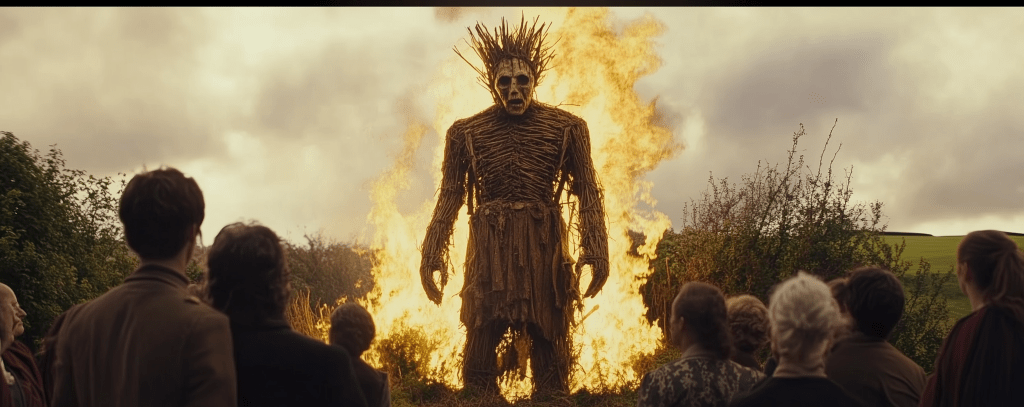
The film’s climax, in which Howie is sacrificed in the titular wicker man, is a prime example of how folk horror can shock and disturb audiences through the depiction of ancient rituals. The power of this scene lies not just in its visual impact, but in the way it forces viewers to confront the idea that beliefs and practices they find abhorrent might be considered sacred by others.

Subverting Expectations

One of the most effective techniques employed in “The Wicker Man” is the subversion of audience expectations. This approach can add depth and complexity to folk horror narratives.

The False Victim

Initially, the audience is led to believe that Rowan Morrison, the missing girl, is the victim in need of rescue. However, as the story unfolds, it becomes clear that Howie himself is the intended victim all along. This twist not only surprises viewers but also reinforces the theme of the outsider being lured into a trap.

Challenging Moral Certainties

By presenting a community that functions well under its pagan beliefs, “The Wicker Man” challenges the notion of absolute moral certainty. While the islanders’ actions are ultimately horrific, their motivations and the apparent success of their way of life create a moral ambiguity that lingers long after the film ends.

The Use of Music and Folklore

Folk horror often incorporates traditional music and folklore to enhance its atmosphere and themes. “The Wicker Man” is particularly notable for its use of folk songs and legends.

Musical Narrative

The film’s soundtrack, featuring songs like “The Landlord’s Daughter” and “Willow’s Song,” does more than just set the mood. These songs often contain clues about the island’s beliefs and foreshadow upcoming events. Screenwriters can use similar techniques to layer meaning into their scripts and create a richer, more immersive world.

Incorporating Legends

The film draws on various folk legends and pagan traditions, weaving them into a cohesive and terrifying narrative. By researching and incorporating real folklore, screenwriters can add depth and authenticity to their folk horror stories.

Themes and Symbolism

Folk horror often grapples with deep-seated cultural anxieties and existential fears. “The Wicker Man” explores several powerful themes that resonate with audiences.

Man vs. Nature

The conflict between Howie’s Christian beliefs and the islanders’ nature-worship reflects broader anxieties about humanity’s relationship with the natural world. This theme remains relevant today, making it a potent source of horror for modern audiences.

The Price of Progress

The backstory of Summerisle, in which the island’s failing crops were revived through a return to pagan practices, raises questions about the costs of modernity and the allure of returning to “simpler” times. This theme can be explored in various ways in folk horror screenwriting.

Sacrifice and Renewal

The concept of sacrifice for the greater good is central to “The Wicker Man” and many other folk horror stories. This theme taps into primal fears and forces characters (and audiences) to confront difficult moral questions.

Visual Storytelling

Folk horror often relies heavily on visual elements to create its unique atmosphere. Screenwriters can incorporate visual storytelling techniques to enhance their scripts.

Symbolic Imagery

“The Wicker Man” is rich in symbolic imagery, from the phallic maypole to the imposing figure of the wicker man itself. By incorporating such symbols into their scripts, writers can add layers of meaning and create memorable visual set pieces.

Costumes and Masks

The use of animal masks and costumes in the May Day celebration scenes adds to the film’s unsettling atmosphere. These visual elements blur the line between human and animal, civilized and primal, reinforcing the theme of man’s relationship with nature.

The Impact of “The Wicker Man” on Folk Horror

“The Wicker Man” has left an indelible mark on the folk horror subgenre and continues to influence filmmakers and screenwriters today.

Revival of Interest

The film has played a significant role in reviving interest in folk horror, inspiring contemporary works like “Midsommar” (2019) and “The Ritual” (2017). Screenwriters looking to work in this subgenre would do well to study “The Wicker Man” and understand its enduring appeal.

Blending Genres

One of the strengths of “The Wicker Man” is its ability to blend elements of horror, mystery, and even musical genres. This approach demonstrates how folk horror can transcend traditional genre boundaries to create unique and compelling narratives.

Conclusion

“The Wicker Man” stands as a testament to the power of folk horror in screenwriting. Through its masterful use of setting, character development, ritual, and thematic exploration, the film creates a deeply unsettling experience that continues to resonate with audiences decades after its release.

For screenwriters looking to delve into the world of folk horror, “The Wicker Man” offers valuable lessons in crafting atmospheric, thought-provoking narratives that tap into primal fears and cultural anxieties. By studying its techniques and understanding its impact, writers can create their own powerful contributions to this enduring and influential subgenre of horror cinema.


✍️  Whether you’re mastering the art of dialogue, structure, or character development, the power of AI can be a game-changer in your writing journey. My Free Ebook, ‘AI for Authors’ delves into how AI-powered prompts can provide a unique edge to your storytelling process. If you’re intrigued by the prospect of supercharging your fiction skills, download your free copy today and explore new horizons in creative writing. 
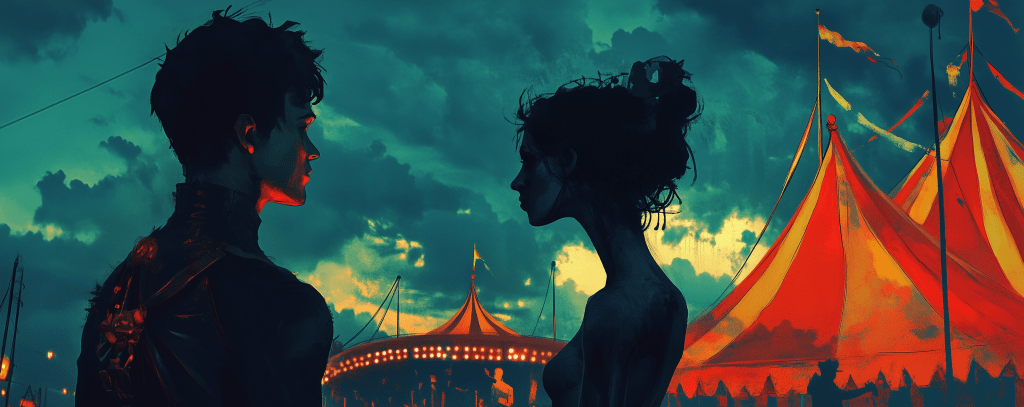
The Dreamlike World of ‘Santa Sangre’: Screenwriting Surrealism

In the realm of surrealist cinema, few films captivate and confound audiences quite like Alejandro Jodorowsky’s 1989 masterpiece, “Santa Sangre.” This psychedelic odyssey into the human psyche blends horror, fantasy, and deeply personal symbolism to create a viewing experience that lingers long after the credits roll. At its core, “Santa Sangre” is a testament to the power of surrealist screenwriting, showcasing how the written word can be transformed into a visual feast that defies conventional storytelling norms.

The Genesis of a Surrealist Nightmare

Alejandro Jodorowsky, the Chilean-French auteur known for his avant-garde approach to filmmaking, conceived “Santa Sangre” during a period of creative rebirth. After a decade-long hiatus from directing, Jodorowsky returned to the silver screen with a story that would push the boundaries of narrative cinema even further than his earlier works like “El Topo” and “The Holy Mountain.”

The screenplay, co-written by Jodorowsky, Roberto Leoni, and Claudio Argento, emerged from a collaborative process that embraced the unpredictable nature of surrealism. Jodorowsky’s approach to screenwriting was unconventional, to say the least. He often incorporated elements from his own life, dreams, and spiritual beliefs, creating a tapestry of images and ideas that defied logical interpretation.

The Plot: A Labyrinth of Symbols and Memories

At its most basic level, “Santa Sangre” tells the story of Fenix, a young man raised in a circus who witnesses the brutal murder-suicide of his parents. The trauma of this event leaves him institutionalized, but he eventually escapes to reunite with his armless mother, becoming her “arms” in a series of increasingly disturbing scenarios.

However, to describe “Santa Sangre” in such linear terms does a disservice to its surrealist nature. The film’s narrative is more akin to a fever dream, where time bends, reality shifts, and symbolism reigns supreme. The screenplay weaves together themes of religion, sexuality, violence, and identity into a tapestry that is both beautiful and horrifying.

Surrealist Techniques in Screenwriting

1. Non-linear Storytelling

One of the hallmarks of surrealist writing is the abandonment of traditional narrative structures. “Santa Sangre” employs a non-linear approach, jumping between past and present, reality and fantasy, often without clear demarcation. This technique mimics the fluid nature of dreams and memory, allowing the audience to experience the story as a series of powerful, interconnected images rather than a straightforward plot.

2. Symbolic Imagery

The screenplay of “Santa Sangre” is rich with symbolic imagery that operates on multiple levels. For example, the circus setting serves as a metaphor for the chaotic and performative nature of life itself. The character of Fenix’s mother, whose arms are severed in a gruesome act, becomes a living embodiment of the Virgin Mary, her stumps forming a crucifix when raised.

These symbols are not merely visual flourishes but integral to the narrative, carrying the emotional and thematic weight of the story. The screenwriters carefully crafted each symbol to resonate with the film’s deeper explorations of trauma, faith, and the human condition.

3. Juxtaposition of the Sacred and Profane

Surrealist art often seeks to challenge societal norms and expectations by juxtaposing seemingly incompatible elements. In “Santa Sangre,” this is evident in the constant interplay between the sacred and the profane. Religious imagery is set against scenes of violence and sexuality, creating a tension that forces the audience to question their preconceptions about morality and spirituality.

The screenplay achieves this through careful scene construction, where holy figures and rituals are placed in incongruous settings or paired with acts of brutality. This technique not only shocks the viewer but also invites deeper contemplation on the nature of faith and human desire.

4. Stream of Consciousness

Surrealist writing often employs a stream of consciousness technique to mimic the free flow of thoughts and associations in the human mind. While “Santa Sangre” has a more structured narrative than some surrealist works, it still incorporates elements of this technique, particularly in scenes depicting Fenix’s fragmented psyche.

The screenplay allows for moments where dialogue, internal monologue, and visual cues blend together, creating a sense of psychological immersion. This approach helps to blur the lines between reality and delusion, a key theme in the film.

Challenges of Surrealist Screenwriting

Writing a surrealist screenplay presents unique challenges that Jodorowsky and his co-writers had to navigate carefully:

1. Balancing Coherence and Abstraction

One of the primary difficulties in surrealist screenwriting is striking a balance between abstract ideas and a coherent narrative that can engage an audience. “Santa Sangre” manages this by anchoring its more outlandish elements to a central emotional core – Fenix’s trauma and his relationship with his mother. This gives viewers something tangible to connect with amidst the surreal imagery.

2. Translating Visual Ideas to Text

Surrealism often relies heavily on visual impact, which can be challenging to convey in a written screenplay. The writers of “Santa Sangre” had to find ways to describe their vivid, often bizarre visual concepts in a manner that could be understood and realized by the production team. This required a high level of descriptive precision and imagination in the screenplay’s action lines.

3. Maintaining Thematic Consistency

While surrealism thrives on unexpected associations, a successful surrealist screenplay must maintain some level of thematic consistency to avoid becoming a mere collection of random images. “Santa Sangre” achieves this by returning to key motifs and symbols throughout the script, creating a dreamlike logic that, while not always immediately apparent, feels cohesive on a subconscious level.

The Impact of “Santa Sangre” on Surrealist Cinema

“Santa Sangre” stands as a pinnacle of surrealist screenwriting, influencing filmmakers and writers long after its release. Its success lies in its ability to create a world that operates by its own internal logic while still resonating emotionally with audiences.

The film demonstrates that surrealism in screenwriting is not about abandoning narrative entirely, but about finding new ways to express complex ideas and emotions through unconventional means. It shows that by breaking free from the constraints of traditional storytelling, writers can tap into deeper truths about the human experience.

Lessons for Aspiring Surrealist Screenwriters

For those inspired by “Santa Sangre” and looking to explore surrealist screenwriting, there are several key takeaways:

  1. Embrace Personal Symbolism: Jodorowsky’s work is deeply personal, drawing from his own experiences and spiritual beliefs. Aspiring surrealist writers should not shy away from incorporating their own unique symbols and obsessions into their work.
  2. Trust in Visual Storytelling: While dialogue has its place, surrealist cinema often relies more heavily on visual storytelling. Writers should focus on crafting powerful images and sequences that can convey meaning without words.
  3. Explore the Subconscious: Surrealism is about delving into the depths of the human psyche. Writers should allow themselves to explore their dreams, fears, and deepest desires as source material for their screenplays.
  4. Challenge Conventions: “Santa Sangre” succeeds in part because it’s willing to challenge societal norms and filmmaking conventions. Surrealist screenwriters should be prepared to push boundaries and question accepted wisdom.
  5. Maintain Emotional Truth: Even in the midst of the most abstract sequences, “Santa Sangre” never loses sight of its emotional core. Surrealist screenplays should strive to maintain an emotional truth that audiences can connect with.

Conclusion: The Enduring Power of Surrealist Screenwriting

“Santa Sangre” remains a testament to the power of surrealist screenwriting to create unforgettable cinema. By eschewing conventional narrative structures and embracing the language of dreams and symbols, Jodorowsky and his co-writers crafted a film that continues to fascinate and perplex audiences decades after its release.

The dreamlike world of “Santa Sangre” reminds us that cinema, at its best, can be more than mere entertainment. It can be a mirror to our deepest selves, a window into the collective unconscious, and a tool for expanding our understanding of reality itself. For screenwriters willing to take the plunge into the surreal, the potential for creating truly transformative art is limitless.

In a world increasingly dominated by formulaic storytelling, the legacy of “Santa Sangre” serves as a clarion call for writers to embrace the strange, the symbolic, and the surreal. It challenges us to look beyond the surface of things, to find the hidden connections that bind us all, and to craft stories that resonate on a level beyond mere logic. In doing so, we may just discover new ways of understanding ourselves and the complex, often bewildering world we inhabit.


✍️  Whether you’re mastering the art of dialogue, structure, or character development, the power of AI can be a game-changer in your writing journey. My Free Ebook, ‘AI for Authors’ delves into how AI-powered prompts can provide a unique edge to your storytelling process. If you’re intrigued by the prospect of supercharging your fiction skills, download your free copy today and explore new horizons in creative writing.