AI in Hollywood: Weekly News, October 24, 2024

The Battle Lines Are Being Drawn

The entertainment industry is witnessing a dramatic shift as artificial intelligence takes center stage, but not everyone is applauding. Recent developments across major studios and broadcasters highlight the growing tension between technological innovation and creative authenticity in Hollywood. From copyright disputes to executive statements and job postings, the industry appears to be at a crossroads between embracing AI’s potential and protecting traditional creative processes.

Tesla vs. Blade Runner: When AI Meets Copyright Law

In what might be seen as a cautionary tale about AI’s role in content creation, Alcon Entertainment has recently filed a lawsuit against Tesla and Elon Musk that perfectly encapsulates the challenges facing the industry. The dispute centers around Tesla’s use of AI to recreate imagery from “Blade Runner 2049” for a robotaxi promotional event – a move that raises serious questions about intellectual property rights in an AI-powered world.
The situation became particularly contentious when, after being denied permission to use actual footage from the film, Tesla allegedly used AI to generate a replica of the scene. This decision not only resulted in legal action but also highlighted the ethical implications of using AI to circumvent traditional licensing agreements. Alcon’s lawsuit, which also names Warner Bros. Discovery as a defendant, seeks unspecified damages and an injunction against further distribution of the promotional materials.

The case is particularly interesting because it represents one of the first high-profile instances where AI-generated content has been challenged for potentially infringing on existing intellectual property rights. Alcon’s stance – that they don’t want their film associated with Musk or Tesla due to his political and social views – adds another layer to the complex relationship between creative control and technological advancement.

Netflix’s Measured Approach to AI Integration

In contrast to the controversial use of AI in the Tesla case, Netflix appears to be taking a more measured approach. During his appearance at the WSJ Tech Conference, Netflix co-CEO Ted Sarandos offered valuable insights into how major streaming platforms are approaching AI integration. His perspective provides a blueprint for how entertainment companies might balance technological innovation with creative integrity.

Sarandos emphasized that Netflix views generative AI as a tool to enhance, rather than replace, human creativity. This stance is particularly noteworthy given Netflix’s position as an industry leader. The company envisions AI’s primary impact in areas such as:

  • Content merchandising
  • User interface creation
  • Process enhancement
  • Behind-the-scenes optimization

What’s particularly interesting is what Netflix isn’t planning to do with AI. Sarandos’s clear statement that the company has no intentions to compete in the user-generated content space suggests a commitment to maintaining professional content standards, even as AI tools become more accessible.

The ITV Controversy: AI in Traditional Broadcasting

While Netflix takes a cautious approach, the recent controversy surrounding ITV’s job posting for a “Head of Generative AI Innovation” demonstrates the potential backlash when traditional broadcasters embrace AI too enthusiastically. The position, offering up to £95,000 ($124,000) annually, has become a flashpoint for broader industry concerns about AI’s role in creative processes.

The job description, which includes using AI for ideation and character development, prompted immediate pushback from the creative community. Notable reactions came from prominent screenwriters:

  • Lisa McGee, creator of “Derry Girls,” called the move “incredibly depressing” and questioned the ethics of using AI in storytelling
  • Liam Williams, known for “Ladhood,” urged creative professionals to unionize in response
  • Jack Rooke, creator of “Big Boys,” emphasized that successful shows come from authentic human experiences

The Writers’ Guild of Great Britain’s strong response, through general secretary Ellie Peers, highlights the growing concern about AI’s potential impact on creative jobs. This situation perfectly illustrates the tension between technological advancement and creative authenticity that the industry must navigate.

The Broader Implications for Hollywood

These three distinct situations – Tesla’s AI-generated promotional content, Netflix’s measured approach, and ITV’s controversial job posting – paint a complex picture of AI’s current role in entertainment. Several key themes emerge:

1. Copyright and Creative Control

The Tesla lawsuit demonstrates that existing copyright laws may need to evolve to address AI-generated content, particularly when it closely mimics protected works. This case could set important precedents for how the industry handles AI-generated content that references existing intellectual property.

2. Balance of Innovation and Tradition

Netflix’s approach suggests that successful AI integration might depend on finding the right balance between technological innovation and creative tradition. By positioning AI as a tool rather than a replacement for human creativity, companies may find less resistance to its implementation.

3. Industry Resistance and Adaptation

The backlash to ITV’s job posting reveals the deep-seated concerns many creative professionals have about AI’s role in content creation. This resistance suggests that companies need to be more transparent and thoughtful about how they implement AI technologies.

Looking Forward: The Future of AI in Entertainment

As the entertainment industry continues to grapple with AI’s role, several key considerations emerge:

  1. Legal Framework: The Tesla/Blade Runner case may help establish precedents for how AI-generated content intersects with existing copyright law.
  2. Creative Integration: Netflix’s approach of using AI as a supporting tool rather than a replacement for creative talent could become a model for other companies.
  3. Industry Standards: The response to ITV’s initiative suggests the need for industry-wide standards and guidelines for AI implementation in creative processes.
  4. Human-AI Collaboration: Finding the right balance between AI capabilities and human creativity will be crucial for successful integration.

Conclusion: Finding the Right Balance

The entertainment industry stands at a crucial juncture in its relationship with AI technology. The contrasting approaches of different organizations – from Tesla’s aggressive use of AI-generated content to Netflix’s more measured approach and ITV’s controversial expansion plans – highlight the complex challenges ahead.

Success in this new landscape will likely depend on finding ways to harness AI’s capabilities while respecting creative rights and maintaining the human element that makes storytelling powerful. As the industry evolves, the key will be developing frameworks that allow for technological innovation while protecting the creative integrity that has always been at the heart of entertainment.

The coming months and years will be crucial in determining how this balance is struck, and the outcomes of current controversies – particularly the Tesla/Blade Runner lawsuit – may well set the tone for how the industry approaches AI integration in the future. What’s clear is that the conversation around AI in entertainment is far from over, and all stakeholders will need to remain engaged in shaping its direction.


✍️  Whether you’re mastering the art of dialogue, structure, or character development, the power of AI can be a game-changer in your writing journey. My Free Ebook, ‘AI for Authors’ delves into how AI-powered prompts can provide a unique edge to your storytelling process. If you’re intrigued by the prospect of supercharging your fiction skills, download your free copy today and explore new horizons in creative writing. 
AI-Generated Characters: The Next Frontier in Storytelling?

In the ever-evolving landscape of storytelling, a new player has entered the scene: artificial intelligence. As writers and screenwriters, we’re constantly seeking innovative ways to breathe life into our characters and narratives. Now, with the advent of AI-generated characters, we find ourselves at a crossroads of tradition and technology. This article explores the potential impact of AI on character creation and storytelling, examining both the opportunities and challenges it presents to writers across various mediums.

The Rise of AI in Creative Writing

Artificial intelligence has been making waves in numerous industries, and the world of creative writing is no exception. From automated content generation to sophisticated language models, AI tools are increasingly finding their way into writers’ toolkits. But perhaps one of the most intriguing developments is the emergence of AI-generated characters.

These digital entities are created using advanced algorithms and machine learning techniques, capable of generating unique personalities, backgrounds, and even dialogue. As this technology continues to evolve, it raises important questions about the future of character development and the role of human creativity in storytelling.

How AI Generates Characters

To understand the potential of AI-generated characters, it’s crucial to grasp the basics of how they’re created. AI character generation typically involves several key components:

  1. Data Input: AI models are trained on vast datasets of existing characters, stories, and human behaviors.
  2. Pattern Recognition: The AI analyzes these datasets to identify patterns in character traits, dialogue styles, and narrative arcs.
  3. Generation Algorithms: Using sophisticated algorithms, the AI creates new characters by combining and extrapolating from the patterns it has learned.
  4. Customization Options: Many AI character generators allow users to input specific parameters, such as genre, time period, or personality traits, to guide the creation process.

The result is a character profile that can include physical descriptions, personality traits, backstories, and even sample dialogue. While the underlying technology is complex, the output is designed to be accessible and usable for writers of all levels.

Potential Benefits for Writers

AI-generated characters offer several potential advantages for writers:

Time-Saving and Inspiration

For writers struggling with writer’s block or tight deadlines, AI-generated characters can serve as a valuable source of inspiration. Instead of starting from scratch, writers can use these AI-created profiles as a jumping-off point, potentially saving time in the initial stages of character development.

Diverse Character Pools

AI has the potential to create a vast array of characters from different backgrounds, cultures, and experiences. This diversity can help writers expand their creative horizons and create more inclusive stories that resonate with a wider audience.

Consistency in Character Development

AI can assist in maintaining consistency in character traits and behaviors throughout a story. By referencing the AI-generated profile, writers can ensure that their characters remain true to their established personalities and backgrounds.

Exploration of New Perspectives

AI-generated characters might exhibit traits or combinations of characteristics that a human writer might not have initially considered. This can lead to fresh perspectives and unique character dynamics within a story.

Challenges and Limitations

While the potential of AI-generated characters is exciting, there are several challenges and limitations to consider:

Lack of Emotional Depth

AI, despite its sophistication, lacks human experiences and emotions. This can result in characters that feel shallow or lacking in true emotional depth, requiring significant human intervention to become fully realized.

Potential for Stereotypes and Bias

AI models learn from existing data, which can include societal biases and stereotypes. Writers must be vigilant in identifying and addressing any problematic elements in AI-generated characters.

Overreliance on Technology

There’s a risk that some writers might become overly dependent on AI tools, potentially stifling their own creativity and unique voice in the process.

Ethical and Copyright Concerns

As AI generates characters based on existing data, questions arise about the originality of these creations and potential copyright issues. The legal and ethical landscape surrounding AI-generated content is still evolving.

Integrating AI-Generated Characters into the Writing Process

For writers interested in exploring AI-generated characters, here are some strategies for effective integration:

Use as a Starting Point

Think of AI-generated characters as rough sketches rather than finished portraits. Use them as a foundation to build upon, adding your own insights, experiences, and creative touches.

Combine AI Input with Human Creativity

Mix and match traits from multiple AI-generated characters, or combine AI suggestions with your own ideas to create truly unique individuals.

Focus on Character Development

While AI can provide a basic outline, the real work of character development – creating arcs, conflicts, and growth – still relies on human creativity and understanding of storytelling principles.

Maintain Critical Thinking

Always approach AI-generated content with a critical eye. Question the choices made by the AI and be prepared to make significant changes to align the character with your vision and story needs.

The Future of AI in Character Creation

As AI technology continues to advance, we can expect to see more sophisticated character generation tools. Future developments might include:

  • Interactive AI Characters: AI characters that can engage in real-time dialogue, helping writers test different scenarios and character interactions.
  • Adaptive Characters: AI-generated characters that evolve based on the story’s progress and writer input.
  • Cross-Media Character Development: AI tools that can help adapt characters for different mediums, from novels to screenplays to video games.

Balancing Technology and Creativity

The introduction of AI-generated characters into the writing process raises fundamental questions about the nature of creativity and the role of technology in art. As writers, our challenge is to find a balance – leveraging the benefits of AI while maintaining the human touch that brings characters truly to life.

Ultimately, AI-generated characters should be viewed as a tool in the writer’s arsenal, not a replacement for human creativity. The most compelling characters will likely continue to emerge from a combination of technological assistance and human insight, experience, and imagination.

Conclusion

AI-generated characters represent a fascinating development in the world of storytelling. While they offer exciting possibilities for inspiration, diversity, and efficiency, they also come with limitations and ethical considerations. As writers, it’s up to us to navigate this new frontier responsibly, using AI as a tool to enhance our creativity rather than replace it.

The future of storytelling may well involve a collaboration between human writers and AI, but the heart of great characters – their ability to connect with and move audiences – will always rely on the human touch. As we explore the potential of AI-generated characters, let’s remember that our unique experiences, emotions, and perspectives remain our most valuable assets in creating characters that truly resonate.


✍️  Whether you’re mastering the art of dialogue, structure, or character development, the power of AI can be a game-changer in your writing journey. My Free Ebook, ‘AI for Authors’ delves into how AI-powered prompts can provide a unique edge to your storytelling process. If you’re intrigued by the prospect of supercharging your fiction skills, download your free copy today and explore new horizons in creative writing. 

‘The Reflecting Skin’: Gothic Horror in Screenwriting

In the realm of cinema, few genres possess the raw power to unsettle and captivate audiences quite like gothic horror. Among the myriad examples of this genre, Philip Ridley’s 1990 film “The Reflecting Skin” stands as a masterclass in blending gothic elements with coming-of-age themes, resulting in a haunting narrative that lingers long after the credits roll. For screenwriters looking to delve into the depths of gothic horror, this film offers invaluable lessons in crafting atmospheric, psychologically rich stories that resonate on multiple levels.

The Gothic Landscape: Setting as Character

One of the most striking aspects of “The Reflecting Skin” is its use of setting. The vast, sun-drenched wheat fields of rural Idaho become a character in their own right, simultaneously beautiful and menacing. This juxtaposition of idyllic scenery with underlying darkness is a hallmark of gothic storytelling.

Crafting an Atmospheric Setting

When writing a gothic horror screenplay, consider the following:

  1. Contrast: Utilize seemingly innocent or beautiful locations to heighten the sense of unease. The contrast between appearance and reality is a powerful tool in gothic storytelling.
  2. Symbolism: Infuse your setting with symbolic elements. In “The Reflecting Skin,” the endless fields represent both freedom and isolation, mirroring the protagonist’s internal struggles.
  3. Personification: Treat your setting as a living entity. Describe how it interacts with characters, how it changes, and how it influences the story’s mood.
  4. Historical Weight: Gothic stories often thrive on a sense of history. Even in a contemporary setting, hint at past events that have left their mark on the landscape.

By focusing on these elements, screenwriters can create a rich, immersive world that serves as more than just a backdrop for the story’s events.

The Innocence of Evil: Subverting Character Expectations

At the heart of “The Reflecting Skin” is young Seth Dove, a character whose innocence and cruelty intertwine in deeply unsettling ways. This subversion of the typical “innocent child” trope is a masterful example of how gothic horror can challenge audience expectations and create complex, morally ambiguous characters.

Writing Multifaceted Characters

To create characters that embody the spirit of gothic horror:

  1. Embrace Ambiguity: Avoid clear-cut heroes and villains. Allow your characters to exist in moral gray areas, capable of both kindness and cruelty.
  2. Psychological Depth: Explore the inner workings of your characters’ minds. Gothic horror thrives on psychological complexity and the darkness that lurks within seemingly normal individuals.
  3. Traumatic Backstories: Develop rich backstories for your characters, focusing on past traumas or experiences that shape their current actions and beliefs.
  4. Symbolism in Character Design: Use physical characteristics, clothing, or mannerisms as symbolic representations of your characters’ inner natures.

By crafting characters with depth and complexity, screenwriters can create a cast that resonates with audiences on a visceral level, enhancing the overall impact of the gothic horror narrative.

The Weight of the Unseen: Building Tension Through Implication

One of the most powerful aspects of “The Reflecting Skin” is its ability to create tension and horror through implication rather than explicit violence or supernatural elements. The film’s true horrors often lie in what is suggested rather than what is shown, a technique that is central to effective gothic storytelling.

Techniques for Building Tension

Consider the following approaches when crafting your gothic horror screenplay:

  1. Foreshadowing: Plant subtle hints and clues throughout your script that point to darker truths or coming events. This creates a sense of unease and anticipation in the audience.
  2. Unreliable Narration: If using a narrator or focusing on a particular character’s perspective, consider making them unreliable. This adds an extra layer of uncertainty and tension to the story.
  3. Offscreen Action: Some of the most horrifying moments can be those that occur just outside the frame. Use sound, reaction shots, and aftermath scenes to imply horrors without directly showing them.
  4. Symbolic Imagery: Utilize recurring symbols or motifs that carry deeper, often disturbing meanings. In “The Reflecting Skin,” the use of frogs and vampires serves as potent symbolic elements.

By mastering these techniques, screenwriters can create a pervasive sense of dread and unease that lingers throughout their script, engaging audiences on a deeper, more psychological level.

The Blurring of Reality: Surrealism in Gothic Horror

“The Reflecting Skin” is notable for its incorporation of surrealist elements, blurring the line between reality and fantasy. This approach adds a dreamlike quality to the narrative, enhancing its psychological impact and allowing for deeper exploration of themes and character psyches.

Incorporating Surrealist Elements

To effectively blend surrealism with gothic horror:

  1. Dream Sequences: Utilize vivid, symbolic dream sequences that reflect characters’ inner turmoil or foreshadow coming events.
  2. Distorted Perception: Play with the idea of unreliable perception. What characters see or experience may not always align with reality.
  3. Symbolic Transformations: Use metamorphosis or transformation as a storytelling device, both literally and metaphorically.
  4. Non-linear Storytelling: Experiment with narrative structure, using non-linear storytelling to create a sense of disorientation and unease.

By incorporating surrealist elements, screenwriters can add layers of meaning and psychological depth to their gothic horror narratives, creating stories that resonate on both conscious and subconscious levels.

The Horror of Growing Up: Coming-of-Age Themes in Gothic Narratives

One of the most striking aspects of “The Reflecting Skin” is its blending of gothic horror with coming-of-age themes. The film explores the loss of innocence and the horrors of growing up in a world that is often cruel and incomprehensible.

Integrating Coming-of-Age Themes

To effectively combine coming-of-age elements with gothic horror:

  1. Loss of Innocence: Focus on moments where characters are forced to confront harsh realities, shattering their previous worldviews.
  2. Misunderstanding of Adult World: Explore how young characters misinterpret or struggle to understand the complexities of adult behavior and relationships.
  3. Rites of Passage: Use traditional coming-of-age milestones as catalysts for horror or revelation.
  4. The Horror of Knowledge: Treat the acquisition of knowledge or understanding as a source of horror itself.

By intertwining coming-of-age themes with gothic horror elements, screenwriters can create narratives that resonate on multiple levels, speaking to universal experiences while maintaining a sense of dread and unease.

The Power of Visuals: Cinematic Language in Screenwriting

While “The Reflecting Skin” is renowned for its striking visuals, it’s important to remember that these images originated in the screenplay. As a screenwriter, your task is to create a vivid world through words that will translate effectively to the screen.

Writing Visually Striking Scenes

To craft a visually compelling gothic horror screenplay:

  1. Precise Description: Use concise, evocative language to describe key visual elements. Focus on details that contribute to the atmosphere and mood.
  2. Color Symbolism: Incorporate specific colors and their symbolism into your descriptions. In “The Reflecting Skin,” the golden wheat fields and blue sky create a deceptively idyllic backdrop for the horrors that unfold.
  3. Light and Shadow: Pay attention to lighting in your scene descriptions. Gothic horror often plays with the contrast between light and dark, both literally and metaphorically.
  4. Memorable Imagery: Create striking visual set pieces that will stick in the reader’s (and eventually, the viewer’s) mind.

Remember, while you’re not directing the film, your screenplay should provide a clear visual blueprint for the story you’re telling.

Conclusion: The Enduring Power of Gothic Horror

“The Reflecting Skin” stands as a testament to the enduring power of gothic horror in cinema. By blending atmospheric settings, complex characters, psychological tension, surrealist elements, and coming-of-age themes, the film creates a unique and unforgettable viewing experience.

For screenwriters looking to delve into this rich genre, the lessons offered by “The Reflecting Skin” are invaluable. By focusing on creating a vivid, symbolically rich world, populating it with psychologically complex characters, and exploring themes that resonate on a deep, often uncomfortable level, you can craft gothic horror screenplays that captivate and unsettle audiences in equal measure.

Remember, the true power of gothic horror lies not in explicit violence or supernatural elements, but in its ability to explore the darkness that resides within the human psyche. By tapping into these universal fears and anxieties, you can create stories that linger in the minds of your audience long after the final page is turned or the credits roll.

In the end, gothic horror is about more than just scares – it’s about holding a dark mirror up to society and to ourselves, revealing truths we might prefer to keep hidden. As you embark on your own gothic horror screenwriting journey, keep these lessons in mind, and don’t be afraid to explore the shadows. After all, it’s often in the darkest corners that we find the most compelling stories.


✍️  Whether you’re mastering the art of dialogue, structure, or character development, the power of AI can be a game-changer in your writing journey. My Free Ebook, ‘AI for Authors’ delves into how AI-powered prompts can provide a unique edge to your storytelling process. If you’re intrigued by the prospect of supercharging your fiction skills, download your free copy today and explore new horizons in creative writing. 
‘Picnic at Hanging Rock’: The Mystery in Ambiguous Screenwriting

In the realm of screenwriting, clarity is often championed as a cardinal virtue. We’re taught to establish clear goals, craft well-defined character arcs, and tie up loose ends. But what happens when a screenplay deliberately embraces ambiguity? Enter Peter Weir’s hauntingly enigmatic 1975 film, ‘Picnic at Hanging Rock,’ adapted from Joan Lindsay’s novel by screenwriter Cliff Green. This Australian classic serves as a masterclass in the art of ambiguous storytelling, challenging conventional wisdom and captivating audiences with its unresolved mysteries.

The Vanishing Act: Setting the Stage for Ambiguity

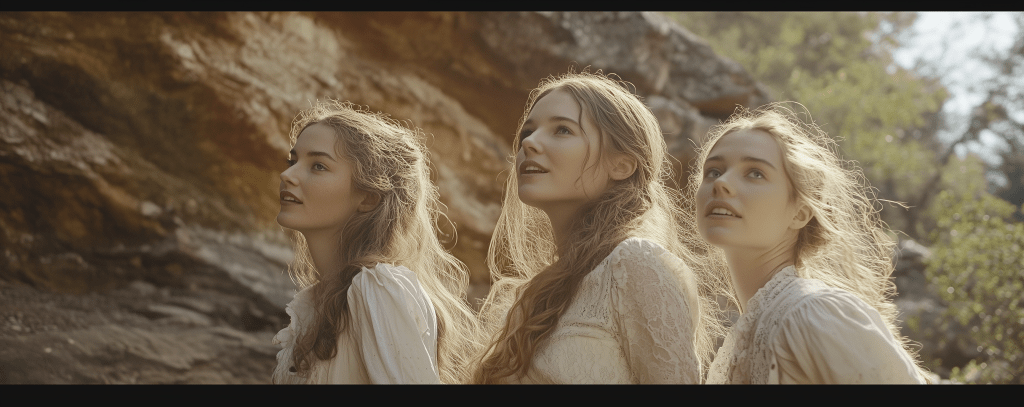
‘Picnic at Hanging Rock’ tells the story of a group of schoolgirls from Appleyard College who embark on a Valentine’s Day picnic at Hanging Rock, a distinctive geological formation in rural Victoria, Australia. As the day unfolds, three of the girls and their mathematics teacher inexplicably vanish without a trace. The remainder of the film grapples with the aftermath of this disappearance, as the community struggles to uncover the truth behind the mysterious event.

From the outset, Green’s screenplay establishes an atmosphere of uncertainty. The opening scenes are deceptively idyllic, with the girls preparing for their outing amid a sense of barely contained excitement. However, an undercurrent of unease permeates these moments, hinting at the darkness to come. This subtle foreshadowing is achieved through carefully crafted dialogue, symbolic imagery, and an almost otherworldly score that sets viewers on edge.

The Power of the Unseen: Writing What Isn’t There

One of the most striking aspects of ‘Picnic at Hanging Rock’ is what it doesn’t show. The actual disappearance of the girls occurs off-screen, leaving both the characters and the audience to grapple with the unknown. This absence of concrete information becomes a powerful narrative tool, allowing imaginations to run wild and theories to proliferate.

Green’s screenplay excels in using dialogue and reaction shots to convey the growing sense of panic and bewilderment. We see the impact of the disappearance through the eyes of those left behind: the frantic searches, the accusations, and the slow unraveling of the school’s carefully maintained facade. By focusing on the aftermath rather than the event itself, the script heightens the mystery and forces viewers to become active participants in unraveling the puzzle.

Symbolism and Subtext: Layering Meaning in Ambiguity

Ambiguous storytelling relies heavily on symbolism and subtext to convey meaning beyond the surface level of the plot. In ‘Picnic at Hanging Rock,’ Green’s screenplay is rife with symbolic elements that invite multiple interpretations:

  1. The Rock itself: Hanging Rock looms large as a character in its own right, representing the unknowable, primordial forces of nature that defy human understanding.
  2. Time: Watches stopping at the moment of the disappearance suggest a disruption in the normal flow of time, hinting at supernatural or metaphysical explanations.
  3. Sexuality and repression: The Victorian-era setting and the girls’ burgeoning sexuality create a tension between societal constraints and natural impulses.
  4. Colonialism: The juxtaposition of European settlers against the ancient Australian landscape raises questions about belonging and the clash of cultures.

These layers of meaning provide depth to the narrative without offering concrete answers, allowing viewers to project their own interpretations onto the events unfolding on screen.

Character Ambiguity: Blurring the Lines of Motivation

In traditional screenwriting, characters often have clear motivations and goals. ‘Picnic at Hanging Rock’ subverts this expectation by presenting characters whose actions and motivations remain tantalizingly opaque. The headmistress, Mrs. Appleyard, for instance, is a study in contradictions. Is she a stern disciplinarian genuinely concerned for her charges, or is there something more sinister lurking beneath her prim exterior?

Similarly, the character of Michael, a young man obsessed with solving the mystery, walks a fine line between determined investigator and unhinged fanatic. By leaving these characters’ true natures open to interpretation, the screenplay invites viewers to question their assumptions and engage more deeply with the story.

Dialogue as Misdirection: The Art of Saying Nothing

Green’s screenplay makes masterful use of dialogue to both reveal and conceal information. Characters often speak at cross-purposes or engage in seemingly trivial conversations that take on greater significance in light of the central mystery. The script is peppered with cryptic statements and half-finished thoughts that tantalize viewers with the promise of revelation, only to pull back at the last moment.

This approach to dialogue serves multiple purposes:

  1. It maintains the air of mystery by never allowing characters to fully articulate what might have happened.
  2. It reflects the characters’ own confusion and inability to comprehend the events unfolding around them.
  3. It creates a dreamlike atmosphere where meaning seems to hover just out of reach.

Structure and Pacing: The Rhythm of Uncertainty

The structure of ‘Picnic at Hanging Rock’ defies conventional three-act storytelling. Instead of building to a climactic resolution, the film meanders through a series of increasingly unsettling events, each one raising more questions than it answers. This unconventional pacing mirrors the characters’ growing sense of disorientation and adds to the overall feeling of unease.

Green’s screenplay employs a series of false leads and red herrings, introducing potential explanations only to undermine them later. This constant shifting of the narrative ground keeps viewers off-balance and invested in the mystery. The lack of a clear resolution at the end of the film is perhaps its most controversial and discussed aspect, challenging audiences to grapple with the notion that some questions may never be answered.

The Role of Atmosphere: Writing the Unseen

In ambiguous storytelling, atmosphere becomes a crucial element in conveying meaning and emotion. ‘Picnic at Hanging Rock’ is a masterclass in creating a palpable sense of otherworldliness through descriptive writing. Green’s screenplay pays careful attention to the sensory details of the Australian bush: the oppressive heat, the buzzing of insects, the play of light and shadow on the rock face.

These vivid descriptions serve to immerse the viewer in the world of the story while also contributing to the overall sense of unease. The landscape becomes a character in its own right, ancient and indifferent to human concerns. This attention to atmospheric detail provides directors and cinematographers with rich material to work with, allowing for a visual translation of the script’s ambiguous tone.

Adapting Ambiguity: From Page to Screen

It’s worth noting that ‘Picnic at Hanging Rock’ began as a novel by Joan Lindsay, itself an exercise in literary ambiguity. Green’s adaptation faced the challenge of translating this nebulous quality to a visual medium. His screenplay demonstrates how ambiguity can be maintained and even enhanced in the transition from page to screen:

  1. Visual metaphors: The script suggests powerful visual imagery that complements the mysterious narrative, such as the juxtaposition of the girls’ white dresses against the harsh landscape.
  2. Sound design: Descriptions of ambient sounds and music cues in the screenplay lay the groundwork for the film’s eerie soundscape.
  3. Narrative gaps: The script strategically leaves spaces for visual storytelling, allowing the director to convey meaning through composition and editing.

The Legacy of Ambiguity: Influence on Modern Screenwriting

‘Picnic at Hanging Rock’ has left an indelible mark on the art of screenwriting, inspiring generations of writers to explore the power of ambiguity in their own work. Its influence can be seen in films like David Lynch’s ‘Mulholland Drive,’ Christopher Nolan’s ‘Inception,’ and more recently, Alex Garland’s ‘Annihilation.’ These works continue the tradition of using uncertainty as a narrative device, challenging viewers to engage more deeply with the material.

The success of ‘Picnic at Hanging Rock’ demonstrates that audiences are capable of embracing ambiguity when it is presented with skill and purpose. It offers a compelling alternative to the often predictable nature of mainstream storytelling, proving that sometimes the questions are more interesting than the answers.

Conclusion: Embracing the Unknown

‘Picnic at Hanging Rock’ stands as a testament to the power of ambiguous screenwriting. By eschewing easy answers and clear-cut resolutions, Cliff Green’s adaptation creates a narrative that continues to fascinate and perplex viewers nearly five decades after its release. The film’s enduring legacy reminds us that in storytelling, as in life, not everything needs to be explained.

For screenwriters looking to push the boundaries of conventional narrative, ‘Picnic at Hanging Rock’ offers valuable lessons:

  1. Trust your audience’s intelligence and their ability to grapple with uncertainty.
  2. Use symbolism and subtext to layer meaning within your story.
  3. Create atmosphere through vivid, sensory descriptions.
  4. Don’t be afraid to leave questions unanswered if it serves the overall narrative.

In an age where audiences are increasingly sophisticated, the art of ambiguous storytelling provides a refreshing challenge to both writers and viewers alike. ‘Picnic at Hanging Rock’ reminds us that sometimes the most powerful stories are those that linger in the mind long after the credits roll, their mysteries eternally unresolved.


✍️  Whether you’re mastering the art of dialogue, structure, or character development, the power of AI can be a game-changer in your writing journey. My Free Ebook, ‘AI for Authors’ delves into how AI-powered prompts can provide a unique edge to your storytelling process. If you’re intrigued by the prospect of supercharging your fiction skills, download your free copy today and explore new horizons in creative writing. 
AI in Hollywood: Weekly News, October 17, 2024

Introduction

The entertainment industry is undergoing a rapid transformation, with artificial intelligence (AI) playing an increasingly significant role in various aspects of content creation, distribution, and even performer representation. As a blog focused on AI in screenwriting and Hollywood, we’re witnessing a fascinating convergence of technology and creativity that’s reshaping the landscape of film, television, and digital media.

In this article, we’ll explore recent developments that highlight both the potential and pitfalls of AI in the entertainment world. From major studios partnering with tech giants to create AI-generated short films, to the cautionary tales of actors navigating the complex world of AI avatar contracts, and even the emergence of entirely AI-generated podcasts, the impact of AI on Hollywood is both far-reaching and profound.

Blumhouse and Meta: Pioneering AI-Generated Filmmaking

The Meta Movie Gen Pilot Program

In a groundbreaking collaboration, Blumhouse, the production company known for its innovative approach to filmmaking, has partnered with Meta (formerly Facebook) to produce a series of short films using Meta’s cutting-edge AI tool, Meta Movie Gen. This text-to-video and audio creation tool, developed by Meta, represents a significant leap forward in AI-assisted content creation.

The pilot program, which enlisted the talents of acclaimed filmmakers Casey Affleck, Aneesh Chaganty, and the Spurlock Sisters, aims to gather valuable feedback from the creative community. By involving established filmmakers in the early stages of development, Meta is taking a proactive approach to ensuring that their AI tool will be both useful and responsibly implemented.

A Glimpse into the Future of Filmmaking

The first short film to emerge from this collaboration, Aneesh Chaganty’s “i h8 ai,” has already been released, with works from Affleck and the Spurlocks on the horizon. These projects offer a tantalizing glimpse into the potential future of filmmaking, where AI tools could potentially streamline certain aspects of the production process or even unlock new creative possibilities.

Jason Blum, founder of Blumhouse, emphasized the importance of embracing new tools that empower artists to tell their stories. He stated, “It’s crucial that we in the creative industry have a say in how these tools are developed and used.” This sentiment underscores the need for filmmakers and industry professionals to be actively involved in shaping the future of AI in entertainment.

The Road to Public Release

While the excitement surrounding Meta Movie Gen is palpable, it’s important to note that the tool is still in development and won’t be available to the public until at least 2025. This extended development period allows Meta to refine the technology based on feedback from the creative community, potentially addressing concerns and improving functionality before a wider release.

As part of the pilot program, participating filmmakers collaborated closely with Meta’s AI researchers, providing invaluable insights based on their hands-on experience with the tool. This iterative process of development and feedback is crucial for creating AI tools that truly serve the needs of the creative community.

The Broader Landscape of AI-Driven Video Generation

Meta isn’t alone in exploring the potential of AI-driven video generation. Other tech giants like OpenAI with its Sora project and Adobe with its Firefly Video Model are also making strides in this space. As these tools continue to evolve, they have the potential to revolutionize various aspects of film and video production, from pre-visualization and storyboarding to visual effects and even entire shot creation.

The Perils of AI Avatar Contracts: A Cautionary Tale

Dan Dewhirst’s Experience

While the potential of AI in filmmaking is exciting, the case of actor Dan Dewhirst serves as a stark reminder of the risks associated with AI technology in the entertainment industry. Dewhirst’s experience with AI avatar contracts highlights the need for caution and clear guidelines as performers navigate this new terrain.

In 2021, Dewhirst signed a contract with tech company Synthesia to create an AI avatar using his likeness. Despite his efforts to modify the contract’s wide-ranging clauses, he was unable to secure significant changes. The contract did include stipulations that the avatar wouldn’t be used for illegal or unsavory purposes, but as Dewhirst would later discover, these protections proved insufficient.

Misuse of AI Avatars

In 2023, Dewhirst was shocked to discover that his AI avatar had been used in a fake CNN report, promoting false narratives about Venezuela’s economy under Nicolas Maduro. This misuse of his likeness in a propaganda campaign left Dewhirst feeling violated and concerned about the potential damage to his reputation.

“My face became associated with fake news,” Dewhirst stated, expressing his dismay at the situation. This incident serves as a cautionary tale for actors considering AI avatar contracts, highlighting the potential for misuse and the importance of maintaining control over one’s image and likeness.

Industry Response and Safeguards

In response to the incident, Synthesia acknowledged the issue and outlined steps they’ve taken to prevent similar occurrences in the future. These measures include banning the creation of news-like content using stock avatars by non-media organizations, improving content review processes, and hiring more moderators.

Equity, the UK actors union, is taking a proactive stance on the issue of AI in the industry. The union is advocating for stronger AI safeguards, similar to efforts by its American counterparts, and has made AI regulation a central focus in negotiations. This push for regulation underscores the growing awareness of the potential risks associated with AI technology in the entertainment industry.

The Importance of Vigilance

Dewhirst’s decision to speak out about his experience serves as a valuable warning to other actors about the risks of AI avatar contracts. As AI technology continues to advance, it’s crucial for performers to be vigilant and fully understand the implications of the contracts they sign.

Synthesia claims to be the only AI video company with extensive content moderation at the point of video creation, employing both automated systems and human moderators to combat harmful content. While such measures are important, Dewhirst’s experience demonstrates that there’s still work to be done to ensure the ethical use of AI-generated content.

The Rise of AI-Generated Content: “People Overheard Talking About FX’s The English Teacher”

An Unusual Podcast Emerges

In a bizarre twist that further illustrates the potential of AI in content creation, a podcast titled “People Overheard Talking About FX’s The English Teacher” has recently gained attention. This entirely AI-generated podcast features two hosts discussing a fictional show, humorously described as “the best comedy since Seinfeld.”

Created by two unnamed superfans of the show, the podcast began releasing episodes on September 2, with nearly 40 episodes to date. Each episode is less than 10 minutes long, creating a rapid-fire series of discussions about a show that doesn’t actually exist.

Blurring the Lines of Reality

What makes this podcast particularly intriguing is its commitment to the bit, even in the face of factual errors. For example, the podcast consistently refers to the show as “The English Teacher,” while the purported FX series is titled “English Teacher” (without the “The”). This subtle discrepancy adds to the surreal nature of the content.

The podcast doesn’t shy away from making outlandish claims, such as suggesting that Epic Games created Fortnite dance moves inspired by “English Teacher.” These fabricated conversations and false claims create a fascinating tapestry of AI-generated content that exists in its own alternate reality.

The Podcast Landscape and AI

Despite its odd format and frequent releases (with some episodes being published just hours apart), the podcast has garnered minimal attention on platforms like Apple Podcasts, with only two reviews to date. This lack of engagement raises questions about the discoverability and appeal of AI-generated content in an already saturated podcast market.

The creation of this podcast is part of a broader trend of AI-generated audio content, with many such projects being created using tools like NotebookLM, Google’s experimental site. NotebookLM’s ability to turn any uploaded document into a podcast has led to some unusual results, with users receiving podcasts generated from sources as varied as credit card receipts and school reading materials.

The Implications for Screenwriting and Hollywood

AI as a Creative Tool

The developments we’ve explored in this article have significant implications for screenwriting and the broader Hollywood ecosystem. The Meta Movie Gen project, in particular, demonstrates the potential for AI to become a powerful tool in the screenwriter’s arsenal. While it’s unlikely to replace human creativity entirely, AI could assist in tasks such as:

  1. Generating initial plot ideas or character concepts
  2. Helping to overcome writer’s block by suggesting alternative narrative directions
  3. Streamlining the process of creating visual descriptions or storyboards
  4. Assisting with dialogue generation or refinement

As these tools evolve, screenwriters who embrace AI as a complementary tool may find themselves with new avenues for creativity and efficiency in their work.

Ethical Considerations and Industry Standards

The cautionary tale of Dan Dewhirst’s experience with AI avatars highlights the urgent need for the entertainment industry to establish clear ethical guidelines and standards for the use of AI technology. Screenwriters, actors, and other industry professionals must be proactive in understanding the implications of AI and advocating for protections that safeguard their creative rights and personal likenesses.

As AI-generated content becomes more prevalent, there may also be a need for new categories of creative credits or disclaimers that clearly indicate when AI has played a significant role in the creation of a work. This transparency will be crucial for maintaining trust with audiences and ensuring that human creativity is appropriately recognized and valued.

The Changing Landscape of Content Creation

The emergence of entirely AI-generated content, like the “English Teacher” podcast, raises intriguing questions about the future of storytelling and content creation. While such experiments may currently exist on the fringes of the entertainment landscape, they point to a future where AI could play a more significant role in generating ideas, dialogue, or even entire narratives.

For screenwriters, this shift may present both challenges and opportunities. On one hand, there may be concerns about AI potentially replacing certain aspects of the creative process. On the other hand, AI-generated content could serve as a wellspring of inspiration, providing writers with unique prompts or conceptual starting points that they can then develop and refine with their human creativity and insight.

Conclusion: Navigating the AI Revolution in Hollywood

As we’ve seen through these diverse examples, AI is rapidly transforming various aspects of the entertainment industry, from the way films are created to how performers are represented and even how content is generated. For screenwriters and industry professionals, staying informed about these developments is crucial.

The collaboration between Blumhouse and Meta represents an exciting step forward in AI-assisted filmmaking, while Dan Dewhirst’s experience serves as a reminder of the importance of caution and clear guidelines in the use of AI technology. The emergence of AI-generated podcasts like “People Overheard Talking About FX’s The English Teacher” hints at the potential for AI to create entirely new forms of content.

As we move forward, it will be essential for the creative community to actively engage with AI technology, shaping its development and implementation in ways that enhance rather than replace human creativity. By embracing the potential of AI while remaining vigilant about its ethical implications, screenwriters and other industry professionals can help ensure that the future of Hollywood is one where technology and human creativity work in harmony to produce compelling, innovative content.

The AI revolution in Hollywood is just beginning, and its ultimate impact will depend on how we choose to harness its power. As screenwriters and storytellers, our role in this evolving landscape is more crucial than ever, as we navigate the challenges and opportunities presented by this transformative technology.


✍️  Whether you’re mastering the art of dialogue, structure, or character development, the power of AI can be a game-changer in your writing journey. My Free Ebook, ‘AI for Authors’ delves into how AI-powered prompts can provide a unique edge to your storytelling process. If you’re intrigued by the prospect of supercharging your fiction skills, download your free copy today and explore new horizons in creative writing.