Revisiting the Hero’s Journey in ‘The Matrix’

When it comes to modern storytelling, few films resonate as deeply with Joseph Campbell’s Hero’s Journey as The Matrix (1999). Directed by the Wachowskis, this cyberpunk masterpiece revolutionized sci-fi cinema, but beyond its bullet-dodging and philosophical layers, The Matrix adheres remarkably well to the mythic structure. Whether you’re an aspiring screenwriter or a lover of storytelling theory, revisiting Neo’s journey reveals how timeless narrative principles can underpin the most groundbreaking films.


The Hero’s Journey: A Brief Overview

Before diving into The Matrix, let’s briefly recap Joseph Campbell’s Hero’s Journey, first introduced in The Hero with a Thousand Faces (1949). Campbell identified a universal pattern in myths, legends, and stories across cultures, breaking it down into three major acts:

  1. Departure: The hero leaves the familiar world behind.
  2. Initiation: The hero undergoes trials and transformations in the unknown world.
  3. Return: The hero brings newfound wisdom or power back to the ordinary world.

Within this overarching structure, Campbell outlined 12 key stages, from the hero’s “Call to Adventure” to their ultimate “Return with the Elixir.” Screenwriters have long embraced this blueprint—George Lucas famously used it to shape Star Wars—and The Matrix demonstrates its relevance to contemporary storytelling.


The Ordinary World: Neo’s Life of Discontent

The Hero’s Journey begins in the “Ordinary World,” where the hero exists before their transformative adventure begins. In The Matrix, we meet Thomas Anderson (Neo), a disillusioned computer programmer leading a mundane double life. By day, he’s an office drone, while by night, he’s a hacker searching for answers.

Neo embodies the archetype of the unfulfilled hero. His life feels wrong, like “a splinter in the mind,” but he can’t articulate why. The oppressive monotony of his office job, symbolized by sterile cubicles and fluorescent lights, reflects his sense of entrapment. This dissatisfaction foreshadows his “Call to Adventure,” a hallmark of Campbell’s structure.

Example: In Star Wars, Luke Skywalker is also trapped in a mundane existence as a moisture farmer on Tatooine, yearning for adventure beyond his limited life. Similarly, Neo’s world is painted as drab and uninspiring—a sharp contrast to the adventure awaiting him.


The Call to Adventure: Follow the White Rabbit

In Campbell’s terms, the “Call to Adventure” is the moment that disrupts the hero’s status quo and beckons them toward transformation. Neo’s call comes in the form of cryptic messages:

  • “Follow the White Rabbit.”
  • A mysterious invitation: “The Matrix has you.”

These moments culminate with Neo’s first contact with Trinity and Morpheus, who offer tantalizing glimpses of “the truth.” Morpheus tells Neo, “You’ve felt it your entire life—that there’s something wrong with the world.” Neo is confronted with the idea that reality, as he knows it, is a lie.


Refusal of the Call: Doubt and Fear

Campbell’s structure often sees the hero resist their call out of fear or uncertainty. Neo’s refusal comes when Agent Smith and the agents apprehend him. They attempt to intimidate him into betraying Morpheus, reinforcing Neo’s fear of stepping into the unknown. This hesitation mirrors a universal human struggle: we often resist change, even when we feel trapped by our circumstances.

The interrogation scene—where Smith seals Neo’s mouth shut—metaphorically silences his doubts. Neo is literally and figuratively unable to express his fears. Yet, despite his refusal, destiny pulls him forward.


Crossing the First Threshold: The Red Pill

The “Crossing of the First Threshold” marks the hero’s departure from the ordinary world into the unknown. For Neo, this moment occurs when he chooses the red pill.

Morpheus offers Neo a choice:

  • Take the blue pill, and return to the ordinary world, blissfully ignorant.
  • Take the red pill, and learn “how deep the rabbit hole goes.”

Neo chooses the red pill, symbolizing his willingness to embrace the truth—even at great personal risk. The subsequent “awakening” scene, where Neo emerges from the pods in the real world, is a visceral and unforgettable portrayal of rebirth. He has crossed into a world of harsh truths, far removed from the comfort of his ordinary life.


Tests, Allies, and Enemies: The Training and Agents

Upon entering the unknown, the hero faces challenges, makes allies, and identifies enemies. In The Matrix, this stage unfolds as Neo undergoes rigorous training and meets the crew of the Nebuchadnezzar:

  • Allies: Morpheus, Trinity, and the rebels who believe in Neo.
  • Enemies: The Agents, led by the formidable Agent Smith.

Neo’s training montage—learning kung fu, sparring with Morpheus, and bending the laws of physics—serves as both literal preparation and symbolic growth. Morpheus becomes the archetypal mentor, guiding Neo and reinforcing his role as “The One.”

The agents, meanwhile, are relentless adversaries who embody the oppressive forces of the Matrix itself.

Example: This mirrors the “training” stage in The Karate Kid, where Daniel-san prepares to face his foes, or even Frodo in The Lord of the Rings, who assembles a Fellowship to aid him on his journey.


The Supreme Ordeal: Neo’s Death and Resurrection

In Campbell’s journey, the “Supreme Ordeal” is the hero’s most significant trial—a life-or-death moment that tests their resolve and transforms them. For Neo, this ordeal comes in the climactic battle with Agent Smith.

Despite Morpheus’s faith, Neo doubts his role as “The One.” In the film’s high-stakes moment, Neo fights Agent Smith in a desperate bid to save Morpheus. Neo ultimately sacrifices himself, enduring a symbolic death when Smith shoots him.

Yet Neo rises. Trinity’s love—expressed through her whisper that he is The One—resurrects him. Neo’s “rebirth” solidifies his transformation into the hero he was destined to become. This moment echoes countless mythological narratives, where death and resurrection symbolize the hero’s transcendence.

Parallel: In Christian mythology, Christ’s crucifixion and resurrection align with this stage. Similarly, Harry Potter’s final confrontation with Voldemort involves his symbolic “death” before returning stronger.


The Road Back: Neo Embraces His Power

After the “Supreme Ordeal,” the hero returns to confront their ultimate challenge, equipped with newfound power or wisdom. For Neo, this is the moment he fully embraces his role as The One.

The climactic showdown with the agents is now vastly different:

  • Neo stops bullets mid-air.
  • He sees the Matrix for what it is—a construct of code—and manipulates it effortlessly.

By confronting Agent Smith and asserting his power, Neo achieves mastery over both the external world and himself.


The Return with the Elixir: The Hero’s New Role

In Campbell’s structure, the hero “returns” to the ordinary world, bringing back an elixir—a new power, knowledge, or gift—to share with others.

For Neo, the “elixir” is his ability to liberate humanity from the Matrix. His final words to the machines—“I’m going to show them a world without you”—represent his mission to awaken others. Neo has completed his journey, emerging not as a mere hacker, but as a savior and revolutionary figure.


Why The Matrix Endures as a Modern Hero’s Journey

The success of The Matrix lies in its fusion of ancient storytelling principles with modern themes. The Hero’s Journey—rooted in myth and universally resonant—provides a sturdy narrative framework. Yet the Wachowskis elevate this structure through:

  • Visual Innovation: Bullet time and groundbreaking cinematography.
  • Philosophical Depth: Questions about reality, free will, and control.
  • Relatable Themes: Neo’s search for identity mirrors our own struggles to find purpose in a complex, often artificial world.

The Hero’s Journey gives The Matrix its timeless foundation, but the film’s bold creativity ensures it feels fresh, relevant, and inspiring.


Final Thoughts for Screenwriters

For screenwriters, The Matrix serves as both a storytelling masterclass and a reminder of the Hero’s Journey’s enduring power. Even in a world of artificial intelligence, cyber-rebellion, and high-tech action, Neo’s arc remains rooted in timeless myth. Whether you’re writing a sci-fi epic or a quiet drama, the lessons of Campbell’s structure—and The Matrix—prove that great stories are those that transform both their heroes and their audiences.


✍️  Whether you’re mastering the art of dialogue, structure, or character development, the power of AI can be a game-changer in your writing journey. My Free Ebook, ‘AI for Authors’ delves into how AI-powered prompts can provide a unique edge to your storytelling process. If you’re intrigued by the prospect of supercharging your fiction skills, download your free copy today and explore new horizons in creative writing. 
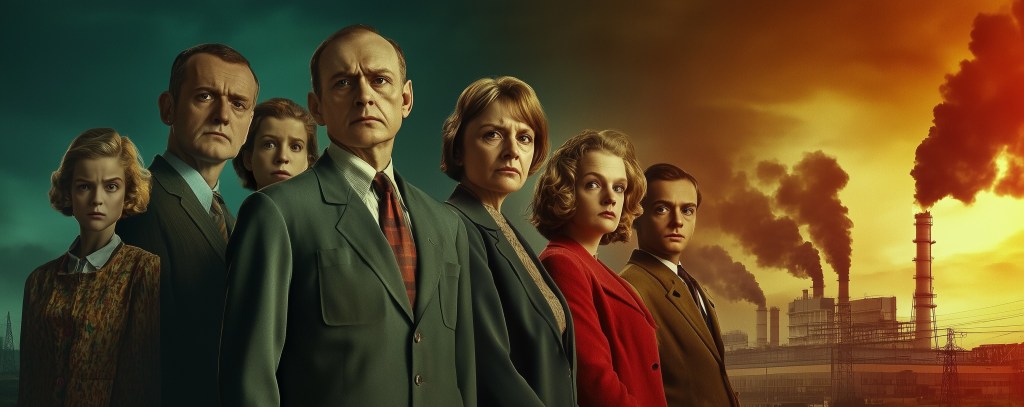
How ‘Chernobyl’ Built Tension Through Realism

The HBO series Chernobyl is a masterclass in tension, not just because of its gripping story, but because of the way it grounds the drama in meticulous realism. Created by Craig Mazin, the series reconstructs the catastrophic events surrounding the 1986 Chernobyl nuclear disaster. While it could have easily fallen into the traps of melodrama or sensationalism, the show instead takes a more grounded approach, building its tension not through over-the-top theatrics, but through an unflinching commitment to truth and detail.

This article explores how Chernobyl achieved its edge-of-your-seat intensity through realism, focusing on its storytelling, character work, and production design. Screenwriters, take note—there’s much to learn from this extraordinary series.


1. The Power of Small, Authentic Details

At the heart of Chernobyl’s realism is its attention to small details. From the opening moments, the show plunges the audience into the disorienting and horrifying reality of the disaster. Geiger counters click ominously, the air grows thick with dust, and ordinary workers in the control room trade glances that escalate from confusion to terror.

The screenwriting shines here by showing, not telling. Instead of immediately dumping exposition about nuclear reactors, Mazin allows the environment to communicate the danger. The popping sound of graphite on fire and the subtle shift in tone as workers realize the severity of the explosion provide all the tension the scene needs.

For screenwriters, this demonstrates the importance of detail. Instead of leaning on dialogue to convey stakes, Chernobyl uses the setting and action itself to immerse the viewer, letting the audience feel the weight of the disaster.


2. Humanizing the Catastrophe

Disaster stories often risk becoming impersonal, focusing on the mechanics of the event rather than its impact on individuals. Chernobyl avoids this trap by grounding the story in the experiences of ordinary people—workers, firefighters, scientists, and civilians caught in the disaster’s wake.

One standout example is the story of firefighter Vasily Ignatenko and his wife, Lyudmilla. Their relationship humanizes the disaster, turning the abstract horror of radiation poisoning into something heartbreakingly tangible. Vasily’s slow, painful deterioration is portrayed with stark, unflinching realism, showing the devastating human toll of the disaster.

Screenwriters can learn from this emphasis on the personal. Even in large-scale stories, focusing on individual experiences creates a connection with the audience, making the stakes feel immediate and relatable.


3. Real-World Constraints Amplify Tension

Rather than inventing artificial obstacles, Chernobyl leans into the real-world challenges faced by its characters. This not only reinforces the show’s authenticity but also heightens the tension. For example, much of the drama comes from the bureaucratic inertia and denial that plague the Soviet response to the disaster.

Characters like Valery Legasov (the nuclear physicist), Boris Shcherbina (a Soviet politician), and Ulana Khomyuk (a composite character representing scientists) are trapped not just by the physical realities of the disaster, but by a rigid, oppressive political system. The inability to speak the truth openly, the fear of repercussions, and the relentless suppression of information add layers of tension to every scene.

This is a crucial lesson for writers. External obstacles, such as bureaucratic hurdles or systemic failures, can be as compelling—and sometimes more so—than traditional antagonists. These barriers feel real because they reflect challenges that exist in our world, making the stakes more relatable.


4. The Role of Silence and Restraint

One of Chernobyl’s most striking qualities is its use of silence. Many pivotal moments are devoid of music, allowing the sounds of the environment to dominate. The hiss of steam, the hum of machinery, and the eerie quiet of an abandoned town create a sense of foreboding that no orchestral score could match.

This choice forces viewers to confront the horror head-on, without the emotional cues typically provided by music. The lack of a musical safety net heightens the tension, making the scenes feel raw and immediate.

For screenwriters, this underscores the power of restraint. Sometimes, what you leave out is as important as what you include. Silence, when used effectively, can amplify drama and keep the audience on edge.


5. Complex Characters Facing Moral Dilemmas

Chernobyl’s characters are compelling not because they are heroes or villains, but because they are deeply human. Valery Legasov is principled but conflicted, burdened by the knowledge that his expertise is both saving lives and revealing horrifying truths. Boris Shcherbina transforms from a skeptical bureaucrat to someone who deeply cares about the people affected.

Even minor characters, like plant workers and villagers, are written with care, reflecting the complex web of emotions—fear, denial, courage, and guilt—that define human responses to crises.

The show’s moral dilemmas further deepen the tension. Should the truth be exposed, even if it costs lives? How far should individuals go to protect the state’s image? These questions resonate because they feel universal, reminding viewers of the ethical complexities inherent in many real-world decisions.


6. Visual Authenticity and Production Design

The series’ commitment to realism extends to its visual design. The meticulous recreation of 1980s Soviet Ukraine, from the architecture to the clothing, immerses the viewer in the world of Chernobyl. The drab, muted color palette captures the oppressive atmosphere of the time, while the haunting depiction of the reactor and its aftermath serves as a constant reminder of the disaster’s scale.

For writers, this level of visual detail reinforces the importance of setting. A well-realized environment can act as a character in its own right, shaping the mood and driving the narrative.


7. Pacing That Mirrors Real-Life Escalation

Chernobyl builds its tension gradually, mirroring the way the real disaster unfolded. The first episode focuses on the immediate aftermath of the explosion, while subsequent episodes explore the longer-term consequences and the eventual unraveling of the truth.

This measured pacing allows the audience to fully grasp the complexity of the event. By refusing to rush through key moments, the show creates a sense of inevitability, as though the disaster is a slow-moving avalanche that cannot be stopped.

Screenwriters can take inspiration from this approach by recognizing the value of pacing. Building tension doesn’t always mean constant action; sometimes, the slow drip of information or the creeping realization of danger is more effective.


8. Balancing Fact with Narrative

One of the biggest challenges in telling a story based on real events is balancing factual accuracy with narrative demands. Chernobyl succeeds by prioritizing emotional and thematic truth over strict adherence to historical detail.

While some characters and events are composites, they serve the larger purpose of conveying the systemic failures and human consequences of the disaster. The show doesn’t aim to be a documentary; instead, it uses creative liberties to emphasize the broader truths of the story.

This is an important takeaway for writers working with real-life material. Staying true to the essence of a story often matters more than rigidly following every detail. Emotional authenticity can resonate more deeply with audiences than factual precision.


Conclusion: Lessons for Writers

Chernobyl is a triumph of tension-building through realism, offering invaluable lessons for screenwriters and storytellers. By focusing on small, authentic details, humanizing the catastrophe, and leaning into real-world challenges, the show creates a gripping narrative that feels both immediate and timeless.

Its use of silence, complex characters, and visual authenticity further enhance its impact, while its careful pacing and balanced approach to fact and fiction demonstrate the power of thoughtful storytelling.

For anyone seeking to create stories that grip audiences and stay with them long after the credits roll, Chernobyl is an essential study. Its realism is not just a stylistic choice; it’s the foundation of its tension, proving that the truth, when told well, is often more compelling than fiction.


✍️  Whether you’re mastering the art of dialogue, structure, or character development, the power of AI can be a game-changer in your writing journey. My Free Ebook, ‘AI for Authors’ delves into how AI-powered prompts can provide a unique edge to your storytelling process. If you’re intrigued by the prospect of supercharging your fiction skills, download your free copy today and explore new horizons in creative writing. 

AI in Hollywood: Weekly News, December 19, 2024

As we step into 2025, the landscape of Hollywood and the entertainment industry at large is undergoing a seismic shift, propelled by the relentless march of artificial intelligence. This technological revolution is reshaping every facet of the industry, from content creation to rights management, and even the very nature of acting itself. Let’s dive into the latest developments and their implications for screenwriters, actors, and the future of filmmaking.

Cineverse’s AI Rights Management: A New Frontier for Content Monetization

In a groundbreaking move, Cineverse, the indie studio behind the popular Terrifier franchise, has launched Matchpoint Reel Visuals AI, a service that’s set to revolutionize how content owners monetize their intellectual property in the age of AI. This innovative platform connects content owners with AI companies, opening up new revenue streams through AI training opportunities.

The Mechanics of Matchpoint

Matchpoint Reel Visuals AI is designed as a comprehensive solution for content owners, including independent production companies, studios, and content aggregators. By eliminating delivery costs that often eat into profitability, the service streamlines the process of licensing content for AI training purposes.

The platform has already made significant strides, securing deals that encompass approximately 350,000 hours of video and audio content. This vast library serves as a treasure trove for AI companies looking to train their algorithms on diverse media.

Ethical Considerations and Guardrails

In an industry where the use of copyrighted materials for AI training has sparked controversy and legal battles, Cineverse is taking a proactive stance on ethical practices. Tony Huidor, COO and CTO of Cineverse, emphasizes the importance of respecting intellectual property rights and ensuring fair compensation for content owners.

To this end, Matchpoint has implemented strict guardrails:

  • Content licensed through the platform can only be used for AI training.
  • Web scraping and alternative usage are expressly prohibited.

These measures aim to establish a framework that balances the needs of AI development with the rights of content creators.

The Growing AI Training Dataset Market

The launch of Matchpoint comes at a crucial time, as the AI training dataset market is poised for explosive growth. Industry projections estimate that this market will expand from $2.6 billion in 2024 to a staggering $10.3 billion by 2030. This growth trajectory underscores the increasing demand for high-quality, diverse content to train AI models.

For screenwriters and content creators, this presents a unique opportunity to monetize their work beyond traditional distribution channels. As AI becomes more sophisticated, the value of well-crafted narratives and diverse content libraries is likely to increase, potentially opening up new revenue streams for writers and producers.

YouTube and CAA Join Forces: Protecting Digital Likenesses

In a move that directly addresses the concerns of actors and performers, YouTube has partnered with Creative Artists Agency (CAA) to develop tools that give creators and artists greater control over AI-generated depictions of their likeness on the platform.

The Collaboration’s Objectives

This initiative aims to empower talent while maintaining their creative control over their digital presence. The tools being developed include:

  • Early-stage technology for identifying AI-generated content
  • Management systems for controlling how digital likenesses are used
  • Streamlined processes for submitting removal requests through YouTube’s privacy complaint system

Industry Heavyweights Weigh In

The collaboration has garnered support from influential figures in the entertainment industry. YouTube CEO Neal Mohan emphasized the company’s commitment to a responsible AI approach, while CAA CEO Bryan Lourd highlighted the need for ethical AI ecosystems that protect artists while unlocking creative potential.

This partnership is particularly significant in light of recent controversies. For instance, CAA client Scarlett Johansson had to take legal action against OpenAI to prevent the unauthorized use of an AI-generated voice resembling her likeness. Such incidents underscore the urgent need for robust protections in the AI era.

CAA’s Proactive Stance

CAA has been at the forefront of addressing AI-related challenges for its clients. In May, the agency partnered with Veritone to create “CAAVault,” a synthetic media vault designed to store digital assets of clients, including their names, images, and voice recordings. This proactive approach demonstrates the agency’s commitment to safeguarding its clients’ digital rights in an increasingly AI-driven landscape.

The De-Aging Dilemma: AI in Film Production

The use of AI in film production, particularly for de-aging actors, has become a hot-button issue in Hollywood. The recent release of Robert Zemeckis’s film “Here” has brought this debate into sharp focus.

“Here” and the Controversy

“Here,” which reunites Tom Hanks and Robin Wright from “Forrest Gump,” utilized AI-driven de-aging technology to make its stars appear decades younger. While this technological feat is impressive, it has also sparked criticism and concern within the industry.

Lisa Kudrow’s Critique

Actress Lisa Kudrow voiced her concerns about the film on the “Armchair Expert” podcast, criticizing its endorsement of AI technology. Kudrow’s critique extends beyond just this film, touching on broader issues:

  • The potential impact on job opportunities for actors, especially up-and-coming performers
  • The future of human work in the entertainment industry in light of AI advancements
  • Societal implications, including the potential need for universal basic income if AI eliminates jobs

Tom Hanks’ Perspective

Tom Hanks, one of the stars of “Here,” has also weighed in on the AI debate. In May 2023, Hanks remarked on AI’s potential to allow him to continue acting posthumously through deepfake technology. He highlighted both the impressive capabilities of AI recreations and the ethical and legal ramifications of using a person’s likeness and voice without their consent.

The Oscar Race and AI

Despite the controversy, “Here” is among 20 movies competing for a spot on the Oscars shortlist for Best Visual Effects. This nomination underscores the growing acceptance and recognition of AI-driven tools in filmmaking, even as debates about their ethical use continue.

The Future of AI in Hollywood: Opportunities and Challenges

As we look to the future, it’s clear that AI will play an increasingly significant role in the entertainment industry. Recent technological advancements underscore this trend:

  • OpenAI’s launch of “Sora AI,” a video generator that creates videos from text prompts.
  • Google’s release of “Veo 2,” a 4K resolution video generation tool set to be integrated with YouTube Shorts and other products in 2025.

These developments promise to revolutionize content creation, potentially democratizing the filmmaking process and opening up new avenues for creative expression.

Implications for Screenwriters

For screenwriters, the AI revolution presents both opportunities and challenges:

  1. New Storytelling Tools: AI-powered tools could assist in story development, character creation, and even dialogue generation, potentially streamlining the writing process.
  2. Increased Competition: As AI becomes more sophisticated in generating narratives, screenwriters may face competition from AI-generated scripts.
  3. Rights Management: The Cineverse Matchpoint platform demonstrates the potential for writers to monetize their work in new ways through AI training datasets.
  4. Collaborative Potential: AI could serve as a powerful brainstorming tool, helping writers explore new narrative possibilities and overcome writer’s block.

The Actor’s Dilemma

For actors, the rise of AI presents a complex set of challenges:

  1. De-Aging Technology: While offering the potential for actors to play younger versions of themselves, this technology also raises concerns about job opportunities for younger performers.
  2. Digital Likeness Rights: The YouTube-CAA partnership highlights the growing importance of protecting an actor’s digital likeness and voice.
  3. Posthumous Performances: As Tom Hanks noted, AI opens up the possibility of actors “performing” long after they’ve passed away, raising ethical and legal questions.
  4. Changing Skill Sets: Actors may need to adapt to working with AI-generated elements or even competing with fully AI-generated performances.

Conclusion: Navigating the AI Frontier

As we navigate this new frontier, it’s clear that the entertainment industry must strike a delicate balance between embracing the potential of AI and protecting the rights and livelihoods of human creators. The initiatives by Cineverse, YouTube, and CAA represent important steps toward establishing ethical frameworks for AI use in entertainment.

For screenwriters, actors, and all creative professionals in Hollywood, staying informed and adaptable will be key. As AI continues to evolve, so too must our approach to storytelling, performance, and the very definition of creativity itself.

The AI revolution in Hollywood is not just about technological advancement; it’s about reimagining the art of storytelling for a new era. As we move forward, the challenge will be to harness the power of AI while preserving the human touch that lies at the heart of all great cinema.


✍️  Whether you’re mastering the art of dialogue, structure, or character development, the power of AI can be a game-changer in your writing journey. My Free Ebook, ‘AI for Authors’ delves into how AI-powered prompts can provide a unique edge to your storytelling process. If you’re intrigued by the prospect of supercharging your fiction skills, download your free copy today and explore new horizons in creative writing. 

Enhancing Accessibility: AI’s Role in Making Entertainment More Inclusive

Artificial intelligence (AI) is increasingly pivotal in enhancing accessibility within the entertainment industry, offering innovative solutions that make content more inclusive for individuals with disabilities. For screenwriters and content creators, understanding AI’s role in this transformation is essential to crafting narratives that resonate with a diverse audience.

AI-Powered Audio Descriptions for the Visually Impaired

AI has revolutionized the creation of audio descriptions, which narrate visual elements in films and television for visually impaired viewers. Traditionally, producing these descriptions was labor-intensive and time-consuming. Now, AI algorithms can analyze visual content and generate real-time audio descriptions, providing immediate access to visual information. For instance, Tencent’s Barrier-Free Theater utilizes AI to produce accessible films, reducing production time from 30 to 10 days, thereby expanding the availability of accessible content.

Enhancing Subtitles and Closed Captions with AI

For individuals who are deaf or hard of hearing, accurate subtitles and closed captions are vital. AI-driven speech recognition technologies have significantly improved the speed and precision of caption generation. These systems transcribe dialogue and relevant sounds in real-time, ensuring that audiences receive timely and accurate information. Moreover, AI facilitates the translation of subtitles into multiple languages, broadening the reach of content to non-native speakers and promoting global inclusivity.

AI-Generated Sign Language Interpretation

AI advancements have led to the development of automated sign language interpreters. These systems analyze spoken language and generate corresponding sign language through digital avatars, providing real-time interpretation for deaf and hard-of-hearing audiences. Integrating AI-generated sign language into media content ensures that sign language users have equitable access to information and entertainment.

Personalized Accessibility Features through AI

AI enables the customization of content to meet individual accessibility needs. By learning user preferences, AI can adjust various elements such as audio levels, text size, and contrast to enhance the viewing experience. For example, AI can modify complex language into simpler terms for individuals with cognitive disabilities, ensuring that content is comprehensible to a broader audience.

AI in Screenwriting: Crafting Inclusive Narratives

Screenwriters can leverage AI to analyze scripts for inclusivity, ensuring diverse representation and avoiding stereotypes. Tools like Story Spark assist writers in evaluating character diversity and narrative authenticity, promoting stories that reflect a wide range of experiences. By incorporating AI into the writing process, creators can produce content that resonates with and is accessible to diverse audiences.

Challenges and Ethical Considerations

While AI offers significant advancements in accessibility, it also presents challenges. Ensuring the accuracy of AI-generated content is crucial, as errors can lead to misinformation or misrepresentation. Additionally, ethical concerns regarding data privacy and the potential for AI to perpetuate biases must be addressed. Developers and content creators bear the responsibility of implementing AI solutions that are both effective and ethically sound.

The Future of AI in Entertainment Accessibility

As AI technology continues to evolve, its potential to enhance accessibility in entertainment grows. Future developments may include more sophisticated real-time translations, AI-generated content tailored for various disabilities, and immersive experiences that cater to all audiences. By embracing these advancements, the entertainment industry can move towards a more inclusive future, where content is accessible to everyone, regardless of their abilities.

In conclusion, AI plays a crucial role in making entertainment more inclusive. For screenwriters and content creators, integrating AI-driven accessibility features into their work is not only a technological advancement but also a step towards fostering a more inclusive and diverse media landscape.


✍️  Whether you’re mastering the art of dialogue, structure, or character development, the power of AI can be a game-changer in your writing journey. My Free Ebook, ‘AI for Authors’ delves into how AI-powered prompts can provide a unique edge to your storytelling process. If you’re intrigued by the prospect of supercharging your fiction skills, download your free copy today and explore new horizons in creative writing. 

Crafting the Anti-Climactic Ending: Lessons from ‘No Country for Old Men

In the realm of storytelling, endings are paramount. They encapsulate the narrative, leaving a lasting impression on the audience. While many strive for grandiose conclusions, there’s an art to crafting anti-climactic endings that resonate deeply and provoke thought long after the final scene fades. No Country for Old Men, directed by the Coen Brothers and based on Cormac McCarthy’s novel, stands as a masterclass in this nuanced approach. Let’s delve into the elements that make its ending so impactful and explore how screenwriters can harness similar techniques to elevate their narratives.

Understanding the Anti-Climactic Ending

An anti-climactic ending deliberately subverts traditional expectations of resolution. Instead of tying up all loose ends or delivering a definitive conclusion, it often leaves certain elements unresolved or concludes on a subdued note. This approach can evoke a range of emotions—ambiguity, contemplation, or even dissatisfaction—prompting the audience to engage more deeply with the story’s themes and characters.

The Purpose Behind the Subversion

Why choose an anti-climactic ending over a conventional one? The primary objective is to mirror the complexities and unpredictabilities of real life. Not every story concludes neatly, and reflecting this reality can lend authenticity and depth. Additionally, such endings can highlight the themes of the narrative more poignantly, allowing underlying messages to resonate without the distraction of a forced resolution.

No Country for Old Men: A Case Study

No Country for Old Men exemplifies the anti-climactic ending through its narrative structure and character arcs. The film follows Llewelyn Moss, a hunter who stumbles upon a drug deal gone wrong and a satchel of money, setting off a relentless pursuit by the enigmatic assassin Anton Chigurh. Sheriff Ed Tom Bell, representing old-school morality, tries to make sense of the escalating violence.

The Climactic Chase That Never Climaxes

Throughout the film, tension mounts as Moss attempts to evade Chigurh, leading to a series of high-stakes confrontations. However, instead of a final showdown where the protagonist triumphs or meets a clear fate, the film concludes with Moss’s disappearance and a reflective monologue by Sheriff Bell. This deliberate lack of closure defies the audience’s anticipation of a traditional climax, leaving the story’s resolution ambiguous.

Sheriff Bell’s Monologue: The Real Climax

The true climax emerges not from the action but from Bell’s introspective monologue about aging, morality, and the changing landscape of crime. This shift from external conflict to internal reflection underscores the film’s thematic focus, making the ending not anti-climactic in a negative sense but rather thematically profound.

Lessons for Screenwriters

Screenwriters aiming to craft anti-climactic endings can draw several key lessons from No Country for Old Men. Here’s how to implement these strategies effectively:

Embrace Ambiguity

One of the hallmarks of an anti-climactic ending is its inherent ambiguity. Instead of providing all the answers, allow certain elements to remain open to interpretation. This can engage the audience’s imagination, encouraging them to ponder the story’s implications beyond the screen.

Implementation Tips:

  • Identify which plot points can remain unresolved without undermining the story.
  • Use subtle cues and symbolism to suggest possible outcomes without spelling them out.
  • Trust the audience to derive meaning from the narrative’s open-endedness.

Focus on Character Development Over Plot Resolution

Prioritizing character arcs over plot can lead to endings that emphasize personal growth or philosophical insights rather than concrete outcomes. In No Country for Old Men, Sheriff Bell’s reflections provide a deeper understanding of his character and the story’s themes.

Implementation Tips:

  • Develop multi-dimensional characters with rich backstories and motivations.
  • Allow characters to evolve in ways that might not align with a neatly resolved plot.
  • Use the ending to highlight these transformations, even if the external circumstances remain unchanged.

Thematic Resonance

An anti-climactic ending should reinforce the story’s central themes. By aligning the conclusion with the narrative’s underlying messages, the ending gains a sense of purpose and cohesion, even without traditional resolution.

Implementation Tips:

  • Clearly define the core themes of your story from the outset.
  • Ensure that the ending reflects and reinforces these themes, even if it doesn’t provide a definitive conclusion.
  • Use visual and auditory motifs to subtly underscore thematic elements in the final scenes.

Subvert Genre Expectations

Understanding and intentionally subverting genre conventions can enhance the impact of an anti-climactic ending. If your audience expects a particular type of conclusion based on genre norms, defying these expectations can create a memorable and thought-provoking finale.

Implementation Tips:

  • Analyze the typical endings within your story’s genre.
  • Identify ways to twist or deviate from these norms without alienating the audience.
  • Use the subversion to highlight unique aspects of your story or to deepen thematic exploration.

Utilize Silence and Pacing

The pacing leading up to the ending can significantly influence its reception. A gradual deceleration, rather than a sudden drop, can prepare the audience for a subdued conclusion. Silence, both literal and metaphorical, can also enhance the weight of an anti-climactic ending.

Implementation Tips:

  • Control the narrative pace in the final acts to transition smoothly into the anti-climactic conclusion.
  • Use pauses and quiet moments to allow the audience to absorb and reflect on the story’s developments.
  • Let the ending breathe; resist the urge to rush towards a resolution.

Practical Steps to Crafting Your Anti-Climactic Ending

1. Define Your Story’s Core Message

Before contemplating the ending, clearly articulate what you want your story to convey. Whether it’s a commentary on fate, morality, or human nature, your ending should echo this central message.

Example: If your story explores the inevitability of change, an ending that reflects characters grappling with unalterable circumstances can reinforce this theme without resolving all plotlines.

2. Develop Complex Characters

Characters with depth and complexity are essential for an anti-climactic ending to resonate. Their unresolved journeys or internal conflicts can provide a natural segue into a less conventional conclusion.

Example: A protagonist facing moral dilemmas might reach a personal understanding or acceptance without a dramatic external resolution, leaving their future open-ended.

3. Plan for Subtlety

Subtlety is key in anti-climactic endings. Rather than overtly signaling the conclusion, use understated techniques to suggest closure or continuation.

Example: In No Country for Old Men, the absence of a definitive ending allows the audience to interpret the fate of the characters, maintaining the film’s tension and thematic depth.

4. Balance Expectations with Innovation

While innovation is important, maintaining a balance between subverting expectations and delivering a satisfying narrative is crucial. The ending should feel earned and organic to the story, not forced or arbitrary.

Example: Ensure that the anti-climactic elements arise naturally from the story’s progression and character development, rather than being inserted solely for shock value.

5. Test Audience Reactions

Before finalizing your ending, gauge how it resonates with others. Feedback can help you understand whether the anti-climactic conclusion achieves the desired emotional and thematic impact.

Example: Share drafts or scripts with trusted peers or focus groups to observe their reactions and adjust accordingly to enhance the ending’s effectiveness.

Potential Pitfalls and How to Avoid Them

While anti-climactic endings can be powerful, they also carry risks. Missteps can lead to audience frustration or a sense of incompleteness. Here’s how to navigate common challenges:

Avoiding Frustration with Lack of Resolution

If an ending feels too unresolved, it can leave the audience dissatisfied. To prevent this, ensure that even if plot points remain open, the emotional or thematic arc feels complete.

Solution:

  • Provide emotional closure through character development, even if external conflicts persist.
  • Use visual or narrative cues to suggest possibilities without committing to specific outcomes.

Maintaining Narrative Cohesion

An anti-climactic ending should still align with the story’s overall narrative structure. Disjointed or abrupt conclusions can disrupt the story’s flow.

Solution:

  • Ensure that the ending is foreshadowed and consistent with the story’s tone and progression.
  • Integrate subtle hints throughout the narrative that prepare the audience for an unconventional conclusion.

Balancing Ambiguity and Clarity

While ambiguity is a strength, excessive uncertainty can confuse or alienate the audience. Strive for a balance where the ending provokes thought without leaving the audience entirely adrift.

Solution:

  • Clarify key themes and character motivations to provide a framework within which ambiguity can exist.
  • Use symbolic elements to guide the audience towards intended interpretations without overt explanation.

The Impact of No Country for Old Men’s Ending on the Audience

The ending of No Country for Old Men leaves viewers contemplating the nature of fate, morality, and the passage of time. By eschewing a traditional climax, the film invites a deeper engagement with its themes, prompting discussions and varied interpretations. This lasting impact underscores the effectiveness of an anti-climactic conclusion when executed with intention and finesse.

Encouraging Post-Viewing Reflection

An anti-climactic ending often serves as a catalyst for post-viewing analysis. Audiences may revisit the film, uncovering new layers and meanings with each reflection.

Example: The final scenes of No Country for Old Men encourage viewers to ponder the inevitability of violence and the shifting moral landscape, fostering ongoing dialogue and interpretation.

Enhancing Thematic Depth

By focusing on thematic resonance over plot resolution, the ending enriches the story’s overall message. It allows the narrative to linger in the audience’s mind, reinforcing the story’s core ideas.

Example: Sheriff Bell’s reflections highlight the generational shifts and moral ambiguities, deepening the film’s exploration of good and evil beyond the immediate storyline.

Conclusion: The Power of the Anti-Climactic

Crafting an anti-climactic ending requires a delicate balance of narrative control, thematic depth, and character development. No Country for Old Men demonstrates that such endings can be profoundly impactful, leaving audiences both unsettled and contemplative. For screenwriters and storytellers, embracing this approach can lead to more authentic and memorable narratives that resonate on a deeper level.

By understanding the principles behind anti-climactic conclusions and learning from exemplary works like No Country for Old Men, writers can enhance their storytelling prowess, creating endings that not only defy expectations but also elevate the entire narrative experience.

Embracing the anti-climactic doesn’t mean shying away from crafting compelling stories. Instead, it invites writers to explore the subtleties of human experience, mirroring life’s unpredictability and complexity. As you embark on your next writing project, consider the power of an ending that lingers, challenges, and ultimately, speaks to the heart of your narrative.


✍️  Whether you’re mastering the art of dialogue, structure, or character development, the power of AI can be a game-changer in your writing journey. My Free Ebook, ‘AI for Authors’ delves into how AI-powered prompts can provide a unique edge to your storytelling process. If you’re intrigued by the prospect of supercharging your fiction skills, download your free copy today and explore new horizons in creative writing.