AI Weekly News: January 24, 2025

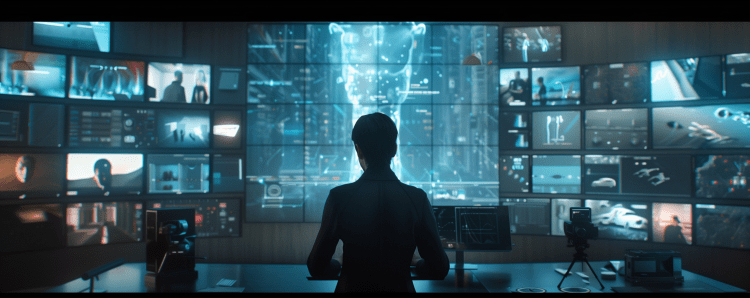
The entertainment industry is witnessing a rapid evolution with the integration of artificial intelligence (AI) across various domains. From enhancing film production to revolutionizing sports competitions, AI is making its presence felt in ways that were once considered science fiction. Let’s explore some of the latest developments and their potential impact on the future of entertainment.
AI in Film Production: The Case of “The Brutalist”

The recent Golden Globe-winning film “The Brutalist” has sparked discussions about the use of AI in filmmaking, particularly in dialogue enhancement. Director Brady Corbet revealed that AI technology was employed in postproduction to refine Hungarian-language dialogue for stars Adrien Brody and Felicity Jones.

Respeecher Technology: Enhancing Without Altering

The film utilized Respeecher technology to fine-tune vowels and letters in the Hungarian dialogue, ensuring accuracy while preserving the authenticity of the actors’ performances. This application of AI demonstrates its potential to enhance language accuracy in films without compromising the integrity of the original performances.

Director’s Perspective on AI Usage

Brady Corbet emphasized that the AI implementation was limited to dialogue editing in Hungarian and was employed manually with respect for the actors’ craft. This careful approach highlights the importance of balancing technological advancements with the preservation of artistic integrity in filmmaking.

AI’s Expanding Role in Hollywood

The use of AI in “The Brutalist” is just one example of its growing presence in the film industry. AI technologies are increasingly being utilized for various purposes:

  1. Voice Modulation and Dubbing: AI is being used to modify and recreate voices, allowing for more seamless dubbing and voice alterations.
  2. Automated Dialog Replacement (ADR): AI-powered tools are streamlining the process of replacing dialogue in post-production.
  3. Digital Likenesses: AI is enabling the creation of realistic digital versions of actors, as seen in the de-aging of Harrison Ford in “Indiana Jones and the Dial of Destiny”.
  4. Voice Recreation: Mark Hamill’s voice in “The Mandalorian” was recreated using AI technology, showcasing its potential in bringing back iconic voices.

Ethical Considerations and Industry Concerns

While AI offers exciting possibilities, it also raises important ethical questions and concerns within the industry:

Potential Job Displacement

Critics worry that the widespread adoption of AI could lead to job losses in various sectors of the film industry, from voice actors to post-production specialists.

Authenticity of Performances

There are concerns about the potential compromise of performance authenticity when AI is used extensively in altering or recreating actors’ work.

Protecting Actors’ Rights

SAG-AFTRA, the actors’ union, has prioritized the protection of actors’ voices, likenesses, and performances in the face of advancing AI technology.

Ethical AI Use: A Collaborative Approach

Companies developing AI technologies for the film industry, such as Respeecher and Flawless, emphasize the importance of ethical and consensual use of their tools. They are actively collaborating with industry guilds to ensure responsible implementation.

New AI Tools in Filmmaking

Flawless has developed innovative technologies that are already being used in major productions:

  • True Sync: This tool enhances dubbing by improving lip synchronization.
  • Deep Editor: Allows for dialogue modification in postproduction.

These technologies have been employed in films like “Kraven the Hunter” and “Venom: The Last Dance”, showcasing their practical applications in high-profile productions.

Historical Context: Digital Effects in Cinema

The use of AI in filmmaking is part of a longer history of digital effects altering performances:

  1. Black Swan: Natalie Portman’s face was digitally imposed on a ballet double.
  2. Behind the Candelabra: Michael Douglas’s head was placed on a pianist’s body.
  3. Lord of the Rings and Planet of the Apes series: Performance capture technology was used to create characters like Gollum and Caesar.

These examples illustrate the film industry’s ongoing exploration of digital technologies to enhance storytelling and visual effects.

AI Beyond Cinema: Revolutionizing Sports Judging

The influence of AI is extending beyond the realm of filmmaking into sports entertainment, as evidenced by the recent announcement from the X Games.

AI Judging at X Games

In a groundbreaking move, the X Games is introducing AI judging technology for ski and snowboard competitions in the “superpipe” freestyle course. This pilot program, developed in partnership with Google Cloud, will replace human judges with AI evaluations.

Judging Criteria and Technology

The AI system will assess performances based on traditional criteria such as combinations, flow, difficulty, amplitude, and execution. It utilizes Google Cloud’s tools, including Vertex AI and large language models, to analyze video footage and capture data on various metrics.

Goals and Potential Impact

The introduction of AI judging aims to:

  1. Enhance objectivity in judged sports
  2. Increase fan engagement
  3. Provide athletes with more detailed performance feedback

This innovative approach could potentially influence other judged sports like figure skating, diving, and gymnastics, where objectivity is often a subject of debate.

The Future of AI in Entertainment

As AI continues to evolve and integrate into various aspects of the entertainment industry, we can expect to see:

  1. More sophisticated dialogue enhancement and dubbing technologies
  2. Advanced digital recreations of actors and performances
  3. Increased use of AI in post-production processes
  4. Potential applications in live events and sports judging

However, these advancements will likely be accompanied by ongoing discussions about ethics, job security, and the preservation of artistic integrity.

Conclusion

The integration of AI in Hollywood and sports entertainment represents a significant shift in how content is created, enhanced, and judged. From improving dialogue in films like “The Brutalist” to revolutionizing judging in extreme sports, AI is opening new possibilities while also raising important questions about the future of creative industries.

As we move forward, it will be crucial for industry professionals, technologists, and policymakers to work together to ensure that AI is used responsibly and ethically. The goal should be to harness the power of AI to enhance creativity and entertainment while respecting the irreplaceable human elements that make these industries truly special.

The coming years will undoubtedly bring more innovations and debates as AI continues to shape the landscape of entertainment. As creators and consumers, we must stay informed and engaged in these discussions to help guide the future of our beloved industries.


✍️  Whether you’re mastering the art of dialogue, structure, or character development, the power of AI can be a game-changer in your writing journey. My Free Ebook, ‘AI for Authors’ delves into how AI-powered prompts can provide a unique edge to your storytelling process. If you’re intrigued by the prospect of supercharging your fiction skills, download your free copy today and explore new horizons in creative writing. 

Preserving Cultural Authenticity: The Challenges of AI in Diverse Storytelling

As we enter 2025, the landscape of storytelling is undergoing a profound transformation. Artificial Intelligence (AI) has become an integral part of the creative process, offering new possibilities and challenges for writers across various mediums. While AI presents exciting opportunities for efficiency and innovation, it also raises important questions about cultural authenticity and the preservation of diverse voices in storytelling.

The AI Revolution in Indian Cinema

The Indian film industry, known for its vibrant storytelling and dynamic cinematography, is at the forefront of this technological revolution. AI and machine learning are reshaping how films are made and experienced, from scriptwriting to visual effects[1].

AI-Powered Scriptwriting: Indian writers are now using AI tools to draft scripts, generate dialogue, and even predict box office success. This streamlines the creative process and helps ensure content resonates with target audiences[1].

Enhanced Visual Effects: AI technologies are democratizing high-quality visual effects, allowing even small-budget films to achieve Hollywood-level spectacles at a fraction of the cost and time[1].

Interactive Film Experiences: The concept of AI-driven interactive films, where audiences influence the story arc in real-time, is gaining traction. This could revolutionize how viewers engage with movies, turning passive watching into an interactive experience[1].

Preservation and Restoration: AI is playing a crucial role in preserving India’s rich cinematic heritage. Machine learning algorithms are being used to restore old and damaged films, ensuring that classic masterpieces remain accessible to future generations[1].

While these advancements are exciting, they also raise concerns about the potential homogenization of creative output and the risk of stifling unique narrative voices[1].

AI’s Role in Amplifying Diverse Voices

As AI continues to evolve, there’s growing interest in its potential to amplify underrepresented voices and perspectives in writing. From screenplays to journalism, AI is making its presence felt in how we craft narratives and portray different voices[2].

Data-Driven Character Development: AI algorithms can analyze vast amounts of demographic data, cultural information, and historical records to help writers create more nuanced and authentic characters. This approach can serve as a starting point for developing well-rounded characters that avoid stereotypes and one-dimensional portrayals[2].

Language and Dialect Assistance: AI-powered language models can assist writers in crafting more authentic dialogue by providing suggestions based on regional dialects, colloquialisms, and speech patterns[2].

Identifying Unconscious Bias: One of the most intriguing possibilities of AI in writing is its potential to help identify unconscious biases in storytelling. AI algorithms could analyze scripts and manuscripts to flag potential issues related to representation, such as imbalanced screen time for characters from underrepresented groups or stereotypical character traits[2].

The Authenticity Dilemma

While AI offers powerful tools for diverse representation, it also raises questions about authenticity. The concept of authenticity in storytelling is closely tied to human experience, emotion, and cultural nuance – elements that AI, despite its sophistication, may struggle to fully capture[3].

Defining Authenticity in Content: Authenticity in content is about showing up on an inherently human level with a unique voice and perspective. It’s often associated with first-hand experience, expertise, and a certain level of candor and transparency[3].

AI’s Limitations: While AI can mimic human language patterns and replicate ideas, it can’t be relied on for original perspectives, draw meaning from lived experiences, or provide true first-person opinions. It’s inherently synthetic[3].

The Role of Human Creativity: Despite AI’s capabilities, human creativity remains irreplaceable in storytelling. The spark of originality, the ability to challenge conventional ideas, and the capacity to weave diverse voices and experiences into narratives are still uniquely human traits[3].

Balancing AI and Cultural Representation

As we navigate the intersection of AI and storytelling, it’s crucial to find a balance that leverages technology while preserving cultural authenticity and diversity.

Brand Fusion: Some companies are exploring ways to strengthen connections by partnering with diverse creators for authentic storytelling. By leveraging platforms like TikTok’s Creator Marketplace, brands can build lasting bonds through varied, unfiltered content that resonates with specific audience segments[4].

Identity Osmosis: Brands and storytellers are evolving alongside shifting consumer values, integrating diverse perspectives into their identities. Engaging with global communities can foster inclusivity and empathy in storytelling[4].

Creative Catalysts: AI and new creative tools are redefining marketing strategies and storytelling techniques. Features like TikTok’s Symphony Assistant can transform trending content into ready-to-film concepts, while formats like Image Ads help maintain audience engagement by mixing visual storytelling styles[4].

The Risks of AI in Cultural Representation

While AI offers exciting possibilities for diverse storytelling, it also presents significant risks that storytellers and content creators must be aware of.

Narrow Cultural Context: Studies suggest that generative AI systems may convey a narrow view of cultural context, prioritizing certain ideas and places as “cultural” while potentially overlooking others[5].

Exacerbating Power Relationships: There’s a risk that AI tools could jeopardize cultural diversity by reinforcing existing power structures and even aggravating segregation[5].

Data Bias: The training data used in AI systems may not be sufficiently inclusive, leading to outputs that lack nuance or misrepresent certain cultures and perspectives[5].

Moving Forward: Recommendations for Storytellers

As we continue to explore the potential of AI in storytelling, here are some recommendations for writers and content creators:

  1. Combine AI with Human Insight: Use AI as a tool to enhance your storytelling, but always combine it with human creativity, cultural knowledge, and lived experiences.
  2. Verify and Validate: When using AI for cultural representation, always verify the information and seek validation from individuals with authentic cultural experiences.
  3. Embrace Diverse Collaborations: Partner with creators from different backgrounds to ensure a wide range of perspectives in your storytelling.
  4. Stay Informed: Keep up-to-date with the latest developments in AI and its implications for storytelling and cultural representation.
  5. Advocate for Inclusivity: Push for more inclusive training data and transparent AI systems that acknowledge their limitations.

Conclusion: The Future of AI in Diverse Storytelling

As we look to the future, it’s clear that AI will continue to play a significant role in shaping how we tell stories and represent diverse cultures. While it offers powerful tools for efficiency and innovation, the preservation of cultural authenticity and diverse voices must remain a priority.

The challenge for storytellers in 2025 and beyond will be to harness the potential of AI while maintaining the human touch that makes stories resonate on a deep, cultural level. By approaching AI as a complement to human creativity rather than a replacement, we can work towards a future where technology enhances our ability to tell rich, diverse, and authentic stories.

As we continue to navigate this evolving landscape, open dialogue, ongoing research, and a commitment to ethical storytelling will be crucial. The future of diverse storytelling in the age of AI is not predetermined – it’s up to us to shape it responsibly and inclusively.


✍️  Whether you’re mastering the art of dialogue, structure, or character development, the power of AI can be a game-changer in your writing journey. My Free Ebook, ‘AI for Authors’ delves into how AI-powered prompts can provide a unique edge to your storytelling process. If you’re intrigued by the prospect of supercharging your fiction skills, download your free copy today and explore new horizons in creative writing. 

Citations:

[1] https://www.qhubo.com.ni/news2/ai-revolutionizes-indian-cinema-the-future-of-filmmaking-is-here/32222/
[2] https://aiinscreentrade.com/2025/01/07/amplifying-diversity-ais-capacity-to-represent-underrepresented-voices/
[3] https://www.skyword.com/contentstandard/is-authenticity-lost-when-ai-enters-the-narrative/
[4] https://www.bandt.com.au/tiktok-focused-on-brand-chem-as-it-launches-whats-next-2025-trend-report/
[5] https://www.nature.com/articles/s41599-024-03968-5
[6] https://www.campaignindia.in/article/ai-meets-authenticity-the-future-formula-for-brand-success/500087
[7] https://courier.unesco.org/en/articles/museums-change-their-story
[8] https://lbbonline.com/news/ais-impact-on-advertising-2025-predictions-artificial-intelligence
[9] https://etedge-insights.com/industry/marketing/ai-to-authenticity-advertisings-game-changing-trends-for-2025/
[10] https://zerogravitymarketing.com/blog/authentic-storytelling-drives-organic-social-growth-2025/
[11] https://newsroom.tiktok.com/en-au/tiktok-whats-next-2025-trend-report
[12] https://www.linkedin.com/pulse/dei-decolonizing-ai-2025-6-louisa-ibhaze-msc-x12hc
[13] https://www.linkedin.com/pulse/2025-year-ai-art-storytellingheres-why-lisa-russell-hgbef
[14] https://yourstory.com/2025/01/visual-storytelling-can-help-d2c-brands-create-visual-edge
[15] https://www.yahoo.com/tech/8-ai-predictions-2025-ai-141500349.html
[16] https://raindance.org/impact-of-artificial-intelligence-on-cultural-narratives/
[17] https://www.etvbharat.com/en/!lifestyle/maha-kumbh-mela-2025-digital-experience-centre-using-artificial-intelligence-enn25011300666
[18] https://call-for-papers.sas.upenn.edu/cfp/2025/01/08/ai-cultural-production
[19] https://www.washingtonpost.com/opinions/2025/01/08/meta-ai-bots-backlash-racist/
[20] https://www.linkedin.com/pulse/humanizing-ai-charting-path-from-authenticity-2025-sundeep-sanghavi-2m5re
[21] https://www.theartnewspaper.com/2025/01/02/from-ai-growing-pains-to-influencer-powerfive-social-media-trends-shaping-the-art-world-in-2025
[22] https://angelusnews.com/arts-culture/ai-in-2025/

Creating Atmospheric Horror: A Study of ‘Hereditary’

Ari Aster’s Hereditary (2018) has often been hailed as one of the most unsettling and masterful horror films of the 21st century. Its impact on audiences is rooted not in jump scares or gore but in its pervasive, suffocating atmosphere. For screenwriters and storytellers, Hereditary provides a textbook case of how to construct horror through mood, character, and subtext. Let’s dive into the techniques that make this film a masterpiece of atmospheric horror.

Building Horror Through Character: The Tragedy of the Graham Family

At its core, Hereditary is a family drama steeped in grief, dysfunction, and inherited trauma. The horror doesn’t come from supernatural forces alone but from the very human pain of the characters. Each family member represents a piece of a shattered whole, and their individual struggles serve as entry points for the film’s creeping dread.

  • Annie’s Burden: Annie (Toni Collette) is the emotional core of the film, and her grief manifests in unpredictable, often destructive ways. Her struggle with motherhood, her fraught relationship with her own mother, and her sense of guilt are portrayed with unflinching honesty. Screenwriters can learn from how Hereditary externalizes Annie’s internal turmoil, letting it seep into the film’s atmosphere.
  • Peter and Charlie: Peter’s guilt and repression collide with the eerie presence of Charlie, his younger sister. Their dynamic underscores how unresolved family tensions can bubble to the surface in catastrophic ways. Aster’s script uses subtext—unspoken accusations, lingering glances, and awkward silences—to create a palpable sense of unease.

By grounding its horror in these deeply personal conflicts, Hereditary achieves a level of intimacy that makes its supernatural elements feel terrifyingly plausible.


The Role of Setting: A House of Secrets

The Graham family home is a microcosm of the film’s oppressive atmosphere. From the layout of the rooms to the dim lighting, every aspect of the house feels purposefully designed to amplify the story’s tension.

  • Claustrophobic Spaces: The house feels like a labyrinth, with narrow hallways and isolated rooms that mirror the family’s disconnection. The miniature dioramas that Annie creates also serve as an eerie parallel to the characters’ lives, as if they are pieces in a larger, inescapable game.
  • Lighting and Color: The muted color palette of browns, grays, and shadows evokes a sense of decay and entrapment. Meanwhile, the interplay of light and shadow in key scenes—such as the silhouette of Annie in Peter’s room—creates a visual language of dread.

For writers, setting isn’t just a backdrop; it’s a character in itself. The Graham house reinforces the film’s themes of isolation and inevitability, showing how a carefully chosen location can elevate a story.


Pacing and Tension: The Slow Burn Approach

Hereditary is a masterclass in pacing, deliberately building tension over time rather than resorting to quick thrills. This slow-burn approach allows the horror to feel organic and deeply rooted in the narrative.

  • Establishing the Normal: The film begins with what seems like a traditional family drama, grounding the audience in a world that feels real and relatable. This baseline of normalcy makes the eventual descent into chaos all the more shocking.
  • Layering Suspense: Aster introduces unsettling elements incrementally—a cryptic note in a book, a strange sound at night, or an eerie figure in the background. Each new detail deepens the sense of unease without overwhelming the audience.
  • Explosive Payoffs: When the horror does erupt, it’s devastating. The decapitation of Charlie is one of the most shocking moments in modern horror, not because of its graphic nature but because it subverts expectations and shifts the narrative into uncharted territory.

Screenwriters should take note of how Hereditary uses pacing as a tool to build suspense. By allowing moments of quiet to linger, the film creates space for tension to grow, making the climactic scares feel earned.


Sound Design and Music: The Silent Threat

The soundscape of Hereditary is another key element in crafting its atmosphere. From its haunting score to its unsettling use of silence, the film manipulates sound to keep viewers on edge.

  • The Score: Colin Stetson’s score is an integral part of the film’s atmosphere, blending discordant strings and ambient noise to evoke a sense of unease. The music doesn’t just accompany the visuals; it amplifies the emotional and psychological weight of the story.
  • Diegetic Sound: The film’s use of diegetic sound—the creaking of floorboards, the rustling of trees, the ominous click of Charlie’s tongue—creates a visceral sense of presence. These sounds ground the supernatural elements in a tangible reality, making them feel all the more terrifying.
  • Strategic Silence: Silence is just as powerful as sound in Hereditary. Moments of stillness, such as Annie sitting alone in her workshop, allow the audience to anticipate dread, filling the void with their own fears.

For writers, this emphasizes the importance of considering how sound—or its absence—can be used to heighten tension and atmosphere in storytelling.


Themes of Fate and Inescapability

One of the most unsettling aspects of Hereditary is its exploration of fate and the lack of agency. The Graham family seems doomed from the start, their lives manipulated by forces beyond their control.

  • Inherited Trauma: The idea of inheritance runs throughout the film, from Annie’s relationship with her mother to the demonic pact that ensnares the family. This generational curse serves as a metaphor for the inescapability of trauma, showing how the past can shape and destroy the future.
  • Symbolism: The use of symbols, such as the sigil of Paimon or the miniature dioramas, reinforces the theme of predestination. These visual motifs suggest that the characters’ fates are preordained, stripping them of their autonomy.

Writers can learn from how Hereditary weaves its themes into every aspect of the story. By making fate and inevitability central to the narrative, the film creates a sense of dread that lingers long after the credits roll.


Subverting Horror Tropes

While Hereditary draws from classic horror influences, it also subverts many genre conventions to deliver something fresh and unexpected.

  • The Family Unit: Traditional horror often portrays the family as a source of strength, but in Hereditary, it’s a source of vulnerability. The Graham family’s inability to communicate or support one another exacerbates their suffering.
  • No Safe Haven: In many horror films, there are moments of relief—places or people the protagonist can turn to for safety. In Hereditary, there is no such reprieve. Even the support group Annie attends becomes a gateway to further horror.
  • Unconventional Ending: The film’s climax, which fully embraces the supernatural, defies expectations by leaning into its occult roots. Rather than offering closure, it leaves viewers with a chilling sense of finality.

For screenwriters, this willingness to challenge conventions is a reminder that the most memorable stories often come from defying audience expectations.


Lessons for Writers

  1. Root Horror in Emotion: Hereditary demonstrates that the most effective scares are those grounded in real human experiences. Grief, guilt, and family trauma make the supernatural elements feel relatable and deeply unsettling.
  2. Use Atmosphere as a Character: The film’s setting, lighting, and sound design all contribute to its oppressive mood. Writers should think about how every element of their story can enhance the atmosphere.
  3. Pace the Story with Intention: A slow build allows tension to simmer and makes the climactic moments hit harder. Avoid rushing to the scares; let the audience sit with their discomfort.
  4. Subvert Expectations: By playing with and subverting genre tropes, Hereditary keeps the audience guessing, which is key to maintaining suspense.
  5. Weave Themes Throughout: The film’s exploration of fate and trauma is integrated into its plot, characters, and visuals, creating a cohesive and resonant narrative.

Conclusion

Hereditary is a masterwork of atmospheric horror, offering valuable lessons for writers across genres. Its ability to blend deeply personal struggles with supernatural terror creates a haunting experience that lingers in the mind long after the final frame. By studying its techniques, screenwriters can learn how to craft stories that terrify, move, and resonate with audiences on a profound level.


✍️  Whether you’re mastering the art of dialogue, structure, or character development, the power of AI can be a game-changer in your writing journey. My Free Ebook, ‘AI for Authors’ delves into how AI-powered prompts can provide a unique edge to your storytelling process. If you’re intrigued by the prospect of supercharging your fiction skills, download your free copy today and explore new horizons in creative writing. 

The Rise of the Ensemble Drama: Writing ‘The Crown’

In recent years, the ensemble drama has emerged as one of the most captivating storytelling formats in television. Among these, Netflix’s The Crown stands as a towering example of how to craft a multifaceted narrative with intricate characters and historical depth. Created by Peter Morgan, The Crown is not just a story about the British monarchy but a masterclass in the art of ensemble storytelling. For screenwriters, the show’s success provides invaluable insights into how to balance a sprawling cast, weave multiple storylines, and maintain thematic coherence.

In this article, we’ll explore how The Crown exemplifies the rise of the ensemble drama, diving into its narrative techniques, character development, and structural precision.


What is an Ensemble Drama?

Before dissecting The Crown, it’s important to define what sets an ensemble drama apart from other narrative forms. Unlike stories centered on a single protagonist, ensemble dramas distribute focus across multiple characters, each with their own arcs and perspectives. These characters often intersect within a shared context—a family, workplace, or historical backdrop—providing varied angles on central themes.

The ensemble format allows for:

  • Rich Characterization: Each character’s journey can reflect different facets of the central theme.
  • Narrative Complexity: Multiple storylines offer depth and variety.
  • Dynamic Interplay: Characters influence and challenge one another, driving the story forward.

The Crown takes these principles and elevates them through its historical lens and nuanced exploration of power, duty, and personal identity.


Crafting a Historical Ensemble: The Vision Behind The Crown

Peter Morgan’s approach to The Crown begins with its foundation as a historical drama. Set against the backdrop of Queen Elizabeth II’s reign, the show spans decades, touching on significant political events, social upheavals, and personal tribulations within the royal family. Writing a story this expansive demands careful planning and an acute understanding of history.

The “Zoom-In, Zoom-Out” Method

Morgan’s writing balances the macro and micro perspectives:

  • Macro: Major historical events—the Suez Crisis, the Apollo 11 landing, or Thatcher’s reign—serve as anchors for the narrative. These moments frame the political and cultural shifts that define an era.
  • Micro: Intimate character moments bring humanity to the larger-than-life figures. For instance, Queen Elizabeth’s private struggles with motherhood or Prince Philip’s existential questions create a sense of relatability.

This dual focus enriches the ensemble format by ensuring that each character’s personal arc reflects the broader historical themes.


Writing Complex Characters: The Heart of The Crown

At its core, The Crown thrives on its characters. Each member of the ensemble contributes uniquely to the show’s exploration of power, loyalty, and identity. Writing such a diverse array of characters requires meticulous attention to detail and a commitment to authenticity.

Giving Each Character a Voice

One of The Crown’s greatest strengths lies in its ability to make each character’s voice distinct. Consider the following examples:

  • Queen Elizabeth II: As the central figure, Elizabeth embodies the tension between duty and personal desire. Her dialogue often reflects restraint and formality, mirroring her role as a monarch.
  • Prince Philip: Philip’s storylines often explore masculinity, ambition, and insecurity. His more casual and blunt tone contrasts with Elizabeth’s reserve.
  • Margaret Thatcher: Introduced in later seasons, Thatcher’s clipped, pragmatic dialogue underscores her determination and ideological rigidity.

By crafting specific voices for each character, the writers ensure that no one fades into the background, even in an expansive ensemble.

Evolving Characters Over Time

One challenge of writing an ensemble drama set over decades is depicting character evolution authentically. In The Crown, time is a powerful narrative tool. Characters age, grow, and change as history marches on:

  • Queen Elizabeth’s Maturity: From a young queen uncertain of her authority to a seasoned ruler balancing tradition and modernization, Elizabeth’s evolution anchors the series.
  • Princess Margaret’s Rebellion: Margaret’s arc captures her longing for freedom and individuality, which clashes with the confines of royal life.
  • Prince Charles’s Struggles: Charles’s development—marked by his turbulent marriage to Diana—reveals the human cost of royal expectations.

This evolution ensures that characters remain dynamic, reflecting the passage of time and shifting societal norms.


Structuring the Ensemble Narrative

With such a vast array of characters and storylines, how does The Crown maintain coherence? The answer lies in its carefully constructed episodic structure and overarching narrative design.

Episodic Focus

Each episode of The Crown often centers on a specific event or theme, providing a contained narrative within the broader arc. For instance:

  • “Aberfan” (Season 3, Episode 3): This episode focuses on the tragic mining disaster, exploring themes of leadership and empathy.
  • “Tywysog Cymru” (Season 3, Episode 6): The episode highlights Prince Charles’s investiture as Prince of Wales, delving into questions of identity and duty.

By dedicating episodes to individual characters or events, the show ensures that every member of the ensemble has moments to shine.

Interweaving Storylines

While episodes may spotlight specific characters, the show’s overarching narrative threads connect these moments. Subplots unfold over seasons, creating a tapestry of interrelated stories. For example:

  • The Queen and Prime Ministers: The evolving relationships between Elizabeth and her prime ministers serve as a recurring theme, reflecting the intersection of monarchy and politics.
  • Family Dynamics: The ongoing tension between personal desires and royal obligations ties together the individual arcs of characters like Margaret, Charles, and Diana.

This interplay between episodic focus and long-term storytelling creates a sense of both immediacy and continuity.


Themes That Resonate

Beyond its historical and character-driven elements, The Crown resonates because of its universal themes. These themes give the ensemble drama its emotional weight, transcending its royal setting.

Duty vs. Desire

At the heart of The Crown is the tension between duty and personal fulfillment. Almost every character grapples with this conflict:

  • Elizabeth sacrifices personal desires to uphold her role as queen.
  • Margaret’s pursuit of love and individuality often clashes with royal expectations.
  • Diana’s struggle to find happiness within the confines of her marriage echoes the broader theme of personal freedom versus institutional constraint.

Power and Its Costs

The show also examines the cost of power. While the monarchy symbolizes privilege, The Crown emphasizes the personal sacrifices it demands. Characters like Philip and Charles reveal the emotional toll of living under constant scrutiny.

Legacy and Change

As a historical drama, The Crown frequently contrasts tradition with progress. From Elizabeth’s early efforts to modernize the monarchy to the cultural shifts of the 1980s, the series reflects the challenges of adapting to change while preserving legacy.


Lessons for Screenwriters

For aspiring screenwriters, The Crown offers a wealth of lessons in crafting ensemble dramas:

  • Prioritize Character Depth: Even in a large cast, ensure each character has a distinct voice and meaningful arc.
  • Balance Scope and Focus: Use episodic storytelling to highlight individual narratives while maintaining an overarching structure.
  • Leverage Themes: Anchor your ensemble with universal themes that resonate across storylines.
  • Embrace Ambiguity: Avoid simplistic characterizations; instead, explore the complexities and contradictions of your characters.

Conclusion: The Power of Ensemble Storytelling

The Crown exemplifies the rise of the ensemble drama by combining meticulous character work, historical depth, and thematic resonance. For screenwriters, its success underscores the power of ensemble storytelling to captivate audiences and illuminate complex subjects.

As the television landscape continues to evolve, the ensemble drama remains a powerful vehicle for exploring human experiences. Whether set in a royal palace, a small town, or a sprawling metropolis, these stories remind us of the interconnectedness of lives and the shared struggles that define us all.


✍️  Whether you’re mastering the art of dialogue, structure, or character development, the power of AI can be a game-changer in your writing journey. My Free Ebook, ‘AI for Authors’ delves into how AI-powered prompts can provide a unique edge to your storytelling process. If you’re intrigued by the prospect of supercharging your fiction skills, download your free copy today and explore new horizons in creative writing. 

AI and the Future of Film Criticism and Reviews

As we enter 2025, the landscape of film criticism and reviews is undergoing a significant transformation, largely due to the rapid advancements in artificial intelligence. This evolution is not only changing how critics approach their craft but also how audiences consume and interact with film reviews. Let’s explore the current state of AI in film criticism and what it might mean for the future of the industry.

The Rise of AI-Generated Reviews

One of the most notable developments in recent years has been the emergence of AI-generated film reviews. These computer-generated critiques are becoming increasingly sophisticated, capable of analyzing various aspects of a film, from plot structure to cinematography[1]. While they may lack the personal touch and nuanced perspective of human critics, AI reviews offer a level of objectivity and consistency that some find appealing.

AI as an Analytical Tool for Critics

Human critics are not being replaced but rather augmented by AI technologies. Many professional reviewers now use AI-powered tools to enhance their analysis[3]. These tools can quickly process vast amounts of data, including previous reviews, box office performance, and audience reactions, providing critics with a broader context for their assessments.

The Impact on Screenwriting

For screenwriters, the rise of AI in film criticism presents both challenges and opportunities. On one hand, AI-generated reviews might not capture the subtle nuances and creative intentions that human critics can appreciate. On the other, AI analysis can offer valuable insights into story structure, character development, and dialogue patterns that resonate with audiences[3].

Personalized Recommendations and Curated Content

AI algorithms are revolutionizing how viewers discover films. Streaming platforms and review aggregators are using AI to provide personalized movie recommendations based on individual viewing habits and preferences[3]. This shift towards personalized curation is changing the role of traditional film criticism in guiding audience choices.

The Ethical Considerations

As AI becomes more prevalent in film criticism, ethical questions arise. There are concerns about transparency, with some calling for clear disclosure when reviews are AI-generated. Additionally, there’s debate about the potential for AI to perpetuate biases present in its training data, potentially affecting how certain films are perceived and reviewed[1].

AI and the Analysis of Film Techniques

Advanced AI systems are now capable of analyzing complex film techniques, including cinematography, editing, and sound design. This capability is providing both critics and filmmakers with new insights into the technical aspects of filmmaking[1]. For screenwriters, this means a greater emphasis on how their words translate to visual and auditory elements on screen.

The Evolution of Audience Engagement

AI is transforming how audiences engage with film criticism. Interactive AI chatbots are becoming common on review platforms, allowing viewers to ask specific questions about films and receive instant, tailored responses. This level of engagement is reshaping the relationship between critics, audiences, and the films themselves[3].

AI-Assisted Film Production and Its Impact on Criticism

The increasing use of AI in film production, from script analysis to visual effects, is influencing how critics approach their reviews. Critics are now tasked with evaluating not just the creative elements of a film but also the effectiveness and ethical implications of AI integration in the filmmaking process[1][2].

The Future of Film Festivals and Awards

AI is beginning to play a role in film festivals and awards ceremonies. Some festivals are experimenting with AI-curated selections, while others are using AI to analyze audience reactions and predict potential award winners. This trend is likely to influence how films are critically received and celebrated in the industry[3].

Balancing AI and Human Insight

As we move forward, the challenge for the film criticism community will be to strike a balance between leveraging AI capabilities and maintaining the irreplaceable human element of critique. The most effective approach may be a hybrid model, where AI enhances rather than replaces human critical thinking[3].

The Global Perspective

AI-powered translation tools are breaking down language barriers in film criticism, allowing for a more global exchange of ideas and perspectives. This globalization of film discourse is broadening the scope of criticism and introducing diverse viewpoints to audiences worldwide[1].

AI and the Democratization of Film Criticism

The accessibility of AI tools is democratizing film criticism, allowing more voices to participate in the conversation. Amateur critics and film enthusiasts can now use AI-powered platforms to create and share their reviews, potentially challenging the traditional hierarchy of professional film criticism[3].

The Role of AI in Academic Film Studies

In academic circles, AI is becoming a valuable tool for film analysis and research. Scholars are using AI to process large volumes of film data, uncover patterns in cinematic history, and generate new theories about film language and structure. This academic application of AI is likely to influence future generations of critics and filmmakers[1].

Adapting to the AI Era

For screenwriters and filmmakers, understanding the role of AI in film criticism is becoming increasingly important. As AI continues to shape how films are evaluated and discussed, creators may need to adapt their approach to storytelling and film promotion[2].

Conclusion: A New Era of Film Discourse

As we look towards 2025 and beyond, it’s clear that AI will continue to play a significant role in shaping film criticism and reviews. While challenges and ethical considerations remain, the integration of AI into the world of film analysis offers exciting possibilities for more comprehensive, accessible, and diverse critical discourse.

For screenwriters, this evolving landscape presents an opportunity to engage with criticism in new ways, potentially gaining deeper insights into audience reception and storytelling effectiveness. As AI tools become more sophisticated, they may even assist in the creative process itself, offering data-driven suggestions for script improvement and audience engagement.

Ultimately, the future of film criticism in the AI era will likely be a blend of technological innovation and human insight. The goal will be to harness the analytical power of AI while preserving the passion, creativity, and nuanced understanding that make film criticism an essential part of cinematic culture.

Citations:
[1] https://www.bfi.org.uk/sight-and-sound/features/2024-year-ai
[2] https://filmspeak.net/movie-reviews/2024/10/30/here-review-thanks-i-hate-it-here
[3] https://ymcinema.com/2024/10/31/hollywoods-future-how-ai-and-new-technology-are-transforming-the-industry/
[4] https://stewarttownsend.com/ai-cuts-movie-creation-time-in-2024-what-to-expect/
[5] https://www.theverge.com/2024/12/21/24319502/tcl-new-ai-films-bad-comedy-existential-horror-ranked
[6] https://amt-lab.org/blog/2024/9/a-new-era-of-ai-in-the-entertainment-industry
[7] https://www.nytimes.com/2024/11/01/magazine/ai-hollywood-movies-cgi.html
[8] https://www.bbc.com/news/av/technology-66103532
[9] https://techxplore.com/news/2024-10-ai-destroy-movies-panic-overblown.html
[10] https://www.wired.com/story/filmmakers-are-worried-about-ai-big-tech-wants-them-to-see-whats-possible/


  Whether you’re mastering the art of dialogue, structure, or character development, the power of AI can be a game-changer in your writing journey. My Free Ebook, ‘AI for Authors’ delves into how AI-powered prompts can provide a unique edge to your storytelling process. If you’re intrigued by the prospect of supercharging your fiction skills, download your free copy today and explore new horizons in creative writing.