The Role of Costume in Storytelling: Lessons from ‘Marie Antoinette’

Costume design is more than just a visual element; it’s a language that speaks to character, context, and theme. In the world of screenwriting and storytelling, every choice—from dialogue to set design—contributes to the audience’s understanding of the narrative. Among these elements, costume design stands out as an art form that intertwines with character development and thematic expression. One of the most vivid examples of this can be found in Sofia Coppola’s Marie Antoinette (2006), a film that uses clothing not just to depict the 18th century, but to tell a nuanced story of youth, excess, and rebellion.

This article explores how costume can serve as a powerful storytelling tool, using Marie Antoinette as a case study. We’ll examine the intersection of costume and character, how historical accuracy serves—or is purposefully subverted—in storytelling, and what lessons writers can draw from visual storytelling techniques.


Costumes as Character: Dressing the Inner World

In storytelling, every detail contributes to the depth of a character, and costume is no exception. In Marie Antoinette, the titular queen’s wardrobe mirrors her transformation from an innocent Austrian princess to the most controversial figure in the French court.

When we first meet Marie Antoinette, her costumes reflect her naivety. Pastel tones, soft fabrics, and unassuming silhouettes convey her youth and vulnerability. These choices align with her position as a pawn in a political marriage, a young girl thrust into a world of expectations she can barely comprehend. Writers can take note of this technique: external appearances can reflect internal states.

As the story progresses, her costumes evolve to reflect her growing confidence—and her burgeoning rebellion. The extravagant gowns, adorned with feathers, jewels, and towering wigs, signify her embrace of Versailles’ opulence. Here, costume becomes a visual metaphor for her increasing detachment from reality and her role as a symbol of decadence in a crumbling monarchy.

This evolution highlights a key lesson: in storytelling, visual elements such as costume can externalize internal changes. Writers can apply this principle to dialogue, mannerisms, and even environmental details to emphasize character arcs.


Historical Accuracy vs. Artistic Interpretation

One of the most notable aspects of Marie Antoinette is its anachronistic approach to costume design. While many of the outfits remain rooted in 18th-century aesthetics, designer Milena Canonero infused the wardrobe with modern touches—Converse sneakers, vibrant color palettes, and contemporary patterns.

This blending of eras serves a dual purpose. First, it captures the emotional essence of the story. Coppola’s Marie Antoinette isn’t a documentary; it’s a reimagining of history through a modern lens, designed to resonate with contemporary audiences. The costumes serve as a bridge between the past and present, making Marie’s story of youthful rebellion universally relatable.

Second, this creative choice reinforces the film’s themes. By integrating modern elements, Coppola emphasizes the timelessness of Marie Antoinette’s struggles: the pressures of conformity, the desire for freedom, and the inevitable clash between individual desires and societal expectations.

For writers, this approach offers a valuable takeaway: authenticity doesn’t always mean strict accuracy. Storytellers have the creative license to bend reality to serve the emotional truth of their narrative. Whether it’s through dialogue, setting, or costume, thoughtful deviations can enrich the storytelling experience.


Costume as a Reflection of Theme

The costumes in Marie Antoinette do more than dress the characters—they underscore the film’s central themes of excess, isolation, and rebellion.

The lavishness of Marie’s wardrobe symbolizes the excesses of Versailles, a court drowning in luxury while the world outside starves. The opulence becomes almost oppressive, emphasizing the queen’s isolation within a gilded cage. Even as her gowns grow more extravagant, they seem to weigh her down, a reminder that her life is dictated by duty and appearances.

One memorable scene exemplifies this: a montage set to Bow Wow Wow’s “I Want Candy.” Marie tries on an endless array of gowns, shoes, and jewelry in a whirlwind of indulgence. The scene captures the hedonistic spirit of Versailles while foreshadowing its inevitable collapse.

For writers, this serves as a reminder that every detail, no matter how small, can reinforce the story’s themes. Whether it’s the color of a character’s clothing, the setting of a pivotal scene, or the rhythm of a conversation, consistency in thematic elements creates a cohesive narrative.


Using Costume to Build Worlds

World-building is a crucial aspect of storytelling, especially in historical or fantastical narratives. In Marie Antoinette, the costumes play a significant role in immersing the audience in the world of 18th-century France.

Through meticulous attention to detail, the film’s costumes convey the hierarchies and norms of the French court. The rigid structure of men’s and women’s attire reflects the equally rigid social structures of Versailles. Writers can draw inspiration from this approach by considering how elements like clothing, architecture, and social customs can enrich their world-building.

At the same time, the film’s use of modern influences reminds us that world-building doesn’t have to be static. By blending historical authenticity with creative interpretation, Coppola creates a world that feels both specific and universal, a reflection of Marie’s story rather than a carbon copy of history.


Lessons for Writers: Visual Storytelling Beyond the Screen

While costume design is inherently visual, its principles can be adapted to the written word. Here are a few ways writers can incorporate the lessons of Marie Antoinette into their craft:

  1. Character Through Detail: Just as costumes reflect a character’s personality, status, and arc, writers can use descriptive details—whether it’s the way a character dresses, decorates their home, or carries themselves—to reveal their inner world.
  2. Symbolism in Description: Like the lavish gowns in Marie Antoinette, physical details can serve as metaphors. Consider how a setting, a piece of clothing, or even a character’s choice of drink might symbolize larger themes.
  3. Creative Authenticity: Don’t be afraid to take creative liberties to serve the story. Whether you’re writing historical fiction, fantasy, or contemporary drama, the goal is emotional truth, not perfect accuracy.
  4. Theme Through Atmosphere: Every element of your story—dialogue, setting, plot, and yes, costume—should reinforce your central themes. Think of each detail as part of a larger mosaic.
  5. World-Building Through Immersion: Take a cue from the meticulous design of Marie Antoinette. Build your world with layers of detail that make it feel alive, but don’t be afraid to bend the rules to create something uniquely yours.

Conclusion

Costume design is a vital yet often underappreciated aspect of storytelling, offering a visual language that speaks volumes about character, theme, and world. In Marie Antoinette, Sofia Coppola and Milena Canonero demonstrate how clothing can transcend mere decoration to become a storytelling device in its own right.

For writers, the lessons are clear: every detail matters, and every choice—whether it’s a line of dialogue or a description of a character’s outfit—can enrich the narrative. By thinking like a costume designer, writers can craft stories that resonate on multiple levels, creating worlds and characters that linger in the minds of their audiences long after the final page or scene.

So next time you’re developing a character or crafting a scene, ask yourself: what story does the surface tell, and how can it deepen the narrative underneath?


  Whether you’re mastering the art of dialogue, structure, or character development, the power of AI can be a game-changer in your writing journey. My Free Ebook, ‘AI for Authors’ delves into how AI-powered prompts can provide a unique edge to your storytelling process. If you’re intrigued by the prospect of supercharging your fiction skills, download your free copy today and explore new horizons in creative writing. 

AI in Hollywood, Weekly News: January 30, 2025

As we approach Super Bowl LIX on February 9, 2025, the world of entertainment is abuzz with discussions about artificial intelligence (AI) and its growing influence on the film and television industry. From dominating Super Bowl commercials to sparking debates in indie filmmaking, AI is reshaping how we create and consume media. Let’s dive into the latest developments and controversies surrounding AI in Hollywood.

AI Dominates Super Bowl 2025 Advertising

The Super Bowl has long been a showcase for the most innovative and attention-grabbing advertisements, and this year, AI is set to take center stage. Mark Evans, executive vice president of ad sales for Fox Sports, has noted that “AI is coming. If it’s not already here in almost every business, it will be coming like a freight train”[1][5]. This sentiment is reflected in the expected lineup of Super Bowl commercials, with major tech companies and AI-focused firms likely to make a significant splash.

Tech Giants and AI Startups in the Spotlight

While specific advertisers haven’t been confirmed, industry insiders speculate that we’ll see a strong presence from tech giants like Google and Microsoft, showcasing their latest AI innovations[1][5]. Additionally, there’s buzz about AI-focused startups, such as OpenAI, potentially making their Super Bowl debut. This shift in advertising focus underscores the growing importance of AI in our daily lives and the tech industry’s eagerness to bring these advancements to the forefront of public consciousness.

A Changing Advertising Landscape

The rise of AI-focused ads comes at the expense of some traditional Super Bowl staples. Mark Evans has indicated that there will likely be fewer advertisements from movie studios and streaming services compared to previous years[5]. This change reflects the evolving priorities of both advertisers and viewers, as AI continues to capture the public’s imagination and reshape various industries.

AI in Filmmaking: The Brutalist Controversy

While AI is making waves in advertising, it’s also stirring up controversy in the world of filmmaking. The recent historical drama “The Brutalist” has found itself at the center of a heated debate over the use of AI in post-production, particularly in enhancing actors’ performances[2].

Enhancing Language Performances with AI

“The Brutalist,” set primarily in the 1950s, utilized AI technology to refine the Hungarian accents of lead actors Adrien Brody and Felicity Jones. The film’s editor, Dávid Jancsó, explained that AI was used to adjust the pronunciation of certain challenging vowels in the actors’ Hungarian dialogue[2]. This decision was made after traditional methods like ADR (automated dialogue replacement) and dubbing proved unsatisfactory.

The Controversy and Industry Reactions

The use of AI to enhance the actors’ accents has sparked criticism from some viewers and industry professionals. Critics argue that it undermines the authenticity of the performances and raises questions about the eligibility of actors for awards when their performances have been digitally altered[2].

However, the filmmakers have defended their decision, emphasizing that the AI was used solely to refine certain vowels and letters for accuracy, not to replace or modify the actors’ performances[2]. Director Brady Corbet stated, “Adrien and Felicity’s portrayals are entirely their own. They dedicated months to working with dialect coach Tanera Marshall to master their accents.”

AI in Post-Production: A New Frontier

The controversy surrounding “The Brutalist” highlights the ongoing debate about the role of AI in filmmaking. While some view it as a natural evolution of post-production techniques, others worry about the potential for AI to blur the lines between human performance and technological enhancement.

The Copyright Conundrum: AI and Creative Ownership

As AI becomes more prevalent in the creative process, questions about copyright and authorship are coming to the forefront. The U.S. Copyright Office has recently weighed in on these issues, providing some clarity while also raising new questions[3].

Human Authorship Remains Essential

The Copyright Office has maintained that human authorship is still a requirement for copyright protection. This means that work created solely by AI is not eligible for copyright[3]. However, the office has also clarified that using AI tools to assist in creative work does not necessarily undermine copyright protection, as long as there is significant human creative input.

AI in Film Post-Production

The use of AI in film post-production, such as enhancing dialogue and de-aging actors, is becoming increasingly common. While studios generally support the use of these technologies, there are concerns about potential regulatory challenges[3]. The Motion Picture Association has expressed support for AI-assisted tools that enhance human creativity, but many artists argue that AI threatens their livelihoods by replicating human work.

Ongoing Discussions and Future Reports

The Copyright Office’s recent statements are part of an ongoing series of reports on AI and copyright. A previous report called for legislation against AI-generated replicas of voices and likenesses, and a future report will address the issue of AI training on copyrighted material[3]. These discussions will likely have significant implications for the future of AI in the entertainment industry.

Hollywood Voices: Glenn Close Speaks Out on AI

As AI continues to make inroads in Hollywood, veteran actors are starting to voice their concerns. Glenn Close, speaking at the Sundance Film Festival, expressed unease about the potential impact of AI on the authenticity of performances and the overall integrity of the film industry[4].

Concerns About Image and Voice Rights

Close raised important questions about how audiences can trust what they see on screen when AI could easily alter images, voices, and even an actor’s likeness[4]. This concern echoes broader industry discussions about the use of AI to recreate or manipulate performances without an actor’s consent.

The Struggle for Independent Film

While discussing AI, Close also touched on the ongoing challenges faced by independent filmmakers. She cited her experience with the 2011 film “Albert Nobbs” as an example of the difficulties in securing funding for indie projects[4]. These challenges may be further complicated by the rise of AI technologies, which could potentially reduce opportunities for human artists.

A Call for Human Connection

Despite her concerns about AI, Close maintains an optimistic outlook. She emphasized the importance of real human connections over digital interactions, a sentiment that may resonate with many in the industry as they grapple with the increasing presence of AI in their work[4].

The Future of AI in Hollywood: Opportunities and Challenges

As we look to the future of AI in Hollywood, it’s clear that we’re entering uncharted territory. The technology offers exciting possibilities for enhancing creativity and streamlining production processes, but it also raises significant ethical and practical concerns.

Balancing Innovation and Tradition

The challenge for the industry will be to find a balance between embracing the innovative potential of AI and preserving the human elements that make storytelling powerful and meaningful. This may require new guidelines and regulations to ensure that AI is used responsibly and ethically in film and television production.

Adapting to a Changing Landscape

As AI continues to evolve, screenwriters, actors, and other industry professionals will need to adapt their skills and workflows. This might involve learning to collaborate with AI tools or developing new creative techniques that leverage the strengths of both human and artificial intelligence.

The Importance of Ongoing Dialogue

The controversies and discussions surrounding AI in Hollywood underscore the need for ongoing dialogue between artists, technologists, and policymakers. As the industry navigates this new frontier, it will be crucial to consider diverse perspectives and work towards solutions that benefit all stakeholders.

In conclusion, the rise of AI in Hollywood is both exciting and challenging. From Super Bowl ads to indie films, the technology is reshaping how we create and consume entertainment. As we move forward, it will be essential to approach these changes with both enthusiasm and caution, ensuring that the magic of human creativity remains at the heart of the storytelling process.


✍️  Whether you’re mastering the art of dialogue, structure, or character development, the power of AI can be a game-changer in your writing journey. My Free Ebook, ‘AI for Authors’ delves into how AI-powered prompts can provide a unique edge to your storytelling process. If you’re intrigued by the prospect of supercharging your fiction skills, download your free copy today and explore new horizons in creative writing. 

Citations:

[1] https://en.as.com/nfl/ai-takes-center-stage-in-2025-super-bowl-ads-n/
[2] https://www.today.com/popculture/movies/brutalist-ai-controversy-rcna189104
[3] https://www.kirkland.com/news/in-the-news/2025/01/copyright-cases-to-watch-in-2025
[4] https://www.imdb.com/news/ni65092985/
[5] https://retailwire.com/ai-ads-super-bowl-2025/
[6] https://apnews.com/article/ai-copyright-office-artificial-intelligence-363f1c537eb86b624bf5e81bed70d459
[7] https://www.thenews.com.pk/latest/1276734-glenn-close-lauds-michelle-satter-at-sundance-film-festival
[8] https://www.theverge.com/news/601691/this-years-super-bowl-will-be-full-of-ai-ads
[9] https://www.joblo.com/glenn-close-ai-in-filmmaking/
[10] https://www.yahoo.com/entertainment/glenn-close-threat-ai-hollywood-210303427.html
[11] https://www.pymnts.com/news/artificial-intelligence/2024/ai-took-over-super-bowl-ads-daily-life-is-next/
[12] https://cybered.io/insights/super-bowl-2024-and-the-rise-of-generative-ai-in-advertising/
[13] https://www.newslooks.com/super-bowl-2025-ads-celebrities-ai-and-record-costs/
[14] https://9meters.com/technology/tv/super-bowl-lix-ads-hit-record-16-million-minute-price-8-million-per-30-seconds-record-breaking-ad-prices-this-years-super-bowl-ad-spots-are-selling-at-record-prices-with-some-30-second-slots-go
[15] https://www.youtube.com/watch?v=80lVtqWeSaI
[16] https://www.adweek.com/media/no-ai-super-bowl/
[17] https://adage.com/article/special-report-super-bowl/how-ai-shaping-super-bowl-creative-and-social-strategies-brands/2540041
[18] https://www.linkedin.com/posts/gisenberg_2025-ai-predictions-1-superbowl-2025-is-activity-7280227222576136192-72YX
[19] https://thetigercu.com/19849/opinion/the-danger-of-ai-in-filmmaking/
[20] https://digitalcommons.csbsju.edu/cgi/viewcontent.cgi?article=1253&context=ur_cscday
[21] https://bipartisanpolicy.org/blog/hollywood-strikes-back-against-generative-ai-disruption/
[22] https://theconversation.com/ai-voice-technology-used-in-the-brutalist-is-nothing-new-the-backlash-is-about-transparency-248128
[23] https://www.forbes.com/sites/timlammers/2025/01/21/emilia-prez-and-the-brutalist-ai-controversies-explained/
[24] https://www.wired.com/story/artificial-intelligence-film/
[25] https://www.productiondesignerscollective.org/single-post/conversations-about-artificial-intelligence-in-filmmaking
[26] https://www.forbes.com/sites/schuylermoore/2023/08/31/the-implications-of-ai-elements-not-being-protected-by-copyright/
[27] https://filmmakermagazine.com/127770-ai-copyright/
[28] https://www.forbes.com/sites/damiontaylor/2024/08/01/lights-camera-litigation-the-hidden-costs-and-legal-minefield-of-ai/
[29] https://shellypalmer.com/2025/01/generative-ai-works-can-be-copyright-protected-in-the-u-s/
[30] https://scholarlycommons.law.wlu.edu/cgi/viewcontent.cgi?article=1179&context=wlulr-online
[31] https://copyrightlately.com/copyright-unclaimable-material-rules-hollywood-use-of-ai/
[32] https://www.usnews.com/news/business/articles/2025-01-29/ai-assisted-works-can-get-copyright-with-enough-human-creativity-says-us-copyright-office
[33] https://www.instagram.com/hollywoodreporter/reel/DFRMHjapU3N/
[34] https://www.facebook.com/HollywoodReporter/videos/i-dont-want-my-image-to-be-reconstructed-glennclose-shares-her-thoughts-on-the-u/1138131294617728/
[35] https://www.celebitchy.com/906650/glenn_close_on_ai_is_it_progress_that_less_people_will_work_because_of_it/
[36] https://www.imdb.com/news/ni65093520/
[37] https://www.reddit.com/r/entertainment/comments/1ib3tui/glenn_close_on_threat_of_ai_in_hollywood_i_dont/
[38] https://www.tiktok.com/@hollywoodreporter/video/7463994102103788843
[39] https://nypost.com/2025/01/27/entertainment/glenn-close-grapples-with-ai-threat-in-hollywood-what-is-going-to-be-truth/


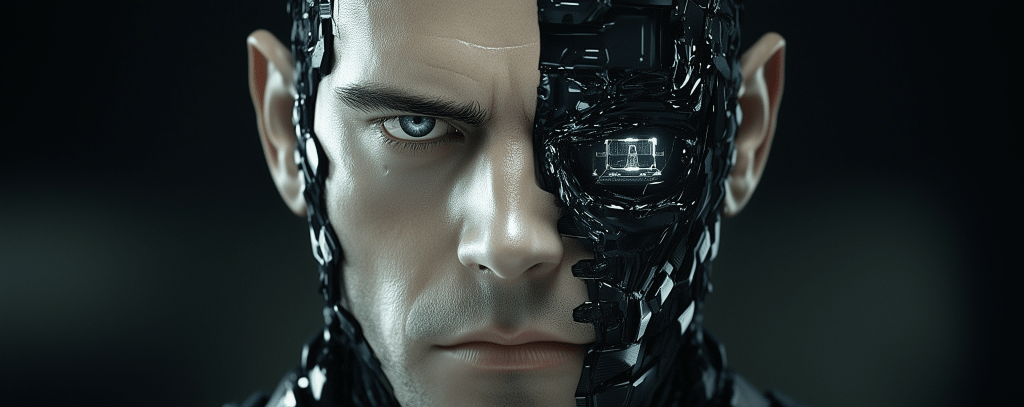
The Human Touch: Why AI Can’t Replicate True Emotional Depth

As we enter 2025, the world of artificial intelligence continues to evolve at a breakneck pace. From multimodal models to emotional AI, the technology is becoming increasingly sophisticated. Yet, when it comes to creative writing and screenwriting, there remains a crucial element that AI has yet to master: true emotional depth. In this article, we’ll explore the latest developments in AI and examine why human writers still hold the upper hand in crafting emotionally resonant stories.

The Current State of AI in Writing

The landscape of AI writing has seen significant advancements in recent years. Open-source AI systems are becoming more prevalent, with a shift towards smaller, more efficient models[2]. These developments have led to AI writing tools that can generate consistent and grammatically correct content at scale.

However, when we examine the key differences between AI and human writing, some critical distinctions emerge:

  1. Originality: While AI excels at rearranging existing data patterns, human writers introduce new ideas and perspectives based on personal experiences[4].
  2. Emotional Depth: AI-generated content often lacks the emotional richness and adaptability that human writers naturally bring to their work[4].
  3. Contextual Understanding: Humans have a deep understanding of real-world situations, cultural nuances, and audience expectations that AI struggles to replicate[4].

The Limitations of Emotional AI

Recent developments in emotional AI have aimed to bridge the gap between machine-generated content and human emotion. The emotional AI market is predicted to grow significantly, reaching $7.655 billion by 2030[3]. This technology is being applied in various industries, including healthcare, automotive, and customer services.

However, despite these advancements, emotional AI still falls short when it comes to truly understanding and replicating human emotions in writing. The technology can detect facial expressions and vocal tones, but it lacks the nuanced understanding of complex human experiences that inform great storytelling[3].

Why Human Writers Excel in Emotional Storytelling

Personal Experience and Empathy

Human writers draw from a well of personal experiences, memories, and emotions when crafting their stories. This allows them to create characters and situations that resonate deeply with readers or viewers. AI, no matter how advanced, cannot replicate the lived experiences that inform a writer’s work.

Cultural and Contextual Awareness

Great storytelling often relies on a deep understanding of cultural nuances, historical context, and societal norms. Human writers intuitively grasp these elements and can weave them into their narratives seamlessly. AI, while capable of processing vast amounts of data, struggles to interpret and apply this contextual information in meaningful ways[4].

Emotional Intelligence in Character Development

Creating complex, believable characters is at the heart of compelling storytelling. Human writers use their emotional intelligence to craft characters with depth, contradictions, and growth arcs that feel authentic. AI, lacking true emotional understanding, often produces characters that feel flat or stereotypical.

The Creative Process: Human vs. AI

Inspiration and Intuition

Human writers often find inspiration in unexpected places – a overheard conversation, a fleeting memory, or a vivid dream. This spark of creativity is something that AI cannot replicate. The intuitive leaps that lead to truly original ideas are a uniquely human trait.

Collaborative Storytelling

In fields like screenwriting, collaboration is key. Writers work with directors, actors, and other creatives to refine and enhance their stories. This collaborative process relies heavily on emotional intelligence, interpersonal skills, and the ability to adapt – all areas where humans excel over AI.

Handling Ambiguity and Subtext

Great writing often thrives in the realm of ambiguity and subtext. Human writers can craft scenes and dialogue with layers of meaning, allowing readers or viewers to interpret and engage with the material on multiple levels. AI, bound by its programming, struggles to create this kind of nuanced, multi-layered content.

The Future of AI in Creative Writing

While AI may not be able to replicate true emotional depth in writing, it is becoming an increasingly useful tool for writers. As we move further into 2025, we’re likely to see more integration of AI in the creative process:

AI as a Collaborative Tool

Rather than replacing human writers, AI is more likely to become a powerful collaborative tool. Writers may use AI to generate initial ideas, overcome writer’s block, or even to fact-check and research efficiently[2].

Enhancing Productivity

AI writing tools can help with tasks like outlining, generating dialogue options, or even providing alternative plot directions. This can free up human writers to focus on the emotional core of their stories.

Personalization and Audience Insights

AI’s ability to analyze vast amounts of data could provide writers with valuable insights into audience preferences and trends, helping them tailor their stories for maximum impact.

The Ethical Considerations

As AI becomes more integrated into the writing process, ethical considerations come to the forefront. Transparency about AI involvement in content creation is crucial, especially in fields like academia and professional writing where credibility is paramount[4].

In the realm of creative writing and screenwriting, it’s important to maintain the integrity of human authorship. While AI can be a valuable tool, the emotional depth and originality that define great storytelling should remain the domain of human creativity.

Conclusion: The Irreplaceable Human Element

As we’ve explored, while AI continues to make impressive strides in the field of writing, it still falls short when it comes to replicating true emotional depth. The ability to draw from personal experiences, understand complex cultural contexts, and create characters with authentic emotional journeys remains a uniquely human skill.

For screenwriters and creative writers, this is both a challenge and an opportunity. As AI tools become more prevalent, the value of human creativity, emotional intelligence, and storytelling prowess will only increase. The writers who can harness the efficiency of AI while maintaining the irreplaceable human touch will be well-positioned for success in this evolving landscape.

Ultimately, the future of storytelling lies not in replacing human writers with AI, but in finding the optimal balance between technological assistance and human creativity. By embracing AI as a tool rather than a replacement, writers can enhance their productivity and focus on what they do best – creating stories that move, inspire, and resonate with audiences on a deep emotional level.

In the world of screenwriting and creative writing, the human touch remains irreplaceable. As we move forward, it’s this unique ability to convey true emotional depth that will continue to set great writers apart, regardless of the technological advancements that surround us.


✍️  Whether you’re mastering the art of dialogue, structure, or character development, the power of AI can be a game-changer in your writing journey. My Free Ebook, ‘AI for Authors’ delves into how AI-powered prompts can provide a unique edge to your storytelling process. If you’re intrigued by the prospect of supercharging your fiction skills, download your free copy today and explore new horizons in creative writing. 

Citations:

[1] https://www.shlegal.com/insights/neural-network—january-2025
[2] https://www.ibm.com/think/news/2025-open-ai-trends
[3] https://www.globenewswire.com/news-release/2025/01/10/3007472/0/en/Emotional-AI-Market-Research-Forecasts-Report-2025-2030-Focus-on-Automotive-Consumer-Electronics-Customer-Services-Gaming-and-Healthcare.html
[4] https://detecting-ai.com/blog/ai-writing-vs-human-writing-key-differences-explained
[5] http://kadaxis.com/blog/2023/12/8/the-limits-of-artificial-empathy-why-computers-cannot-truly-emulate-the-humanity-in-literature
[6] https://evolutionwriters.com/blog/the-power-of-emotional-intelligence-in-writing.html
[7] https://www.digitalhealth.net/2025/01/government-announces-tech-and-ai-plans-to-streamline-nhs/
[8] https://sloanreview.mit.edu/article/five-trends-in-ai-and-data-science-for-2025/
[9] https://www.psychologytoday.com/us/blog/the-romance-of-work/202501/25-ways-ai-will-change-how-we-think-and-feel-in-2025
[10] https://clictadigital.com/ai-vs-human-who-is-the-better-writer/
[11] https://www.awai.com/2024/12/improve-ai-writing-with-an-emotional-intelligence/
[12] https://www.publicationcoach.com/emotional-intelligence/
[13] https://www.startmotionmedia.com/ai-writing-advances-but-human-creativity-reigns/
[14] https://www.technologyreview.com/2025/01/08/1109188/whats-next-for-ai-in-2025/
[15] https://news.microsoft.com/source/features/ai/6-ai-trends-youll-see-more-of-in-2025/
[16] https://www.nature.com/articles/d41586-025-00068-5
[17] https://cloud.google.com/transform/2025-and-the-next-chapters-of-ai
[18] https://swisscognitive.ch/2025/01/16/emotional-intelligence-is-more-important-than-ever-in-the-age-of-ai/
[19] https://www.geoweeknews.com/blogs/geospatial-trends-2025-trimble-aec-ai-interoperability-reality-capture
[20] https://tdwi.org/Articles/2025/01/21/ADV-ALL-AI-in-2025.aspx
[21] https://www.fastcompany.com/91251071/how-will-tomorrows-employees-master-the-ai-revolution-in-2025
[22] https://www.artificialintelligence-news.com
[23] https://www.mondaq.com/unitedstates/new-technology/1570982/eu-uk-ai-roundup-january-2025
[24] https://investor.workday.com/2025-01-14-New-Global-Research-from-Workday-Reveals-AI-Will-Ignite-a-Human-Skills-Revolution
[25] https://pam.int/daily-digest-on-ai-and-emerging-technologies-17-january-2025/
[26] https://www.clydeco.com/en/insights/2025/01/the-ai-opportunities-action-plan
[27] https://zycrypto.com/how-ai-is-making-digital-twins-more-emotionally-intelligent/
[28] https://www.reuters.com/technology/artificial-intelligence/trump-revokes-biden-executive-order-addressing-ai-risks-2025-01-21/
[29] https://www.weforum.org/stories/2025/01/ai-transformation-industries-responsible-innovation/
[30] https://www.smith.edu/news-events/events/emotional-intelligence-and-human-identity-dawn-ai-networks
[31] https://www.whitehouse.gov/briefing-room/statements-releases/2025/01/13/fact-sheet-ensuring-u-s-security-and-economic-strength-in-the-age-of-artificial-intelligence/
[32] https://www.tropnews.com/post/writing-with-ai-decreases-authenticity
[33] https://www.craftyourcontent.com/emotional-intelligence-help-writing/
[34] https://www.dau.edu/blogs/test-it-ai-vs-human-generated-material
[35] https://philipdeng.substack.com/p/emotionless-ai-and-writing-with-emotion
[36] https://storyempire.com/2024/03/26/mindset-emotional-intelligence-of-writers/
[37] https://www.linkedin.com/pulse/ai-human-writing-whats-difference-shyam-singh-epnnc
[38] https://www.linkedin.com/pulse/human-touch-why-ai-writing-tools-cant-fully-replace-creativity-aslam-9bope
[39] https://thevirtualcopywriter.com/what-is-emotional-intelligence-in-writing/
[40] https://cardinalconcepts.com/ai-vs-human-content-how-to-blend-technology-with-creativity/
[41] https://writershelpingwriters.net/2019/04/the-emotionally-intelligent-writer/
[42] https://www.prsa.org/article/surviving-in-the-age-of-ai-writing
[43] https://www.threegirlsmedia.com/2024/08/07/human-writers-vs-ai-why-creativity-and-emotion-matter/
[44] https://www.inc.com/elizabeth-danziger/4-habits-of-emotionally-intelligent-writers.html
[45] https://www.cio.com/article/3805170/us-gpu-export-limits-could-bring-cold-war-to-ai-data-center-markets.html

The Influence of Mythology in ‘The Lion King’

Disney’s The Lion King is one of the most beloved animated films of all time, celebrated for its breathtaking visuals, emotionally resonant storytelling, and memorable characters. Beneath its vibrant colors and unforgettable musical numbers, the film is deeply rooted in mythology. In this blog post, we will explore how The Lion King draws from mythological traditions and archetypes to create a timeless story that resonates across cultures. For screenwriters and storytellers, the film offers valuable lessons in how to infuse mythic structure and themes into a screenplay.


Mythology as the Foundation of Storytelling

Mythology has always served as a source of inspiration for storytellers. From ancient epics like The Iliad to modern classics like Star Wars, myths provide universal themes and archetypes that connect audiences to the narrative. At its core, The Lion King is a mythic story, woven from elements of classical mythology, African folklore, and Shakespearean drama. It explores themes of destiny, the cycle of life, and the hero’s journey — concepts that are universally understood and deeply ingrained in human storytelling.


The Hero’s Journey: Simba as the Archetypal Hero

One of the most prominent mythological frameworks in The Lion King is Joseph Campbell’s “Hero’s Journey.” This narrative structure, also known as the monomyth, describes the stages a hero undergoes in their journey from the ordinary world to the extraordinary and back again. Let’s break down how Simba’s story aligns with this structure:

1. The Ordinary World

Simba begins as a carefree cub in the Pride Lands, enjoying his privileged life as the future king. This is the “ordinary world” where the hero starts, unaware of the trials ahead.

2. The Call to Adventure

The turning point occurs when Scar orchestrates Mufasa’s death and convinces Simba that he is to blame. This moment serves as the “call to adventure,” forcing Simba to leave his homeland and enter the unknown.

3. The Refusal of the Call

Simba’s self-imposed exile is a classic “refusal of the call.” Overcome with guilt and shame, he rejects his role as the king and escapes into the wilderness.

4. Meeting the Mentor

Timon and Pumbaa, while unconventional, serve as mentors. They teach Simba the “Hakuna Matata” philosophy, offering temporary refuge from his burdens.

5. The Road of Trials

Simba’s journey is filled with challenges, both external and internal. His eventual confrontation with his past, guided by the shaman-like Rafiki, marks his true transformation.

6. The Return

Simba returns to the Pride Lands, defeats Scar, and reclaims his rightful place as king. This is the culmination of his journey, where the hero restores order and fulfills his destiny.

For screenwriters, the hero’s journey is a powerful tool to create compelling and relatable narratives. By embedding this structure into the story, The Lion King taps into a primal, universal framework that audiences instinctively understand.


Shakespearean Influences: A Mythical Tragedy

While The Lion King is rooted in mythology, it also draws heavily from Shakespeare’s Hamlet. The parallels are striking: both stories feature a young prince avenging his father’s death and grappling with the usurpation of the throne. The ghostly presence of Mufasa mirrors the ghost of King Hamlet, offering guidance from beyond the grave.

However, The Lion King reinterprets Hamlet with a more optimistic lens. While Shakespeare’s tragedy ends in death and despair, Simba’s journey concludes with redemption and renewal. This balance of mythic gravitas and uplifting resolution gives The Lion King its enduring appeal.


The Circle of Life: Mythological Symbolism

The concept of the “Circle of Life” is a central theme in The Lion King, and it resonates deeply with mythological traditions. Many cultures have cyclical views of existence, emphasizing birth, death, and rebirth as interconnected phases. This philosophy is reflected in the film’s opening sequence, where the birth of Simba is celebrated as a continuation of the natural order.

African Mythology

The film’s connection to African mythology is evident in its portrayal of the Pride Lands as a harmonious ecosystem. Rafiki, the wise baboon, embodies the role of a shaman or spiritual guide, drawing parallels to African tribal traditions. His use of rituals and symbols, such as anointing Simba with paint, reflects mythological practices.

Universal Themes

The Circle of Life also ties into broader mythological themes of renewal and balance. Scar’s reign disrupts this balance, plunging the Pride Lands into desolation. Simba’s return restores harmony, symbolizing the hero’s role as a restorer of order — a key archetype in mythology.


Animal Archetypes: Symbolism in the Savannah

Mythology often uses animals to convey symbolic meanings, and The Lion King continues this tradition. Each species represents specific traits and roles within the story:

  • Lions: As kings of the jungle, lions symbolize strength, courage, and leadership. Simba’s journey is about embracing these qualities to fulfill his destiny.
  • Hyenas: Often depicted as scavengers in myth, the hyenas represent chaos and greed under Scar’s rule.
  • Birds: Zazu, the hornbill, serves as a messenger and advisor, aligning with the role of birds as intermediaries in myth.

For screenwriters, using symbolic representations can add layers of meaning to characters and settings, enriching the narrative’s depth.


The Role of Music: A Modern Mythic Chorus

In mythology, the chorus serves as a collective voice, commenting on the action and themes of the story. In The Lion King, the music performs this role, elevating the emotional and symbolic resonance of the narrative. Songs like “Circle of Life,” “Hakuna Matata,” and “Can You Feel the Love Tonight” function as modern mythic choruses, reinforcing key themes and transitions in Simba’s journey.

For writers, this demonstrates the importance of integrating thematic elements across all aspects of storytelling, from dialogue to music.


Lessons for Screenwriters: Infusing Myth into Your Stories

The Lion King offers invaluable lessons for screenwriters and storytellers on how to draw from mythology to craft timeless narratives. Here are a few takeaways:

  1. Embrace Universal Themes: Themes like redemption, destiny, and the balance of life resonate deeply with audiences. Weave these into your stories to create emotional impact.
  2. Use Archetypes Wisely: Characters like the hero, mentor, and villain are archetypes for a reason — they provide a familiar structure while allowing room for creativity.
  3. Symbolism Adds Depth: Incorporate symbols, whether through settings, characters, or motifs, to enrich your story’s layers of meaning.
  4. Honor Cultural Contexts: Like The Lion King’s nods to African traditions, grounding your story in specific cultural elements can create authenticity and depth.

Conclusion: Mythology’s Enduring Power in Storytelling

The Lion King stands as a testament to the power of mythology in storytelling. By blending the hero’s journey, Shakespearean drama, and rich cultural symbolism, the film transcends its animated format to become a modern myth. For screenwriters, it serves as a masterclass in how to draw from timeless traditions while crafting something uniquely your own.

As you embark on your own writing journey, remember the lessons of The Lion King. Myths are not relics of the past — they are living frameworks that continue to inspire and connect us. Use them as Simba used the wisdom of his ancestors: to find your voice, embrace your destiny, and tell stories that stand the test of time.


  Whether you’re mastering the art of dialogue, structure, or character development, the power of AI can be a game-changer in your writing journey. My Free Ebook, ‘AI for Authors’ delves into how AI-powered prompts can provide a unique edge to your storytelling process. If you’re intrigued by the prospect of supercharging your fiction skills, download your free copy today and explore new horizons in creative writing. 

Exploring Isolation in Screenwriting: ‘Cast Away’ as a Case Study

Isolation is one of the most compelling themes in storytelling. It explores the human condition in its rawest form, stripping away societal norms and distractions, leaving characters—and audiences—with the essence of humanity. Few films delve into this concept as deeply and effectively as Cast Away (2000), directed by Robert Zemeckis and written by William Broyles Jr. The film tells the story of Chuck Noland, a FedEx systems analyst, whose plane crashes in the Pacific Ocean, leaving him stranded on a deserted island for four years. The narrative is a masterclass in screenwriting, using isolation not just as a setting but as a catalyst for character development and thematic exploration.

In this article, we’ll examine how Cast Away uses isolation to craft a gripping, emotionally resonant story. By breaking down the film’s approach to plot, character, and thematic structure, we aim to uncover lessons screenwriters can apply to their own work.


The Premise: Simplicity and Universality

The premise of Cast Away is deceptively simple: what happens when a man is forced to survive alone on an uninhabited island? This simplicity allows the story to focus on universal human experiences such as survival, self-reliance, and the search for meaning. A clear and relatable premise is crucial for a screenplay, as it anchors the audience’s engagement while providing space for deeper exploration.

For screenwriters, Cast Away serves as a reminder that a story doesn’t need to be convoluted to be compelling. The challenge lies in executing a simple idea with depth and originality. By placing Chuck in isolation, the film immediately sets the stage for introspection and growth, using the physical setting as a metaphor for his emotional journey.


Crafting Isolation: Visual and Structural Storytelling

One of the most striking aspects of Cast Away is how it employs visual storytelling to immerse the audience in Chuck’s isolation. The absence of dialogue for long stretches of the film forces the screenplay to rely on action and imagery to convey narrative beats. This is particularly evident in Chuck’s initial arrival on the island, where his confusion and desperation are communicated entirely through physical performance and environmental interaction.

Lesson for Screenwriters: Show, Don’t Tell

The mantra “show, don’t tell” is often repeated in screenwriting, and Cast Away exemplifies it to perfection. Consider the scene where Chuck learns to create fire. The sequence unfolds without words, yet it conveys his ingenuity, determination, and eventual triumph in a way that dialogue never could. Screenwriters can study such moments to understand how to use action as a storytelling tool.

Additionally, the film’s structure mirrors Chuck’s emotional arc. The early, chaotic scenes of the crash and his initial struggles give way to a slower, more contemplative pace as he adapts to life on the island. This pacing reflects the stages of isolation, from panic to acceptance to transformation.


Wilson: The Art of Non-Traditional Companionship

Perhaps the most iconic element of Cast Away is Wilson, the volleyball Chuck personifies as his companion. Wilson serves a dual purpose: he provides a psychological anchor for Chuck and a narrative device for the film. Through Wilson, the audience gains insight into Chuck’s mental state, fears, and needs.

Lesson for Screenwriters: Using Unconventional Characters

Wilson is a masterstroke of screenwriting ingenuity. Without resorting to internal monologues or voiceovers, the screenplay externalizes Chuck’s inner world. Wilson’s “dialogue” is entirely imagined by Chuck, but it reveals the depth of his loneliness and his desperate need for connection.

For writers, Wilson demonstrates the power of unconventional character choices. A creative solution like this can elevate a story, adding emotional weight and originality while solving practical storytelling challenges.


Themes of Isolation: Survival and Beyond

At its core, Cast Away is more than a survival story. It’s a meditation on isolation, resilience, and the human need for connection. The screenplay uses Chuck’s physical struggle to reflect his emotional journey, creating a layered narrative that resonates on multiple levels.

Survival as a Mirror

The mechanics of survival—finding food, building shelter, and navigating danger—are central to the plot, but they also serve a deeper purpose. Each survival challenge mirrors Chuck’s internal conflicts. For example, his attempt to escape the island by raft represents his refusal to accept his circumstances, while his eventual decision to stay and adapt symbolizes his emotional surrender and growth.

The Power of Time

Time is another crucial element in the film. The story spans four years, but the screenplay wisely condenses much of this into visual montages and key moments. The passage of time is shown through Chuck’s physical transformation and the gradual wear of the island itself. This subtle storytelling choice reinforces the weight of his isolation without overwhelming the audience with minutiae.


The Return: Reintegrating Into Society

The final act of Cast Away shifts focus to Chuck’s return to civilization. This part of the film often surprises audiences, as it explores the aftermath of isolation rather than concluding with his rescue. For screenwriters, this choice underscores the importance of following through on a story’s emotional arc.

Lesson for Screenwriters: Emotional Resolution

Chuck’s return highlights the emotional toll of his experience. He is no longer the same man who left, and the life he once knew has moved on without him. This bittersweet resolution deepens the story’s impact, reminding viewers that survival is not the same as restoration.

For screenwriters, the takeaway is clear: a story’s ending should resolve its emotional questions, not just its plot. The audience is invested in the character’s journey, and a satisfying resolution should address the changes they’ve undergone.


Practical Takeaways for Screenwriters

  1. Use Isolation to Reveal Character: Isolation strips away external distractions, forcing characters to confront their true selves. Use this dynamic to explore your character’s vulnerabilities and growth.
  2. Master Visual Storytelling: Minimize exposition and let action and imagery convey key narrative beats. Visual storytelling is especially effective in scenes of isolation, where dialogue may be limited.
  3. Embrace Symbolism: Objects like Wilson can serve as powerful symbols, adding depth to the narrative while addressing practical storytelling needs.
  4. Balance Simplicity with Depth: A straightforward premise can be deeply engaging when executed with care and nuance.
  5. Follow Through Emotionally: Ensure your story’s resolution addresses the emotional journey of your characters, not just the external plot.

Conclusion: Isolation as a Screenwriting Tool

Cast Away is a masterclass in using isolation as both a narrative device and a thematic framework. The film’s focus on Chuck’s physical and emotional journey creates a story that is as gripping as it is profound. For screenwriters, it offers invaluable lessons on character development, visual storytelling, and thematic depth.

Whether you’re crafting a tale of survival, a psychological drama, or a deeply personal story, the principles explored in Cast Away can guide your writing. Isolation, when used effectively, can strip your narrative to its core, revealing truths that resonate universally. By studying films like Cast Away, writers can learn to harness this powerful tool and create stories that endure.


✍️  Whether you’re mastering the art of dialogue, structure, or character development, the power of AI can be a game-changer in your writing journey. My Free Ebook, ‘AI for Authors’ delves into how AI-powered prompts can provide a unique edge to your storytelling process. If you’re intrigued by the prospect of supercharging your fiction skills, download your free copy today and explore new horizons in creative writing.