Exploring the Role of Time in ‘Inception’ and Other Non-Linear Narratives

Time is one of the most powerful storytelling tools in a writer’s arsenal. Whether a story unfolds in a linear fashion or bends and twists through time, the way writers manipulate chronology can deeply impact audience engagement, emotional resonance, and thematic depth. Few films illustrate this concept as effectively as Christopher Nolan’s Inception (2010), a masterclass in non-linear storytelling where time operates as both a plot device and a philosophical theme.

In this article, we’ll analyze Inception‘s unique approach to time, explore how other films and stories use non-linear structures, and discuss key takeaways for screenwriters looking to experiment with time in their own work.

The Time-Bending Structure of Inception

At its core, Inception is a heist movie with a sci-fi twist: instead of robbing a bank, the protagonists implant an idea into someone’s subconscious by navigating layers of dreams within dreams. However, what makes the film particularly striking is its use of time dilation—the idea that time moves differently at each dream level.

In the world of Inception:

  • Reality follows normal time.
  • The first dream level experiences time at 10% of real-time (1 minute in reality equals 10 minutes in the dream).
  • The second dream level slows further (1 minute in reality equals 100 minutes).
  • Deeper levels expand time exponentially, with entire decades passing in just hours of real-world time.

This structural choice isn’t just a gimmick—it reinforces the film’s themes of perception, reality, and the limits of human consciousness. It also heightens the stakes, as characters risk being trapped in limbo, a space where time stretches endlessly.

From a screenwriting perspective, Inception demonstrates how altering time perception can create tension, drive narrative momentum, and deepen emotional impact. The final sequence—where multiple timelines converge as the van falls in slow motion while deeper dream levels unfold in real-time—builds suspense in a way that would be impossible with a conventional, linear timeline.

Other Films That Play with Time

While Inception is one of the most famous examples, many films manipulate time to enhance their storytelling. Here are a few noteworthy examples:

1. Memento (2000) – Reverse Chronology

Another Christopher Nolan masterpiece, Memento tells the story of a man with short-term memory loss trying to solve his wife’s murder. The film alternates between two timelines—one moving forward and the other in reverse—until they converge at the climax. This structure immerses the audience in the protagonist’s disoriented perspective, making us experience his confusion firsthand.

2. Pulp Fiction (1994) – Non-Linear Storytelling

Quentin Tarantino’s Pulp Fiction famously plays with chronology, presenting its interconnected stories out of order. By doing so, Tarantino enhances the film’s sense of mystery, keeps audiences engaged, and allows for dramatic revelations that wouldn’t hit as hard in a linear structure.

3. Arrival (2016) – Circular Time

Denis Villeneuve’s Arrival presents time as non-linear, reflecting the linguistic and philosophical ideas at the heart of the story. As the protagonist, a linguist, learns an alien language that reshapes her perception of time, the film’s narrative structure mirrors this shift. Events that initially seem like flashbacks are revealed to be moments from the future, reinforcing the film’s central theme: how language shapes thought.

4. The Prestige (2006) – Time as Misdirection

Once again, Christopher Nolan uses time manipulation in The Prestige, a story about rival magicians. The film jumps between different points in time, creating an intricate puzzle that only fully reveals itself in the final act. This structure mirrors the very nature of a magic trick, where misdirection keeps the audience from seeing the truth until the end.

Why Writers Use Non-Linear Storytelling

1. To Reflect a Character’s Mindset

Films like Memento and Arrival use non-linear structures to immerse the audience in a character’s unique perception of time. If a protagonist is experiencing fragmented memory or perceiving time differently, structuring the narrative accordingly can make the experience more visceral for the audience.

2. To Build Suspense and Mystery

A well-executed non-linear structure can withhold crucial information and reveal it at the right moment for maximum impact. This technique is common in thrillers, mysteries, and mind-bending dramas where the audience is encouraged to piece together the puzzle.

3. To Reinforce Themes

Time manipulation isn’t just a storytelling trick—it can also serve as a thematic device. In Inception, time dilation reflects the nature of dreams and reality. In Arrival, circular time reinforces the idea of destiny and free will. When time is used thematically, it adds layers of meaning to the narrative.

4. To Engage the Audience Actively

Non-linear storytelling challenges audiences to stay engaged, interpret events, and form connections between different timelines. This level of interaction can make a story more rewarding, as viewers actively participate in deciphering the plot.

How Screenwriters Can Experiment with Time

For screenwriters looking to incorporate non-linear structures, here are some practical tips:

1. Start with a Strong Narrative Foundation

Before experimenting with time, ensure your core story is compelling. A non-linear structure should enhance the story, not compensate for a weak plot.

2. Decide Why You’re Using a Non-Linear Structure

Ask yourself: Does playing with time add suspense? Does it reflect a character’s experience? Does it reinforce a theme? If the answer is yes, then time manipulation is serving a purpose.

3. Use Clear Visual and Narrative Markers

Jumping between timelines can confuse audiences if not handled carefully. Use distinct color palettes, different aspect ratios, or clear narrative signposts (e.g., title cards or contextual clues) to help viewers orient themselves.

4. Think About Emotional Payoff

The order in which events are presented can drastically affect emotional impact. Reveal key moments at the right time to maximize suspense, shock, or catharsis.

5. Experiment with Different Structures

Not all non-linear stories are the same. Try different approaches: reverse chronology (Memento), interwoven timelines (Pulp Fiction), parallel narratives (The Prestige), or time loops (Edge of Tomorrow). Each structure offers unique storytelling possibilities.

Conclusion

Time is more than just a measure of sequence in storytelling—it’s a tool that can shape audience perception, enhance themes, and create emotional depth. Inception masterfully uses time dilation to drive its narrative and immerse viewers in its dreamlike world, while other films like Memento, Pulp Fiction, and Arrival demonstrate the wide range of ways time can be manipulated for storytelling effect.

For writers and screenwriters, understanding the role of time opens the door to more innovative and engaging storytelling. Whether you’re writing a mind-bending sci-fi film or a deeply personal drama, playing with time can add complexity and intrigue—so don’t be afraid to experiment.

What are your favorite examples of non-linear storytelling? Let us know in the comments!


✍️  Whether you’re mastering the art of dialogue, structure, or character development, the power of AI can be a game-changer in your writing journey. My Free Ebook, ‘AI for Authors’ delves into how AI-powered prompts can provide a unique edge to your storytelling process. If you’re intrigued by the prospect of supercharging your fiction skills, download your free copy today and explore new horizons in creative writing. 
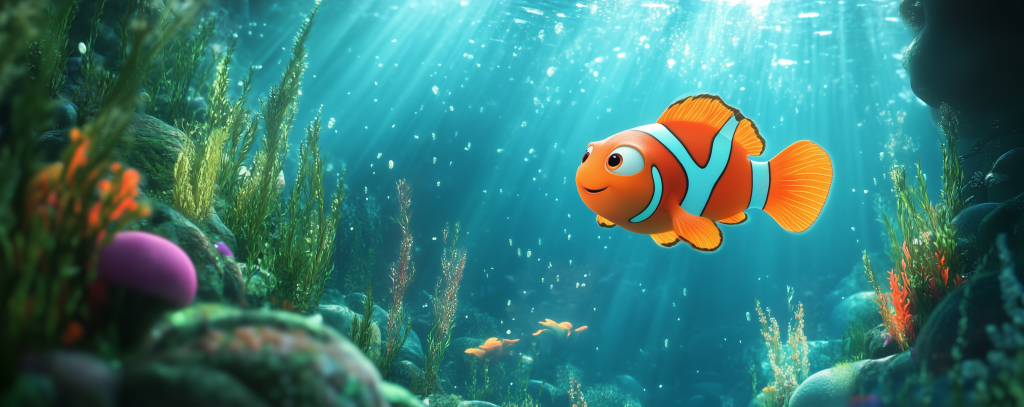
Exploring Parenthood in Screenwriting: Themes in Finding Nemo

Parenthood is a universal theme that resonates across cultures and generations, making it a powerful subject in storytelling. Pixar’s Finding Nemo is a masterclass in weaving this theme into a screenplay, combining humor, emotional depth, and memorable characters to create a story that connects with audiences of all ages. In this article, we’ll explore how Finding Nemo uses the journey of parenthood as its emotional backbone, providing key lessons for screenwriters.

The Central Theme: Protecting and Letting Go

At its heart, Finding Nemo is a story about the delicate balance parents face between protecting their children and allowing them the freedom to grow. Marlin, the protagonist, is a clownfish struggling with overprotectiveness after the tragic loss of his wife and most of their eggs in a barracuda attack. This traumatic backstory sets the stage for his journey and establishes his motivation: to keep his only surviving son, Nemo, safe at all costs.

Marlin’s arc is a poignant example of how character flaws rooted in trauma can drive a story. His overprotection leads to conflict, such as when he embarrasses Nemo in front of his peers at school, culminating in Nemo defying his father’s warnings and being captured by a diver. Screenwriters can learn from this setup: grounding a character’s flaw in a relatable emotion—such as fear of loss—creates a compelling narrative.


Conflict as a Catalyst for Growth

Every great story is fueled by conflict, and Finding Nemo masterfully uses it to propel its characters toward growth. Marlin’s journey across the ocean to rescue Nemo is filled with challenges, from navigating a jellyfish forest to surviving a terrifying encounter with a whale. Each obstacle tests his limits and forces him to confront his fears.

For screenwriters, this structure highlights the importance of externalizing internal struggles. Marlin’s internal conflict—his fear of losing Nemo—is mirrored in the physical challenges he faces. The screenplay uses these external conflicts to subtly shift Marlin’s perspective, teaching him that trust and letting go are essential parts of parenthood.


Parallel Journeys: Marlin and Nemo

One of the screenplay’s strengths is its dual-protagonist structure. While Marlin undertakes his epic journey, Nemo embarks on his own adventure in a dentist’s fish tank. Here, the young clownfish learns about courage, independence, and problem-solving, all of which parallel Marlin’s journey.

This dual narrative structure is an excellent tool for screenwriters aiming to explore different facets of a theme. Marlin’s story focuses on the challenges of parenthood, while Nemo’s arc reflects the child’s perspective. Together, they create a richer, more nuanced exploration of family dynamics.


Supporting Characters as Emotional Anchors

The vibrant supporting cast of Finding Nemo serves as more than comic relief; they play pivotal roles in advancing the theme of parenthood and growth. Dory, for instance, acts as Marlin’s foil. Her carefree and optimistic nature challenges Marlin’s cautious approach, teaching him that sometimes, taking risks is necessary.

Similarly, the tank gang in the dentist’s office helps Nemo develop confidence and resilience. Gill, a scarred and experienced fish, becomes a mentor to Nemo, encouraging him to take risks and believe in himself. These secondary characters enrich the narrative and provide different perspectives on the central theme, reminding screenwriters of the value of a well-rounded supporting cast.


Visual Storytelling and Emotional Resonance

Pixar is renowned for its visual storytelling, and Finding Nemo is no exception. The film uses the vastness of the ocean to symbolize Marlin’s fear of the unknown and his daunting task of rescuing Nemo. Scenes like Marlin’s encounter with a school of jellyfish or the majestic journey through the East Australian Current (EAC) showcase how visuals can convey emotion and amplify the story’s themes.

For screenwriters, this is a reminder that visuals are as much a part of the screenplay as dialogue and plot. When writing, think about how the setting and imagery can reflect a character’s emotional journey. In Finding Nemo, the ocean isn’t just a backdrop; it’s a metaphor for the challenges and possibilities of parenthood.


Humor and Heart: Balancing Tone

One of the most remarkable aspects of Finding Nemo is its ability to balance humor and emotional depth. The screenplay seamlessly shifts from laugh-out-loud moments—like Marlin and Dory’s encounter with a trio of vegetarian sharks—to tear-jerking scenes, such as Marlin’s flashback to losing his wife and eggs. This tonal balance keeps the audience engaged while ensuring that the emotional beats hit hard.

For screenwriters, Finding Nemo is a testament to the power of blending humor and heart. Comedy can provide relief in emotionally intense stories, making the heavier moments more impactful. When crafting your screenplay, consider how humor can serve as a counterpoint to drama, enhancing the overall narrative.


The Resolution: Growth Through Connection

By the end of Finding Nemo, both Marlin and Nemo have undergone significant growth. Marlin learns to trust Nemo’s abilities and accept that he can’t shield his son from every danger. Nemo, in turn, gains confidence and proves that he’s capable of navigating the world on his own. Their reunion is a deeply satisfying moment because it feels earned—both characters have faced their fears and emerged stronger.

For screenwriters, this resolution underscores the importance of a character-driven climax. The emotional payoff works because it’s rooted in the characters’ journeys. When writing your own screenplay, ensure that the resolution ties back to your protagonist’s arc, providing a sense of closure and growth.


Lessons for Screenwriters

Finding Nemo offers a wealth of lessons for anyone crafting a screenplay, particularly when exploring universal themes like parenthood. Here are some key takeaways:

  1. Ground your characters in relatable emotions. Marlin’s overprotectiveness stems from his fear of loss, making him a sympathetic and engaging protagonist.
  2. Use conflict to drive character growth. Each challenge Marlin faces forces him to confront his fears and evolve.
  3. Explore themes from multiple perspectives. The dual narratives of Marlin and Nemo provide a richer exploration of parenthood.
  4. Create a vibrant supporting cast. Secondary characters like Dory and Gill add depth and provide fresh perspectives on the central theme.
  5. Leverage visual storytelling. Use setting and imagery to amplify your story’s emotional resonance.
  6. Balance humor and heart. The blend of comedy and drama in Finding Nemo keeps the audience engaged and emotionally invested.

Conclusion

Finding Nemo is more than a delightful animated film; it’s a masterclass in storytelling that explores the complexities of parenthood with humor, heart, and emotional depth. By analyzing its screenplay, screenwriters can gain valuable insights into crafting stories that resonate with audiences on a deeply human level. Whether you’re writing a family drama, a comedy, or an epic adventure, the lessons from Finding Nemo are sure to inspire your journey.


✍️  Whether you’re mastering the art of dialogue, structure, or character development, the power of AI can be a game-changer in your writing journey. My Free Ebook, ‘AI for Authors’ delves into how AI-powered prompts can provide a unique edge to your storytelling process. If you’re intrigued by the prospect of supercharging your fiction skills, download your free copy today and explore new horizons in creative writing. 

AI in Hollywood, Weekly News: February 7, 2025

The AI Dilemma in Hollywood: Creativity vs. Automation

As artificial intelligence (AI) continues to infiltrate various industries, Hollywood finds itself at a crossroads. From voice acting to dubbing and even full-fledged performances, the rise of AI has sparked heated debates about its role in the creative arts. Recent statements by prominent figures like Nicolas Cage and Hank Azaria, as well as controversies in the dubbing industry, highlight the tension between technological innovation and preserving human artistry.

Nicolas Cage: A Voice Against AI in Filmmaking

Nicolas Cage, celebrated for his unique and emotive performances, has emerged as a vocal critic of AI’s growing influence in filmmaking. During his acceptance speech at the 2025 Saturn Awards, where he won Best Actor for Dream Scenario, Cage warned against allowing AI to manipulate performances. He described it as a “dead end,” arguing that robots cannot reflect the human condition—a core function of art.

Cage emphasized that even minor AI involvement could erode the integrity of artistic expression, replacing authenticity with financial motives. He stated, “An inch will eventually become a mile, and all integrity, purity, and truth of art will be replaced by financial interests only”[1][2][3]. His fears extend beyond current capabilities to a future where AI might dominate storytelling, creating what he termed “machine-generated mush.”

Cage’s concerns resonate with broader industry anxieties. While some see AI as a tool for enhancing creativity, others fear it could replace actors altogether or distort their performances to the point where the original artistry is lost.

Hank Azaria: The Human Element in Voice Acting

Hank Azaria, known for voicing over 100 characters on The Simpsons, has also expressed deep concerns about AI’s potential to replace voice actors. Azaria argues that voice acting is more than just sound; it involves physicality, emotion, and improvisation—elements that AI struggles to replicate authentically. For instance, his portrayal of Moe Szyslak incorporates not only vocal nuances but also full-body movements and emotional depth[4][6][8].

In an op-ed for The New York Times, Azaria acknowledged that while AI might soon replicate voices convincingly, it lacks the “humanness” required for authentic performances. He reflected on how improvisation and lived experiences shape his craft, questioning whether AI could ever understand humor or timing in the same way[4][6][7]. Despite his apprehensions, Azaria recognizes that technological advancements may make such replacements inevitable, leaving him worried about the future of his profession.

The Dubbing Industry’s Battle with AI

The controversy surrounding AI in dubbing further underscores its disruptive potential. The late Alain Dorval’s iconic voice as Sylvester Stallone’s French dub was at the center of a heated debate when ElevenLabs attempted to use AI to recreate it for Stallone’s film Armor. This sparked backlash from Dorval’s family and France’s dubbing guilds, who viewed it as a threat to human livelihoods[3].

The global dubbing industry, valued at $4.04 billion in 2024 and projected to exceed $7 billion by 2033, faces significant challenges from AI-driven voice cloning technologies. Countries like Italy and Spain have implemented contract clauses or halted work with distributors who fail to offer protections against unauthorized AI use[3]. While some filmmakers defend AI as a tool for refining performances—such as enhancing dialogue accuracy—critics argue that it undermines the authenticity of human artistry.

Ethical Concerns: Consent and Legacy

One recurring theme in these debates is consent. Both Azaria and Dorval’s family have raised ethical questions about using an actor’s voice or likeness without permission. Azaria worries about posthumous manipulation of his work by AI, a concern echoed by Nicolas Cage, who has explicitly stated he does not want his image or performances altered after his death[1][6].

These concerns extend beyond individual actors to broader questions about ownership and control in the digital age. Who owns an actor’s voice or image once it can be replicated by machines? And how can artists protect their legacies from being exploited by technology?

Balancing Innovation with Integrity

While many fear that AI could replace human creativity, others see potential for collaboration. For instance, Ukrainian firm Respeecher used AI to enhance Hungarian dialogue in The Brutalist, sparking debate over whether such uses should qualify for awards eligibility[3]. Director Brady Corbet defended this application as a refinement rather than a replacement of performances.

However, critics argue that even limited use of AI sets dangerous precedents. Cage’s plea to “protect yourselves from AI interfering with your authentic and honest expressions” reflects a broader call for safeguards against misuse[2][3].

The Road Ahead: Regulation and Resistance

As Hollywood grapples with these issues, regulatory measures are emerging as potential solutions. Italy’s requirement for separate agreements on voice cloning and Spain’s resistance to non-protective contracts are steps toward ensuring ethical use of AI[3]. In the U.S., SAG-AFTRA faces challenges negotiating protections due to varied contracts across studios[3].

Ultimately, the debate over AI in Hollywood is not just about technology but about values. Can innovation coexist with authenticity? Or will financial interests erode the very essence of art? As Cage aptly put it: “The job of all art…is to hold a mirror to the external and internal stories of the human condition through the very human thoughtful and emotional process of recreation”[1][3].

Conclusion: A Call for Thoughtful Integration

AI undeniably offers exciting possibilities for Hollywood—from enhancing visual effects to refining performances—but its unchecked use threatens to undermine human creativity. Voices like Nicolas Cage and Hank Azaria remind us that art is inherently human, rooted in emotion, spontaneity, and lived experience.

As we navigate this technological frontier, Hollywood must strike a balance between embracing innovation and preserving its soul. The question is not whether we can use AI but how we should use it—ethically, responsibly, and always with respect for the artists who bring stories to life.


✍️  Whether you’re mastering the art of dialogue, structure, or character development, the power of AI can be a game-changer in your writing journey. My Free Ebook, ‘AI for Authors’ delves into how AI-powered prompts can provide a unique edge to your storytelling process. If you’re intrigued by the prospect of supercharging your fiction skills, download your free copy today and explore new horizons in creative writing. 

Citations:

[1] https://www.forbes.com/sites/danidiplacido/2025/02/03/nicolas-cage-warns-against-dead-end-of-generative-ai/
[2] https://www.businessinsider.com/nicolas-cage-artificial-intelligence-ai-hollywood-actors-protect-dangers-fears-2025-2
[3] https://screencrush.com/nicolas-cage-ai/
[4] https://www.cartoonbrew.com/voice-acting/simpsons-voice-hank-azaria-replaced-ai-245553.html
[5] https://www.unilad.com/film-and-tv/news/the-simpsons-hank-azaria-voice-actor-ai-799812-20241102
[6] https://www.allaboutai.com/ai-news/the-simpsons-star-hank-azaria-says-ai-might-take-his-job-soon/
[7] https://www.the-independent.com/arts-entertainment/tv/news/the-simpsons-hank-azaria-ai-voices-net-worth-b2693864.html
[8] https://opentools.ai/news/hank-azaria-raises-concerns-over-ais-growing-role-in-voice-acting
[9] https://www.aol.com/simpsons-actor-admits-worried-future-111845635.html
[10] https://www.reddit.com/r/television/comments/1ii1lbf/opinion_hank_azarias_simpsons_voices_wont_be/
[11] https://80.lv/articles/actor-nicolas-cage-criticizes-the-use-of-ai-in-filmmaking/

Can AI Really Write a Blockbuster Movie Script?

As we enter 2025, the question on every screenwriter’s mind is whether artificial intelligence can truly craft a blockbuster movie script. The rapid advancements in AI technology have sparked both excitement and concern within the film industry. Let’s dive into the current state of AI in screenwriting and explore its potential to revolutionize the way we create stories for the big screen.

The Current State of AI in Screenwriting

AI has already made significant inroads into various aspects of the film industry, including screenwriting. Tools powered by artificial intelligence are being used to analyze scripts, generate story ideas, and even produce initial drafts[4]. These AI assistants are designed to process vast amounts of data, identify patterns, and offer insights that might not be immediately apparent to human writers[4].

One notable example is Callaia, an AI script editor developed by Cinelytic. This tool can analyze scripts, provide feedback, and even assess whether a film is worth financing. Callaia uses AI to evaluate genres, write loglines, and compare scripts with similar, successful films[3].

The Advantages of AI in Screenwriting

Speed and Efficiency

One of the most significant advantages of AI in screenwriting is its ability to work at incredible speeds. AI can analyze scripts and generate content much faster than human writers, potentially streamlining the script development process[3].

Overcoming Writer’s Block

AI can be a valuable tool for writers struggling with creative blocks. By generating new ideas, plot twists, and character developments, AI can help writers push through periods of stagnation and keep their stories moving forward[3].

Cost-Effectiveness

For smaller production companies and independent filmmakers with limited budgets, AI tools can be a cost-effective alternative to hiring multiple writers or script readers[3].

Data-Driven Insights

AI can process vast amounts of data to provide insights into audience preferences and predict box office success. This information can be invaluable for writers and producers looking to craft stories that resonate with viewers[2].

The Limitations of AI in Screenwriting

Lack of Emotional Depth

While AI can generate coherent and grammatically correct text, it often struggles to capture the emotional nuances and depth that make great scripts truly compelling. The human experience and emotional intelligence that writers bring to their work are difficult for AI to replicate[4].

Originality and Creativity

AI systems are trained on existing data, which means they excel at identifying patterns and reproducing familiar elements. However, true creativity often involves breaking established patterns and creating something entirely new – a task that AI still struggles with[1].

Understanding Context and Subtext

Great scripts often rely on subtle contextual cues and subtext that can be challenging for AI to grasp fully. The ability to read between the lines and understand the unspoken elements of a story remains a uniquely human skill[4].

Real-World Examples and Experiments

The ChatGPT Screenplay Experiment

Filmmaker Nenad Cicin-Sain recently conducted an experiment to see if ChatGPT could write a screenplay. The results were less than impressive. While ChatGPT could generate text, it struggled to produce a coherent, engaging script. Cicin-Sain found that even when ChatGPT wrote small scenes, the majority of them seemed to be written at a grade-school level[1].

AI as a Collaborative Tool

Despite its limitations, AI is proving to be a valuable collaborative tool for screenwriters. Jon and Matt Firman, creators of StoryPrism.IO, have developed AI software that helps screenwriters design their own AI writing assistants. These tools can aid in generating initial drafts and analyzing existing scripts to identify potential improvements[4].

The Future of AI in Screenwriting

As we look ahead, it’s clear that AI will continue to play an increasingly significant role in the screenwriting process. However, rather than replacing human writers, AI is more likely to augment and enhance their work[4].

Collaboration, Not Replacement

The future of AI in screenwriting appears to be one of collaboration rather than replacement. AI could assist writers by providing ideas, suggesting improvements, and offering real-time feedback. This allows screenwriters to focus on sharpening their stories and adding depth to their characters[3].

Democratizing the Process

AI has the potential to democratize the screenwriting process by removing biases and evaluating scripts based on merit rather than the author’s identity. This could lead to the discovery of new talent and inject fresh perspectives into the industry[3].

Adapting to New Platforms

As the entertainment industry evolves, screenwriters will need to adapt to new platforms and formats. AI tools could prove invaluable in helping writers create content for interactive platforms, virtual reality experiences, and AI-driven personalized content[5].

The Human Touch: Still Irreplaceable

Despite the advancements in AI technology, the human element in screenwriting remains irreplaceable. The unique creativity, emotional depth, and life experiences that human writers bring to their work are what ultimately make stories resonate with audiences[4].

Nadira Azermai, founder of ScriptBook AI, emphasizes that “AI tools are best used as supplementary aids rather than replacements for human creativity”[4]. This sentiment is echoed by many in the industry who see AI as a tool to enhance the creative process rather than supplant it.

Embracing AI: A New Era for Screenwriters

As we navigate this new era of AI-assisted screenwriting, it’s crucial for writers to embrace these tools while maintaining their unique voice and creative vision. By leveraging AI to handle routine tasks and provide data-driven insights, screenwriters can focus more on the aspects of storytelling that require human intuition and emotional intelligence.

Conclusion: The Future is Collaborative

So, can AI really write a blockbuster movie script? Based on current technology and real-world experiments, the answer is no – at least not on its own. While AI can generate text, analyze scripts, and provide valuable insights, it lacks the emotional depth, originality, and understanding of human nature required to craft a truly compelling blockbuster script.

However, the future of screenwriting is likely to be a collaborative effort between human creativity and AI assistance. By embracing AI as a tool rather than viewing it as a threat, screenwriters can enhance their craft, streamline their process, and potentially create even more engaging and successful stories.

As we move forward, the key for screenwriters will be to stay informed about AI advancements, adapt to new technologies, and continue to hone the uniquely human skills that make great storytelling possible. In this evolving landscape, the most successful screenwriters will likely be those who can effectively harness the power of AI while maintaining their creative vision and emotional authenticity.


✍️  Whether you’re mastering the art of dialogue, structure, or character development, the power of AI can be a game-changer in your writing journey. My Free Ebook, ‘AI for Authors’ delves into how AI-powered prompts can provide a unique edge to your storytelling process. If you’re intrigued by the prospect of supercharging your fiction skills, download your free copy today and explore new horizons in creative writing. 


Citations:
[1] https://www.semafor.com/article/12/18/2024/why-filmmaker-nenad-cicin-sain-fired-his-ai-screenwriter
[2] https://www.theupcoming.co.uk/2024/10/15/how-ai-is-changing-film-production-the-future-of-cinema-in-2025/
[3] https://www.analyticsinsight.net/artificial-intelligence/can-ai-write-better-movie-scripts-than-humans
[4] https://thesuccessfulscreenwriter.com/will-screenwriting-be-replaced-by-ai/
[5] https://aiinscreentrade.com/2025/01/09/ai-in-hollywood-weekly-news-january-9-2025/
[6] https://filmustage.com/blog/ai-synopsis-technology-reshaping-film-script-analysis/
[7] https://www.rit.edu/news/screenwriters-vs-machine-embracing-ai-storytelling-process
[8] https://cineuropa.org/en/newsdetail/462400/
[9] https://www.startmotionmedia.com/the-future-of-scriptwriting-with-ai-technology-it-doesnt-look-good-screenwriters-guild-call-for-originality-and-show-side-by-side-comparisons-of-how-good-screen-writers-are-and-how-bad-and-gener/
[10] https://beverlyboy.com/artificial-intelligence/pros-and-cons-of-an-ai-generated-film-script/
[11] https://www.foxnews.com/entertainment/taxi-driver-screenwriter-calls-ai-smarter-better-than-oscar-nominated-writers
[12] https://aiinscreentrade.com/2025/01/14/ai-and-the-future-of-film-criticism-and-reviews/
[13] https://www.junia.ai/blog/ai-scriptwriting-screenplays
[14] https://www.forbes.com/sites/michaelashley/2024/06/11/ai–screenwriting-cinematic-dream-or-celluloid-nightmare/
[15] https://www.techradar.com/best/ai-writer
[16] https://www.meer.com/en/80678-future-of-storytelling-ais-role-in-transforming-narratives

The Rise of Modern Fairytales: Lessons from ‘The Shape of Water’

In recent years, modern fairytales have taken the cinematic world by storm, weaving together fantastical elements and profound themes that resonate with contemporary audiences. One film that stands as a beacon of this evolution is Guillermo del Toro’s The Shape of Water. As a screenwriter or storyteller, examining the intricacies of this Academy Award-winning film reveals invaluable lessons on crafting modern fairytales. Here, we’ll delve into its narrative, themes, and unique approach to storytelling, exploring what makes The Shape of Water a masterpiece and how its success signals the rise of modern fairytales.

The Heart of a Modern Fairytale

At its core, The Shape of Water is a love story between Elisa, a mute cleaning woman, and an amphibious creature held captive in a government facility. While this premise might sound far-fetched, the film’s execution anchors it in a rich emotional reality. This blend of the extraordinary and the deeply human is a hallmark of modern fairytales. Unlike traditional fairytales that often focus on moralistic lessons or allegories, modern iterations dive deeper into the complexities of human experience—love, loneliness, prejudice, and the desire to belong.

For storytellers, this shift presents an opportunity to craft narratives that resonate on a deeper level. The fantastical elements are not merely escapist; they serve as metaphors for real-world issues, creating stories that are both entertaining and thought-provoking.


Building Empathy Through Outsiders

One of the film’s standout qualities is its focus on outsiders. Elisa is marginalized not only because of her muteness but also due to her working-class status. Her amphibian lover is quite literally an outsider—a creature not of this world, feared and exploited by humanity. Surrounding them are other outcasts: Giles, a gay artist struggling with societal rejection, and Zelda, an African American woman enduring racial and gender prejudice.

This ensemble of outsiders invites viewers to empathize with characters who are often overlooked. For screenwriters, embracing the perspective of the “other” can add depth and dimension to a story. Modern fairytales thrive on subverting traditional roles and giving voices to those who are silenced. By doing so, they reflect the diversity and complexity of today’s society, making their narratives more universal.


A World of Beauty and Terror

Guillermo del Toro is renowned for his ability to create visually stunning worlds that are simultaneously beautiful and menacing, and The Shape of Water is no exception. From the eerie, water-filled lab to Elisa’s cozy yet isolated apartment, the film’s setting is as much a character as the people inhabiting it. This balance of beauty and terror mirrors the emotional stakes of the story, reinforcing its themes.

For writers, setting should never be an afterthought. In a modern fairytale, the world-building must reflect the dualities of the narrative. Whether your story leans into the magical, the dystopian, or the surreal, crafting an immersive setting can elevate your screenplay or novel, making the audience feel truly transported.


The Power of Symbolism

Symbolism plays a pivotal role in The Shape of Water. Water itself becomes a recurring motif, representing transformation, connection, and the fluidity of identity. Elisa’s scars, which turn out to be gills, symbolize her metamorphosis and connection to the creature. Even mundane objects, like hard-boiled eggs, take on layers of meaning, serving as a bridge between Elisa and the amphibian.

Screenwriters and authors can learn from del Toro’s meticulous use of symbolism. By imbuing ordinary objects or elements with deeper meaning, you can add richness to your narrative and invite audiences to uncover hidden layers. Symbolism can also create emotional resonance, making your story linger in the minds of viewers long after the credits roll.


Subverting Tropes and Expectations

Traditional fairytales often present a dichotomy of good versus evil, with clear-cut heroes and villains. The Shape of Water flips this convention on its head. The government agent, Strickland, embodies the “villain,” but his character is layered with insecurity, fear, and societal pressure. Conversely, the amphibious creature, initially perceived as a monster, is revealed to be tender, intelligent, and loving.

This subversion of expectations is a hallmark of modern fairytales. Audiences today crave complexity and nuance, and by challenging tropes, writers can keep their stories fresh and engaging. Consider how your characters might defy traditional archetypes or how your narrative can surprise without feeling contrived.


Love as a Revolutionary Act

At its heart, The Shape of Water is a story about love’s ability to transcend barriers—be they physical, emotional, or societal. Elisa and the amphibian’s relationship challenges societal norms and defies the expectations of those around them. Their love is pure and revolutionary, standing in stark contrast to the oppressive forces they face.

This theme speaks to the power of storytelling in exploring forbidden or unconventional love. Modern fairytales thrive on such narratives, reflecting the evolving definitions of love and connection in the real world. Writers can draw inspiration from this by embracing stories that challenge societal norms and celebrate love in all its forms.


The Legacy of The Shape of Water

The Shape of Water is more than just a film; it’s a testament to the enduring power of fairytales in a modern context. Its critical and commercial success demonstrates that audiences are hungry for stories that blend fantasy with poignant, real-world themes. For writers, it serves as a reminder that the fantastical can be a lens through which we explore the deepest parts of the human condition.

As modern fairytales continue to rise, the opportunities for screenwriters and authors are boundless. By combining imaginative worlds with emotionally resonant storytelling, you can create narratives that captivate, inspire, and endure. The Shape of Water is not just a modern fairytale—it’s a blueprint for the kind of storytelling that can define a generation.


Final Thoughts

The resurgence of modern fairytales like The Shape of Water offers a roadmap for writers eager to tell stories that are both timeless and timely. By embracing the fantastical, focusing on outsiders, and weaving in rich symbolism, you can create narratives that speak to the heart while challenging the mind.

So, as you sit down to write your next screenplay or novel, take a page from Guillermo del Toro’s playbook. Dare to dream big, embrace the unconventional, and remember: every great story starts with the words, “Once upon a time…”


✍️  Whether you’re mastering the art of dialogue, structure, or character development, the power of AI can be a game-changer in your writing journey. My Free Ebook, ‘AI for Authors’ delves into how AI-powered prompts can provide a unique edge to your storytelling process. If you’re intrigued by the prospect of supercharging your fiction skills, download your free copy today and explore new horizons in creative writing.