Introduction: A Low-Budget Masterclass in Storytelling
In 1999, The Blair Witch Project emerged as a cultural phenomenon. With a modest budget of around $60,000 and a box office return nearing $250 million, it became one of the most profitable independent films of all time. But beyond its financial success, what captivated both audiences and screenwriters alike was its storytelling innovation. The film didn’t just tell a story—it immersed viewers in an experience, one shaped entirely by its use of the found footage narrative device.
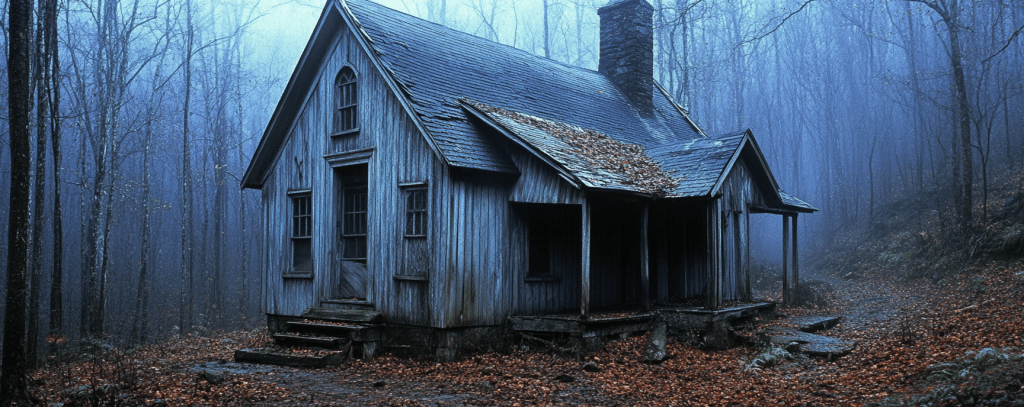
For screenwriters, The Blair Witch Project offers more than scares in the woods; it presents a case study in how narrative form can directly shape tone, character, tension, and audience perception. In this article, we’ll explore the found footage format as a tool for narrative immersion and creative constraint, and how The Blair Witch Project turned its limitations into its greatest strengths.
Found Footage: More Than a Gimmick
The found footage technique isn’t unique to The Blair Witch Project, nor did the film invent the form. But it did popularize and refine it for the modern era. Found footage in film is designed to appear as if the events on screen were discovered recordings, often left behind by the characters themselves. The format typically involves handheld cameras, diegetic sound, and minimal editing to preserve the illusion of raw, unfiltered reality.
For screenwriters, the found footage approach demands a shift in mindset. Traditional screenplay structure—clean transitions, neatly formatted dialogue, clear scene direction—is partially abandoned. Instead, the script becomes a blueprint for chaos. Dialogue is messier. Scenes bleed into one another. Characters aren’t delivering lines; they’re talking over each other, improvising, reacting in real-time. This format can strip storytelling down to its most primal core: truthfulness.
Immersion Through Imperfection
The raw aesthetic of The Blair Witch Project was essential to its impact. The film feels authentic because it embraces imperfection. Camera angles are awkward. Lighting is poor. The audio crackles. But these “flaws” contribute to a growing sense of dread. Screenwriters often strive for elegance, but Blair Witch reminds us that emotional truth doesn’t always come polished.
From a narrative standpoint, these imperfections generate immersion. Viewers aren’t watching actors—they’re witnessing “real people” in a terrifying situation. The sense of voyeurism is powerful. The audience isn’t just observing; they’re participating. This proximity makes the horror more visceral. Every scream, every stumble through the woods, feels disturbingly real.
For writers, the takeaway is this: don’t be afraid to let the story feel messy if that mess serves the tone. Authenticity often lies in the cracks.
Character Development Without Backstory
One of the most remarkable achievements in The Blair Witch Project is how it builds characters without relying on exposition-heavy backstories. Heather, Josh, and Mike are not introduced with detailed biographies or flashbacks. We learn who they are through how they behave under pressure.
This is a direct result of the found footage format. The story unfolds as they film it. There’s no narrator. No omniscient camera. Everything we learn comes from their interactions, decisions, and breakdowns. Heather’s determination, Josh’s sarcasm, Mike’s instability—these traits emerge organically.
As screenwriters, we often default to giving characters motivation through backstory. But Blair Witch demonstrates the power of the present moment. How a character acts in crisis can be more revealing than anything that came before.
Pacing and Structure in a Chaotic Format
A common critique of found footage films is that they can feel aimless or repetitive. The Blair Witch Project narrowly avoids this trap by anchoring its pacing in rising tension. The film may not follow a traditional three-act structure with obvious plot points, but it still creates a clear trajectory of escalation.
Each night brings a new horror. The group grows more disoriented. Tensions between characters mount. The camera work grows more frantic. Fear escalates in tandem with narrative momentum.
For writers, the lesson here is that structure doesn’t always need to be overt. What matters is that there’s a felt progression. Even in the absence of conventional acts, Blair Witch crafts a slow burn that crescendos into unforgettable horror. The trick is in layering dread—not with exposition, but with rhythm.
World-Building Through Misinformation
Before The Blair Witch Project even hit theaters, it had already begun crafting its mythology. The filmmakers created a detailed backstory for the Blair Witch legend and disseminated it through a mockumentary and an early viral website. Many audiences went into the film believing it was real, which only heightened its impact.
This technique—world-building through misdirection—is deeply instructive for screenwriters. The mythology isn’t dumped into the script. It exists around the story, allowing the characters to remain in the dark even as the world they inhabit feels rich and dangerous.
When using found footage, less truly is more. The audience gleans information the same way the characters do—piecemeal, confused, scared. The mystery becomes more unsettling when it resists full explanation. Writers should consider how much lore is necessary, and whether withholding information can actually strengthen tension.
Dialogue and Improvisation: Writing the Unwritten
Interestingly, The Blair Witch Project was largely improvised. The directors provided the actors with daily outlines and goals, but much of the dialogue was created in the moment. This technique allowed the conversations to sound natural and emotionally authentic—something incredibly difficult to fabricate in scripted form.
For screenwriters, this raises an important question: can you write dialogue that feels improvised without relying on improvisation?
The answer lies in intent. Even the most spontaneous-sounding lines should serve a purpose: revealing character, deepening conflict, or moving the story forward. One way to achieve this effect on the page is to write in “unfinished thoughts”—let characters talk over each other, change subjects mid-sentence, contradict themselves. Life is messy, and dialogue can reflect that.
Of course, not every script will benefit from this style. But when writing intimate, high-stress scenarios—especially in horror or thriller genres—it can help to loosen the structure and let the characters breathe.
Budget as Constraint, Constraint as Innovation
At its core, The Blair Witch Project is a lesson in doing more with less. No elaborate sets. No CGI. No musical score. Just three actors, a forest, and a few creepy sounds. And yet, it’s more terrifying than many high-budget horror films.
For screenwriters, the budget can often feel like a limitation. But Blair Witch shows that limitation can drive creativity. The lack of visual monsters forced the filmmakers to lean on atmosphere and implication. The unseen became more terrifying than the seen.
If you’re writing a low-budget screenplay, think about what you can do without. What happens if you strip away traditional narrative tools and focus purely on mood, character, and fear? Often, less spectacle means more storytelling.
Legacy and Lessons for Modern Writers
More than two decades later, the influence of The Blair Witch Project is still felt. Its DNA is visible in films like Paranormal Activity, Cloverfield, and Host. And yet, few have matched its raw, unnerving power.
Part of this is due to novelty, of course. But part of it is also due to commitment. Blair Witch didn’t dabble in found footage—it embraced it fully. The film understood what the format could offer and pushed it to its limits.
For modern screenwriters exploring this form, the challenge is to approach it not as a gimmick, but as a narrative philosophy. Found footage works best when it’s baked into the story’s DNA—when the camera itself is part of the conflict, the mood, the stakes.
Conclusion: Writing Like You Found It
The Blair Witch Project isn’t just a landmark horror film; it’s a reminder that storytelling doesn’t need to be glossy to be effective. Found footage, when used intentionally, can unlock a deeper level of audience connection—one that feels immediate, intimate, and unshakably real.
As screenwriters, we should consider not just what story we’re telling, but how we’re telling it. Is the format supporting the fear? Is the camera placement adding emotional weight? Are the characters acting like they don’t know they’re in a story?
Sometimes the most powerful narratives are the ones that look like they weren’t written at all. But make no mistake—every shaky frame, every half-heard scream, every panicked confession in The Blair Witch Project was supported by choices. Smart, innovative, and deeply human choices.
And that’s something every writer can learn from.
✍️ Whether you’re mastering the art of dialogue, structure, or character development, the power of AI can be a game-changer in your writing journey. My Free Ebook, ‘AI for Authors’ delves into how AI-powered prompts can provide a unique edge to your storytelling process. If you’re intrigued by the prospect of supercharging your fiction skills, download your free copy today and explore new horizons in creative writing.
 A.I. in Screen Trade