Ari Aster’s Hereditary (2018) has often been hailed as one of the most unsettling and masterful horror films of the 21st century. Its impact on audiences is rooted not in jump scares or gore but in its pervasive, suffocating atmosphere. For screenwriters and storytellers, Hereditary provides a textbook case of how to construct horror through mood, character, and subtext. Let’s dive into the techniques that make this film a masterpiece of atmospheric horror.
Building Horror Through Character: The Tragedy of the Graham Family
At its core, Hereditary is a family drama steeped in grief, dysfunction, and inherited trauma. The horror doesn’t come from supernatural forces alone but from the very human pain of the characters. Each family member represents a piece of a shattered whole, and their individual struggles serve as entry points for the film’s creeping dread.
- Annie’s Burden: Annie (Toni Collette) is the emotional core of the film, and her grief manifests in unpredictable, often destructive ways. Her struggle with motherhood, her fraught relationship with her own mother, and her sense of guilt are portrayed with unflinching honesty. Screenwriters can learn from how Hereditary externalizes Annie’s internal turmoil, letting it seep into the film’s atmosphere.
- Peter and Charlie: Peter’s guilt and repression collide with the eerie presence of Charlie, his younger sister. Their dynamic underscores how unresolved family tensions can bubble to the surface in catastrophic ways. Aster’s script uses subtext—unspoken accusations, lingering glances, and awkward silences—to create a palpable sense of unease.
By grounding its horror in these deeply personal conflicts, Hereditary achieves a level of intimacy that makes its supernatural elements feel terrifyingly plausible.
The Role of Setting: A House of Secrets
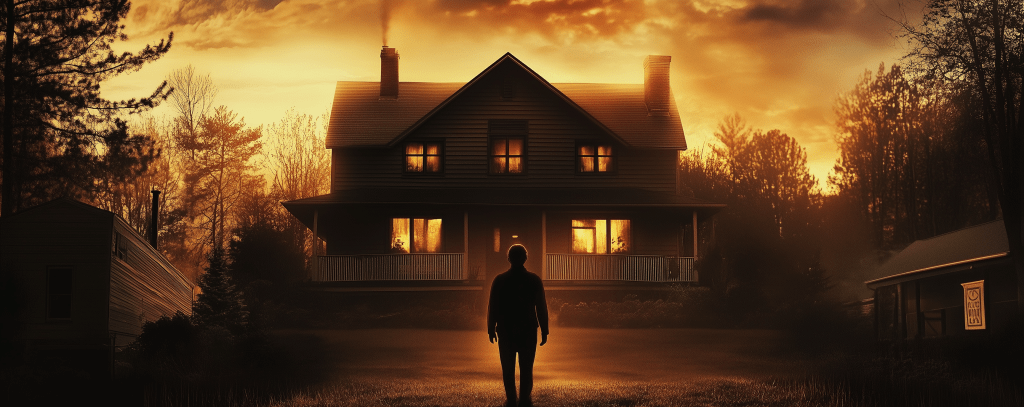
The Graham family home is a microcosm of the film’s oppressive atmosphere. From the layout of the rooms to the dim lighting, every aspect of the house feels purposefully designed to amplify the story’s tension.
- Claustrophobic Spaces: The house feels like a labyrinth, with narrow hallways and isolated rooms that mirror the family’s disconnection. The miniature dioramas that Annie creates also serve as an eerie parallel to the characters’ lives, as if they are pieces in a larger, inescapable game.
- Lighting and Color: The muted color palette of browns, grays, and shadows evokes a sense of decay and entrapment. Meanwhile, the interplay of light and shadow in key scenes—such as the silhouette of Annie in Peter’s room—creates a visual language of dread.
For writers, setting isn’t just a backdrop; it’s a character in itself. The Graham house reinforces the film’s themes of isolation and inevitability, showing how a carefully chosen location can elevate a story.
Pacing and Tension: The Slow Burn Approach
Hereditary is a masterclass in pacing, deliberately building tension over time rather than resorting to quick thrills. This slow-burn approach allows the horror to feel organic and deeply rooted in the narrative.
- Establishing the Normal: The film begins with what seems like a traditional family drama, grounding the audience in a world that feels real and relatable. This baseline of normalcy makes the eventual descent into chaos all the more shocking.
- Layering Suspense: Aster introduces unsettling elements incrementally—a cryptic note in a book, a strange sound at night, or an eerie figure in the background. Each new detail deepens the sense of unease without overwhelming the audience.
- Explosive Payoffs: When the horror does erupt, it’s devastating. The decapitation of Charlie is one of the most shocking moments in modern horror, not because of its graphic nature but because it subverts expectations and shifts the narrative into uncharted territory.
Screenwriters should take note of how Hereditary uses pacing as a tool to build suspense. By allowing moments of quiet to linger, the film creates space for tension to grow, making the climactic scares feel earned.
Sound Design and Music: The Silent Threat
The soundscape of Hereditary is another key element in crafting its atmosphere. From its haunting score to its unsettling use of silence, the film manipulates sound to keep viewers on edge.
- The Score: Colin Stetson’s score is an integral part of the film’s atmosphere, blending discordant strings and ambient noise to evoke a sense of unease. The music doesn’t just accompany the visuals; it amplifies the emotional and psychological weight of the story.
- Diegetic Sound: The film’s use of diegetic sound—the creaking of floorboards, the rustling of trees, the ominous click of Charlie’s tongue—creates a visceral sense of presence. These sounds ground the supernatural elements in a tangible reality, making them feel all the more terrifying.
- Strategic Silence: Silence is just as powerful as sound in Hereditary. Moments of stillness, such as Annie sitting alone in her workshop, allow the audience to anticipate dread, filling the void with their own fears.
For writers, this emphasizes the importance of considering how sound—or its absence—can be used to heighten tension and atmosphere in storytelling.
Themes of Fate and Inescapability
One of the most unsettling aspects of Hereditary is its exploration of fate and the lack of agency. The Graham family seems doomed from the start, their lives manipulated by forces beyond their control.
- Inherited Trauma: The idea of inheritance runs throughout the film, from Annie’s relationship with her mother to the demonic pact that ensnares the family. This generational curse serves as a metaphor for the inescapability of trauma, showing how the past can shape and destroy the future.
- Symbolism: The use of symbols, such as the sigil of Paimon or the miniature dioramas, reinforces the theme of predestination. These visual motifs suggest that the characters’ fates are preordained, stripping them of their autonomy.
Writers can learn from how Hereditary weaves its themes into every aspect of the story. By making fate and inevitability central to the narrative, the film creates a sense of dread that lingers long after the credits roll.
Subverting Horror Tropes
While Hereditary draws from classic horror influences, it also subverts many genre conventions to deliver something fresh and unexpected.
- The Family Unit: Traditional horror often portrays the family as a source of strength, but in Hereditary, it’s a source of vulnerability. The Graham family’s inability to communicate or support one another exacerbates their suffering.
- No Safe Haven: In many horror films, there are moments of relief—places or people the protagonist can turn to for safety. In Hereditary, there is no such reprieve. Even the support group Annie attends becomes a gateway to further horror.
- Unconventional Ending: The film’s climax, which fully embraces the supernatural, defies expectations by leaning into its occult roots. Rather than offering closure, it leaves viewers with a chilling sense of finality.
For screenwriters, this willingness to challenge conventions is a reminder that the most memorable stories often come from defying audience expectations.
Lessons for Writers
- Root Horror in Emotion: Hereditary demonstrates that the most effective scares are those grounded in real human experiences. Grief, guilt, and family trauma make the supernatural elements feel relatable and deeply unsettling.
- Use Atmosphere as a Character: The film’s setting, lighting, and sound design all contribute to its oppressive mood. Writers should think about how every element of their story can enhance the atmosphere.
- Pace the Story with Intention: A slow build allows tension to simmer and makes the climactic moments hit harder. Avoid rushing to the scares; let the audience sit with their discomfort.
- Subvert Expectations: By playing with and subverting genre tropes, Hereditary keeps the audience guessing, which is key to maintaining suspense.
- Weave Themes Throughout: The film’s exploration of fate and trauma is integrated into its plot, characters, and visuals, creating a cohesive and resonant narrative.
Conclusion
Hereditary is a masterwork of atmospheric horror, offering valuable lessons for writers across genres. Its ability to blend deeply personal struggles with supernatural terror creates a haunting experience that lingers in the mind long after the final frame. By studying its techniques, screenwriters can learn how to craft stories that terrify, move, and resonate with audiences on a profound level.
✍️ Whether you’re mastering the art of dialogue, structure, or character development, the power of AI can be a game-changer in your writing journey. My Free Ebook, ‘AI for Authors’ delves into how AI-powered prompts can provide a unique edge to your storytelling process. If you’re intrigued by the prospect of supercharging your fiction skills, download your free copy today and explore new horizons in creative writing.
 A.I. in Screen Trade