In the pantheon of cinematic masterpieces, Sidney Lumet’s 12 Angry Men holds a unique place as a taut, claustrophobic drama that unfolds entirely within the confines of a jury room. Adapted from Reginald Rose’s teleplay, the 1957 film is a masterclass in storytelling, using its single location not as a limitation, but as a powerful narrative device.
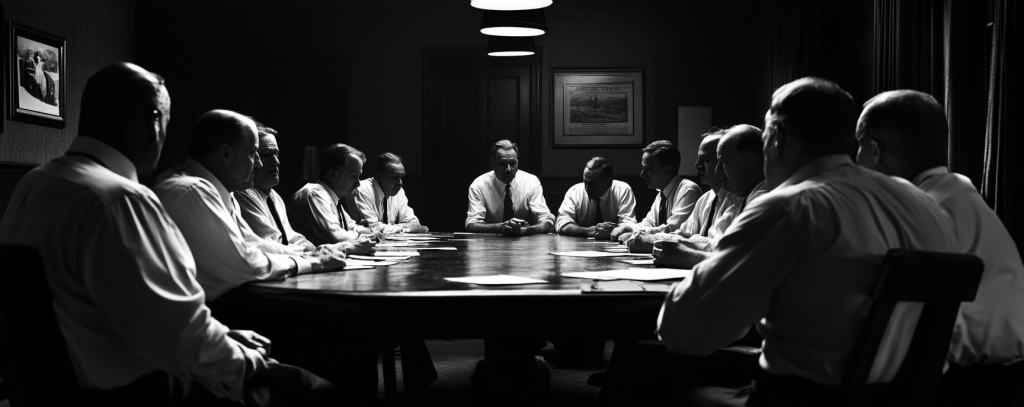
For screenwriters, 12 Angry Men offers invaluable lessons in the art of single-location storytelling. It demonstrates how to create tension, develop character, and sustain audience engagement—all without ever leaving the room. In this article, we’ll dissect the film’s brilliance, exploring how its setting enhances the story and what writers can learn from its construction.
The Power of a Single Location
Single-location films rely on economy and creativity. With no sweeping vistas or action-packed set pieces to fall back on, the focus shifts entirely to the characters and their interactions. This can create a sense of intimacy and immediacy that’s hard to achieve in more expansive settings.
In 12 Angry Men, the jury room becomes a crucible where personalities clash, biases surface, and truths emerge. The physical constraints of the space heighten the drama, forcing the characters—and the audience—to confront the issues head-on.
Writing Tip: When crafting a single-location story, think of the setting as a character in its own right. How does it shape the narrative? What unique challenges or opportunities does it present?
Conflict as the Engine of Drama
At its heart, 12 Angry Men is a story about conflict. The jurors must decide the fate of a young man accused of murder, and their deliberations quickly devolve into a battle of wills. Each character represents a different perspective, bringing their own biases, assumptions, and emotions to the table.
The film’s genius lies in its ability to sustain tension through dialogue and character interaction. The central conflict—whether the defendant is guilty or not—is layered with smaller, interpersonal conflicts. These range from petty squabbles to deep-seated prejudices, creating a rich tapestry of drama.
Writing Tip: In a single-location story, conflict is your lifeblood. Ensure that every scene brims with tension, whether it’s overt or simmering beneath the surface.
Character as the Driving Force
In the absence of visual spectacle, character becomes paramount. 12 Angry Men assembles a diverse cast of jurors, each with a distinct personality, background, and worldview. From the calm, rational Juror 8 (Henry Fonda) to the hot-headed, bigoted Juror 3 (Lee J. Cobb), the characters drive the story forward.
The film’s structure allows each juror to have their moment in the spotlight, revealing their motivations and internal conflicts. This not only keeps the audience engaged but also deepens the story’s thematic resonance, exploring issues of justice, prejudice, and the human condition.
Writing Tip: Develop well-rounded characters with clear motivations. In a single-location setting, their personalities and dynamics will carry the narrative, so invest time in making them compelling and complex.
Pacing and Momentum
One of the challenges of a single-location film is maintaining momentum. Without scene changes to provide visual variety, it’s crucial to keep the story moving through shifts in tone, stakes, and character dynamics. 12 Angry Men achieves this masterfully, using a combination of rising tension, strategic reveals, and shifts in the balance of power.
The film’s pacing mirrors the jury’s deliberations, starting with a seemingly straightforward guilty verdict and gradually unraveling as Juror 8 introduces doubt. Each new piece of evidence, each revelation about a juror’s bias or agenda, propels the story forward.
Writing Tip: Structure your single-location script to include peaks and valleys in tension. Use moments of quiet introspection to balance high-stakes confrontations, creating a dynamic rhythm that keeps the audience engaged.
Using the Setting to Enhance the Story
The jury room in 12 Angry Men is more than just a backdrop—it’s a tool for storytelling. The oppressive heat, the claustrophobic space, and the locked door all contribute to the tension. As the jurors sweat, argue, and pace the room, the physical environment amplifies their emotional states.
The setting also creates a sense of unity and entrapment. The jurors are forced to confront each other and themselves, with no escape from the room or the decision they must make. This mirrors the central theme of the film: the responsibility of individuals to seek truth and justice, even under pressure.
Writing Tip: Use your setting to reflect and enhance the story’s themes and emotions. Consider how the environment influences the characters and their interactions.
Themes and Subtext
Beneath its surface, 12 Angry Men is a deeply thematic work, tackling issues of justice, morality, and prejudice. The jury room becomes a microcosm of society, exposing the biases and flaws that influence human behavior. Each juror’s stance on the case reflects their personal values and worldview, creating a rich layer of subtext.
For writers, this is a reminder that a single-location story can still explore complex themes. The limited setting forces the audience to focus on the dialogue and character dynamics, making the themes more immediate and impactful.
Writing Tip: Use subtext to add depth to your story. What larger ideas or societal issues are at play? How can your characters and dialogue reflect these themes without being overt?
Dialogue as the Primary Tool
In a single-location film, dialogue becomes the primary means of storytelling. In 12 Angry Men, every line serves a purpose, whether it’s revealing character, advancing the plot, or deepening the themes. The dialogue crackles with tension, wit, and emotion, keeping the audience riveted despite the static setting.
The script also uses repetition and callbacks to great effect. For instance, Juror 3’s repeated insistence on the boy’s guilt takes on new meaning as his personal biases are revealed. These moments of resonance reinforce the film’s emotional and narrative cohesion.
Writing Tip: Craft dialogue that’s layered and purposeful. Consider how each line can serve multiple functions, from revealing character to advancing the plot.
Lessons for Writers: Crafting a Single-Location Story
What can writers learn from 12 Angry Men? Here are a few key takeaways:
- Maximize Conflict: Make sure your setting forces characters into close proximity, heightening tension and confrontation.
- Leverage the Setting: Use the physical environment to reflect the story’s themes and amplify the drama.
- Develop Rich Characters: With limited visual elements, your characters must carry the narrative. Give them depth and distinct voices.
- Maintain Momentum: Structure your story to include shifts in stakes and dynamics, keeping the audience engaged.
- Focus on Dialogue: In a single-location setting, dialogue is your most powerful tool. Use it to reveal character, advance the plot, and explore themes.
Conclusion: The Enduring Power of 12 Angry Men
More than six decades after its release, 12 Angry Men remains a touchstone for writers and filmmakers. Its ability to create gripping drama within a single room is a testament to the power of storytelling. For screenwriters, it’s a reminder that great stories don’t require elaborate settings or action sequences—just compelling characters, sharp dialogue, and a clear understanding of the story’s themes.
As you embark on your own writing projects, consider the lessons of 12 Angry Men. Whether you’re crafting a single-location film or a sprawling epic, the principles of character, conflict, and dialogue are universal. And if you can make an audience care as much about a jury deliberation as they would about a battle scene, you’ll have achieved something truly remarkable.
✍️ Whether you’re mastering the art of dialogue, structure, or character development, the power of AI can be a game-changer in your writing journey. My Free Ebook, ‘AI for Authors’ delves into how AI-powered prompts can provide a unique edge to your storytelling process. If you’re intrigued by the prospect of supercharging your fiction skills, download your free copy today and explore new horizons in creative writing.
 A.I. in Screen Trade