The HBO series Chernobyl is a masterclass in tension, not just because of its gripping story, but because of the way it grounds the drama in meticulous realism. Created by Craig Mazin, the series reconstructs the catastrophic events surrounding the 1986 Chernobyl nuclear disaster. While it could have easily fallen into the traps of melodrama or sensationalism, the show instead takes a more grounded approach, building its tension not through over-the-top theatrics, but through an unflinching commitment to truth and detail.
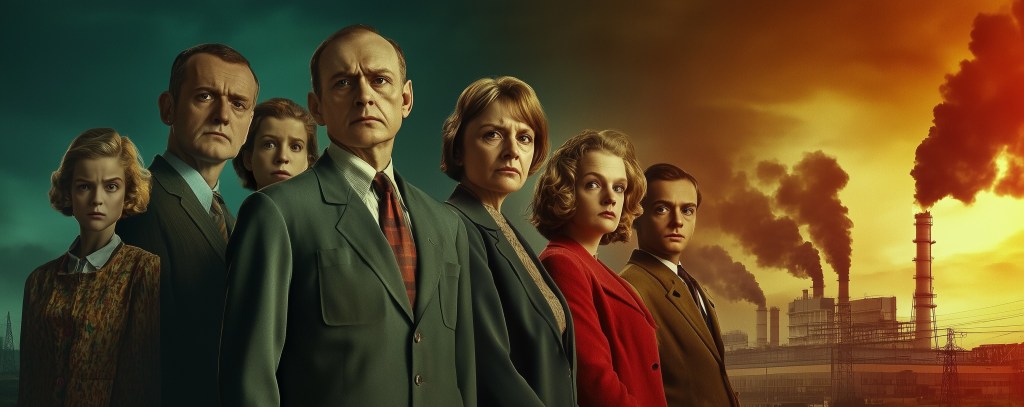
This article explores how Chernobyl achieved its edge-of-your-seat intensity through realism, focusing on its storytelling, character work, and production design. Screenwriters, take note—there’s much to learn from this extraordinary series.
1. The Power of Small, Authentic Details
At the heart of Chernobyl’s realism is its attention to small details. From the opening moments, the show plunges the audience into the disorienting and horrifying reality of the disaster. Geiger counters click ominously, the air grows thick with dust, and ordinary workers in the control room trade glances that escalate from confusion to terror.
The screenwriting shines here by showing, not telling. Instead of immediately dumping exposition about nuclear reactors, Mazin allows the environment to communicate the danger. The popping sound of graphite on fire and the subtle shift in tone as workers realize the severity of the explosion provide all the tension the scene needs.
For screenwriters, this demonstrates the importance of detail. Instead of leaning on dialogue to convey stakes, Chernobyl uses the setting and action itself to immerse the viewer, letting the audience feel the weight of the disaster.
2. Humanizing the Catastrophe
Disaster stories often risk becoming impersonal, focusing on the mechanics of the event rather than its impact on individuals. Chernobyl avoids this trap by grounding the story in the experiences of ordinary people—workers, firefighters, scientists, and civilians caught in the disaster’s wake.
One standout example is the story of firefighter Vasily Ignatenko and his wife, Lyudmilla. Their relationship humanizes the disaster, turning the abstract horror of radiation poisoning into something heartbreakingly tangible. Vasily’s slow, painful deterioration is portrayed with stark, unflinching realism, showing the devastating human toll of the disaster.
Screenwriters can learn from this emphasis on the personal. Even in large-scale stories, focusing on individual experiences creates a connection with the audience, making the stakes feel immediate and relatable.
3. Real-World Constraints Amplify Tension
Rather than inventing artificial obstacles, Chernobyl leans into the real-world challenges faced by its characters. This not only reinforces the show’s authenticity but also heightens the tension. For example, much of the drama comes from the bureaucratic inertia and denial that plague the Soviet response to the disaster.
Characters like Valery Legasov (the nuclear physicist), Boris Shcherbina (a Soviet politician), and Ulana Khomyuk (a composite character representing scientists) are trapped not just by the physical realities of the disaster, but by a rigid, oppressive political system. The inability to speak the truth openly, the fear of repercussions, and the relentless suppression of information add layers of tension to every scene.
This is a crucial lesson for writers. External obstacles, such as bureaucratic hurdles or systemic failures, can be as compelling—and sometimes more so—than traditional antagonists. These barriers feel real because they reflect challenges that exist in our world, making the stakes more relatable.
4. The Role of Silence and Restraint
One of Chernobyl’s most striking qualities is its use of silence. Many pivotal moments are devoid of music, allowing the sounds of the environment to dominate. The hiss of steam, the hum of machinery, and the eerie quiet of an abandoned town create a sense of foreboding that no orchestral score could match.
This choice forces viewers to confront the horror head-on, without the emotional cues typically provided by music. The lack of a musical safety net heightens the tension, making the scenes feel raw and immediate.
For screenwriters, this underscores the power of restraint. Sometimes, what you leave out is as important as what you include. Silence, when used effectively, can amplify drama and keep the audience on edge.
5. Complex Characters Facing Moral Dilemmas
Chernobyl’s characters are compelling not because they are heroes or villains, but because they are deeply human. Valery Legasov is principled but conflicted, burdened by the knowledge that his expertise is both saving lives and revealing horrifying truths. Boris Shcherbina transforms from a skeptical bureaucrat to someone who deeply cares about the people affected.
Even minor characters, like plant workers and villagers, are written with care, reflecting the complex web of emotions—fear, denial, courage, and guilt—that define human responses to crises.
The show’s moral dilemmas further deepen the tension. Should the truth be exposed, even if it costs lives? How far should individuals go to protect the state’s image? These questions resonate because they feel universal, reminding viewers of the ethical complexities inherent in many real-world decisions.
6. Visual Authenticity and Production Design
The series’ commitment to realism extends to its visual design. The meticulous recreation of 1980s Soviet Ukraine, from the architecture to the clothing, immerses the viewer in the world of Chernobyl. The drab, muted color palette captures the oppressive atmosphere of the time, while the haunting depiction of the reactor and its aftermath serves as a constant reminder of the disaster’s scale.
For writers, this level of visual detail reinforces the importance of setting. A well-realized environment can act as a character in its own right, shaping the mood and driving the narrative.
7. Pacing That Mirrors Real-Life Escalation
Chernobyl builds its tension gradually, mirroring the way the real disaster unfolded. The first episode focuses on the immediate aftermath of the explosion, while subsequent episodes explore the longer-term consequences and the eventual unraveling of the truth.
This measured pacing allows the audience to fully grasp the complexity of the event. By refusing to rush through key moments, the show creates a sense of inevitability, as though the disaster is a slow-moving avalanche that cannot be stopped.
Screenwriters can take inspiration from this approach by recognizing the value of pacing. Building tension doesn’t always mean constant action; sometimes, the slow drip of information or the creeping realization of danger is more effective.
8. Balancing Fact with Narrative
One of the biggest challenges in telling a story based on real events is balancing factual accuracy with narrative demands. Chernobyl succeeds by prioritizing emotional and thematic truth over strict adherence to historical detail.
While some characters and events are composites, they serve the larger purpose of conveying the systemic failures and human consequences of the disaster. The show doesn’t aim to be a documentary; instead, it uses creative liberties to emphasize the broader truths of the story.
This is an important takeaway for writers working with real-life material. Staying true to the essence of a story often matters more than rigidly following every detail. Emotional authenticity can resonate more deeply with audiences than factual precision.
Conclusion: Lessons for Writers
Chernobyl is a triumph of tension-building through realism, offering invaluable lessons for screenwriters and storytellers. By focusing on small, authentic details, humanizing the catastrophe, and leaning into real-world challenges, the show creates a gripping narrative that feels both immediate and timeless.
Its use of silence, complex characters, and visual authenticity further enhance its impact, while its careful pacing and balanced approach to fact and fiction demonstrate the power of thoughtful storytelling.
For anyone seeking to create stories that grip audiences and stay with them long after the credits roll, Chernobyl is an essential study. Its realism is not just a stylistic choice; it’s the foundation of its tension, proving that the truth, when told well, is often more compelling than fiction.
✍️ Whether you’re mastering the art of dialogue, structure, or character development, the power of AI can be a game-changer in your writing journey. My Free Ebook, ‘AI for Authors’ delves into how AI-powered prompts can provide a unique edge to your storytelling process. If you’re intrigued by the prospect of supercharging your fiction skills, download your free copy today and explore new horizons in creative writing.
 A.I. in Screen Trade