Artificial Intelligence (AI) has rapidly integrated into various facets of the entertainment industry, revolutionizing content creation, distribution, and consumption. While AI offers numerous advantages, it also presents ethical challenges that necessitate careful consideration. This article explores the ethical implications of AI in entertainment, focusing on screenwriting and writing, and discusses strategies to ensure its responsible use.
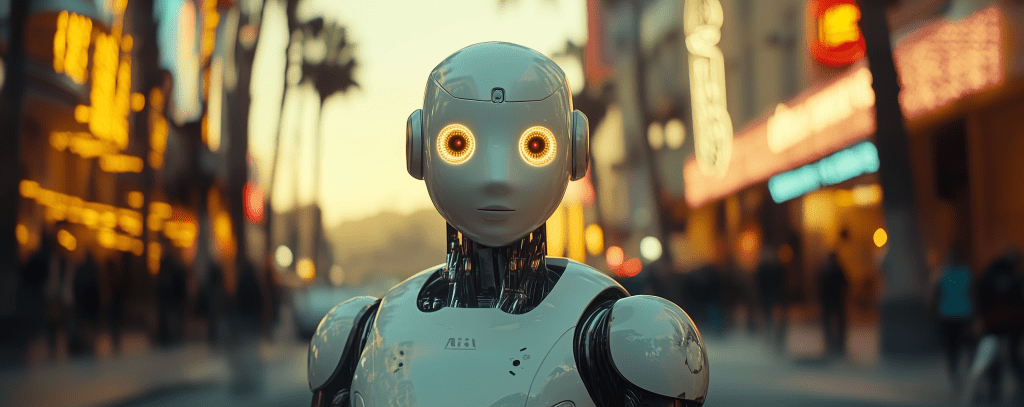
AI in Content Creation: Opportunities and Challenges
AI’s ability to generate content has opened new avenues for creativity. In screenwriting, AI tools can assist writers by suggesting plot developments, character arcs, and dialogue, potentially streamlining the creative process. However, this technological advancement raises several ethical concerns:
- Authorship and Originality: The use of AI in generating scripts blurs the lines of authorship. If an AI system contributes significantly to a screenplay, questions arise about who should receive credit and compensation. The Writers Guild of America (WGA) has addressed this issue by stipulating that AI cannot be credited as a writer, ensuring that human authors maintain recognition for their work.
- Intellectual Property Rights: AI systems often train on existing works, leading to potential copyright infringements. A recent investigation revealed that generative AI models have been trained using Hollywood screenplays without consent, raising legal and ethical concerns about unauthorized use of copyrighted material.
- Quality and Creativity: While AI can generate content, it may lack the nuanced understanding of human experiences and emotions that are crucial for compelling storytelling. Filmmaker Ben Affleck has expressed skepticism about AI’s ability to replicate the quality of human-created art, suggesting that AI is unlikely to replace human creativity in filmmaking.
AI in Performance: Digital Replicas and Consent
The creation of digital replicas of actors using AI technology has become increasingly prevalent, offering possibilities for posthumous performances or de-aging actors. However, this practice raises significant ethical issues:
- Consent and Autonomy: Utilizing an actor’s likeness without explicit consent infringes on personal rights. California has enacted legislation to protect actors from unauthorized digital replicas, allowing performers to maintain control over their image and prevent misuse.
- Posthumous Use: The use of AI to recreate deceased actors poses ethical dilemmas regarding respect for the individual’s legacy and the potential for exploitation. The new California law also addresses this concern by allowing the estates of deceased celebrities to sue if their likeness is used without consent.
Bias and Representation in AI-Generated Content
AI systems can inadvertently perpetuate biases present in their training data, leading to issues in representation:
- Cultural Stereotypes: If AI models are trained on biased data, they may generate content that reinforces harmful stereotypes. Ensuring diverse and representative training datasets is crucial to mitigate this risk.
- Inclusion: The underrepresentation of certain groups in training data can result in AI-generated content that lacks diversity, failing to reflect the richness of human experiences.
Transparency and Accountability in AI Development
The opaque nature of AI algorithms poses challenges for accountability:
- Explainability: Understanding how AI systems make decisions is essential for identifying and correcting biases. Developers should strive for transparency in AI processes to build trust and ensure ethical use.
- Regulation: Establishing clear guidelines and regulations for AI use in entertainment is necessary to prevent misuse. The Senate Select Committee on Adopting AI has called for comprehensive regulation of AI technology across the economy, highlighting the need for transparency and accountability.
Economic Impacts: Job Displacement and Industry Dynamics
The integration of AI into entertainment has economic implications:
- Job Displacement: Automation of tasks traditionally performed by humans, such as scriptwriting or editing, could lead to job losses. It is essential to balance technological advancement with the preservation of employment opportunities.
- Industry Dynamics: AI’s role in content creation may shift power dynamics within the industry, potentially marginalizing human creators. Ensuring fair compensation and recognition for human contributions is vital.
Ensuring Responsible Use of AI in Entertainment
To navigate the ethical challenges posed by AI in entertainment, stakeholders should consider the following strategies:
- Develop Ethical Guidelines: Industry bodies and organizations should establish ethical guidelines for AI use, addressing issues of consent, authorship, and representation.
- Promote Transparency: Developers should be transparent about how AI systems are trained and used, allowing for scrutiny and accountability.
- Foster Collaboration: Encouraging collaboration between AI developers and human creators can lead to more ethical and innovative outcomes.
- Implement Regulatory Measures: Governments and regulatory bodies should develop policies that protect individual rights and promote ethical AI use in entertainment.
Conclusion
AI’s integration into the entertainment industry offers exciting possibilities but also presents significant ethical challenges. By proactively addressing issues related to authorship, consent, bias, transparency, and economic impact, stakeholders can harness AI’s potential while ensuring its responsible and ethical use. As the industry evolves, ongoing dialogue and collaboration will be essential to navigate the complex landscape of AI in entertainment.
✍️ Whether you’re mastering the art of dialogue, structure, or character development, the power of AI can be a game-changer in your writing journey. My Free Ebook, ‘AI for Authors’ delves into how AI-powered prompts can provide a unique edge to your storytelling process. If you’re intrigued by the prospect of supercharging your fiction skills, download your free copy today and explore new horizons in creative writing.
 A.I. in Screen Trade