Artificial intelligence (AI) has made profound inroads into nearly every industry, and Hollywood is no exception. While technological advancements have historically enhanced storytelling—from CGI to advanced sound design—AI is pushing boundaries in ways that challenge not only the production process but also the essence of creative authorship itself. Hollywood’s AI dilemma is as complex as it is consequential, setting the stage for a conversation about the balance between innovation and the preservation of human creativity.
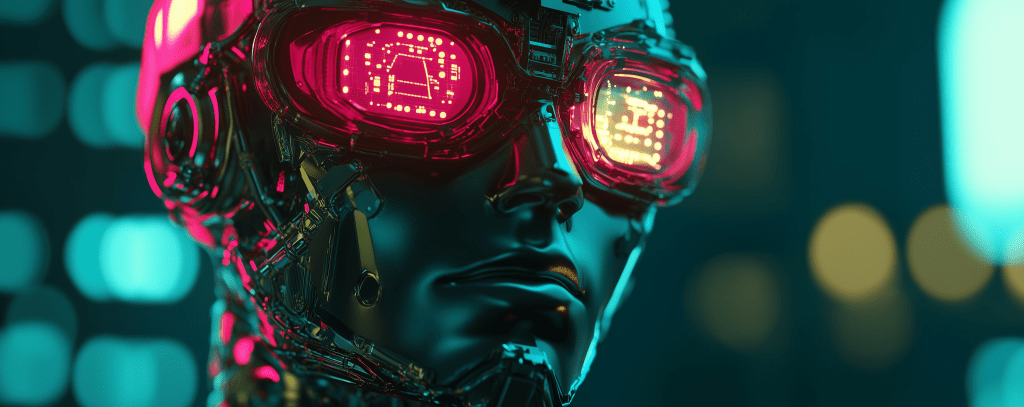
As studios explore AI’s potential for enhancing production efficiency and creating new storytelling forms, they are also confronted with questions about authorship, originality, and the role of human artistry in an AI-augmented landscape. This article delves into the multi-faceted challenges and opportunities AI presents to the industry, ultimately examining whether Hollywood’s embrace of AI is advancing creativity—or undermining it.
The Rise of AI in Storytelling
AI’s applications in Hollywood are extensive, with algorithms already influencing various aspects of film and television production. This includes everything from script analysis and CGI animation to virtual casting. Platforms like ScriptBook analyze thousands of scripts to forecast box office potential, giving studios more data-driven insights into which projects are worth pursuing. Similarly, AI-assisted editing tools like Adobe Sensei streamline production processes by automating tasks that traditionally required human intervention, such as color correction, scene matching, and even preliminary cuts of footage.
AI is also breaking new ground in generating content. GPT-based models, like those developed by OpenAI, are increasingly being used to write preliminary drafts or outline plots. This technology has the potential to transform content creation, as AI can generate an extensive array of ideas or even dialogue, providing screenwriters with creative material to refine. While this technology is revolutionary, it also raises questions about originality, intellectual property, and, perhaps most importantly, the very nature of storytelling.
Scriptwriting: Collaborator or Competitor?
One of AI’s most controversial applications in Hollywood is its potential role in screenwriting. In the realm of film and television writing, AI is seen as both a collaborator and a potential competitor. Platforms like Jasper and Sudowrite allow writers to input prompts and receive quick drafts, outlines, or suggestions. AI algorithms can rapidly synthesize tropes, themes, and plot structures, creating narratives that adhere to established storytelling norms. While this is useful in ideation, it raises concerns about the value and uniqueness of human-crafted dialogue, character development, and subtext.
Hollywood has a longstanding reverence for screenwriters as the original creators of cinematic narratives. Crafting a screenplay often involves a deep emotional and psychological investment in characters and themes, a complexity that AI struggles to replicate. The intricate, morally ambiguous characters seen in shows like Breaking Bad are not easily generated by algorithms. Instead, they result from writers’ nuanced understanding of human psychology, cultural subtext, and thematic relevance.
The debate over AI’s role in screenwriting intensifies as algorithms evolve, leading some to ask: Could a Hollywood blockbuster ever be written by AI alone? While AI may aid in generating ideas, many argue it lacks the emotional intelligence to create narratives with resonance and depth. This sentiment echoes concerns in the wider creative community, as AI’s potential to diminish the screenwriter’s role challenges long-held beliefs about authorship.
CGI and Virtual Actors: Enhancing or Replacing?
AI has already had a significant impact on CGI, making it more cost-effective and accessible. Deep learning techniques allow for enhanced image generation and rendering, enabling studios to produce realistic visual effects quickly and at a fraction of the traditional cost. AI-driven CGI has enabled groundbreaking scenes in movies such as The Irishman, where de-aging technology brought younger versions of actors to life on screen.
But AI’s ability to simulate human actors raises ethical and professional questions. Virtual characters, created through AI-driven CGI, can take on complex roles, potentially circumventing the need for human actors entirely. There’s also the issue of digital reanimation, with studios recreating deceased actors. While such technology enables unique storytelling opportunities—think about the possibilities of featuring iconic actors in new narratives—it also sparks debates about consent, ownership, and the future role of human actors in Hollywood.
Moreover, AI-driven digital performances could create a dynamic where actors’ unique qualities are synthesized and replicated, reducing the need for new talent. The implications are especially concerning for up-and-coming actors who might be sidelined in favor of digital reproductions of past stars. While CGI and digital manipulation have always been part of filmmaking, the move toward fully virtual actors represents a paradigm shift that could redefine casting and acting.
AI and Ethical Quandaries: Ownership, Consent, and Fair Use
The implementation of AI in Hollywood brings up pressing legal and ethical issues, particularly around intellectual property and consent. If an AI model is trained on a vast dataset of scripts, films, and performances, who owns the output? This question strikes at the heart of Hollywood’s AI dilemma. Traditional copyright laws are ill-equipped to address issues surrounding AI-generated content, leaving the industry in a legal gray area.
Authorship is another point of contention. If an AI algorithm is involved in generating a script or editing footage, should it receive credit? Or does the ultimate responsibility lie with the human who operates or curates the AI’s output? This issue of “authorship by proxy” forces Hollywood to rethink traditional definitions of creativity and credit.
Consent is also a vital consideration. For instance, AI can now synthesize an actor’s voice or likeness based on past performances, raising concerns about the ethical use of digital replicas. Actors like Carrie Fisher and Paul Walker have been digitally resurrected for films posthumously, sparking discussions on the boundaries of respect and consent. Hollywood must confront these ethical issues if it intends to incorporate AI into production workflows responsibly.
AI in the Writing Room: Efficiency or Creative Compromise?
AI tools are often marketed as productivity enhancers, allowing writers to streamline tedious tasks and focus on creativity. Programs that analyze dialogue for emotional impact or scan for plot inconsistencies can save hours of manual work. But some argue that this shift toward automation in the writing room risks homogenizing creative expression.
Screenwriting has long been a blend of structure and intuition. Classic works in film and television, like American Psycho, are shaped by an individual writer’s unique vision, often exploring themes and narratives that diverge from formulaic storytelling. AI, while efficient, tends to lean on established patterns and formulas. There’s a risk that AI-driven creativity could reduce complex narratives to predictable structures, undermining the artistic complexity that characterizes Hollywood’s finest writing.
The Cultural Impact: Is AI Changing How We Experience Stories?
AI’s influence extends beyond production; it’s altering audience expectations and experiences. Platforms like Netflix and Amazon Prime use AI algorithms to personalize content recommendations, giving viewers a seemingly endless flow of tailored options. However, some critics argue that such algorithms create “filter bubbles,” limiting exposure to new or challenging content. By reinforcing user preferences, AI might narrow the range of stories viewers are exposed to, thereby impacting the diversity of narratives Hollywood produces.
For audiences, there’s also the issue of authenticity. Many filmgoers cherish the knowledge that a story was crafted by a human hand, with all its inherent imperfections, insights, and nuances. If viewers increasingly suspect that AI had a substantial role in creating a film, they may feel less connected to the story, perceiving it as a product rather than a personal narrative experience. Hollywood thus faces a delicate balancing act between integrating AI to streamline content creation and preserving the human touch that fosters audience engagement.
The Future: Can AI and Human Creativity Coexist?
Hollywood’s AI dilemma ultimately boils down to a question: Can AI and human creativity coexist without compromising the artistic integrity of the industry? There’s no simple answer, as both AI proponents and skeptics bring valid arguments to the table. Proponents highlight AI’s capacity to push the boundaries of storytelling by generating fresh ideas and facilitating creative experimentation. Meanwhile, skeptics worry that the more Hollywood relies on AI, the less it will invest in nurturing human creativity and innovation.
One possible middle ground is to view AI as a tool rather than a replacement for human creativity. Used thoughtfully, AI could amplify the work of writers, directors, and actors by freeing them from routine tasks, allowing them to focus on high-level creative decisions. This approach could lead to a more collaborative model, where AI handles logistical and technical demands while human creatives remain at the heart of storytelling.
However, this vision depends on the industry’s commitment to ethical practices and transparency. As Hollywood navigates this new era, it must establish clear guidelines on the appropriate use of AI and prioritize respect for human authorship and originality. These steps will be essential in fostering a future where AI enhances rather than detracts from the industry’s creative vibrancy.
Conclusion: Navigating the AI-Creativity Balance in Hollywood
AI’s impact on Hollywood is undeniable, offering possibilities that could revolutionize storytelling while posing serious questions about the preservation of human creativity. As AI becomes more integrated into the industry, Hollywood must balance the advantages of efficiency and innovation with a respect for the irreplaceable value of human artistry. Screenwriters, actors, directors, and the industry at large stand at a crossroads, faced with the challenge of harnessing AI’s power without compromising the heart and soul of cinematic storytelling.
By addressing ethical considerations, establishing fair usage policies, and respecting the sanctity of authorship, Hollywood can forge a path where AI serves as a supportive tool rather than a creative replacement. In the end, the future of Hollywood lies not in choosing between AI and human creativity, but in finding a way for the two to coexist, enriching the world of storytelling for generations to come.
✍️ Whether you’re mastering the art of dialogue, structure, or character development, the power of AI can be a game-changer in your writing journey. My Free Ebook, ‘AI for Authors’ delves into how AI-powered prompts can provide a unique edge to your storytelling process. If you’re intrigued by the prospect of supercharging your fiction skills, download your free copy today and explore new horizons in creative writing.
 A.I. in Screen Trade