Introduction
The entertainment industry is undergoing a rapid transformation, with artificial intelligence (AI) playing an increasingly significant role in various aspects of content creation, distribution, and even performer representation. As a blog focused on AI in screenwriting and Hollywood, we’re witnessing a fascinating convergence of technology and creativity that’s reshaping the landscape of film, television, and digital media.
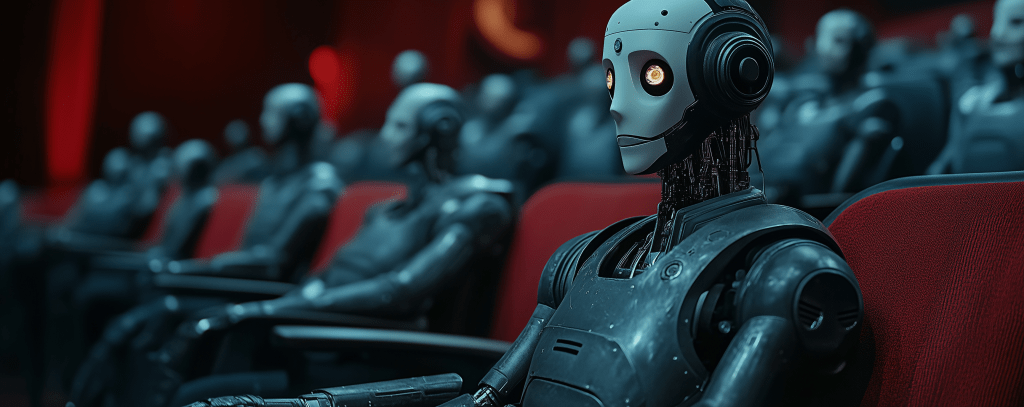
In this article, we’ll explore recent developments that highlight both the potential and pitfalls of AI in the entertainment world. From major studios partnering with tech giants to create AI-generated short films, to the cautionary tales of actors navigating the complex world of AI avatar contracts, and even the emergence of entirely AI-generated podcasts, the impact of AI on Hollywood is both far-reaching and profound.
Blumhouse and Meta: Pioneering AI-Generated Filmmaking
The Meta Movie Gen Pilot Program
In a groundbreaking collaboration, Blumhouse, the production company known for its innovative approach to filmmaking, has partnered with Meta (formerly Facebook) to produce a series of short films using Meta’s cutting-edge AI tool, Meta Movie Gen. This text-to-video and audio creation tool, developed by Meta, represents a significant leap forward in AI-assisted content creation.
The pilot program, which enlisted the talents of acclaimed filmmakers Casey Affleck, Aneesh Chaganty, and the Spurlock Sisters, aims to gather valuable feedback from the creative community. By involving established filmmakers in the early stages of development, Meta is taking a proactive approach to ensuring that their AI tool will be both useful and responsibly implemented.
A Glimpse into the Future of Filmmaking
The first short film to emerge from this collaboration, Aneesh Chaganty’s “i h8 ai,” has already been released, with works from Affleck and the Spurlocks on the horizon. These projects offer a tantalizing glimpse into the potential future of filmmaking, where AI tools could potentially streamline certain aspects of the production process or even unlock new creative possibilities.
Jason Blum, founder of Blumhouse, emphasized the importance of embracing new tools that empower artists to tell their stories. He stated, “It’s crucial that we in the creative industry have a say in how these tools are developed and used.” This sentiment underscores the need for filmmakers and industry professionals to be actively involved in shaping the future of AI in entertainment.
The Road to Public Release
While the excitement surrounding Meta Movie Gen is palpable, it’s important to note that the tool is still in development and won’t be available to the public until at least 2025. This extended development period allows Meta to refine the technology based on feedback from the creative community, potentially addressing concerns and improving functionality before a wider release.
As part of the pilot program, participating filmmakers collaborated closely with Meta’s AI researchers, providing invaluable insights based on their hands-on experience with the tool. This iterative process of development and feedback is crucial for creating AI tools that truly serve the needs of the creative community.
The Broader Landscape of AI-Driven Video Generation
Meta isn’t alone in exploring the potential of AI-driven video generation. Other tech giants like OpenAI with its Sora project and Adobe with its Firefly Video Model are also making strides in this space. As these tools continue to evolve, they have the potential to revolutionize various aspects of film and video production, from pre-visualization and storyboarding to visual effects and even entire shot creation.
The Perils of AI Avatar Contracts: A Cautionary Tale
Dan Dewhirst’s Experience
While the potential of AI in filmmaking is exciting, the case of actor Dan Dewhirst serves as a stark reminder of the risks associated with AI technology in the entertainment industry. Dewhirst’s experience with AI avatar contracts highlights the need for caution and clear guidelines as performers navigate this new terrain.
In 2021, Dewhirst signed a contract with tech company Synthesia to create an AI avatar using his likeness. Despite his efforts to modify the contract’s wide-ranging clauses, he was unable to secure significant changes. The contract did include stipulations that the avatar wouldn’t be used for illegal or unsavory purposes, but as Dewhirst would later discover, these protections proved insufficient.
Misuse of AI Avatars
In 2023, Dewhirst was shocked to discover that his AI avatar had been used in a fake CNN report, promoting false narratives about Venezuela’s economy under Nicolas Maduro. This misuse of his likeness in a propaganda campaign left Dewhirst feeling violated and concerned about the potential damage to his reputation.
“My face became associated with fake news,” Dewhirst stated, expressing his dismay at the situation. This incident serves as a cautionary tale for actors considering AI avatar contracts, highlighting the potential for misuse and the importance of maintaining control over one’s image and likeness.
Industry Response and Safeguards
In response to the incident, Synthesia acknowledged the issue and outlined steps they’ve taken to prevent similar occurrences in the future. These measures include banning the creation of news-like content using stock avatars by non-media organizations, improving content review processes, and hiring more moderators.
Equity, the UK actors union, is taking a proactive stance on the issue of AI in the industry. The union is advocating for stronger AI safeguards, similar to efforts by its American counterparts, and has made AI regulation a central focus in negotiations. This push for regulation underscores the growing awareness of the potential risks associated with AI technology in the entertainment industry.
The Importance of Vigilance
Dewhirst’s decision to speak out about his experience serves as a valuable warning to other actors about the risks of AI avatar contracts. As AI technology continues to advance, it’s crucial for performers to be vigilant and fully understand the implications of the contracts they sign.
Synthesia claims to be the only AI video company with extensive content moderation at the point of video creation, employing both automated systems and human moderators to combat harmful content. While such measures are important, Dewhirst’s experience demonstrates that there’s still work to be done to ensure the ethical use of AI-generated content.
The Rise of AI-Generated Content: “People Overheard Talking About FX’s The English Teacher”
An Unusual Podcast Emerges
In a bizarre twist that further illustrates the potential of AI in content creation, a podcast titled “People Overheard Talking About FX’s The English Teacher” has recently gained attention. This entirely AI-generated podcast features two hosts discussing a fictional show, humorously described as “the best comedy since Seinfeld.”
Created by two unnamed superfans of the show, the podcast began releasing episodes on September 2, with nearly 40 episodes to date. Each episode is less than 10 minutes long, creating a rapid-fire series of discussions about a show that doesn’t actually exist.
Blurring the Lines of Reality
What makes this podcast particularly intriguing is its commitment to the bit, even in the face of factual errors. For example, the podcast consistently refers to the show as “The English Teacher,” while the purported FX series is titled “English Teacher” (without the “The”). This subtle discrepancy adds to the surreal nature of the content.
The podcast doesn’t shy away from making outlandish claims, such as suggesting that Epic Games created Fortnite dance moves inspired by “English Teacher.” These fabricated conversations and false claims create a fascinating tapestry of AI-generated content that exists in its own alternate reality.
The Podcast Landscape and AI
Despite its odd format and frequent releases (with some episodes being published just hours apart), the podcast has garnered minimal attention on platforms like Apple Podcasts, with only two reviews to date. This lack of engagement raises questions about the discoverability and appeal of AI-generated content in an already saturated podcast market.
The creation of this podcast is part of a broader trend of AI-generated audio content, with many such projects being created using tools like NotebookLM, Google’s experimental site. NotebookLM’s ability to turn any uploaded document into a podcast has led to some unusual results, with users receiving podcasts generated from sources as varied as credit card receipts and school reading materials.
The Implications for Screenwriting and Hollywood
AI as a Creative Tool
The developments we’ve explored in this article have significant implications for screenwriting and the broader Hollywood ecosystem. The Meta Movie Gen project, in particular, demonstrates the potential for AI to become a powerful tool in the screenwriter’s arsenal. While it’s unlikely to replace human creativity entirely, AI could assist in tasks such as:
- Generating initial plot ideas or character concepts
- Helping to overcome writer’s block by suggesting alternative narrative directions
- Streamlining the process of creating visual descriptions or storyboards
- Assisting with dialogue generation or refinement
As these tools evolve, screenwriters who embrace AI as a complementary tool may find themselves with new avenues for creativity and efficiency in their work.
Ethical Considerations and Industry Standards
The cautionary tale of Dan Dewhirst’s experience with AI avatars highlights the urgent need for the entertainment industry to establish clear ethical guidelines and standards for the use of AI technology. Screenwriters, actors, and other industry professionals must be proactive in understanding the implications of AI and advocating for protections that safeguard their creative rights and personal likenesses.
As AI-generated content becomes more prevalent, there may also be a need for new categories of creative credits or disclaimers that clearly indicate when AI has played a significant role in the creation of a work. This transparency will be crucial for maintaining trust with audiences and ensuring that human creativity is appropriately recognized and valued.
The Changing Landscape of Content Creation
The emergence of entirely AI-generated content, like the “English Teacher” podcast, raises intriguing questions about the future of storytelling and content creation. While such experiments may currently exist on the fringes of the entertainment landscape, they point to a future where AI could play a more significant role in generating ideas, dialogue, or even entire narratives.
For screenwriters, this shift may present both challenges and opportunities. On one hand, there may be concerns about AI potentially replacing certain aspects of the creative process. On the other hand, AI-generated content could serve as a wellspring of inspiration, providing writers with unique prompts or conceptual starting points that they can then develop and refine with their human creativity and insight.
Conclusion: Navigating the AI Revolution in Hollywood
As we’ve seen through these diverse examples, AI is rapidly transforming various aspects of the entertainment industry, from the way films are created to how performers are represented and even how content is generated. For screenwriters and industry professionals, staying informed about these developments is crucial.
The collaboration between Blumhouse and Meta represents an exciting step forward in AI-assisted filmmaking, while Dan Dewhirst’s experience serves as a reminder of the importance of caution and clear guidelines in the use of AI technology. The emergence of AI-generated podcasts like “People Overheard Talking About FX’s The English Teacher” hints at the potential for AI to create entirely new forms of content.
As we move forward, it will be essential for the creative community to actively engage with AI technology, shaping its development and implementation in ways that enhance rather than replace human creativity. By embracing the potential of AI while remaining vigilant about its ethical implications, screenwriters and other industry professionals can help ensure that the future of Hollywood is one where technology and human creativity work in harmony to produce compelling, innovative content.
The AI revolution in Hollywood is just beginning, and its ultimate impact will depend on how we choose to harness its power. As screenwriters and storytellers, our role in this evolving landscape is more crucial than ever, as we navigate the challenges and opportunities presented by this transformative technology.
✍️ Whether you’re mastering the art of dialogue, structure, or character development, the power of AI can be a game-changer in your writing journey. My Free Ebook, ‘AI for Authors’ delves into how AI-powered prompts can provide a unique edge to your storytelling process. If you’re intrigued by the prospect of supercharging your fiction skills, download your free copy today and explore new horizons in creative writing.
 A.I. in Screen Trade