Introduction
In the realm of dark fantasy and horror, few works have captured the imagination quite like Clive Barker’s “Nightbreed.” Originally conceived as both a novel and a screenplay, “Nightbreed” tells a haunting tale of monsters, humanity, and the blurred lines between good and evil. This article delves into the intricacies of the “Nightbreed” screenplay, exploring its themes, characters, and the unique vision that sets it apart in the landscape of dark fantasy cinema.
The Genesis of ‘Nightbreed’
Clive Barker, already renowned for his horror fiction and the “Hellraiser” franchise, embarked on a new journey with “Nightbreed.” The project began as a novel titled “Cabal,” published in 1988, which Barker then adapted into a screenplay. This transition from page to screen allowed Barker to expand and reimagine his dark fantasy world, creating a visual spectacle that would challenge the boundaries of the genre.
Plot Overview
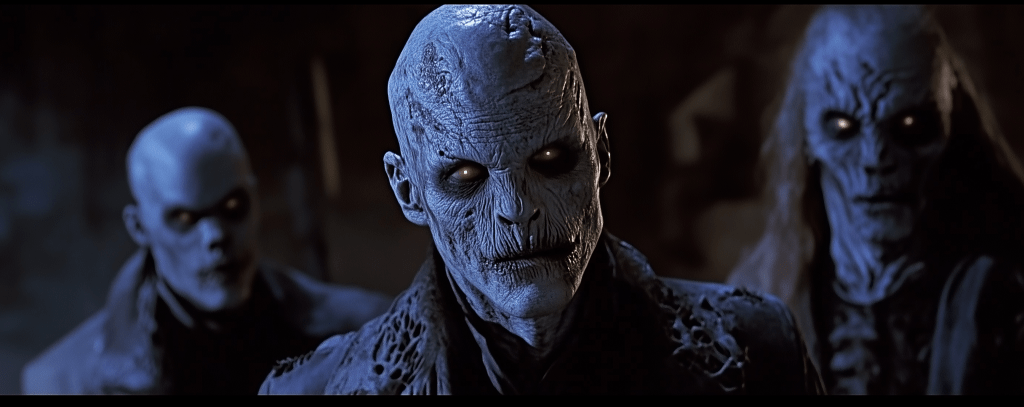
“Nightbreed” centers around Aaron Boone, a troubled young man plagued by nightmares of a hidden city called Midian. Manipulated by his psychiatrist, Dr. Decker, Boone finds himself framed for a series of brutal murders. His journey leads him to discover that Midian is real – a sanctuary for monsters and outcasts known as the “Nightbreed.”
As Boone embraces his destiny among the Nightbreed, he becomes embroiled in a conflict that pits the misunderstood creatures of Midian against the true monsters of the human world. The story unfolds as a dark fantasy epic, blending elements of horror, romance, and social commentary.
Themes and Symbolism
The Nature of Monstrosity
At its core, “Nightbreed” challenges our perception of what it means to be a monster. The screenplay presents a world where the traditional roles of monsters and humans are subverted. The Nightbreed, despite their otherworldly appearances, are portrayed with sympathy and depth. In contrast, many of the human characters, particularly Dr. Decker, embody true monstrosity through their actions and prejudices.
This inversion of expectations forces the audience to confront their own biases and consider the nature of humanity itself. Barker’s screenplay suggests that monstrosity is not defined by appearance or origin, but by one’s choices and treatment of others.
Outcasts and Belonging
The theme of outcasts finding a place to belong resonates strongly throughout “Nightbreed.” Midian serves as a sanctuary for those who don’t fit into normal society, mirroring real-world struggles of marginalized communities. Boone’s journey from an outsider in the human world to a leader among the Nightbreed explores the universal desire for acceptance and community.
This theme is particularly poignant in the context of the time the screenplay was written, serving as an allegory for various social issues, including the AIDS crisis and LGBTQ+ rights.
The Duality of Human Nature
Dr. Decker’s character embodies the duality of human nature, presenting a respectable façade to the world while harboring dark, violent impulses. This split personality serves as a chilling reminder of the capacity for evil that exists within seemingly normal individuals. The screenplay delves into the psychological aspects of this duality, creating a complex and terrifying antagonist.
Character Analysis
Aaron Boone
Boone’s transformation from a troubled human to a heroic figure among the Nightbreed forms the emotional core of the story. His character arc explores themes of self-discovery, acceptance, and the power of embracing one’s true nature. Boone serves as a bridge between the human and monster worlds, challenging the audience to reconsider their preconceptions.
Lori Winston
As Boone’s girlfriend, Lori represents the human connection to the world of the Nightbreed. Her unwavering love for Boone, even as he changes, speaks to themes of acceptance and the transcendent nature of love. Lori’s journey into the heart of Midian also serves as the audience’s gateway into this hidden world.
Dr. Philip K. Decker
One of the most chilling villains in dark fantasy, Dr. Decker is a complex character whose outward respectability masks a sadistic killer. His button-eyed mask becomes an iconic symbol of hidden evil. Decker’s crusade against the Nightbreed reflects real-world prejudices and the dangers of unchecked authority.
Narcisse
Among the memorable Nightbreed characters, Narcisse stands out for his striking appearance and tragic backstory. His self-mutilation and subsequent rebirth in Midian underscore the themes of transformation and finding strength in one’s differences.
Visual Style and Cinematography
The “Nightbreed” screenplay calls for a rich, gothic visual style that brings the world of Midian to life. Barker’s background as a visual artist is evident in the detailed descriptions of the Nightbreed and their subterranean home. The contrast between the mundane human world and the fantastical realm of Midian creates a visually striking dichotomy.
The screenplay emphasizes practical effects and makeup to create the diverse and imaginative creatures of the Nightbreed. This approach not only adds to the tangible, organic feel of the monsters but also reflects the artistry and craftsmanship inherent in practical filmmaking.
Music and Sound Design
While the screenplay itself doesn’t dictate the specifics of the soundtrack, it does suggest the importance of music and sound in creating the atmosphere of Midian. The description of the Nightbreed’s rituals and the eerie ambiance of their underground city implies a soundscape that blends primal rhythms with otherworldly tones.
The Legacy of ‘Nightbreed’
Despite facing challenges during its initial release, “Nightbreed” has cultivated a devoted following over the years. The screenplay’s unique vision and the subsequent film’s cult status have inspired ongoing discussions about monster mythology, social outsiders, and the nature of humanity.
The themes explored in “Nightbreed” continue to resonate with modern audiences, particularly in an era where discussions about identity, acceptance, and the treatment of marginalized communities are at the forefront of social discourse.
Adaptation Challenges
Translating the rich world of “Cabal” into a screenplay presented unique challenges. Barker had to condense and adapt his novel while maintaining the core themes and atmosphere that made the story compelling. The visual nature of film allowed for a more immediate impact of the Nightbreed’s appearances but required careful consideration of how to portray the inner lives and motivations of these characters.
The screenplay also had to balance the needs of a mainstream audience with the darker, more complex themes of the source material. This tension between commercial viability and artistic vision is reflected in the various cuts of the film that have been released over the years.
Comparison to Other Dark Fantasy Works
“Nightbreed” stands out in the dark fantasy genre for its sympathetic portrayal of monsters and its critique of human society. While other works like “Hellraiser” (also by Barker) explore the boundaries between pleasure and pain, and “Pan’s Labyrinth” delves into the intersection of fantasy and historical reality, “Nightbreed” uniquely focuses on the concept of a hidden society of monsters living alongside humans.
The screenplay’s approach to monster mythology can be seen as an influence on later works that humanize traditionally monstrous characters, such as certain interpretations of vampires or werewolves in contemporary fantasy.
Conclusion
The “Nightbreed” screenplay represents a bold and visionary approach to dark fantasy storytelling. By inverting traditional monster tropes and exploring complex themes of identity, belonging, and the nature of humanity, Clive Barker created a work that continues to captivate and challenge audiences.
As we explore the depths of Midian through this screenplay, we are reminded of the power of fantasy to illuminate real-world issues and the enduring appeal of stories that dare to sympathize with the outsider. “Nightbreed” stands as a testament to the potential of the dark fantasy genre to go beyond simple scares and delve into the complex nature of what it truly means to be human – or inhuman.
In an era where diversity and acceptance are increasingly celebrated, the message of “Nightbreed” resonates perhaps even more strongly today than when it was first conceived. It challenges us to look beyond appearances, to question our assumptions about good and evil, and to find the humanity in those society might deem monstrous. As such, “Nightbreed” remains not just a fascinating piece of dark fantasy cinema, but a relevant and thought-provoking work that continues to inspire and provoke discussion among film enthusiasts and social commentators alike.
✍️ Whether you’re mastering the art of dialogue, structure, or character development, the power of AI can be a game-changer in your writing journey. My Free Ebook, ‘AI for Authors’ delves into how AI-powered prompts can provide a unique edge to your storytelling process. If you’re intrigued by the prospect of supercharging your fiction skills, download your free copy today and explore new horizons in creative writing.
 A.I. in Screen Trade