In the ever-evolving landscape of storytelling, writers and screenwriters constantly seek new ways to bring fresh, authentic voices to their narratives. As technology advances, artificial intelligence (AI) has emerged as a tool that could potentially aid in this pursuit. This article explores the intersection of AI and diverse representation in writing, examining how this technology might influence the creative process and the stories we tell.
The Current State of Diversity in Writing
Before delving into AI’s potential impact, it’s crucial to understand the current state of diversity in writing and screenwriting. Despite increasing awareness and efforts to improve representation, many industries still struggle with portraying a wide range of perspectives authentically.
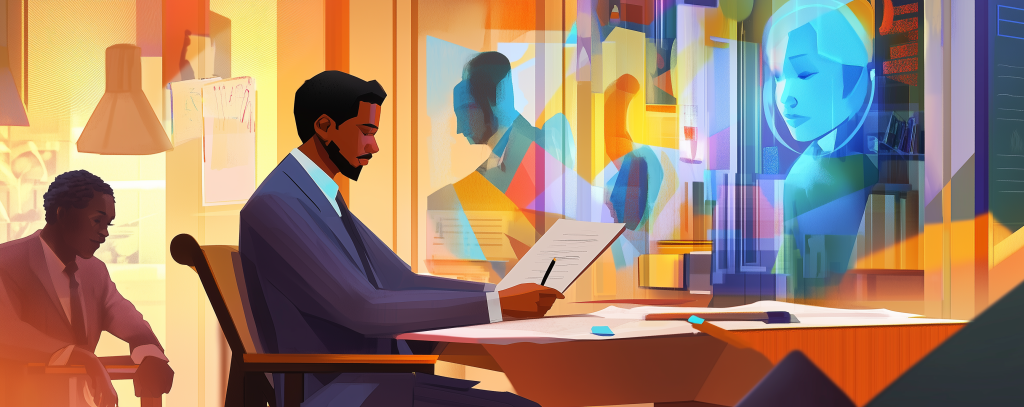
In recent years, there has been a growing demand for stories that reflect the diverse world we live in. Audiences crave narratives that represent various cultures, ethnicities, genders, sexual orientations, and experiences. However, the writing landscape often falls short of meeting these expectations.
Some common challenges in achieving diverse representation include:
- Limited perspectives among writers and decision-makers
- Unconscious biases influencing character development and storylines
- Lack of access to authentic experiences and voices
- Fear of misrepresentation or cultural appropriation
Enter AI: A New Tool in the Writer’s Arsenal
As the push for diverse representation continues, AI technology has begun to make its mark in various creative fields, including writing. While AI cannot replace human creativity and lived experiences, it may offer new avenues for writers to explore diverse perspectives and challenge their own biases.
Data-Driven Character Development
One potential application of AI in diverse representation is data-driven character development. AI algorithms can analyze vast amounts of demographic data, cultural information, and historical records to help writers create more nuanced and authentic characters.
For example, an AI tool could provide writers with insights into the lived experiences of different communities, helping to avoid stereotypes and one-dimensional portrayals. This data-driven approach could serve as a starting point for writers to conduct further research and develop more well-rounded characters.
Language and Dialect Assistance
Another area where AI could contribute to diverse representation is in language and dialect assistance. Writers often face challenges when crafting dialogue for characters from different linguistic backgrounds. AI-powered language models could help writers generate more authentic dialogue by providing suggestions based on regional dialects, colloquialisms, and speech patterns.
However, it’s important to note that while AI can offer suggestions, it should not be relied upon as the sole source for authentic dialogue. Writers should still consult with native speakers and cultural experts to ensure accuracy and avoid potential misrepresentations.
Identifying Unconscious Bias
One of the most intriguing possibilities of AI in writing is its potential to help identify unconscious biases in storytelling. AI algorithms could analyze scripts and manuscripts to flag potential issues related to representation, such as:
- Imbalanced screen time or dialogue for characters from underrepresented groups
- Stereotypical character traits or plot devices
- Lack of diversity in background characters or settings
By highlighting these potential biases, AI tools could prompt writers to reconsider their choices and explore more inclusive narratives.
The Limitations and Ethical Considerations
While AI presents interesting possibilities for enhancing diverse representation in writing, it’s crucial to acknowledge its limitations and the ethical considerations that come with its use.
AI is Not a Substitute for Lived Experiences
Perhaps the most important point to emphasize is that AI cannot replace the value of lived experiences and authentic voices. While AI can provide data and suggestions, it lacks the emotional depth and personal connection that come from real-world experiences.
Writers should view AI as a supplementary tool rather than a replacement for engaging with diverse communities, conducting thorough research, and collaborating with sensitivity readers and cultural consultants.
The Risk of Algorithmic Bias
Ironically, one of the challenges in using AI to promote diverse representation is the potential for algorithmic bias. AI models are trained on existing data, which may contain historical biases and underrepresentation. As a result, these biases could be perpetuated or even amplified if not carefully monitored and addressed.
Writers and developers must be vigilant in examining the data sources and algorithms used in AI tools for writing. Continuous evaluation and refinement of these systems are necessary to ensure they contribute positively to diverse representation rather than reinforce existing inequalities.
Balancing Efficiency and Authenticity
While AI tools may offer efficiency in generating ideas or analyzing scripts, there’s a risk of over-relying on technology at the expense of authentic storytelling. Writers must strike a balance between leveraging AI’s capabilities and maintaining their unique creative vision and voice.
It’s essential to use AI as a starting point for exploration rather than a definitive guide. The most compelling and authentic stories will always come from a writer’s imagination, empathy, and ability to connect with diverse perspectives on a human level.
The Future of AI and Diverse Representation in Writing
As AI technology continues to evolve, its potential impact on diverse representation in writing remains a topic of ongoing discussion and exploration. Here are some possible future developments:
Personalized Reading Experiences
AI could potentially help create more personalized reading experiences by tailoring content to individual readers’ backgrounds and preferences. This could lead to a more diverse range of stories reaching audiences who may not have encountered them otherwise.
Enhanced Collaboration Tools
AI might facilitate better collaboration between writers from different backgrounds by providing real-time translation, cultural context, and feedback. This could lead to more diverse writing teams and a richer exchange of ideas.
Expanding Creative Possibilities
As AI becomes more sophisticated, it may inspire writers to explore new narrative structures, character archetypes, and storytelling techniques that break away from traditional Western-centric models.
Embracing AI as a Tool, Not a Replacement
As we consider the potential of AI in promoting diverse representation in writing, it’s crucial to approach this technology with both optimism and caution. AI tools can offer valuable insights, spark new ideas, and help writers identify blind spots in their work. However, they should never be seen as a substitute for human creativity, empathy, and lived experiences.
The key to harnessing AI’s potential in diverse representation lies in using it as a complementary tool within a broader framework of inclusive practices. This includes:
- Actively seeking out and amplifying diverse voices in the writing industry
- Engaging in ongoing education about different cultures and experiences
- Collaborating with sensitivity readers and cultural consultants
- Challenging our own biases and assumptions as writers
- Remaining open to feedback and criticism from underrepresented communities
By integrating AI tools thoughtfully into these practices, writers can potentially unlock new perspectives and create more inclusive, representative stories that resonate with a global audience.
In conclusion, while AI presents intriguing possibilities for enhancing diverse representation in writing, it is ultimately the responsibility of human writers, producers, and industry leaders to drive meaningful change. As we continue to explore the intersection of AI and storytelling, let us remain committed to the core values of authenticity, empathy, and respect for diverse experiences that lie at the heart of powerful, transformative writing.
✍️ Whether you’re mastering the art of dialogue, structure, or character development, the power of AI can be a game-changer in your writing journey. My Free Ebook, ‘AI for Authors’ delves into how AI-powered prompts can provide a unique edge to your storytelling process. If you’re intrigued by the prospect of supercharging your fiction skills, download your free copy today and explore new horizons in creative writing.
 A.I. in Screen Trade