In recent years, the entertainment industry has witnessed a surge in artificial intelligence (AI) integration across various facets of production, distribution, and consumption. From script analysis to visual effects, AI technologies are reshaping how content is created and delivered to audiences. As these advancements continue to evolve, it becomes increasingly crucial for industry professionals, including screenwriters, producers, and studio executives, to grapple with the ethical implications of AI adoption. This article explores the ethical considerations surrounding AI integration in entertainment and proposes frameworks for responsible implementation.
The Current Landscape of AI in Entertainment
Before delving into the ethical considerations, it’s important to understand the current state of AI integration in the entertainment industry. AI technologies are being employed in numerous ways, including:
- Script analysis and development
- Predictive analytics for audience preferences
- Automated video editing and post-production
- Character animation and visual effects
- Personalized content recommendations
- Virtual production and real-time rendering
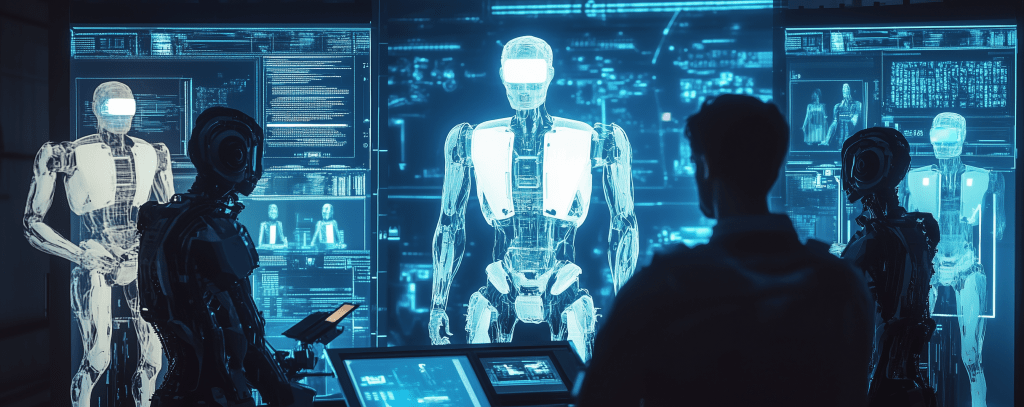
These applications demonstrate the wide-ranging impact of AI on the creative process and the business of entertainment. As the technology continues to advance, its influence is likely to grow, making it imperative for the industry to address the ethical challenges that arise.
Ethical Considerations in AI Integration
1. Creative Autonomy and Authorship
One of the primary ethical concerns surrounding AI in entertainment is the potential impact on creative autonomy and the concept of authorship. As AI systems become more sophisticated in generating and analyzing creative content, questions arise about the role of human creativity and the attribution of artistic works.
Ethical Dilemma: How do we balance the use of AI-assisted tools in the creative process while preserving the unique voice and vision of human creators?
Potential Approach: Establish clear guidelines for AI usage in creative processes, emphasizing that AI should serve as a tool to enhance human creativity rather than replace it. Implement transparent attribution systems that acknowledge both human and AI contributions to a work.
2. Job Displacement and Workforce Transformation
The integration of AI technologies in entertainment has the potential to automate certain tasks and roles, leading to concerns about job displacement and the changing nature of work in the industry.
Ethical Dilemma: How can the industry responsibly implement AI technologies while mitigating negative impacts on employment and ensuring a just transition for affected workers?
Potential Approach: Invest in reskilling and upskilling programs for industry professionals to adapt to new AI-enhanced workflows. Encourage the development of new roles that leverage human-AI collaboration, focusing on areas where human creativity and judgment remain essential.
3. Bias and Representation in AI-Generated Content
AI systems are trained on existing data, which can perpetuate and amplify biases present in that data. This raises concerns about representation and diversity in AI-generated or AI-influenced content.
Ethical Dilemma: How can we ensure that AI systems used in content creation and curation do not reinforce harmful stereotypes or underrepresent marginalized groups?
Potential Approach: Implement rigorous testing and auditing processes for AI systems to identify and mitigate biases. Prioritize diverse representation in the teams developing and deploying AI technologies. Establish industry-wide standards for inclusive AI development in entertainment.
4. Transparency and Audience Trust
As AI becomes more prevalent in content creation and distribution, there is a risk of eroding audience trust if the use of these technologies is not transparently communicated.
Ethical Dilemma: How can the industry maintain transparency about AI usage without disrupting the audience’s engagement with the content?
Potential Approach: Develop industry-wide standards for disclosing AI involvement in content creation, similar to current practices for CGI or other special effects. Educate audiences about the role of AI in entertainment to foster understanding and maintain trust.
5. Data Privacy and Ethical Use of Audience Information
AI systems often rely on vast amounts of data, including viewer preferences and behaviors. This raises concerns about data privacy and the ethical use of personal information.
Ethical Dilemma: How can the industry balance the benefits of personalized content and targeted marketing with the protection of individual privacy and data rights?
Potential Approach: Implement robust data protection measures and transparent data usage policies. Prioritize opt-in models for data collection and give users greater control over their data. Explore privacy-preserving AI techniques that can provide insights without compromising individual privacy.
6. Creative Commons and Intellectual Property Rights
The use of AI in content creation raises complex questions about intellectual property rights, especially when AI systems are trained on existing works or generate content that closely resembles human-created art.
Ethical Dilemma: How do we navigate copyright and ownership issues in an era of AI-assisted and AI-generated content?
Potential Approach: Collaborate with legal experts to develop new frameworks for intellectual property rights that account for AI contributions. Establish clear guidelines for the use of existing works in AI training datasets. Explore the concept of “AI commons” for certain types of generated content.
Frameworks for Responsible AI Integration
To address these ethical considerations, the entertainment industry must develop comprehensive frameworks for responsible AI integration. Here are some key components that such frameworks should include:
1. Ethical AI Governance Structures
Establish industry-wide bodies dedicated to overseeing the ethical implementation of AI in entertainment. These structures should:
- Develop and update ethical guidelines for AI use in the industry
- Provide a forum for addressing emerging ethical challenges
- Collaborate with policymakers to shape relevant legislation
2. Transparent AI Development and Deployment Processes
Implement processes that ensure transparency throughout the AI development and deployment lifecycle, including:
- Clear documentation of AI system capabilities and limitations
- Regular audits of AI systems for bias and other ethical concerns
- Open communication with stakeholders about AI integration
3. Collaborative Human-AI Frameworks
Design workflows and creative processes that emphasize collaboration between human creators and AI systems:
- Clearly define roles and responsibilities for human and AI contributors
- Develop interfaces that allow for meaningful human oversight and intervention
- Prioritize AI applications that augment rather than replace human creativity
4. Ongoing Education and Training
Invest in continuous education and training programs for industry professionals:
- Provide resources for understanding AI capabilities and limitations
- Offer training on ethical considerations in AI use
- Support the development of new skills required for AI-enhanced workflows
5. Ethical AI Research Partnerships
Foster partnerships between the entertainment industry, academic institutions, and AI ethics organizations:
- Fund research on the societal impacts of AI in entertainment
- Collaborate on developing ethical AI solutions specific to the industry
- Share best practices and lessons learned across sectors
The Path Forward: Balancing Innovation and Responsibility
As AI continues to reshape the entertainment landscape, the industry faces both exciting opportunities and significant ethical challenges. By proactively addressing these ethical considerations and implementing robust frameworks for responsible AI integration, the entertainment industry can harness the power of AI while upholding its creative integrity and social responsibility.
For screenwriters, producers, and other industry professionals, engaging with these ethical questions is not just a moral imperative but a practical necessity. As AI becomes more prevalent in the creative process, understanding its ethical implications will be crucial for navigating the evolving landscape of entertainment production.
The path forward requires a delicate balance between embracing technological innovation and maintaining the human-centric values that have long defined the art of storytelling. By fostering open dialogue, establishing clear ethical guidelines, and prioritizing responsible AI integration, the entertainment industry can ensure that AI serves as a tool for enhancing human creativity rather than supplanting it.
As we stand on the cusp of this AI-driven transformation, it is up to all stakeholders in the entertainment industry to actively shape the ethical framework that will guide the use of AI in the years to come. By doing so, we can create a future where AI and human creativity coexist harmoniously, producing entertainment that is not only technologically advanced but also ethically sound and socially responsible.
✍️ Whether you’re mastering the art of dialogue, structure, or character development, the power of AI can be a game-changer in your writing journey. My Free Ebook, ‘AI for Authors’ delves into how AI-powered prompts can provide a unique edge to your storytelling process. If you’re intrigued by the prospect of supercharging your fiction skills, download your free copy today and explore new horizons in creative writing.
 A.I. in Screen Trade