The integration of Artificial Intelligence (AI) into creative industries has sparked a significant conversation about its impact, particularly in screenwriting. As AI tools become more sophisticated and increasingly adopted in Hollywood, concerns about preserving human artistry have emerged. Is AI merely an assistive tool, or is it poised to reshape the entire screenwriting landscape? This blog will explore the delicate balance between the technological innovations brought by AI and the irreplaceable human elements that make screenwriting an art form.
The Role of AI in Screenwriting: A Tool, Not a Creator
AI’s contributions to screenwriting lie in its ability to process vast amounts of data, identify patterns, and generate suggestions. For instance, AI tools can assist with everything from analyzing existing scripts to identifying character archetypes, helping writers develop dialogue or plot structures. This can help screenwriters streamline the more mechanical aspects of their work, leaving more time for creative ideation.
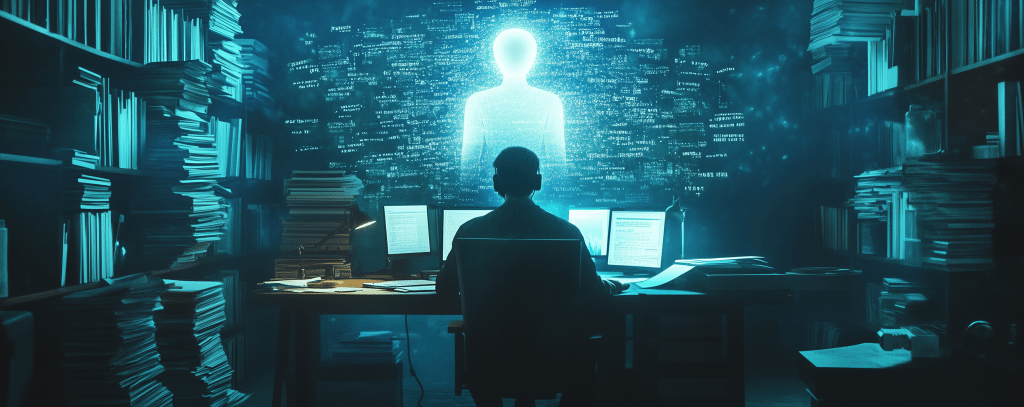
AI, when used appropriately, enhances productivity. It can generate ideas, provide alternatives, and even offer variations on existing scenes. However, despite these contributions, AI is still limited by its reliance on existing data sets, making it incapable of producing original or emotionally resonant content on its own. In essence, AI acts as a “co-pilot,” capable of aiding the process but lacking the depth to navigate the emotional and thematic complexities of storytelling independently.
Example: AI-Assisted Genre Analysis
One area where AI excels is genre analysis. By analyzing thousands of films in a specific genre, AI can identify common tropes, pacing structures, and audience preferences. For instance, AI might analyze successful science fiction films like Ex Machina and 2001: A Space Odyssey to identify recurring motifs, such as ethical dilemmas about AI and humanity. However, while AI can highlight these patterns, it cannot create a novel approach to these dilemmas as a human screenwriter can. The role of AI, therefore, is to offer insights but not dictate creative decisions.
Human Artistry: The Heart of Screenwriting
At the core of every great screenplay lies the human experience—emotions, relationships, and complex moral questions. These are the elements that AI, with all its computational power, cannot replicate. Screenwriting is fundamentally an act of human storytelling, requiring a deep understanding of human behavior, emotional nuance, and cultural context.
Writers bring their personal experiences, values, and perspectives to the scripts they create. For example, the intense moral ambiguity in Breaking Bad was not born from formulaic structures but from Vince Gilligan’s exploration of human nature. Walter White’s transformation from a well-meaning teacher into a ruthless drug lord was meticulously crafted to reflect not only his circumstances but also deeper questions about pride, morality, and power.
Example: Emotion and Character Depth in “Breaking Bad”
Take the scene from Breaking Bad where Walter White, consumed by power, proclaims, “I am the one who knocks.” This moment is powerful not because of its adherence to a formula but because it taps into the character’s deep-seated insecurities and desire for control. AI might help identify that similar characters often face moments of self-realization, but it would struggle to craft the nuances that make this moment resonate with such emotional weight.
Human artistry in screenwriting is also about understanding subtext and crafting dialogue that reveals more than it says. In Ex Machina, the dialogue between Caleb and Ava is fraught with layers of meaning that AI would struggle to replicate. Their conversations about freedom, control, and identity are not just mechanical exchanges; they reflect a deep philosophical engagement that goes beyond the surface.
The Limits of AI in Creativity
AI’s limitations become particularly apparent when delving into the unpredictable nature of creativity. Storytelling is not just about adhering to established structures or formulas but also about breaking them in innovative ways. Creativity often involves risk, intuition, and spontaneity—qualities that AI, as it stands, cannot emulate.
For example, the adaptation of American Psycho by Mary Harron is a masterclass in balancing faithfulness to the source material with innovative cinematic techniques. Harron’s decision to reduce the graphic violence of the novel in favor of psychological tension was a creative choice that went beyond the capabilities of a formula-driven AI system. Her adaptation focused on creating an unsettling atmosphere through subtlety, an approach AI could not predict by simply analyzing the text.
AI and Predictive Algorithms
Predictive algorithms, a cornerstone of AI, often focus on generating content that adheres to proven patterns. This can be useful in optimizing script structure or ensuring that a screenplay aligns with genre expectations. However, one of the most enduring aspects of storytelling is its unpredictability. Audiences often resonate most with stories that defy expectations—something that AI’s pattern-based approach struggles with. The surprise twists in Ex Machina or the slow-burn narrative of Breaking Bad were successful precisely because they subverted conventional storytelling methods.
Collaboration Between AI and Writers
Instead of viewing AI as a threat, many screenwriters see it as a collaborative tool—one that helps enhance but not replace the creative process. The successful integration of AI into Hollywood could take the form of AI assisting writers with brainstorming sessions, offering structural insights, or even helping with research. The key is to ensure that AI remains a tool in the writer’s arsenal rather than a substitute for human creativity.
AI for Script Formatting and Efficiency
For many writers, AI’s most practical applications lie in automating repetitive tasks such as formatting, proofreading, and editing. Script formatting can be tedious, and AI tools can save screenwriters valuable time by ensuring adherence to industry standards. Similarly, AI can assist in fine-tuning pacing or identifying plot holes, but these are technical contributions rather than creative ones.
By allowing AI to handle the more mechanical aspects of screenwriting, writers can focus on what truly matters—crafting compelling characters, developing emotional depth, and ensuring that the narrative remains authentic to the human experience.
Example: AI’s Potential for Industry Research
AI can be particularly useful for understanding market trends or audience reactions. For instance, AI can analyze box office data, audience reviews, and social media feedback to help writers and studios better understand what resonates with viewers. However, while this data can be informative, it should not be the sole determinant of creative decisions. The success of films like Ex Machina lies in their willingness to challenge the audience, presenting complex ethical questions rather than catering solely to popular preferences.
Ethical Considerations: The Future of AI in Screenwriting
As AI continues to evolve, ethical questions arise regarding its role in creative industries. Who owns the intellectual property of an AI-generated script? Should AI-generated content be credited alongside human writers? More importantly, should we rely on AI to produce creative work, or does this risk diluting the authenticity of the storytelling process?
While AI offers many benefits, the danger lies in over-reliance. Creativity thrives on diversity of thought, emotional engagement, and personal experiences—qualities that are inherently human. The risk of delegating too much creative power to AI is that we may end up with stories that feel hollow, lacking the soul and complexity that only a human can provide.
Ensuring Human Oversight
To preserve authenticity, it is crucial that AI remains a tool rather than a creator. The final decisions—those that shape the story, define characters, and infuse the script with emotion—must come from human writers. Human oversight ensures that the soul of storytelling remains intact, even as technology becomes an integral part of the process.
Conclusion: A Symbiotic Relationship
The future of AI in screenwriting is not about choosing between human artistry and technological innovation. Instead, the goal should be to find a balance where AI can enhance human creativity without overshadowing it. Screenwriting will always require the human touch—the ability to empathize, to imagine, and to challenge the status quo. AI can offer valuable assistance, but it is the human screenwriter who breathes life into stories, ensuring that they remain authentic, emotionally resonant, and deeply impactful.
By embracing the strengths of both AI and human artistry, Hollywood can foster a creative ecosystem where innovation and authenticity coexist.
✍️ Whether you’re mastering the art of dialogue, structure, or character development, the power of AI can be a game-changer in your writing journey. My Free Ebook, ‘AI for Authors’ delves into how AI-powered prompts can provide a unique edge to your storytelling process. If you’re intrigued by the prospect of supercharging your fiction skills, download your free copy today and explore new horizons in creative writing.
 A.I. in Screen Trade