In the ever-evolving landscape of film and television, artificial intelligence (AI) has emerged as a powerful tool for screenwriters and content creators. While AI offers numerous benefits in streamlining the writing process, it also presents unique challenges, particularly in the realm of character development. One of the most significant concerns is the potential for AI to perpetuate or even exacerbate stereotypes in character creation. This article explores the pitfalls of using AI in character development and offers strategies for avoiding stereotypical portrayals.
Understanding AI in Screenwriting
Before delving into the potential pitfalls, it’s essential to understand how AI is currently being used in the screenwriting process. AI tools can assist writers in various ways, from generating plot ideas to suggesting dialogue. In character development, AI can analyze vast amounts of data from existing scripts and novels to propose character traits, backstories, and arcs.
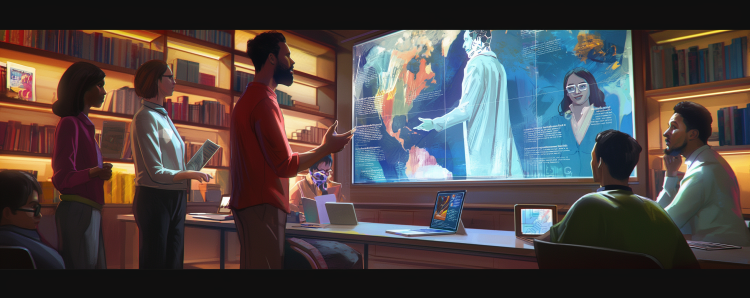
While these capabilities can be immensely helpful, they also come with inherent risks. AI models learn from existing data, which means they can inadvertently reproduce biases and stereotypes present in that data. This is particularly concerning in the context of character development, where nuanced and authentic representations are crucial.
The Stereotype Trap: How AI Can Reinforce Biases
Data-Driven Stereotypes
One of the primary ways AI can contribute to stereotypical character development is through its reliance on existing data. AI models are trained on vast datasets of scripts, books, and other media. If these sources contain stereotypical representations of certain groups, the AI may learn to reproduce these patterns.
For example, an AI trained on action movies from the 1980s and 1990s might suggest female characters who are predominantly love interests or damsels in distress, rather than complex protagonists in their own right. Similarly, it might propose ethnic minority characters who conform to outdated and offensive stereotypes prevalent in that era’s media.
Oversimplification of Complex Identities
AI models, despite their sophistication, often struggle with the nuances of human identity. They may reduce characters to a set of predefined traits based on broad categories like gender, race, or profession. This oversimplification can lead to flat, one-dimensional characters that fail to capture the complexity of real human experiences.
For instance, an AI might suggest that all lawyers in a script should be ruthless and morally ambiguous, or that all artists should be temperamental and financially unstable. These generalizations ignore the vast diversity within any given group and can result in characters that feel inauthentic or clichéd.
Reinforcing Dominant Narratives
Another pitfall of AI in character development is its tendency to reinforce dominant narratives. AI models learn patterns from the most common representations in their training data. This can lead to a perpetuation of mainstream perspectives at the expense of marginalized voices and experiences.
For example, in a historical drama set in ancient Rome, an AI might default to suggesting primarily male characters in positions of power, overlooking the potential for exploring the roles of women or slaves in that society. This not only limits the diversity of stories being told but also misses opportunities for fresh, compelling narratives.
The Importance of Authentic Character Development
Connecting with Audiences
In an era where audiences are increasingly demanding authentic and diverse representations on screen, relying too heavily on AI-generated character concepts can be detrimental. Viewers are quick to spot and criticize characters that feel stereotypical or inauthentic. This can lead to negative reception of a film or TV show, potentially impacting its commercial success and cultural relevance.
Authentic characters, on the other hand, have the power to resonate deeply with audiences. They can challenge viewers’ perspectives, evoke empathy, and create lasting impressions. This level of connection is often the result of nuanced, well-researched character development that goes beyond surface-level traits.
Ethical Storytelling
As storytellers, screenwriters have a responsibility to consider the broader impact of their work. Characters that perpetuate harmful stereotypes can reinforce societal biases and negatively affect how certain groups are perceived in real life. Conversely, well-crafted characters that defy stereotypes can contribute to greater understanding and empathy among viewers.
Strategies for Avoiding Stereotypes in AI-Assisted Character Development
While the pitfalls of using AI in character development are significant, they are not insurmountable. Here are some strategies for leveraging AI tools while avoiding stereotypical portrayals:
Human Oversight and Critical Thinking
The most crucial strategy is to maintain strong human oversight throughout the AI-assisted writing process. Writers should approach AI suggestions with a critical eye, constantly questioning whether proposed character traits or backstories are falling into stereotypical patterns.
It’s important to remember that AI is a tool, not a replacement for human creativity and judgment. Use AI-generated ideas as a starting point, but be prepared to modify, reject, or completely overhaul suggestions that don’t align with your vision for authentic character development.
Diverse Training Data
When using AI tools for character development, seek out platforms that prioritize diverse and inclusive training data. Some AI companies are making efforts to curate datasets that represent a wide range of perspectives and experiences. By using these more balanced tools, you can reduce (though not eliminate) the risk of generating stereotypical character concepts.
Intersectional Approach
Encourage a more nuanced approach to character development by considering intersectionality. This means looking at how various aspects of a character’s identity (such as race, gender, class, sexuality, and ability) interact and influence their experiences. AI tools may struggle with this level of complexity, so it’s up to the writer to layer these elements thoughtfully.
Research and Consultation
Supplement AI-generated ideas with thorough research and, when appropriate, consultation with individuals from the communities you’re representing. This is particularly important when writing characters from marginalized or underrepresented groups. No AI can replace the value of lived experiences and authentic voices.
Subverting Expectations
Use AI suggestions as a springboard for subverting audience expectations. If an AI proposes a stereotypical character trait, consider how you might flip that trait on its head or explore it in a new, unexpected way. This approach can lead to more original and compelling characters.
Character-Driven Narratives
Focus on developing character-driven narratives rather than plot-driven ones. By centering your story on the unique experiences, motivations, and growth of your characters, you’re less likely to fall back on stereotypical portrayals. AI can be helpful in generating plot points, but the deep, emotional core of a character should come from human insight.
Case Studies: AI Pitfalls and Successes in Recent Productions
To illustrate the potential pitfalls and successful applications of AI in character development, let’s examine a few hypothetical case studies based on recent trends in film and television production.
Pitfall Example: “Tech Titans”
A science fiction series about a near-future tech company relied heavily on AI to generate character profiles for its ensemble cast. The resulting characters included a socially awkward male programmer, a cutthroat female CEO with no personal life, and an Asian whiz kid with overbearing parents. These characters, while seemingly diverse on the surface, actually reinforced harmful stereotypes about gender roles in tech, Asian-American experiences, and the personality traits of those in the tech industry.
The show’s writers recognized these issues during the development process and worked to subvert these initial AI-generated profiles. They reimagined the programmer as a charismatic team leader, gave the CEO a rich personal life that informed her business decisions, and explored the Asian character’s complex relationship with his supportive but nuanced family. These changes resulted in more authentic, multi-dimensional characters that resonated with audiences.
Success Example: “Crossroads”
In contrast, the creators of a historical drama series used AI as a starting point for character ideation but relied heavily on human expertise and research to develop their cast. The AI suggested several character archetypes typical of the time period, but the writers used these as a foundation to explore lesser-known historical realities.
For instance, when the AI proposed a traditional noble lady character, the writers researched women’s roles in the era and developed her into a secret scholar who challenges societal norms. Similarly, an AI-generated concept for a gruff military commander was transformed into a complex character struggling with PTSD avant la lettre, exploring mental health issues in a historical context.
By using AI as a springboard for further research and creative development, rather than accepting its suggestions at face value, the “Crossroads” team created a cast of characters that felt both historically grounded and refreshingly original.
The Future of AI in Character Development
As AI technology continues to advance, its role in screenwriting and character development is likely to grow. Future AI tools may become more sophisticated in understanding and generating nuanced character profiles. However, the core challenges of avoiding stereotypes and creating authentic representations will remain.
The key to successfully integrating AI into the character development process lies in finding the right balance between technological assistance and human creativity. AI can be an invaluable tool for generating ideas, identifying patterns, and even challenging writers’ preconceptions. But the final decisions on character development should always rest with human writers who can infuse their creations with the depth, complexity, and authenticity that truly great characters possess.
Conclusion
The use of AI in character development presents both exciting opportunities and significant challenges for screenwriters. While AI tools can streamline the creative process and offer fresh perspectives, they also risk perpetuating stereotypes and oversimplifying complex identities. By maintaining a critical approach, prioritizing diverse inputs, and centering human creativity, writers can harness the benefits of AI while avoiding its potential pitfalls.
Ultimately, the goal of character development is to create compelling, authentic individuals who resonate with audiences and contribute to meaningful storytelling. As we navigate the integration of AI into the screenwriting process, let’s remain committed to crafting characters that challenge stereotypes, reflect the rich diversity of human experience, and push the boundaries of creative storytelling.
In the evolving landscape of AI-assisted screenwriting, the most successful writers will be those who can leverage technology as a tool while never losing sight of the human heart of great character development. By doing so, we can ensure that the stories we tell continue to inspire, challenge, and connect with audiences in profound and lasting ways.
✍️ Whether you’re mastering the art of dialogue, structure, or character development, the power of AI can be a game-changer in your writing journey. My Free Ebook, ‘AI for Authors’ delves into how AI-powered prompts can provide a unique edge to your storytelling process. If you’re intrigued by the prospect of supercharging your fiction skills, download your free copy today and explore new horizons in creative writing.
 A.I. in Screen Trade