The film industry has always been at the forefront of technological innovation, from the advent of sound to the rise of digital effects. Today, artificial intelligence (AI) is poised to become the next major disruptor. Edgar Pêra’s “Telepathic Letters,” showcased at the Locarno Film Festival, is a prime example of how AI is being woven into the fabric of contemporary cinema. This film, influenced by the works of H.P. Lovecraft and Fernando Pessoa, is not just a cinematic experiment but a reflection of the ongoing debate about the role of AI in the creative process.
The Emergence of AI in Filmmaking
Artificial intelligence is no longer a distant dream in the realm of science fiction; it has become an integral part of various industries, including filmmaking. The use of generative AI in “Telepathic Letters” highlights the growing trend of incorporating machine learning algorithms into the creative process. This film, directed by Edgar Pêra, serves as a case study in the possibilities and challenges of using AI to craft narratives that blend cultural and literary influences.
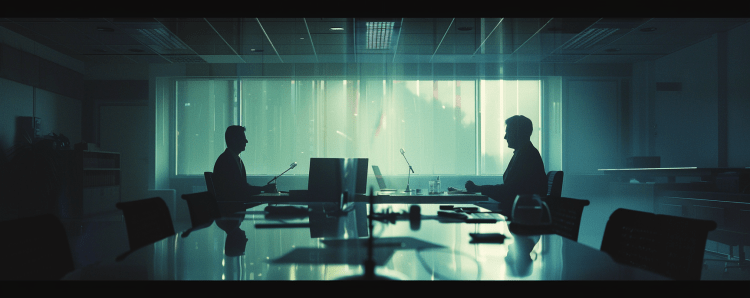
Pêra describes his film as opening a “Cyber-Pandora’s Box,” a fitting metaphor for the unpredictable consequences of integrating AI into art. Just as Pandora’s box unleashed unforeseen evils upon the world, the use of AI in film could potentially disrupt traditional creative practices. This disruption, however, is not necessarily negative; it could lead to new forms of expression and storytelling. The challenge lies in balancing the benefits of AI with the preservation of human creativity.
The Debate on Generative AI in Film
At the recent Locarno Pro event, the implications of generative AI in filmmaking were a hot topic of discussion. Industry experts like Alex Walton from WME Independent weighed in on the potential advantages and pitfalls of using AI in the creative process. On the one hand, AI offers significant cost-cutting benefits by streamlining production processes and even generating creative content. On the other hand, there is a growing concern that reliance on algorithms could erode the authenticity of artistic expression and potentially replace human roles in the industry.
The debate is not merely academic; it touches on the very nature of creativity. Can a machine truly create, or is it merely mimicking patterns based on data input by humans? The use of AI in “Telepathic Letters” suggests that the answer may lie somewhere in between. While AI can generate ideas and even craft elements of a narrative, the human touch—whether in directing, editing, or interpreting the material—remains crucial.
Cultural and Artistic Influence in “Telepathic Letters”
Pêra’s “Telepathic Letters” is a unique blend of cultural elements, drawing from the eerie, existential horror of H.P. Lovecraft and the introspective, philosophical musings of Fernando Pessoa. The film’s use of AI adds another layer of complexity to this already rich tapestry. By incorporating AI, Pêra is not merely using technology as a tool but as a collaborator in the creative process.
This approach reflects a broader trend in the film industry, where technology and art are increasingly intertwined. Pêra’s film exemplifies how AI can be used to explore themes that resonate with contemporary audiences, such as the tension between technology and humanity, the limits of human understanding, and the nature of existence. These are themes that both Lovecraft and Pessoa explored in their works, and “Telepathic Letters” brings them into the digital age.
The Broader Industry Impact of AI
The use of AI in “Telepathic Letters” is part of a larger conversation about the role of technology in film and television. The industry is at a crossroads, where the integration of AI could either revolutionize or undermine the creative process. As the discussions at Locarno Pro highlighted, there are both opportunities and risks associated with this technology.
AI’s potential to reduce costs and increase efficiency is undeniable. However, this comes with the risk of commodifying creativity, turning art into a product of algorithms rather than human ingenuity. The industry must grapple with these issues to find a balance that preserves the essence of storytelling while embracing the benefits of technological advancement.
Lessons from the Past: The Role of Technology in Storytelling
Looking back at the history of film, we see that every major technological innovation—from sound to color, from digital effects to streaming—has faced initial resistance before becoming an integral part of the industry. The debate around AI is no different. Just as early filmmakers were skeptical of sound and color, today’s creators are wary of AI. However, history suggests that technology, when used wisely, can enhance rather than diminish the art of storytelling.
Take, for example, the evolution of visual effects. Early CGI was often criticized for its lack of realism, but over time, it has become a powerful tool in the hands of skilled filmmakers. Similarly, AI could eventually be seen not as a threat but as a valuable resource for creators. The key is to ensure that technology serves the story, rather than the other way around.
The Future of AI in Film and Screenwriting
As AI continues to evolve, its role in film and screenwriting will undoubtedly expand. The challenge for filmmakers and writers will be to harness this technology without losing the human touch that makes storytelling so powerful. “Telepathic Letters” is an early example of how AI can be integrated into the creative process, but it is just the beginning.
For screenwriters, the rise of AI presents both challenges and opportunities. On one hand, AI could automate certain aspects of writing, such as generating plot ideas or even drafting scenes. On the other hand, the unique voice, perspective, and emotional depth that a human writer brings to a script cannot be replicated by a machine. The future of screenwriting may involve a collaboration between human writers and AI, with each bringing their strengths to the table.
Conclusion: Navigating the Cyber-Pandora’s Box
“Telepathic Letters” and the discussions at Locarno Pro are a glimpse into the future of filmmaking, where AI plays an increasingly prominent role. As the industry navigates this new landscape, the focus must remain on preserving the core of creativity—human emotion, experience, and imagination. While AI can enhance the creative process, it is the human touch that will continue to define the art of storytelling.
The integration of AI in film is not just a technological shift; it is a cultural one. It challenges us to reconsider what it means to create and what role technology should play in that process. As we move forward, the lessons learned from pioneers like Edgar Pêra will be invaluable in shaping the future of film and screenwriting in the age of AI.
✍️ Whether you’re mastering the art of dialogue, structure, or character development, the power of AI can be a game-changer in your writing journey. My Free Ebook, ‘AI for Authors’ delves into how AI-powered prompts can provide a unique edge to your storytelling process. If you’re intrigued by the prospect of supercharging your fiction skills, download your free copy today and explore new horizons in creative writing.
 A.I. in Screen Trade