Introduction
“Angel Heart” is a 1987 film directed by Alan Parker, based on the novel “Falling Angel” by William Hjortsberg. This film blends elements of horror, neo-noir, and psychological thriller to create an atmosphere that is both compelling and chilling. Starring Mickey Rourke, Robert De Niro, and Lisa Bonet, “Angel Heart” is a masterpiece of atmospheric horror, a genre that relies heavily on mood, setting, and psychological tension rather than overt gore or violence. This analysis will explore the screenwriting techniques used in “Angel Heart” to evoke its unique sense of dread and unease, examining how the screenplay constructs its narrative, develops its characters, and builds its atmosphere.
Setting and Atmosphere
New York to New Orleans: A Journey into Darkness
The film’s setting plays a crucial role in establishing its atmospheric horror. The story begins in the gritty, rain-soaked streets of 1950s New York City, a familiar terrain for noir narratives. As the protagonist, Harry Angel, travels to New Orleans, the film transitions to a more gothic and exotic locale. This shift in setting is not merely geographical but also psychological, reflecting Harry’s descent into a world of voodoo, black magic, and dark secrets.
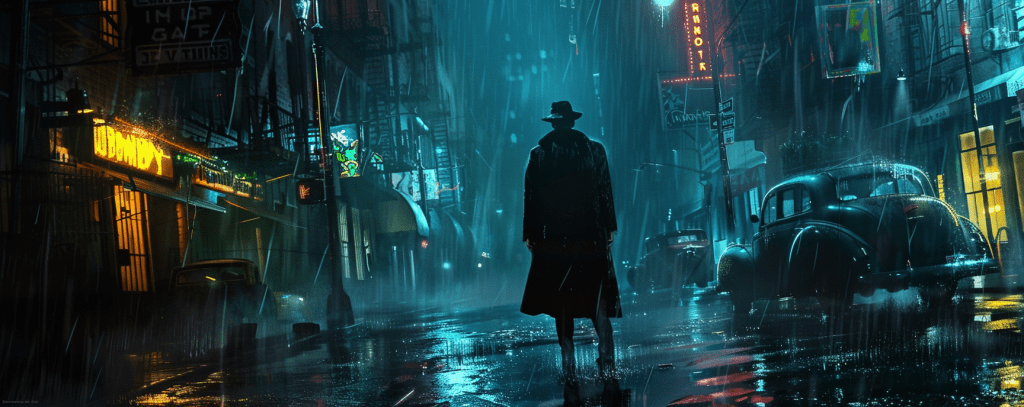
The screenplay meticulously details these environments, using vivid descriptions to evoke a sense of place. For instance, New York is depicted with its cold, gray skies and urban decay, while New Orleans is portrayed with its humid, oppressive heat and vibrant, eerie nightlife. This contrast enhances the film’s sense of foreboding, as Harry moves from the familiar to the unknown.
Visual and Auditory Cues
Screenwriter Alan Parker, who also directed the film, uses visual and auditory cues to heighten the atmosphere. The screenplay includes detailed instructions for the film’s cinematography, lighting, and sound design. Dark, shadowy visuals dominate the scenes, with frequent use of low-key lighting and deep shadows to create a sense of mystery and unease. The persistent use of rain and storm sounds in New York contrasts with the unsettling silence and sudden bursts of music in New Orleans.
For example, in one scene, Harry enters a dilapidated church at night. The screenplay describes the flickering candlelight, the echoing footsteps, and the distant sound of chanting. These elements combine to create a palpable sense of dread, immersing the audience in Harry’s increasingly nightmarish reality.
Character Development and Psychological Horror
Harry Angel: The Flawed Protagonist
Harry Angel, played by Mickey Rourke, is a quintessential noir protagonist—flawed, cynical, and morally ambiguous. The screenplay carefully constructs his character through his interactions, dialogue, and internal monologues. Harry is a private detective hired to find a missing person, but as he delves deeper into the case, he becomes ensnared in a web of supernatural horror.
The screenplay uses Harry’s character to explore themes of identity, guilt, and fate. His journey is as much internal as it is external, with his growing paranoia and fear reflecting his unraveling sanity. The audience is drawn into Harry’s perspective, experiencing his confusion and terror firsthand. This subjective point of view is crucial in creating the film’s psychological horror.
Louis Cyphre: The Antagonist
Robert De Niro’s character, Louis Cyphre, is a masterstroke of screenwriting. His name itself is a play on “Lucifer,” hinting at his true nature. Cyphre is depicted with an air of calm menace, his polite demeanor masking a sinister intent. The screenplay builds his character through subtle cues and unsettling interactions with Harry.
In one memorable scene, Cyphre peels a hard-boiled egg while discussing Harry’s progress. The screenplay’s description of this action is meticulous, emphasizing the casual, almost ritualistic nature of Cyphre’s behavior. This scene encapsulates the film’s blend of the mundane with the macabre, making Cyphre a chilling and memorable antagonist.
Plot Structure and Narrative Techniques
The Mystery Unfolds
“Angel Heart” follows a classic detective narrative structure, with Harry Angel uncovering clues and interviewing suspects. However, the screenplay subverts this structure by intertwining the detective story with elements of horror and the supernatural. Each revelation leads Harry deeper into a labyrinth of dark secrets, culminating in a shocking twist.
The screenplay skillfully balances exposition with suspense. Information is revealed gradually, keeping the audience engaged and intrigued. For instance, the film’s climax—where Harry discovers his true identity and the extent of his involvement in the dark events—reinterprets the entire narrative, providing a chilling resolution to the mystery.
Flashbacks and Symbolism
The use of flashbacks and symbolism is another key aspect of the screenplay. Flashbacks are integrated seamlessly into the narrative, often triggered by sensory experiences or objects. These flashbacks provide crucial backstory and insight into Harry’s character, gradually revealing his past and his connection to the supernatural events.
Symbolism is also prevalent throughout the screenplay. Religious imagery, particularly Christian symbols, are juxtaposed with voodoo and occult elements, creating a rich tapestry of conflicting belief systems. This symbolism enhances the film’s themes of sin, redemption, and the eternal struggle between good and evil.
Themes and Motifs
The Search for Identity
One of the central themes of “Angel Heart” is the search for identity. Harry Angel’s investigation is not just about finding the missing person but also about uncovering his own forgotten past. The screenplay explores this theme through Harry’s interactions with other characters and his gradual realization of his true nature.
This theme is reinforced by the film’s title, “Angel Heart,” which suggests a duality within Harry—an angelic side and a darker, more sinister heart. The screenplay uses this duality to create tension and conflict, making Harry’s journey both a physical and a psychological quest.
The Supernatural and the Occult
The supernatural and the occult are integral to the film’s atmosphere and plot. The screenplay weaves these elements into the narrative, creating a sense of pervasive, inescapable evil. Voodoo rituals, tarot cards, and occult symbols are all meticulously described in the screenplay, enhancing the film’s eerie, otherworldly tone.
The screenplay also delves into philosophical questions about fate and free will. Harry’s journey suggests that he is being manipulated by forces beyond his control, raising questions about his autonomy and moral responsibility. These themes add depth to the narrative, elevating it beyond a simple horror story.
The Climax and Resolution
The Final Revelation
The climax of “Angel Heart” is a masterclass in screenwriting. The final revelation—that Harry Angel is, in fact, Johnny Favorite, the man he has been searching for—recontextualizes the entire narrative. This twist is foreshadowed throughout the screenplay, with subtle hints and clues leading up to the shocking conclusion.
The screenplay carefully constructs this twist, ensuring that it feels both surprising and inevitable. The use of mirrors and reflections is a recurring motif, symbolizing the duality of Harry’s identity. In the final scenes, this motif is brought to the forefront, as Harry confronts his true self.
Ambiguity and Open-Endedness
The resolution of “Angel Heart” is deliberately ambiguous, leaving the audience with lingering questions. The screenplay avoids providing clear answers, instead allowing the horror to resonate beyond the film’s conclusion. This open-endedness is a hallmark of effective atmospheric horror, as it leaves the audience pondering the implications of the story.
For instance, the final scene, where Harry descends in an elevator, is both literal and metaphorical. It suggests his descent into hell or madness, but it also leaves room for interpretation. This ambiguity is a testament to the screenplay’s sophistication, engaging the audience on multiple levels.
Conclusion
“Angel Heart” is a stellar example of atmospheric horror, achieved through masterful screenwriting. The film’s setting, character development, plot structure, and thematic depth all contribute to its haunting atmosphere and psychological intensity. By blending noir elements with supernatural horror, the screenplay creates a narrative that is both compelling and unsettling. Aspiring screenwriters can learn much from “Angel Heart,” particularly in how to use setting, character, and symbolism to build atmosphere and tension. This film stands as a testament to the power of screenwriting in crafting a truly memorable horror experience.
✍️ Whether you’re mastering the art of dialogue, structure, or character development, the power of AI can be a game-changer in your writing journey. My Free Ebook, ‘AI for Authors’ delves into how AI-powered prompts can provide a unique edge to your storytelling process. If you’re intrigued by the prospect of supercharging your fiction skills, download your free copy today and explore new horizons in creative writing.
 A.I. in Screen Trade