Introduction
Wim Wenders’ “Until the End of the World” (1991) is an ambitious and sprawling film that defies simple categorization. Often described as a science fiction road movie, it is equally a profound exploration of existential themes. The film traverses continents and human experiences, grappling with questions of memory, identity, love, and the very nature of human existence. As we delve into the existential themes of “Until the End of the World,” it becomes clear that Wenders uses his narrative to reflect on the human condition, echoing the philosophical inquiries of existentialism.
Setting the Stage: A Journey Across Time and Space
“Until the End of the World” follows Claire Tourneur (Solveig Dommartin) on a journey that begins in the year 1999. The film’s premise revolves around a device that can record and playback human vision, developed by Dr. Henry Farber (Max von Sydow). This device, designed to help the blind see, becomes a metaphor for deeper existential inquiries.
The film’s setting is integral to its themes. The globe-trotting narrative, from Europe to Australia, represents not just physical but metaphysical exploration. Each location serves as a backdrop for different existential questions, echoing the journey of life itself—a continuous quest for meaning and understanding.
Memory and Identity: The Technology of the Self
Central to “Until the End of the World” is the exploration of memory and identity. Dr. Farber’s device, intended to record visual experiences, becomes a tool for understanding how memories shape our identities. The film suggests that our memories are not just passive recordings but active constructions that define who we are.
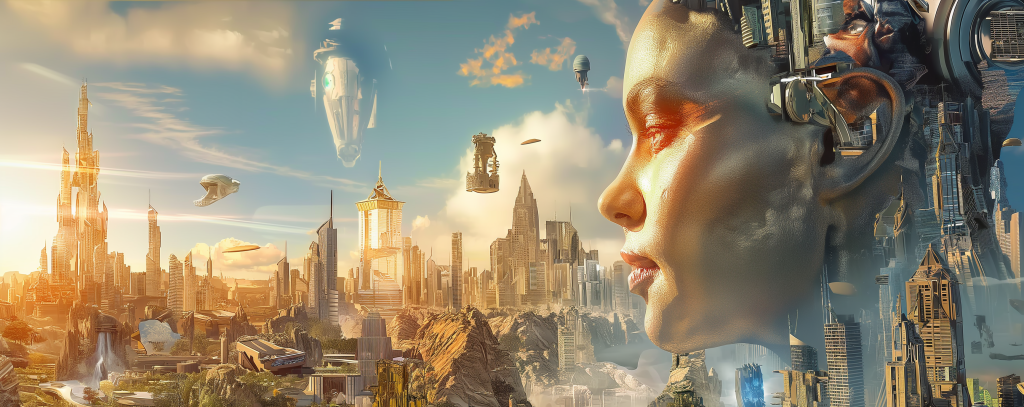
In existential philosophy, particularly in the works of Jean-Paul Sartre and Maurice Merleau-Ponty, memory plays a crucial role in forming self-identity. Wenders visually and narratively illustrates this by showing how characters use the device to confront their pasts and, consequently, their identities. For instance, Claire’s obsession with the device reflects her struggle with her own fragmented sense of self, as she attempts to reconcile her past experiences with her present reality.
The Nature of Human Connection
At its heart, “Until the End of the World” is a love story, albeit a complex and layered one. Claire’s pursuit of Sam Farber (William Hurt), who is on a mission to record the last moments of his mother’s life, is a narrative thread that intertwines with broader existential themes. Their relationship evolves amidst the chaos of a world on the brink of technological and environmental collapse, symbolizing the search for meaningful human connection in an increasingly disconnected world.
Existentialist thinkers like Søren Kierkegaard and Martin Buber emphasized the importance of authentic relationships in understanding the self. In Wenders’ film, the interactions between characters highlight the existential notion that we find meaning through our connections with others. The device that records and plays back visions also serves as a medium for characters to connect with each other’s inner worlds, creating a shared space for understanding and empathy.
Technology and Isolation
While technology in “Until the End of the World” serves as a bridge for human connection, it also becomes a source of isolation. As characters become more engrossed with the visual recordings of their memories, they withdraw from the present and the people around them. This paradox of technology—connecting yet isolating—mirrors contemporary concerns about the impact of digital media on human relationships.
Existentialists often warned about the dehumanizing aspects of technology. Martin Heidegger, in particular, critiqued the way technological advancements could lead to a “forgetting of being,” where individuals become so consumed with technological processes that they lose touch with their own existence and the world around them. Wenders’ film illustrates this tension by showing how the characters’ engagement with the device leads to a deeper alienation from their immediate realities and relationships.
The Apocalypse as Existential Metaphor
The backdrop of an impending apocalypse in “Until the End of the World” serves as a powerful existential metaphor. The approaching end of the world forces characters to confront the temporality of their existence and the inevitability of death—a central concern in existential philosophy. The film’s narrative structure, which builds towards an uncertain future, reflects the existential notion that life is a journey towards an unknown end.
Albert Camus’ concept of the absurd—the conflict between humans’ desire to find inherent meaning in life and the silent, indifferent universe—resonates throughout the film. Characters in Wenders’ narrative are often seen grappling with this absurdity, trying to find personal significance in a world that seems to be falling apart. The apocalyptic setting amplifies this existential struggle, pushing characters to seek meaning and connection amidst chaos and uncertainty.
Redemption and Transformation
Despite its bleak overtones, “Until the End of the World” offers a glimmer of hope through the themes of redemption and transformation. The film’s conclusion suggests that through facing their existential fears and embracing their authentic selves, characters can achieve a form of redemption. This is particularly evident in the character arcs of Claire and Sam, who, after much turmoil, find a semblance of peace and understanding.
This notion aligns with existentialist ideas about authenticity and self-actualization. According to existentialists, true redemption comes from acknowledging one’s freedom and responsibility, and from making choices that reflect one’s authentic self. Wenders’ characters, through their journeys, exemplify this process of self-discovery and transformation.
Conclusion: A Cinematic Reflection on Existence
“Until the End of the World” stands as a cinematic reflection on existential themes, weaving a narrative that explores memory, identity, human connection, technology, and the search for meaning in a seemingly indifferent universe. Wim Wenders’ film, with its ambitious scope and philosophical depth, invites viewers to ponder their own existence and the ways in which they seek and create meaning in their lives.
Through its rich tapestry of characters and settings, the film becomes more than just a story—it becomes a meditation on what it means to be human in a world that is constantly changing, often chaotic, yet filled with moments of profound beauty and insight. As such, “Until the End of the World” remains a timeless exploration of the existential questions that continue to resonate with audiences today.
✍️ Whether you’re mastering the art of dialogue, structure, or character development, the power of AI can be a game-changer in your writing journey. My Free Ebook, ‘AI for Authors’ delves into how AI-powered prompts can provide a unique edge to your storytelling process. If you’re intrigued by the prospect of supercharging your fiction skills, download your free copy today and explore new horizons in creative writing.
 A.I. in Screen Trade