The Evolution of the Anti-Hero
The concept of the anti-hero has evolved significantly over time, reflecting changing societal norms, values, and complexities. Traditionally, heroes in literature and storytelling were paragons of virtue, embodying qualities such as bravery, honor, and moral integrity. These classical heroes, like Odysseus and King Arthur, represented idealized versions of humanity, their journeys and actions serving as moral exemplars for audiences. However, as storytelling evolved, so too did the types of protagonists that captivated audiences. Enter the anti-hero, a character who defies conventional heroic attributes and often exhibits morally ambiguous or outright unethical behavior.
The emergence of the anti-hero can be traced back to the early 19th century with the advent of the Romantic movement in literature. Romantic writers, such as Lord Byron, introduced characters who were complex, brooding, and deeply flawed. The “Byronic hero,” named after Byron himself, was characterized by traits like cynicism, arrogance, and a troubled past. These characters were often alienated from society, grappling with internal conflicts and existential dilemmas. The Byronic hero paved the way for future anti-heroes by highlighting the appeal of characters who were not bound by traditional moral constraints.
As the 20th century progressed, the anti-hero became a more prominent figure in literature and film. The existentialist movement, particularly in the works of writers like Albert Camus and Jean-Paul Sartre, further developed the anti-hero archetype. Characters such as Meursault in Camus’ “The Stranger” and Roquentin in Sartre’s “Nausea” were embodiments of existential angst and moral ambiguity. These protagonists were often detached, indifferent to societal norms, and struggling to find meaning in a seemingly absurd world.
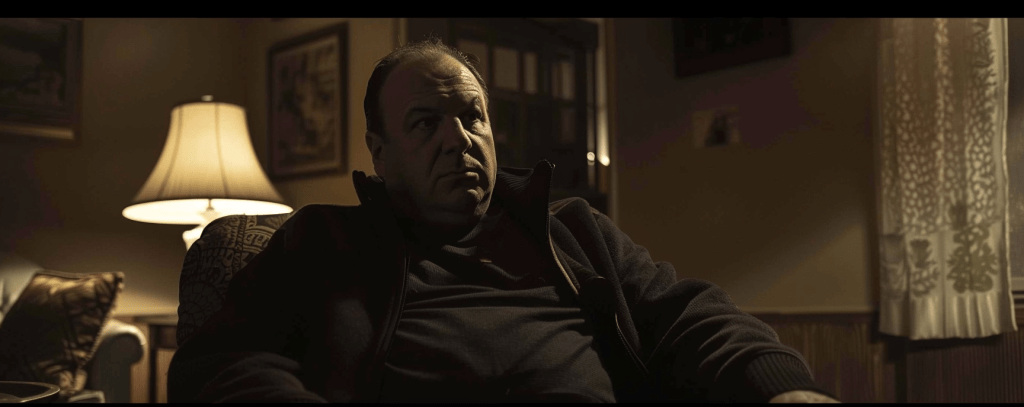
In the realm of cinema, the anti-hero gained significant traction in the post-war era. Film noir of the 1940s and 1950s introduced audiences to morally ambiguous characters navigating a world rife with corruption and betrayal. Protagonists like Sam Spade in “The Maltese Falcon” and Philip Marlowe in “The Big Sleep” were detectives who operated on the fringes of legality, employing morally dubious methods to achieve their goals. These characters were emblematic of a growing disillusionment with traditional heroism, reflecting societal anxieties and the complexities of the human condition.
The 1960s and 1970s saw a further evolution of the anti-hero in both literature and film, influenced by the cultural upheavals and political turmoil of the era. The counterculture movement challenged established norms and celebrated rebellion and individualism. Characters like Alex DeLarge in Anthony Burgess’ “A Clockwork Orange” and Travis Bickle in Martin Scorsese’s “Taxi Driver” epitomized this shift. Alex, with his love for “ultraviolence,” and Travis, with his descent into vigilante justice, were deeply unsettling yet compelling figures. They defied easy categorization, forcing audiences to confront uncomfortable questions about morality, free will, and the nature of evil.
Television also began to explore the complexities of the anti-hero, particularly in the latter half of the 20th century. Characters like J.R. Ewing in “Dallas” and Al Swearengen in “Deadwood” were charismatic yet ruthless, their actions often driven by self-interest and a Machiavellian sense of pragmatism. These characters added depth to the television landscape, showcasing that protagonists did not need to be purely virtuous to be engaging.
The turn of the 21st century brought a new wave of anti-heroes who redefined the television landscape. Tony Soprano, the protagonist of HBO’s “The Sopranos,” emerged as a quintessential anti-hero, blending traits from his literary and cinematic predecessors with new layers of psychological complexity. Tony is both a ruthless mob boss and a deeply flawed human being, struggling with issues of identity, power, and morality. His character is emblematic of the modern anti-hero, a figure who operates in shades of grey rather than in black and white.
Tony Soprano’s characterization draws from the rich history of anti-heroes while adding unique elements that resonate with contemporary audiences. Unlike the classical hero who is often on a quest for external validation and honor, Tony’s journey is largely internal, marked by his sessions with his therapist, Dr. Melfi. These sessions reveal his vulnerabilities, insecurities, and internal conflicts, humanizing a character who might otherwise be seen as a mere villain. This introspection and psychological depth are crucial components of the modern anti-hero, making characters like Tony Soprano relatable and compelling.
Tony Soprano also embodies the duality that defines many anti-heroes. On one hand, he is a loving father and husband, striving to provide for his family and maintain some semblance of normalcy. On the other hand, he is a violent criminal, orchestrating and executing acts of brutality to maintain his power and control within the mob. This duality creates a constant tension within his character, a hallmark of the anti-hero narrative. Audiences are drawn to this tension, finding themselves both repelled by and empathetic towards Tony’s struggles.
In essence, the evolution of the anti-hero reflects broader changes in societal values and storytelling techniques. From the brooding Byronic heroes of the Romantic era to the morally complex figures of modern television, the anti-hero has become a central figure in contemporary narratives. Tony Soprano stands out as a pinnacle of this evolution, a character who encapsulates the contradictions and complexities that define the anti-hero archetype. His legacy has paved the way for a new generation of protagonists who challenge our perceptions of morality and heroism, making the anti-hero an enduring and dynamic figure in storytelling.
The Psychological Complexity of Tony Soprano
Tony Soprano, the central figure in HBO’s “The Sopranos,” is a character who embodies a profound psychological complexity. As a mob boss navigating the treacherous underworld of organized crime while simultaneously striving to fulfill the roles of a devoted family man, Tony’s character is a study in contrasts. This duality is at the heart of his psychological struggles, making him one of the most compelling anti-heroes in television history.
At first glance, Tony Soprano appears to be a typical patriarch, concerned with providing for his family and ensuring their well-being. He is often seen engaging in mundane family activities, such as attending his children’s school events or having dinner with his wife, Carmela. However, beneath this facade lies a ruthless and calculating mob boss, capable of extreme violence and moral transgressions. This stark contrast between his roles as a family man and a criminal creates a continuous tension within Tony, driving much of the series’ narrative.
A significant aspect of Tony’s character development is his therapy sessions with Dr. Jennifer Melfi. These sessions provide a window into Tony’s psyche, revealing his deep-seated insecurities, fears, and unresolved childhood issues. Through his interactions with Dr. Melfi, viewers gain insight into the psychological turmoil that defines Tony’s existence. He grapples with anxiety attacks, feelings of inadequacy, and the burden of maintaining his dual identities. The therapy sessions serve as a narrative device to explore Tony’s internal conflicts, making his character more relatable and human.
One of Tony’s primary struggles is his search for identity. Caught between his loyalty to the mob and his desire for a normal family life, Tony is often torn between conflicting desires and responsibilities. This internal conflict is exacerbated by his awareness of the moral contradictions in his life. He seeks validation and approval from both his criminal associates and his family, yet he knows that the two worlds he inhabits are fundamentally incompatible. This dichotomy leads to a sense of cognitive dissonance, a psychological theory that describes the discomfort one feels when holding two contradictory beliefs or values.
Tony’s quest for power and control is another source of psychological tension. As the head of the DiMeo crime family, he must constantly assert his dominance and navigate the dangerous politics of the mob world. This quest for power often puts him at odds with his own ethical boundaries, leading to actions that cause him significant emotional distress. Despite his ruthless exterior, Tony is not immune to guilt and remorse, particularly when his actions negatively impact those he cares about.
The impact of Tony’s upbringing and environment on his psyche cannot be understated. Raised by a domineering mother, Livia, and a father who was also involved in organized crime, Tony’s formative years were marked by instability and emotional neglect. Livia’s manipulative and emotionally abusive behavior left deep scars on Tony, contributing to his issues with trust, intimacy, and self-worth. His father’s criminal activities normalized violence and illegal behavior, shaping Tony’s worldview and career choices.
Freud’s psychoanalytic theory provides a useful framework for understanding Tony’s behavior. According to Freud, human behavior is influenced by unconscious desires, repressed memories, and internal conflicts among the id, ego, and superego. Tony’s actions can be seen as manifestations of these internal conflicts. His id drives his impulsive and violent tendencies, seeking immediate gratification without considering the consequences. His superego, representing his moral conscience, is often in conflict with his id, leading to feelings of guilt and anxiety. The ego attempts to mediate between these opposing forces, resulting in the complex and often contradictory behavior that characterizes Tony.
Cognitive dissonance theory further explains Tony’s psychological struggles. Developed by psychologist Leon Festinger, this theory posits that individuals experience psychological discomfort when they hold conflicting cognitions, such as beliefs, attitudes, or behaviors. To reduce this discomfort, people often attempt to rationalize their actions or change their beliefs. Tony frequently engages in such rationalizations to reconcile his criminal activities with his desire to see himself as a good person. This ongoing struggle to maintain a coherent self-image amidst conflicting values is a central theme in Tony’s character arc.
Tony Soprano’s psychological complexity is what makes him a compelling anti-hero. His duality as a loving family man and a ruthless mob boss, his internal conflicts and moral dilemmas, and the impact of his upbringing and environment all contribute to a richly layered character. By exploring these psychological dimensions, “The Sopranos” offers a nuanced portrayal of an anti-hero who is both deeply flawed and profoundly human. Through Tony’s character, the series delves into the complexities of identity, power, and morality, providing a captivating study of the human condition.
Tony Soprano’s Impact on Modern Television
Tony Soprano’s impact on modern television cannot be overstated. As the protagonist of “The Sopranos,” Tony redefined what it means to be a leading character in a television series. Prior to his emergence, TV protagonists were often clear-cut heroes or, at the very least, morally upright individuals who adhered to societal norms. Tony Soprano shattered these conventions, paving the way for a new breed of complex, morally ambiguous characters who dominate today’s television landscape.
One of the most significant ways Tony Soprano changed television was by making it acceptable, even desirable, for a leading character to possess deeply flawed and often reprehensible qualities. Tony’s character was a masterful blend of contradictions: a loving father and husband who is also a violent mob boss; a man who seeks therapy to deal with his psychological issues but is unapologetic about his criminal lifestyle. This duality made Tony a groundbreaking figure, as it allowed audiences to see the human side of someone who would traditionally be cast as a villain. By doing so, “The Sopranos” challenged viewers to grapple with their own moral judgments and empathy, blurring the lines between right and wrong.
The influence of Tony Soprano on subsequent TV anti-heroes is profound. Following the success of “The Sopranos,” many television shows introduced protagonists with similar complexities. Characters like Walter White in “Breaking Bad,” Don Draper in “Mad Men,” and Dexter Morgan in “Dexter” all owe a debt to Tony Soprano. These characters, much like Tony, are deeply flawed individuals whose questionable actions drive their narratives. They are often charismatic and compelling, drawing viewers into their world and making them root for characters who, in a traditional sense, would be considered villains.
Walter White, in particular, shares many traits with Tony Soprano. Both characters start their journeys with ostensibly noble intentions—Tony to protect and provide for his family, and Walter to secure his family’s financial future after being diagnosed with terminal cancer. However, as their respective series progress, both characters reveal darker aspects of their personalities, becoming increasingly ruthless and morally compromised. The audience’s relationship with these characters evolves as they transform from sympathetic figures to menacing anti-heroes, a narrative arc that Tony Soprano helped to pioneer.
The audience reception and cultural impact of Tony Soprano’s character were monumental. “The Sopranos” became a cultural phenomenon, resonating with audiences around the world and garnering critical acclaim. Tony’s complexity and humanity made him a relatable figure despite his criminal activities. Viewers were drawn to his struggles, both personal and professional, and the authenticity with which these struggles were portrayed. The show’s exploration of Tony’s psyche through his therapy sessions added a layer of depth that was rare for television at the time, making the series not just a crime drama, but a psychological exploration of its protagonist.
Critically, Tony Soprano’s role in “The Sopranos” has been analyzed extensively. Scholars and critics have lauded the show for its sophisticated storytelling, character development, and its departure from traditional narrative structures. Tony’s character is often seen as a turning point in television history, marking the beginning of the so-called “Golden Age of Television.” This era is characterized by high-quality, character-driven dramas that explore complex themes and feature morally ambiguous protagonists. Tony’s influence can be seen in the narrative depth and character complexity that have become hallmarks of modern television.
The legacy of Tony Soprano in television storytelling is enduring. He set a new standard for character complexity and depth, influencing not just subsequent characters but the entire approach to television narrative. “The Sopranos” demonstrated that audiences were hungry for sophisticated, challenging storytelling that did not shy away from moral ambiguity or psychological depth. This has led to a more mature and nuanced approach to television, where shows are not just vehicles for entertainment but also platforms for exploring intricate human experiences and ethical dilemmas.
Moreover, Tony Soprano’s character has influenced how writers and creators develop their protagonists. The success of “The Sopranos” proved that audiences could engage with and even root for characters who are far from perfect. This has encouraged writers to take risks with their characters, crafting protagonists who are multifaceted and relatable in their imperfections. The impact of this shift is evident in the diverse range of anti-heroes that populate today’s television landscape.
In conclusion, Tony Soprano’s character revolutionized modern television by introducing a new archetype of the anti-hero—one that is deeply flawed, morally ambiguous, and profoundly human. His influence extends beyond “The Sopranos,” shaping the development of numerous subsequent television series and characters. Tony Soprano’s legacy is a testament to the power of complex storytelling and the enduring appeal of characters who reflect the multifaceted nature of the human experience. Through Tony, “The Sopranos” not only entertained but also challenged and expanded the possibilities of television narrative, leaving an indelible mark on the medium.
✍️ Whether you’re mastering the art of dialogue, structure, or character development, the power of AI can be a game-changer in your writing journey. My Free Ebook, ‘AI for Authors’ delves into how AI-powered prompts can provide a unique edge to your storytelling process. If you’re intrigued by the prospect of supercharging your fiction skills, download your free copy today and explore new horizons in creative writing.
 A.I. in Screen Trade