Understanding the Essence of Both Genres
Horror and comedy, two realms that seemingly lie on opposite ends of the emotional spectrum. One aims to petrify, making our hairs stand on end, while the other seeks to elicit joy, forcing laughter out of even the sternest faces. But what happens when these seemingly diametric worlds collide? The idea is as intriguing as it is complex. In screenwriting, merging these genres requires a precise understanding of the elements that define them individually and the finesse to fuse them cohesively.
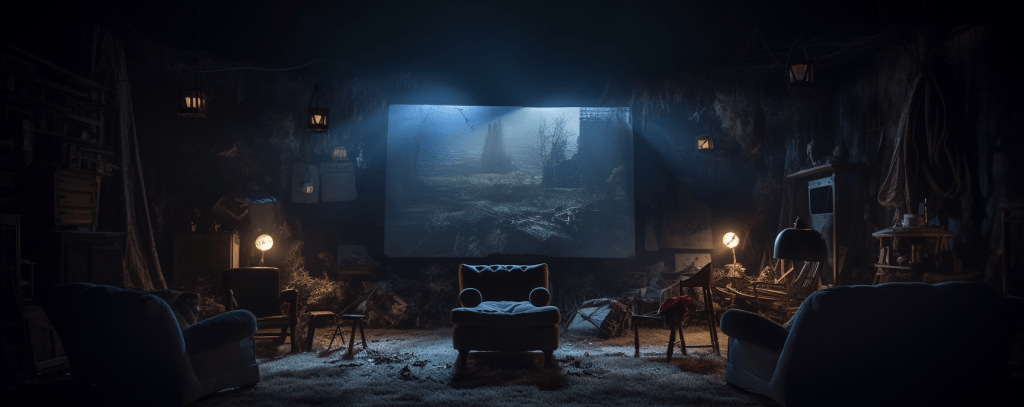
Firstly, let’s explore the heart of the horror genre. Horror, in essence, delves into our primal fears, confronting us with the unthinkable and often the inexplicable. It makes the intangible tangible, be it in the form of ghosts, monsters, or the inherent darkness within humans. Atmosphere is paramount. A dense fog, the flickering of a light bulb, or an eerie silence can all herald impending doom. It plays on tension, suspense, and the unexpected.
On the other hand, comedy is an art of timing, wit, and often, relatability. It is rooted in the absurdities of life, the incongruities, and the unexpected turns. Comedy frequently leverages exaggeration, slapstick, and irony. It’s the banana peel on the floor, the quick-witted retort, or the situational irony of a vegan winning a year’s supply of sausages.
Now, merging horror and comedy? That’s where the challenge lies. It’s akin to a tightrope act, where leaning too much on one side can result in a script that is neither horrifying nor funny. If you’re wondering how complex this blend can be, just think about a joke told at the wrong moment. The scene might either fall flat, ruining the tension, or the comedy might feel forced and out of place. Achieving the perfect balance necessitates impeccable timing, finesse, and a deep respect for both genres.
When blending genres, especially ones as distinct as horror and comedy, screenwriters often encounter unique challenges. One of the fundamental challenges is tone. The tone of a narrative can dictate audience expectations. In a purely horror screenplay, audiences brace themselves for jump-scares and spine-chilling sequences. Conversely, in a comedic screenplay, the audience anticipates laughter and lighter moments. Blending the two requires a tone that sets clear expectations while continuously subverting them.
Another challenge is character development. In horror, characters often undergo a transformation, usually driven by their attempts to survive against malevolent forces. Their arcs are defined by their evolving relationship with fear. In contrast, comedic characters often find themselves in ridiculous situations, and their growth (or lack thereof) is driven by their responses to these situations. Thus, when writing a screenplay that merges these genres, creating multi-dimensional characters that can seamlessly fit into both worlds is crucial.
Lastly, there’s pacing to consider. Horror thrives on pacing; the gradual buildup of tension leading to a terrifying climax. Comedy, especially slapstick, often relies on rapid-fire jokes or visual gags. The pacing of a horror-comedy needs to accommodate the slow-burn tension of horror while leaving room for comedic relief without dissipating the fear.
A mastery of these screenwriting tips is necessary for anyone wishing to venture into the exhilarating world of genre-blending. The union of horror and comedy isn’t just about throwing in a few laughs amidst the scares. It’s about understanding the core of each genre, respecting their rules, and then artfully breaking them to create something unique.
In examining films that have successfully combined horror and comedy, “Shaun of the Dead” stands out as a masterclass. It offers invaluable lessons for screenwriters on how to navigate the treacherous waters of genre-blending. But before diving into its intricacies, it’s imperative to grasp the foundational principles that govern its parent genres. Only then can one truly appreciate the craft and creativity that went into penning such a genre-defying work.
“Shaun of the Dead”: A Masterclass in Balancing Horror and Humor
“Shaun of the Dead” is more than just a cult classic—it’s a film school compressed into 99 minutes. Directed by Edgar Wright and co-written with lead actor Simon Pegg, this film masterfully merges the horrifying with the hilarious, leaving audiences in a delightful limbo between screams and guffaws. How did Wright and Pegg manage to hit this sweet spot? Let’s dissect.
- Screenplay Structure and Pivotal Scenes
At its core, “Shaun of the Dead” follows the classic three-act structure of setup, confrontation, and resolution, but with ingenious tweaks. The beauty of the film lies in its subversion of expectations. Take, for instance, the scene where Shaun, blissfully ignorant, goes about his morning routine, unaware of the zombie apocalypse unfolding around him. This scene is a masterful blend of horror and humor, showcasing a zombified world in broad daylight, with Shaun remaining hilariously oblivious.
Another standout scene is the ill-fated rescue of Shaun’s mother and stepfather. Wright and Pegg take a moment that should be filled with dread—a zombie confrontation—and inject it with comedy, as the group argues about the best record to throw at the approaching zombies.
- The Genius Screenwriting Tips Behind the Curtain
What’s evident when watching “Shaun of the Dead” is the meticulous planning that went into the writing process. Wright and Pegg adhered to the golden rule of comedy writing: set up and payoff. Early moments in the screenplay subtly set the stage for hilarious payoffs later on. For example, Ed’s offhand comment about the day’s plan (“A Bloody Mary first thing, a bite at the King’s Head, couple at The Little Princess, stagger back here and bang… back at the bar for shots.”) eerily and hilariously foreshadows the events of their zombie-filled day.
Another invaluable tip is the use of character-driven comedy. While the scenarios are absurd, the reactions and interactions of Shaun, Ed, and the ensemble feel genuine. Their personalities, flaws, and quirks drive the comedy, ensuring that amidst the fantastical zombie apocalypse, human relationships remain at the heart of the story.
- Flipping Horror Tropes with Comedic Twists
“Shaun of the Dead” is a love letter to the zombie horror genre, but with a wink. Wright and Pegg took beloved horror tropes and turned them on their heads. Zombies in horror are often unstoppable, menacing forces, but in Shaun’s world, they’re often slow, clueless, and a source of amusement. Remember the scene where the group tries to mimic zombie movements to blend in? Classic horror setup, but the execution is pure comedy.
The film also takes the classic horror setting—the isolated, besieged location (in this case, the Winchester pub)—and makes it a central hub for humor. Instead of solely focusing on defending the pub, the characters grapple with mundane problems, like the malfunctioning jukebox playing “Don’t Stop Me Now” during a zombie beatdown.
What’s more, “Shaun of the Dead” doesn’t shy away from gore. But even in its goriest moments, humor isn’t far behind. A disemboweled zombie might be a moment of pure horror in another film, but here, it’s paired with a slapstick fight sequence and Queen’s thumping beats.
Crafting Your Own Horror Comedy Narrative
Creating a hybrid genre, especially one as intricate as horror comedy, is no easy task. It demands a knack for understanding the nuances of both genres and the art of gracefully blending them. But fear not (or maybe do, just a little), because the very challenge of crafting a horror comedy narrative can lead to some genuinely original stories. With the right writing tips and a pinch of audacity, you can embark on a journey to create a tale that makes your audience laugh out loud one minute and scream the next.
- Writing Tips and Screenwriting Prompts for Mixing Genres
Tip: Use incongruity. The heart of comedy lies in the unexpected. Take a typical horror situation and twist it. Think of a vampire with a phobia of blood or a zombie who’s a vegetarian. These incongruities provide ample opportunities for humor. Prompt: Write a scene where a haunted house’s ghost gets annoyed because the new human inhabitants are messier than he is.
Tip: Character-driven humor. As with “Shaun of the Dead,” make sure the humor emerges from the characters’ personalities, quirks, and relationships. This will not only elicit genuine laughs but will also strengthen the bond between your characters and the audience. Prompt: Develop a duo: one believes in all things supernatural, the other is a staunch skeptic. They decide to spend a night in a notoriously haunted location. Capture their dialogues and antics.
- Understanding the Balance: Laughter and Fear
It’s essential to gauge when to draw a laugh and when to induce fear. Too much of one can overshadow the other, tilting the balance.
Tip: Use pacing to your advantage. Comedy often benefits from rapid-fire dialogue and quick situational shifts. On the other hand, building tension, a horror staple, requires lingering shots and drawn-out moments. By mastering pacing, you can effectively transition between these opposing tones.
Tip: Visual and auditory cues play a significant role. A shadowy figure can be terrifying in the dim light. But, introduce a quirky, upbeat soundtrack, and the mood can instantly turn comedic. The juxtaposition of visual horror with auditory humor can produce delightful results.
- The Value and Potential Pitfalls of Genre Combinations
The allure of mixing genres, especially horror and comedy, lies in the vast creative landscape it offers. It allows writers to challenge conventions, surprise audiences, and create memorable moments that might not fit within a single genre’s confines.
However, genre blending is not without its risks. The biggest potential pitfall is tonal inconsistency. A story that doesn’t balance its genres can come across as jarring. Imagine a deeply emotional scene where a character mourns the loss of a loved one, immediately followed by slapstick comedy. If not handled deftly, such shifts can disorient the audience and diminish the story’s emotional impact.
Tip: Workshop your screenplay. Testing it in front of an audience, whether it’s a screenwriting group or trusted friends, can help gauge which scenes strike the desired balance and which might need tweaking.
In conclusion, while the task of weaving horror and comedy might seem daunting, it’s this very challenge that can lead to screenwriting gold. Drawing inspiration from masterpieces like “Shaun of the Dead” and armed with a keen understanding of both genres, any budding writer can embark on this thrilling journey. It’s about pushing boundaries, understanding your audience, and, most importantly, having fun with your narrative. After all, if you’re enjoying the writing process, chances are your audience will relish the final product. So, why not take a chance and dive into the exhilarating world of horror comedy? The pen, as they say, is mightier than the sword (or even the zombie’s bite!).
✍️ Whether you’re mastering the art of dialogue, structure, or character development, the power of AI can be a game-changer in your writing journey. My Free Ebook, ‘AI for Authors’ delves into how AI-powered prompts can provide a unique edge to your storytelling process. If you’re intrigued by the prospect of supercharging your fiction skills, download your free copy today and explore new horizons in creative writing.
 A.I. in Screen Trade