Breaking New Ground: Who is Rebecca Roanhorse?
Fantasy literature has a lineage that dates back to myths and legends of ancient times. Over the years, the genre has evolved, giving us iconic storytellers like J.R.R. Tolkien, Ursula K. Le Guin, and George R.R. Martin. And now, in this ever-expanding mosaic, a new star has emerged: Rebecca Roanhorse.
Born in 1971 in Conway, Arkansas, Roanhorse has broken new ground in the realm of fantasy literature by exploring themes often relegated to the fringes. Her unique contributions garnered widespread attention from the very beginning of her career, when her debut short story, “Welcome to Your Authentic Indian Experience™,” won both the Nebula Award and the Hugo Award in 2018. This was a clear signal to the literary world: a new voice had arrived, and it wasn’t going to be confined to the traditional boundaries of the genre.
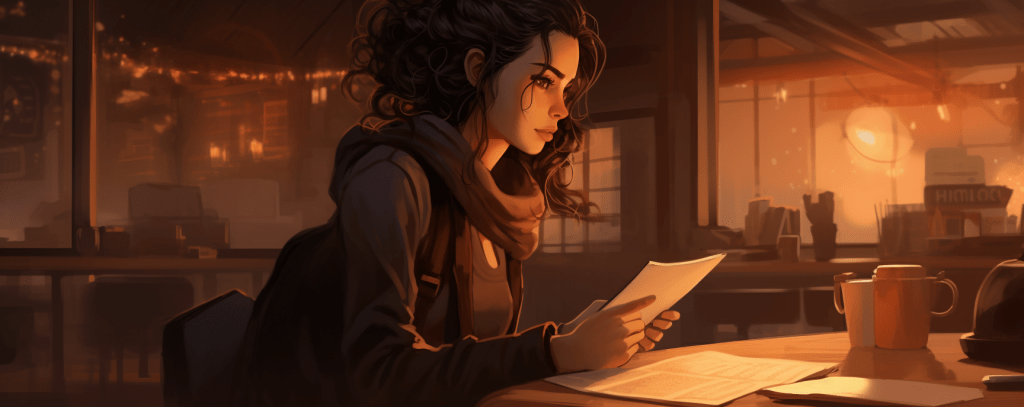
Roanhorse, who is of Ohkay Owingeh Pueblo and African American descent, brings an authentic diversity to her narratives that is both refreshing and illuminating. She challenges the mainstream literary world’s monolithic depiction of fantasy settings, which often rely on Eurocentric myths and histories. Her work provides a compelling counterpoint, pulling from Indigenous myths, cultures, and histories, which had often been overlooked or misrepresented.
Take her novel “Trail of Lightning,” for example. This post-apocalyptic tale set in the Navajo Nation introduces us to a world unlike any other, where myths come alive and gods walk among humans. The narrative is riveting, sure, but what sets it apart is Roanhorse’s commitment to genuine representation. She gives readers a view into the world of Dinetah, bringing cultural richness and a different perspective on relationships between humans and the environment.
The most intriguing aspect of Roanhorse’s rise to prominence is that she’s not just another writer with a fresh take. She’s a game-changer, proving that the realm of fantasy can and should be a diverse landscape, not only in terms of its characters but also in the sources of its inspirations. Her unique narrative voice caters to a broad range of readers, offering everyone a seat at the table. This is fantasy as it should be: inclusive, inventive, and deeply rooted in varying perspectives.
Roanhorse’s impact is further magnified when considering the broader literary climate. Fantasy has had its share of controversies regarding diversity—or the lack thereof. For years, critics and scholars have decried the genre’s homogeneity, calling for a more inclusive approach. In walks Roanhorse, answering that call not with grandiose statements but with her pen, offering up stories that feel both ancient and groundbreaking. Her work is a testament to how fantasy literature can evolve while honoring its roots.
Another dimension worth noting is her influence on aspiring writers. Roanhorse’s journey is a masterclass in breaking barriers, offering myriad writing tips by example. Her road to success wasn’t handed to her; she had to navigate the convoluted paths of the publishing industry, often dominated by a singular cultural perspective. This makes her achievement all the more inspiring for budding authors. There’s no secret sauce here, just good old-fashioned hard work combined with the courage to push boundaries.
However, Roanhorse’s reach extends beyond the scope of awards and critical acclaim. She is a voice for those who’ve felt marginalized within a genre that often leans heavily on a narrow scope of cultural inspiration. Through her work, she reminds us that stories are universal, but their flavors can be as diverse as the people who inhabit this world.
The Worlds She Builds: A Deep Dive into Roanhorse’s Narrative Techniques
Let’s get into the nitty-gritty, the techniques that make Rebecca Roanhorse’s stories as engaging as they are enlightening. This isn’t merely about lauding her creativity; it’s about exploring the craftsmanship underneath the spellbinding narratives. Whether you’re an aspiring author working on writing a novel, or a seasoned reader wanting to appreciate the layers of a well-constructed tale, Roanhorse offers something valuable for everyone.
First, let’s talk about world-building. Avid readers of fantasy literature know how vital a well-developed setting is for immersion. Tolkien had Middle-earth, George R.R. Martin has Westeros, and Rebecca Roanhorse gives us Dinetah in her novel “Trail of Lightning.” But Roanhorse’s world-building goes beyond the geographical or the fantastical; she infuses the very soil of her worlds with cultural heritage and nuance. This approach makes her settings feel not just unique but intrinsically tied to the characters that inhabit them. The world doesn’t just serve the story; it is an essential character in itself.
But what truly sets Roanhorse apart is her ability to fuse traditional mythologies with modern settings and themes. She explores how old myths would react to new realities. Her work is a fascinating blend of ancient legends, such as Coyote and other figures from Navajo folklore, meeting modern-day challenges like climate change and social injustice. This synergy creates a narrative tension that grips the reader, forcing them to re-evaluate their understanding of both the myths and the realities they represent.
A core element that enables Roanhorse to create such riveting worlds is her commitment to authentic representation. It isn’t just about painting diverse faces on familiar tropes. No, her characters are as culturally rich and individually unique as the worlds they inhabit. For instance, Maggie Hoskie, the protagonist of “Trail of Lightning,” isn’t your run-of-the-mill action heroine. She’s a Monster Hunter with emotional depth, rooted in her culture, and shaped by a personal history that makes her both formidable and deeply human.
When it comes to narrative pacing, Roanhorse is a maestro. She understands how to weave suspense and mystery, dropping hints and clues in a way that keeps the reader perpetually intrigued without feeling overwhelmed. This skill is particularly evident in “Black Sun,” her epic fantasy novel that twists and turns like a labyrinth but always leads the reader toward an emotionally rewarding conclusion. This is a lesson in pacing, an area where many aspiring authors stumble. Whether you are working on writing prompts or a full-length novel, understanding pacing is vital to keeping your reader engaged.
An often-underestimated tool in Roanhorse’s arsenal is her use of language. She doesn’t shy away from incorporating native languages and dialects into her dialogue. This might seem like a small detail, but it adds a layer of authenticity that goes a long way in making her worlds feel lived-in and real. For those looking to improve writing skills, take note: language is not just a means to convey information; it’s a tool to enrich the world you are creating.
But perhaps what makes Roanhorse a true gem in modern fantasy is her ability to make complex themes accessible without oversimplifying them. Whether it’s grappling with identity, examining the nuances of power and privilege, or delving into ethical complexities, Roanhorse never offers easy answers. Instead, she presents these themes within the framework of a compelling story, allowing readers to engage with them organically. This technique is more than a narrative choice; it’s an invitation for readers to think, to question, and ultimately, to grow.
One can’t talk about Roanhorse’s narrative techniques without mentioning her versatility. Not confined to just novels, she’s shown her prowess in short stories and even comic books, having penned a run for Marvel’s “Star Wars: Resistance Reborn.” Her ability to adapt her storytelling to different formats while maintaining her unique voice is an invaluable skill, especially for those looking to dive into various forms of creative writing.
Writing Your Own Path: What We Can Learn from Roanhorse’s Approach
You’ve read her books, explored her worlds, and probably even found yourself rooting for her complex characters. Now, what? How do we take this admiration for Rebecca Roanhorse’s work and use it to fuel our own writing endeavors?
The first and most crucial lesson to glean from Roanhorse is about authentic representation. Think of your favorite characters from her books. What makes them resonate with you? Is it their complexity, their relatability, or perhaps their unique perspectives? Most likely, it’s a combination of these aspects. But the key takeaway is that these characters are firmly rooted in their cultural and social contexts. If you’re striving to improve your writing skills, don’t just insert a ‘diverse’ character to tick a box. Understand who they are, where they come from, and how their background influences their actions.
Another intriguing aspect of Roanhorse’s storytelling is her commitment to reviving and revising mythologies. In a landscape where Greek gods and Norse legends often overshadow other rich mythological traditions, Roanhorse brings in fresh perspectives. How can you do the same? If you’re in the early stages of writing a novel, consider diving into lesser-known folklore or myths as your starting point. Or perhaps, reimagine familiar tales from a modern standpoint, much like Neil Gaiman did with “American Gods.” Doing so not only enriches your narrative but also broadens your readers’ horizons.
For those who enjoy the writing prompts method of generating story ideas, think about creating scenarios where your characters encounter mythical elements in a contemporary setting. How would a modern-day hero react if faced with an ancient test of courage? Or, imagine your protagonist stumbling upon an object of immense power that comes from their own cultural folklore. These are great prompts to kickstart your imagination, and they can pave the way for a layered and diverse narrative.
Roanhorse’s pacing is another crucial learning area. If you’ve read “Storm of Locusts,” you’ll know how she expertly balances quieter, introspective moments with high-octane action sequences. Each serves a purpose and adds a different layer to the story. For your own projects, remember that pacing isn’t just about how quickly the story moves but also about where you choose to place moments of action versus reflection. It’s this rhythm that will either keep your readers turning the page or make them put the book down.
A hidden weapon in the writer’s arsenal is language. Roanhorse demonstrates this not just through the dialogues but also through her descriptive prose. If you want to step up your creative writing game, pay close attention to how you describe settings, characters, and even emotions. Language is not merely a conveyor of information; it’s the color palette with which you paint your world. Unique and thoughtful language can make even a simple scene come alive in the reader’s imagination.
Subtlety is another aspect where Roanhorse excels. Whether it’s the underlying themes of identity and social structure or the nuanced relationships between her characters, she never makes the mistake of spelling everything out for the reader. This level of respect for your audience’s intelligence is something to incorporate into your writing. Readers appreciate having space to form their own interpretations and connections.
Finally, let’s talk about genre. Rebecca Roanhorse doesn’t let the boundaries of fantasy constrain her. Her work straddles multiple genres, blending elements of adventure, mystery, and even horror. If you find yourself pigeonholed into one particular style or genre, maybe it’s time to break free. Push the envelope a bit. Remember, genres are not walls but windows. They give you a basic framework but don’t limit how far you can go.
The point here is that writing, at its core, is about freedom—the freedom to explore, to question, and to imagine. So go ahead, pen down that story lurking in the corners of your mind. Will it be challenging? Definitely. But if there’s anything that the meteoric rise of Rebecca Roanhorse has shown us, it’s that when authenticity meets skill, magic happens. So why not make a little magic of your own?
✍️ Whether you’re mastering the art of dialogue, structure, or character development, the power of AI can be a game-changer in your writing journey. My Free Ebook, ‘AI for Authors’ delves into how AI-powered prompts can provide a unique edge to your storytelling process. If you’re intrigued by the prospect of supercharging your fiction skills, download your free copy today and explore new horizons in creative writing.
 A.I. in Screen Trade