Context and Introduction – The Evolution of TV Screenwriting
“The Sopranos” isn’t just a TV series; it’s a masterclass in screenwriting. A production that hailed from the late 1990s to the mid-2000s, it emerged during what many regard as the ‘golden age’ of television. But what exactly made this series resonate so deeply with audiences, and how has it influenced the ever-evolving realm of TV screenwriting?
The Television Renaissance
It’s essential, first, to understand the broader television renaissance during which “The Sopranos” aired. This era saw television breaking its traditional bounds, exploring narratives and styles that were previously exclusive to cinema. TV was no longer just about episodic tales; it was about creating prolonged, intricate, and cinematic story arcs. Series such as “The Wire,” “Breaking Bad,” and of course, “The Sopranos,” led the charge, redefining what it meant to tell a story on the small screen.
The Genius of David Chase
Every memorable series has an artistic mind steering its direction. For “The Sopranos,” it was David Chase. Chase’s approach to screenwriting was unique. While many screenwriters focus intently on plotting every detail, Chase allowed for organic growth. This fluidity in writing a screenplay allowed characters to evolve, storylines to mature, and themes to resonate more deeply. His commitment to maintaining a series that felt genuine and unpredictable was evident in every episode. Yet, amidst the unpredictability, there was always purpose, a clear intention driving every scene.
Writing Tips Drawn from ‘The Sopranos’
For budding screenwriters, “The Sopranos” is a treasure trove of lessons. Here are a few writing tips one can glean from Chase’s magnum opus:
- Embrace Authenticity: One of the standout features of “The Sopranos” was its commitment to authentic dialogue. Characters spoke like real New Jersey mobsters – not like Hollywood versions of them. Screenwriters should trust their research and insights to create dialogues that reflect genuine human interactions.
- Complexity Over Cliché: The characters in “The Sopranos” were never black or white; they existed in shades of gray. Tony Soprano, the protagonist, was both a loving father and a ruthless mob boss. By avoiding clichéd character molds, Chase crafted figures that felt real and multifaceted.
- The Power of Subtext: Often, what’s not said is more powerful than what’s verbalized. “The Sopranos” masterfully used subtext – characters’ unspoken feelings and intentions. This added layers to the narrative, allowing the audience to become active participants, deciphering underlying emotions and meanings.
- Consistent Themes: While individual episodes had their arcs, the entire series revolved around key themes – family, power, morality, and the American Dream. Having a central theme can anchor your screenplay, giving it direction and depth.
Delving Deep – The Screenplay Structure of ‘The Sopranos’
The appeal of “The Sopranos” isn’t merely restricted to its compelling narrative and unforgettable characters; it’s rooted deep within the intricacies of its screenplay structure. This isn’t a series that followed the well-trodden path; it carved out its own route, setting a high benchmark for all television series that followed.
Narrative Arcs
Many series fall into the trap of either stretching a thin storyline over multiple episodes or cramming too many plot points into a short timeframe. “The Sopranos” avoided this pitfall by managing multiple storylines that intertwined with each other, all while maintaining coherence and a central focus.
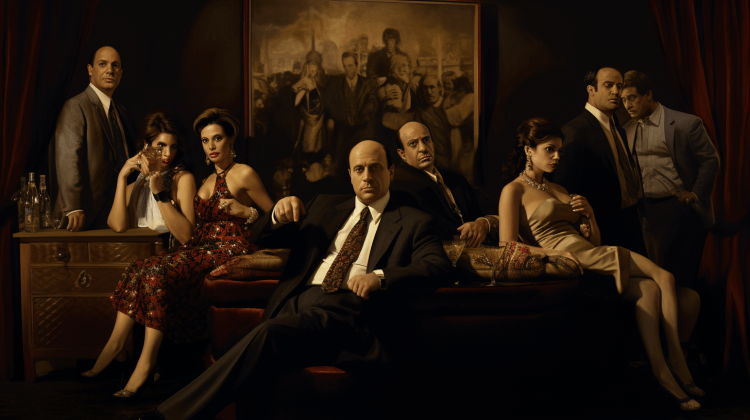
Every season brought forward a central conflict or set of conflicts that drove the overarching narrative. Yet, within each episode, there were smaller arcs, self-contained stories that reflected, contrasted, or added depth to the broader storyline. For instance, the ongoing tension between Tony and his mother, Livia, was a constant thread, yet each episode presented its unique set of challenges, from FBI investigations to personal dilemmas.
Character Complexity
Crafting a memorable character isn’t about giving them unique traits or eccentricities. It’s about developing multi-dimensional personalities that evolve, regress, conflict, and find resolution over time. Every character in “The Sopranos” was given this treatment, from the titular Tony Soprano to the often sidelined ‘B’ characters.
One can’t discuss “The Sopranos” without delving into Tony Soprano’s psyche. On the surface, he’s a mob boss, involved in every conceivable form of criminal enterprise. Dive a bit deeper, and you discover a man battling depression, grappling with his identity, seeking therapy, and trying to maintain balance between his personal and ‘professional’ lives. Such depth is a testament to impeccable character crafting.
But it wasn’t just Tony. Characters like Carmela, Dr. Melfi, and Christopher Moltisanti were all given story arcs that saw them change, evolve, and sometimes, tragically, meet their ends.
Setting and Atmosphere
New Jersey in “The Sopranos” isn’t just a backdrop; it’s a living, breathing entity that shapes the narrative. Its neighborhoods, the iconic Bada Bing club, the backroom deals in seedy motels, and the picturesque suburbs all contribute to the series’ atmosphere. Each location was chosen with purpose, adding layers to the narrative, enhancing the screenplay structure.
The atmosphere was further intensified by the choices in music, wardrobe, and cinematography. These elements, while not written into the screenplay, were heavily influenced by the writing. The choice of using Alabama 3’s ‘Woke Up This Morning’ as the opening theme wasn’t random. It set the tone for the series – gritty, unapologetic, and filled with foreboding.
Screenwriting Tips from ‘The Sopranos’
If “The Sopranos” teaches screenwriters anything, it’s that innovation and authenticity always triumph over formulaic writing. Here are some key takeaways for those crafting their own screenplays:
- Embrace Multiple Storylines: Don’t shy away from complexity. As seen in “The Sopranos,” multiple threads can weave a rich tapestry. Just ensure they serve a purpose and converge meaningfully.
- Character Depth is Key: Avoid creating characters that solely serve the plot. Give them desires, fears, conflicts, and growth. Let them be human, flawed, and relatable.
- Utilize Setting Effectively: The environment can shape your story. From the murkiness of mob hangouts to the calm of Dr. Melfi’s office, use settings to amplify the emotional tone of your scenes.
- Stay True to Your Vision: David Chase had a clear vision for “The Sopranos,” even if it meant subverting audience expectations. While feedback is essential, it’s vital to stay true to your narrative’s core.
How ‘The Sopranos’ Changed Television Storytelling Forever
“The Sopranos” didn’t merely entertain; it revolutionized. As a behemoth in the realm of television storytelling, this series shifted the narrative trajectory for an entire industry. If you’re in the craft of screenwriting, there’s much to glean from this monumental show. Here’s an exploration into its transformative influence.
Pushing the Protagonist Paradigm
Traditionally, television had a simple formula: protagonists were noble, antagonists were nefarious, and rarely did these lines blur. Tony Soprano burst onto our screens, subverting this trope entirely. A mob boss attending therapy, battling anxiety attacks, and showing genuine love for his family was groundbreaking. By making audiences empathize and, at times, despise the same character, “The Sopranos” blurred the lines between hero and villain.
Such complex character portrayal paved the way for other iconic figures. Think of Walter White from “Breaking Bad” or Frank Underwood from “House of Cards.” These characters owe their existence to the precedent set by Tony Soprano.
Serialized Storytelling
Before “The Sopranos,” TV shows often had episodic structures. Each episode was a self-contained narrative, with the status quo restored by the end. This series bucked the trend. Though each episode had its arc, the narrative threads often spanned an entire season or even across multiple seasons.
This encouraged viewers to invest deeply, anticipating and speculating future plot developments. Shows like “Game of Thrones” or “Westworld” thrive on this serialized format, rewarding dedicated viewership with intricate story webs.
Embracing Dark Themes
Television often steered clear of profound psychological explorations or morally ambiguous plots. “The Sopranos,” with its intense focus on Tony’s therapy sessions, his moral quandaries, and the psyche of those surrounding him, embraced the darkness.
This focus on the human psyche’s murkier sides paved the way for series like “Mindhunter” which delved into the minds of serial killers, or “BoJack Horseman,” which, despite being an animated comedy, poignantly examines addiction, depression, and the pitfalls of fame.
A Nod to Realism
“The Sopranos” is notable for its refusal to glamorize the mafia lifestyle. The mob life wasn’t portrayed as endlessly lavish parties and grandiose power plays but as real, often mundane, and fraught with everyday challenges. The detail to which the show stuck to realism, from the intricacies of mob politics to the financial strains and family drama, was a breath of fresh air.
This raw, unfiltered gaze into life’s mundanities can be seen in shows like “Better Call Saul,” where a significant subplot involves the protagonist’s struggles with elder law and establishing a solo practice.
Screenwriting Lessons from “The Sopranos”
Emerging screenwriters, pay heed! “The Sopranos” offers a plethora of insights for those hoping to write their own compelling narratives:
- Challenge Conventions: Don’t be confined by traditional character archetypes. Let your protagonists be flawed, let your antagonists have redeeming qualities, and above all, keep them human.
- Commit to Continuity: If you’re writing for television, consider the serialized format. Engage your audience over extended arcs, ensuring continuity and development with every episode.
- Delve into Darkness: Don’t shy away from exploring profound themes. Whether it’s a character’s internal struggles or societal critiques, be bold in your narrative choices.
- Keep it Real: Remember, even in the most fantastical of settings, elements of realism can anchor your story, making it relatable and genuine.
Conclusion
“The Sopranos” has left an indelible mark on television storytelling. Not only did it provide audiences with gripping content, but it also reshaped the way narratives were approached, character dynamics were built, and themes were explored. It’s not just a masterclass in screenwriting; it’s a testament to the transformative power of well-crafted stories.
✍️ Whether you’re mastering the art of dialogue, structure, or character development, the power of AI can be a game-changer in your writing journey. My Free Ebook, ‘AI for Authors’ delves into how AI-powered prompts can provide a unique edge to your storytelling process. If you’re intrigued by the prospect of supercharging your fiction skills, download your free copy today and explore new horizons in creative writing.
 A.I. in Screen Trade