The landscape of screenwriting has been dramatically altered by the advent of artificial intelligence, sparking conversations on AI screenwriting, machine learning screenwriting, and the broader implications of AI writing. While the tools offered by technology can be powerful, the heart of storytelling remains human. The Writers Guild of America (WGA) and other unions must continue to uphold the rights of writers, the true creative artists behind our beloved stories, during these crucial times of change.
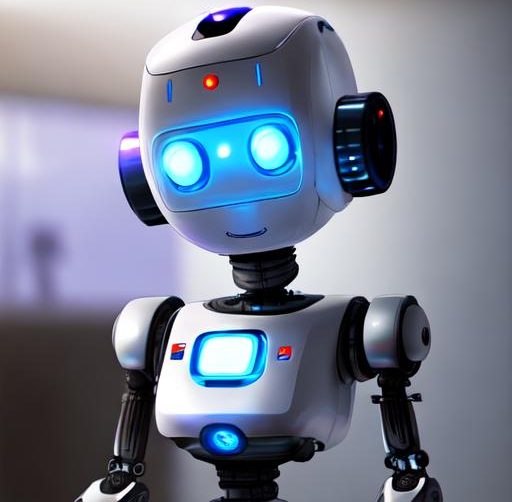
AI’s potential in screenwriting can’t be overstated. Its capacity for generating new ideas, crafting intricate character arcs, and increasing the overall efficiency of the screenwriting process has been well-documented. AI-generated scripts and the broader field of AI film writing have both become hot topics. Many in the industry see AI as a revolutionary tool that can change the way we write, the way we imagine, and even the way we tell stories.
Yet, in the midst of this technological revolution, we must not lose sight of the fact that screenwriting is a deeply human endeavor. The collaborative nature of filmmaking, the synergistic exchange of ideas, the nuances of human emotion, and the storytelling tradition are elements that AI cannot replicate.
Artificial intelligence in screenwriting can be an invaluable tool for screenwriters, a means to explore uncharted narrative territory and break through creative blocks. Think of AI not as a replacement but as an innovative type of screenwriting software, capable of learning from vast databases of scripts and generating unique storylines. Yet the nuances, the subtleties, the human touch – these can only come from the screenwriters themselves.
While AI story generation can inspire or even challenge our understanding of narrative structure, it’s the human writer who breathes life into these skeletal plots. The writer’s lens, colored by individual experiences and emotions, can’t be replicated by even the most sophisticated machine learning models. In essence, AI may build the framework, but it’s the writer who brings the house to life, infusing it with character and heart.
The role of the WGA and other unions in this transformative era is critical. As more AI screenwriting tools are introduced, it’s essential that we protect the rights and roles of the writers. Despite the benefits that AI brings to the table, writers should not fear obsolescence. Instead, they should be empowered to harness these tools to aid their creativity and efficiency.
The use of AI in the screenwriting profession is inevitable, but it’s not a doom-laden prophecy. Rather, it is an opportunity for the industry to innovate, evolve, and enhance the storytelling process. The future of screenwriting will be shaped by how well we can merge the imaginative capabilities of humans with the computational prowess of AI.
As we move forward, let’s remember that while AI can aid us in crafting narratives, it is the human screenwriter who breathes life into our stories. The narrative tradition that predates even the written word is a testament to the unique storytelling capabilities of human beings. AI may add layers to this tradition, but it cannot replace it.
So, to all the screenwriters out there: Embrace these new tools, explore their possibilities, and continue to shape our stories with the empathy, depth, and imagination only you can provide. The technology is here to serve you, not to supplant you. Together, we’ll usher in a new era of storytelling, where AI is an assistant, not a replacement, helping us weave stories that resonate with the human experience. The pen, or rather, the keyboard, remains in your hands.
We stand firmly in solidarity with the Writers Guild of America and the ongoing strike. #WGAStrong
 A.I. in Screen Trade