As the world progressively embraces the fascinating realms of artificial intelligence (AI), discussions on the role of AI in various creative fields, especially in literature and film, have emerged. The domain of AI and screenwriting is an intriguing and complex one, an area that can’t be simplified into a binary perspective of ‘good or bad’, or a matter of ‘replacement or enhancement’.
This article will delve deeper into the intertwined aspects of AI and screenwriting, highlighting its intricate divergence from novel writing. This article aims to offer valuable insights to screenwriters, filmmakers, AI enthusiasts, and all readers who appreciate the intersection of technology and the arts.
AI in the Creative Process
Before digging deep into screenwriting, let’s take a moment to understand the general application of AI in the creative process. AI has proven itself useful in several creative sectors, from visual art, music, and literature. These AI systems can analyze vast datasets of creative works, identify patterns, and produce new creations based on those patterns.
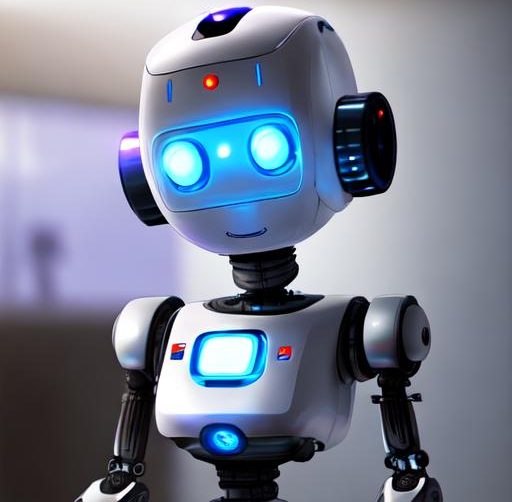
It’s important to note that AI’s role in creativity is primarily as an assistant rather than a creator in its own right. In other words, while AI can generate content, the creative impulse, the heart and soul, is still fundamentally human.
Screenwriting vs. Novel Writing
Screenwriting differs from novel writing in significant ways. Novel writing is a solitary endeavor, generally hinged on the unique voice, vision, and narrative of an author. On the other hand, screenwriting, at its core, is a collaborative effort. A screenplay is the backbone of a film or television show that also depends on directors, actors, cinematographers, and other film crew members to come to life.
In terms of structure and format, screenplays adhere to a more rigid structure and brevity than novels. This makes the application of AI in screenwriting a unique challenge, and it’s here that the black-and-white perspective of AI as merely a tool or threat starts to fray.
The Role of AI in Screenwriting
AI’s potential in screenwriting is dual-faceted. On one hand, it can assist screenwriters by automating specific tasks like script formatting, character tracking, and even suggesting plot points based on data analysis. On the other hand, AI’s capability to write full-length screenplays is still a point of contention.
Currently, AI cannot capture the nuance, creativity, or emotive depth inherent in human-written screenplays. While AI can mimic writing styles or formats, it lacks the inherent understanding of human emotions and motivations, resulting in flat characters and plotlines.
However, this doesn’t negate AI’s role in screenwriting. The automated tasks mentioned earlier can free up a screenwriter’s time, allowing them to focus more on character development, plot intricacies, and dialogue.
AI in Screenwriting: An Enhancement, Not a Replacement
AI is better considered an enhancement, not a replacement for screenwriting. AI can provide screenwriters with powerful tools to support their creative process without stifling or replacing human creativity.
It’s important to view AI as a collaborative partner that can help enhance and streamline the screenwriting process. By taking advantage of AI’s capabilities, screenwriters can elevate their work, creating richer, more compelling stories.
Challenges and Ethical Considerations
As we further integrate AI into screenwriting, several challenges and ethical considerations emerge. Ownership and copyright issues, the fear of AI homogenizing the creative process, and the potential misuse of AI technology are concerns that need addressing.
Given the collaborative nature of screenwriting, the use of AI could blur the lines of authorship, leading to complex legal challenges. There’s also the worry that relying too heavily on AI could lead to a homogenization of content, as AI operates primarily on existing data and patterns.
Despite these challenges, the integration of AI in screenwriting is not a matter of if but when. By actively engaging in these discussions, we can ensure that AI is used responsibly and ethically in the screenwriting process.
Conclusion
The intersection of AI and screenwriting is far from being a binary issue. It’s a complex dynamic that requires a deep understanding of both the technology and the craft. As screenwriters and AI developers collaborate, they pave the way for the future of screenwriting — a future that’s not black or white, but rather an exciting spectrum of possibilities.
✍️ Whether you’re mastering the art of dialogue, structure, or character development, the power of AI can be a game-changer in your writing journey. My Free Ebook, ‘AI for Authors’ delves into how AI-powered prompts can provide a unique edge to your storytelling process. If you’re intrigued by the prospect of supercharging your fiction skills, download your free copy today and explore new horizons in creative writing.
 A.I. in Screen Trade