Artificial Intelligence (AI) has been revolutionizing various sectors, and screenwriting is no exception. The concept of AI screenwriting, AI writing, or AI scriptwriting isn’t farfetched anymore, as advancements in AI story generation and machine learning screenwriting show promising strides. However, as AI begins to weave narratives and generate scripts, a critical question arises: who owns the rights to AI-generated scripts? This article explores the copyright implications of AI in screenwriting, shedding light on the legal complexities that come with the rise of AI-generated scripts.
The U.S. Copyright Office has recently launched an initiative to examine the copyright law and policy issues raised by AI technology, including the scope of copyright in works generated using AI tools and the use of copyrighted materials in AI training. This initiative comes in response to the expanding use of AI programs to create content, including in the realm of screenwriting software, leading to attempts to register copyrights in AI-generated works.
Historically, the Copyright Office has rejected such attempts. For instance, it refused to register copyrights for an AI-generated image and a graphic novel with AI-generated images. The novel was protectable overall, but not the AI-generated content itself. Thus, the current landscape of copyright law seems to be treading carefully when it comes to AI-generated content.
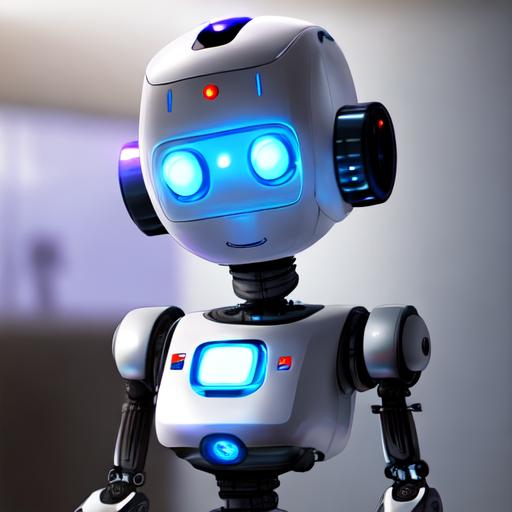
In March 2023, the Copyright Office issued formal guidance on the registration of AI-generated works, focusing on “generative AI,” which are technologies that train on vast quantities of preexisting human-authored works and use inferences from that training to generate new content, including text, visuals, or audio. These technologies are becoming increasingly prevalent in AI film writing.
According to the Office’s guidance, the fundamental principle underlying copyrightability is human authorship. A work is copyrightable only if it’s essentially one of human authorship, where a computer or AI is merely an assisting instrument. Therefore, works where AI autonomously generates content without human involvement are not copyrightable. For instance, even if a user provides a prompt for AI to generate a script, it is the AI, not the human user, that determines how to interpret the prompts and generate material. Hence, such works cannot be copyrighted.
However, there are limited situations where AI-generated work can be part of a copyrighted work. For instance, if a human selects or arranges AI-generated material in a sufficiently creative way that the resulting work constitutes an original work of authorship, then it may be copyrightable. Similarly, if a human modifies material originally generated by AI technology to such a degree that the modifications meet the standard for copyright protection, then the work could be copyrighted. But these protections extend only to the human-authored aspects of the work.
For copyright applicants, the Office’s guidance stipulates that they must disclose the inclusion of AI-generated content and provide a brief explanation of the human author’s contributions to the work. The AI technology used, or the company that provided it, should not be listed as an author or co-author. AI-generated content that is more than de minimis should be explicitly excluded from the application.
Unfortunately, due to technical difficulties, I was unable to fetch data on the impact of AI on the screenwriting process. Rest assured, further research is underway to provide you with comprehensive insights into the role of AI in screenwriting, the pros and cons of AI-generated scripts, and how AI is shaping the future of the screenwriting industry.
The rise of AI in screenwriting brings exciting possibilities, but it also raises complex legal issues around copyright. As AI continues to advance and generate increasingly sophisticated content, it’s crucial to keep the legal implications in mind. As machine learning screenwriting and AI story generation continue to evolve, so too must our understanding and application of copyright law to ensure a fair and balanced approach to AI-generated scripts in the realm of screenwriting.
✍️ Whether you’re mastering the art of dialogue, structure, or character development, the power of AI can be a game-changer in your writing journey. My Free Ebook, ‘AI for Authors’ delves into how AI-powered prompts can provide a unique edge to your storytelling process. If you’re intrigued by the prospect of supercharging your fiction skills, download your free copy today and explore new horizons in creative writing.
 A.I. in Screen Trade