In the traditional cinematic form storytelling, a hero, no matter how compelling, is often only as good as the villain they face. This oppositional force is not merely a character, but a critical narrative element that helps define the hero, propels the plot, and imbues the story with philosophical and thematic richness.
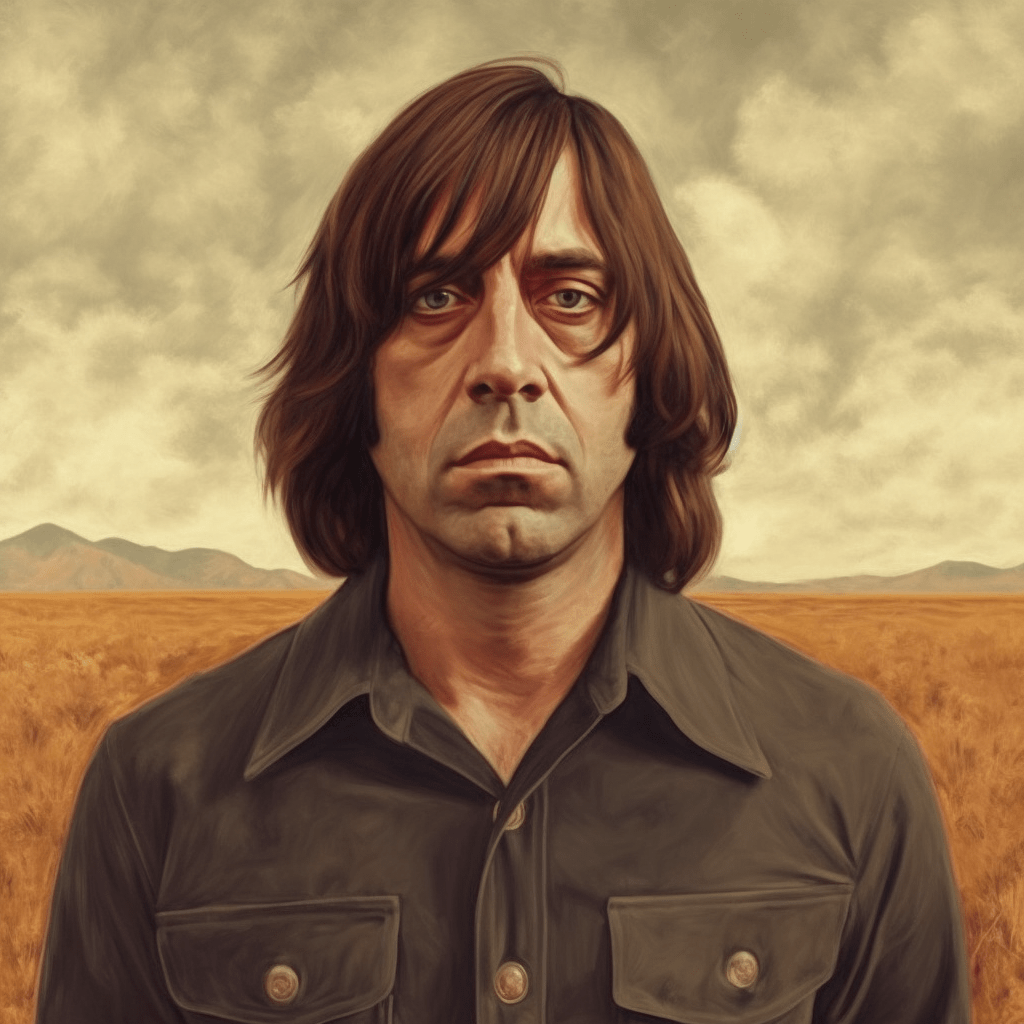
Consider the likes of Hans Landa (Christoph Waltz in “Inglourious Basterds”), Anton Chigurh (Javier Bardem in “No Country for Old Men”), or Amy Dunne (Rosamund Pike in “Gone Girl”). These iconic figures linger in our collective memory not because they merely present obstacles for the protagonists but because they embody potent themes, stimulate fascinating character dynamics, and, paradoxically, reflect our own human condition.
The Villain as a Mirror
A compelling villain often serves as a dark mirror to the protagonist, embodying qualities that the hero must confront or overcome. This dynamic adds depth to both characters and provides an emotional resonance that transcends the plot itself.
Consider the relationship between Batman and the Joker in Christopher Nolan’s “The Dark Knight”. The Joker is not just a criminal mastermind, but a philosophical antithesis to Batman. His nihilistic worldview challenges Batman’s crusade for justice, forcing our hero to grapple with his own principles and the very nature of his quest. Screenwriter Jonathan Nolan reflects on this dynamic, stating, “We wanted to look at the idea of a villain as a foil to Batman, not just as an antagonist. The Joker pushes Batman to his limits, making him question everything he stands for.”
The Villain as a Catalyst
The villain also serves as a catalyst for the story, driving the plot and creating the circumstances that challenge the hero. This active role prevents the villain from being a mere obstacle and makes them an integral part of the story’s progression.
Consider Thanos from the Marvel Cinematic Universe. His quest for the Infinity Stones sets the entire plot of the “Avengers: Infinity War” and “Endgame” in motion. His actions force the heroes to band together, confront their own failures, and ultimately sacrifice to save the universe. His character provides the necessary conflict that tests our heroes and drives their evolution.
The Villain as a Symbol
Villains can also embody thematic or symbolic elements, adding a layer of complexity to the story. They often personify specific fears, societal issues, or philosophical questions, allowing the story to explore these themes in a tangible and dramatic way.
Think of the shark in “Jaws” or the xenomorph in “Alien”. While they may not possess the depth of character found in human villains, they embody primal fears and societal anxieties. The shark represents the terror of the unknown lurking beneath the surface, while the xenomorph is a symbol of the other—alien and terrifying. Their presence elevates these films from simple monster movies to profound explorations of fear and survival.
Crafting Your Villain
When crafting your villain, it’s essential to consider these aspects. A villain who merely poses a physical threat to the protagonist can lead to a flat narrative. Instead, think about how your villain can challenge your protagonist emotionally and philosophically. Can they reflect the protagonist’s flaws or fears? Can their actions force your protagonist to grow or change? How can they embody the themes you wish to explore?
Writing guru Robert McKee advises, “Consider what values your villain will challenge in your protagonist. The greater the values at stake, the greater the story’s power.” In doing so, you not only create a compelling antagonist but also enrich your protagonist and your overall narrative.
In conclusion, the crafting of compelling villains is a vital aspect of screenwriting. It requires a deep understanding of character dynamics, plot development, and thematic resonance. As we delve into the shadows to bring our villains to life, we illuminate the core of our story, drawing the audience into a deeper exploration of our narrative world.
Let’s consider the wisdom of several accomplished authors and their insights into crafting compelling villains. George Langelaan, author of the short story ‘The Fly’, reminds us that villains can be more complex than just rascals or devils to be condemned. “As a writer, I take such a liking to villains that I try to give them a jolly good time and, in the end, to let them off as lightly as possible,” he said, illustrating that villains can be treated with humor and leeway, sometimes even escaping punishment.
Patricia Highsmith, known for her novels about the anti-hero Tom Ripley, urges writers to challenge stereotypes about villains. “Murderers, psychopaths, prowlers-in-the-night are old hat, unless one writes about them in a new way,” she said, demonstrating the value of innovation in crafting your villain’s character.
And Thomas Harris, the creator of Hannibal Lecter, points to the captivating power of villains, saying, “Often the villain will demand more ‘airtime’ because they are so fascinating.” This suggests that your villain, even if they start as a minor character, could potentially take center stage due to their inherent interest and complexity.
Crafting compelling villains is a complex task that involves not only creating a formidable opposition for your protagonist but also a character that is complex, multi-dimensional, and intrinsically linked to the themes and conflicts of your story. It’s a journey into the shadows of humanity, but one that, if done right, can illuminate your story in ways that resonate deeply with your audience.
✍️ Whether you’re mastering the art of dialogue, structure, or character development, the power of AI can be a game-changer in your writing journey. My Free Ebook, ‘AI for Authors’ delves into how AI-powered prompts can provide a unique edge to your storytelling process. If you’re intrigued by the prospect of supercharging your fiction skills, download your free copy today and explore new horizons in creative writing.
 A.I. in Screen Trade